HPRC Quarterly Highlights: Q1 2026
HPRC Quarterly Highlights: Q1 2026
We hope you will visit the links and learn more about these updates and resources!
Collaborate with Partners to Identify Evidence-Based Interventions
CalFresh Healthy Living-CHOICES Project
This quarter, we completed our work modeling strategies to promote healthy eating and active living, using the CHOICES methods and a microsimulation model with local health departments in California. We were pleased to have the opportunity to collaborate with these local health agencies and their partners. You will find the results of several new cost-effectiveness analyses completed with these teams of public health leaders. These include briefs focused on sugary drink taxes and fruit and vegetable incentives in Santa Clara County, briefs evaluating the impacts of sugary drink taxes in the city of Los Angeles and in unincorporated areas of Los Angeles County, and strategies that encourage safe and active trips to school in parts of San Mateo County and in Ravenswood and South San Francisco.
More New Publications from PRC Researchers and Our Research Partners
In a recent research paper, ‘Cost-Effectiveness and Health Equity Improvements From Excluding Sugar-Sweetened Beverages From the Supplemental Nutrition Assistance Program,’ researchers highlight data suggesting that excluding sugar-sweetened beverages from the Supplemental Nutrition Assistance Program could be a cost-saving strategy to improve health and health equity across income, racial, and ethnic groups. Learn More
Collaborative research partners focused on school water promotion recently published a study examining the cost of the Water First School Water Promotion and Access Intervention, offering valuable insights for schools and stakeholders to plan and implement effective school-based initiatives that increase access to drinking water. Learn more
Researchers estimated the contribution of meals and snacks provided through the Child and Adult Care Food Program (CACFP), a federal food assistance program that supports children’s nutrition. Their research suggests CACFP meals and snacks promote nutritious diets for young children by increasing energy-adjusted intakes of dairy and whole grains, while decreasing energy-adjusted intakes of sodium, saturated fat, and added sugars compared to what children consume elsewhere. Learn more.
Offer Resources & Training Opportunities
New Resources on Drinking Water in Schools Toolkit
We consistently work to share new resources, tools, and peer-reviewed publications that align with our Center’s priority areas (healthy eating, active living, sugary drinks, drinking water access and intake, and unhealthy food and beverage marketing). This quarter, along with our Nutrition and Obesity Research and Evaluation Network partners, we launched our newest toolkit focused on drinking water in schools: https://bit.ly/school-water-toolkit
Safe, appealing drinking water is essential for student health, focus, and overall well-being—yet access varies across schools. A newly updated toolkit equips school leaders, nutrition professionals, operations & facilities, and partners with practical steps to improve water safety, appeal, and promotion. From model wellness policy language to youth-led campaigns and infrastructure checklists, these resources support a culture of healthy hydration in every school. 💧
Reminder: The public is invited to join the Monday Nutrition Seminars at HSPH. Learn more and see upcoming events
Build Capacity for Conducting Community-Engaged Research
This fall, we celebrated the achievements of our newest group of 10 Leaders in Health. The Leaders in Health (LIH) program enhances community health efforts through introductory training in public health research and science. The program aims to build the capacity of our community partners by providing participants with a foundation in community-based participatory research, program planning, and evaluation. Learn more.
Visit our archive of HPRC quarterly highlights & annual news stories
Sarosiek Lab
The Sarosiek Laboratory pursues research focusing on a fundamental question that has broad implications for health and disease: What determines whether a cell will live or die in response to damage or stress?
655 Huntington Avenue
Building 2, Room 229
Boston, MA 02115
Lab Members
Sarosiek Laboratory Members (Current)
-
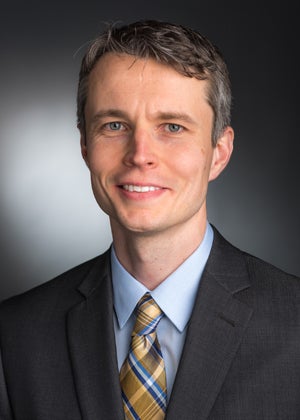 Kristopher Sarosiek, PhD
Principal Investigator
Co-Director, JBL Center for Radiation Sciences
Associate Professor of Radiation Biology and Cell Death
-
 Shatha AlShehri
Graduate Student (2025 – Present)
-
Christopher Clark
Graduate Student (2024 – Present)
-
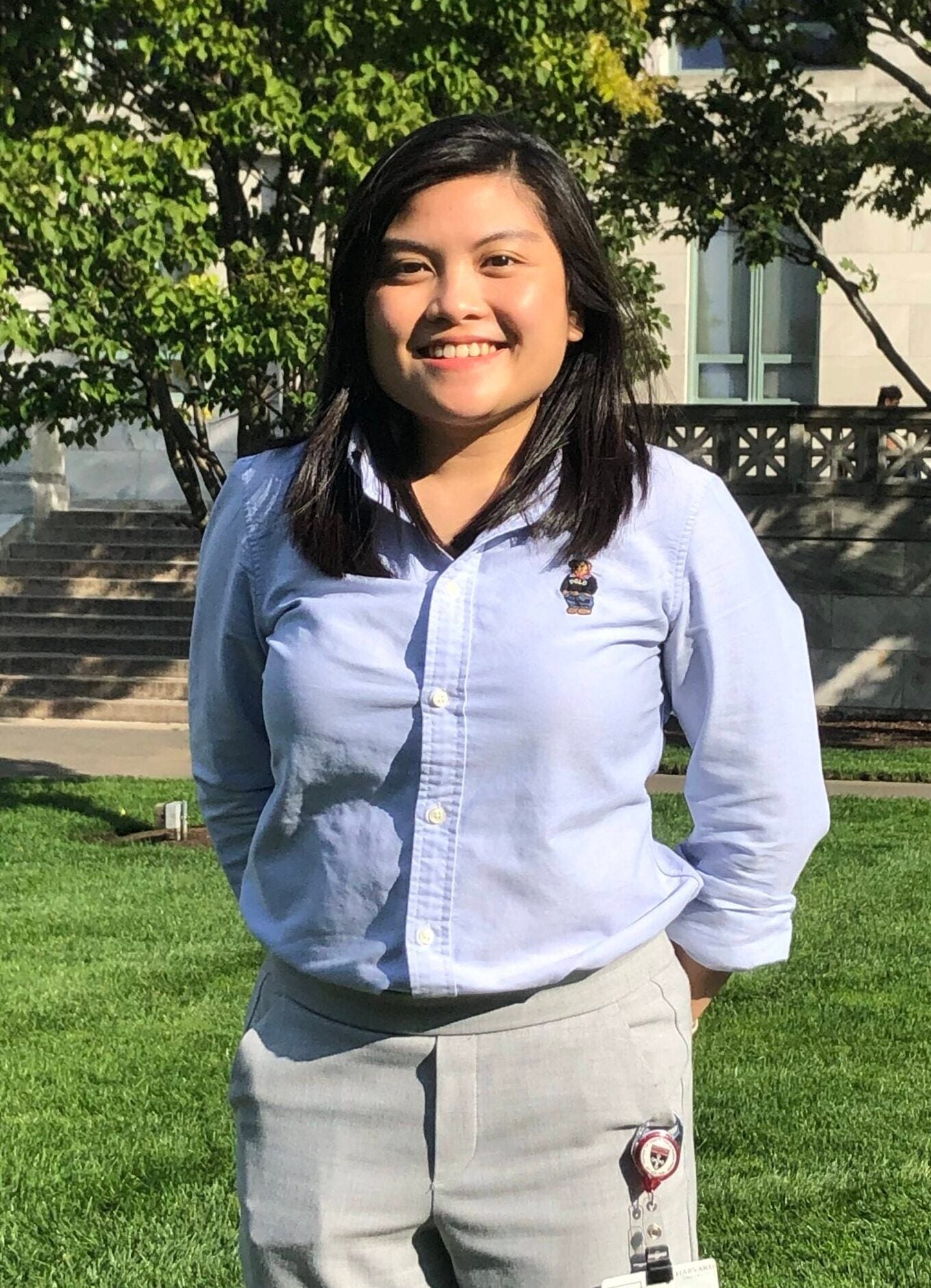 Kiwi Florido
Graduate Student (2020 – Present)
Co-mentored with Lee Rubin, Dept of Stem Cell and Regenerative Biology
Master’s Degree in Pathology: Case Western Reserve University
Undergraduate Degree: California State University – San Bernadino
View Kiwi’s Publications from the Sarosiek Laboratory -
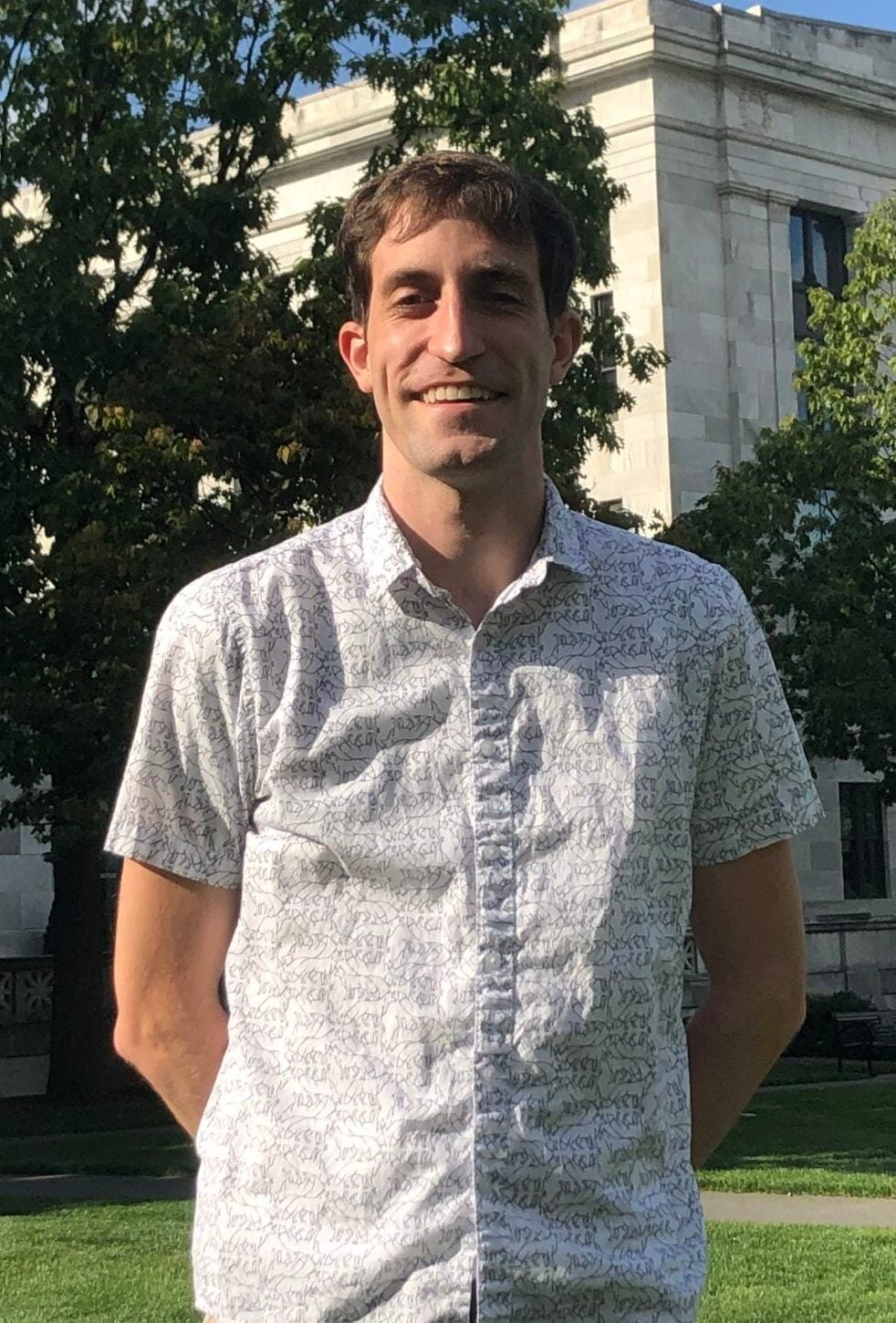 Zintis Inde, PhD
Postdoctoral Fellow (2020 – Present)
Graduate Degree: Stanford University
View Zintis’ Publications from the Sarosiek Laboratory -
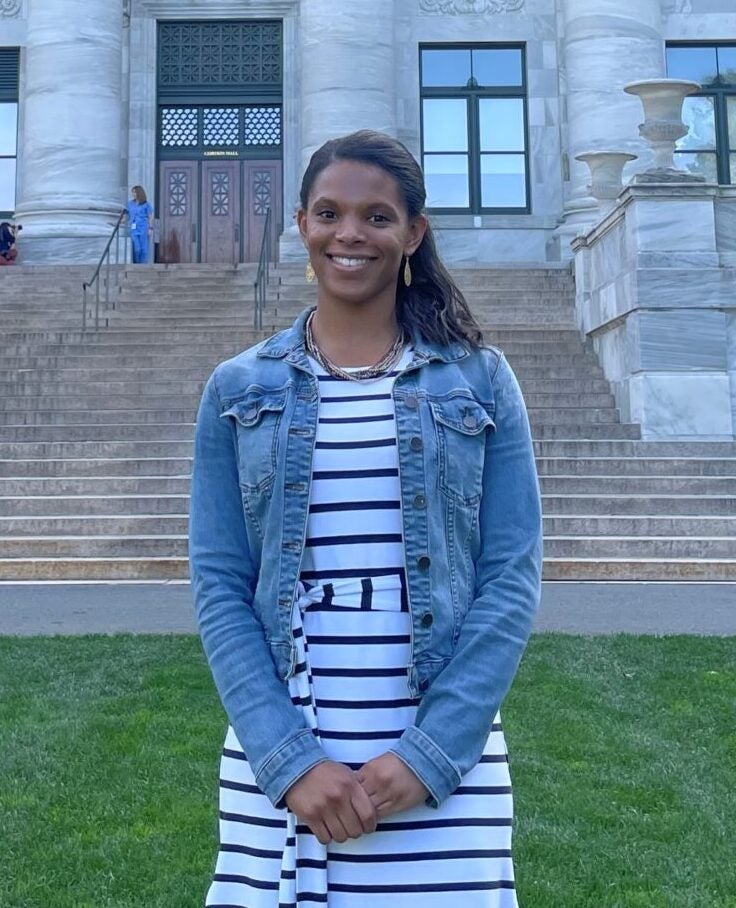 Lissah Johnson
Graduate Student (2021 – Present)
Undergraduate Studies: University of California Santa Barbara; University of Redlands (Redlands, CA)
View Lissah’s Publications from the Sarosiek Laboratory -
Sebastian Keppler
Technician (2025 – Present)
-
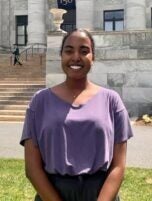 Marwa Osman
Graduate Student (2022 – Present)
Undergraduate Degree: University of Colorado at Boulder
View Marwa’s Publications from the Sarosiek Laboratory -
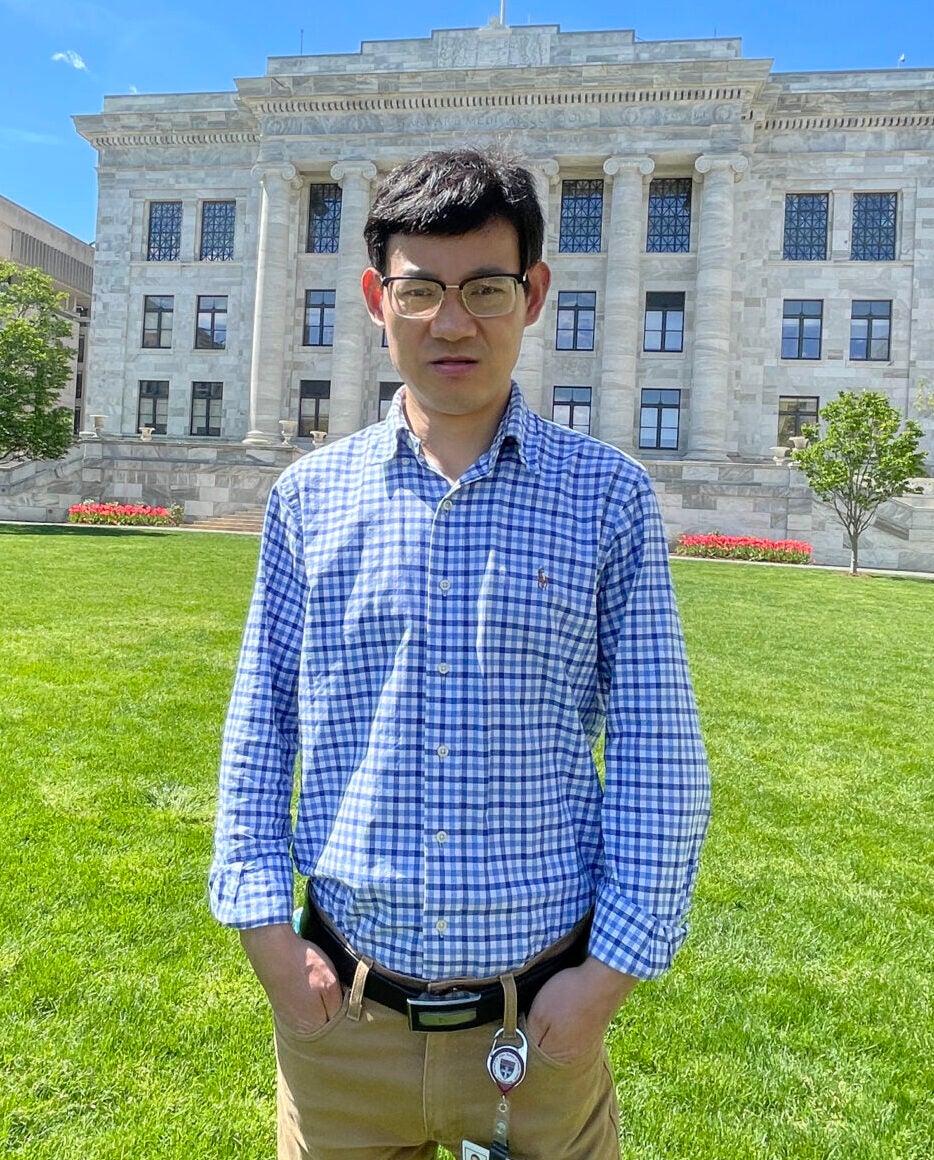 Xingping Qin, MD, PhD
Postdoctoral Fellow (2020 – Present)
View Xingping’s Publications from the Sarosiek Laboratory -
 Oyku Sumer
Graduate Student (2023 – Present)
Undergraduate Degree: Middle East Technical University
Graduate Degree: University of Heidelberg in Germany
View Oyku’s Publications from the Sarosiek Laboratory -
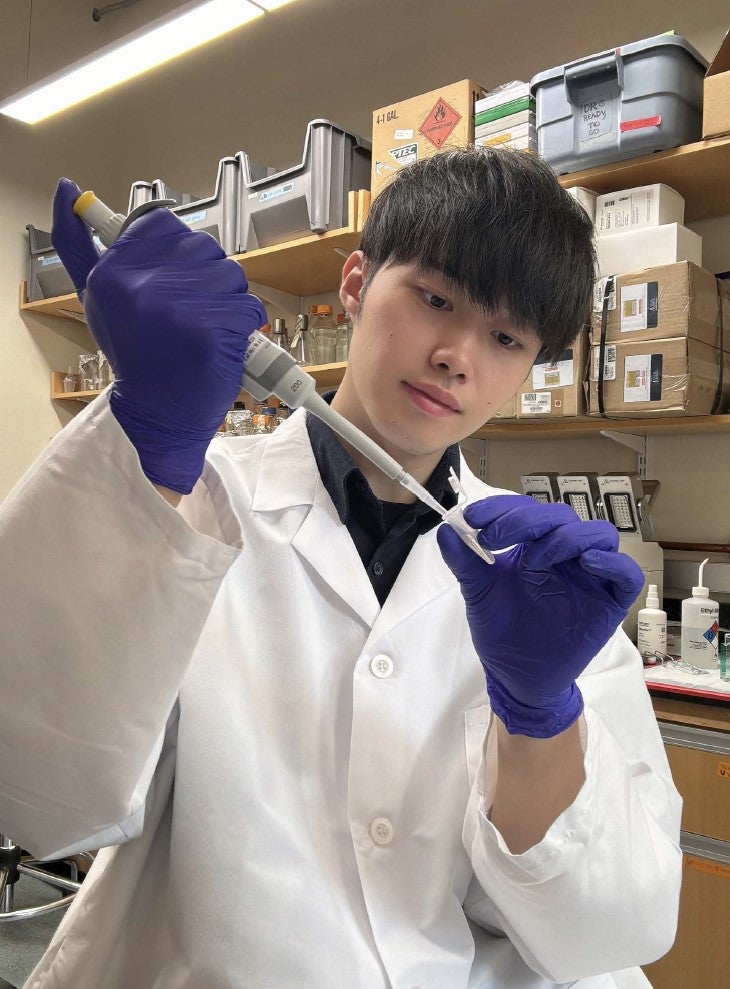 Atomu Yamaguchi, PhD
Postdoctoral Fellow (2024 – Present)
Graduate Degree: Kobe University
View Atomu’s Publications from the Sarosiek Laboratory -
 Zijang “Jane” Zhu, PhD
Graduate Student (2022 – 2025)
Postdoctoral Fellow (2025 – Present)
View Jane’s Publications from the Sarosiek Laboratory
Sarosiek Laboratory Members (Alumni)
-
 Anna Abruzzo
Undergraduate Summer Intern (2019)
-
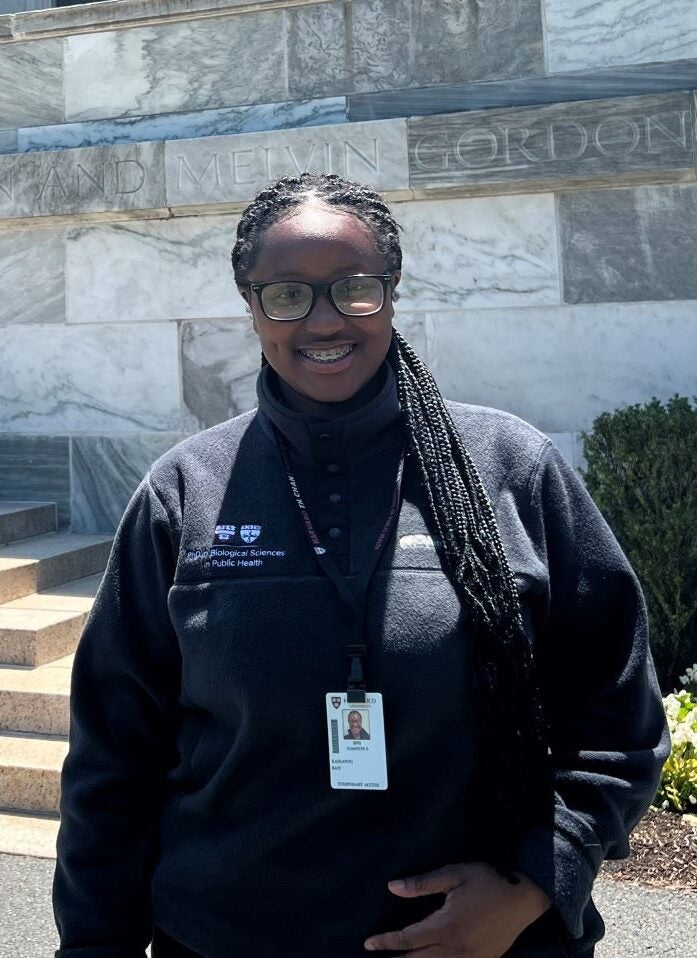 Kadiatou Bah
Undergraduate Summer Intern (2023)
-
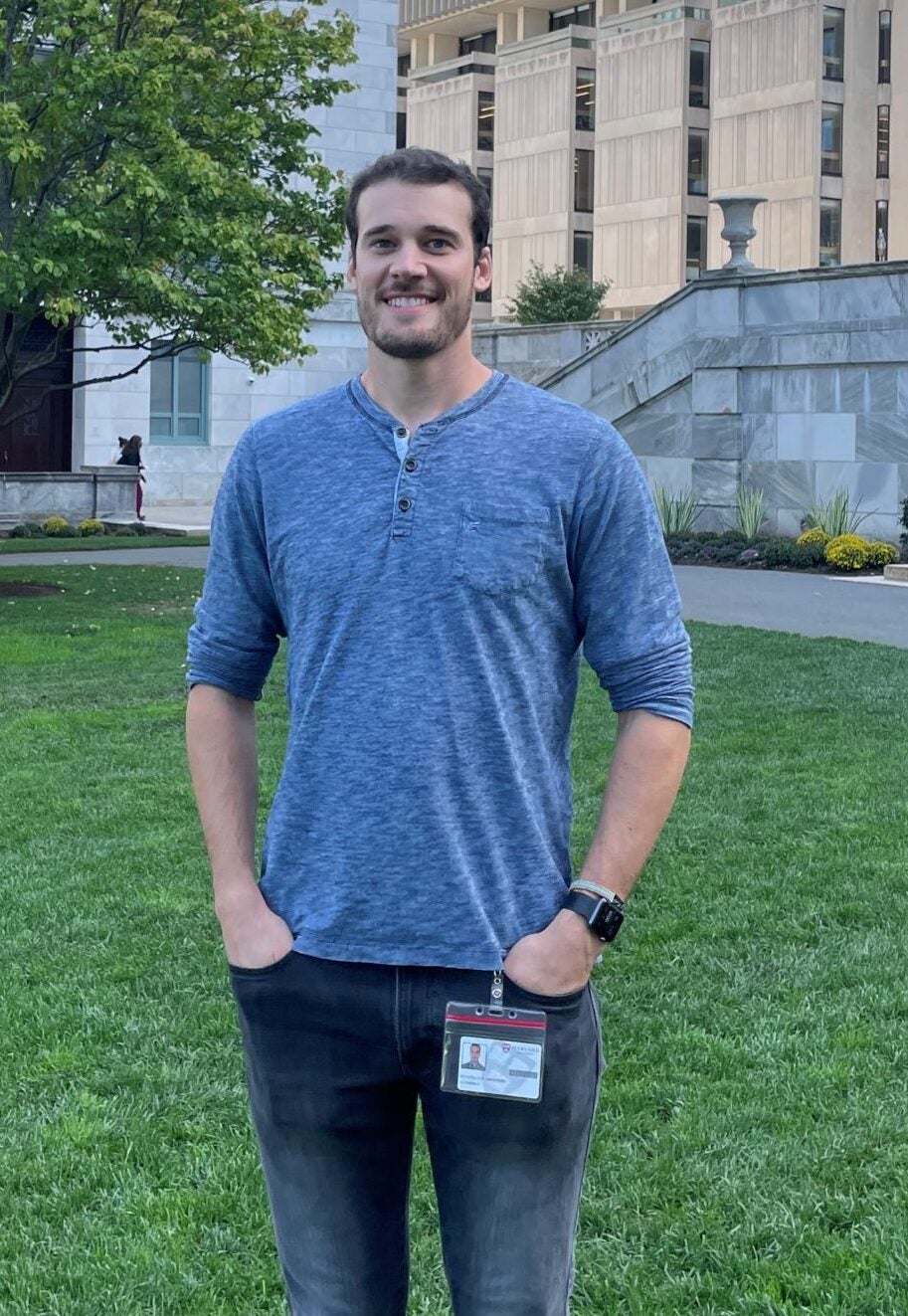 Jonathan Choiniere, PhD
Postdoctoral Fellow (2021 – 2023)
View Jon’s Publications from the Sarosiek Laboratory -
 Eva Finke
Undergraduate Summer Intern (2017)
-
 Cameron Fraser
Laboratory Technician (2016 – 2023)
View Cam’s Publications from the Sarosiek Laboratory -
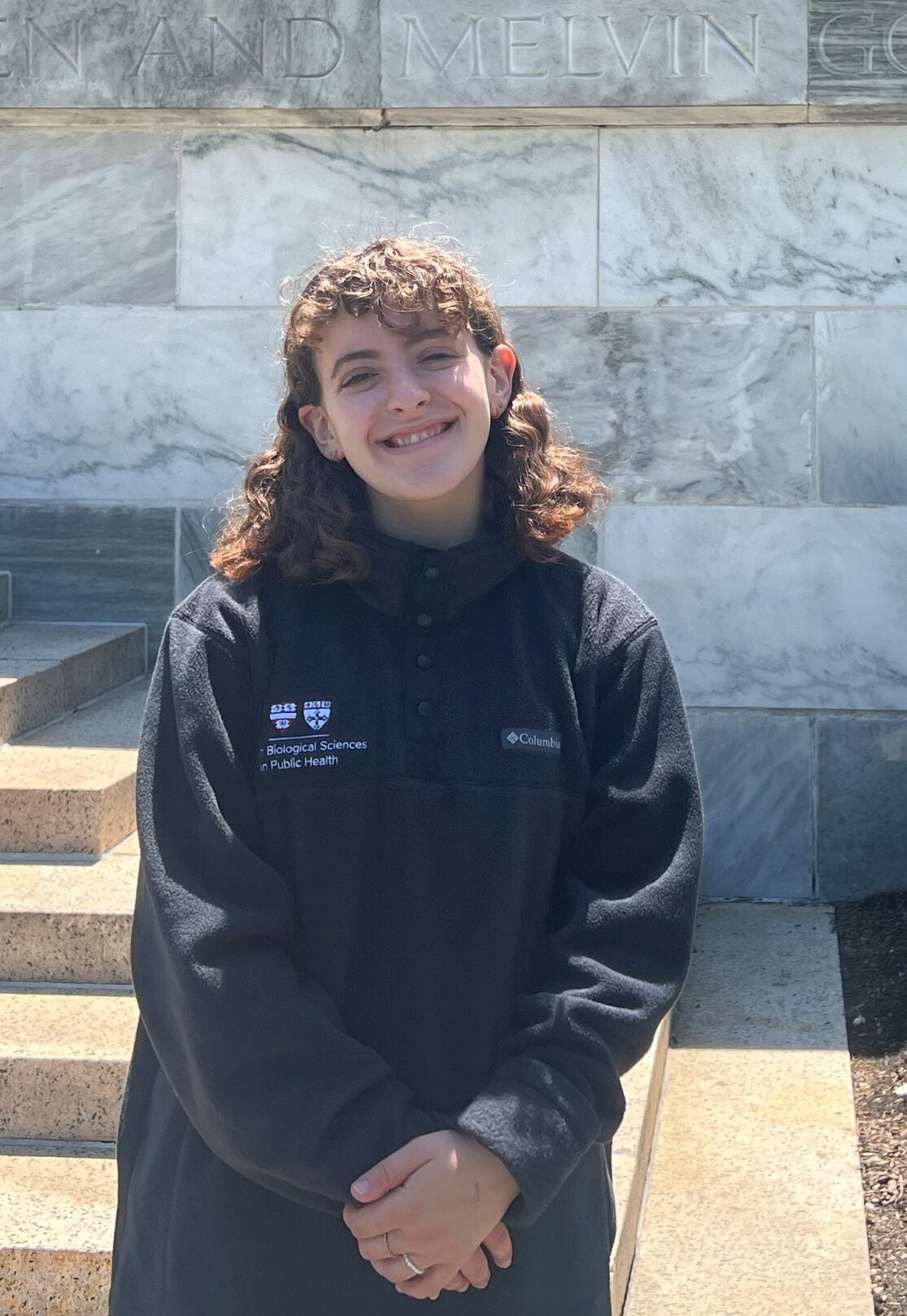 Sophie Fredberg
Undergraduate Summer Intern (2023)
-
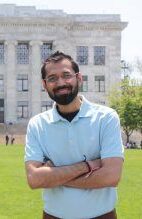 Gaurav Joshi, PhD
Postdoctoral Fellow (2016 – 2019)
View Gaurav’s Publications from the Sarosiek Laboratory -
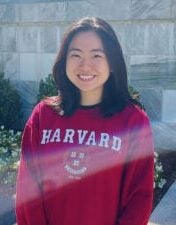 May Jung
Undergraduate Thesis Student (2021 – 2025) -
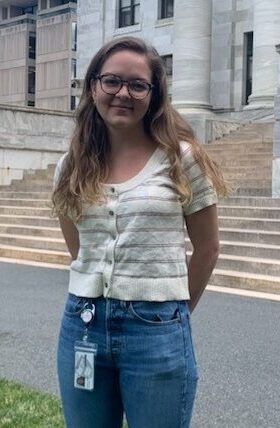 Leah Martin
Masters Student (2021 – 2023) -
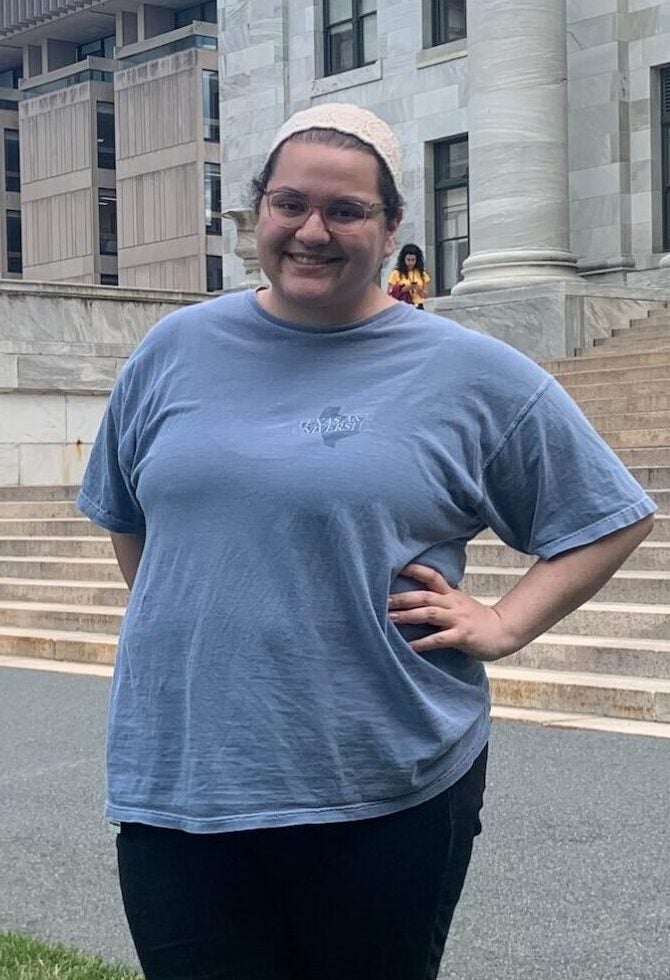 Pilar Ibarra Noriega
Undergraduate Summer Intern (2022) -
 Adam Presser
Laboratory Technician (2017 – 2020)
View Adam’s Publications from the Sarosiek Laboratory -
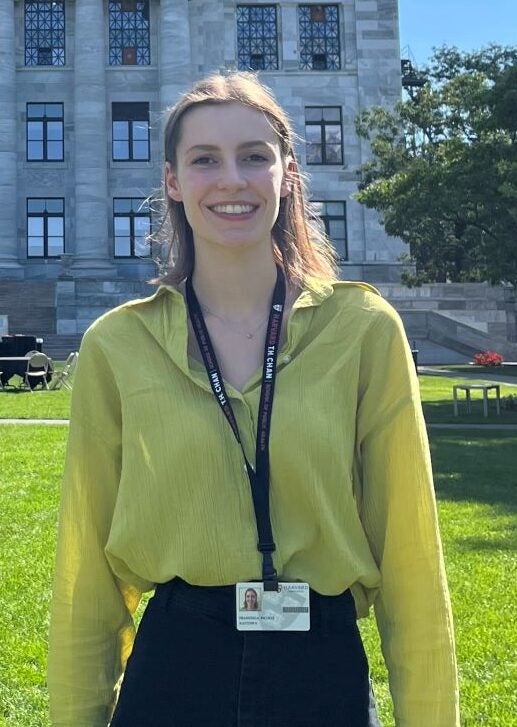 Francesca Picucci
Visiting Scholar (2023 – 2024)
View Francesca’s Publications from the Sarosiek Laboratory -
Prithul Sen
JBL Center Manager (2023 – 2024) -
 Maura Sieller
JBL Center Manager (2016 – 2018) -
 Rumani Singh, PhD
Postdoctoral Fellow (2016 – 2021)
Undergraduate Degree: Guru Nanak Dev University (Punjab, India)
Graduate Degree: Tsukuba University (Tsukuba, Japan)
View Rumani’s Publications from the Sarosiek Laboratory -
 Johan Spetz, PhD
Postdoctoral Fellow (2017 – 2023)
Graduate Degree: University of Gothenburg (Gothenburg, Sweden)
View Johan’s Publications from the Sarosiek Laboratory -
Kaitlyn Webster, PhD
Postdoctoral Fellow (2018 – 2020)
Undergraduate Degree: Smith College (Northampton, MA)
Graduate Degree: University of Massachusetts Boston (Boston, MA)
-
 Stacey Yu
Graduate Student (2018 – 2023)
Undergraduate Degree: University of California, Berkeley
View Stacey’s Publications from the Sarosiek Laboratory
News
Maternal and Child Health Center of Excellence
The Maternal and Child Health (MCH) Center of Excellence provides academic, research, and service-learning opportunities to public health students, researchers, and practitioners whose mission is to improve the lives of mothers, children, and families.
Kresge Building 6th-floor
677 Huntington Ave., Boston MA 02115
2026 MCH Symposium
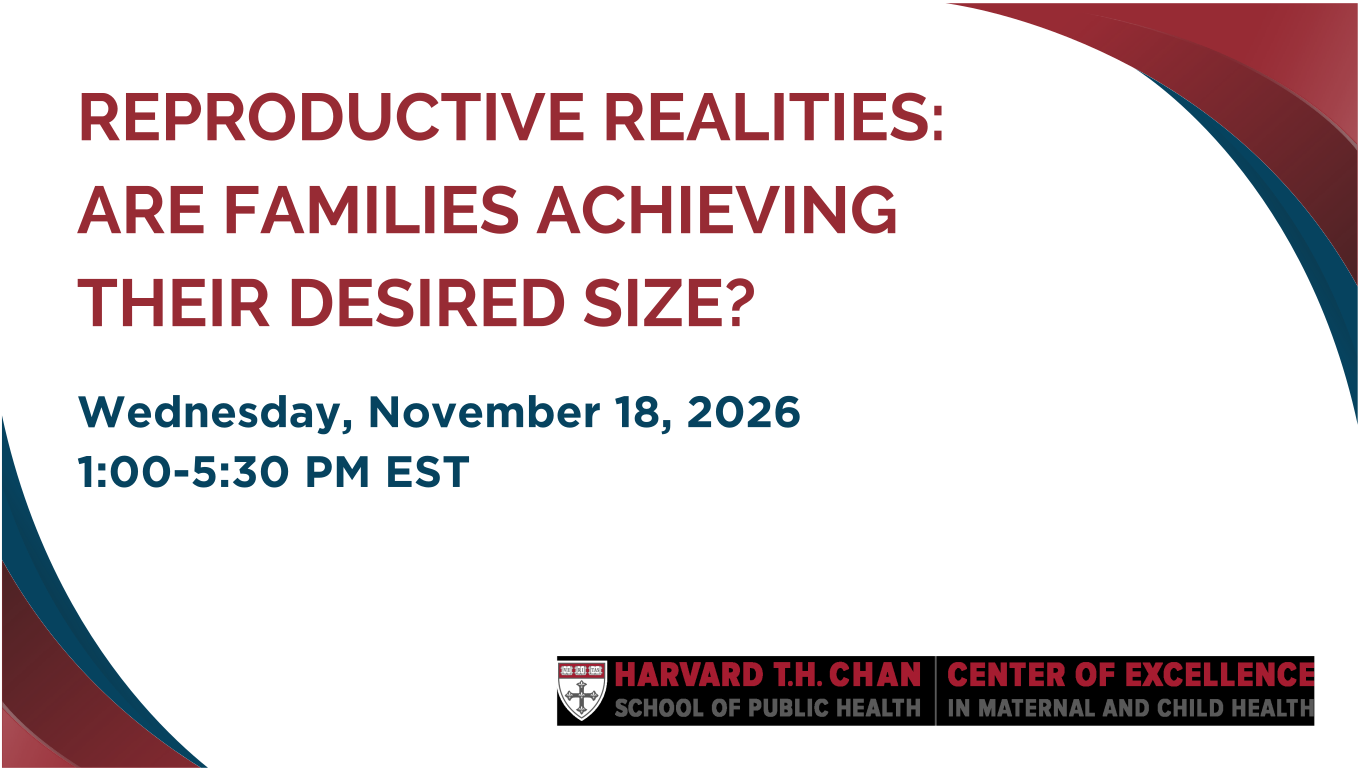
Reproductive Realities: Are Families Achieving Their Desired Size?
Join us for the first of our MCH Symposium series on fertility with distinguished leaders from interdisciplinary fields including economics, demography, epidemiology, and sociology for a discussion on the current reproductive realities in the United States. Our guiding questions include:
- Do men and women have the number of children they want and when they want them?
- What economic, social, health‑related, and structural factors shape the gap between desired and actual fertility?
- What is the role of Maternal and Child Health in advancing research and practice?
Event Details
Date: Wednesday, November 18, 2026
Time: 1:00 – 5:30 PM EST
Location: Harvard T.H. Chan School of Public Health (Hybrid option for remote viewing)
This event is open to the wider community, both in-person and virtually.
Speakers
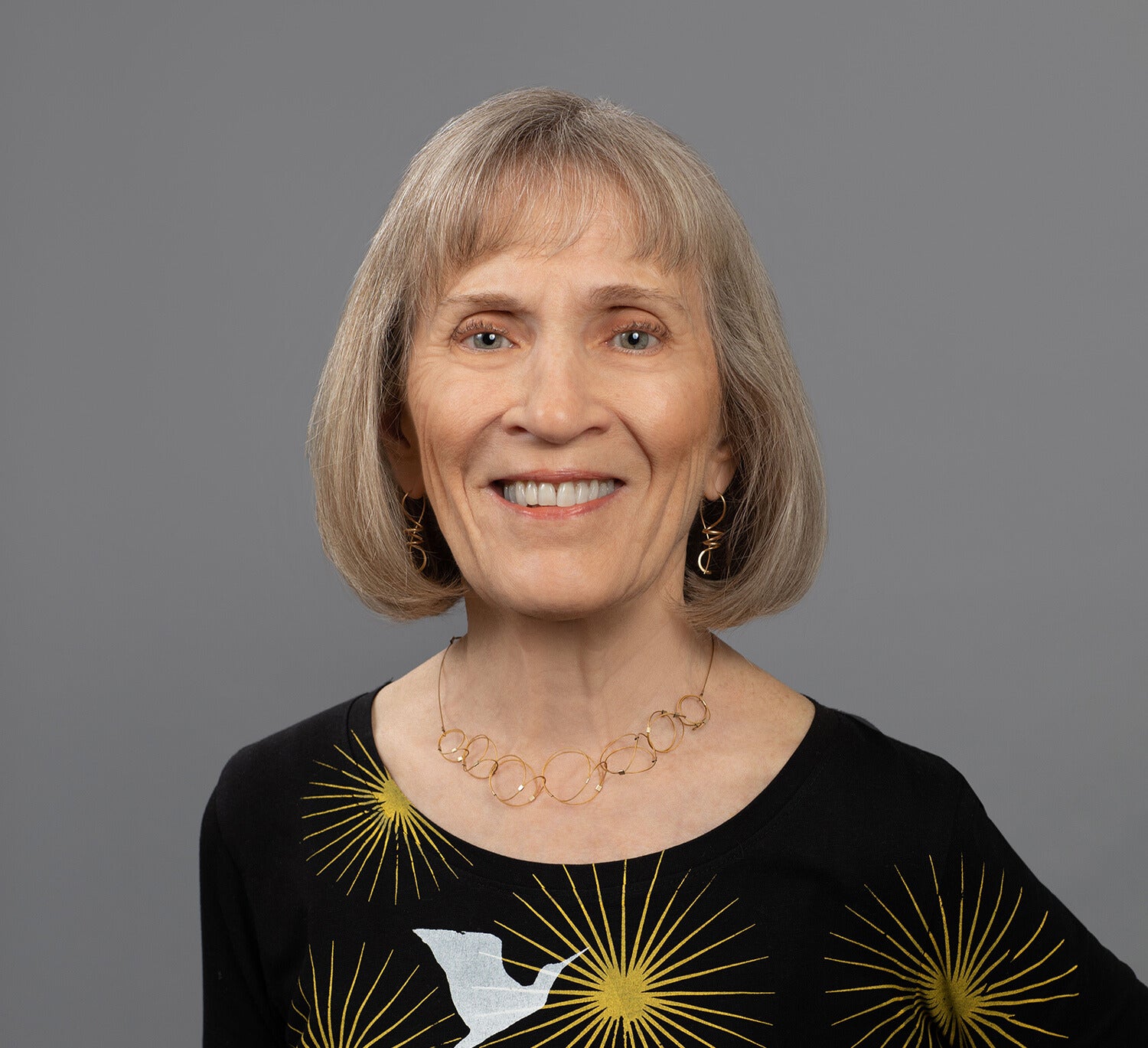
Claudia Goldin is an American economic historian and labor economist and the Samuel W. Morris University Professor, Lee and Ezpeleta Professor of Arts and Sciences, and Henry Lee Professor of Economics at Harvard University.
Her research has fundamentally shaped understanding of women’s labor market outcomes, tracing the long-run evolution of female labor force participation, the gender wage gap, and the interaction of career, family, education, and technological change. Much of her work uses economic history to explain contemporary labor-market inequalities.
Goldin was awarded the 2023 Sveriges Riksbank Prize in Economic Sciences in Memory of Alfred Nobel “for having advanced our understanding of women’s labour market outcomes,” becoming the third woman and first solo female laureate in economics. She has also received honors such as the IZA Prize in Labor Economics, the Nemmers Prize in Economics, the BBVA Frontiers of Knowledge Award, and the 2026 Talcott Parsons Prize of the American Academy of Arts and Sciences.
She is the author of numerous influential books and articles, including Understanding the Gender Gap: An Economic History of American Women and Career & Family: Women’s Century‑Long Journey toward Equity.
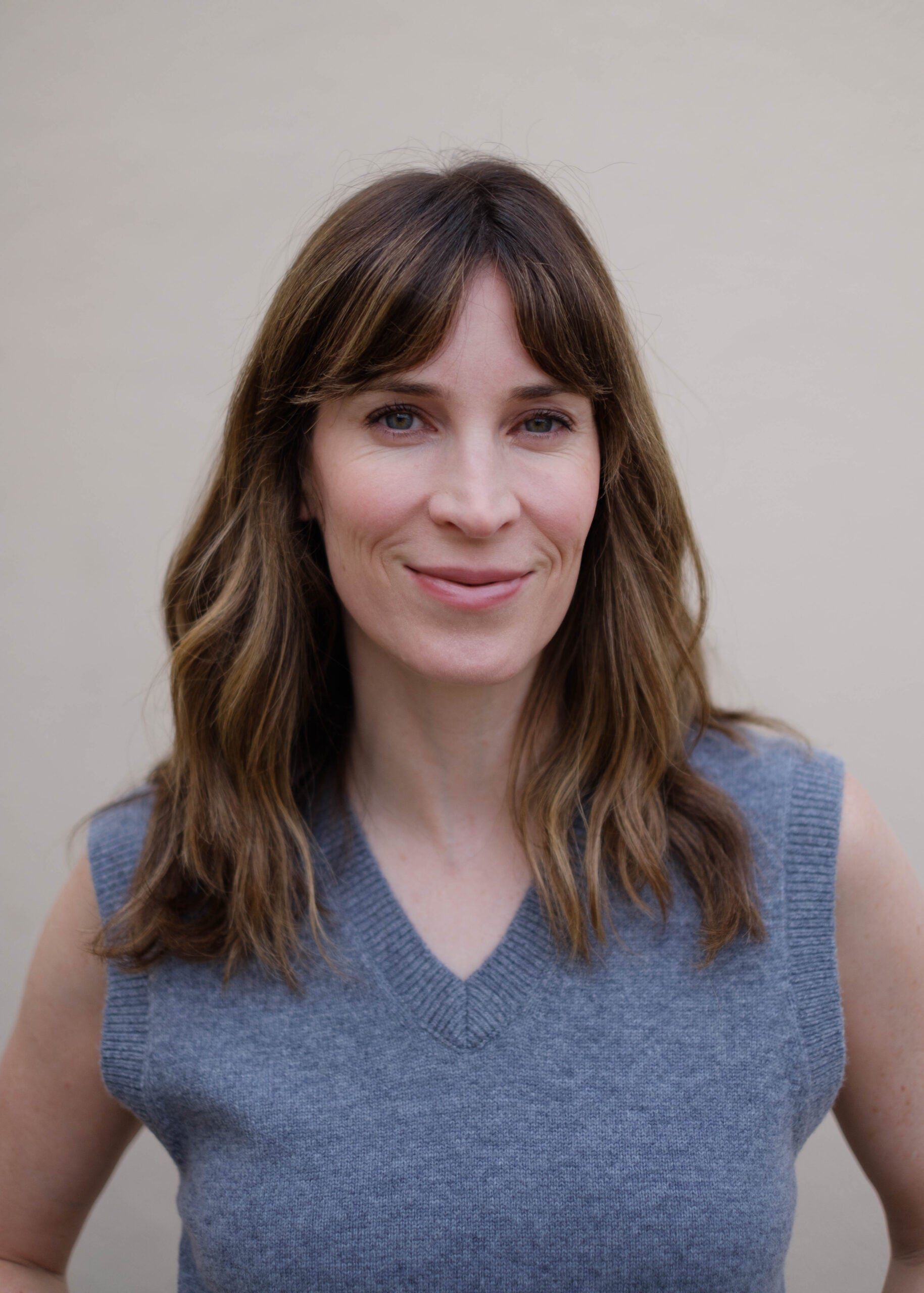
Alison Gemmill is a nationally recognized expert in perinatal epidemiology and fertility. Her research leverages large-scale data and natural experiments to understand how structural and political determinants—such as policies, economic shocks, and social stressors—shape maternal, infant, and reproductive health outcomes, including preterm birth, fetal loss, and maternal complications.
Her scholarship also addresses U.S. fertility patterns, contraceptive use, and reproductive goals, with current projects examining the determinants and consequences of recent fertility declines. She co-leads the U.S.-based Human Fertility Database, funded by the National Science Foundation, which will enable researchers to investigate the multifactorial drivers of period and cohort fertility change across time and place.
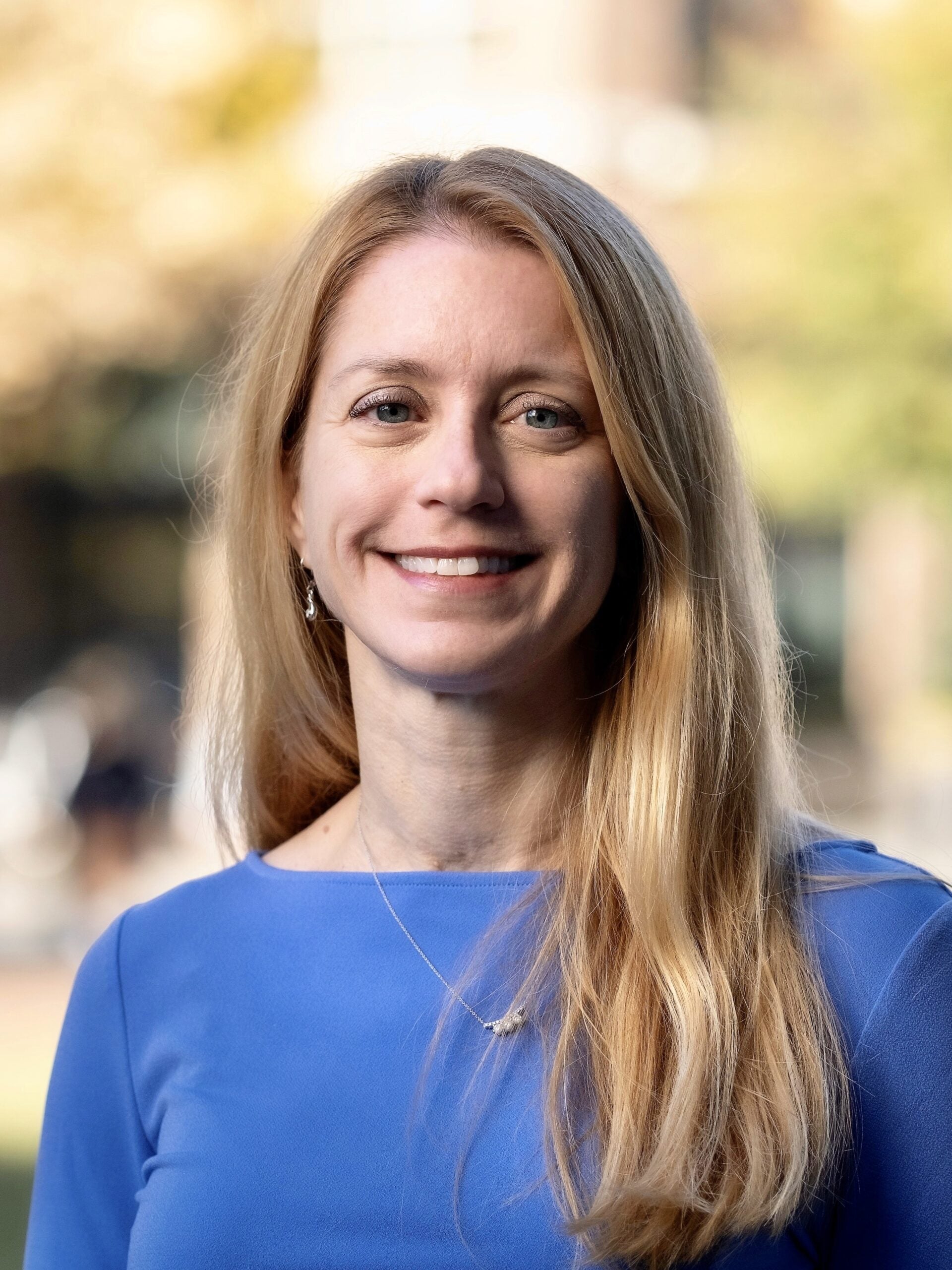
Karen Guzzo is an expert on trends and differentials in U.S. fertility preferences and fertility behaviors, such as delayed childbearing and childlessness, fertility decision-making, nonmarital fertility, and childbearing across partnerships. Using survey data and vital statistics data, her work takes a reproductive career approach, which grounds childbearing behaviors both in the larger life course and in relation to individuals’ past and future childbearing goals and behaviors. Her recent work focuses on how uncertainty is associated with Americans’ childbearing plans and goals.
Additional areas of research consider the challenges of measuring family behaviors. Surveys typically include questions that ask individuals about their past childbearing, cohabitation, and marriage behaviors and their future plans, yet issues of question wording, respondent recall, and social desirability may influence the reliability and accuracy of people’s reports. Dr. Guzzo’s work has delved extensively into how demographers measure concepts such intended fertility or identify different family forms such as stepfamilies or families that span households.
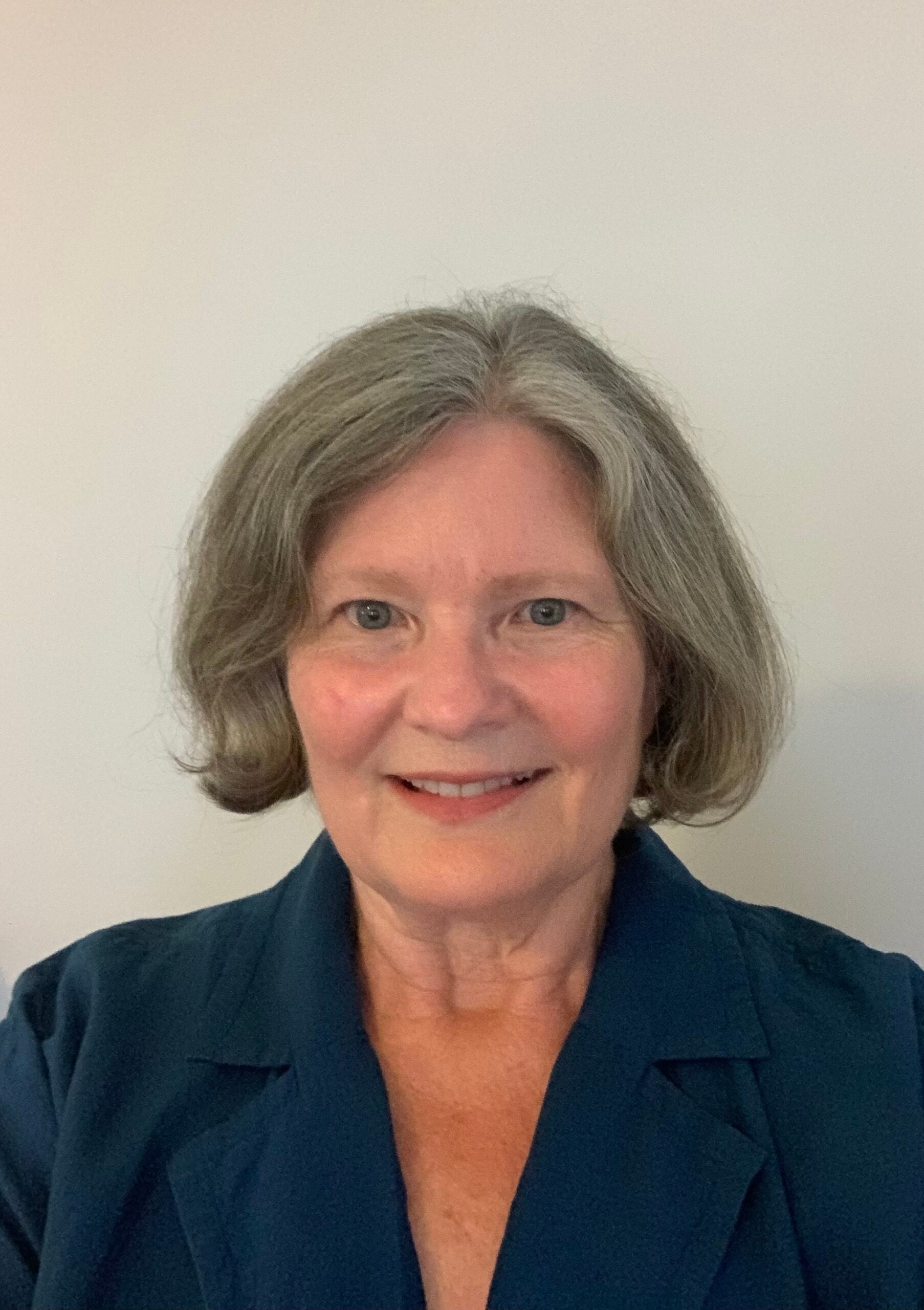
Jennifer Glass is the Centennial Commission Professor of Liberal Arts in the Department of Sociology and Research Associate in the Population Research Center at the University of Texas, Austin. She has published over 60 articles and books on work and family issues, remote work, gender stratification in the labor force, mother’s employment and mental health, gender integration in the STEM labor force, and religious conservatism and women’s economic attainment.
Her most recent projects explore the intensifying demands on U.S. mothers to financially support their children and their capacity to meet those demands, focusing on wages and working conditions in male and female dominated jobs. She is also researching whether and when governmental work-family policies improve or undermine parents’ and children’s mental and physical health, and the role of work-family reconciliation policies in mothers’ disadvantage in the labor market.
Agenda
| 1:00 – 1:25 PM | Event Check-In |
| 1:25 – 1:30 PM | Opening Remarks |
| 1:30 – 2:15 PM | Keynote: Dr. Claudia Goldin |
| 2:15 – 2:25 PM | Break |
| 2:25 – 3:25 PM | Presentation 1: Dr. Alison Gemmill Presentation 2: Dr. Karen Guzzo |
| 3:25 – 3:55 PM | Coffee and Networking |
| 3:55 – 4:25 PM | Presentation 3: Dr. Jennifer Glass |
| 4:25 – 5:25 PM | Panel Discussion (All Presenters) |
| 5:25 – 5:30 PM | Closing Remarks |
Questions about this event? Please email mchconcentration@hsph.harvard.edu.
Strategic Training Initiative for the Prevention of Eating Disorders (STRIPED)
Our initiative is a public health incubator, designed to cultivate novel insights and strategies for prevention. We introduce trainees to a rich array of disciplinary perspectives, methodologies, and theories and provide them with opportunities to join crosscutting collaborative teams.
Report – Geographic Accessibility of Eating Disorders Treatment Centers in the United States: A Nationwide Mapping Study
February 2026
Access to eating disorder treatment (EDT) services varies widely across the United States, with significant geographic gaps in both availability and level of care. This analysis mapped 387 treatment centers nationwide, distinguishing between in-person and telehealth services. In-person care is concentrated along the East and West Coasts, leaving many Central and Southern states with limited or no local options. While telehealth helps extend reach across state lines, access remains uneven and may be constrained by broadband availability and licensing policies, contributing to ongoing disparities in care.
Acknowledgments
This work was supported by the Consortium Representing Eating Disorders Care (REDC); the U.S. Maternal and Child Health Bureau, Health Resources and Services Administration (training grant T76MC00001, SBA); and, in part, the National Science Foundation (NSF Award No. 181143, LL). We thank the National Alliance for Eating Disorders for technical assistance with the Find ED Help database.
Citation
Liu L, Huo C, Beccia AL, Richmond TK, Austin SB. Geographic Accessibility of Eating Disorders Treatment Centers in the United States: A Nationwide Mapping Study. Strategic Training Initiative for the Prevention of Eating Disorders. Boston, MA; 2026.
Strategic Training Initiative for the Prevention of Eating Disorders (STRIPED)
Our initiative is a public health incubator, designed to cultivate novel insights and strategies for prevention. We introduce trainees to a rich array of disciplinary perspectives, methodologies, and theories and provide them with opportunities to join crosscutting collaborative teams.
Connecticut: Out of Kids’ Hands
Legislative Updates
We are pleased to share that Senate Bill 227 (SB 227) has been introduced this session by the General Law Committee. The bill would add much-needed age restrictions on the sale of over-the-counter diet pills and weight-loss and muscle-building dietary supplements so they can’t be sold to minors. Most recently, the bill had a public hearing before the General Law Committee on Monday, Feb 23, with a strong showing of community supporters!
Watch the legislative briefing entitled, “Understanding Eating Disorders: Prevention, Policy, and Pathways to Care,” which was held on Wednesday, March 25.
We thank the General Law Committee and advocates for their leadership on this important effort to protect young people in Connecticut.
Bill Information
Introduced during the current legislative session, SB 227 is focused on restricting youth access to over-the-counter diet pills and weight-loss and muscle-building dietary supplements. The bill is currently awaiting committee action and is under review in the General Law Committee.
Helpful Materials
Overview
Harvard Opinion Research Program (HORP)
The Harvard Opinion Research Program (HORP) conducts and analyzes public opinion research about public health and emergencies, health care policy, economic and social policies, international public health, and elections, revealing the attitudes and experiences shaping health and politics across the U.S. and around the world.
Communication Research
The Harvard Opinion Research Program (HORP) has teamed up with the de Beaumont Foundation’s Public Health Communications Collaborative (PHCC) to conduct robust research aimed at helping public health communicators across the country. Check out their new 2026 Action Guide for governmental public health communicators below.
Overcoming Challenges & Leveraging Strengths: An Action Guide for Communicators at Public Health Agencies
Authored by: SteelFisher GK, Findling MG, Prus EC, Harvard Opinion Research Program & Public Health Communications Collaborative
February 2026
This Action Guide is for governmental public health communicators who want to strengthen the strategy and operations behind their communications departments. Whether you’re a department of one or 25, this guide offers practical tools to help you identify opportunities, address challenges, and build a stronger foundation for impactful public health communications.
This Action Guide is based on a rigorous, national qualitative study among public health agency communications staff. Drawing on varied experiences from communicators in agencies at all levels – from state to city to regional to local, with highly variable governance, staffing, and budgets – the study was able to identify key commonalities: 14 key factors that communicators believe have important influence on their effectiveness.
What’s Inside:
CHAPTER 1: The Political Environment
CHAPTER 2: Morale
CHAPTER 3: Organizational Position
CHAPTER 4: Bureaucracy
CHAPTER 5: Funding Setup
CHAPTER 6: Staffing Structure
CHAPTER 7: Community Connections
CHAPTER 8: Outside Communications Support
CHAPTER 9: Relationships with Leadership
CHAPTER 10: Relationships with Programs
CHAPTER 11: Relationships Among Comms Staff
CHAPTER 12: Relationships with the Media
CHAPTER 13: Strategic Authority
CHAPTER 14: Technological Sophistication
Hotamışlıgil Lab
Through the lens of metabolism, the Hotamışlıgil Lab explores the basic mechanisms of metabolic and immuno-metabolic adaptations and how they play a causal role in obesity and age-related diseases, the greatest threats to global public health. Through this approach, our research hopes to create pathways towards a disease-free life in a healthier world.
665 Huntington Avenue
Building 1
Boston, MA 02115
Lab News
-
EngenderHealth’s Perspective on New UN Maternal Mortality Estimates
By: Pam Barnes, President, EngenderHealth Trends in Maternal Mortality, 1990 to 2008, just released by the World Health Organization, the United Nations Children’s Fund, UNFPA, and The World Bank, reports…
-
Women Count. So It Is Time to Count Women.
By: Jill Sheffield, Founder and President, Women Deliver There’s no doubt that this is excellent news. The new UN maternal mortality figures further confirm the trend that the IHME data…
-
Family Planning and Saving Lives– or Why the Practical Should Really Not be Political
By: Maria M. Pawlowska, Cambridge Gates Scholar The MHTF is soliciting reactions from the maternal health community to the newly released UN MMR data. Below is the first of these…
-
Going Digital: Taking the Maternal Health Community Online
By: Janna Oberdorf, Communications Manager, Women Deliver The Global Maternal Health Conference has ended – and ended with a bang. The “Maternal Health Digital” panel closed the conference with exciting,…
-
Innovations and Opportunities to Achieve MDG 5: View the Live Stream Today!
Marie Stopes International and EngenderHealth invite you to view a panel discussion entitled, “Innovations and Opportunities to Achieve MDG 5”. Panelists include Pam Barnes (President, EngenderHealth), Michael Holscher (Senior VP,…
-
Women: Inspiration & Enterprise Symposium
White Ribbon Alliance presents the 1st Annual Women Inspiration & Enterprise (WIE) symposium which will be held next Monday, September 20th 2010 in New York City, NY. The symposium coincides…
-
Book on Women’s Empowerment and Health: Call for Abstracts
The Women’s Health and Empowerment Center of Expertise (one of three Centers in the University of California Global Health Institute) is working to develop a multidisciplinary book on women’s health and empowerment. The…
-
Join Amnesty International in Times Square
On September 20th from 9:00am – 9:30am in Times Square, Amnesty International will be displaying a “clock” which will count the women who die every minute as a result of…
-
Where DNA meets daily life
[Fall 2010] The intersection of genes and the environment is the new target of public health research. Red hair is a genetically determined trait. And when redheads with Celtic roots…

-
Proud to be Indian and Making a Difference in Women’s Lives
By: K G Venkateswaran, Deputy Director, Planning for Improving Maternal and Neonatal Health in Northern India Project, IntraHealth International, Inc. A longer version of this blog was originally posted on…
Center for Communicable Disease Dynamics
The Center for Communicable Disease Dynamics works to improve methods for infectious disease modeling and statistical analysis, quantify disease and intervention impact, engage with policymakers to enhance decision-making, and train the next generation of scientists.
677 Huntington Avenue
Kresge Building, Suite 506
Boston, MA 02115
Affiliates

Alyssa Bilinski, PhD, is the Peterson Family Assistant Professor of Health Policy at Brown University School of Public Health in the Departments of Health Services, Policy & Practice and Biostatistics. Her research bridges simulation modeling and observational causal inference, synthesizing these approaches to support policy decision-making and identify interventions that can most efficiently improve population health and well-being, with a particular focus on applications in infectious disease and maternal health. Her work has been published in leading peer-reviewed journals, including the Journal of the American Medical Association, Proceedings of the National Academy of Sciences, and Annals of Internal Medicine, and covered by major news outlets, such as the New York Times, Wall Street Journal, and Washington Post. She has also collaborated with state, local, and federal public health officials to help translate her research into practice and served as a committee member for the National Academies of Sciences, Engineering, and Medicine. Dr. Bilinski received a PhD in Health Policy (Evaluative Science & Statistics) and an AM in Statistics from the Harvard Graduate School of Arts and Sciences, an MSc in Medical Statistics from the London School of Hygiene and Tropical Medicine as a Marshall Scholar, and a BA from Yale College.
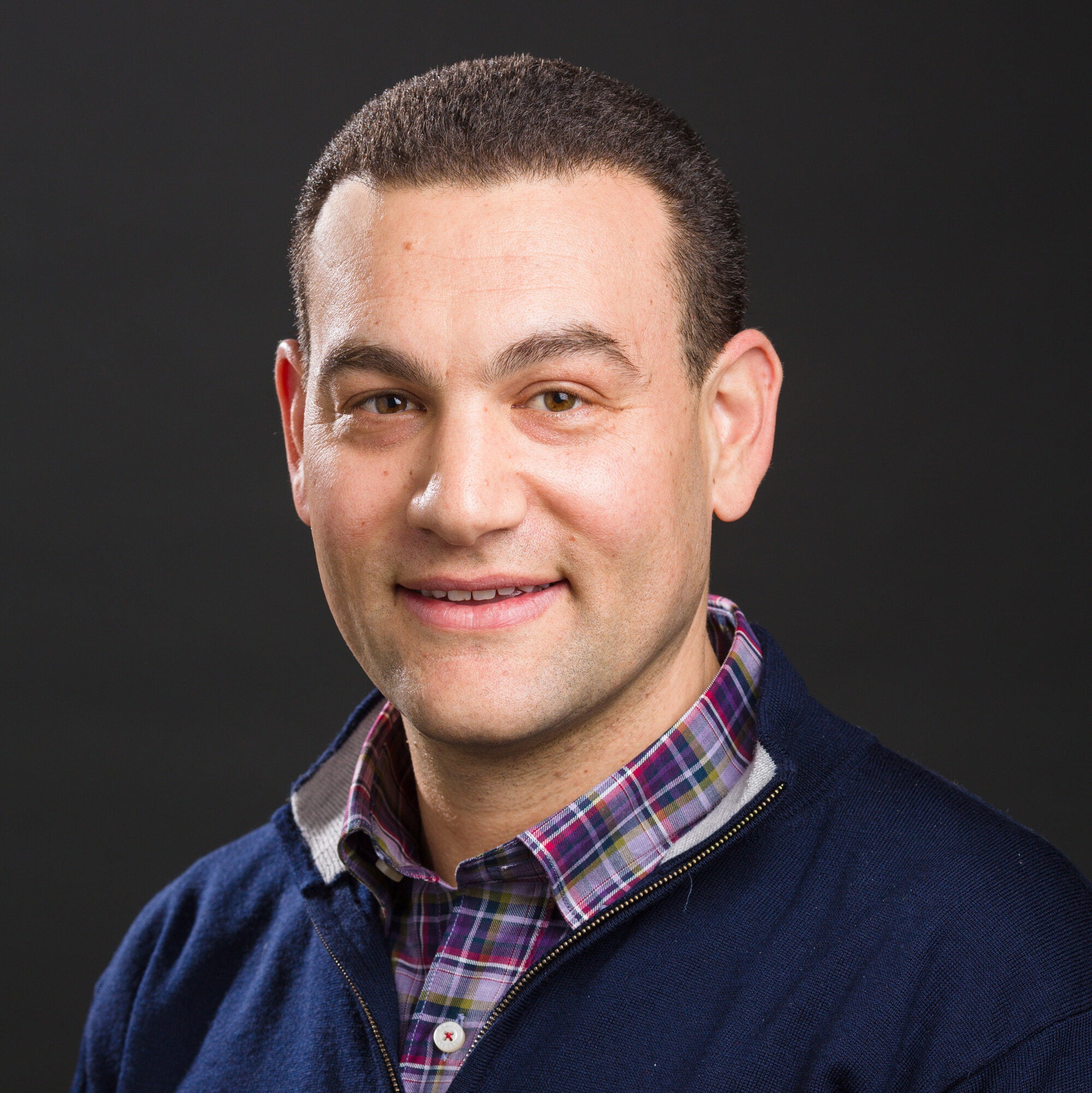
Dr. Cohen is an infectious disease epidemiologist whose primary research focus is tuberculosis. He is particularly interested in understanding how drug-resistance and medical comorbidities such as HIV frustrate current efforts to control tuberculosis epidemics, with a goal of developing more effective approaches to limit the morbidity caused by this pathogen.
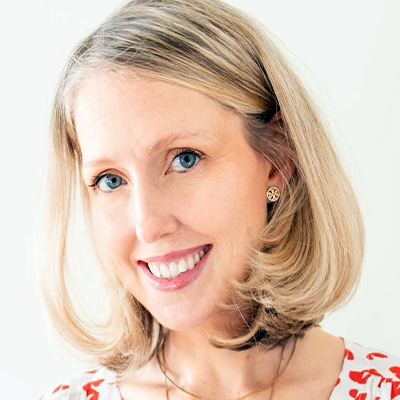
Dr Cheryl Case Johnson is Innovation Lead for HIV, TB, hepatitis and STI programmes at the World Health Organization, where her work sits at the interface of epidemiology, implementation science, and global health policy. Her research focuses on the design, evaluation, and scale-up of innovative strategies, including self-care, multiplex diagnostics and integrated service delivery, and the application of digital and artificial intelligence–enabled systems in low- and middle-income countries. Through her work she has led and contributed to numerous WHO normative guidelines and peer-reviewed publications. She holds a PhD in Epidemiology from London School of Hygiene and Tropical Medicine and a Masters in Anthropology with certification in Public Health from Georgia State University.
India Research Center
The India Research Center, based in Mumbai, serves as a hub for Harvard Chan School’s research projects, educational programs, and knowledge translation and communication work across India.
Dextrus, 6th floor,
Peninsula Towers,
Peninsula Corporate Park,
Lower Parel, Mumbai 400013
India
Improving Public Health Through Climate Action
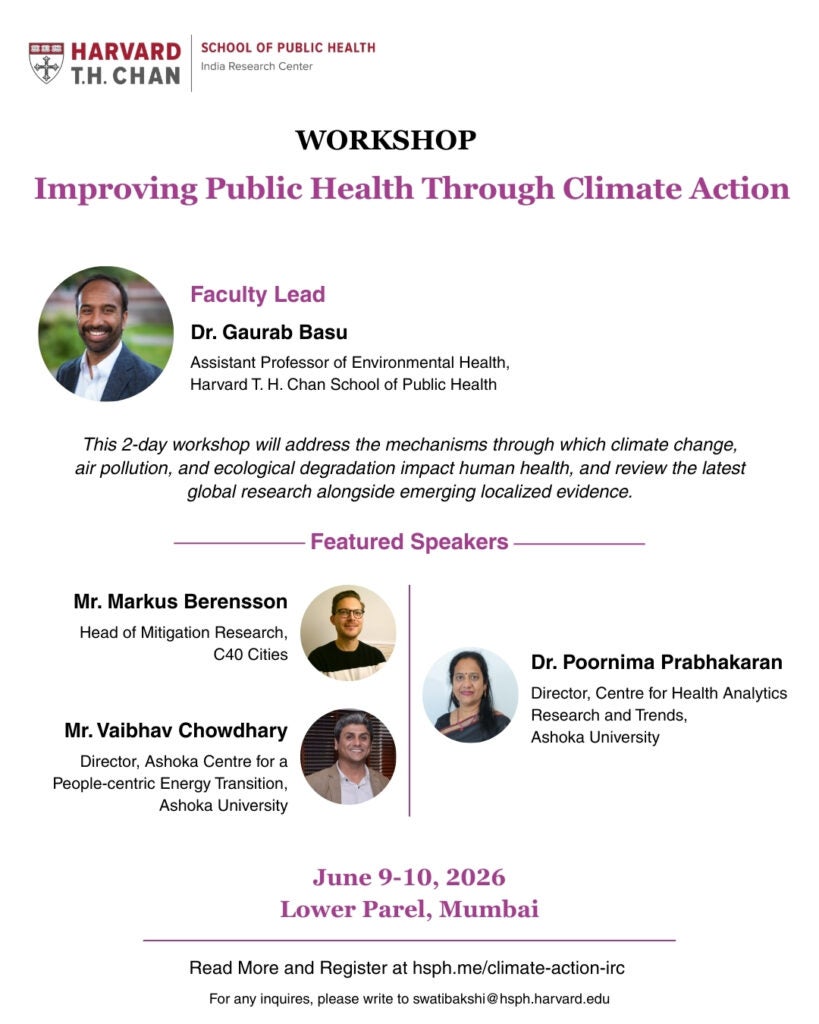
The Harvard T.H. Chan School of Public Health – India Research Center is pleased to organize a workshop titled “Improving Public Health Through Climate Action” in Mumbai, on June 9-10, 2026.
This workshop is ideal for professionals and researchers in public health and policy, interested in climate and health solutions.
Application Deadline: April 12, 2026
Climate change is no longer a distant threat; it is a current public health crisis. For health professionals in India, the intersection of environmental shifts and disease patterns presents a critical challenge, and a unique opportunity for leadership. This workshop is designed to equip medical and public health professionals and researchers with the tools to more actively engage stakeholders in climate policy to improve the health of the community.
Understanding the Impact
We will describe the mechanisms through which climate change, air pollution, and ecological degradation impact human health, and review the latest global research alongside emerging localized evidence.
From Research to Policy: Case Studies in Action
To illustrate how data can drive systemic change, we will present three ongoing high-impact projects:
- National Policy Integration: How researchers are using climate modeling to quantify the health “co-benefits” of carbon emission reduction through energy policy choices, directly influencing India’s national climate strategies.
- Urban Transformation: Discuss how health data is being leveraged to support city mayors in Delhi and Chennai to accelerate the transition to a cleaner energy grid.
- Rural Intervention: A case study evaluating the behavioral and economic barriers, and health outcomes resulting from the adoption of clean cook stoves in a rural coal mining community.
Empowering Your Practice
The core of this workshop is interactive. We invite you to consider: How can your clinical or research expertise support evidence-based decision-making? Participants will brainstorm how to utilize existing data to engage with stakeholders (from local panchayats to national ministries) to protect the communities they serve.
Objectives
- Understand the impact of climate change on health
- Discuss opportunities to use community-engaged research to support evidence-based decision-making at different levels of government
- Consider ways in which climate policy can improve the health of communities you serve
Speakers
About the Faculty
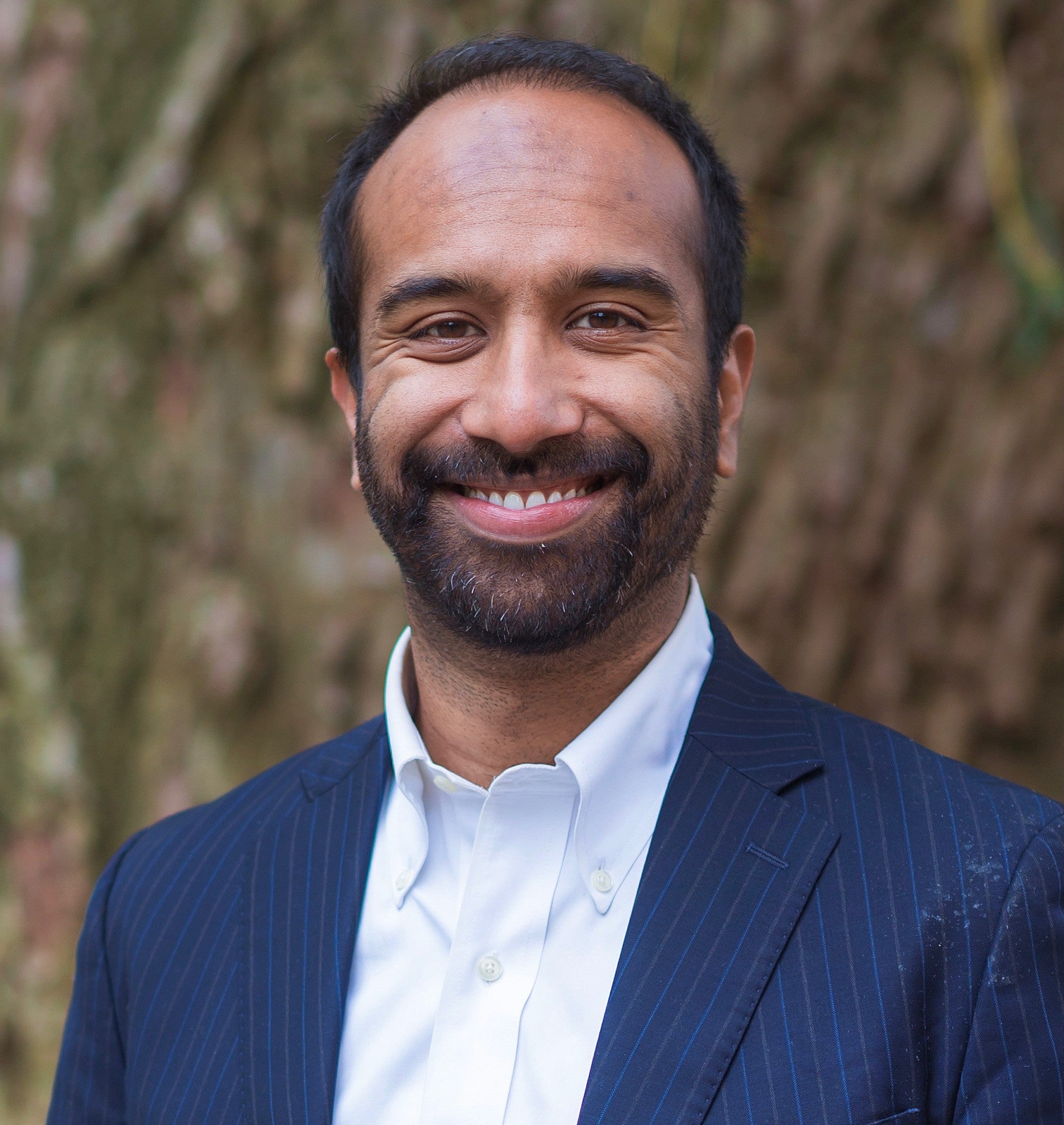
Dr. Gaurab Basu, MD, MPH is a physician and assistant professor of medicine in the Division of Global Health Equity at Brigham and Women’s Hospital, and assistant professor of global health & social medicine at Harvard Medical School (HMS).
At Harvard T.H. Chan School of Public Health, he is an assistant professor of environmental health and faculty at the Center for Climate, Health, and the Global Environment (Harvard Chan C-CHANGE) and Harvard FXB Center for Health and Human Rights. His work focuses on the intersection of climate change, global health equity, human rights, medical education, and public policy.
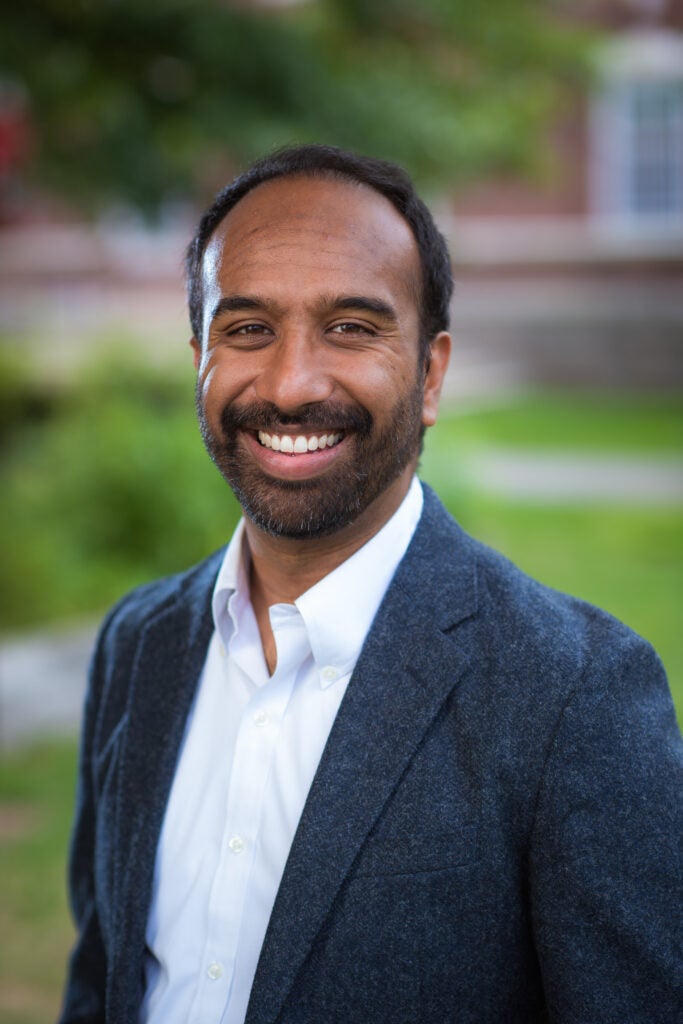
Dr. Basu currently serves as senior advisor of the climate and health program at the Child in Need Institute (CINI), an India based NGO, and previously worked for the Gates Institute, Partners in Health, and Last Mile Health. His NIH funded projects incorporate community engagement and research translation into climate and health research. He is on the board of directors of the Environmental League of Massachusetts and the advisory council for the Medical Society Consortium on Climate and Health. He also serves on the National Academy of Medicine’s Action Collaborative on Decarbonizing the U.S. Health Sector and the Boston Green Ribbon Commission’s Healthcare Working Group.
In 2021, Dr. Basu was named to the Grist 50 list of national climate leaders. In 2018, the Robert Wood Johnson Foundation selected him to their Culture of Health Leadership fellowship. Dr. Basu served as an advisor to the Massachusetts Governor’s Executive Office of Energy and Environmental Affairs (EEA) as a member of the Implementation Advisory Committee and the Climate Science Advisory Panel. He was on the city of Cambridge Mayor’s Climate Crisis Working Group and its Net-Zero Climate Task Force. His work has been featured by the New York Times, NPR’s All Things Considered, Boston Globe, CNN, Scientific American, BMJ, and Grist, among others.
India Research Center
The India Research Center, based in Mumbai, serves as a hub for Harvard Chan School’s research projects, educational programs, and knowledge translation and communication work across India.
Dextrus, 6th floor,
Peninsula Towers,
Peninsula Corporate Park,
Lower Parel, Mumbai 400013
India
Systematic review on adolescent anaemia in India
Dr. Rohan Shah is affiliated with the D. Y. Patil Medical College, Hospital & Research Centre and will be mentored by Professor Wafaie Fawzi, Richard Saltonstall Professor of Population Sciences, and Professor of Nutrition, Epidemiology, and Global Health, Harvard T.H. Chan School of Public Health. Through the Narotam Sekhsaria Fellowship, Dr. Shah aims to synthesize existing evidence to inform future research and policy about how to improve current anaemia control programmes in India.
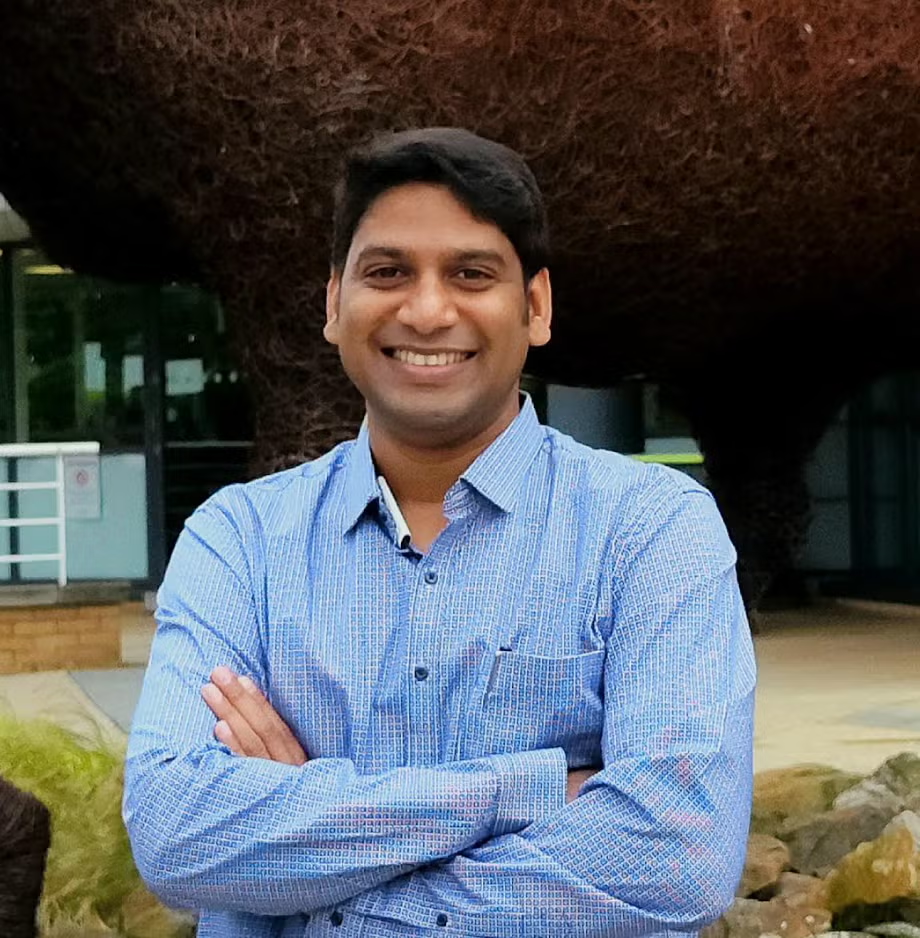
The project will focus on adolescent anaemia in India and other LMICs, employing a systematic review approach to evaluate iron supplementation programmes, identify key barriers and facilitators, and assess current intervention strategies. Research findings from this work will help address current evidence gaps in India to design and implement future projects to address adolescent anaemia and improve public health outcomes.
The Narotam Sekhsaria Fellowship at the Harvard T.H. Chan School of Public Health – India Research Center is a 2-year fellowship, supporting early-stage investigators (ESIs) in public health in India to work with and receive mentorship from faculty at Harvard T.H. Chan School of Public Health on a defined research project and gain experience conducting research in public health.