Department of Environmental Health
We’re leading the global charge to understand and solve the world’s most pressing environmental health challenges. Learn how we can make an impact together.
665 Huntington Avenue, Building 1, Room 1301
Boston, MA 02115
History
A century of impact and progress

The history of environmental health research and education at Harvard University spans a century of innovation and discovery. Indeed, much of the earliest literature on industrial hygiene, industrial toxicology, and occupational medicine in this country originated at Harvard.
Over 100 years later, this work lives on in the Department of Environmental Health, where faculty and researchers are teaching the next generation of environmental health practitioners and policymakers, in the original foundational fields of this discipline: environmental exposures and occupational health and safety, but also in emergent fields such as climate health, exposomics, environmental justice, and more.
Learn more about this century of impact and progress below…
1910s
Leadership
No formal departments or leadership yet exists. Instead, students take public health courses at Harvard Medical School, Harvard University, and Massachusetts Institute of Technology (MIT) under catalog groupings such as “Sanitary Engineering” or “Preventative Medicine.
Highlights
The curriculum included industrial hygiene and sanitation and covered the adverse effects of factory life on health, including occupational accidents, industrial poisonings, and the effects of ventilation and dusty trades on the widespread incidence of tuberculosis and other diseases.
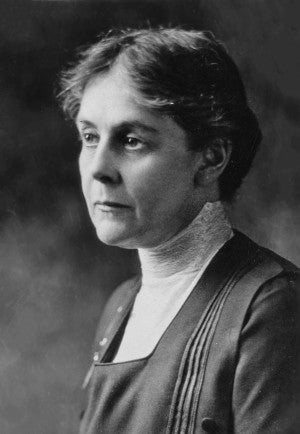
As the first woman appointed to the faculty of Harvard University, her appointment came with three limitations. First, she was not allowed into the Faculty Club. Second, she was not to participate in academic processions at Commencement. Third, she was not eligible for faculty tickets to the football games. Her scientific research focused on the study of occupational illnesses and the dangerous effects of industrial metals and chemical compounds. In addition to her scientific work, Hamilton was a social-welfare reformer, humanitarian, and peace activist. Learn more.
1920s
Leadership
- 1922-1923: Wade Wright, Head of Industrial Hygiene
- 1922-1924: George Whipple, Head of Sanitary Engineering
- 1922-1931: Philip Drinker, Head of Ventilation and Illumination
- 1922-1948: Cecil Drinker, Head of Physiology
- 1923-1928: David Edsall, Head of Industrial Medicine
- 1925-1931: Gordon Fair, Head of Sanitary Engineering
- 1929-1930: Alice Hamilton, Head of Industrial Medicine
Highlights
Harvard School of Public Health is founded, with “Divisions” rather than departments. Those divisions included Industrial Hygiene, Industrial Medicine, Physiology, Sanitary Engineering, and Ventilation and Illumination. The programs accept both engineers and doctors of medicine for advanced work leading to master’s and doctoral degrees.
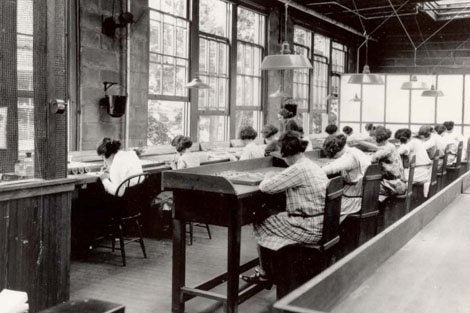
Drs. Cecil Drinker, Katherine Drinker, and William B. Castle were the first scientists to investigate radium poisoning thoroughly. Radium poisoning was suspected among workers painting dials of clocks and watches in Orange, New Jersey. The hazard resulted from painting brushes by placing them between the lips and from the atmosphere in the workrooms. Through a succession of other radium-poison investigations, the findings of this group became the accepted authority.
Beginning in 1926 Philip Drinker worked to develop better methods of resuscitation. He sought to improve the old-fashioned pulmotor for resuscitating victims of electric shock or illuminating gas poisoning, and was aided by Louis Shaw, a Harvard colleague, in the development of a respirator large enough to hold a human. The device was first used on a young patient at Children’s Hospital in 1928. The child was unconscious from respiratory paralysis, but recovered consciousness in less than a minute after the respirator was started. This was one of the most dramatic discoveries in the history of industrial hygiene, and the Drinker Respirator, or “iron lung”, rapidly gained worldwide acceptance.
1930s
Leadership
- 1922-1944: Cecil Drinker, continues as Head of Physiology
- 1931-1932: W. Irving Clark, Head of Industrial Medicine
- 1932-1943: Philip Drinker, Head of Public Health Engineering

Highlights
Ventilation and Illumination, Industrial Medicine, and Sanitary Engineering divisions merge to create a new division of “Public Health Engineering.” Physiology remains its own division.
1940s
Leadership
- 1922-1944: Cecil Drinker, continues as Head of Physiology
- 1932-1943: Philip Drinker, continues as Head of Public Health Engineering
- 1944-1948: Cecil Drinker, Chair of Physiology
- 1944-1960: Philip Drinker, Chair of Industrial Hygiene
- 1944-1961: Gordon Fair, Chair of Sanitary Engineering
- 1948-1980: James Whittenberger, Chair of Physiology
Highlights
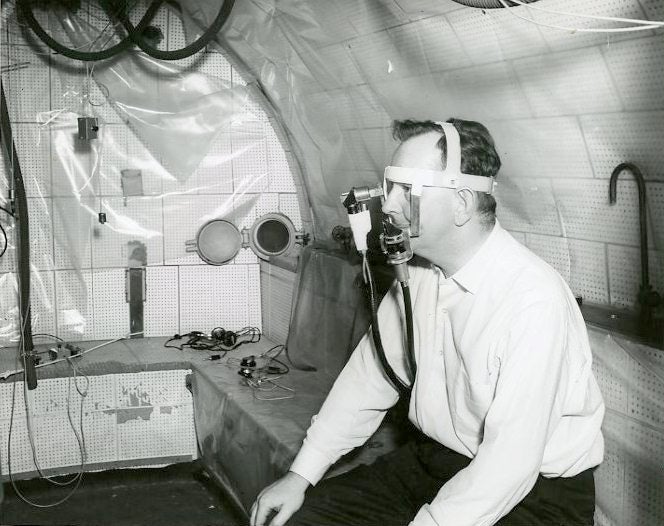
Their war-orientated work included the development of oxygen equipment for high-altitude flight and its physiological evaluation; a protective gas mask to meet the needs of chemical warfare; heating, ventilation and air conditioning systems and a national health education program for shipyard workers.
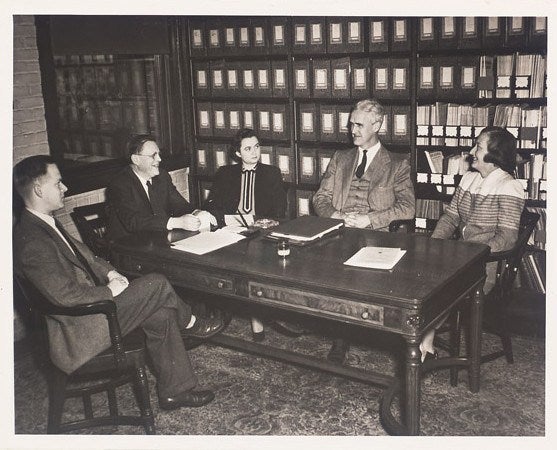
Research and education in the field of environmental health is split between three Departments at the School: Sanitary Engineering, Industrial Hygiene, and Physiology.
The Department focuses on peacetime research and teaching, introducing newer specialties of radiological health and air pollution control. Department faculty served as consultants to the Atomic Energy Commission and, as a result, radiation protection, aerosol physics, and air and gas cleaning technology gained greater prominence in teaching programs.
McFarland, a noted researcher in aerospace medicine, joins the department and helps develop standards for comfort and safety in transatlantic flights.
1950s
Leadership
- 1944-1960: Philip Drinker, continues as Chair of Industrial Hygiene
- 1944-1961: Gordon Fair, continues as Chair of Sanitary Engineering
- 1948-1980: James Whittenberger, continues as Chair of Physiology
Highlights
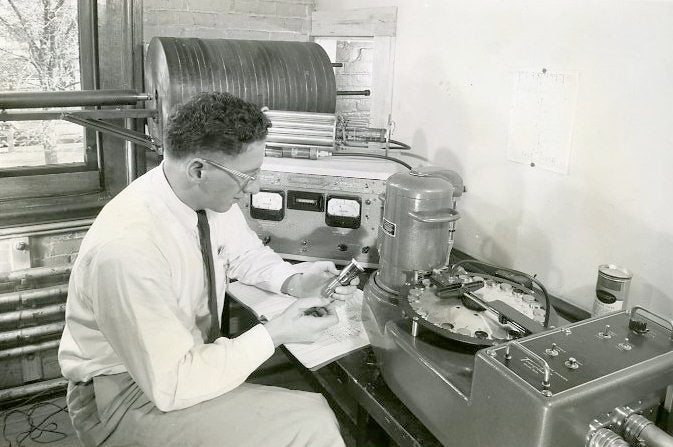
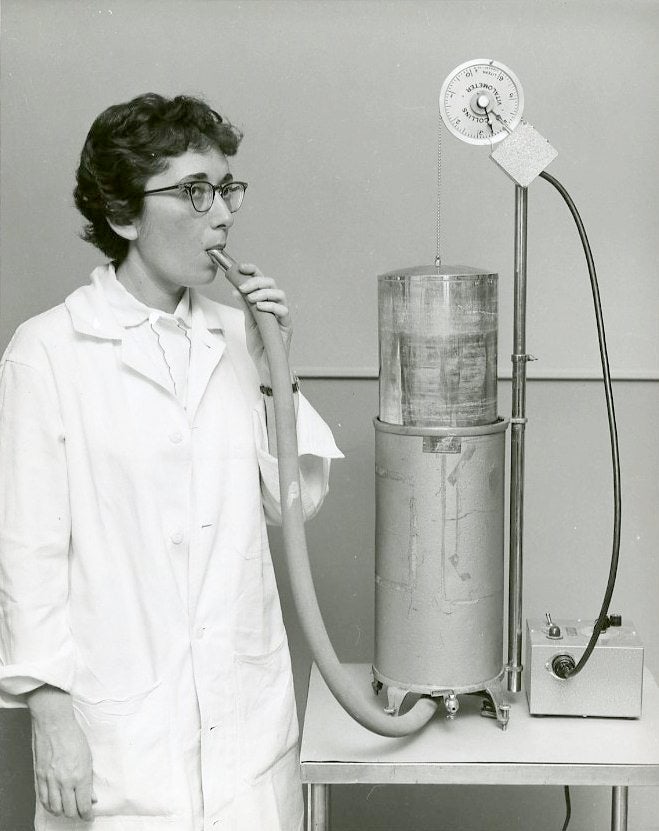
The Departments of Industrial Hygiene, Physiology, and Sanitation Engineering were grouped under a single Division of Environmental Health and Engineering Sciences led by Dr. James L. Whittenberger. Later this division became part of the new NIEHS-funded Kresge Center for Environmental Health at the school.
By the mid-1950’s, the Department of Industrial Hygiene had enlarged its curriculum and research efforts to include radiological safety and air-pollution control in addition to the more traditional studies of industrial hygiene, industrial medicine, industrial safety and environmental sanitation.
1960s
Leadership
- 1948-1980: James Whittenberger, continues as Chair of Physiology
- 1961-1966: Leslie Silverman, Chair of Industrial Hygiene
- 1961-1963: J. Carrell Morris, Chair of Sanitary Engineering
- 1964-1982: Harold Thomas, Chair of Sanitary Engineering
- 1966-1969: James Whittenberger, Chair of Industrial Hygiene
- 1969-1970: Dade Moeller, Chair of Industrial Hygiene
Highlights
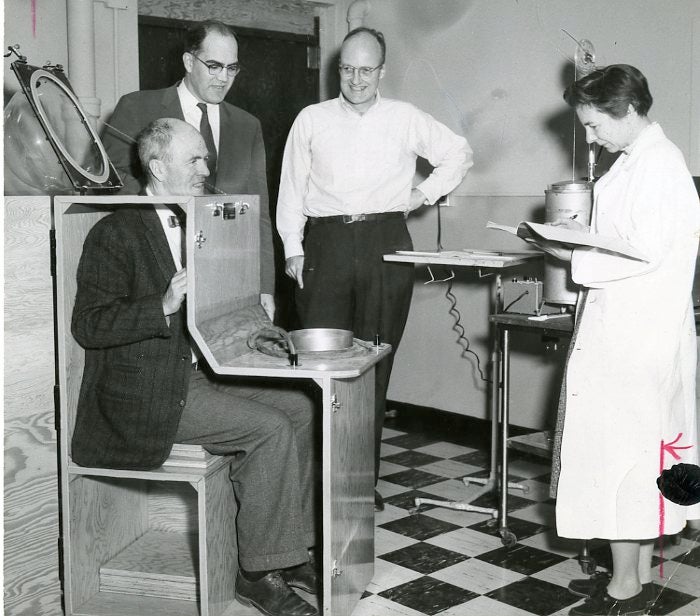
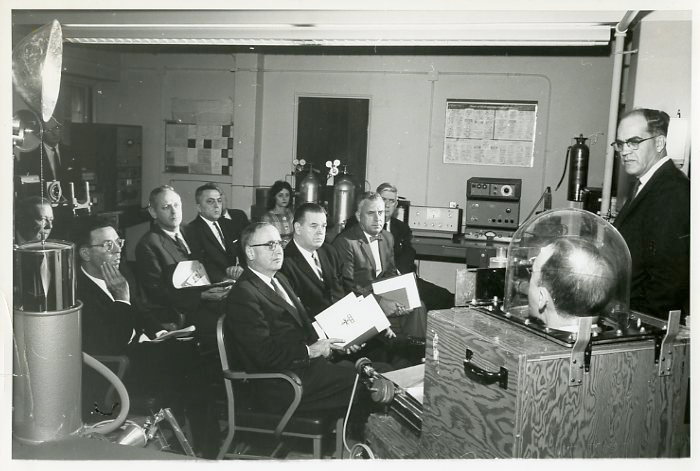
The Department continues its historic interest in the relationship between occupational exposures and occupational disease with research efforts aimed at identifying and mitigating impacts of job-related hazards, including studies of toluene di-isocyanate (TDI) and lead toxicity; evaluations of health hazards involved in firefighting and rubber tire manufacturing; respiratory disease in granite cutting, talc mining, and meat packing; and mortality in a number of different types of manufacturing.
It is the first of the more than 20 core research centers across the country supported by the National Institute of Environmental Health Sciences (NIEHS). As the recipient of only the second grant awarded by the National Institutes of Health, it has the distinction of having NIH grant number ES-000002. Over the past six decades, the Center has supported research in the Department of Environmental Health’s focus areas of air pollution, metals, and organic chemicals, including the Six Cities Study.
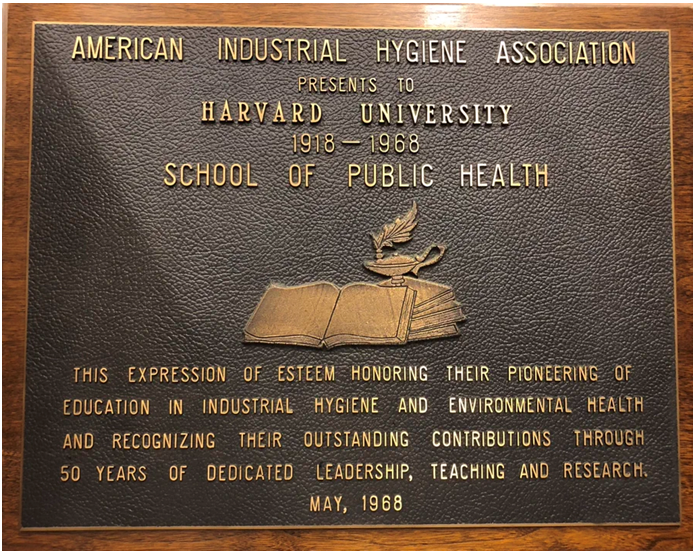
The AIHA award is an “expression of esteem honoring their pioneering of education in industrial hygiene and environmental health” and “outstanding contributions through 50 years of dedicated leadership, teaching, and research.”
1970s
Leadership
- 1964-1982: Harold Thomas continues as Chair of Sanitary Engineering
- 1948-1980: James Whittenberger continues as Chair of Physiology
- 1970-1982: Dade Moeller, Chair of Environmental Health Sciences

Highlights
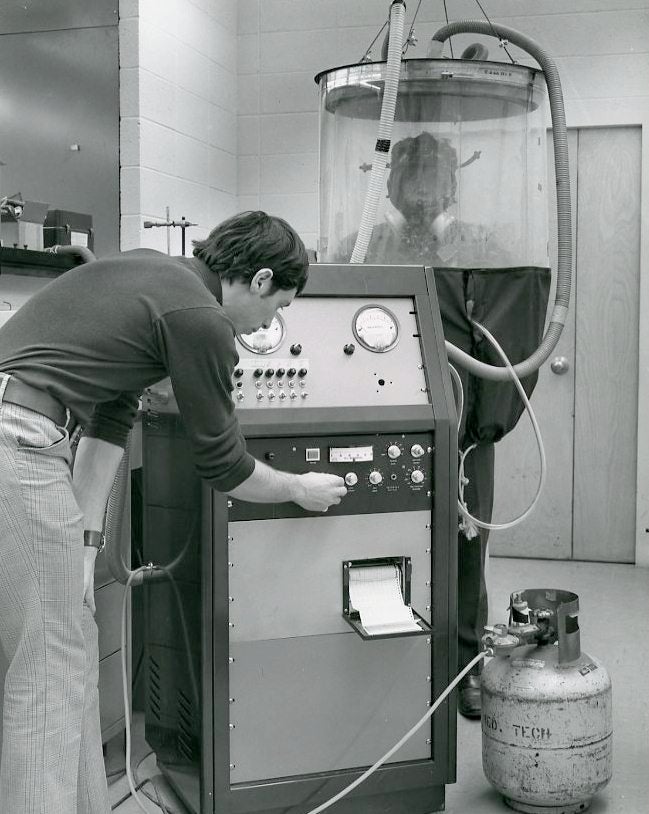
Department Faculty Benjamin Ferris and his colleague Frank Speizer propose The Harvard Six Cities Study, a first-of-its-kind study to examine the health effects of air pollution in urban environments in the United States. The work, which continues to this day, set a standard for research in air pollution that is emulated throughout public health and around the world. Former Department Chair and epidemiologist Douglas Dockery joined the project in 1974 and directed the study’s attention to particulate matter, now recognized as a dangerous form of air pollution.
The Nurses’ Health Study is established by Frank Speizer to examine the long-term effects of nutrition, hormones, environment, and nurses’ work-life on health and disease development. The Nurses Health Study has since launched two additional cohorts, and is among one of the largest prospective investigations into the risk factors for major chronic diseases in women
Today, the Harvard T.H. Chan Education and Research Center for Occupational Safety and Health (ERC) is one of the 18 regional centers funded by the National Institute for Occupational Safety and Health (NIOSH), and supports traineeships at the master, doctoral, and postdoctoral levels.
1980s
Leadership
- 1980-1981: John B. Little, Chair of Physiology
- 1964-1982: Harold Thomas continues as Chair of Sanitary Engineering
- 1970-1982: Dade Moeller, continues as Chair of Environmental Health Sciences
- 1982-1986: Joseph Harrington, Chair of Environmental Health Sciences and then Environmental Sciences and Physiology
- 1986-1988: Elkan Blout, Chair of Environmental Sciences and Physiology
- 1988-1990: Donald Hornig, Chair of Environmental Sciences and Physiology
1980s

Highlights
After years of separate departments and divisions, the precursor to today’s integrated research field of Environmental Health is established.
1990s
Leadership
- 1990-2005: Joseph Brain, Chair of Environmental Health
1990s
Highlights
The Departments of Environmental Health Sciences, Sanitary Engineering, and Physiology merge and become Environmental Sciences and Physiology in 1983. Then, in 1991, the Department of Environmental Sciences and Physiology is officially renamed the Department of Environmental Health.
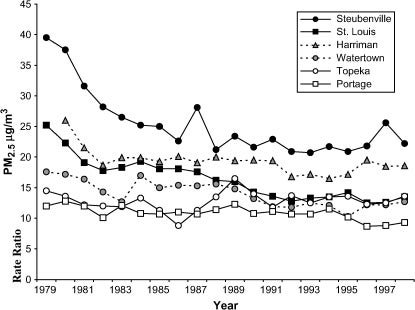
The groundbreaking Harvard Six Cities Study finds that fine particulate pollution is associated with excessive mortality in major US Cities, leading to new clean air standards being put in place by the Environmental Protection Agency (EPA).
The Symposium brings together experts in the field of radiation science to research to understand, interpret, and estimate the health effects of radiation that pave the way for effective preventive and therapeutic strategies.
The National Ambient Air Quality Standards for Fine Particles (PM-2.5) is enacted, setting an annual standard is a level of 15 micrograms per cubic meter. The EPA cites findings from the Harvard Six Cities Study linking high levels of particulate pollution to increased mortality rates.
2000s
Leadership
- 1990-2005: Joseph Brain, continues as Chair of Environmental Health
- 2005-2016: Douglas Dockery, Chair of Environmental Health
2000s
Highlights
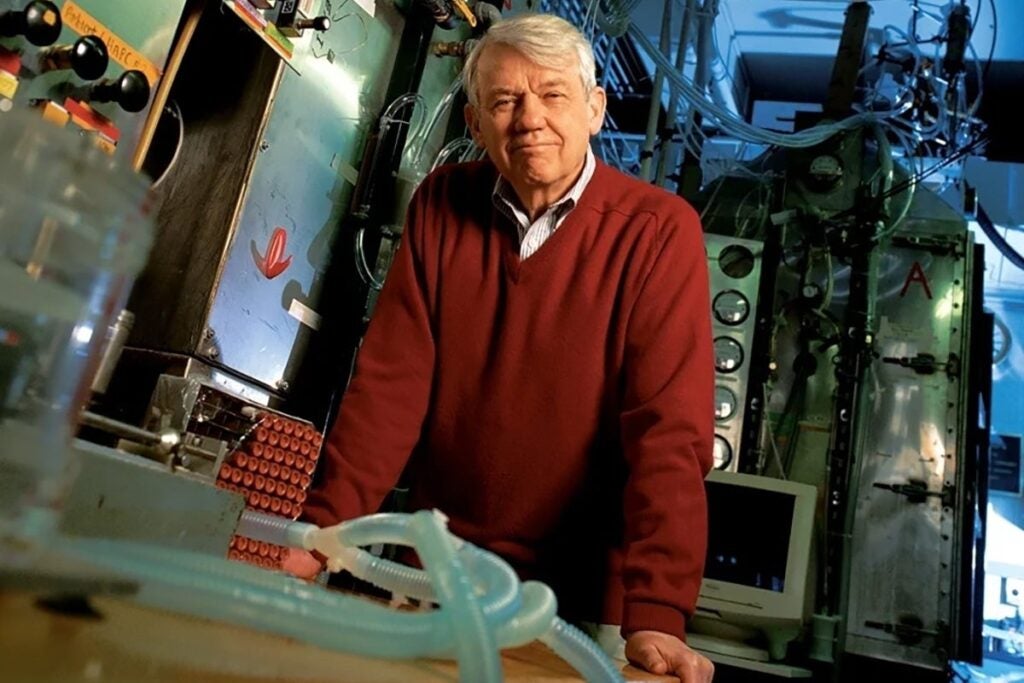
The Harvard Cyprus Program is established to bolster public health research in Cyprus, a small Mediterranean island nation, where research on public health was minimal and formal university graduate training programs on environmental and/or public health did not exist. In close collaboration with Harvard Chan School, the Harvard Cyprus Program established research programs in air pollution and health, water and health, cardiovascular epidemiology, smoking and health, diabetes and obesity, and meta-analysis. Learn more…
The WHO publication sets new guidelines for particulate matter (PM), ozone, nitrogen oxide, and sulfur dioxide. Although these guidelines are neither standards nor legally binding criteria, they are designed to offer guidance in reducing the health impacts of air pollution based on expert evaluation of current scientific evidence.
Francine Laden, along with authors of the original study, Jack Spengler and Doug Dockery, publish a new study that confirms that reductions in PM2.5 levels in cities is associated with lower death rates; in other words, reducing pollution saves lives.
2010s
Leadership
- 2005-2016: Douglas Dockery, continues as Chair of Environmental Health
- 2015-Present: Francine Laden, Associate Chair of Environmental Health
- 2016-2021: Russ Hauser, Chair of Environmental Health
2010s

Highlights
The Center for Climate, Health, and the Global Environment (Harvard Chan C-CHANGE) relocates from Harvard Medical School and becomes part of the Department of Environmental Health at Harvard Chan.
Established thanks to a bequest from Marilyn Brachman Hoffman, a woman who herself had numerous chemical sensitivities, the program supports research on how exposures to chemicals alter people’s subsequent responses to those chemicals.
The Healthy Buildings Program is established to research the impacts of the built environment on health, including exposures to volatile organic compounds (VOCs), infectious diseases, noise, dust, allergens, mold and mildew, and more.
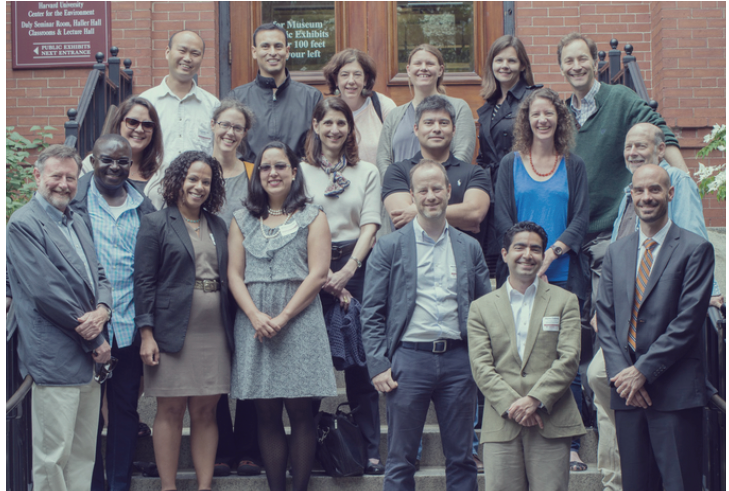
The JPB Fellowship aims to advance the careers of junior faculty from institutions across the U.S. whose research examines the influence of both the social and environmental determinants of health in under-resourced communities. Unique to the program is the inclusion of senior research scientists who are engaged in research, policy and practice at various federal agencies. This shared partnership among academic and agency Fellows serves as a catalyst for innovative research that responds to the health challenges in the communities they serve.
2020s
Leadership
- 2021-2023: Douglas Dockery, Acting Chair of Environmental Health
- 2023-Present: Kari Nadeau, Chair of Environmental Health
2020s
Highlights
Three Environmental Health programs — Molecular & Integrative Physiological Sciences (MIPS); Exposure, Epidemiology, and Risk (EER); and Environmental and Occupational Medicine & Epidemiology (EOME) — are merged to form one united Department of Environmental Health at the Harvard T.H. Chan School of Public Health, with the common goal to improve the health of all people through global leadership in environmental health research and training.
EPA revises the recommendations about lead and copper levels in drinking water, and prioritizes the replacement of lead pipes in water supply lines, schools, childcare facilities, and homes, citing the recently published cost-benefit analysis of lead pipe replacement by Environmental Health faculty members.
Climate change and sustainability is officially added as an area of focus for graduate students in Environmental Health, and an interdisciplinary concentration for all Harvard Chan students, though research in this area has been ongoing in the department for years.
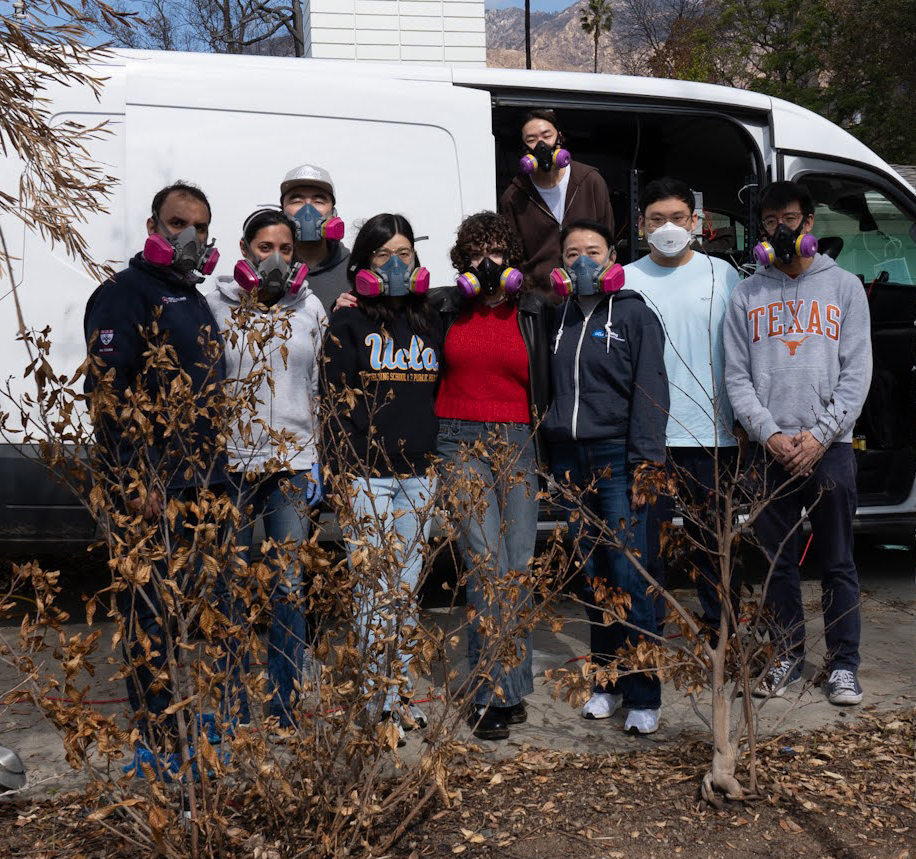
The Los Angeles Fire Human Exposure and Long-Term Health Study (L.A. Fire HEALTH Study) is a multi-institutional consortium led by researchers from the Harvard T.H. Chan School of Public Health, along with partners at UCLA, USC, UT Austin, Yale, Stanford, and UC Davis with expertise in environmental exposure assessment, analysis of health outcomes, wildfire risk assessment and management, and data science.
The research aims to evaluate which pollutants are present, at what levels and where, as the concentrations diminish over time, and to assess the short and long- term health impacts of the wildfire emissions over the next 10 years.
Department of Nutrition
We research how nutrition affects human health at molecular and population levels to shape public policy and help people make better diet and lifestyle choices.
665 Huntington Avenue
Building 2
Boston, MA 02115

Past Events
-
Managing Your Paper Records: Off-Site Records Storage
Run out of room for files in your office that you need to keep? The Harvard Depository records center is the perfect place for your office, department, or lab to…
-
Monday Nutrition Seminar | Targeting Metabolism through FABP4 to Extend Healthspan
Please join the Department of Nutrition for the Monday Nutrition Seminar featuring Gökhan S. Hotamışlıgil, MD, PhD, James S. Simmons Professor of Genetics and Metabolism and Director of the Center…

-
OEMR Mid-Year Research Presentations
The Department of Environmental Health and the Occupational and Environmental Medicine Residency (OEMR) Program invite you to the OEMR Mid-Year Research Presentations. Date: Friday, March 13, 2026 at 1:10pm Location:…
-
OEMR Mid-Year Research Presentations
The Department of Environmental Health and the Occupational and Environmental Medicine Residency (OEMR) Program invite you to the next OEMR Mid-Year Research Presentations. Date: Friday, April 10, 2026 at 1:10pm…
-
Brown Bag Seminar: Parental mental health and childhood vaccination in India: Evidence from the SEHAT-CPHS Longitudinal Study
Henry Cust, PhD, is an economist working as a research scientist at Duke University’s Sanford School of Public Policy. His research operates at the intersection of health and development economics…
-
Parkinson’s disease: Professor Sue Goldie’s journey
Sue Goldie—a physician, scientist, and renowned educator—will reflect on her journey with Parkinson’s disease and will share what she hopes to do in her next chapter.

-
Harvard Pop Center Social Demography Seminar: “Strategic adaptation and Asian Americans’ socioeconomic evolution, 1940 to 2018–22”
ChangHwan Kim, PhD, professor of sociology, and director of graduate studies, University of Kansas, presents (REMOTELY) “Strategic adaptation and Asian Americans’ socioeconomic evolution, 1940 to 2018–22.” Lunch will NOT be served since…

-
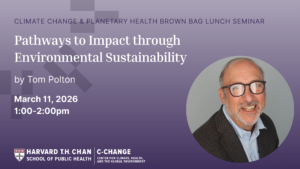
Pathways to Impact through Environmental Sustainability
The Climate Change & Planetary Health Concentration invites you to their next Brown Bag Lunch Seminar: Title: Pathways to Impact through Environmental Sustainability Speaker: Tom Polton Location: FXB G-12 Everyone is welcome, whether or not…
-
The Big Joy Project: Using Daily Microacts to Promote Global Well-Being
On Wednesday, March 11th, 2026, from 1-1:50 PM in FXB G13 and online, we held the fifth installment in our Virtues for Well-being seminar series, featuring leading expert on joy…
-
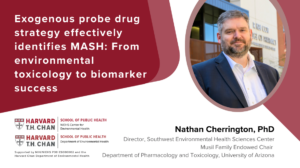
Exogenous probe drug strategy effectively identifies MASH: From environmental toxicology to biomarker success with Nathan Cherrington, PhD
Please join the Harvard Chan NIEHS Center for Environmental Health and the Department of Environmental Health for a talk by Nathan Cherrington, PhD, Director of the University of Arizona’s Southwest…
Department of Immunology and Infectious Diseases
We lead efforts to treat and prevent infectious diseases by conducting pioneering research into the biological, chemical, and genetic factors behind pathogens.
Postdoctoral Training
Anyone interested in pursuing postdoctoral training in an IID lab should contact the PI of the lab directly.
Postdoctoral fellows in IID have access to numerous training and professional development resources, including support and activities from:
The Harvard Infectious Diseases Consortium
The Harvard Infectious Diseases Consortium is jointly led by the HSPH Department of Immunology and Infectious Diseases and the HMS Department of Microbiology.
The Harvard Chan Office of faculty Affairs
The Office of Faculty Affairs (OFA) strives to provide timely, consistent, and comprehensive guidance to academic appointees and staff who support them.
The Harvard Chan Postdoctoral Association
The Harvard School of Public Health (HSPH) Postdoctoral Association (PDA), founded in 2007, serves and represents the approximately 300 postdoctoral fellows and 150 research associates at the School.
The Boston Postdoctoral Fellows Association
A regional coalition of postdocs and postdoctoral associations from 19 Boston-area institutes.
Department of Immunology and Infectious Diseases
We lead efforts to treat and prevent infectious diseases by conducting pioneering research into the biological, chemical, and genetic factors behind pathogens.
Overview
The IID community provides a supportive and rigorous training environment for early-career scientists at many stages.
Please learn about our training opportunities following the links below:
Collaborations
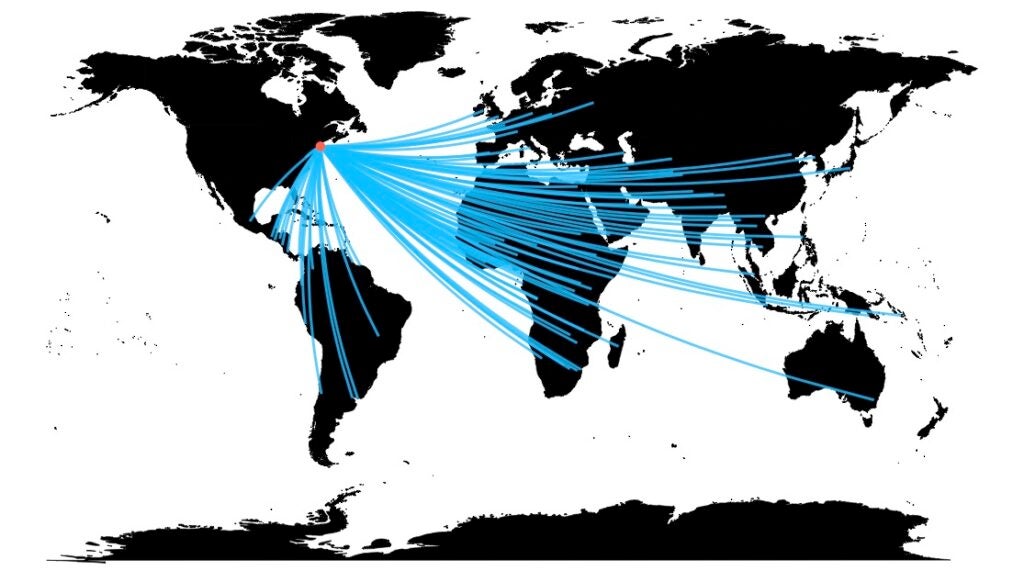
Students engage in research and field work with our collaborators across the world.
Department of Immunology and Infectious Diseases
We lead efforts to treat and prevent infectious diseases by conducting pioneering research into the biological, chemical, and genetic factors behind pathogens.
Upcoming Events
Upcoming Events
Department of Immunology and Infectious Diseases
We lead efforts to treat and prevent infectious diseases by conducting pioneering research into the biological, chemical, and genetic factors behind pathogens.
Past Events
Past Events
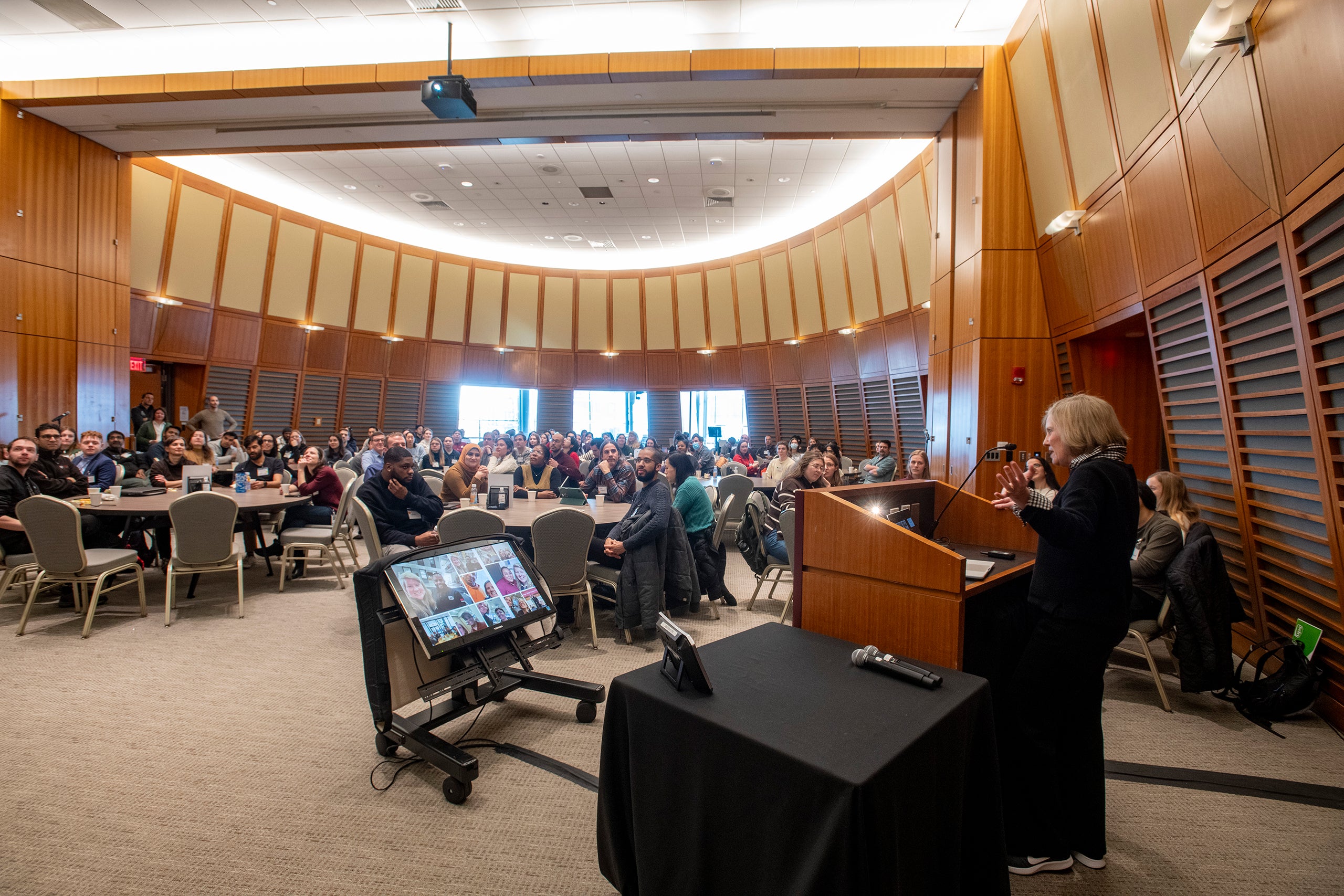
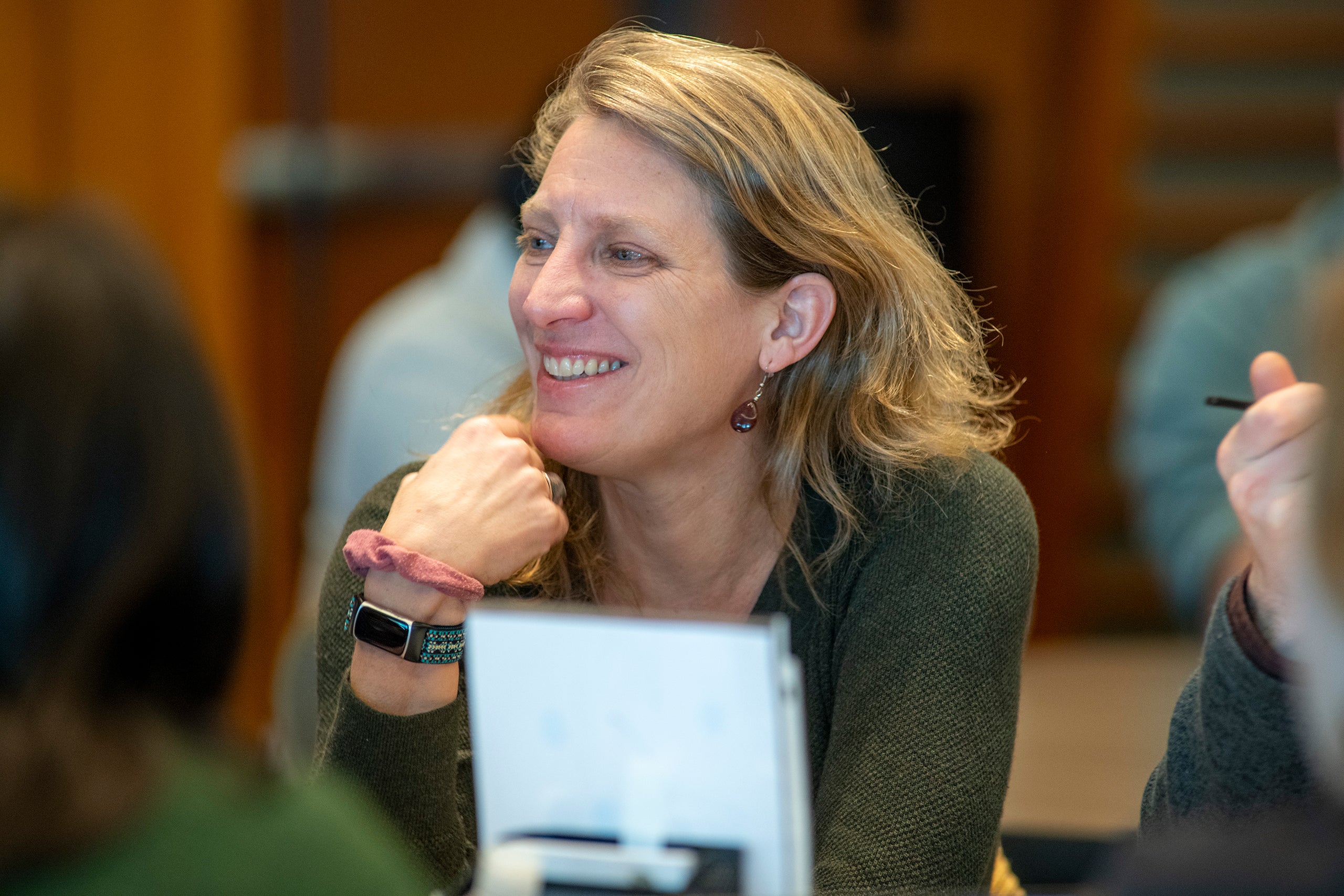
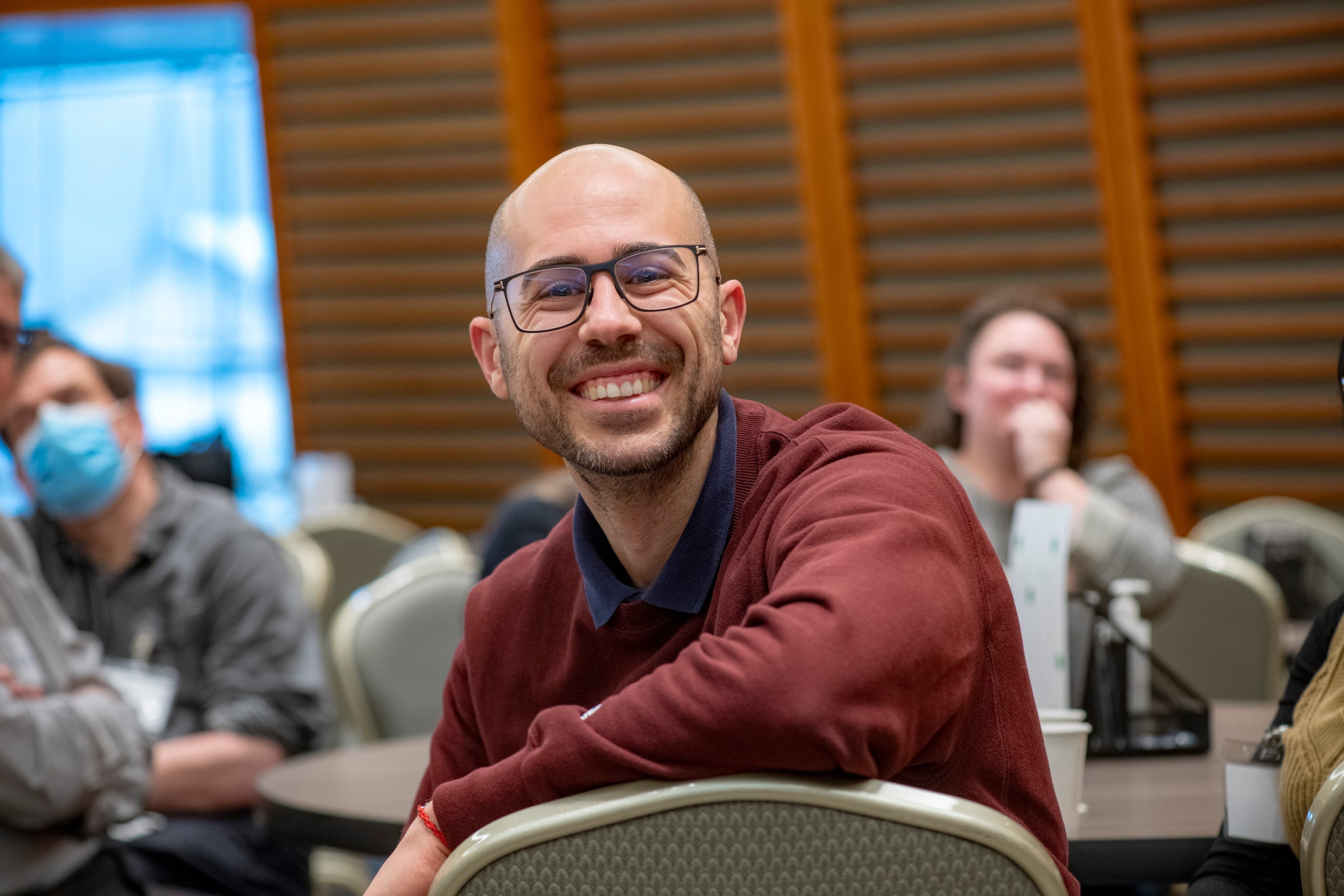
IID Retreat 2025 in pictures





Department of Health Policy and Management
We train and inspire the next generation of health care leaders to improve health care delivery systems and mitigate public health risks around the world.
677 Huntington Avenue, Kresge Building
Boston, MA 02115
Upcoming Events
Department of Epidemiology
Learn how we advance public health globally by researching the frequency, distribution, and causes of human disease, and shaping health policies and practices.
677 Huntington Avenue
Kresge, 9th Floor,
Boston, MA 02115
Reproductive and Perinatal Epidemiology
This area focuses on the determinants of health throughout the lifecourse, including those related to reproductive health, the perinatal period, childhood, and adolescence/young adulthood.
Reproductive topics include pubertal development, menstruation, gynecologic health (e.g., endometriosis, dyspareunia), sexually transmitted infections, contraception, reproductive cancers, and menopause.
Perinatal topics include pregnancy intention, fertility, assisted reproductive technologies, abortion, pregnancy complications (e.g., preeclampsia), and pregnancy outcomes (e.g., preterm birth, birth defects, neonatal mortality, postpartum depression).
Methodological issues are a strong emphasis, as is a focus on health inequities—including among sexual and gender minority populations. Several faculty have expertise in global issues, and many focus on exposures—including environmental—that are salient throughout the lifecourse.
Within the Department of Epidemiology, there are two key courses for students interested in Reproductive and Perinatal Epidemiology (RPE). The first focuses on topics essential to the field, while the second focuses on advanced methods that are particularly relevant to RPE epidemiology. Other departments offer courses that cover a broad range of topics, such reproductive justice; adolescent health; and gender and health.
Highlights from the program include:
- The core RPE faculty provide expertise in a similarly broad array of topics, as well as active mentorship and research opportunities for students
- Many faculty are primarily based at Harvard-affiliated institutions (i.e. Beth Israel Deaconess Medical Center and Boston Children’s Hospital), allowing for meaningful collaboration with clinical experts and access to clinical data
- These research experiences offer students the opportunity to collaborate with multidisciplinary teams and can provide opportunities for primary data collection.
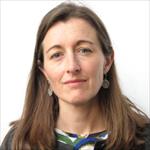
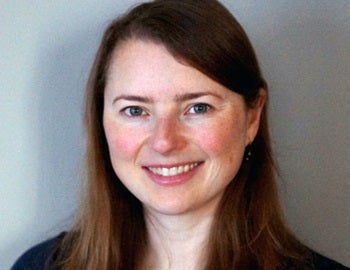
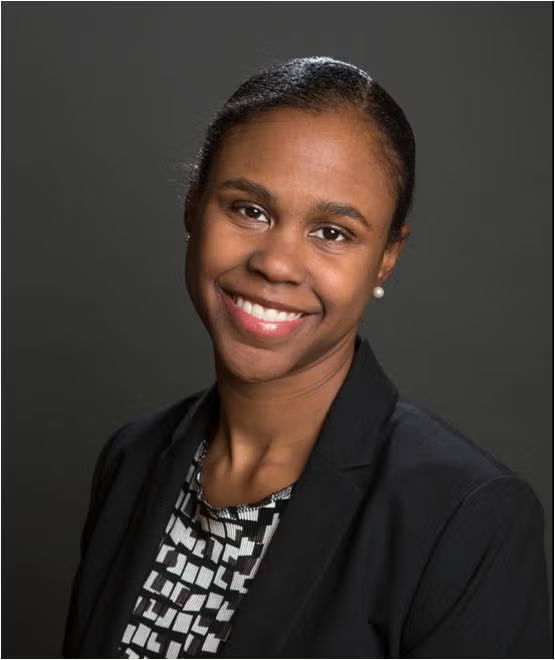
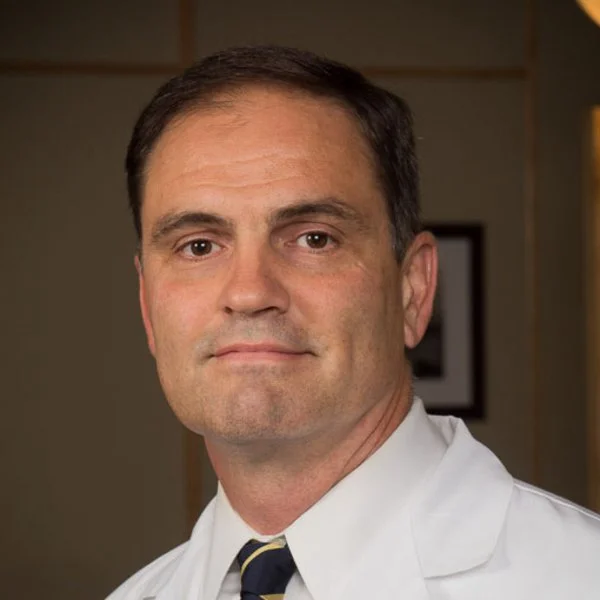
Learn more about our faculty below:





Department of Epidemiology
Learn how we advance public health globally by researching the frequency, distribution, and causes of human disease, and shaping health policies and practices.
677 Huntington Avenue
Kresge, 9th Floor,
Boston, MA 02115
Psychiatric Epidemiology
What is the lifetime prevalence of depression in the U.S. population? How does childhood trauma influence the risk of developing PTSD? These are the kinds of questions psychiatric epidemiology aims to answer.
Psychiatric epidemiology at the Harvard Chan School explores the causes of mental disorders by identifying risk factors such as genetics, early life trauma, poverty, substance abuse, and social stressors. Students, fellows, and faculty at the School also examine protective factors like social support and access to healthcare with the ultimate goal of providing an evidence base for shaping public mental health strategies, designing interventions, informing policy, and reducing stigma through data-driven understanding.
The Harvard Chan School’s Psychiatric Epidemiology program consists of specialized courses ranging from statistical genetics to the Foundations of Global Mental Health. A wide range of research and training opportunities are available.
Highlights of the program include:
- A dedicated concentration on Population Mental Health. This interdisciplinary concentration enhances public health professionals’ expertise in mental disorders and equips them to address the public health impact of mental disorders both in the U.S. and globally, gaining critical skills for research and practice to understand their causes, consequences, and strategies for reducing their burden.
- Opportunities for students to do practicums (“applied practice experiences”) with labs in the Psychiatric Epidemiology program. These practicums allow students to take a deep dive into a research project or get hands on experience in the field over 120 to 200 hours.
- Faculty research including:
- Biological mechanisms linking emotions, social relationships, and health
- Social and family environmental determinants of brain development, parental feeding, and child eating behavior
- Genetics and genomics of Alzheimer’s disease and dementia
- How stigma, discrimination, and structural violence affect the distribution of mental health outcomes in vulnerable populations
- How violence, trauma, and PTSD alter long-term physical health and accelerate aging
- A collaboration with the Broad Trauma Initiative, which is led by faculty area director Karestan Koenen. The Initiative seeks to understand the biological mechanisms and pathways by which trauma, occurring over the life course, but especially in childhood, get into the bodies of patients and shapes how they think, feel, and behave, often for the remainder of their lives.
- Integrative and multidisciplinary work across the Departments of Epidemiology, Biostatistics, Global Health, and Social and Behavioral Sciences.
Learn more about our faculty below:




Department of Epidemiology
Learn how we advance public health globally by researching the frequency, distribution, and causes of human disease, and shaping health policies and practices.
677 Huntington Avenue
Kresge, 9th Floor,
Boston, MA 02115
Genetic Epidemiology and Statistical Genetics
The program of Genetic Epidemiology and Statistical Genetics (PGSG) studies the genetic causes of complex human diseases. By uncovering the molecular mechanisms behind diseases, the program aims to improve its diagnosis, treatment, and prevention.
Genetic epidemiology is the study of how genetic factors, along with environmental influences like lifestyle or exposures, affect patterns of health and disease in populations, aiming to understand why certain diseases run in families and how genes interact with the environment. Statistical genetics is closely related and focuses on developing and applying statistical methods to analyze genetic data, such as identifying genes linked to diseases and interpreting large-scale genetic information. Together, these fields help scientists uncover how genes contribute to disease risk and provide important tools and insights for understanding human health.
The program in Genetic Epidemiology and Statistical Genetics (PGSG) investigates the genetic basis of complex human diseases, with a special emphasis on uncovering the molecular mechanisms behind cancer to advance its diagnosis, treatment, and prevention. The program also explores other chronic diseases and develops new statistical genetics methods in partnership with leading research institutions.
Highlights from the program include:
- Broad Research Interests: Faculty expertise includes nutrition, pharmacoepidemiology, aging, women’s health, basic science, policy and risk analysis, environmental and social epidemiology, global health, pediatrics, and methodology
- High-Throughput Polymorphism Detection Core Facility: Rapid identification of genetic variation
- Biostatistical Analysis and Bioinformatics: Advanced data interpretation and computational analysis
- Teaching and Research: Training and research opportunities in genetic epidemiology and statistical genetics, with a focus on cardiovascular epidemiology and collaborative studies
- Collaborative Environment: Partnerships with Harvard Chan School, Harvard Medical School, The Broad Institute, and others.
Learn more about our faculty below: