Department of Environmental Health
We’re leading the global charge to understand and solve the world’s most pressing environmental health challenges. Learn how we can make an impact together.
665 Huntington Avenue, Building 1, Room 1301
Boston, MA 02115
Cyprus Harvard Endowment Program for the Environment and Public Health
The Cyprus International Institute for Environment and Public Health was established in 2004 as a partnership between the Cyprus government and the Harvard School of Public Health (now called the Harvard T.H. Chan School of Public Health). The goal for the institute was to help support Cyprus in establishing public and environmental health policies by conducting research on the Mediterranean island, which until then lacked formal university graduate training programs on environmental and/or public health.
In 2014 the Institute became independent and has operated since that time under the auspices of Cyprus University of Technology. Today, the Harvard Cyprus Program Endowment Fund continues to offer financial support for masters, doctoral and post-doctoral fellows from the greater Cyprus region who have been accepted for studies or research training at the Harvard Chan School in fields related to the environment and public health. The program also offers current students at the Harvard Chan School the opportunity to study in Cyprus and gain experience at the forefront of Public Health challenges from across the Globe.

Impact
In close collaboration with Harvard Chan School, the Harvard Cyprus Program established research programs in air pollution and health, water and health, cardiovascular epidemiology, smoking and health, diabetes and obesity, and meta-analysis. Sophisticated laboratories, using ICP/MS and GC-MS/MS, have been equipped and made functional. An advanced air pollution monitoring site has been established. More than one hundred alumni – from Cyprus, the Middle East, Northern Africa, Europe and the Americas — have graduated.
More than one third of CII’s alumni have gone on to pursue doctoral programs (at Harvard, Yale, Michigan, for example) and now have taken positions as faculty members or researchers. Others have pursued careers in government and consulting in Cyprus and in other countries in the region.
Why?


Supported by and in collaboration with the Harvard Cyprus Endowment Fund on Environmental and Public Health, the Cyprus Fellowship Program is an opportunity for first year Harvard Chan Masters of Science students in the Department of Environmental Health to gain experience at the forefront of Public Health challenges from across the Globe. Participating students analyze data sets from Cyprus and other European countries; publish the results in leading, international, peer-reviewed journal, and travel to a country in the eastern Mediterranean to present their findings. For the 2026-2027 cycle, the fellows will travel to Cyprus during January 2027 WinterSession.
People
Program Director
Program Faculty
Souzana Achilleos
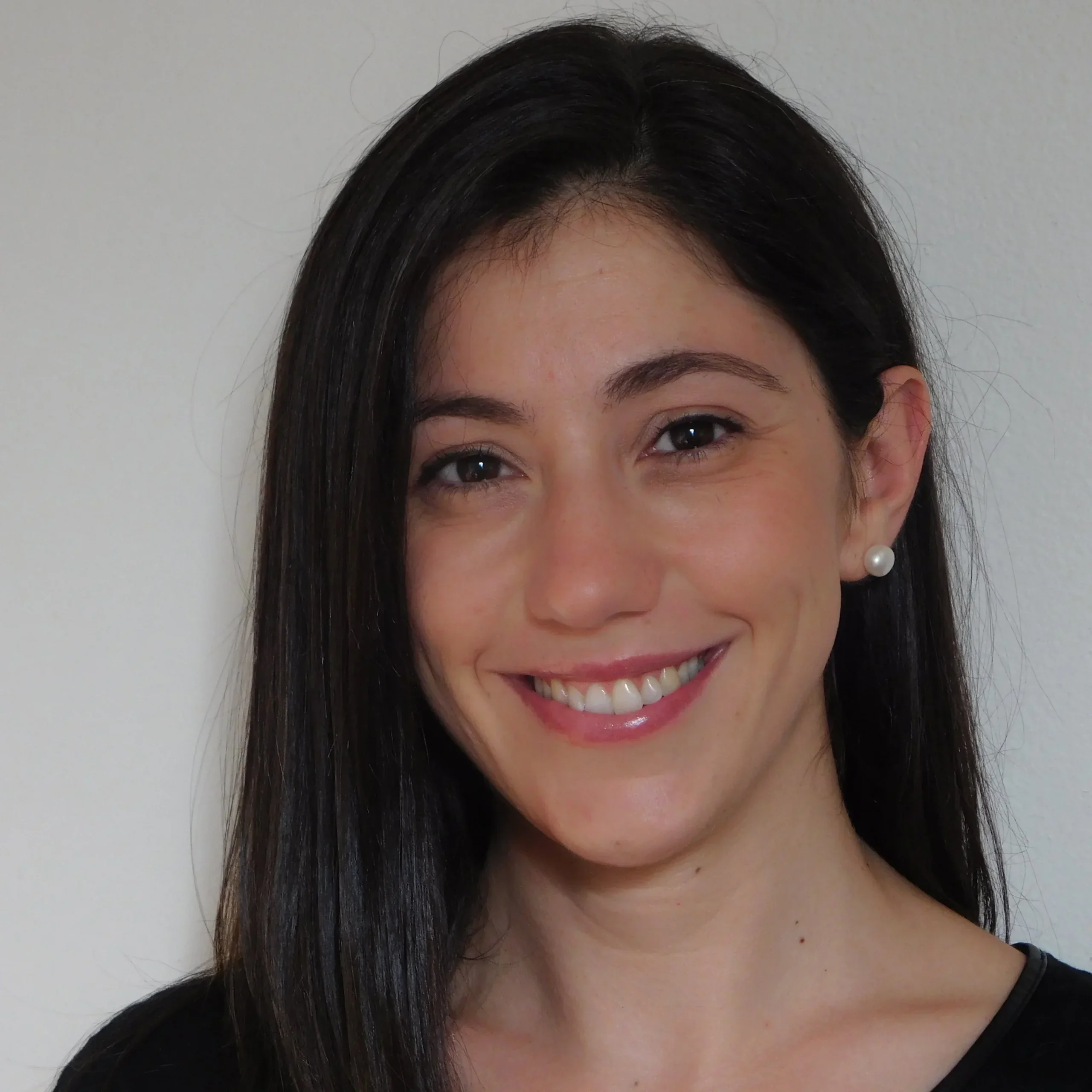
Pinelopi Anagnostopoulou

Christiana Demetriou

Evangelina (Lila) Diapouli
Panayiotis Kouis
Antonis Michanikou

Stefania Papatheodorou
Annalisa Quattrocchi
Pascale Salameh
Evangelia (Evi) Samoli
Panayiotis Yiallouros
Cyprus Program Past Fellows
Souzana Achilleos
Barrak Alahmad

Heresh Amini
Behrooz Behbod
Marie Abele Bind

Dimitrios Bitounis

Rima Habre

Stalo Karageorgi
Marianthi Anna Kioumourtzoglou

Maria Korre

Angeliki Lambrou

Nicos Middleton
Feiby L. Nassan

Andreas Neophytou
Vasileios Papaostolou
Nilufer Rahmioglou

Rodosthenis Rodosthenous
History
In 2004, as Cyprus entered the European Union, research on public health was minimal and formal university graduate training programs on environmental and/or public health did not exist. Decisions with impacts on the health and wellbeing of the Cypriot population often had to be made without the benefit of evidence from epidemiological studies conducted in Cyprus or the region. Information on population exposures, behaviors and their likely health impacts was in short supply.
Cyprus’ late President Tassos Papadopoulos recognized the problem and contacted Dr. Barry Bloom, who then served as the Dean of the Harvard School of Public Health (now called the Harvard T.H. Chan School of Public Health), to explore the possibility of establishing an institute in Cyprus, affiliated with Harvard, which could address Public Health issues in Cyprus and the region. Dean Bloom was as enthusiastic about this prospect as President Papadopoulos and working together they established the Cyprus International Institute for Environment and Public Health in 2004.
The 2004 and 2009 agreements between the Government of the Republic of Cyprus and the Harvard Chan School had remarkable impact. From 2004 until 2014, the Harvard Cyprus Program established and ran the Cyprus International Institute for Environment and Public Health in association with the Harvard Chan School. In 2014 the Institute became independent and has operated since that time under the auspices of Cyprus University of Technology.