What comes after the ‘End of AIDS’?

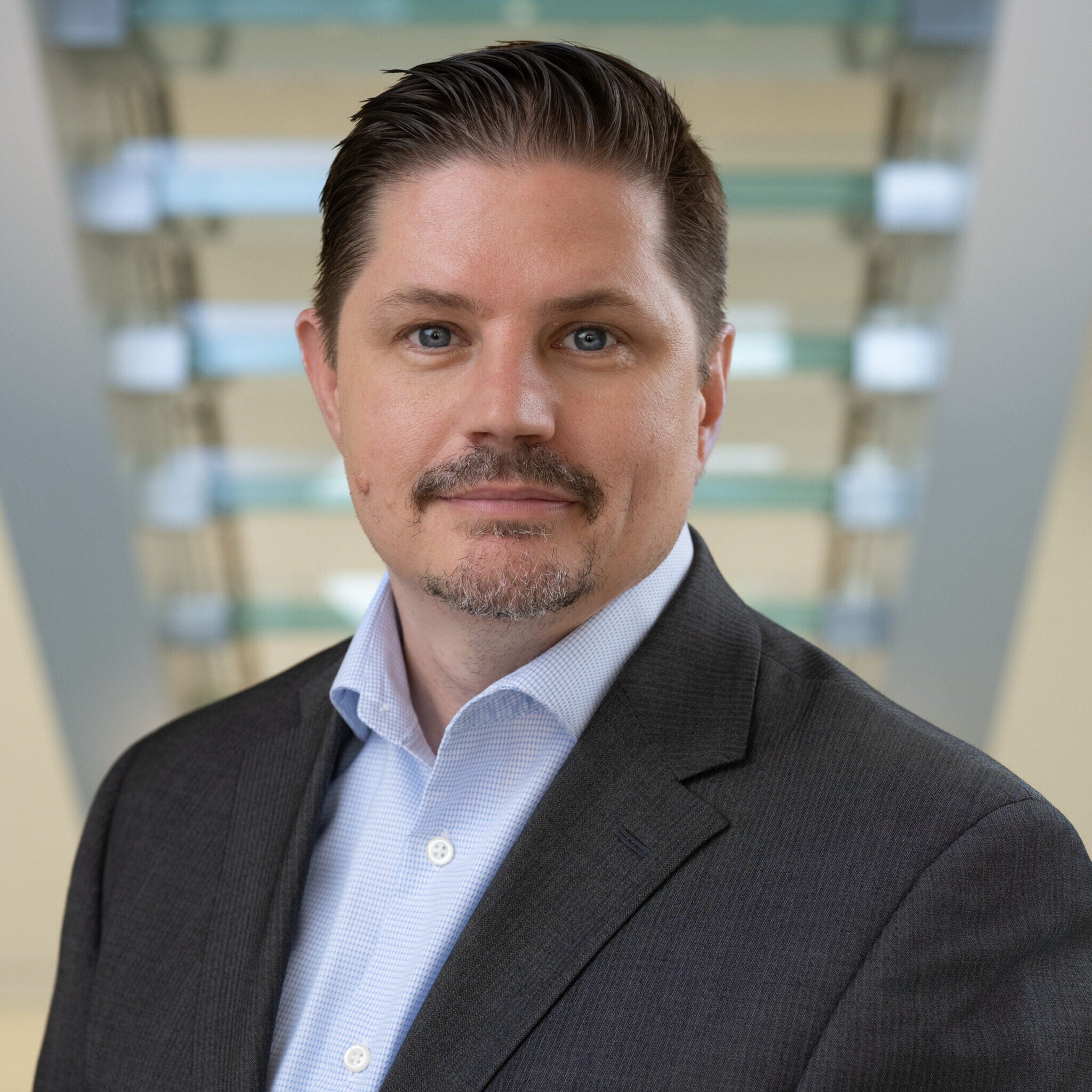
Join the Department of Global Health and Population for this Brown Bag Seminar featuring Jeff Imai-Eaton, associate professor of epidemiology and associate director of the Center for Communicable Disease Dynamics (CCDD), Department of Epidemiology, Harvard T.H. Chan School of Public Health.
Seminar description
For the past 15 years, the vision to ‘end AIDS as a public health threat by 2030’ has unified the global HIV response and catalyzed remarkable progress toward reducing new HIV infections and AIDS-related deaths, particularly in eastern and southern African settings most impacted by HIV. As the 2030 milestone nears and the number of people living with HIV globally edges above 40 million, this naturally raises the question “what comes after ‘the end’?” This seminar will review progress and persistent challenges in the global HIV response, what programs have been impactful, evidence on the evolving epidemiology and transmission dynamics, and the implications of these changes for long-term control of the HIV epidemic, opportunities and challenges to achieve impact with new interventions, and strategies for monitoring and surveillance of sustained progress.
Speaker bio
Jeff Imai-Eaton, PhD, is an associate professor of epidemiology and associate director of the Center for Communicable Disease Dynamics at the Harvard T.H. Chan School of Public Health and a senior research fellow at the MRC Center for Global Infectious Disease Analysis at Imperial College London. His research focuses on understanding HIV epidemic trends, transmission dynamics, and the demographic impacts of HIV in Africa. His team develop and support application of mathematical and statistical modelling tools used by HIV programs across Africa to plan and monitor national HIV responses.
Speaker Information
Organizers
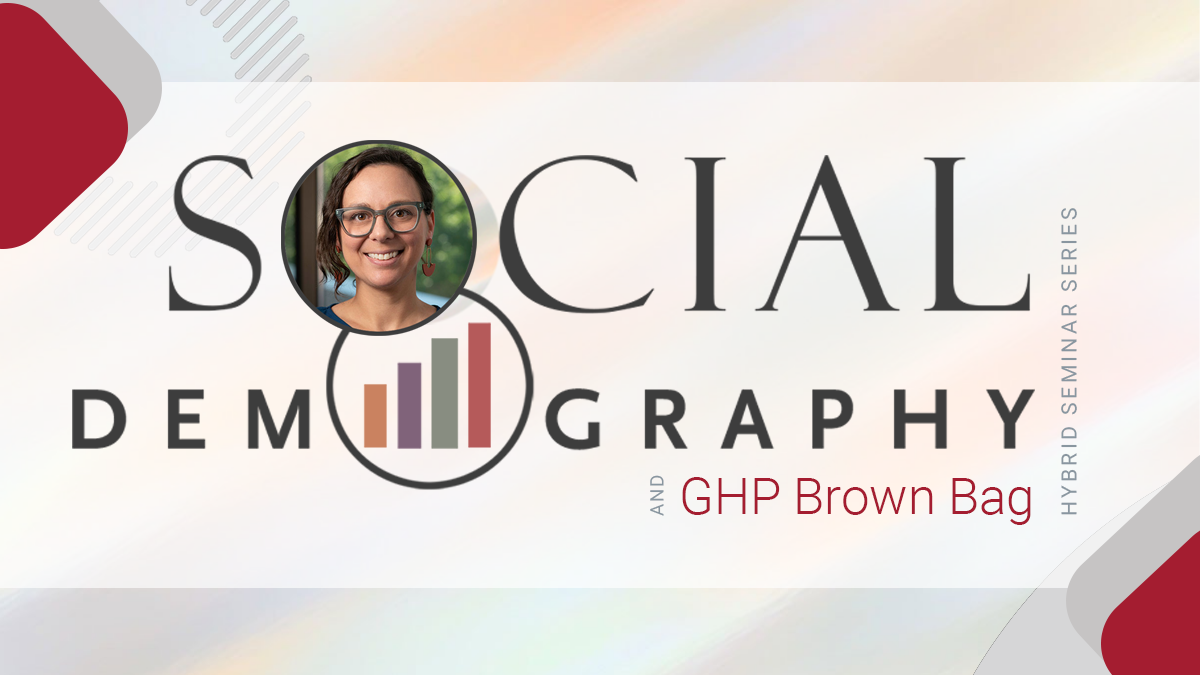
Harvard Pop Center Social Demography Seminar with Julia Behrman

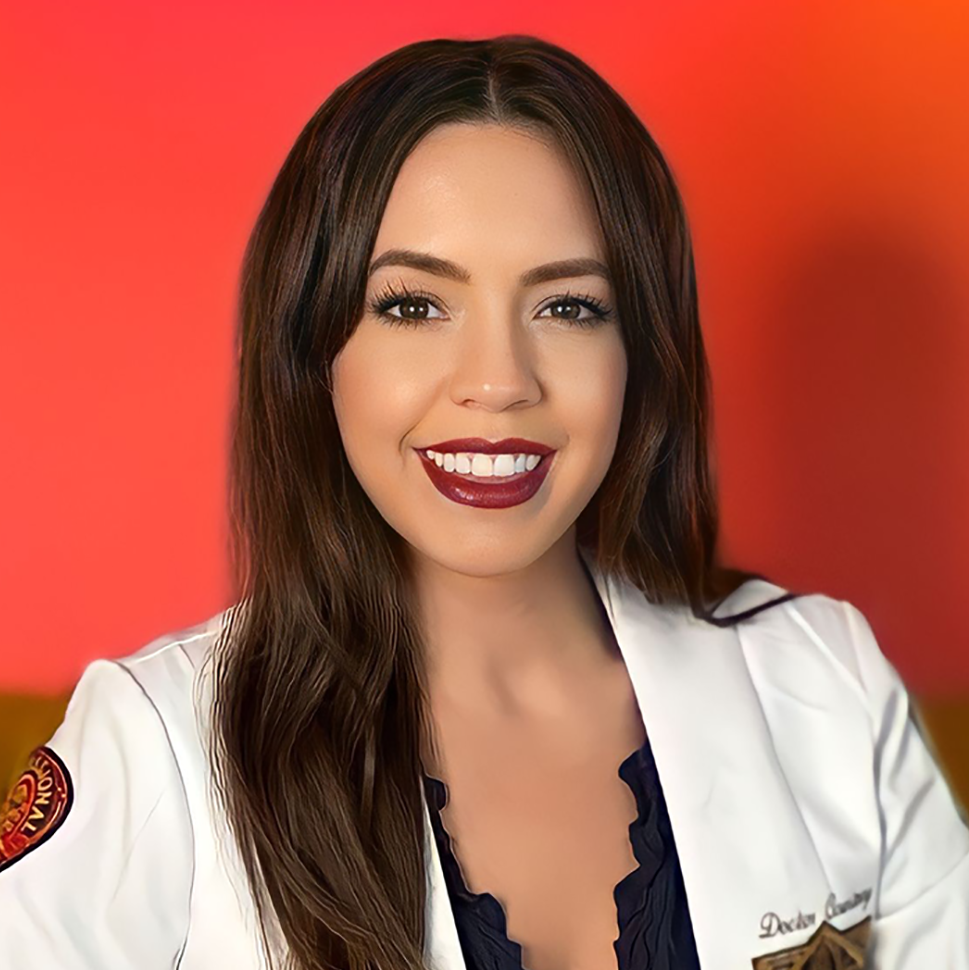
Julia Behrman, PhD, associate professor of sociology, Northwestern University, presents “The deinstitutionalization of parenthood in the United States.”
The Social Demography Seminar (SDS) series at the Harvard Center for Population and Development Studies provides a lively forum for scholars from across the university to discuss in-progress social scientific and population research. Social demography includes work that uses demographic methods to describe and explain the distribution of social goods across populations. The hybrid series offers presentations on a wide variety of topics such as family, gender, race/ethnicity, population health—including mortality, morbidity, and functional health—inequality, immigration, fertility, and the institutional arrangements that shape and respond to population processes.
With the aim of disseminating scholarly research, The Harvard Center for Population and Development Studies hosts a diverse array of speakers. They do not represent or speak for the Center, the School or the University, and hosting them does not imply endorsement of their views, organizations, or employers.
Speaker Information
Organizers
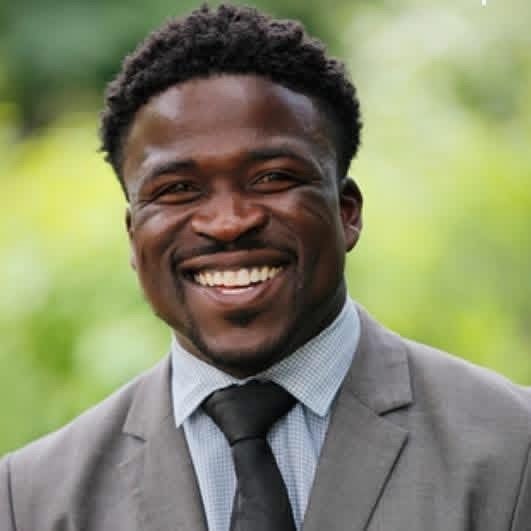
Harvard Pop Center Social Demography Seminar with Bocar Ba

Bocar Ba, PhD, Kathleen Kaylor and G. Richard Wagoner Jr. Assistant Professor of Economics, Duke University, presents “Understanding demand for police alternatives.”
The Social Demography Seminar (SDS) series at the Harvard Center for Population and Development Studies provides a lively forum for scholars from across the university to discuss in-progress social scientific and population research. Social demography includes work that uses demographic methods to describe and explain the distribution of social goods across populations. The hybrid series offers presentations on a wide variety of topics such as family, gender, race/ethnicity, population health—including mortality, morbidity, and functional health—inequality, immigration, fertility, and the institutional arrangements that shape and respond to population processes.
With the aim of disseminating scholarly research, The Harvard Center for Population and Development Studies hosts a diverse array of speakers. They do not represent or speak for the Center, the School or the University, and hosting them does not imply endorsement of their views, organizations, or employers.
Speaker Information
Organizers
Managing Your Electronic Records: Shared Drives and Email
Does it take ages to find a file in your shared drive? Are you running out of room in your email? Save yourself and your office time and money by learning to manage your electronic records. In this workshop, we’ll help you manage your email and electronic records efficiently and effectively by giving you guidelines for:
- Naming and organizing your files for fast and easy access
- Developing a file plan for your office shared drive
- Determining which emails you should keep, and how to store them
- Learning how to keep your digital records in compliance with Harvard’s records management policies
Workshops are about 45 minutes long. Attendance is free and open to all members of the Harvard Medical School, Harvard School of Dental Medicine, and Harvard T.H. Chan School of Public Health communities. Familiarity with the General Records Schedule (grs.harvard.edu) is helpful but not required.
Organizers
Managing Your Paper Records: Off-Site Records Storage
Run out of room for files in your office that you need to keep? The Harvard Depository records center is the perfect place for your office, department, or lab to store records that you need to keep but don’t use every day. In this online workshop, we’ll review step-by-step instructions for:
- How to set up an account
- How to pack and label boxes correctly
- How to complete transfer paperwork
- How to recall records back to your office
Workshops are about 30 minutes long. Familiarity with the General Records Schedule (GRS) is helpful but not required. Attendance is free and open to all members of the Harvard Medical School, Harvard School of Dental Medicine, and Harvard T.H. Chan School of Public Health communities.
Organizers
Introduction to the General Records Schedule
Do you know how long you need to keep your office records, and what you should do when you no longer need them? In this workshop, we’ll help de-mystify records retention by showing you how to use and understand the Harvard University General Records Schedule (GRS). We’ll give you all the information you need to:
- Identify your records using the GRS
- Determine how long to keep your records
- Decide if records should be destroyed or archived
- Know who to contact if the GRS doesn’t describe your records
Workshops are about 30 minutes long. Attendance is free and open to all members of the Harvard Medical School, Harvard School of Dental Medicine, and Harvard T.H. Chan School of Public Health communities.
Organizers
Making our science easier to understand: Environmental health literacy basics for researchers

This first workshop of a two-part series offered by the NIEHS Center Science Communications Hub will provide an introduction to environmental health literacy and developing communications approaches to reach a wide variety of audiences. The second workshop will expand on these concepts and discuss the ethics and best practices of communicating results to study participants and affected communities.
Please register separately for both workshops: Workshop 1 (30 September) and Workshop 2 (28 October).
Learning Objectives
Upon completion of this workshop, you will be able to:
- Describe the basic concepts of literacy, numeracy, and environmental health literacy
- Identify factors of communications that pose challenges for audiences with low literacy skills
- Apply basic tools to enhance accessibility of written materials
About the Speaker
Katie Tomsho is an Instructor in the Department of Environmental Health and Director of the Environmental Justice and Health Program. Her prior experiences as a community organizer focused on environmental science led to her interest in effective communication of environmental health data. Building on this work, she has focused on improving rigorous, transparent methods for communicating environmental health data to diverse audiences. Her research interests include environmental exposure data report-back, environmental health literacy, and the development of communication strategies that support community decision-making.
Speaker Information
Organizers
Trust & Well-being with Dr. David Bersoff

On Wednesday, November 4th from 1-1:50 PM in FXB G12 and online, please join us for the second installment in our Trust and Well-being Seminar Series, featuring Dr. David Bersoff.
All are welcome. Lunch provided.
Series Theme
This seminar series will explore the role of trust in promoting psychological, physical, and social well-being. At a time of declining trust in institutions, political polarization, fear-based public discourse, and rapidly changing technologies that shape how people encounter information and one another, the series will consider trust not only as an individual experience but also as a central feature of collective well-being. Through conversations with leading scholars and practitioners, we will examine how trust is defined and measured across diverse social and cultural contexts; how it functions across relationships, communities, institutions, and generations; and how it is built, maintained, broken, and repaired.
The series will also explore how social, political, commercial, and cultural factors shape trust, with particular attention to health equity and the histories of exclusion, discrimination, disinvestment, and institutional harm that influence whether communities feel able to trust systems. Together, we will consider how trust and trustworthiness can promote safety, belonging, resilience, civic participation, health-promoting behaviors, and flourishing while helping to build more connected, equitable, and resilient communities and systems.
Speaker Biography
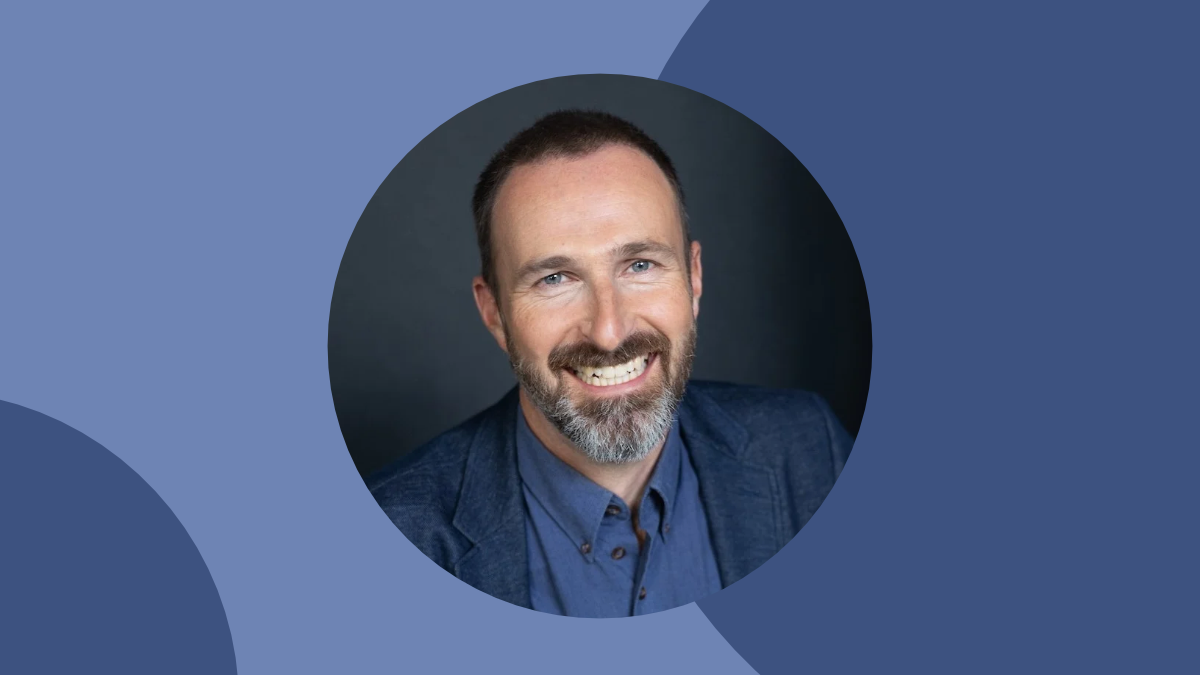
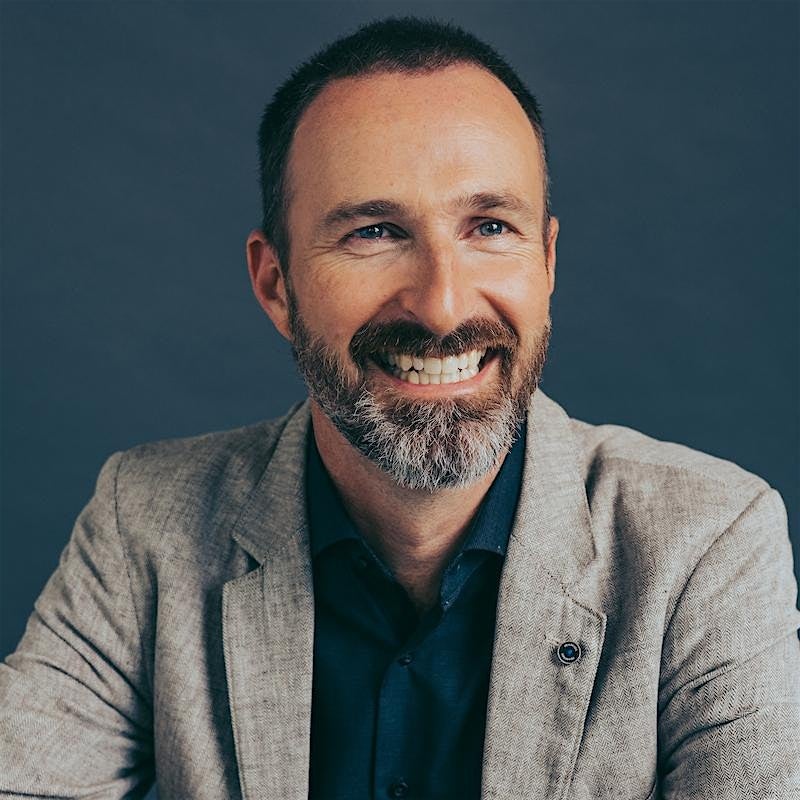
Dr. David Bersoff is the Head of Research for the Edelman Trust Institute, Edelman’s think tank dedicated to advancing the study of trust in society. As the Institute’s Chief Trust Scientist, Dr. Bersoff is responsible for ensuring the quality, integrity, and scientific value of all of Edelman’s trust-oriented research, which includes the annual Trust Barometer, the biggest and longest running global study of institutional trust, as well as yearly topical studies examining issues such as climate change, trust in the healthcare system, trust in the workplace, trust in brands, and racial justice. He also oversees all of the Trust Institute’s external research projects done in partnership with other academic, social policy, and philanthropic institutions.
Prior to joining Edelman in 2016, Dr. Bersoff spent 17 years as a consumer insights and marketing strategy consultant at The Futures Company (nee Yankelovich). In his last 5 years with the organization, he served as its Chief Insights Officer and was a member of its global board of directors. In that role, he ran the Global Insights Group and drove the research, data analysis, IP creation and product development strategy for all of their syndicated consumer insights offers. In addition to his background in IP development and insights product management, Dr. Bersoff has also served as a trusted advisor and marketing/brand strategy consultant to major clients in industries as diverse as financial services, automotive, media, professional organizations, energy, and the military.
Before entering the consulting world, Dr. Bersoff spent 12 years engaged in social science research at Yale and the University of Pennsylvania, where he was an assistant professor of social psychology and research methodology and served on its IRB.
Speaker Information
Organizers
Physical Activity and Major Chronic Diseases: Insights from Repeated Measures

Join us on Wednesday, October 7th for the Department of Epidemiology seminar series featuring Dr. Edward Giovannucci.
Abstract: Physical activity is established as a beneficial factor for several major chronic diseases and mortality. Much of the evidence is based on epidemiological studies that have a single baseline measure. The Harvard cohorts have repeated measures, up to every two years, over four decades of follow-up. This unique resource has enabled a deep look at various topics, including the potential for reverse causation, refinement of dose-response relationships, the influence of maintaining an active lifestyle over decades, and the relative influence of moderate versus vigorous activity. Recent insights into these topics will be summarized.
Bio: Dr. Ed Giovannucci is a Professor of Epidemiology and Nutrition at the Harvard TH Chan School of Public Health, as well as an American Cancer Society Clinical Researcher Professor. Dr. Giovannucci graduated from Harvard University in 1980, received an MD from University of Pittsburgh in 1984, and received training in anatomic pathology before attaining a doctorate in epidemiology at HSPH in 1992. Over the past four decades, he has conducted studies of diet, physical activity, body weight and metabolic health in relation to cancer and other chronic diseases. The studies were conducted largely in the Harvard cohort studies. He served on 2025 United States Dietary Guidelines Advisory Committee and continues long-term service on the Expert Panel for the World Cancer Research Fund, the primary global body evaluating evidence for diet and cancer.
Speaker Information
Organizers
Related Events
Implementation Science: The Key to Ensuring that Epidemiologic Research Impacts Health

Join us on Wednesday, November 4th for the Department of Epidemiology seminar series featuring Dr. Karen Emmons.
Abstract: This talk will provide an overview of the field of implementation science, with a particular focus on its potential intersections with epidemiology. A major point will be that it is critical to understand implementation science in order to maximize the likelihood that epidemiologic findings will translate into improved health. Participants should emerge with a better understanding of implementation science and how it can be useful to epidemiologists.
Bio: Karen Emmons is a Professor of Social and Behavioral Science at the Harvard T.H. Chan School of Public Health. She has expertise in cancer disparities and in implementation science. Her work focuses on community-engaged approaches to implementation of cancer prevention and early detection interventions in settings that serve low income and disadvantaged communities. She has more than 375 peer-reviewed publications and has served as PI for multiple NIH-funded research projects and centers. She also serves as Faculty Director of the Community Engagement Program for Harvard’s Clinical Translational Science Award, Harvard Catalyst, which focuses on advancing evidence-based strategies to improve community health and creating bi-directional relationships between community partners and researchers. She serves as the MPI of Harvard Chan’s T32 training grant in cancer prevention and control and has received multiple mentoring awards. Her research has also been recognized by honors including the Morse Distinguished Researcher Award, Outstanding Senior Cancer Scientist Award from the Society of Behavioral Medicine, and Outstanding Scientist Award from the Society of Behavioral Medicine. She is Past-President of the Society of Behavioral Medicine, and a member of the National Academy of Medicine, the National Cancer Advisory Board, and the Community Preventive Services Task Force.