In an interview with WBUR, Harvard T.H. Chan School of Public Health’s Adrianna McIntyre discussed rising health care costs and offered perspective on common ways Americans are trying to cope.
On health insurance costs increasing—particularly through the Affordable Care Act (ACA) Marketplace:
Every year, employers and other sources of health insurance, [like] Medicare and the ACA Marketplace, change up what they offer for health insurance. And this … is a year where we’re expecting to see particularly high premium increases. That’s in part due to the underlying costs of care going up. And so, individuals who are choosing their [health insurance] plans for the new year really need to think about how they want to balance the monthly premium costs with those out-of-pocket costs at point of care, like deductibles or co-pays.
Unfortunately, [it was] fairly common, as we moved from 2025 to 2026, [for ACA Marketplace health insurance premiums go up significantly]. At the end of 2025, something that experts call the enhanced premium tax credits—the enhanced subsidies for the ACA—expired. So there were some people who were in the marketplace who lost all of the financial assistance that they had been entitled to before. And for those people, premiums just skyrocketed, and there’s not really relief, because there just isn’t subsidy for them to tap into unless their income falls dramatically, which obviously is its own form of a bad outcome.
On more Americans choosing to disenroll from health insurance entirely:
These are really tough decisions that people have to grapple with, and part of the issue is that you don’t know, looking into the future, how much health care you’re going to need. If you think about how people use health care in the United States, imagine a room full of 100 people. In that room full of 100 people, five of them will account for 50% of [U.S.] health care spending. But you often don’t know in advance if you’re going be one of those five people—somebody who has a complicated pregnancy and a baby in the NICU, or somebody who has a car crash with a complicated recovery. [If you put] aside what you would pay for your premium into a savings account … that will get you some ways with your primary care, maybe even your urgent care visits. But if you have a real emergency, that’s not going to be enough.
On the complicated process of deciding on a new insurance plan:
There are folks available to help with enrollment in the context of the ACA Marketplace. They’re known as navigators, and folks can look up local resources in their area on healthcare.gov or on their state-based marketplace. Most people these days receive some sort of assistance when they enter the marketplace, because people often have dozens of plans to choose from. [Navigators] can be helpful in determining what is it that you should be prioritizing given your health needs.
On using artificial intelligence to help decide on a new insurance plan:
AI is … an imperfect tool, so I would double-check anything that you’re [reading] there. If ChatGPT says your doctor is in network for a plan, I would probably give your doctor a call and make sure that that’s right, because the AI could be working off of old or bad information. So, I wouldn’t necessarily discourage folks from doing it, but I would say to proceed with caution.
With flu season off to an early start in the U.S. and COVID not far behind, Bill Hanage, professor of epidemiology at Harvard T.H. Chan School of Public Health, shares his thoughts on this year’s vaccines.
Q: How serious are these illnesses?
A: COVID and influenza are the only infectious diseases that regularly kill tens of thousands of Americans each year. That burden is significant and can be reduced by vaccination. For both infections, the most vulnerable people are the very young and the very old. COVID is especially dangerous for seniors while the flu is more dangerous for infants.
Q: How effective do you expect this year’s COVID vaccine to be?
A: As usual, the new COVID shot has been designed to target the virus strain that we are most likely to encounter. For COVID, that’s viruses in the XFG lineage, which have been dominant for months. In the past, COVID has evolved quickly enough that by the time we roll out a new vaccine, it’s a less good match. That’s not the case right now—we haven’t seen any new mutations to the viruses beyond what our current vaccine is designed to target. So we expect the shots to confer good protection. The more people who get them, the likelier it is that more people stay safe and healthy through the winter.
Q: What about this year’s flu vaccine?
A: In the spring, scientists selected three flu strains that we were likeliest to encounter later in the year and based the new vaccine on those. Two of the three look like a good match. In the case of the third—H1N1—the virus has picked up a mutation that may reduce vaccine effectiveness. By how much exactly remains to be seen. However, it is important to remember that even when flu vaccines don’t protect against all infections, they can still do a good job at helping prevent people from becoming seriously ill.
One exciting piece of news is that drugmakers rolled out the first-ever mRNA vaccine for the flu this year. That is a big deal—this type of vaccine will hopefully transform our ability to control influenza. mRNA vaccines are easier to produce rapidly at scale, meaning if the flu suddenly mutated, we’re better positioned to quickly create a new specialized vaccine for it. Our main current method of creating the flu vaccine—which relies on growing strains of the flu in eggs, a six-month process that can lead to poor matches come flu season—doesn’t allow for that level of responsiveness.
Q: When is the best time to get the flu and COVID vaccines? And should people prioritize getting the mRNA flu vaccine?
A: I recommend getting these vaccines as soon as you can, given this year’s early start to flu season. As for what types of vaccines to prioritize, in general I’d say that the best type of vaccine is the one you can get. I don’t encourage people to shop around and potentially delay the decision to actually get immunized. That being said, there’s been some evidence showing that for patients 50 and older, the mRNA flu vaccine is more effective than the standard flu vaccine. These are the only patients for whom the Food and Drug Administration has licensed the mRNA flu vaccine, so people in this age bracket may consider this type of shot if given the option.
Q: Why do you think flu season started early this year?
A: Usually flu season starts in the south, especially Florida, and works its way north. But this year things are different: The hot spot is the Northwest. This is probably in large part due to the evolution of the H1N1 virus, which has also caused an unusually early flu season in Japan. In the time since this year’s flu strains were selected to create the vaccine, the H1N1 virus picked up a mutation allowing it to sidestep existing immunity in some people—especially children and adolescents. This may be because these age groups have only ever been exposed to the strain of H1N1 that caused the 2009 flu pandemic and its descendants, while older people have immunity against a wider diversity of H1N1 strains.
As a result, younger people, especially school-age children—a group known to be important for flu transmission—will likely have a higher chance than usual of being exposed and infected. If so, that could be a driving force in the early spread of flu and could very well continue being an important factor in how this year’s flu season unfolds.
Q: Anything else to keep in mind as more people start to get sick?
A: We all wish vaccines were perfect, but even when they don’t completely protect against infections, they are still the best tool we have to avoid getting sick—particularly severely so. If you do get sick, remember that COVID and flu are far worse for some than others. So if you feel ill, take as much care as possible not to expose others.
About The Author
Maya Brownstein
Media Relations Manager in the Office of Communications
More than one-third of women in Iceland have experienced technology-facilitated sexual violence (TFSV) or other coercive sexual acts, and the proportion is even higher among younger women, according to a new study conducted by researchers at the University of Iceland and Harvard T.H. Chan School of Public Health.
Awareness around TFSV—which includes receiving unwanted sexual images or messages, being asked for dates or sex despite repeated refusals, being recorded during sex without consent, and having sexual images shared online or with others—is rising, alongside awareness around evolving forms of sexual violence including stealthing (nonconsensual condom removal during sex), choking or suffocation during sex, and drugging. But data to understand the prevalence of these acts is lagging, according to the study authors—internationally, it’s scarce, and in Iceland, it’s been nonexistent.
To fill this gap, the researchers surveyed more than 14,000 women in Iceland, ranging in age from 23 to 74, about whether they had ever experienced eight specific instances of TFSV or other coercive sexual acts. They found that 34.5% of participants had experienced at least one form of sexual violence, including unwanted sexual images, persistent sexual requests, stealthing, sexual choking or suffocation, and suspected non-consensual drugging. Prevalence was substantially higher among younger women: Among those ages 23 to 34, more than half reported receiving unwanted sexual images or requests for such images, and more than one-third reported persistent requests for dates or sex despite refusals.
According to the researchers, their estimates regarding TFSV and other coercive sexual acts are consistent with—or higher than—similar data collected in Europe and the U.S. and raise alarm bells both in Iceland and beyond.
“In a country widely recognized for high levels of gender equality, the high prevalence [of sexual violence] observed—especially among younger women—underscores the need to recognize and monitor the evolving landscape of sexual violence globally,” they wrote.
Koenen added, “These findings are important because many of these newer forms of sexual harm are not captured in standard population surveys, meaning the overall burden of sexual violence may be underestimated. The results point to an urgent need for better measurement, prevention, public education, and support services that reflect how sexual violence is occurring today.”
Medicaid funding cuts are jeopardizing the health of U.S. mothers and infants—and with a weak federal database to monitor maternal health outcomes, the consequences may not be fully seen or understood, according to researchers at Harvard T.H. Chan School of Public Health.
Since January 2025, the Pregnancy Risk Assessment Monitoring System (PRAMS), a federal program collecting data on pregnant and postpartum women and their babies, has experienced a series of disruptions. Initially, the federal government halted all PRAMS data collection, removed access to existing data, and put the Centers for Disease Control and Prevention (CDC) team that oversaw PRAMS and provided technical assistance to researchers and policymakers utilizing its data on administrative leave. Since then, there’s been a partial reversal regarding data collection and processing: Short-term funding renewals have restarted some of it. But the CDC oversight team remains on leave. And the public portal containing decades of prior PRAMS data remains offline.
On Oct. 8, a group of experts including former PRAMS staff, academic researchers, nonprofit and advocacy organizations, and private foundations released a report detailing the risks created by PRAMS disruptions. The report was compiled following the June 3 National PRAMS Convening, led by Rita Hamad, professor of social epidemiology and public policy and director of the Harvard Center for Population and Development Studies.
“Stopgap measures do not resolve the loss of national coordination or the uncertainty surrounding PRAMS’s future,” Hamad and colleagues wrote in the report. “All these disruptions … threaten the continuity and quality of current and future data collection, maternal and child health program planning and operations, as well as access to decades of existing data for researchers, policymakers, and the public.”
The report included a number of recommendations to address the challenges surrounding PRAMS data, including the full restoration of the CDC oversight team and the provision of stable, long-term PRAMS funding.
Hamad emphasized the importance of restoring and protecting PRAMS in an Oct. 11 Guardian article. “There are no other datasets like it. Teams like mine used to have access to this data before the portal was shut down, and so now there’s no way to study the more recent trends in maternal and infant health,” she said. “Now we’re very worried that the cuts to U.S. safety net policies or barriers that keep people able to access those programs are going to have detrimental effects on maternal and infant health.”
Among these cuts and barriers are changes to Medicaid, including funding reductions and stricter work requirements, currently being rolled out by states. Benjamin Sommers, Huntley Quelch Professor of Health Care Economics, also spoke with The Guardian about the likely impacts of these changes. Funding cuts to Medicaid—which covers around 40% of births in the U.S.—will “add financial strain to the providers and the insurance program that [pregnant women] rely on,” he said. He added that many pregnant women may not know to specifically enroll in the Medicaid pregnancy pathway, which would exempt them from work requirements and allow them to keep their coverage no matter what—and some could lose coverage as a result.
According to Hamad, in previous years, instances of lost coverage and narrowed access to care would have been reflected in PRAMS data. Now, such instances are likely to add up but will be invisible to researchers and policymakers working to understand and improve maternal and infant health trends. “I think we’re going to see those geographical and maternal disparities widening,” she told the Guardian. “Or we’re not going to see it because we don’t have the data, but that’s what is going to happen.”
Boston, MA—Infants born to mothers who ate a healthy, Mediterranean-style diet during pregnancy were at lower risk for colic and eczema, according to a new study by researchers at Harvard T.H. Chan School of Public Health, Boston Children’s Hospital, and Harvard Pilgrim Health Care Institute. The researchers also found that regularly consuming seafood during pregnancy helped lower an infant’s risk for these conditions.
“Our own prior studies have shown that babies who had colic have higher rates of atopic conditions in later life, including asthma, seasonal rhinitis and food allergies,” said corresponding author Jenifer Lightdale, associate chief of the Division of Gastroenterology, Hepatology and Nutrition at Boston Children’s Hospital and professor of pediatrics at Harvard Medical School. “Our new study is the first to ask how prenatal diet may influence colic, and in particular the combination of colic and eczema, as babies who have both conditions in infancy may be at highest risk for various manifestations of allergies when they are older.”
The study was published Oct. 12 in JAMA Network Open.
Previous research on diet and colic has focused on whether dietary changes after birth in breastfeeding mothers, or in choices of infant formulas, can affect the symptoms of colic once they are present. For this study, the researchers examined whether the dietary habits of women during pregnancy would be associated with the risk of colic in her baby, particularly the combination of colic and eczema.
More than 1,300 pregnant women were recruited into the Project Viva study from prenatal clinics in Eastern Massachusetts from April 1999 to November 2002. The participants filled out regular food questionnaires, which the researchers scored according to the Mediterranean Diet Score (MDS) and the Dietary Inflammation Index (DII). A high MDS score indicated a more healthful diet, with high intake of fruits, vegetables, whole grains, legumes, and healthy fats, and moderate intake of dairy and lean proteins. A high DII score indicated a less healthful diet, with high intake of red or processed meats, sugar-sweetened beverages, sodium, and refined grains. Participants also reported their intake of commonly allergenic foods, including peanuts, peanut butter, and other nuts; finfish and shellfish; and eggs and dairy.
The researchers found that 26% of the study’s infants had colic, and 5% had both colic and eczema. Mothers who adhered more closely to a Mediterranean diet had a significantly lower risk of having a baby with both colic and eczema: Each higher MDS point was associated with a 15% reduction in risk. By contrast, each higher DII point was associated with a 34% higher risk.
Looking at foods known to be common allergens, the researchers found that for each weekly serving of seafood a pregnant woman consumed, her infant had a 25% lower chance of having colic and eczema. Other typical allergenic foods—including dairy, eggs, and nuts—were not related to having a baby with colic and eczema. The researchers calculated that all of the associations the study found were strongest among infants whose mothers had a history of allergic conditions.
“Our findings provide yet another reason to help pregnant women achieve a healthy, balanced diet, with a particular emphasis on eating seafood,” said first author Emily Oken, president of the Harvard Pilgrim Health Care Institute and professor in the Department of Nutrition at Harvard Chan School. “Moms wish to do all they can for their babies, but there are often financial and other structural barriers to accessing healthy nutrition. We hope our study can be helpful not just to individuals and families, but also to programs and services that support women’s health and nutrition, including federal programs like WIC and SNAP as well as programs administered by health plans and systems, such as ‘food is medicine’ initiatives.”
Article information
“Maternal Prenatal Diet and Colic and Eczema Among Infants,” Emily Oken, Sheryl L. Rifas-Shiman, Karen M. Switkowski, Kari Nadeau, Jenifer R. Lightdale, JAMA Network Open, October 12, 2026, doi: 10.1001/jamanetworkopen.2026.38472
The study was supported by the National Institutes of Health (R01HD034568) and by a gift from an anonymous donor to Harvard Chan School.
Oken reported receiving grants from the U.S. National Institutes of Health and grants from an anonymous donor during the conduct of the study. Nadeau reported receiving grants from the National Institute of Allergy and Infectious Diseases, the National Heart, Lung, and Blood Institute, and the National Institute of Environmental Health Sciences; stock options from Phylaxis and IgGenix; being a co-founder of Latitude, Alladapt, Before Brands, and IgGenix; receiving consulting fees from Excellergy; being a scientific committee member from Immune Tolerance Network and the NIH; being a data safety materials board member for the NHLBI; and holding U.S. patents for basophil testing, multifood immunotherapy and prevention, monoclonal antibody from plasmoblasts, and device for diagnostics outside the submitted work. Lightdale reported receiving personal fees from Sanofi-Regeneron, Mead Johnson Nutritionals, ByHeart, and Perrigo outside the submitted work.
Harvard T.H. Chan School of Public Healthis a community of innovative scientists, practitioners, educators, and students dedicated to improving health and advancing equity so all people can thrive. We research the many factors influencing health and collaborate widely to translate those insights into policies, programs, and practices that prevent disease and promote well-being for people around the world. We also educate thousands of public health leaders a year through our degree programs, postdoctoral training, fellowships, and continuing education courses. Founded in 1913 as America’s first professional training program in public health, the School continues to have an extraordinary impact in fields ranging from infectious disease to environmental justice to health systems and beyond.
About The Author
Maya Brownstein
Media Relations Manager in the Office of Communications
Researchers at Harvard T.H. Chan School of Public Health, the Broad Institute, Mass General Brigham, Harvard Medical School, and Boston University Henry M. Goldman School of Dental Medicine have generated new, comprehensive maps of the proteins that make up mitochondria, commonly known as the “powerhouse” of cells. The research, published Oct. 1 across nine papers in Cell, uncovers new information about the mitochondria’s function and evolution, and provides clues for how it could be targeted for the treatment of many infectious diseases.
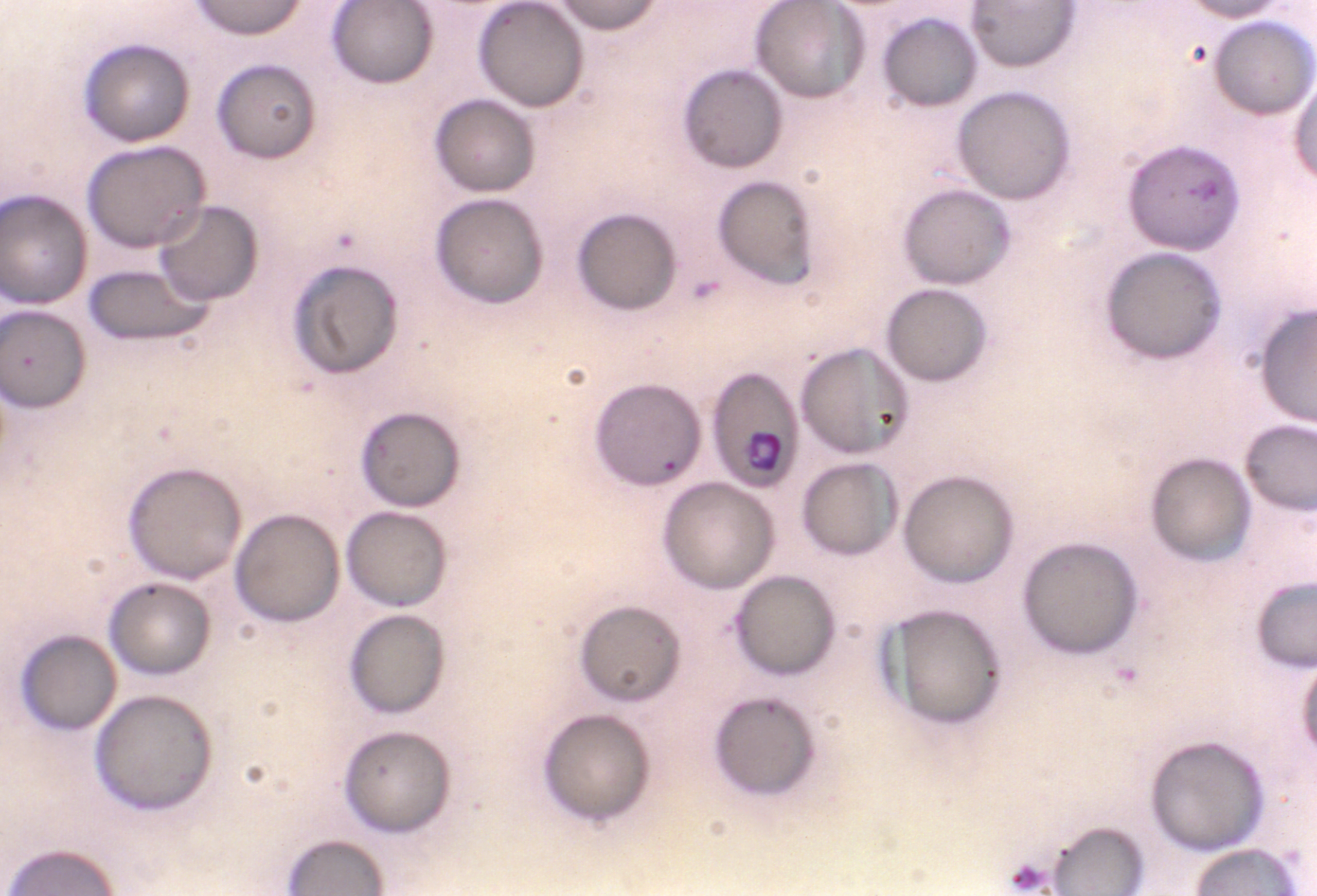
Harvard Chan School’s Manoj Duraisingh, John LaPorte Given Professor of Immunology and Infectious Diseases, led one of the studies, focused on mitochondria in Babesia parasites. Ticks carry these parasites, which, when transmitted to humans, can cause babesiosis, an illness that can include flu-like symptoms and be dangerous for vulnerable patients, such as seniors and those with compromised immune systems.
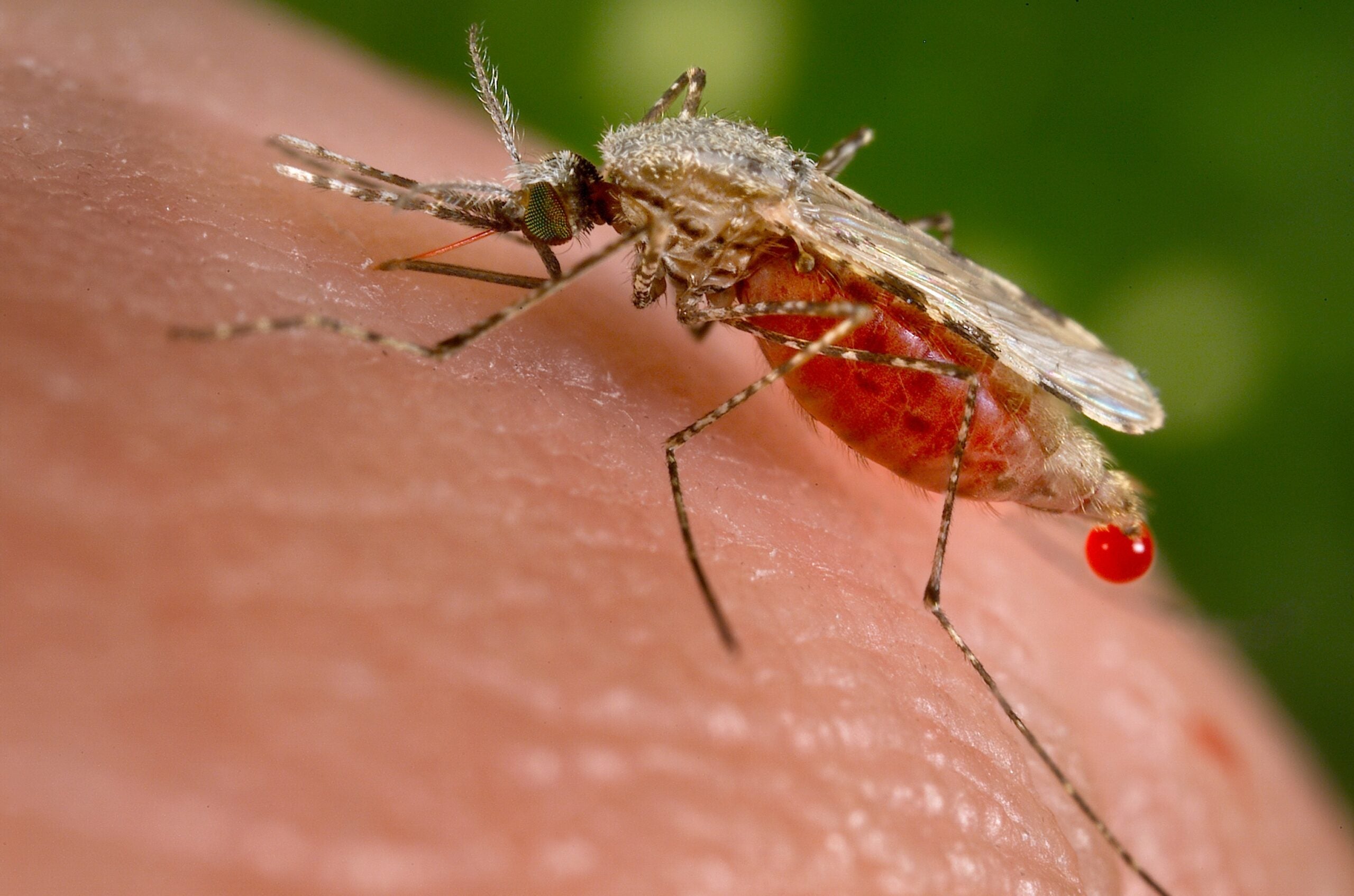
Duraisingh and colleagues deeply examined Babesia’s mitochondria and used cutting-edge technology, including the latest mass spectrometry tools, to identify 525 mitochondrial proteins. They estimated that this is “the most comprehensive … mitochondrial inventory to date” for not just Babesia, but for all Apicomplexa, a class of parasites that also includes plasmodium, which cause malaria, and Toxoplasma gondii, which cause toxoplasmosis, a common infection spread from cats to humans.
The findings represent a critical step forward, since they offer clues for how to develop treatments for babesiosis—there are currently few—and since cases of the illness are on the rise, especially in the northeast U.S., due to climate change.
Beyond babesiosis, the researchers said the study “will be broadly useful to the Apicomplexa research community” in trying to fund new ways to prevent and cure major diseases like malaria. “We expect [our findings] to be a valuable resource for understanding the evolution of apicomplexan parasites for future therapeutic development,” they wrote.
Holding a grudge can be a mental burden—and can also harm physical health, according to Harvard T.H. Chan School of Public Health’s Tyler VanderWeele.
VanderWeele, John L. Loeb and Frances Lehman Loeb Professor of Epidemiology, was among the experts featured in an Oct. 4 CBS News report about the harmful nature of grudges, or what VanderWeele referred to as “unforgiveness.”
“Unforgiveness is essentially like drinking a poison and hoping the other person dies, he told CBS. “It doesn’t work.”
Research by VanderWeele and colleagues at the Human Flourishing Program has found that unforgiveness can have serious health consequences. “Studies indicate [that those who hold grudges have] greater levels of cardiovascular trouble, higher levels of depression, higher levels of anxiety,” he said. Forgiveness, meanwhile, is linked to well-being. That’s the course of action he recommends someone take after being wronged.
“Forgiveness is the letting-go of a grudge, the replacing of ill will towards an offender with goodwill,” he said. “It’s not all that needs to take place to provide restoration and reconciliation, but I do think it’s always appropriate. Have goodwill, even when one’s been hurt.”
He also noted that while grudges are personal, the tendency to hold them is in part driven by culture.
“One [reason why grudges are so often held] is the public nature of the grudges that are now possible through social media,” VanderWeele said. “Some of it also is an abandonment of discussions of character and what good character looks like and what good character requires.”
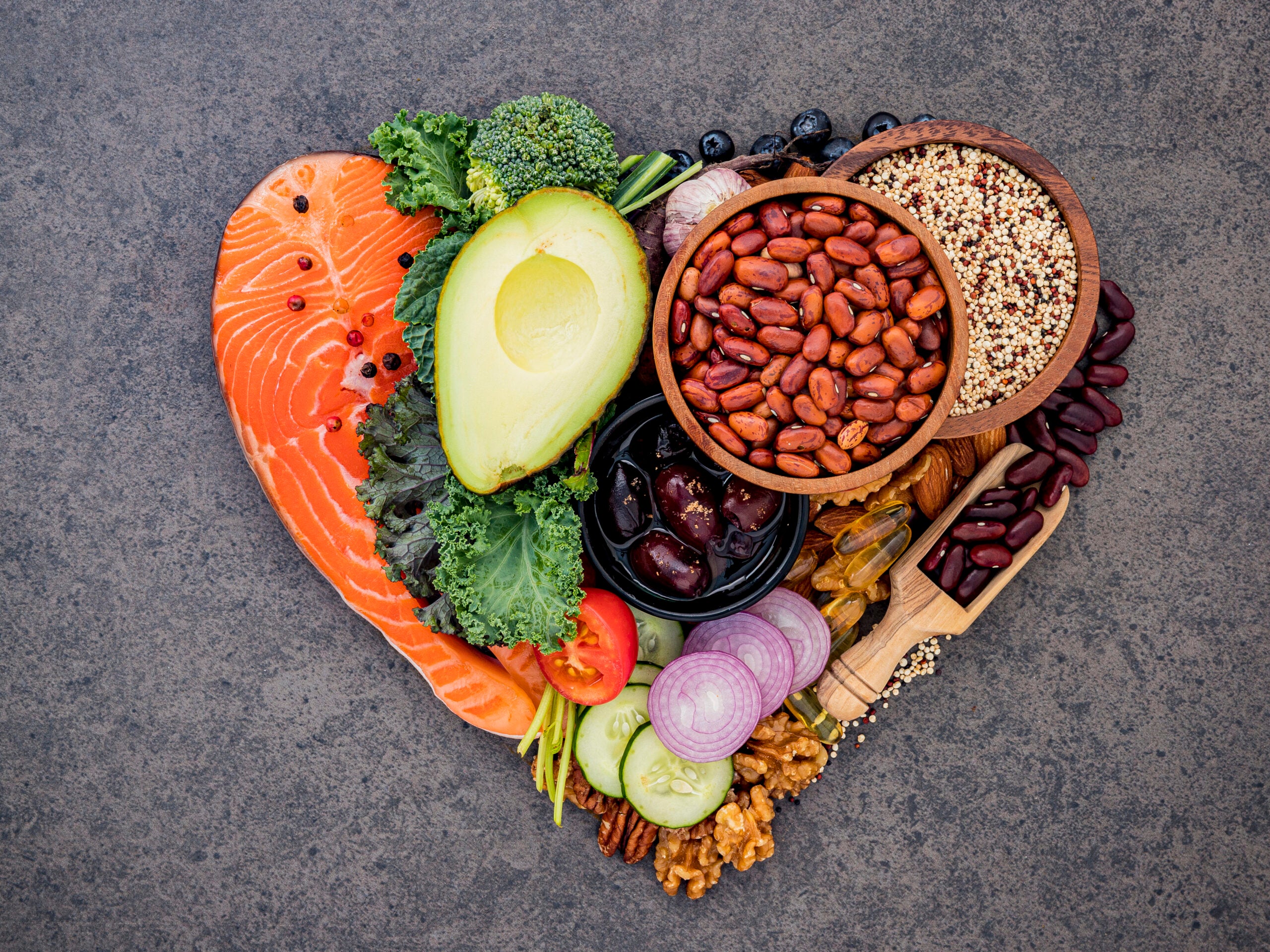
For heart health, eating a healthy, balanced overall diet that is easy to maintain long-term is key, more so than focusing on specific foods or diet fads, according to a new scientific statement from the American College of Cardiology (ACC).
Harvard T.H. Chan School of Public Health’s Frank Hu, Fredrick J. Stare Professor of Nutrition and Epidemiology and chair of the Department of Nutrition, served as the writing committee chair for the statement, which focused on nutrition’s role in preventing and managing cardiovascular disease (CVD). Published on Sept. 30, the statement offers recommendations for how individuals can eat a heart healthy diet and how clinicians can provide better nutrition counseling to patients, taking into consideration current issues such as rising food costs, a food system saturated with processed foods, and the increasing use of weight management drugs.
“Nutrition science has evolved considerably in the past several decades. We have moved away from focusing primarily on individual nutrients such as dietary fat or carbs to food- and pattern-based approaches,” Hu said in a Sept. 30 Healio article about the statement. “At the same time, new issues have emerged, including GLP-1 therapies. We felt it was timely to update the evidence and provide practical guidance for CVD prevention and care.”
Hu and colleagues wrote that poor nutrition is a major driver of CVD, and made dietary recommendations such as incorporating more vegetables, fruits, nuts, seeds, legumes, whole grains, and seafood. They also recommended cutting down on ultraprocessed foods and limiting, if not avoiding altogether, red and processed meats, refined grains, excess salt, and alcohol and sugar-sweetened beverages.
“Ultimately, heart-healthy eating is not about focusing on a single nutrient or food or following the latest dietary trend,” Hu said in an ACC press release. “What matters most is the overall quality of the diet and a consistent pattern of healthy food choices that supports cardiometabolic health and is sustainable over time.”
The statement notes that poor nutrition, and any resulting CVD, is not just a product of individual choices; it’s also a consequence of the availability and accessibility of food. “Both individual and societal factors are involved,” Hu told Healio. “Our food environment makes highly processed foods of poor nutritional quality widely available and often inexpensive and convenient. At the same time, many people face barriers to healthy eating, including cost, access, time, and food insecurity.”
Hu said that clinicians can have a hand in addressing these social and environmental factors by making nutrition a part of routine clinical care.
“Clinicians can ask patients about their usual eating habits and identify one or two areas for improvement,” Hu said. “It is also important to understand barriers such as food affordability, access, cultural preferences and food insecurity.”
Hu and his colleagues also emphasized the importance of nutrition for individuals taking GLP-1 receptor agonists and other weight-loss management drugs. They recommended that these patients receive ongoing nutrition counseling from not just their physician, but also from clinicians such as a registered dietitian and a behavioral therapist.
“One important point is that nutrition remains essential even as effective treatments such as GLP-1 drugs have become widely available,” Hu told Healio. “However, these medications do not replace the need for a nutrient-rich high-quality diet. Healthy eating and modern medicine should be viewed as complementary, not competing approaches to improve cardiometabolic health.”
Allowing families to recertify their enrollment in the Special Supplemental Nutrition Program for Women, Infants, and Children (WIC) remotely, rather than via in-person visits, was associated with greater retention in the program—and more low-income children continuing to access WIC benefits including nutritious foods and health care, according to a new study led by Harvard T.H. Chan School of Public Health.
The study was published Sept. 25 in JAMA Network Open. Erica Kenney, associate professor of public health nutrition, was the corresponding author.
Research has shown that WIC helps reduce the risk of food insecurity and improves birth outcomes and cognitive development among the low-income women, babies, and young children participating in the program. But, the researchers wrote, “WIC is not leveraged to its full potential.” Participation tends to sharply decline over time: Nationwide, more than three-quarters of eligible infants are enrolled in WIC, compared to one-quarter of children by age four. One possible reason families don’t maintain their enrollment in WIC is the burden of having to attend in-person visits to recertify their eligibility. They may not make it to the WIC clinic, where they’re required to periodically verify their household income and other eligibility factors, because of challenges around transportation, childcare, and/or time off from work.
The researchers sought to assess the impact of strategies that could help families stay enrolled in WIC. They studied administrative data on more than 238,000 children participating in WIC between 2017 and 2022 in Massachusetts, a state where program retention was on the decline. Partway through the study period, in March 2020, families were given the option of recertifying their WIC eligibility remotely because of the COVID-19 pandemic.
The researchers found that, after remote visits were implemented, WIC retention steadily increased each month. “While the changes were initially made to eliminate the risk of viral transmission,” they wrote, “they also may have addressed … one barrier to maintaining WIC participation: the complexity of keeping up with required in-person activities, particularly for families with often limited access to childcare or transportation.”
EPA repeal of greenhouse gas limits gives ‘life support’ to coal industry, despite climate risks
By
Maya Brownstein
Pollution and steam rise from the stacks of the Miami Fort Power Station, which is situated along the Ohio River, in North Bend, Ohio, on August 3, 2026. Jason Whitman / NurPhoto via AP Photos
In mid-September, the Environmental Protection Agency (EPA) repealed a Biden-era ruling requiring coal-fired power plants to significantly reduce their emissions of carbon dioxide (CO2), the main driver of climate change. Now, there are no regulations on greenhouse gases coming from coal power plants, allowing them to continue operating without rules around their CO2 emissions. How major of a setback is this to efforts to mitigate the climate crisis? Petros Koutrakis, Akira Yamaguchi Professor of Environmental Health and Human Habitation at Harvard T.H. Chan School of Public Health, shares his perspective below.
Q: Can you provide some background on the EPA’s announcement? As an environmental health researcher, what’s your reaction?
A: The Biden administration had introduced a regulation on coal-fired power plants forcing them to significantly reduce their CO2 emissions by 2039—otherwise they would not be able to renew their licenses and would have to close. This put the U.S. on the path to seeing a mass retirement of these power plants in the 2030s, because the technology to remove CO2 emissions is extremely expensive. Now, the EPA, under the Trump administration, has taken us off that path, and that’s a shame. In removing the CO2 guardrails on these power plants, the EPA is stymying necessary work to reduce greenhouse gas emissions, as well as other pollutants, and they’re extending the life of the coal industry, which is otherwise dying. The only good news here is that, despite the administration’s efforts, the future of coal is not bright in the U.S. This deregulation is a hindrance and slows down our progress toward a healthier planet. Again, that is a shame. But our reliance on coal will fade. The EPA is just putting it on life support.
Q: What makes you confident that the U.S. will move away from coal?
A: We’ve already begun doing so. In the early 2000s, about 60% of our electricity came from coal. Today, coal generates only about 20% of our electricity. Coal-fired power plants have largely been replaced by natural gas-fired power plants, which are much more efficient, and therefore generate electricity more cheaply, and somewhat more cleanly (they still do emit CO2 and other pollutants, but at lower levels). And increasingly, we’re becoming more reliant on renewable energy sources—solar, wind, hydro—in place of fossil fuels like coal and gas. As renewable energy technology has evolved and improved, its costs have gone down drastically, such that electricity generated by renewables costs five cents per kilowatt hour. Electricity generated by gas, coal, and nuclear power meanwhile costs at least 30 cents per kilowatt hour. Renewable energy technology will only continue to advance, becoming more efficient and cheaper. And coal will continue to be dirty and expensive by comparison. Market forces will drive it to obsolescence.
Q: Can we feel optimistic about the U.S.’s energy future? If so, what would that mean for the climate crisis as a whole?
A: I am optimistic that, here and elsewhere, we’re moving toward more sustainable energy production in the future, which will certainly improve planetary health. That said, the damage to our climate has already been done. We can’t move toward that clean energy future fast enough. Even if the world stopped all emissions tomorrow, it would take hundreds of years to get back to non-emergency levels of CO2 and other pollutants in the atmosphere. So we’re going to be living with climate issues—extreme weather events and the threats to our water and food supplies are what I particularly worry about—for a long time. This is a painful reality, and there are two ways we can handle it: mitigation and adaptation. And this move from the EPA counts as neither.
About The Author
Maya Brownstein
Media Relations Manager in the Office of Communications