New maps of mitochondria offer promise for treatment of infectious diseases
Researchers at Harvard T.H. Chan School of Public Health, the Broad Institute, Mass General Brigham, Harvard Medical School, and Boston University Henry M. Goldman School of Dental Medicine have generated new, comprehensive maps of the proteins that make up mitochondria, commonly known as the “powerhouse” of cells. The research, published Oct. 1 across nine papers in Cell, uncovers new information about the mitochondria’s function and evolution, and provides clues for how it could be targeted for the treatment of many infectious diseases.
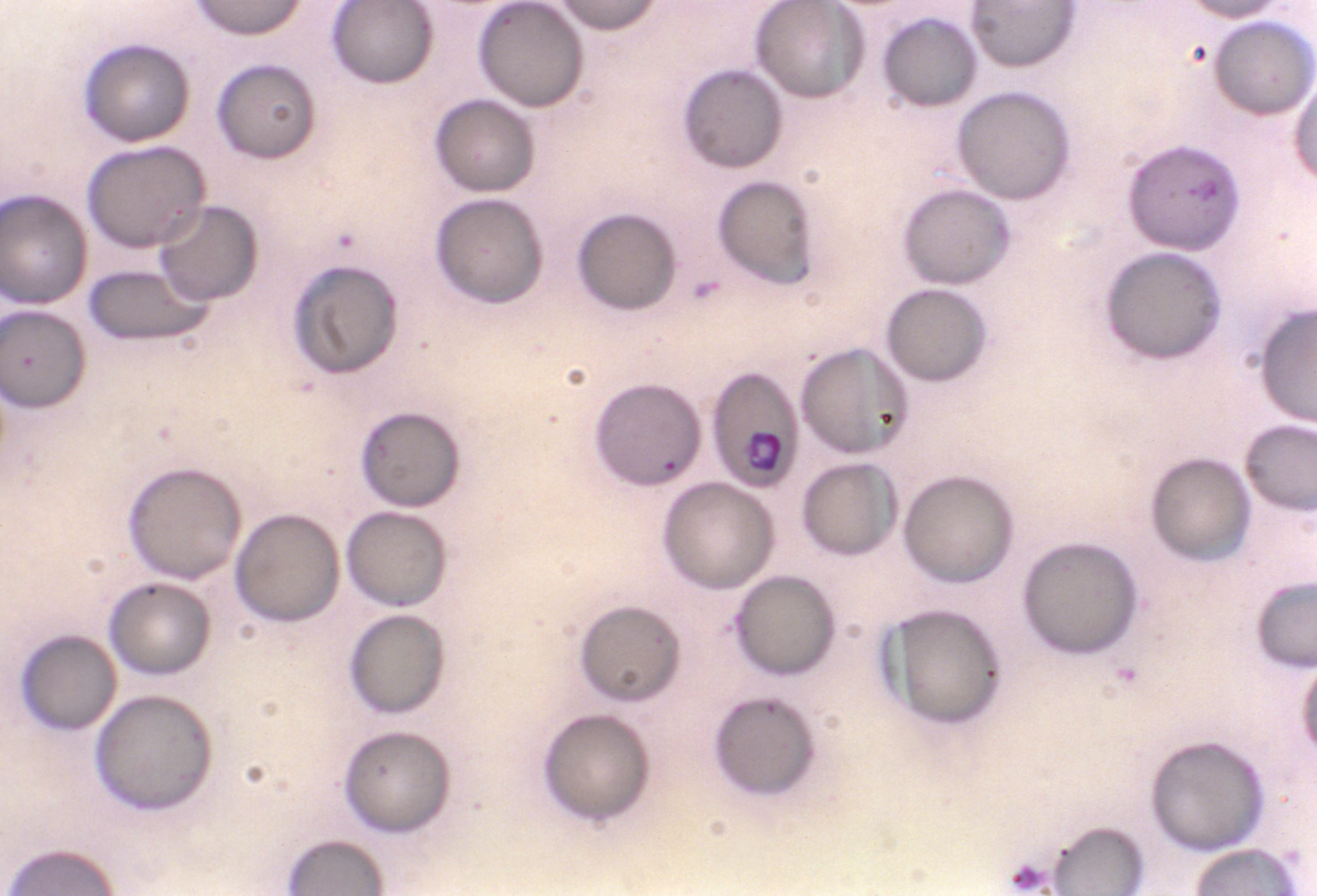
Harvard Chan School’s Manoj Duraisingh, John LaPorte Given Professor of Immunology and Infectious Diseases, led one of the studies, focused on mitochondria in Babesia parasites. Ticks carry these parasites, which, when transmitted to humans, can cause babesiosis, an illness that can include flu-like symptoms and be dangerous for vulnerable patients, such as seniors and those with compromised immune systems.
Duraisingh and colleagues deeply examined Babesia’s mitochondria and used cutting-edge technology, including the latest mass spectrometry tools, to identify 525 mitochondrial proteins. They estimated that this is “the most comprehensive … mitochondrial inventory to date” for not just Babesia, but for all Apicomplexa, a class of parasites that also includes plasmodium, which cause malaria, and Toxoplasma gondii, which cause toxoplasmosis, a common infection spread from cats to humans.
The findings represent a critical step forward, since they offer clues for how to develop treatments for babesiosis—there are currently few—and since cases of the illness are on the rise, especially in the northeast U.S., due to climate change.
Beyond babesiosis, the researchers said the study “will be broadly useful to the Apicomplexa research community” in trying to fund new ways to prevent and cure major diseases like malaria. “We expect [our findings] to be a valuable resource for understanding the evolution of apicomplexan parasites for future therapeutic development,” they wrote.
Read the study:
Mitochondrial proteome of the apicomplexan Babesia divergens
Read a Broad Institute press release:
Catalog of mitochondria across life’s family tree unearths new roles for the cell’s powerhouse