Harvard Injury Control Research Center
Our mission is to reduce the societal burden of injury and violence through surveillance, research, intervention, evaluation, outreach, dissemination, and training.


Preventing fatalities and injuries on U.S. roads.
Jay A. Winsten, Ph.D., Director
Project Look Out is a research-based social-media campaign to help prevent traffic
fatalities and injuries on U.S. roads resulting from driver distraction and inattention. The campaign is sponsored by the Harvard Injury Control Research Center at Harvard T.H. Chan School of Public Health and is funded by a grant from General Motors.
Project Look Out envisions the public street as a shared social space where the lives, hopes and dreams of a multitude of road users momentarily intersect and sometimes collide with catastrophic consequences. It’s a place where each traveler’s continued wellbeing depends in part on the actions of others.
Project Look Out has three objectives:
- Promote simple acts of courtesy and respect among people sharing the road as a step toward creating a culture of safety-first that recognizes the interdependence of road users and prioritizes everyone’s safety.
- Educate and motivate drivers to conduct active visual scanning of the road environment —more than just “eyes on the road”—to detect emerging risks in time to mitigate those risks. Extensive research has identified “Inadequate surveillance” as a critical factor in many serious crashes.
- Develop and test strategies to sharply increase the efficiency and effectiveness of targeted social-media advertising— an important but often neglected component of health communication campaigns.
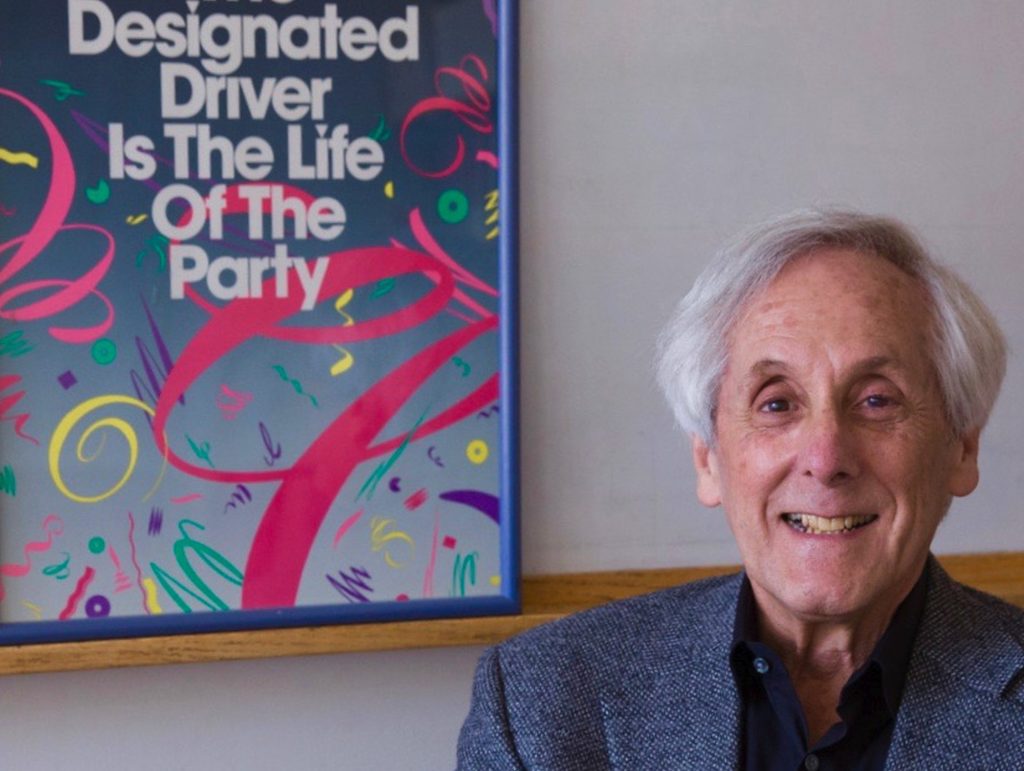
The Project’s director, Jay A. Winsten, Ph.D., previously served for thirty-five years as Associate Dean and Frank Stanton Founding Director of the School’s Center for Health
Communication.
The Center first became widely known for its landmark Designated Driver Campaign to prevent alcohol-related traffic fatalities and injuries on U.S. roads. Launched in 1988, the campaign demonstrated how a new social concept — the “Designated Driver” — could be imported from Scandinavia and rapidly diffused through American society via mass communication. At Harvard’s request, TV writers incorporated the designated driver message into storylines of more than 160 prime-time episodes starting in 1988. By 1991, 54% of frequent drinkers told the Roper Poll that they had been driven home by a designated driver. The campaign is credited for contributing to a 25-30% decline in U.S. drunk driving fatalities that occurred between 1988 and 1993. The Chronicle of Philanthropy reported, “Many grant makers say it was the success of the campaign that persuaded them that skillful work with news and entertainment media can bring about social change.”