FXB Center work in progress seminar – Out of sight, out of mind: Myanmar’s invisible crisis
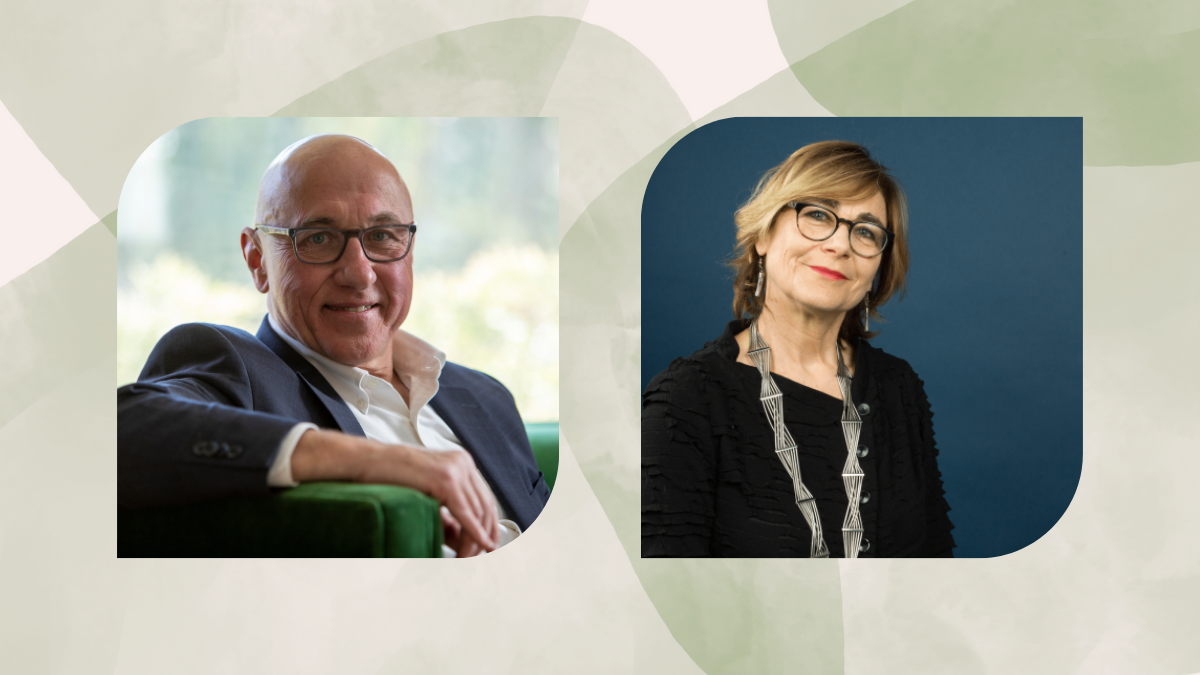
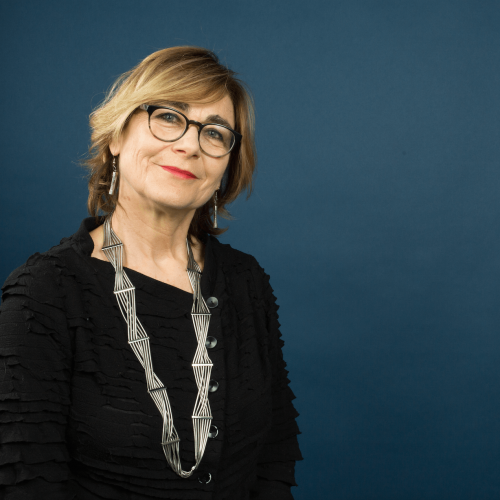
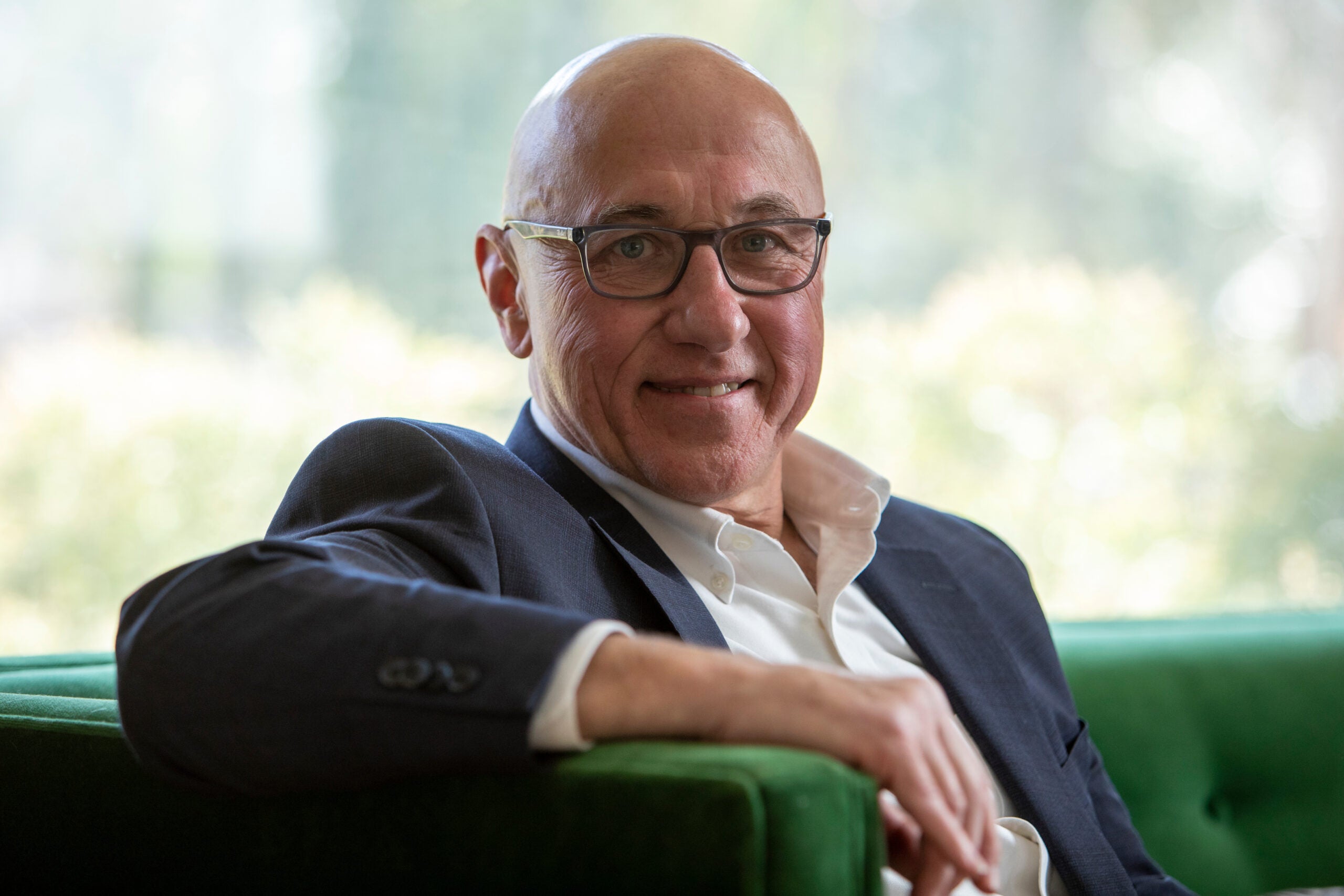
Join the FXB Center for Health & Human Rights at Harvard University for a virtual work-in-progress seminar to hear from Tom Andrews, the UN Special Rapporteur on the situation of human rights in Myanmar and Director of the Southeast Asia Human Rights Project at Harvard University’s Asia Center. The conversation will be moderated by FXB’s Director of Research, Professor Jacqueline Bhabha, JD, MSc. Harvard ID required to attend.
Moderator
Speaker Information
Organizers
MassCPR Annual Symposium- Innovation Without Borders: Academia and Pharma Driving Preparedness
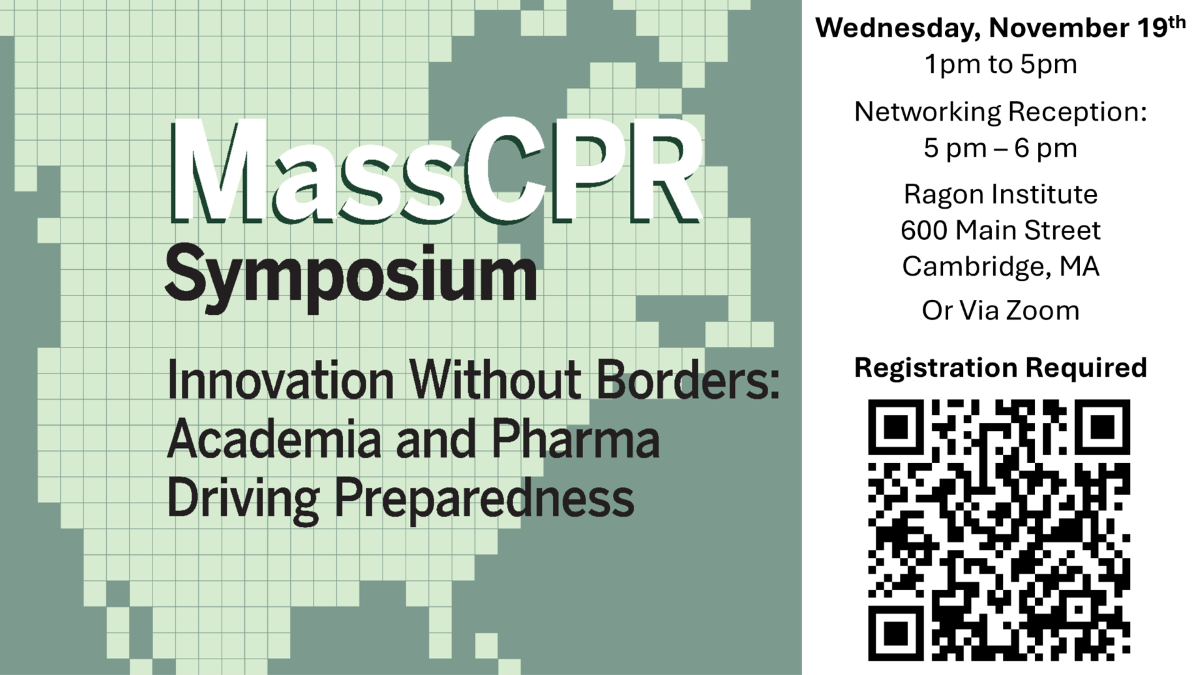
This year’s hybrid symposium will explore how the partnership between pharma and academia fuels breakthroughs that strengthen outbreak preparedness. Join colleagues from across the consortium, industry, public health, and academia for a lively exchange of ideas and insights. The event is sponsored by Harvard Medical School, the Maxwell Finland Fund, and the Warren Alpert Foundation.
Please register in advance:
In-Person Registration: https://www.eventbrite.com/e/masscpr-annual-symposium-tickets-1684524450979
Zoom Registration: https://partners.zoom.us/webinar/register/WN_ZuxtphlITFOyXhnAJH5jJg#/registration
Organizers
Launch Party: 2026 President’s Innovation Challenge
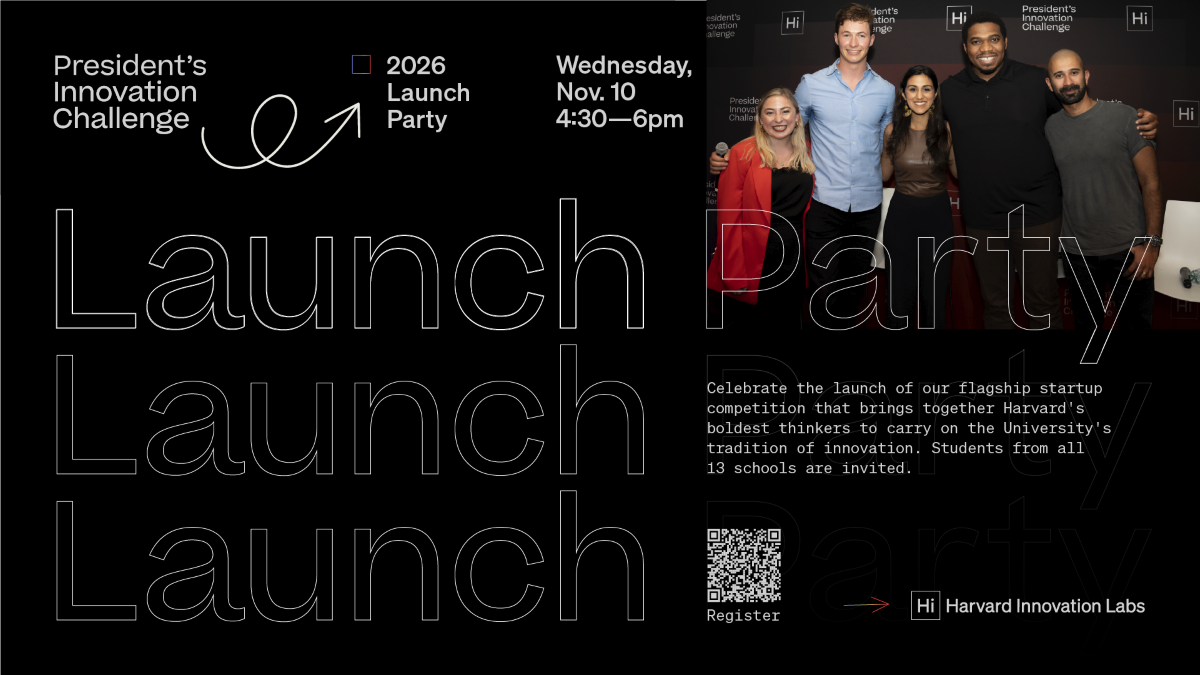
Join us for the exciting launch of this year’s President’s Innovation Challenge (PIC)!
Experience an evening packed with inspiration as Harvard’s brightest founders come together to ignite new ideas. Hear from Executive Director Jill Kravetz and a panel of past winners, who’ll share insider tips on crafting a standout application and making the most of your PIC experience. Mingle with student and alumni entrepreneurs, connect with advisors, and fuel your ambitions over snacks and mocktails. Open to all fully matriculated Harvard students and select alumni, the PIC is your chance to turn bold solutions into impact. Don’t miss your shot—apply by December 8, 2025! Learn more at innovationlabs.harvard.edu/pic.
The Harvard Innovation Labs is located on the first floor of Batten Hall at 125 Western Avenue, Allston, MA 02134. We are situated on the Harvard Business School campus, a 15-20 minute walk from Harvard Square. You can also use the Harvard shuttle. The University offers daily parking for faculty, staff, students, visitors, and guests in the HBS lot on Western Avenue. The HBS lot is available 24/7 and accepts both cash and credit card payments.
Speaker Information
Jill Kravetz
Organizers
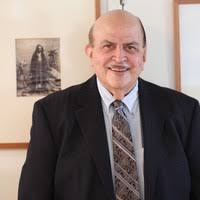
Celebrating the life of Richard Cash
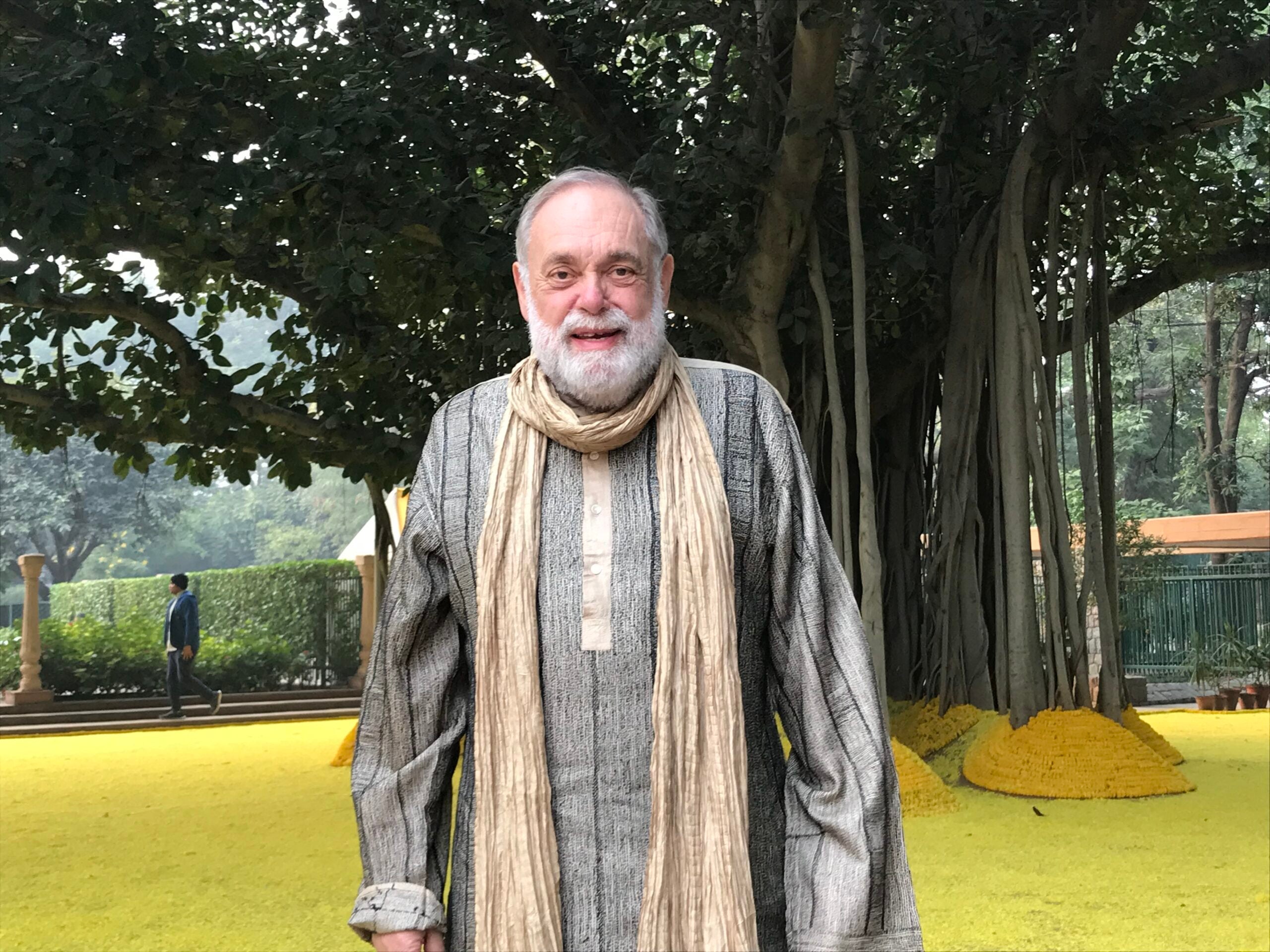
Join the Department of Global Health and Population to celebrate the life and legacy of Richard Cash.
Richard was widely recognized for his contributions to developing oral rehydration therapy (ORT), a technique that has since been credited with saving millions of lives and has been described by The Lancet as “potentially the most significant medical advance of the century.” Beyond his public health impact, Richard influenced innumerable students, colleagues, and friends over his nearly five decades at the School. Throughout his career, he remained dedicated to working with communities to find simple, accessible, and effective solutions.
At this memorial, we will celebrate Richard’s life by hearing from panel of experts about Richard’s impact on the field of public health and from close friends, family, and colleagues about how he touched their lives. We will unveil a commissioned portrait, which will later be hung in the Department of Global Health and Population, and hold a small reception in the Kresge Cafeteria.
Please note that registration is required to attend this event.
For those wishing to honor Richard’s legacy, please donate the Richard Cash Memorial Fund.
Panelists
Lincoln Chen
Tim Evans
David Nalin
Malabika Sarker
Moderator
Organizers
Monday Nutrition Seminar | From Plate to Planet: Making Healthy and Sustainable Diets the Easy Choice. The Parma Experience
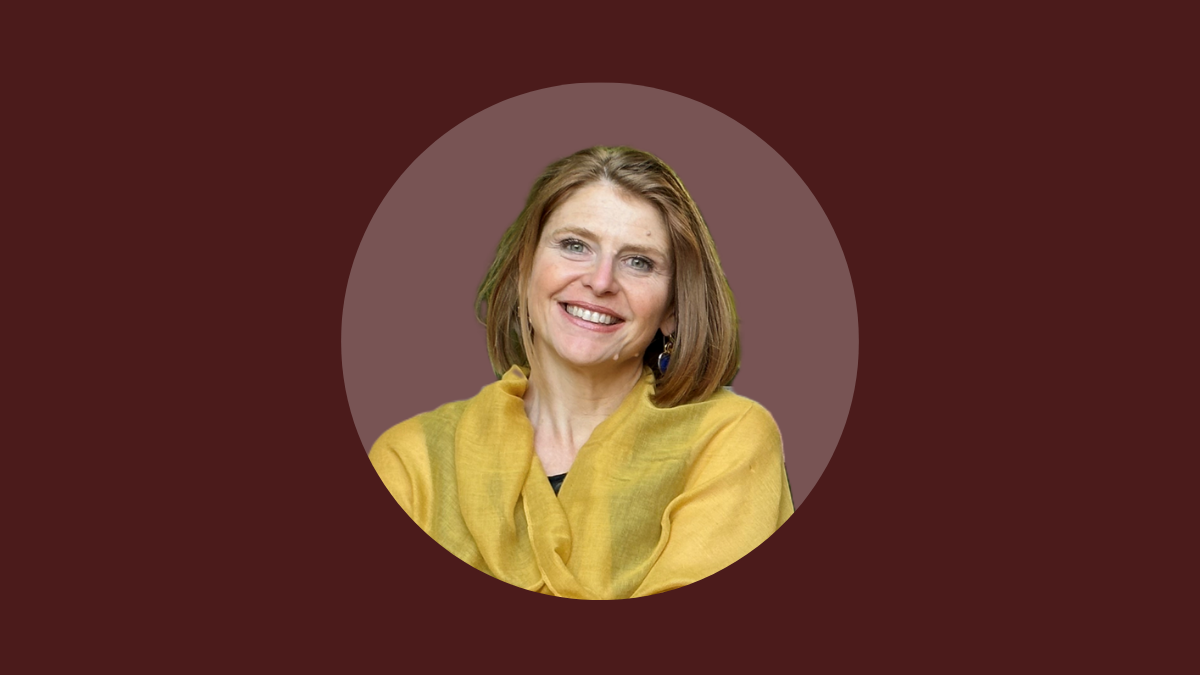
Please join the Department of Nutrition and Department of Global Health and Population for the Monday Nutrition Seminar featuring Dr. Francesca Scazzina, Professor in Human Nutrition at the University of Parma, Italy. Dr. Scazzina will present her talk on “From Plate to Planet: Making Healthy and Sustainable Diets the Easy Choice. The Parma Experience” on November 3, 2025 at 1:00pm ET. This lecture will take place in FXB G-13 and via Zoom (registration is required).
The Monday Nutrition Seminar Series is free and open to the public. If you plan to attend this event and do not have an active HUID, please fill out the registration form by 3:00pm ET on the Friday before the seminar to request a visitor pass to access the building.
Speaker Information
Francesca Scazzina, PhD
Organizers
Inside Google’s X, The Moonshot Factory
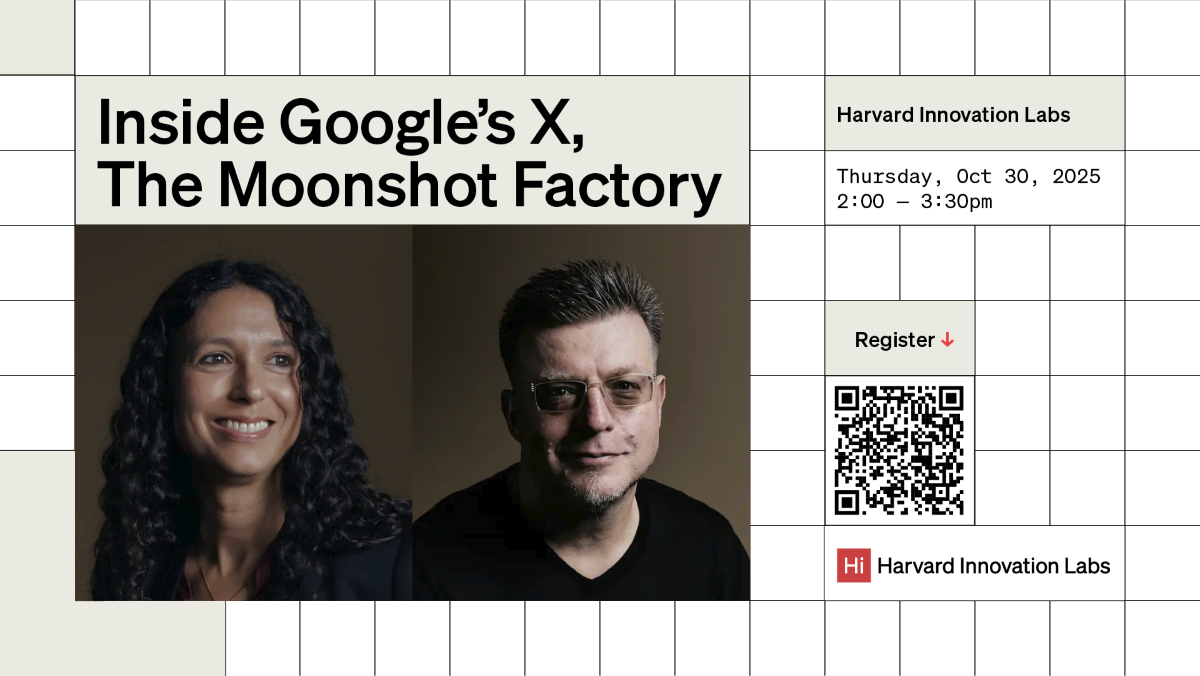
Join us at the Harvard Innovation Labs for an exclusive fireside chat with Google X’s Helen Riley and Ivo Stivoric, moderated by HBS’s Allison Mnookin. Discover how high-risk, high-reward innovation happens at one of the world’s most ambitious R&D labs, and gain insights into bold thinking at scale. Connect with innovators from across Harvard, ask your questions, and enjoy networking with light refreshments after the conversation. All Harvard community members are welcome.
Moderator
Speaker Information
Allison Mnookin
Helen Riley
Ivo Stivoric
Organizers
The State of Biomedical Science in the US — How Did We Get Here and What Can We Do?
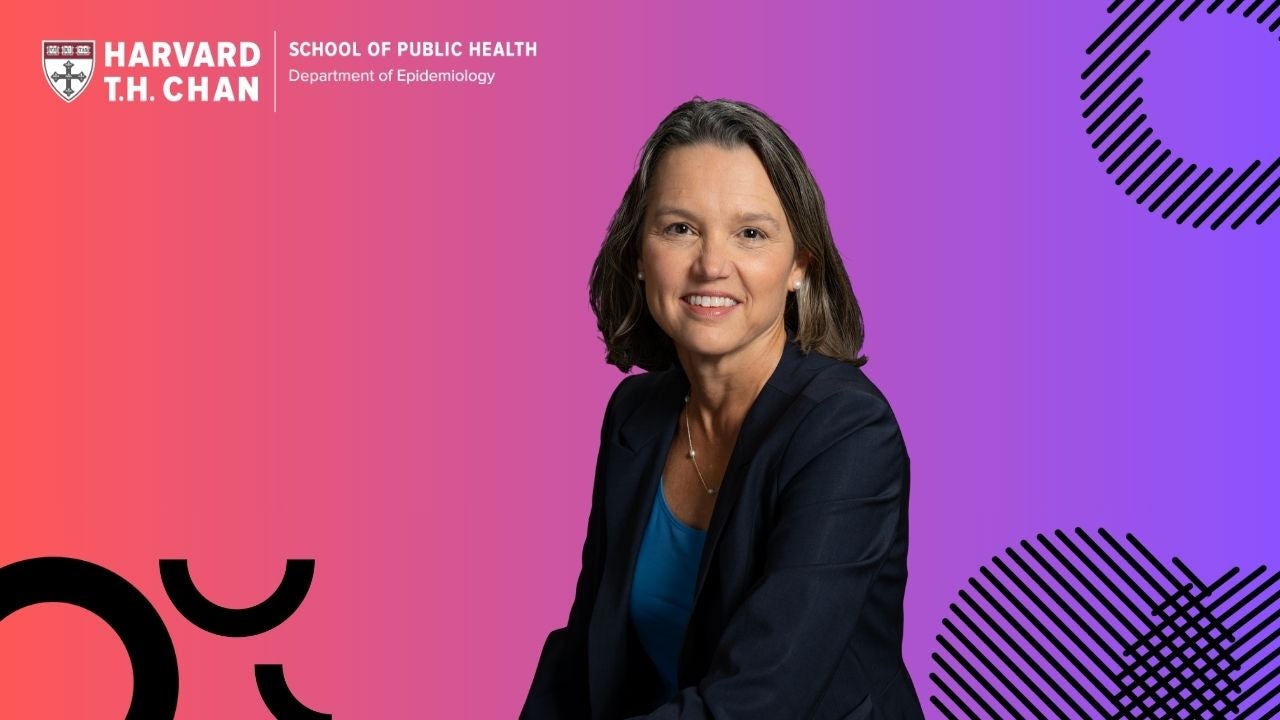
The 177th Cutter Lecture on Preventive Medicine
Abstract: The decades following the Vandervar Bush report on governmental investment in scientific research were times of extraordinary growth and innumerable accomplishments for the US biomedical research enterprise. NIH funding grew from 45 million dollars in 1945 to over 41 billion dollars by 2020. Health outcomes improved dramatically, at least in part because of the science generated by that investment. Heading into 2020, the future of US biomedical research appeared remarkably bright. Adding in the extraordinary response of our scientific and clinical systems to the COVID-19 pandemic, few would have predicted the current challenges facing biomedical research in the US. Understanding how we got here is a first step towards restoring the trajectory of biomedical research in the US.
This hybrid event offers livestream and in-person viewing options (with limited in-person seating). Seats in the main auditorium are first come, first served. There will also be a recording of the event for those who cannot attend.
Stay for the reception 5:00-6:00PM in Sebastian’s Cafe.
Open to the public.
Speakers will share their own perspectives; they do not speak for Harvard.
Speaker Information
Organizers
Visions, Values, & Vibes: Aligning Evidence and Aspiration to Craft Your Path for 2026

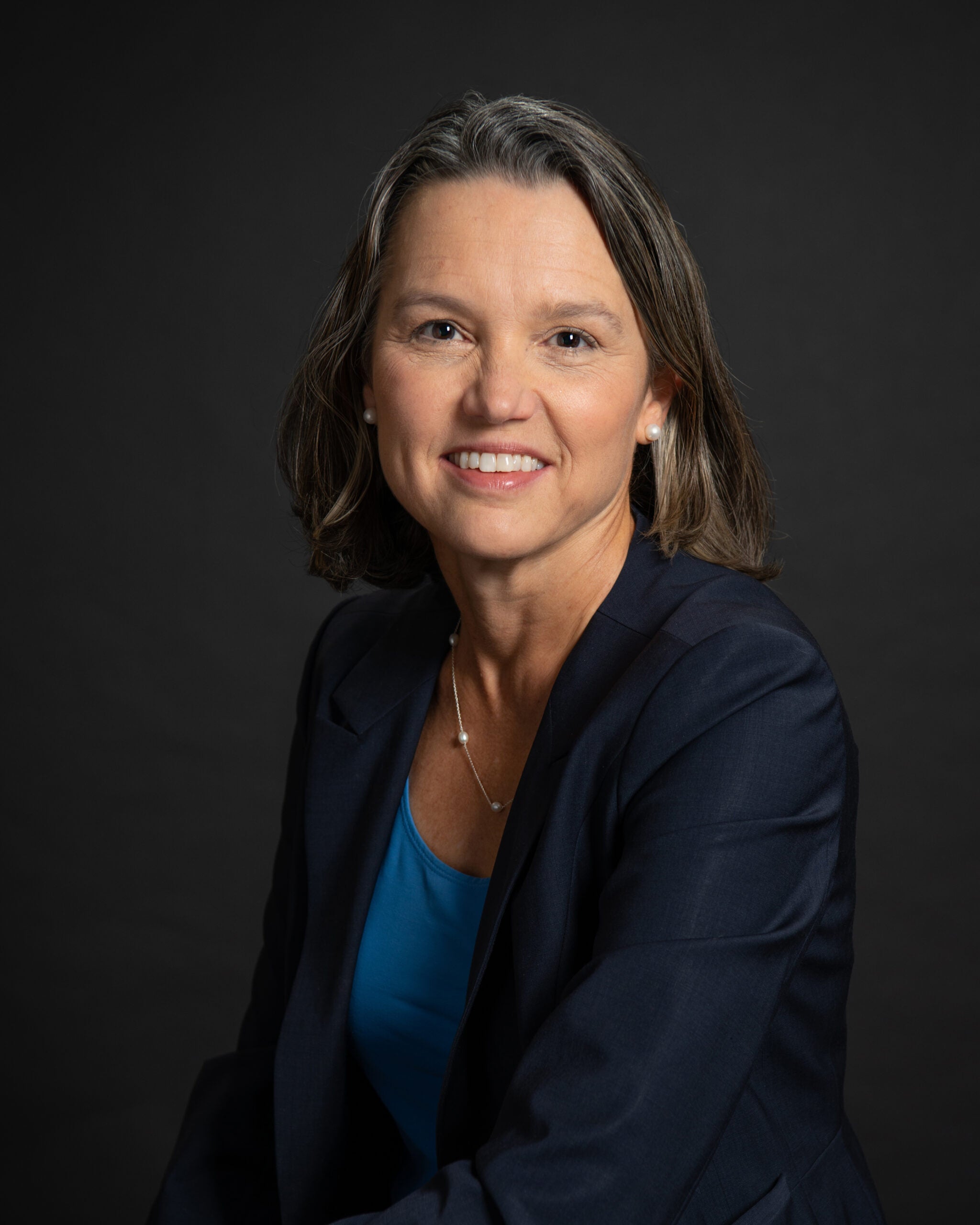
On Wednesday, December 17th, from 1-1:50 p.m in Kresge 202A, we invite all Harvard-affiliated individuals to join us for a well-being workshop led by Center Student Engagement Committee member Jeniece Brock, DrPh ’27. This workshop will offer an evidence-based vision-board process designed to help participants clarify their values, explore future-oriented imagery, and develop structured plans for a joyful and healthy 2026. Through guided exercises and creative exploration, participants will create a visual representation of their aspirations and a concrete roadmap for achieving them.
Hot chocolate, cookies, and pizza provided.
Speaker Information
Jeniece Brock
Organizers
Harvard Pop Center Social Demography Seminar: “Immigrant health and the duality of risk”
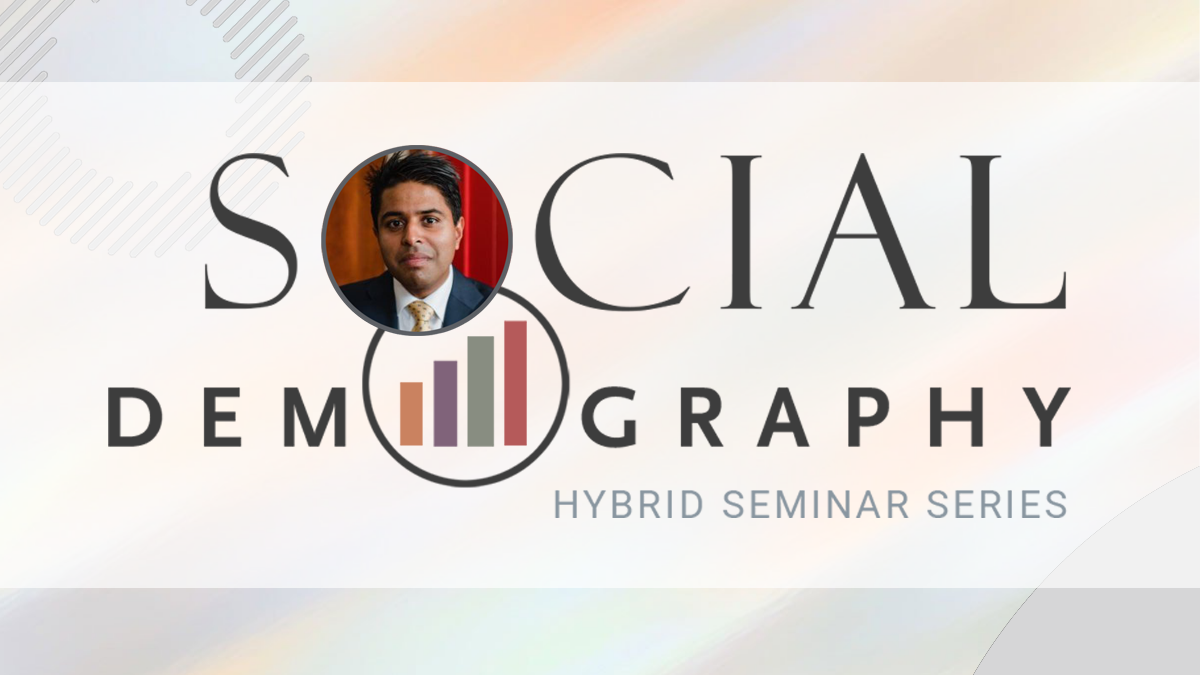
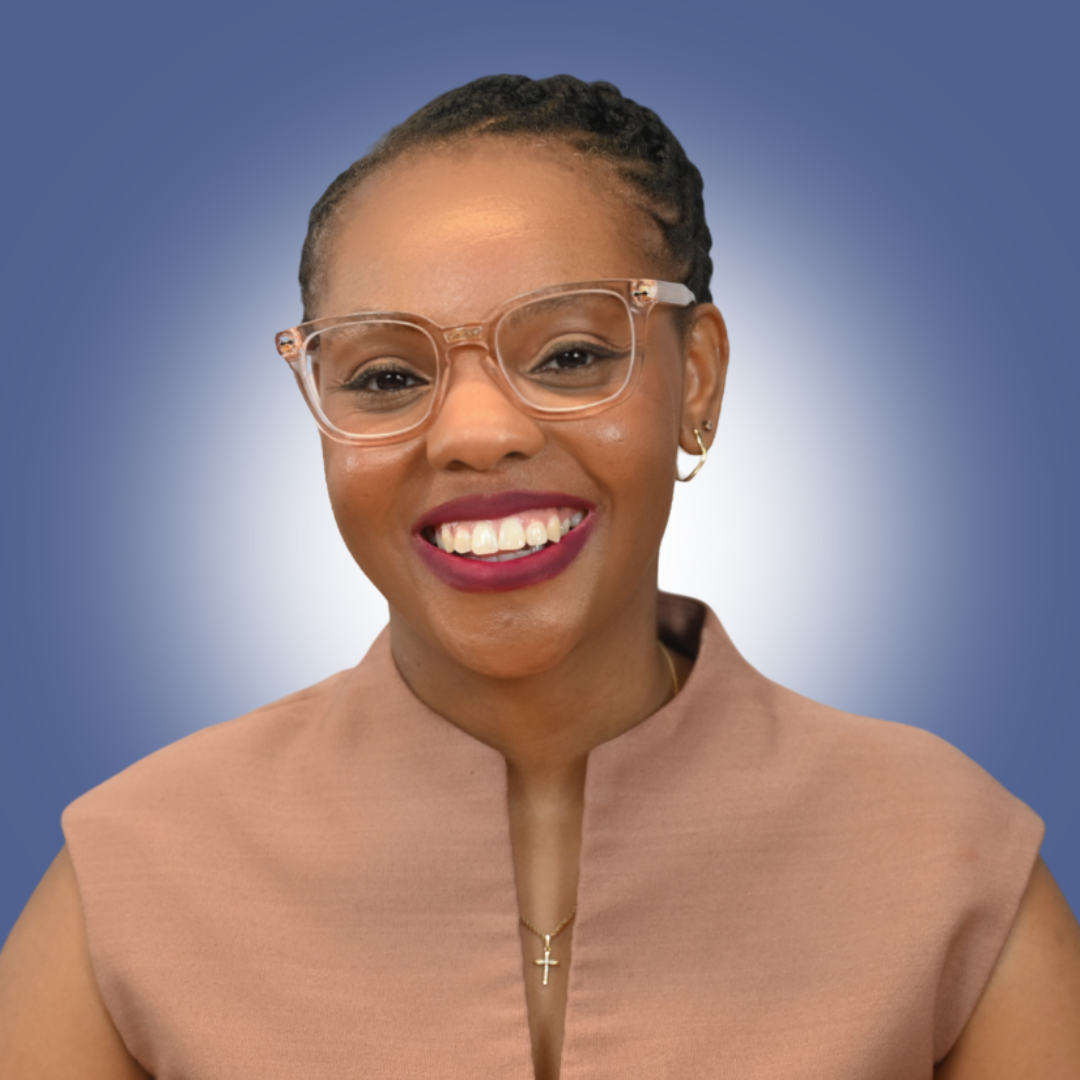
Arun Hendi, PhD, associate professor, sociology and public affairs, Princeton University, presents (remotely) “Immigrant health and the duality of risk.” The Social Demography Seminar (SDS) series at the Harvard Center for Population and Development Studies provides a lively forum for scholars from across the university to discuss in-progress social scientific and population research. Social demography includes work that uses demographic methods to describe and explain the distribution of social goods across populations. The hybrid series offers presentations on a wide variety of topics such as family, gender, race/ethnicity, population health—including mortality, morbidity, and functional health—inequality, immigration, fertility, and the institutional arrangements that shape and respond to population processes.
With the aim of disseminating scholarly research, The Harvard Center for Population and Development Studies hosts a diverse array of speakers. They do not represent or speak for the Center, the School or the University, and hosting them does not imply endorsement of their views, organizations, or employers.
This event is open to the public. Please register in advance.
Speaker Information
Arun Hendi, PhD
Organizers
Film Screening: Raising Bar
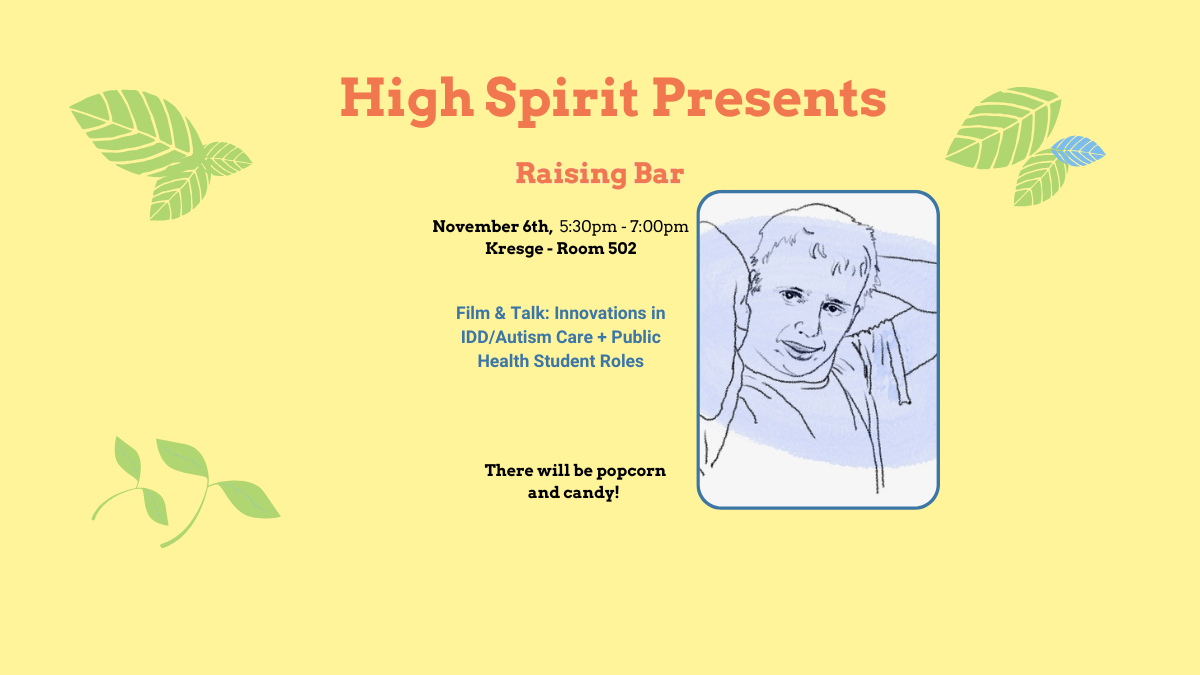
A film screening and discussion about innovations in residential care for adults with IDD and autism and how public health students can contribute to this exciting movement.
There will be popcorn and candy!
This event is open to the public, but if you are not an HUID holder you will need a visitor’s pass for entrance to campus. Please email alevy1@hsph.harvard.edu if you require a visitor’s pass.