In the News: Fighting extreme heat in 2026

Dr. Amruta Nori-Sarma recently spoke with NPR’s 1A about ways that cities can better prepare for heat waves, as they become more frequent and extreme.
One idea? Implementing more water-based cooling options for the public such as “…public splash pads, public pools, places where people could use water-based activities. We know that those are really protective during extreme heat waves as well,” says Dr. Nori-Sarma.
Listen to the full episode here.
Last Updated


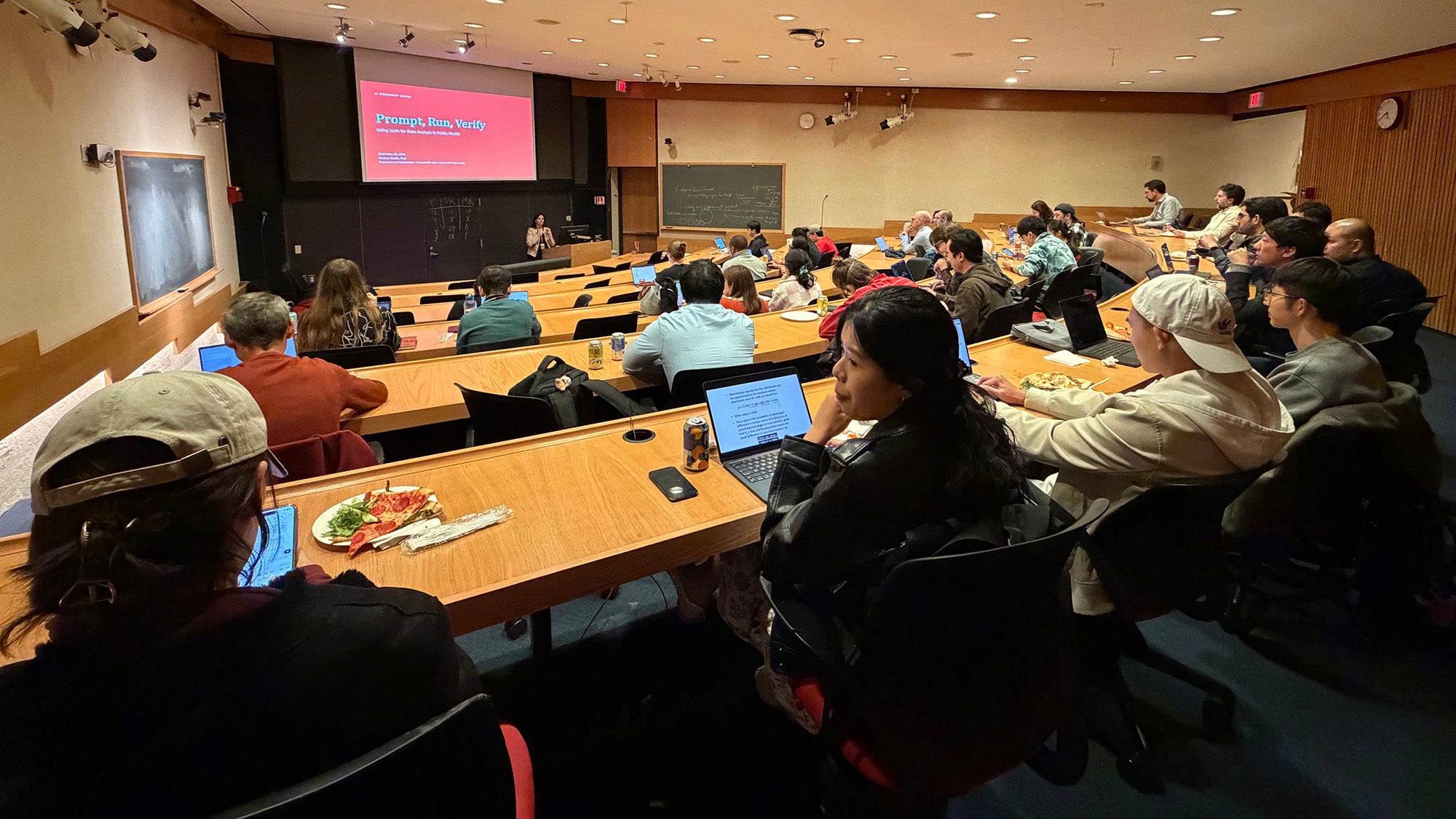
Heat waves & health: A look at recent research

The temperature is forecast to break triple digits for many parts of the Northeast this week, just a week after a similar heat dome created a deadly heat wave across much of Europe. Many areas of the world are experiencing record-breaking temperatures more frequently than ever before due to anthropogenic climate change. According to the U.S. EPA, the average rate of extreme heat events increased from two per year in the 1960s to ten per year between 2010 and 2020.
In addition to being uncomfortable, extreme heat — a period of high heat and humidity with temperatures above 90 degrees for at least two to three days — is also extremely dangerous to health. According to Ready.gov, extreme heat is responsible for the highest number of annual deaths among all weather-related hazards.
Research from the Department of Environmental Health at Harvard T.H. Chan School of Public Health has shown an increase in deaths, premature births, hospitalizations, and other serious health impacts from heat waves. These findings help physicians, as well as local and state governments, prepare to support residents before, during, and after heat waves.
Here is a look at some recent findings on the health impacts of extreme heat:
Heat waves are leading to an increase in death rates in older adults. A new nationwide study of more than 73 million older Americans finds that heat waves are driving a substantial increase in deaths each year, according to a recent study co-authored by Harvard Chan researchers James Healy, Edgar Castro, Mahdieh Danesh Yazdi, Mary Rice, and Joel Schwartz. The study also found that this disproportionately affects Black and low‑income communities, while neighborhoods with more green space see lower death rates.
Heat waves pose an escalating threat to the health of pregnant people, infants, and children. This recent commentary in JAMA from researchers and physicians, Caleb Dresser, Shruthi Mahalingaiah, and Kari Nadeau, examines recent research into early and preterm birth rates and heat waves, and the need for more research into the association of extreme heat with time to conception, pregnancy loss, and general health of pregnant individuals and infants, which are less-often discussed and less understood.
A new study from Joel Schwartz and others also found that heat exposure during pregnancy and infancy was associated with slower brain development later in childhood. This study of 3,251 in the Netherlands found that high ambient temperature during pregnancy and infancy was associated with slower thalamic growth later in childhood, suggesting long-term impacts of heat on thalamic development. The thalumus is a key brain structure, acting as a relay station for incoming motor and sensory information from your body. More research needs to be done to understand the extent of climate change impacts on children’s neurodevelopment.
Exposure to heat increases the risk of workplace injuries. Researchers, including Harvard Chan’s Barrak Alahmad, found that workplace injury risk begins to climb when the daily heat index reaches about 85 degrees Fahrenheit and rises steeply past 90 degrees. These heat-related injuries occurred across almost all industry sectors, including indoor jobs. States with existing OSHA heat exposure standards showed lower injury risks on hot days. The study found that heat exposure leads to physiological and cognitive impairments that increase the risk of workplace injuries, and that even moderate heat can increase risk.
Extreme heat can worsen diabetes. Rising temperatures driven by climate change could lead to increased health risks for people with diabetes, according to another study by Dr. Alahmad. “High temperatures lead to increased heat stress, which worsens glucose control and raises the risk of complications such as foot ulcers and fluctuations in blood sugar levels,” explains Dr. Alahmad.
Extreme heat may raise risk of hospitalization for adults with Alzheimer’s disease and related dementias (ADRD), according to a recent study published in JAMA Internal Medicine by Scott Delaney. The study found that one day of extreme heat exposure raised ADRD hospitalization risk not just on the day of exposure but for three additional days—even if the heat subsides. “Compared with cognitively intact adults, [those living with ADRD] may be slower to recognize symptoms of extreme heat exposure, or, if they recognize the symptoms, they may be less able to address them,” the researchers wrote. “Because ADRD affects thermoregulatory processes, adults living with ADRD are more prone than others to heat-related illnesses, thus magnifying the potential impact of extreme heat.”
100⁰ F temps may be linked to irregular heartbeat in those with implanted defibrillators. A recent study by Barrak Alahmad and Petros Koutrakis found that severe temperature spikes may double or triple the risk of irregular heart rhythm in people with implanted defibrillators. The data was presented at the American Heart Association Scientific Sessions in 2024.
Prolonged heat exposure led to an increase risk of psychiatric ER visits. While previous studies have shown the link between extreme heat and mental health impacts, a recent study from Amruta Nori-Sarma, Flannery Black-Ingersoll, and Nadav Sprague sought to better understand how the length of exposure, as well as the timing of symptom onset. This study found that cumulative hourly temperature increases were associated with elevated psychiatric emergency risk over 24 hours, and that sustained heat exposure led to higher risk.
Public health recommendations to reduce these impacts:
Warn the public on the specific risks of heat. Dr. Alahmad recommended that, when extreme heat events are forecast, warning systems be put in place to alert vulnerable patients, including those with diabetes. He also recommended expanding the use of telemedicine during these weather events.
Increase access to greenspace in urban areas. The research by Healy and others found that in ZIP codes with the highest levels of green space, heat waves were associated with a reduction in annual mortality, with 13.51 fewer deaths per 10,000 people per year per heat wave. Greenspace has also been shown to positively impact mental health, cognition, and blood pressure.
Expand access to air conditioning and cooling centers. Joseph Allen and Kari Nadeau wrote this letter to the Boston Globe about the need for cities to plan for extreme heat events by expanding access to cooling centers, and the need for better and more energy efficient air conditioning.
Meanwhile, researchers including Harvard Chan’s Gary Adamkiewicz, Caleb Dresser, Gaurab Basu, Mary Rice, and others, are conducting research on programs that distribute window AC units to older adults in Boston to understand the health impacts of having access to air conditioning, and how energy affordability affects AC use.
Adapt workplaces to the needs of extreme heat. A recent paper by an interdisciplinary team led of researchers from across Harvard, points to possible solutions for extreme heat in the workplace, especially outside the US. Adaptations such as buildings with cool roofs and better ventilation, and changes to the workday, especially for outdoor workers, like adding rest breaks and water stations and shifting hours outside peak heat times, could help avoid the worst effects of heat exposure. But those proposals could be costly for workers who lose wages if they pause to rest or need to care for family in the evenings.
This same team is working on another study, along with Harvard Chan faculty members, Gary Adamkiewicz and Caroline Buckee, as well as Satchit Balsari at Harvard Medical School, that uses sensors to track detailed health metrics of about 1,000 women in India, where heat and humidity are already prevalent, and are forecast to get much worse with a changing climate. The researchers then connect that health data with temperature readings in the women’s homes and workplaces. The impact of these conditions on health, wages, mobility, mental health, access to livelihoods, and work productivity is being assessed through continuous physiological measurements and periodic testing of biomarkers. These findings will inform a wide range of policies: from determining work safety thresholds and wage protection strategies during extreme heat to shaping early warning systems and evaluating adaptation strategies.
Tips that individuals can take to prevent heat-related illness:
The most important thing you can do to stay safe during extreme heat is to be aware just how dangerous hot weather can be, according to Dr. Basu, an ER physician and environmental health researcher.
Dr. Basu recommended taking the following precautions during extreme heat in a recent Boston Globe article:
- Use sunscreen and wear hats.
- Stay hydrated. If your urine is dark, drink 2–3 glasses of water.
- Take baths, showers, use a wet towel on your skin, or spray yourself with water while using a fan.
- Visit a cooling center.
- Avoid alcohol, sugary, or caffeinated drinks.
- Eat easy-to-digest foods like salads or fruits.
- Don’t exert yourself outdoors if possible.
- Avoid dark clothes; wear light, loose-fitting clothes.
The Center for Climate, Health, and the Global Environment (C-CHANGE) has also partnered with Americares to develop this Toolkit for frontline health clinics to help them navigate the impacts of climate change on their clinics and their patients. The Toolkit includes this Heat Action Plan and Tip Sheet.
Last Updated
Featured in this article
EH Awards celebration recognizes excellence in teaching, research, and community building
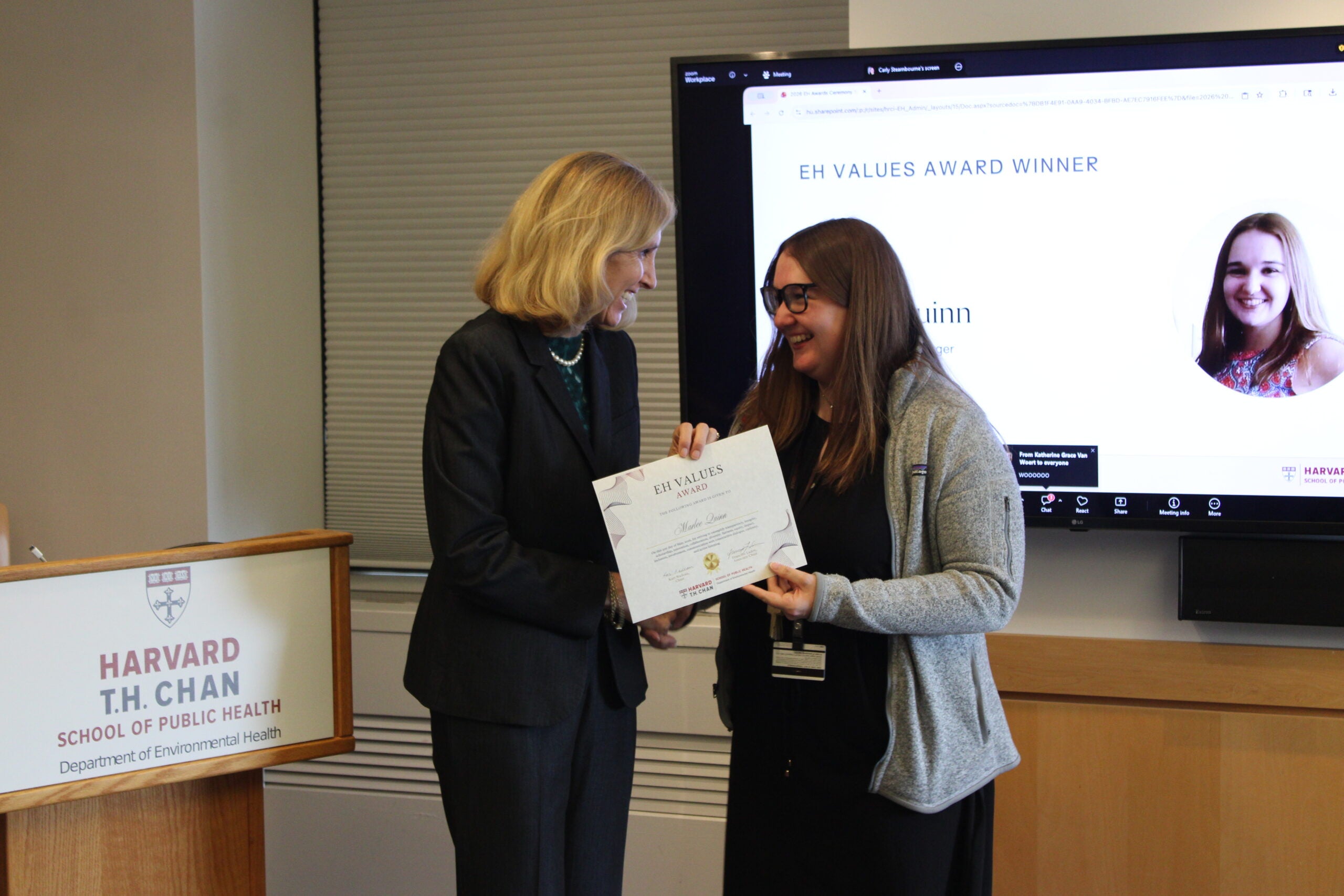
On May 21st, the Department of Environmental Health (EH) gathered to honor the hard work and dedication from all members of our department through the 2025-2026 academic year, including staff, faculty, and students.
Dr. Kari Nadeau hosted the celebration, and noted, “None of the research and academic successes that we celebrate each year would be possible without your support and hard work behind the scenes. Thank you to each of you for nominating your colleagues, teachers, and classmates. We had many nominees for each of these awards, and it was not easy to limit ourselves to just these winners.”
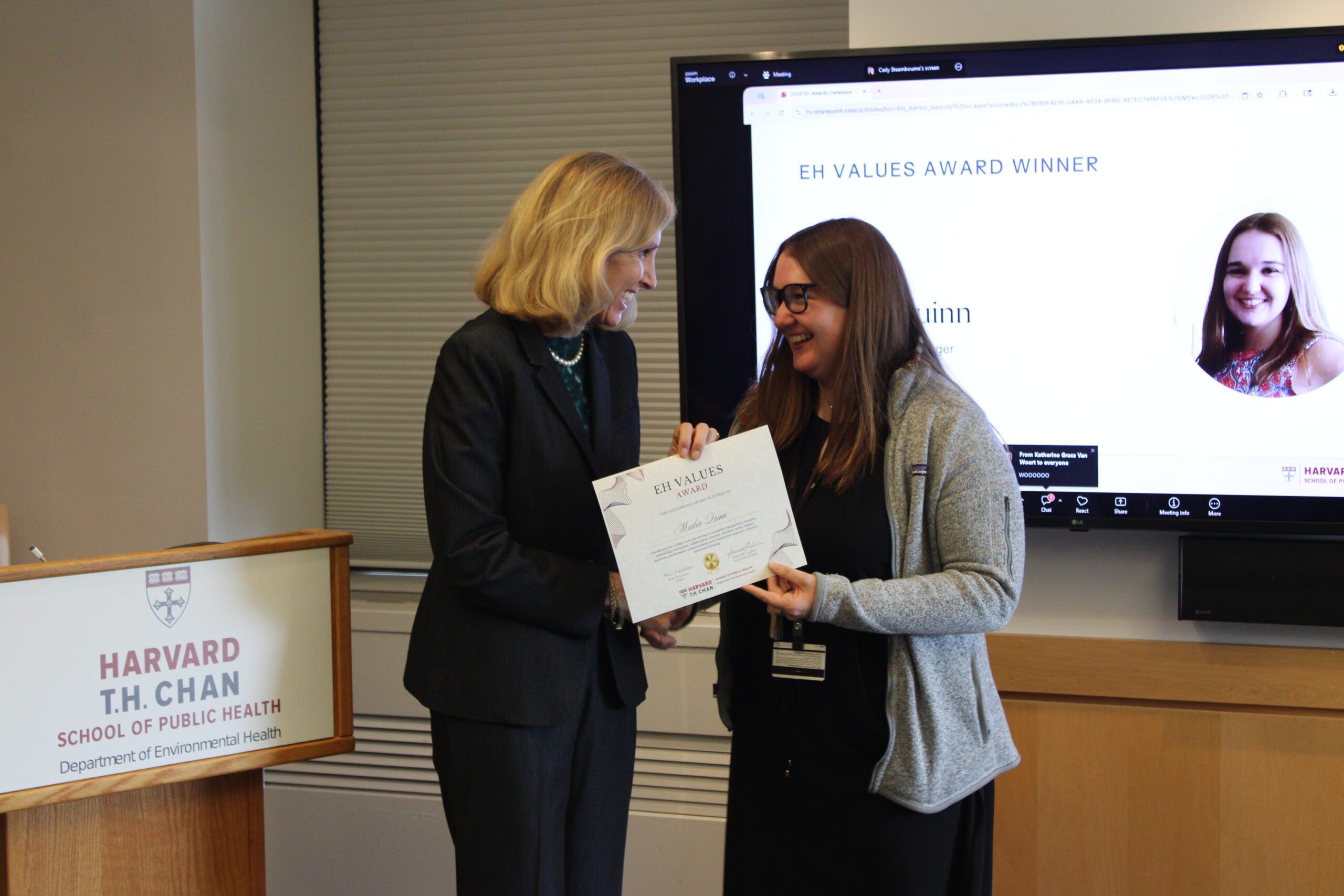
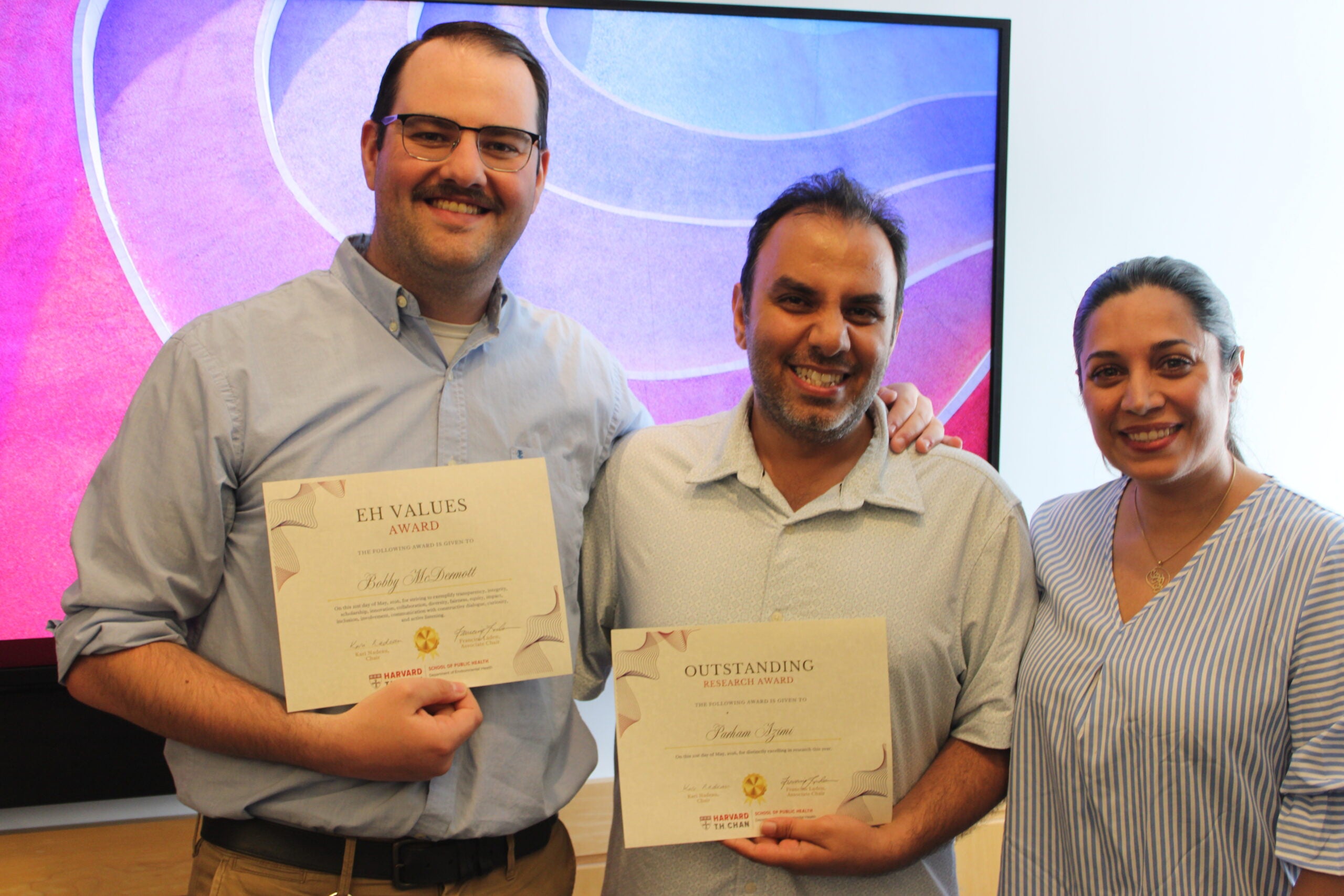
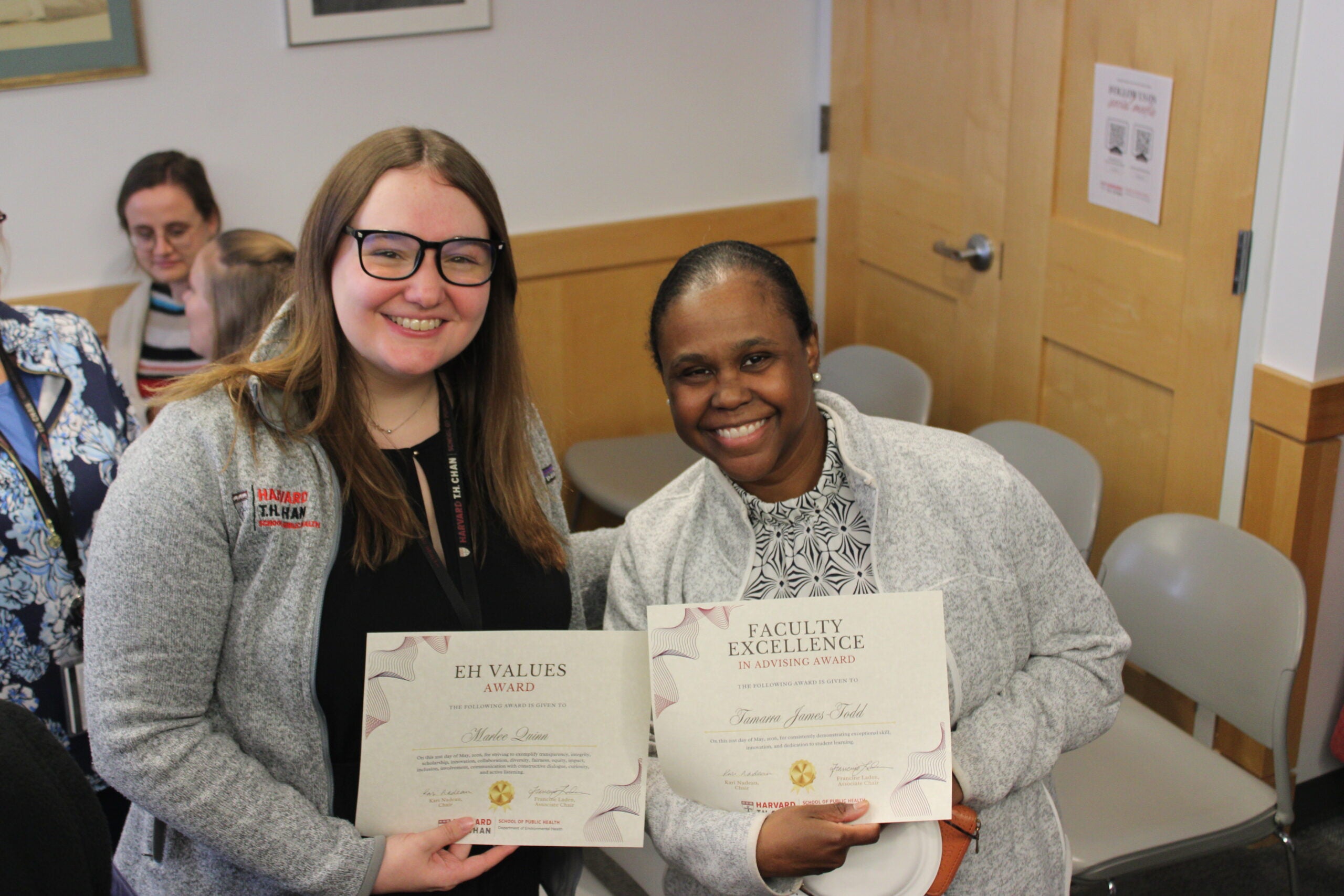
Marlee Quinn and Bobby McDermott were the recipients of the EH Values Award, given to members of the EH Community who embody the department’s values, including transparency, integrity, innovation, collaboration, impact, and curiosity. Marlee Quinn is Research Project Manager at Dr. Tamarra James-Todd’s Environmental Reproductive Justice Lab. Her nominator wrote, ““The lab physically would not exist or operate without Marlee, and she somehow is able to do her own job on top of supporting, listening to, collaborating with, organizing for, and brightening the day of half of the EH department single-handedly!” Bobby McDermott is a Staff Assistant for the Department and had the task of managing the relocation of faculty, researchers, labs, and office from the Landmark Center back to the Longwood campus earlier this year.
The winners of the 2026 Outstanding Community Contribution Award were Ryan Dalforno and Sarah Unninayar, for their meaningful and lasting impact in the EH community and the communities EH serves. Ryan is a PhD candidate in environmental health who has led the EH Journal Club, in addition to supporting his fellow students. Sarah is a Senior Program Manager with the Harvard Chan-NIEHS Center, and was recognized for being a champion of community-engaged work, who “has contributed hours of her time, on Saturdays and after work hours, to assist at community events all across Boston.”
The winners of the 2026 Outstanding Research Awards were Parham Azimi and Antonella Zanobetti. Dr. Azimi was honored for his work in support of communities who have faced environmental disasters, including wildfire survivors in Lahaina and Los Angeles. Dr. Zanobetti was recognized for her work developing a quantitative tool used to better understand the health effects of environmental exposures, including temperatures.
The Excellence in Teaching Award is the Department’s most prestigious teaching honor. It recognizes faculty members and teaching fellows who have consistently demonstrated exceptional skill, innovation, and dedication to student learning. The 2026 winners of the Faculty Excellence in Teaching Award were Jin-Ah Park and Joel Schwartz. Dr. Park is an Associate Professor of Airway Biology who was honored for her dedication to her students and their learning. Dr. Schwartz was nominated by a student who wrote, “I’ve never met anyone like Joel; he is so clear in teaching that anyone can learn a lot from him. He has been a great inspiration to me and — I imagine — to the thousands of students at Harvard and elsewhere who came before me.”
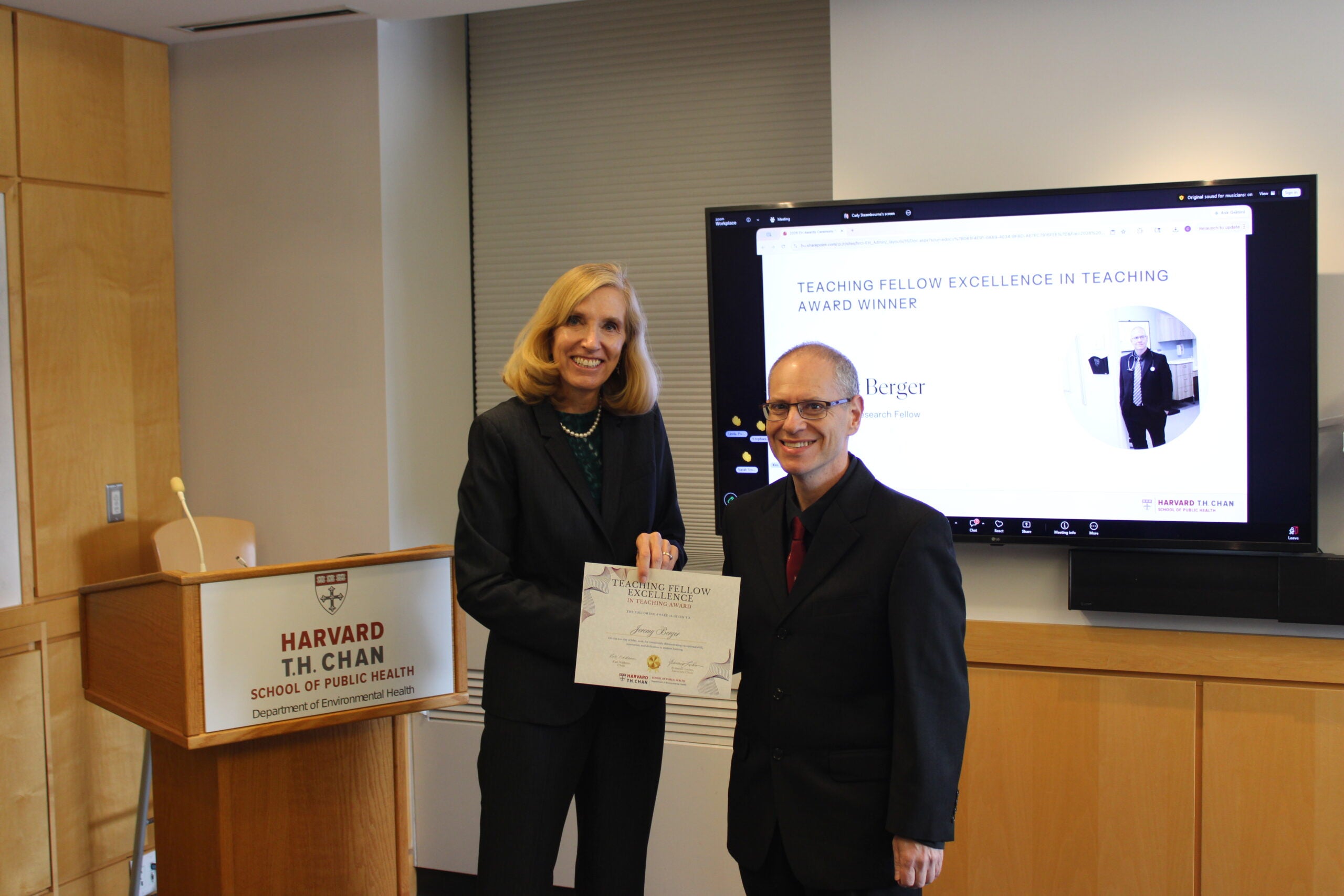
The Teaching Fellow winners of the 2026 Excellence in Teaching Award were Ben Lanava and Jeremy Berger. Lanava is PhD Candidate in Population Health Sciences who served as a teaching fellow for ID215 this semester and has excelled in this role. Dr. Berger is a postdoctoral research fellow, and an alum of the OEM Residency Program. His nominator wrote that his “performance is exceptional — not only in quality — but in measurable impact, instructional innovation, and leadership.”
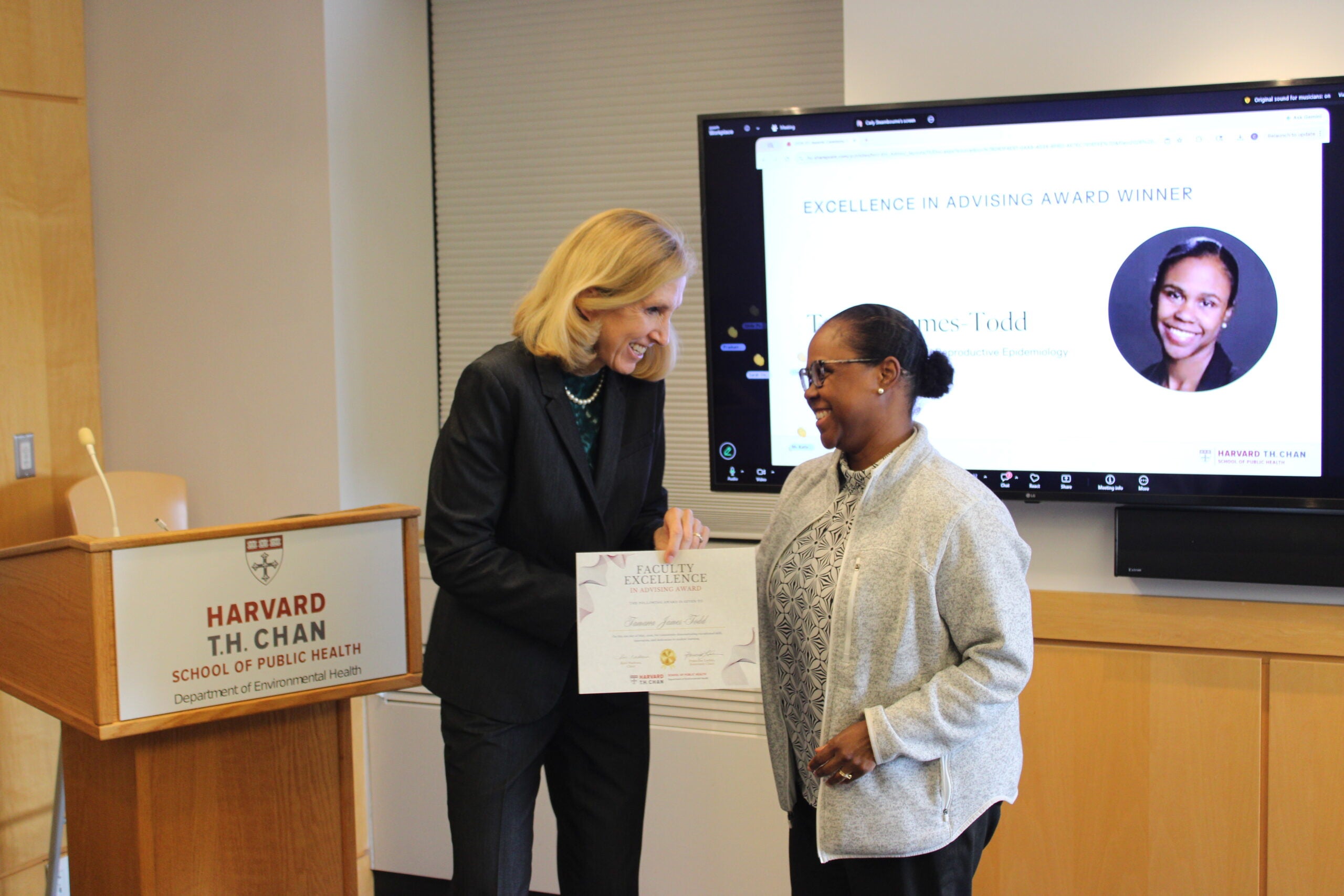
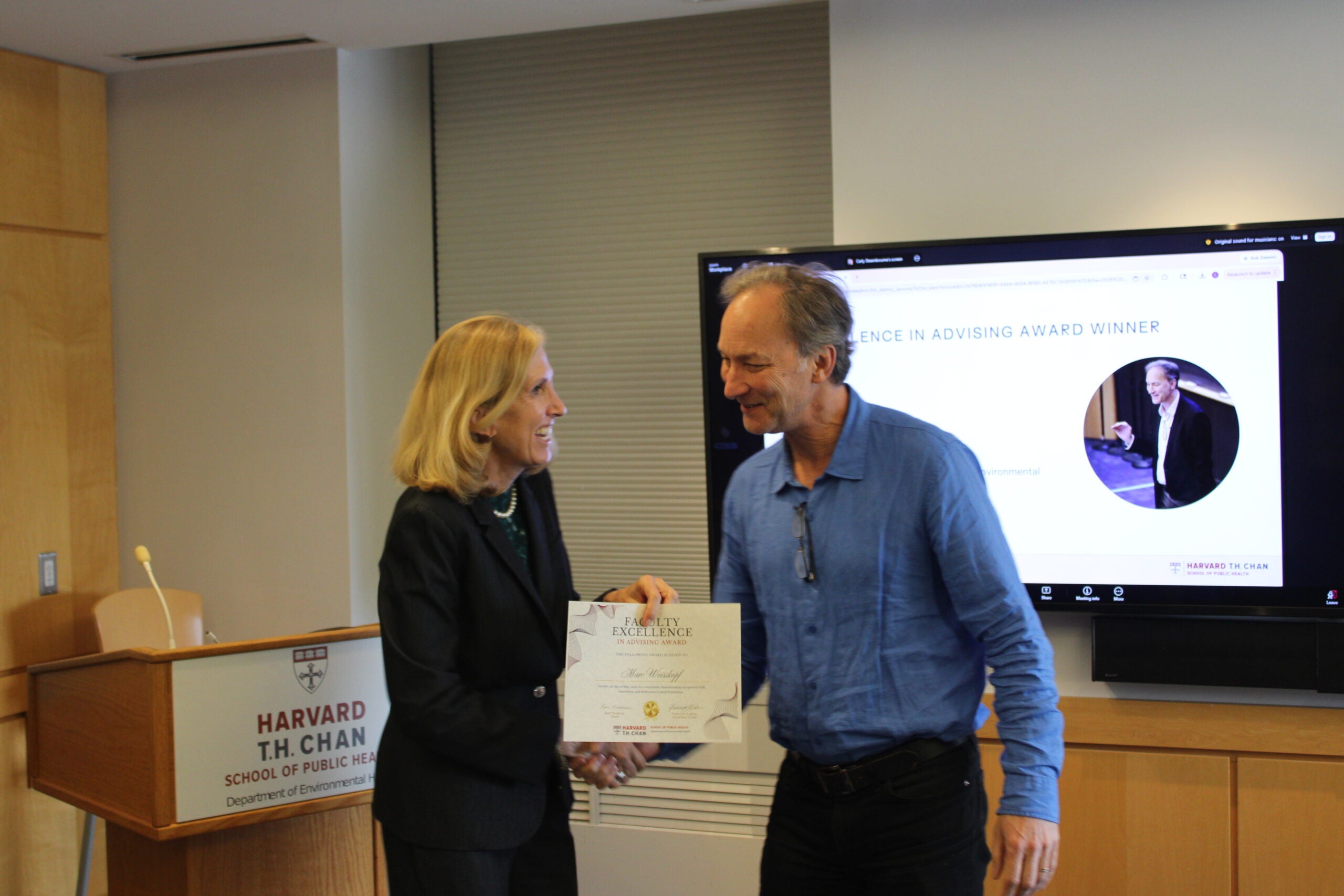
The Faculty Excellence in Advising Award recognizes faculty members who have consistently demonstrated exceptional skill, innovation, and dedication to mentoring. The winners of the Faculty Excellence in Advising Award were Tamarra James-Todd and Marc Weisskopf. Dr. James-Todd is Professor of Environmental Reproductive Epidemiology, who was nominated by multiple students and mentees who described her as “an incredible role model for me and other students in the department.” Dr. Weisskopf, Cecil K. and Philip Drinker Professor of Environmental Epidemiology and Physiology, was recognized for his “commitment to student growth, generosity with time, and kindness.”
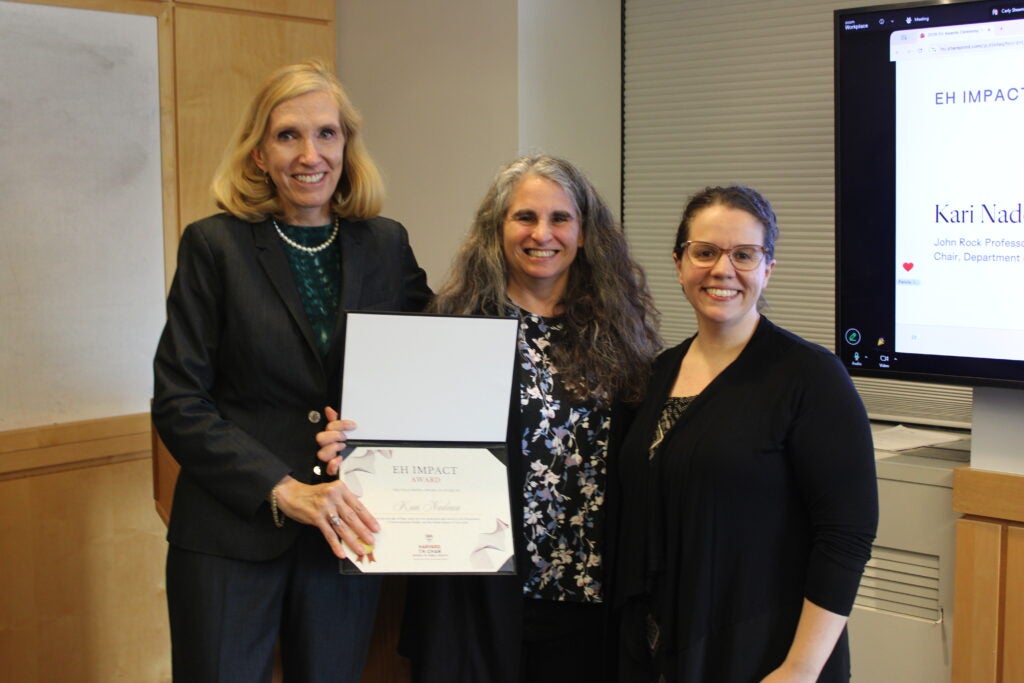
Francine Laden, Associate Chair of the Department, presented the final award to Kari Nadeau. Dr. Nadeau was the recipient of the inaugural EH Impact Award in recognition of her work as Chair of the Department of Environmental Health over the last 3 years.
Last Updated
Featured in this article
A Conversation with Barry Levy on Social Injustice and Public Health
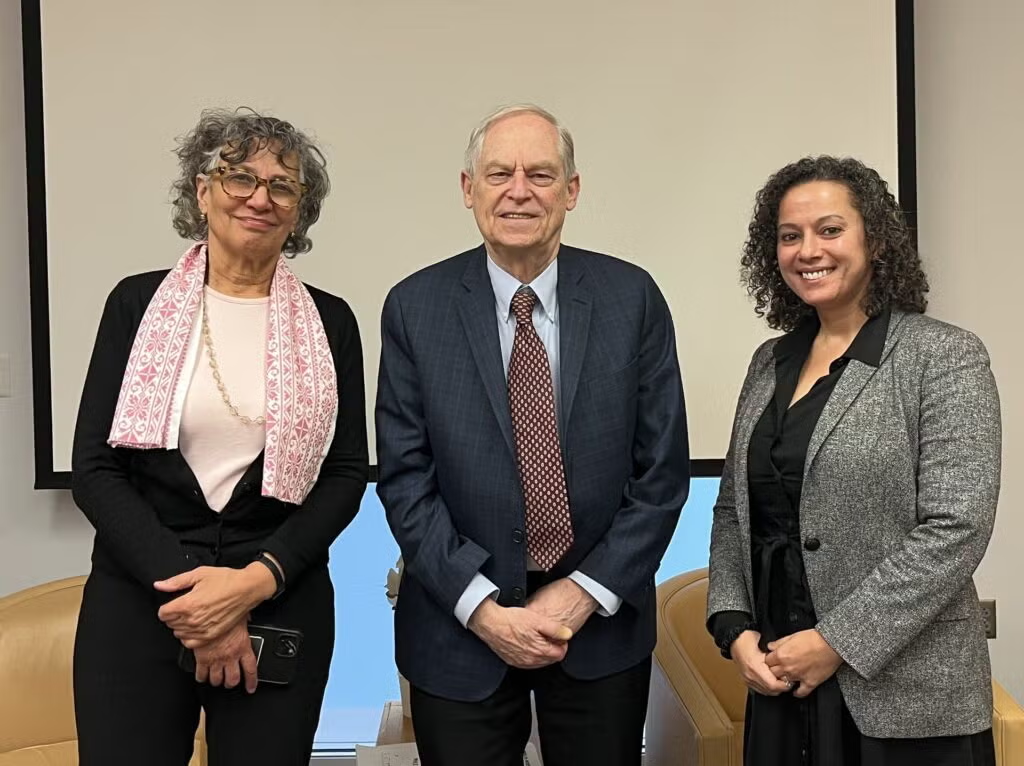
We recently chatted with Barry Levy, MPH ’70, former adjunct faculty member, and editor of the fourth edition of the book, Social Injustice and Public Health, where he reflected on his career, the evolution of the field, and the release of the book’s latest edition.
How did your time at the school shape your interest in the relationship between social justice and public health?
I was a student at the school in the academic year 1969–1970. It was a time of great upheaval in academia and in politics, which drew a lot of attention to social justice issues. It was not only the formal courses at the school that shaped my thinking about social injustice, but several of my classmates and I set up, with faculty guidance, our own course in which we visited community settings to learn about current and emerging developments that impacted public health and social justice. It raised my awareness and molded my perspective on community health and social justice issues.
When you first published Social Injustice and Public Health, what gap in the field were you hoping to address?
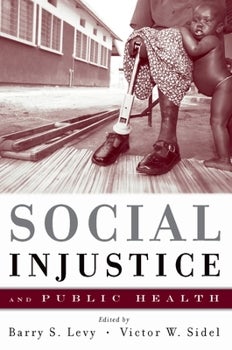
In 2003, my colleague Victor Sidel and I recognized that, although social justice is at the core of public health, there was no comprehensive textbook for public health students and mid-career professionals on social justice. With 46 contributing authors, we developed and edited the book, which was published by Oxford University Press in 2006. Our objectives were to raise awareness of the roots of social injustice and its impacts on public health and to promote education, research, and policy to reduce social injustice and its public health consequences.
What motivated you to develop a new edition of the book now?
Much had changed since 2019, when the third edition of the book was published. All of the previously chapters from the previous edition have been updated and the new 750-page book includes new chapters on public health practice and public health policy, and new sections on war, displaced persons, the COVID-19 pandemic, structural racism, the opioid epidemic, firearm violence, and climate justice.
Looking back, what impact do you think the earlier editions of the book had?
The book has increased awareness of the public health consequences of social injustice, used research findings and case studies to document these consequences, and provided a framework to address social injustice. This framework includes research, education, public policy, public health practice, protection of human rights, domestic and international law, community empowerment, and sustainable human development. Most importantly, the book affirms that the public’s health depends on social justice.
While there has been increasing recognition that social justice is critical for public health, the concepts of social justice and public health are being increasingly challenged in the United States.
How has the conversation around health inequities and social injustice evolved over time?
While there has been increasing recognition that social justice is critical for public health, the concepts of social justice and public health are being increasingly challenged in the United States. In this context, the book provides detailed documentation of how social injustice affects all areas of public health and how it impairs the health of people, especially of vulnerable populations. It also provides an action agenda of what needs to be done to reduce social injustice and its public health consequences.
Did events like the COVID-19 pandemic change how people understand the relationship between social injustice and health?
Yes, absolutely. For example, access to COVID vaccine was much lower and COVID-related morbidity and mortality much higher among racial and ethnic minorities and other vulnerable populations. As tragic as the COVID-19 pandemic was, it opened the eyes of many people to health inequities and how social injustice adversely impacts the public’s health.
What advice would you give to today’s public health students?
There are many ways in which you can document and raise awareness of social injustice and its consequences, and there are many ways in which you can take action. Often the ways in which we can contribute are apparent in our daily lives. Get engaged with academic or community groups that are addressing social injustice. Do not be constrained by your lack of experience — new eyes often see new problems and new solutions. Remember the values that brought you into public health. Follow your heart. And, as Mahatma Gandhi urged people, be the change you wish to see in the world.
Last Updated
What if we’re measuring only the tip of the iceberg in air pollution?

A column in the new publication, Nature Health, on “The human airborne exposome,” suggests that current methods of measuring and studying the health impacts of air pollution may be inadequate. Peng Gao, Assistant Professor in the Department of Environmental Health, authored the Perspective, which was published in the premier issue of Nature Health.
Dr. Gao explains that, for decades, air-pollution research and regulation have centered on six criteria air pollutants. But real-world inhalation exposure is far broader and more complex: thousands of organic compounds, dozens of inorganic substances, and vast biological components, creating highly individualized exposure profiles that vary dramatically even between neighbors.
In this Perspective, Dr. Gao proposes a framework that integrates:
- Mixture-based approaches that reflect real-world co-exposures
- Advanced personal monitoring to capture individual-level variability
- Systems biology and multi-omics to connect exposures to mechanisms and disease pathways
- Shift from single-pollutant regulation to multi-pollutant/source-based strategies, enabled by a phased roadmap with practicable success metrics.
This roadmap could transform how we understand complex diseases, from neurodevelopmental disorders to cancer to cardiometabolic conditions, and enable precision prevention and intervention for vulnerable populations.
“Air pollution research has long focused on a handful of regulated indicator pollutants, yet people breathe in thousands of chemicals and biological agents every day. This article argues for a fundamental shift toward the human airborne exposome, the full mixture we actually inhale daily, and provides a practical roadmap to measure it and connect it to biology,” says Dr. Gao. “The ultimate goal is precision environmental health monitoring: identifying exactly which components and sources matter most for each region and individual, so that prevention and intervention strategies can become both more effective and more equitable.”
Read the paper in Nature Health here.
Last Updated
COP30 Gives Cause for Cautious Climate Optimism

Mary B. Rice, Director of the Center for Climate, Health, and the Global Environment at Harvard Chan School (Harvard Chan C-CHANGE) recently returned from a trip to the UN Climate Change Conference, COP30, in Belém, Brazil, where she spoke on two panels.
Dr. Rice shared her perspectives on the conference on LinkedIn writing, “While the U.S. is sitting out of this year’s negotiations and global climate pledges are falling short, progress is taking hold from the bottom up.” Dr. Rice shared, “That’s why scientists and health professionals must keep showing up at COP and everywhere decisions are made about climate mitigation and adaptation, even at the most local level, to relay the message that climate solutions are health solutions.”
Dr. Rice was among a small delegation of 10 Harvard students and several faculty who attended COP30, this year, as covered in the Harvard Crimson.
Fossil fuel pollution is just like secondhand smoke, as it causes immediate and long-term injury to the respiratory, cardiovascular, and neurologic systems. Vested interests may try to convince us otherwise, but reducing our reliance on fossil fuels cleans up the air and ushers in immediate health benefits for people of all ages.
While the United States government did not officially participate in COP30, many local and state legislators were part of the conversations held at this year’s event, including California Governor Gavin Newsom, and Nylah Oliver, Director of Sustainability for the City of Savannah, Georgia. One panel, America is All In, featured experts from across the US to discuss creative and action-oriented approaches to climate mitigation in the US. Dr. Rice was among those experts, and emphasized that there is reason for hope when it comes fighting climate change.
Dr. Rice compared the local efforts to mitigate climate impacts to the grassroots efforts that were once used to eliminate tobacco smoke in public places. “Cities are redesigning streets to cut traffic pollution, communities are transitioning away from fossil fuels, and public–private partnerships are improving access to healthy, sustainable food. What these interventions share is that they’re all driven by local leadership,” said Dr. Rice.
“We experienced something similar with tobacco smoke,” explained Dr. Rice. “For decades, powerful interests clouded the science, and people doubted the harm of smoking. But as evidence became impossible to ignore, it was local action—city by city, state by state—that led to nationwide indoor smoking bans. Fossil fuel pollution is just like secondhand smoke, as it causes immediate and long-term injury to the respiratory, cardiovascular, and neurologic systems. Vested interests may try to convince us otherwise, but reducing our reliance on fossil fuels cleans up the air and ushers in immediate health benefits for people of all ages”
“We did it with tobacco smoke. We can do it again with fossil fuel pollution—city by city, community by community,” said Dr. Rice.
Read more about Dr. Rice and Harvard’s participation at COP30 in the Austin Chronicle and the Harvard Crimson.
Last Updated
Food Allergy News & Updates

In this issue, I highlight our ongoing research on food allergies and the dedicated scientists in my lab who are advancing this field during these challenging times. Advancing science requires curiosity, patience, and resilience—to continuously confirm, build upon, or challenge prior findings. For more than 30 years, our work has focused on preventing, diagnosing, and treating food allergies, and over time, our efforts have led to meaningful clinical progress. We prioritize collaborations and continue to work with Stanford, Univ of Chicago, Northwestern, FARE, London, Zurich, Munich, Denver, Cincinnati, and others.
Here are some of the clinical trials that are underway focused on preventing and treating food allergy. There is growing evidence that food allergy begins very early in life. This is the focus of our SEAL and Project Viva studies. We are also evaluating new approaches to treating food allergy. Although oral immunotherapy (OIT) has been shown to be effective, several barriers remain, including allergic reactions during treatment, lengthy treatment duration, and the need for frequent clinic visits. In addition, while most patients achieve desensitization, this effect is often temporary and may diminish when the allergenic food is no longer consumed on a regular basis. To address these challenges, we are exploring the use of biologics (with or without OIT) to improve safety, enhance efficacy, and achieve lasting tolerance.
Thank you for your continued interest and support in the work we do in Food Allergy.
Best,
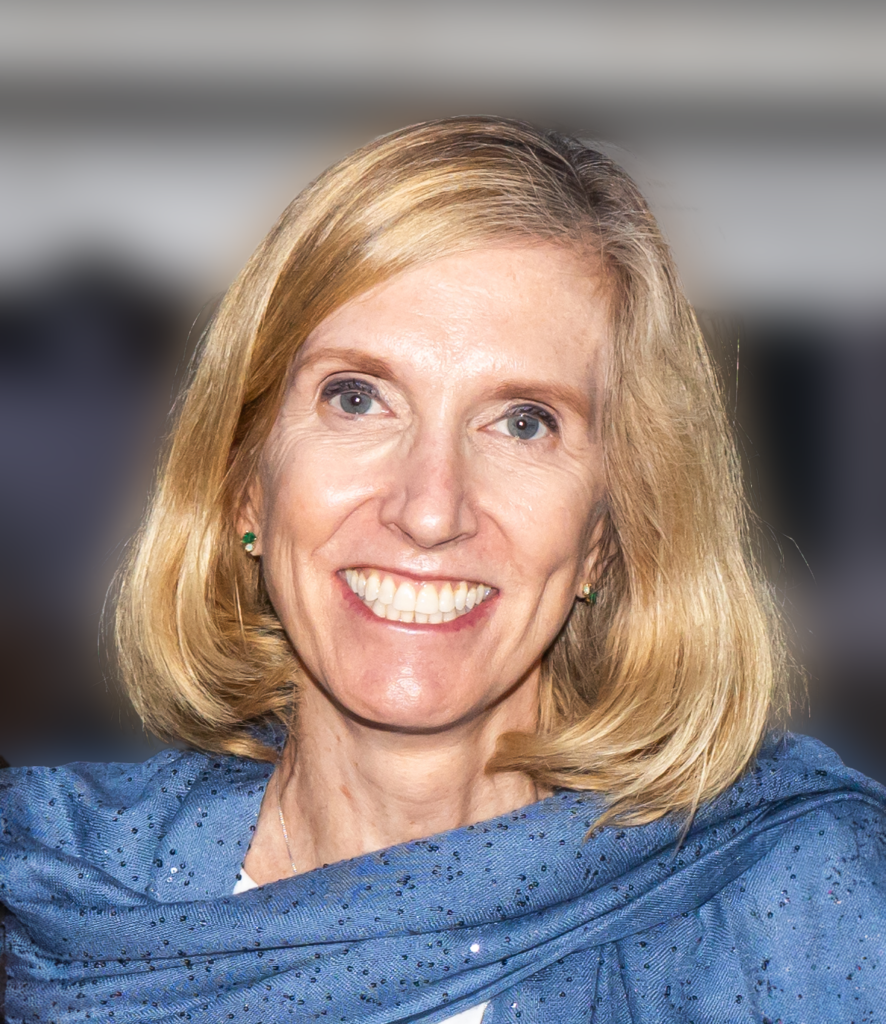
Principal Investigator, Allergy, Extreme Weather, & Exposomics Lab
John Rock Professor of Climate and Population Studies
Chair, Department of Environmental Health
In this issue:
Research Updates
SEAL (Stopping Eczema and Allergy Study)

What causes some individuals to become allergic while others remain tolerant? Part of the answer lies in our genes. For example, those with a mutation in the gene, filaggrin, which codes for the skin barrier protein, are at much higher risk of developing allergies. Interestingly, they are not just at risk of developing eczema which is an allergic skin disorder, they are also at risk of developing other allergies diseases such as food allergies, allergic asthma, or allergic rhinitis.
Another interesting observation is that most individuals with one allergy are at greater risk of developing other allergies, and that there appears to be a sequential order by which these allergies develop. For example, eczema is often the first allergy to develop, often in early infancy generally followed by food allergy, allergic rhinitis, and allergic asthma. This sequence of manifestation of allergic diseases has been termed the Atopic March (see Figure 1 below)
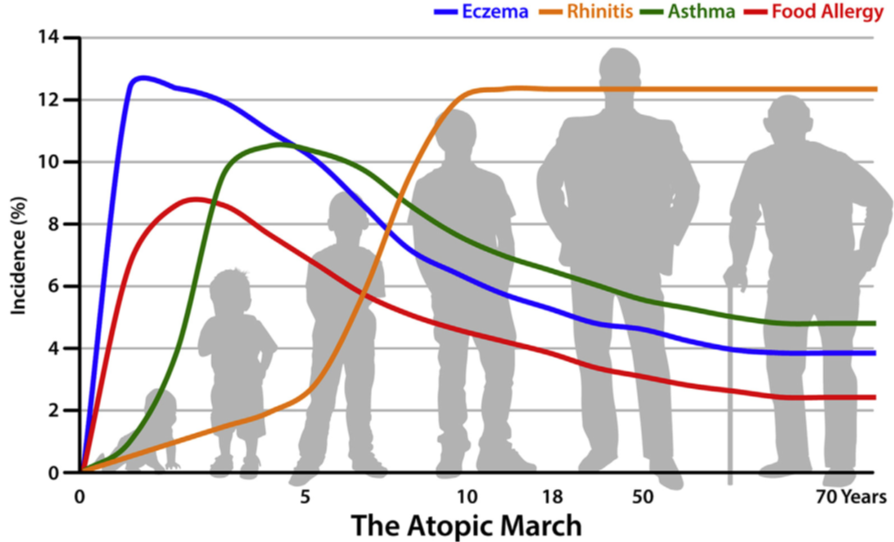
These observations led to the hypothesis that allergic sensitization may occur when inflamed and/or disrupted skin are exposed to environmental allergens and that the different allergies are varying manifestations of the same disease in different organ systems with a common underlying mechanism. Preliminary evidence suggests that by improving skin barrier integrity we may potentially reduce eczema and other allergies.
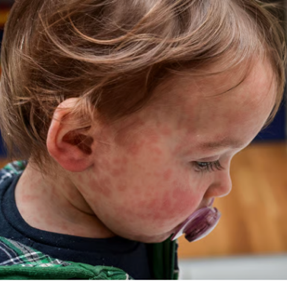
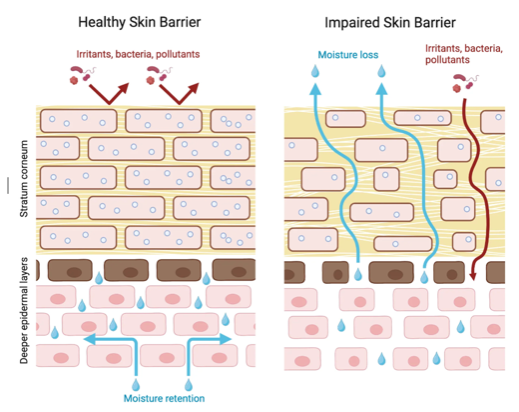
We are therefore conducting a large multicentered 2-year study called SEAL (Stopping Eczema and ALlergy study) to determine whether early intervention with skin moisturizing agent with a trilipid moisturizer in a high-risk infant group with eczema or dry skin can reduce the severity of eczema and decrease risk of developing food allergy. A trilipid moisturizer is one that mimics the skin natural lipid composition as well as physiological pH. These infants will be compared to two control groups of infants, one with no intervention and the other receiving a standard (non trilipid) moisturizer. The study is being conducted at four centers in the USA and one center in the UK. We have currently recruited 398 infants, of whom 397, 241, and 139 have completed baseline, 12 month, and 24 month visits, respectively. Learn more about the study here.
Project Viva
Does a maternal diet influence risk of food allergy? Project Viva is a ground breaking longitudinal research study of mother-child pairs that was started in 1999 to find ways to improve the health of mothers and their children. The study examines the effects of mother’s diet, as well as other factors during and after pregnancy, on child health outcomes, including food allergy.

For example, the information collected enables us to investigate the effects of diet on child development and obesity, and how diet and the environment influence the development of asthma and allergies in children.
Comprehensive dietary and environmental assessments in pregnancy, prospective follow-up, and well-characterized allergic outcomes are being conducted. Prior analyses using this cohort have demonstrated robust associations of prenatal diet with growth, obesity, and asthma, underscoring feasibility.
A total of 2128 babies born between 1999 and 2003 have been enrolled into Project Viva since 1999, and many are still actively engaged with the study. Learn more about the study here.
OUtMATCH
The Omalizumab as Monotherapy and as Adjunct Therapy to Multi-Allergen OIT in Food Allergic Participants (OUtMATCH) study is a clinical trial that was conducted across 10 centers in the United States. The clinical phase of the trial has been completed, and data are continuing to being analyzed.
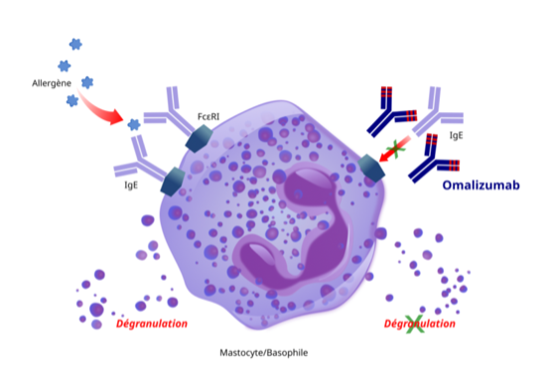
Omalizumab has been approved for asthma, chronic urticaria, chronic rhinosinusitis with nasal polyps, and for food allergy. For patients with IgE-mediated food allergies, treatment is designed to reduce the risk of harmful allergic reactions. It does not eliminate food allergies or allow patients to consume food allergens freely. However, its repeated use will help reduce the health impact if accidental exposure occurs.
Omalizumab targets a key antibody, IgE, that is common in many allergic diseases. In individuals who are sensitized to allergens, IgE can be found attached to a receptor on certain immune cells (mast cells or basophils). When an individual encounters an allergen, the allergens trigger IgE on mast cells to release inflammatory molecules such as histamine. Omalizumab can preempt the release of histamine by blocking the ability of the allergens to trigger histamine release.
Oral immunotherapy (OIT) has been used successfully for desensitizing individuals with food allergy so that individuals do not react to allergens. However, it is time consuming, labor intensive, often requiring many trips to the allergy clinic. Palforzia, a standardized peanut protein powder has been approved for use in patients with peanut allergy. However, for those with other food allergies there are currently no FDA approved products. Additionally, OIT is not a cure as individuals often become allergic again after discontinuation of treatment. Its main mode of action is by upregulating IgG4, a molecule that blocks IgE. With prolonged treatment, IgE also decreases. Decreases in a number of proinflammatory cells and molecules are also observed with treatment.
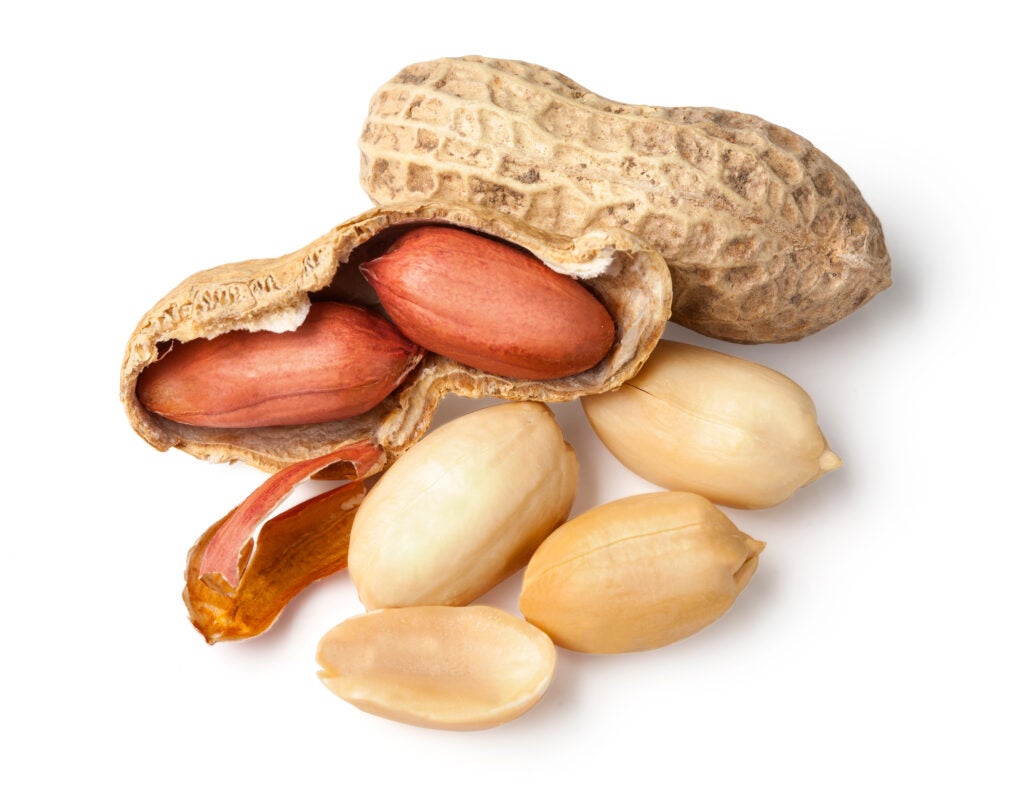
This study follows up previous successes with omalizumab and oral immunotherapy in those with multiple food allergies. The study was designed to answer the following three main questions:
- Does taking omalizumab for a certain length of time stop or decrease allergic reactions to peanut and other common food allergens?
- How does a short course of omalizumab combined with multi-allergen oral immunotherapy compare with a longer course of omalizumab in decreasing allergic reactions?
- After participants stop both treatments, are they able to eat peanut and the 2 other foods in the form that is normally eaten?
A total of 177 adults and children were enrolled in the study. The study found that omalizumab treatment for 16 weeks was superior to placebo in increasing the amount of peanut and other common food allergens that individuals could consume. Molecular changes associated with desensitization was observed in the omalizumab group but not in the placebo group. These results have been published. Other analyses and publications are in progress. Read more about the study here.
COMBINE
COMBINE is a clinical trial that is evaluating the safety and efficacy of using 2 biologics (dupilumab and omalizumab) for the treatment of food allergy.
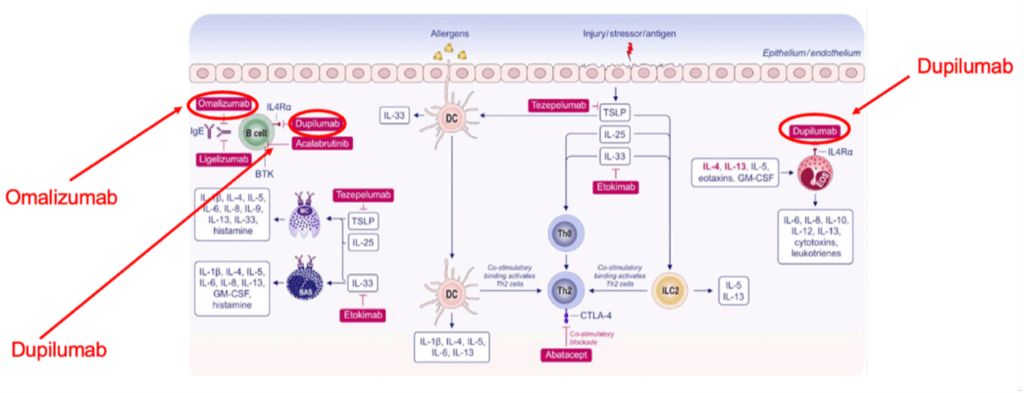
While omalizumab blocks IgE directly, dupilumab reduces allergic reaction by blocking IgE production by B cells (see figure 4 above). Omalizumab has been approved for asthma, chronic urticaria, chronic rhinosinusitis with nasal polyps, and for food allergy. Dupilumab has been approved for treatment of eczema, asthma, chronic rhinosinusitis with nasal polyps, and other diseases.
In COMBINE, we hypothesized that treating multi-food allergic patients with omalizumab and dupilumab together will lead to a better desensitization to food allergens than using only omalizumab or only dupilumab or placebo.
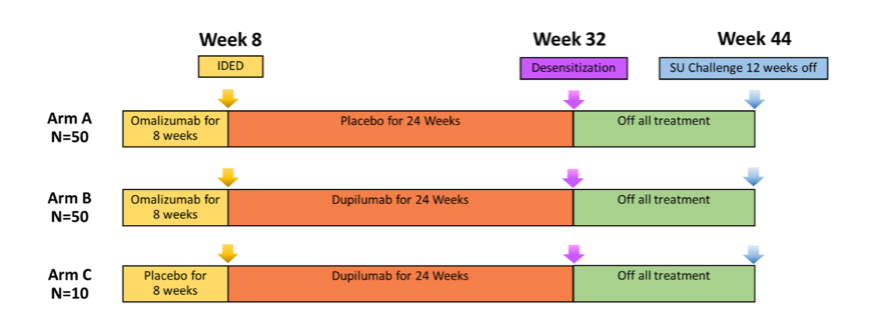
Around 110 participants, ages 4 to 55 years with a history of multiple food allergies have completed the study. Participants were enrolled in one of 3 study arms and the study design is shown in Figure 5, above. Data are currently being analyzed. Learn more about the study here.
Meet the Scientists
Carmela Pablo-Torres Jimenez, PhD
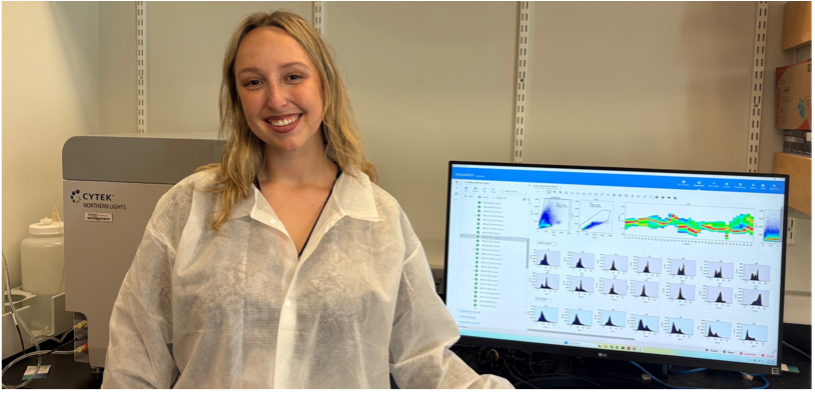
I grew up in Spain. As an infant, I developed eczema (also called atopic dermatitis). Soon after, I also developed allergies to pollen (grasses and olive), house dust mites, and animal dander, which triggered allergic rhinitis and asthma. It significantly affected my quality of life and that of my family, as the itching was painful, my sleep was disrupted, and I often required emergency visits due to respiratory difficulties. I always wondered why I, but not many others, were allergic to pollen and other allergens.
So, when I took an immunology class in college, I was fascinated to learn about immune cells and how they protect the body. I also learnt how they sometimes become hyperactive and attack innocuous substances causing allergic reactions or even attack one’s own’s cells causing autoimmune diseases. My professors Dr. Diaz-Perales and Dr. Blanco were passionate about immunology, and their passion was contagious. I knew then that I wanted a career in immunology.
A few years later, I obtained a PhD in immunology in the research group of Dr. Barber and Dr. Escribese at San Pablo CEU University in Madrid. During my training, I attended Dr. Nadeau lectures at conferences on allergies and asthma and found them fascinating. I applied for a postdoctoral position in her lab at Harvard and was thrilled when I got the position. I have worked in her lab for 1 year now and am constantly learning and discovering.
I am a Senior Research Scientist in Dr. Kari Nadeau’s laboratory in the Department of Environmental Health at the T.H. Chan School of Public Health. I received my Bachelor of Medicine and PhD from the Xiangya School of Medicine, Central South University (China), followed by postdoctoral training at the Keck School of Medicine, University of Southern California.
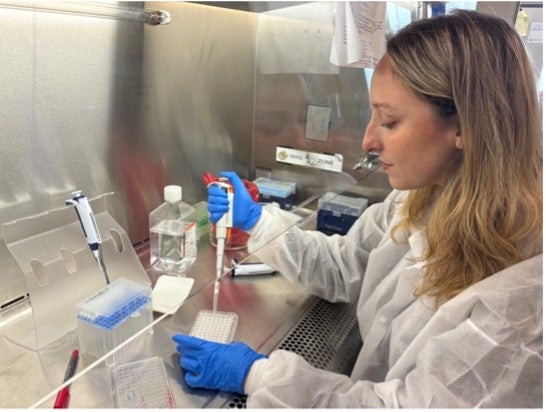
Xiaoying Zhou, PhD

I am excited to be a part of Dr. Nadeau’s research team. I am currently working on COMBINE and OUtMATCH food allergy clinical trials, where we are investigating biological drugs and immunotherapy for safe and effective treatments for food allergies. I do that by examining how proteins on immune cells are expressed or altered in allergy and how they are modified with treatment. Understanding these changes can enable us to develop treatments to target key molecules in the allergic pathway.
I enjoy working on food allergy research in Dr. Nadeau’s lab. Dr, Nadeau’s lab has made much progress in treating patients with food allergy and I am excited to understand the molecular mechanisms that are associated with allergic diseases and with desensitization. However, there is still so much that is unknown about immunology and allergic diseases. It is like working on a complex puzzle with many dimensions. I am now working on understanding the mechanisms underlying omalizumab, which has been approved for asthma, food allergies, and other diseases. The drug allows people to consume a higher dose of the food allergen that they are allergic to than they were able to previously. We know it blocks a molecule called IgE, a molecule key to releasing histamine and other inflammatory molecules. We are trying to understand other effects of omalizumab and how it may be used with immunotherapy to make food allergy treatment safer and more effective. I also patented a new target for food allergies with Kari and we will let you know more later.
Yagiz Pat, MD
I am a physician–scientist (MD) trained in medical microbiology and immunology. I study the interactions between the microbiome and allergens. In particular, I use a number of high throughput omic technologies to analyze DNA, RNA, proteins, and metabolites. I am also using organoids and organ-on-a-chip systems, which are three-dimensional cell culture models that aim to replicate the structure and function of human organs. These together with other molecular biology techniques can assist us in understanding inflammatory pathways.
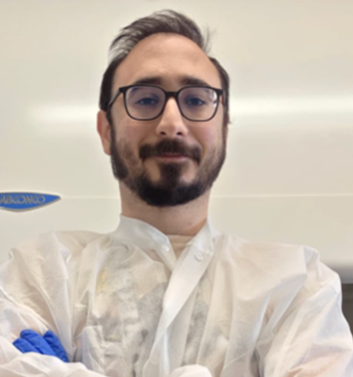
The intestinal organoid culture that we use in the Nadeau lab is a state-of-the-art technique which has a high degree of similarity to the human gastrointestinal system. It allows us to study cell responses to environmental factors, including allergens. With this technique, we are planning to investigate how allergens affect the gut barrier and cause inflammation in a patient with food allergies.
Colin Skeen, MS
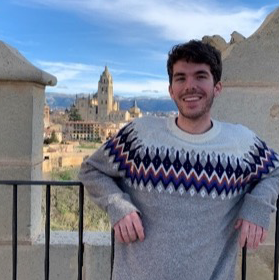
My name is Colin Skeen, and I am a Research Assistant in Dr. Kari Nadeau’s lab. I am a biomedical engineer with a B.S. from the University of Maryland, College Park and a M.S. from Boston University. As someone with a brother living with severe food allergies, I am excited to join Dr. Nadeau’s lab and work on cutting-edge food allergies research.
I have been working on the Stopping Eczema and Allergy (SEAL) trial, a very exciting Phase II clinical trial. My role is to process participant blood samples, distribute study materials to the clinical sites, and ensure sample collection occurs efficiently and stored correctly so that they can be analyzed. The opportunity to work on a study that aims to prevent food allergies is very exciting!
Recent Publications
- Jiang SY, Cao S, Martinez K, Sharma R, Raeber O, Fernandes A, Bogetic D, Kaushik A, Gupta S, Manohar M, Maeker HT, Chin AR, Long AJ, Feight C, Woch M, Nadeau KC, Chinthrajah RS, Sindher SB. Shrimp oral immunotherapy outcomes in the phase 2 clinical trial: MOTIF. Front Allergy. 2025 Jul 22;6:1458131.
- Zeyneloglu C, Babayev H, Ogulur I, Ardicli S, Pat Y, Yazici D, Zhao B, Chang L, Liu X, D’Avino P, Li M, Biçer C, Kurtoğlu Babayev FH, Dhir R, Nadeau KC, Brüggen MC, Akdis M, Akdis CA. The epithelial barrier theory proposes a comprehensive explanation for the origins of allergic and other chronic noncommunicable diseases. FEBS Lett. 2025 Jul 18.
- Castaño N, Chua K, Nguyen A, Marshall W, Hofmann GH, Lee J, Tsai M, Sindher SB, Nadeau KC, Chinthrajah RS, Galli SJ, Tang SKY. A hand-operated microfluidic sample preparation-to-analysis workflow for simplifying the basophil activation test. Lab Chip. 2025 Jul 23;25(15):3779-3791.
- Hund SK, Sampath V, Zhou X, Thai B, Desai K, Nadeau KC. Scientific developments in understanding food allergy prevention, diagnosis, and treatment. Front Immunol. 2025 Apr 22;16:1572283.
- Chinthrajah RS, Sindher SB, Nadeau KC, Leflein JG, Spergel JM, Petroni DH, Jones SM, Casale TB, Wang J, Carr WW, Shreffler WG, Wood RA, Wambre E, Liu J, Akinlade B, Atanasio A, Orengo JM, Hamilton JD, Kamal MA, Hooper AT, Patel K, Laws E, Mannent LP, Adelman DC, Ratnayake A, Radin AR. Dupilumab as an Adjunct to Oral Immunotherapy in Pediatric Patients With Peanut Allergy. Allergy. 2025 Mar;80(3):827-842.
- Zhou X, Dunham D, Sindher SB, Long A, Fernandes A, Chang I, Assa’ad A, Pongracic J, Spergel JM, Tam J, Tilles S, Wang J, Boyd SD, Chinthrajah RS, Nadeau KC. HLA-DR+ regulatory T cells and IL-10 are associated with success or failure of desensitization outcomes. Allergy. 2025 Mar;80(3):762-774.
- Stephen-Victor E, Kuziel GA, Martinez-Blanco M, Jugder BE, Benamar M, Wang Z, Chen Q, Lozano GL, Abdel-Gadir A, Cui Y, Fong J, Saint-Denis E, Chang I, Nadeau KC, Phipatanakul W, Zhang A, Farraj FA, Holder-Niles F, Zeve D, Breault DT, Schmitz-Abe K, Rachid R, Crestani E, Rakoff-Nahoum S, Chatila TA. RELMβ sets the threshold for microbiome-dependent oral tolerance. Nature. 2025 Feb;638(8051):760-768.
- Arnau-Soler A, Tremblay BL, Sun Y, Madore AM, Simard M, Kersten ETG, Ghauri A, Marenholz I, Eiwegger T, Simons E, Chan ES, Nadeau K, Sampath V, Mazer BD, Elliott S, Hampson C, Soller L, Sandford A, Begin P, Hui J, Wilken BF, Gerdts J, Bourkas A, Ellis AK, Vasileva D, Clarke A, Eslami A, Ben-Shoshan M, Martino D, Daley D, Koppelman GH, Laprise C, Lee YA, Asai Y. Food Allergy Genetics and Epigenetics: A Review of Genome-Wide Association Studies. Allergy. 2025 Jan;80(1):106-131.
- Sindher SB, Nadeau KC, Chinthrajah RS, Leflein JG, Bégin P, Ohayon JA, Ponda P, Wambre E, Liu J, Khokhar FA, Akinlade B, Maloney J, Orengo JM, Hamilton JD, Kamal MA, Hooper AT, Patel N, Patel K, Laws E, Mannent LP, Radin AR. Efficacy and Safety of Dupilumab in Children With Peanut Allergy: A Multicenter, Open-Label, Phase II Study. Allergy. 2025 Jan;80(1):227-237.
- Satitsuksanoa P, van de Veen W, Tan G, Lopez JF, Wirz O, Jansen K, Sokolowska M, Mirer D, Globinska A, Boonpiyathad T, Schneider SR, Barletta E, Spits H, Chang I, Babayev H, Tahralı İ, Deniz G, Yücel EÖ, Kıykım A, Boyd SD, Akdis CA, Nadeau K, Akdis M. Allergen-specific B cell responses in oral immunotherapy-induced desensitization, remission, and natural outgrowth in cow’s milk allergy. Allergy. 2025 Jan;80(1):161-180.
- Seastedt H, Han X, Fernandes A, Galli SJ, Boyd SD, Nadeau KC, Manohar M, Chinthrajah S. Association of cytotoxic effector memory CD8+T cells with sustained unresponsiveness after peanut oral immunotherapy. Allergy. 2025 Jan;80(1):319-322.
- Sun N, Ogulur I, Mitamura Y, Yazici D, Pat Y, Bu X, Li M, Zhu X, Babayev H, Ardicli S, Ardicli O, D’Avino P, Kiykim A, Sokolowska M, van de Veen W, Weidmann L, Akdis D, Ozdemir BG, Brüggen MC, Biedermann L, Straumann A, Kreienbühl A, Guttman-Yassky E, Santos AF, Del Giacco S, Traidl-Hoffmann C, Jackson DJ, Wang DY, Lauerma A, Breiteneder H, Zhang L, O’Mahony L, Pfaar O, O’Hehir R, Eiwegger T, Fokkens WJ, Cabanillas B, Ozdemir C, Kistler W, Bayik M, Nadeau KC, Torres MJ, Akdis M, Jutel M, Agache I, Akdis CA. The epithelial barrier theory and its associated diseases. Allergy. 2024 Dec;79(12):3192-3237.
- Zhou X, Simonin EM, Jung YS, Galli SJ, Nadeau KC. Role of allergen immunotherapy and biologics in allergic diseases. Curr Opin Immunol. 2024 Dec;91:102494.
- Marques-Mejias A, Bartha I, Ciaccio CE, Chinthrajah RS, Chan S, Hershey GKK, Hui-Beckman JW, Kost L, Lack G, Layhadi JA, Leung DYM, Marshall HF, Nadeau KC, Radulovic S, Rajcoomar R, Shamji MH, Sindher S, Brough HA. Skin as the target for allergy prevention and treatment. Ann Allergy Asthma Immunol. 2024 Aug;133(2):133-143.
- Nakonechna A, van Bergen A, Anantharachagan A, Arnold D, Johnston N, Nadeau K, Rutkowski K, Sindher SB, Sriaroon P, Thomas I, Vijayadurai P, Wagner A, Davis CM. Fish and shellfish allergy: Presentation and management differences in the UK and US-analysis of 945 patients. J Allergy Clin Immunol Glob. 2024 Jul 22;3(4):100309.
- Hong X, Nadeau K, Wang G, Larman B, Smith KN, Pearson C, Ji H, Frischmeyer-Guerrerio P, Liang L, Hu FB, Wang X. Metabolomic profiles during early childhood and risk of food allergies and asthma in multiethnic children from a prospective birth cohort. J Allergy Clin Immunol. 2024 Jul;154(1):168-178.
- Barshow S, Tirumalasetty J, Sampath V, Zhou X, Seastedt H, Schuetz J, Nadeau K. The Immunobiology and Treatment of Food Allergy. Annu Rev Immunol. 2024 Jun;42(1):401-425.
- Tang SKY, Castaño N, Nadeau KC, Galli SJ. Can artificial intelligence (AI) replace oral food challenge? J Allergy Clin Immunol. 2024 Mar;153(3):666-668.
- Voskamp AL, Khosa S, Phan T, DeBerg HA, Bingham J, Hew M, Smith W, Abramovitch J, Rolland JM, Moyle M, Nadeau KC, Lack G, Larché M, Wambre E, O’Hehir RE, Hickey P, Prickett SR. Phase 1 trial supports safety and mechanism of action of peptide immunotherapy for peanut allergy. Allergy. 2024 Feb;79(2):485-498.
- Castaño N, Chua K, Kaushik A, Kim S, Cordts SC, Nafarzadegan CD, Hofmann GH, Seastedt H, Schuetz JP, Dunham D, Parsons ES, Tsai M, Cao S, Desai M, Sindher SB, Chinthrajah RS, Galli SJ, Nadeau KC, Tang SKY. Combining avidin with CD63 improves basophil activation test accuracy in classifying peanut allergy. Allergy. 2024 Feb;79(2):445-455.
- Croote D, Wong JJW, Pecalvel C, Leveque E, Casanovas N, Kamphuis JBJ, Creeks P, Romero J, Sohail S, Bedinger D, Nadeau KC, Chinthrajah RS, Reber LL, Lowman HB. Widespread monoclonal IgE antibody convergence to an immunodominant, proanaphylactic Ara h 2 epitope in peanut allergy. J Allergy Clin Immunol. 2024 Jan;153(1):182-192.e7.
- Balz K, Kaushik A, Cemic F, Sampath V, Heger V, Renz H, Nadeau K, Skevaki C. Cross-reactive MHC class I T cell epitopes may dictate heterologous immune responses between respiratory viruses and food allergens. Sci Rep. 2023 Sep 8;13(1):14874.
- Lee AS, Parsons ES, Chang I, Dunham D, Chinthrajah RS, Nadeau KC. Quantitative analysis of urinary cytokines in food-allergic and healthy individuals. Allergy. 2023 Sep;78(9):2523-2526.
- Tirumalasetty J, Barshow S, Kost L, Morales L, Sharma R, Lazarte C, Nadeau KC. Peanut allergy: risk factors, immune mechanisms, and best practices for oral immunotherapy success. Expert Rev Clin Immunol. 2023 Jul-Dec;19(7):785-795.
- Ciliberti A, Zaslavsky J, Morcott T, Bozen A, Samady W, Lombard L, Nimmagadda S, Nadeau K, Gupta R, Tobin M. Evaluating the Food Allergy Passport: A Novel Food Allergy Clinical Support Tool. J Allergy Clin Immunol Pract. 2023 Apr;11(4):1162-1168.e7.
- Sindher SB, Barshow S, Tirumalasetty J, Arasi S, Atkins D, Bauer M, Bégin P, Collins MH, Deschildre A, Doyle AD, Fiocchi A, Furuta GT, Garcia-Lloret M, Mennini M, Rothenberg ME, Spergel JM, Wang J, Wood RA, Wright BL, Zuberbier T, Chin AR, Long A, Nadeau KC, Chinthrajah RS. The role of biologics in pediatric food allergy and eosinophilic gastrointestinal disorders. J Allergy Clin Immunol. 2023 Mar;151(3):595-606.
- Sindher SB, Chin AR, Aghaeepour N, Prince L, Maecker H, Shaw GM, Stevenson DK, Nadeau KC, Snyder M, Khatri P, Boyd SD, Winn VD, Angst MS, Chinthrajah RS. Advances and potential of omics studies for understanding the development of food allergy. Front Allergy. 2023 Mar 24;4:1149008.
- Stankovich GA, Warren CM, Gupta R, Sindher SB, Chinthrajah RS, Nadeau KC. Food allergy risks and dining industry – an assessment and a path forward. Front Allergy. 2023 Mar 29;4:1060932.
- Akdis CA, Akdis M, Boyd SD, Sampath V, Galli SJ, Nadeau KC. Allergy: Mechanistic insights into new methods of prevention and therapy. Sci Transl Med. 2023 Jan 18;15(679):eadd2563.
- Liu EG, Zhang B, Martin V, Anthonypillai J, Kraft M, Grishin A, Grishina G, Catanzaro JR, Chinthrajah S, Sindher T, Manohar M, Quake AZ, Nadeau K, Burks AW, Kim EH, Kulis MD, Henning AK, Jones SM, Leung DYM, Sicherer SH, Wood RA, Yuan Q, Shreffler W, Sampson H, Shabanova V, Eisenbarth SC. Food-specific immunoglobulin A does not correlate with natural tolerance to peanut or egg allergens. Sci Transl Med. 2022 Nov 16;14(671):eabq0599.
- Zhou X, Yu W, Dunham DM, Schuetz JP, Blish CA, DeKruyff RH, Nadeau KC. Cytometric analysis reveals an association between allergen-responsive natural killer cells and human peanut allergy. J Clin Invest. 2022 Oct 17;132(20):e157962.
- Sindher SB, Long A, Chin AR, Hy A, Sampath V, Nadeau KC, Chinthrajah RS. Food allergy, mechanisms, diagnosis and treatment: Innovation through a multi-targeted approach. Allergy. 2022 Oct;77(10):2937-2948.
- Warren C, Sherr J, Sindher S, Nadeau KC, Casale TB, Ward D, Gupta R, Chinthrajah RS. The impact of COVID-19 on a national sample of US adults with food allergy. J Allergy Clin Immunol Pract. 2022 Oct;10(10):2744-2747.
Last Updated
In home exposures linked to increased ER visits for asthma
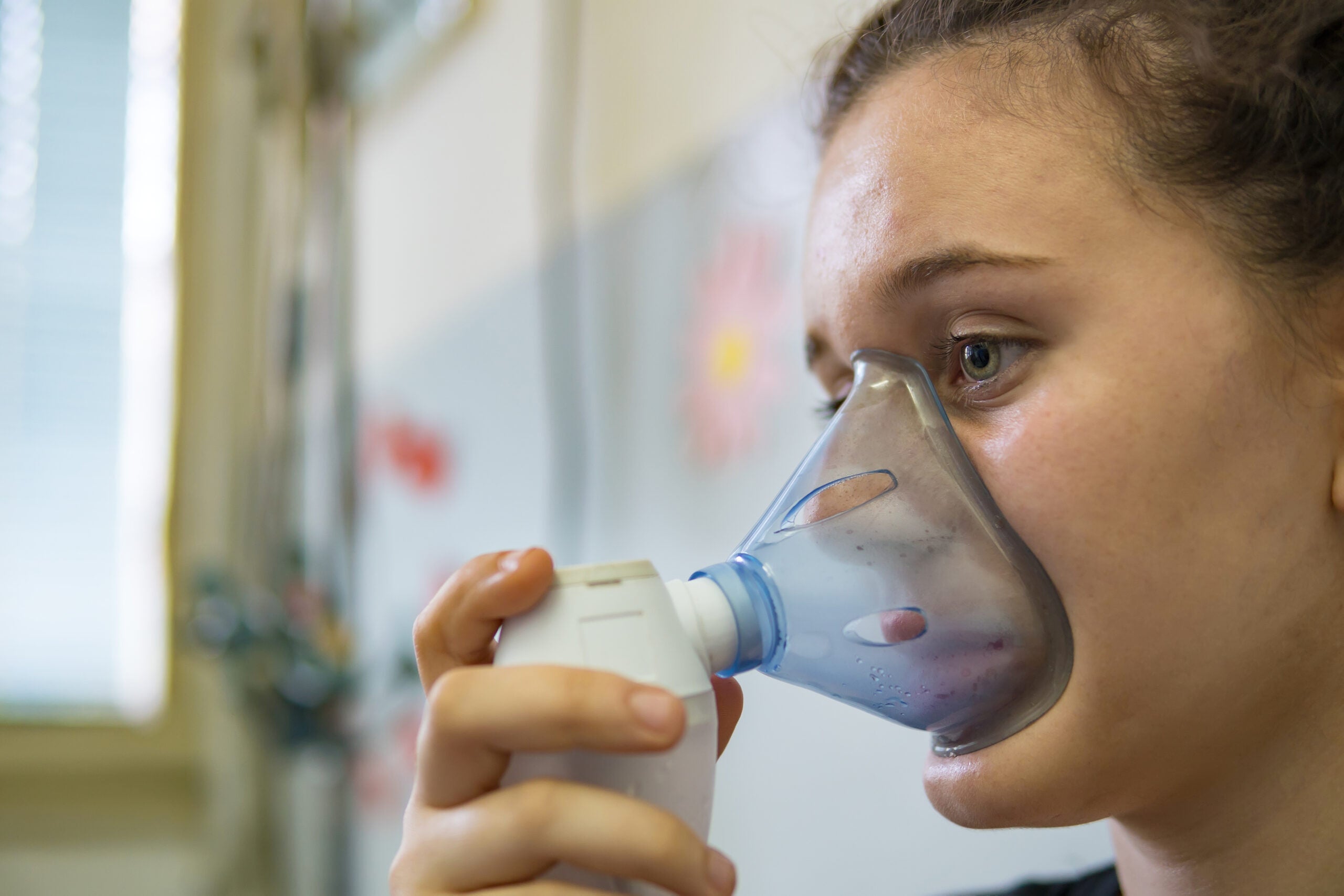
A new study published yesterday in JAMA Network Open by researchers from the Department of Environmental Health examined reports from tenants in housing across Boston, and found that reports of mold, rodents, and other indoor environmental exposures were associated with higher rates of emergency room visits for asthma-related illnesses.
“The link between healthy housing and asthma has been well established for many years,” explains Zichuan Li, MSc, doctoral student at Harvard T.H. Chan School of Public Health, and a co-author of the study. “However, its role in driving disparities by race and class has received less attention, and systematically assessing indoor exposures at high spatial resolution across large areas has proven difficult, because of the private nature of the home environment. This study is a substantial step forward in establishing the association between uneven access to healthy housing and asthma disparities.”
In 2023, the Boston Public Health Commission’s report on asthma found that the annual rate of asthma ED visits for Black residents and Latino residents is respectively 9.0-fold and 4.4-fold higher than for White residents, with similar effects for low-income Boston residents.
The study authors note that while housing conditions are a strong contributor to asthma disparities by race, they do not fully explain them. “There are many other ways in which social inequality and structural racism can predispose people to asthma risk, including psychosocial stress, barriers to care, and mistreatment within the health care system,” explains Adam Haber, PhD, Associate Professor of Environmental Health, and co-author of the paper. “But, facilitating access to healthy housing conditions, either by moving, or through repairs—particularly substantive structural upgrades or improvements to reduce inadequate ventilation, dampness and mold, and exposure to pests—not only remediates allergen risks but can also improve psychosocial stressors that contribute to worse asthma outcomes.”
Read the full article in JAMA here.
Li Z, Carryl SS, Samuels EA, Foer D, Haber AL. Tenant Reports of In-Home Asthma Triggers and Adult Emergency Department Use. JAMA Netw Open. 2025;8(10):e2537874. doi:10.1001/jamanetworkopen.2025.37874
Last Updated
Green AI: Hype or Hope?

Last Updated
Featured in this article
Are current lead limits strict enough to keep children safe?
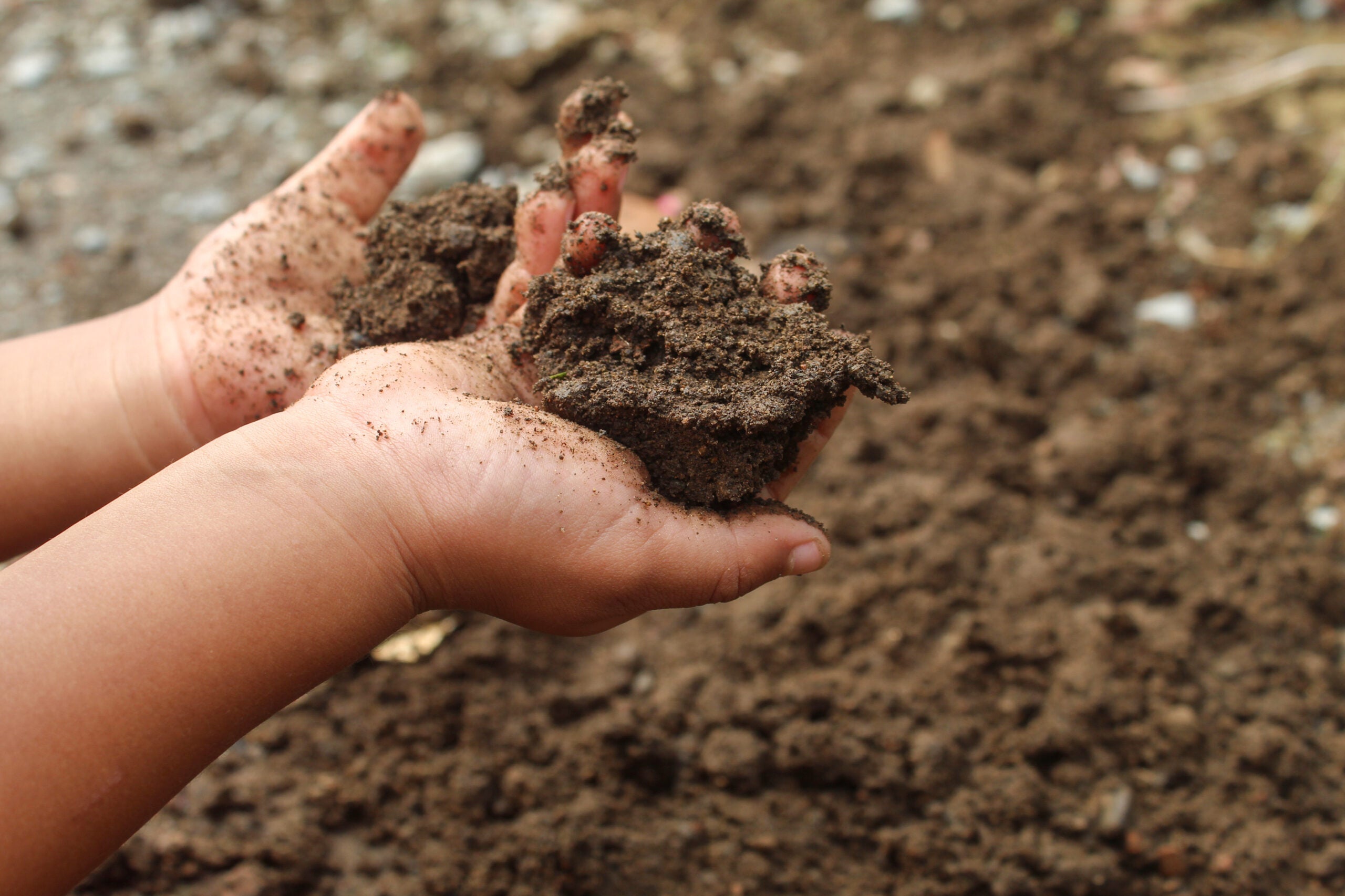
A new commentary suggests that the safety threshold for lead in soil should be reduced in order to better protect young children, and more testing is needed on fire-affected homes in LA area
For Immediate Release:
Urban wildfires in Los Angeles have highlighted the increased risk of soil lead exposure, especially for young children, and the current approach to mitigating this risk in L.A. does not accurately reflect the current understanding of risks to children from lead, according to a new commentary published today in Nature from researchers at the Harvard T.H. Chan School of Public Health and the Center on the Developing Child at Harvard University.
The LA fires in January 2025 devastated neighborhoods and left potential environmental hazards on burn sites as well as unaffected homes. “Urban fires burned through structures and materials containing lead, such as paint and plumbing, as well as arsenic and other toxic metals,” write the authors. “While the immediate aftermath of wildfires understandably centers on loss of life and property, environmental health threats posed by legacy contaminants in soil can persist for years after flames are extinguished.”
Air quality monitors in the LA area revealed an alarming 110-fold increase in atmospheric lead levels immediately after the fires, and soil testing later confirmed elevated lead levels in areas downwind of the Eaton fire. This poses a long-term risk of exposure, particularly for biologically sensitive populations like young children, through contact with contaminated soil or inhalation of lead dust.
”Young children’s developing biological systems are highly sensitive to influences from their developmental environment, and lead exposure at a young age poses a risk to all of these systems, particularly for brain and cognitive development,” says Lindsey Burghardt, co-author of the commentary and Chief Science Officer at the Center for the Developing Child at Harvard University. “It is critical that we implement actionable solutions to protect young children from lead exposure after a wildfire, which will have positive impacts for their health and well-being across the lifespan.”
The commentary is recommending two critical reforms:
- Soil testing (specifically “post-clearance confirmatory” testing) should be required after wildfire cleanup, as has been done for every major wildfire in California since 2007.
- The California’s residential Preliminary Remediation Goal (PRG) — the target threshold that residential soil should meet in order to be considered safe — for lead in soil should be lowered from 80 mg/kg to 55 mg/kg to reflect updated science and health-protective standards.
“People all want to know the same thing, ‘Is it safe?’ The current policy was falling behind the science when it came to addressing lead in soil after the fires,” said Joseph Allen, co-author of the commentary, and Professor of Exposure Assessment Science at the Harvard T.H. Chan School of Public Health. “There are some basic steps people can take to help reduce their exposure: wash hands, don’t track in soil into your home, keep surfaces clean, upgrade indoor air filtration and use portable air cleaners.”
Drs. Allen and Burghardt, as well as the rest of the Commentary authors, are all a part of the LA Fire HEALTH Study Consortium. The LA Fire HEALTH Study was started in response to the need for answers in the wake of the LA fires. In an unprecedented collective scientific effort to understand the short- and long-term health impacts of wildfires, researchers from Cedars-Sinai; Harvard T.H. Chan School of Public Health; the Keck School of Medicine of USC; Stanford; University of California, Davis; University of California, Irvine; University of California, Los Angeles (David Geffen School of Medicine, Fielding School of Public Health, UCLA Health); University of Texas at Austin; and Yale have launched a 10-year study of LA fires.
“Our collaborative work with the LA HEALTH consortium is unprecedented and this lead finding is one example of how scientific research can help the public in real time to protect and help the community,” said Kari Nadeau, co-author of the commentary, and Chair of the Department of Environmental Health at Harvard T.H. Chan School of Public Health.
Read the full Commentary: Allen, Azimi, Pei, Ferguson, Burghardt, Nadeau. “Post-Fire Soil Hazards: Recommendations for Updated Soil Testing Protocols and Clearance Thresholds.” Journal of Exposure Science and Environmental Epidemiology. August 8, 2025 https://doi.org/10.1038/s41370-025-00796-w
Read a Fact Sheet about the Recommendations here.
Media Contacts:
Carly Stearnbourne, Harvard T.H. Chan School of Public Health
cstearnbourne@hsph.harvard.edu, 617-571-2268
Rebecca Hansen, Center on the Developing Child at Harvard University
rebecca_hansen@harvard.edu, 617-320-2883