Smart Solutions, Hidden Costs: Weighing AI’s Climate and Health Impact
The Department of Environmental Health and the Harvard Chan Center for Climate, Health, and the Global Environment (C-CHANGE) hosted this live webinar as part of Harvard Climate Action Week.
Smart Solutions, Hidden Costs: Weighing AI’s Climate and Health Impact
The AI boom introduces new possibilities for identifying and implementing innovative climate solutions that can protect communities and improve health. At the same time, the water and energy resources — and resulting fossil fuel emissions — needed to cool and power AI’s data centers create new and growing threats to health. In this webinar, Harvard experts will address AI’s complex relationship with both climate and health outcomes, acknowledging both the transformative potential and the real costs involved.
Speaker Information

Organizers
Hot Topics Seminar Series: Understanding Medicaid Work Requirements – Research Evidence and the Current Debate
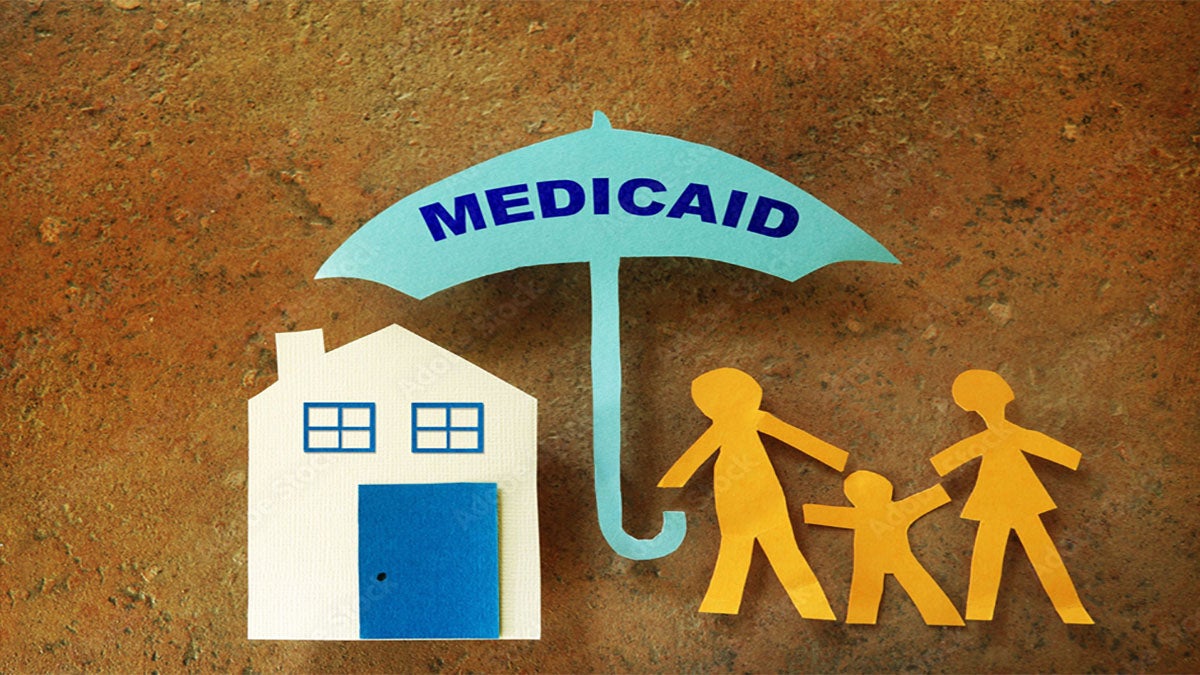
Join us for a timely Hot Topics session with Dr. Benjamin Sommers. A leading voice in health policy and economics, Dr. Sommers will unpack the latest research and policy debates on Medicaid work requirements amid today’s shifting political landscape.
The talk will be followed by a Q&A session, and light lunch will be served. Harvard ID required to enter the venue.
Dr. Sommers is a health economist and a primary care physician whose research interests are health policy for marginalized populations, the uninsured, and the health care safety net. He is the Huntley Quelch Professor of Health Care Economics at Harvard Chan and Professor of Medicine at Harvard Medical School. His research has been published in leading journals including the New England Journal of Medicine, JAMA, and Health Affairs, and his work has been profiled in the New York Times, Wall Street Journal, and National Public Radio. He was elected to the National Academy of Medicine in 2019. From 2021 to 2023, he served in the Biden Administration as the Deputy Assistant Secretary for Health Policy in the Office of the Assistant Secretary for Planning and Evaluation (ASPE), at the Department of Health and Human Services.
Speaker Information
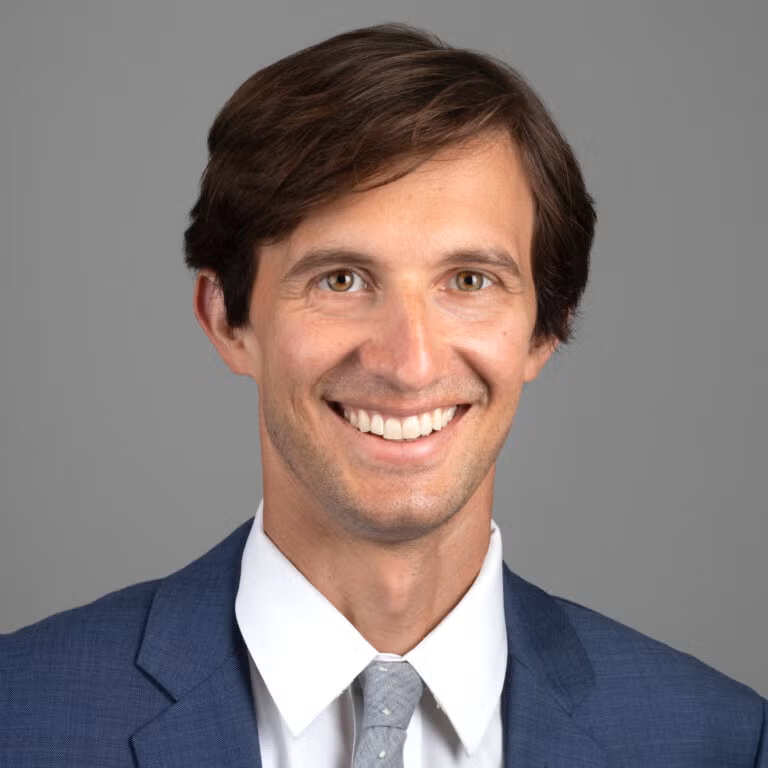
Benjamin Sommers
Organizers
Addressing the Impact of Extreme Heat on Young Children
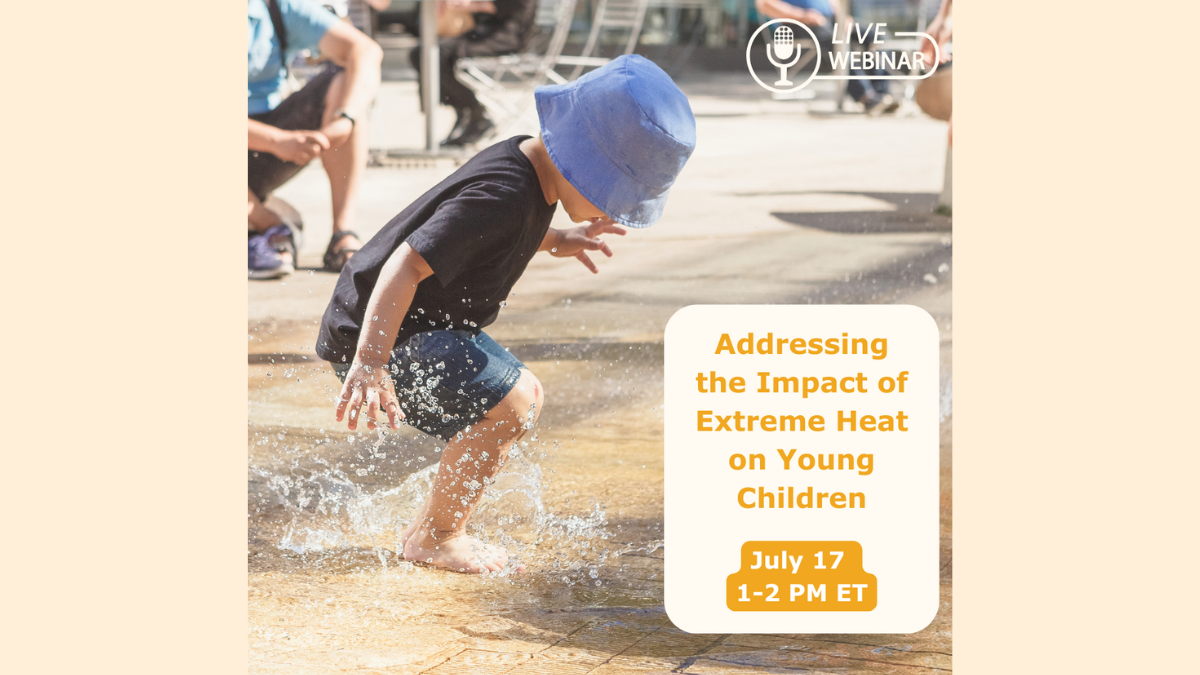
Excessive heat can impact young children’s development and health both in the moment and across the lifespan. Implementing strategies to reduce exposure to extreme heat benefits children, caregivers, and communities.
Join us for a live conversation, Addressing the Impact of Extreme Heat on Young Children, on July 17 at 1 pm ET, as we explore how communities are working to reduce the effects of extreme heat on early childhood development.
The discussion will be led by Lindsey Burghardt, MD, MPH, FAAP, the Center’s Chief Science Officer and Founding Director of the Early Childhood Scientific Council on Equity and the Environment (ECSCEE), which authored the 2024 working paper, Extreme Heat Affects Early Childhood Development and Health. Our panelists, Michelle Kang, Chief Executive Officer of the National Association for the Education of Young Children (NAEYC), and Jennifer Vanos, PhD, Associate Professor in the School of Sustainability and the College of Global Futures at Arizona State University, will share innovative strategies to protect young children from extreme heat, support caregivers, and ensure healthy development of all children in our communities.
Moderator
Speaker Information
Lindsey Burghardt, MD, MPH, FAAP
Michelle Kang
Jennifer Vanos, PhD
Organizers

Presented jointly with the Master in Health Care Management program, Harvard T.H. Chan School of Public Health
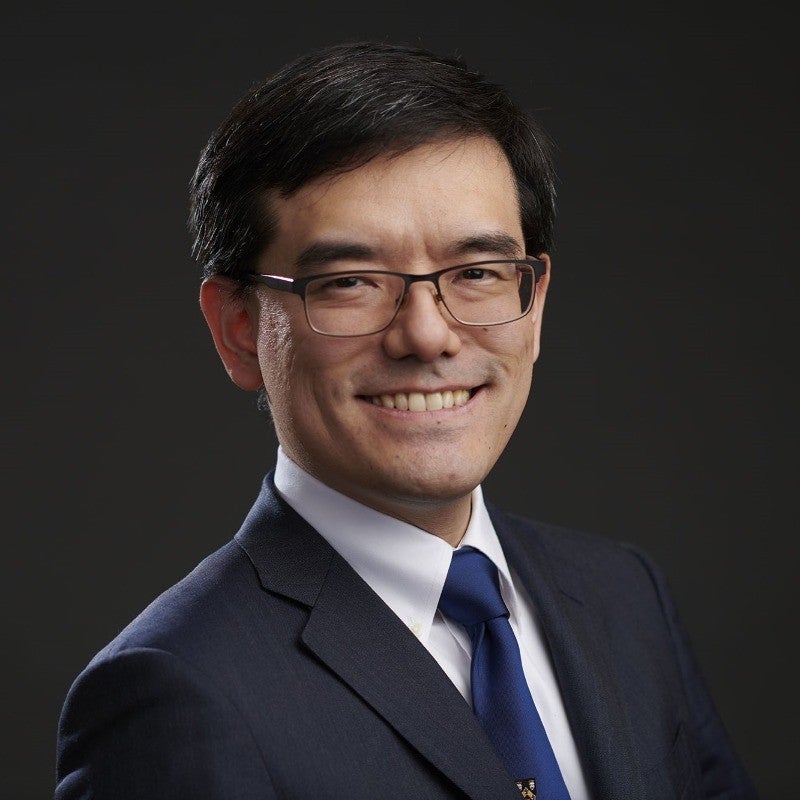
Drawing on research and real-world applications, this panel of physicians and health care executives will explore the transformative impact of AI on health care delivery, research, and policy—and address critical questions around data privacy and protection. Panelists will share their experiences integrating AI into workflows such as diagnostics, patient monitoring, and clinical decision-making, shedding light on both the promise and challenges of AI in health care.
Register for free to submit your questions.
Speakers

Moderator
About The Studio
Hot Topics Seminar Series: Reproductive health inequities among LGBTQ populations
Join us as we kick off the Hot Topics Seminar Series with Dr. Brittany Charlton, a leading scholar of sexual and gender minority health inequities. In her talk, Dr. Charlton will dive into her research on reproductive health inequities faced by LGBTQ communities—an urgent and often overlooked public health issue.
The talk will be followed by a Q&A session, and light lunch will be served.
Dr. Charlton is an Associate Professor at Harvard Medical School and Harvard T.H. Chan School of Public Health. She is the Founding Director of the LGBTQ Health Center of Excellence. Widely recognized for her work on health inequities, Dr. Carlton’s research centers on cancer and reproductive health among sexual and gender minority communities. She has published over 100 original research papers and leads several mentoring initiatives, particularly for underrepresented minorities.
Speaker Information
Brittany Charlton
Organizers
Nutrition and Infection Interventions to Promote Survival, Growth, and Development

Join the Department of Global Health and Population on Tuesday, July 22, for a seminar featuring Christopher R. Sudfeld, Associate Professor of Global Health and Nutrition in the Department of Global Health and Population. Christopher Sudfeld will present, “Nutrition and Infection Interventions to Promote Survival, Growth, and Development”.
This hybrid seminar will be held in Building 1, Room 1208 and via Zoom.
Please note, a Harvard ID is required for building access.
Speakers will share their own perspectives; they do not speak for Harvard
Speaker Information
Organizers
OEMR Presentations: Second-year Resident Research Projects & Awards (Session 2)

The Occupational and Environmental Medicine Residency Program invites you to attend the OEMR Presentation Day, on June 27, 2025. The presentations will take place at HSPH in Kresge 502 and remote attendance via ZOOM will be available.
The Session 1 runs from 9:00 am to 11:30 am, where the first year OEM Residents will present their Practicum (aka Capstone) projects. Click here for details about Session 1.
Session 2 begins at 12:30 and concludes at 2:30, where the second-year residents will give the final presentations of their Residency Research Projects, and awards will be announced around 1:55 pm.
CMEs will be available for US-licensed physicians.*
Click here to register to attend Session 2 via ZOOM.
Session 2: Second-year Resident Research Projects & Awards
Title: Respiratory Symptoms and Pulmonary Function in Veterans Deployed to Afghanistan and Southwest Asia
Presenter: Chris Leopardi, MD, MPH
Learning Objectives: Participants will be able to:
- Describe the prevalence of respiratory symptoms among post-9/11 Veterans.
- Evaluate the impact of deployment-related environmental exposures on respiratory health.
- Compare pulmonary function outcomes between veterans with and without asthma.
- Evaluate the potential role of oscillometry as a diagnostic tool for early detection of small airway disease.
Title: “F!reF!ghterF!t”: A randomized controlled trial of lifestyle coaching interventions for obese firefighters: Current data and intervention review.
Presenter: Derek Stewart, DO, MHSA and Kangwook Huh, DO, MPH
Learning Objectives: Participants will be able to:
- Describe the current data collected through the onboarding process.
- Analyze the study design used to evaluate the effectiveness of the lifestyle medicine intervention.
- Discuss the specific lifestyle interventions implemented in the study, including the six lifestyle medicine pillars.
- Evaluate the potential implications of the study for clinical practice and future research in lifestyle medicine.
Awards Presentation & Closing Remarks
Presenter: Stefanos Kales, MD
*CE/CME Information
This activity has been planned and implemented in accordance with the accreditation requirements and policies of the Accreditation Council for Continuing Medical Education (ACCME) through the joint providership of The Harvard T.H. Chan School of Public Health and the Harvard Chan Education and Research Center. The Harvard T.H. Chan School of Public Health is accredited by the ACCME to provide continuing medical education for physicians.
The Harvard T.H. Chan School of Public Health designates this live and hybrid activity for 4.5 AMA PRA Category 1 Credits™. Physicians should claim only the credit commensurate with the extent of their participation in the activity.
Note: the morning session carries 3.0 AMA PRA Category 1 Credits. The afternoon session carries 1.5 AMA PRA Category 1 Credits.
Speaker Information
Organizers
OEMR Presentations: First Year Practicum Projects (Session 1)
The Occupational and Environmental Medicine Residency Program invites you to attend the OEMR Presentation Day, on June 27, 2025. The presentations will take place at HSPH in Kresge 502 and remote attendance via ZOOM will be available.
The Session 1 runs from 9:00 am to 11:30 am, where the first year OEM Residents will present their Practicum (aka Capstone) projects.
Session 2 begins at 12:30 and concludes at 2:30, where the second-year residents will give the final presentations of their Residency Research Projects, and awards will be announced around 1:55 pm. Click here for details about Session 2.
CMEs will be available for US-licensed physicians.*
Click here to register to attend Session 1 via ZOOM
The AM Session: First-year Resident Practicum Projects
Title: Burnout and Mental Wellbeing in Healthcare Workers After Hurricane Helene: Initial Findings from a 12-Month Longitudinal Study
Presenter: Tiffany Tam, MD, MPH
Learning Objectives: Participants will be able to
- Describe the validated screening tools used to assess burnout, resilience, and depression.
- Interpret early data on the relationship between disaster exposure and mental health outcomes among health care workers following Hurricane Helene
- Compare mental health outcomes between disaster-exposed and non-disaster exposed healthcare workers.
- Discuss the implications of study findings for occupational health policy and disaster response planning.
Title: Evaluating the Clinical Training Experience in Occupational and Environmental Medicine (OEM): Insights from the Harvard OEM Residency Alumni Survey
Presenter: Andrew T. Bagby, MD, MPH
Learning Objectives: Participants will be able to:
- Describe the methodology of the Harvard OEMR Alumni Survey
- Summarize the demographic characteristics of OEMR alumni respondents
- Interpret preliminary survey findings related to alumni perceptions such as clinical preparedness, rotation value, and OEM core competencies.
- Identify key areas of strengthin OEMR training based on alumni feedback.
- Identify key areas for improvement in OEMR training based on alumni feedback.
Title: From Insight to Action: Tackling Substance Use in Railroad Workers
Presenter: Jeremy Berger, DO, MPH, MS
Learning Objectives: Participants will be able to
- Describe survey-based insights into the role of frontline supervisors in supporting substance use disorder (SUD) prevention and recovery.
- Discuss employee awareness levels of intervention programs such as P.I.E.R., EAP, and Co-Worker Intervention based on survey findings.
- Discuss the implications of low Psychosocial Safety Climate (PSC-4) scores for safety-sensitive railroad workers.
- Describe recommended next steps for improving workplace mental health and substance use prevention in railroad workers.
Title: Understanding Mental Health in Residency – The Perspective of Program Leadership
Presenter: Aditya Nellore, MD, MPH
Learning Objectives: Participants will be able to
- Discuss the most recent data on physician suicide.
- Describe potential barriers preventing physicians from seeking mental health care.
- Discuss potential limitations of qualitative interview-based studies.
Title: Health Information Seeking Behaviors on Social Media and Digital Apps by Pregnant Women
Presenter: Shannel Pegram, DO, MPH
Learning Objectives: Participants will be able to
- Discuss the types of online resources pregnant individuals use for health information.
- Evaluate the quality and helpfulness of these resources.
- Assess open-source, job-specific available resources for pregnant individuals.
- Describe how this research could be used as a framework for providers to offer their patients vetted resources tailored to their patients’ preferences.
Title: Association Between Diffusing Capacity and Small Airway Abnormalities in Deployed US Military Veterans
Presenter: Erika Anderson, MD, MPH
Learning Objectives: Participants will be able to
- List occupational exposures of deployed veterans to Southwest Asia.
- Recall the definition of Diffusing Capacity of the Lungs for Carbon Monoxide (DLCO).
- Describe the mechanism behind the DLCO measurement.
- Discuss whether some measurement values of DLCO have been shown to indicate small airway disease.
*CE/CME Information
This activity has been planned and implemented in accordance with the accreditation requirements and policies of the Accreditation Council for Continuing Medical Education (ACCME) through the joint providership of The Harvard T.H. Chan School of Public Health and the Harvard Chan Education and Research Center. The Harvard T.H. Chan School of Public Health is accredited by the ACCME to provide continuing medical education for physicians.
The Harvard T.H. Chan School of Public Health designates this live and hybrid activity for 4.5 AMA PRA Category 1 Credits™. Physicians should claim only the credit commensurate with the extent of their participation in the activity.
Note: The morning session carries 3.0 AMA PRA Category 1 Credits. The afternoon session carries 1.5 AMA PRA Category 1 Credits.
Speaker Information
Organizers

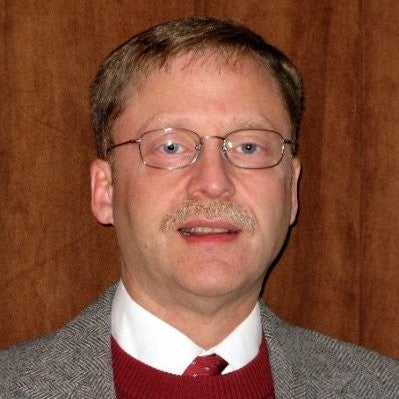
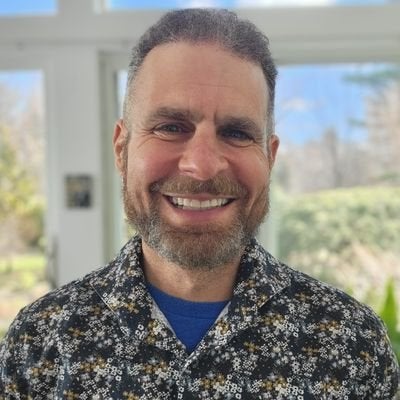
Fueled by warming temperatures and wetter climates, tick-borne illnesses such as Lyme disease and babesiosis are becoming more prevalent across the U.S. How can we protect ourselves? This panel discussion brings together researchers and clinicians to discuss strategies for prevention—including education, vaccine development, and surveillance—and interventions to safeguard communities in an evolving landscape.
Register for free to submit your questions.
An on-demand video will be posted after the event.
Speakers

Moderator
Dave Epstein
About The Studio
Health Care Leadership Essentials for Nurses

Join us for a webinar on the Health Care Leadership Essentials for Nurses program offered by Harvard Chan School Executive and Continuing Education.
Hosted by Program Director Stephanie Ferguson, this event shows how the program helps mid-level nurse managers transform into leaders with foundational concepts to excel in their roles, improve health outcomes, and implement change in their departments to fix issues they experience first-hand.
If you’re looking to elevate your leadership skills, we invite you to attend this webinar to see how this online self-paced program can support your professional goals.