Department of Environmental Health
We’re leading the global charge to understand and solve the world’s most pressing environmental health challenges. Learn how we can make an impact together.
665 Huntington Avenue, Building 1, Room 1301
Boston, MA 02115
History
A century of impact and progress

The history of environmental health research and education at Harvard University spans a century of innovation and discovery. Indeed, much of the earliest literature on industrial hygiene, industrial toxicology, and occupational medicine in this country originated at Harvard.
Over 100 years later, this work lives on in the Department of Environmental Health, where faculty and researchers are teaching the next generation of environmental health practitioners and policymakers, in the original foundational fields of this discipline: environmental exposures and occupational health and safety, but also in emergent fields such as climate health, exposomics, environmental justice, and more.
Learn more about this century of impact and progress below…
1910s
Leadership
No formal departments or leadership yet exists. Instead, students take public health courses at Harvard Medical School, Harvard University, and Massachusetts Institute of Technology (MIT) under catalog groupings such as “Sanitary Engineering” or “Preventative Medicine.
Highlights
The curriculum included industrial hygiene and sanitation and covered the adverse effects of factory life on health, including occupational accidents, industrial poisonings, and the effects of ventilation and dusty trades on the widespread incidence of tuberculosis and other diseases.
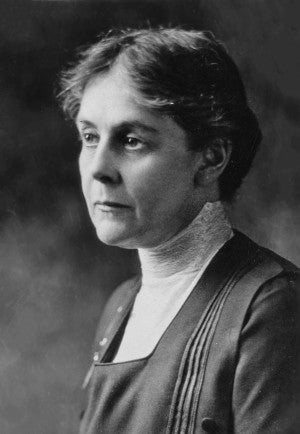
As the first woman appointed to the faculty of Harvard University, her appointment came with three limitations. First, she was not allowed into the Faculty Club. Second, she was not to participate in academic processions at Commencement. Third, she was not eligible for faculty tickets to the football games. Her scientific research focused on the study of occupational illnesses and the dangerous effects of industrial metals and chemical compounds. In addition to her scientific work, Hamilton was a social-welfare reformer, humanitarian, and peace activist. Learn more.
1920s
Leadership
- 1922-1923: Wade Wright, Head of Industrial Hygiene
- 1922-1924: George Whipple, Head of Sanitary Engineering
- 1922-1931: Philip Drinker, Head of Ventilation and Illumination
- 1922-1948: Cecil Drinker, Head of Physiology
- 1923-1928: David Edsall, Head of Industrial Medicine
- 1925-1931: Gordon Fair, Head of Sanitary Engineering
- 1929-1930: Alice Hamilton, Head of Industrial Medicine
Highlights
Harvard School of Public Health is founded, with “Divisions” rather than departments. Those divisions included Industrial Hygiene, Industrial Medicine, Physiology, Sanitary Engineering, and Ventilation and Illumination. The programs accept both engineers and doctors of medicine for advanced work leading to master’s and doctoral degrees.
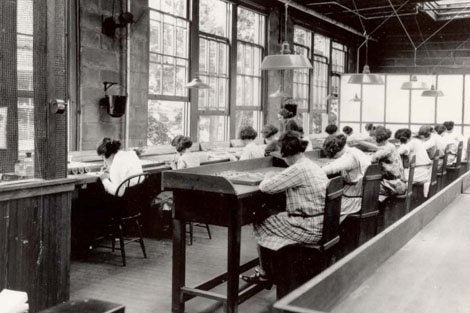
Drs. Cecil Drinker, Katherine Drinker, and William B. Castle were the first scientists to investigate radium poisoning thoroughly. Radium poisoning was suspected among workers painting dials of clocks and watches in Orange, New Jersey. The hazard resulted from painting brushes by placing them between the lips and from the atmosphere in the workrooms. Through a succession of other radium-poison investigations, the findings of this group became the accepted authority.
Beginning in 1926 Philip Drinker worked to develop better methods of resuscitation. He sought to improve the old-fashioned pulmotor for resuscitating victims of electric shock or illuminating gas poisoning, and was aided by Louis Shaw, a Harvard colleague, in the development of a respirator large enough to hold a human. The device was first used on a young patient at Children’s Hospital in 1928. The child was unconscious from respiratory paralysis, but recovered consciousness in less than a minute after the respirator was started. This was one of the most dramatic discoveries in the history of industrial hygiene, and the Drinker Respirator, or “iron lung”, rapidly gained worldwide acceptance.
1930s
Leadership
- 1922-1944: Cecil Drinker, continues as Head of Physiology
- 1931-1932: W. Irving Clark, Head of Industrial Medicine
- 1932-1943: Philip Drinker, Head of Public Health Engineering
Highlights
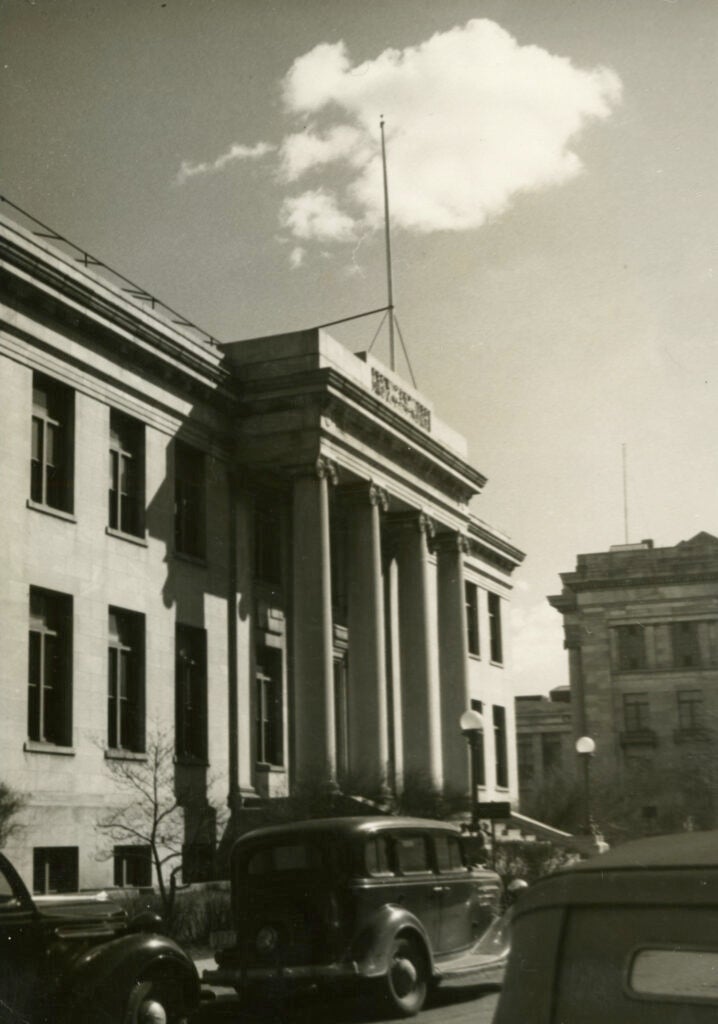
Ventilation and Illumination, Industrial Medicine, and Sanitary Engineering divisions merge to create a new division of “Public Health Engineering.” Physiology remains its own division.
1940s
Leadership
- 1922-1944: Cecil Drinker, continues as Head of Physiology
- 1932-1943: Philip Drinker, continues as Head of Public Health Engineering
- 1944-1948: Cecil Drinker, Chair of Physiology
- 1944-1960: Philip Drinker, Chair of Industrial Hygiene
- 1944-1961: Gordon Fair, Chair of Sanitary Engineering
- 1948-1980: James Whittenberger, Chair of Physiology
Highlights
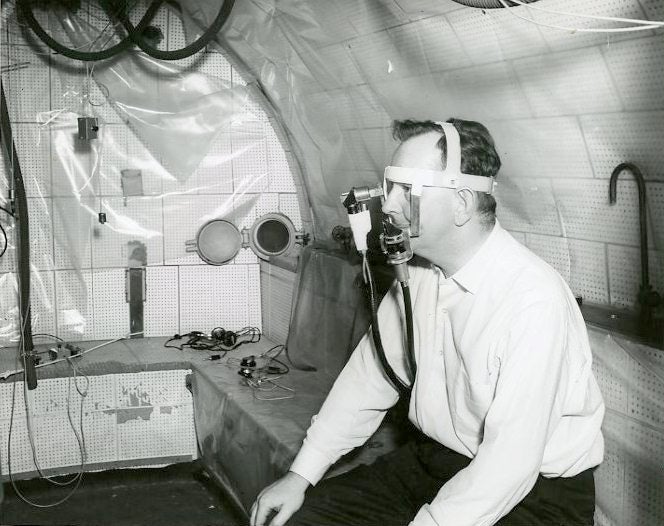
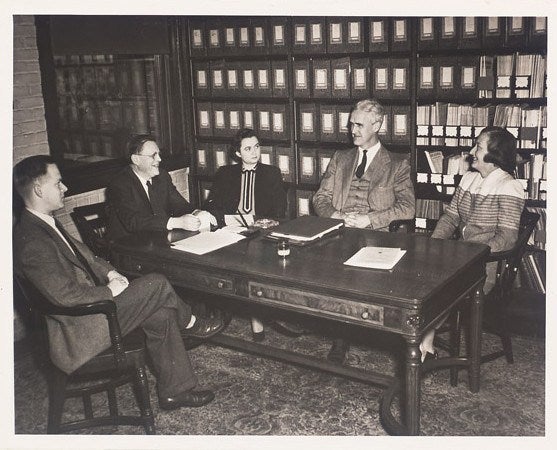
Their war-orientated work included the development of oxygen equipment for high-altitude flight and its physiological evaluation; a protective gas mask to meet the needs of chemical warfare; heating, ventilation and air conditioning systems and a national health education program for shipyard workers.
Research and education in the field of environmental health is split between three Departments at the School: Sanitary Engineering, Industrial Hygiene, and Physiology.
The Department focuses on peacetime research and teaching, introducing newer specialties of radiological health and air pollution control. Department faculty served as consultants to the Atomic Energy Commission and, as a result, radiation protection, aerosol physics, and air and gas cleaning technology gained greater prominence in teaching programs.
McFarland, a noted researcher in aerospace medicine, joins the department and helps develop standards for comfort and safety in transatlantic flights.
1950s
Leadership
- 1944-1960: Philip Drinker, continues as Chair of Industrial Hygiene
- 1944-1961: Gordon Fair, continues as Chair of Sanitary Engineering
- 1948-1980: James Whittenberger, continues as Chair of Physiology
Highlights
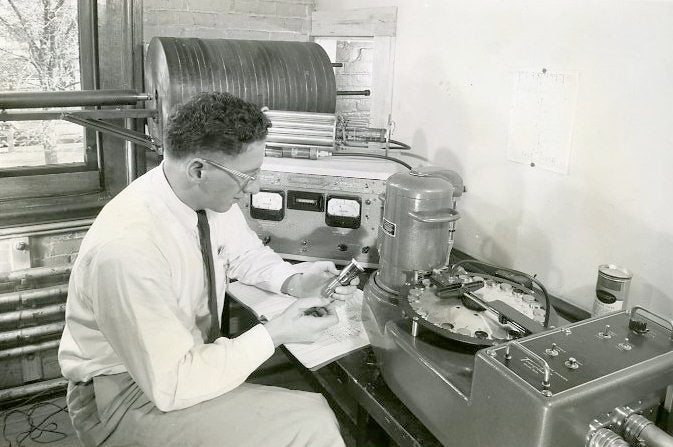
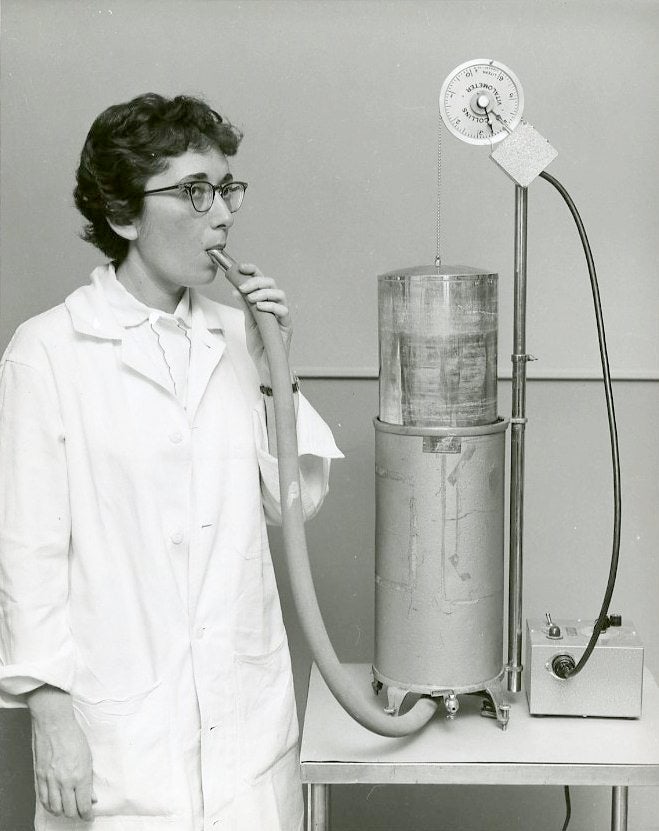
The Departments of Industrial Hygiene, Physiology, and Sanitation Engineering were grouped under a single Division of Environmental Health and Engineering Sciences led by Dr. James L. Whittenberger. Later this division became part of the new NIEHS-funded Kresge Center for Environmental Health at the school.
By the mid-1950’s, the Department of Industrial Hygiene had enlarged its curriculum and research efforts to include radiological safety and air-pollution control in addition to the more traditional studies of industrial hygiene, industrial medicine, industrial safety and environmental sanitation.
1960s
Leadership
- 1948-1980: James Whittenberger, continues as Chair of Physiology
- 1961-1966: Leslie Silverman, Chair of Industrial Hygiene
- 1961-1963: J. Carrell Morris, Chair of Sanitary Engineering
- 1964-1982: Harold Thomas, Chair of Sanitary Engineering
- 1966-1969: James Whittenberger, Chair of Industrial Hygiene
- 1969-1970: Dade Moeller, Chair of Industrial Hygiene
Highlights
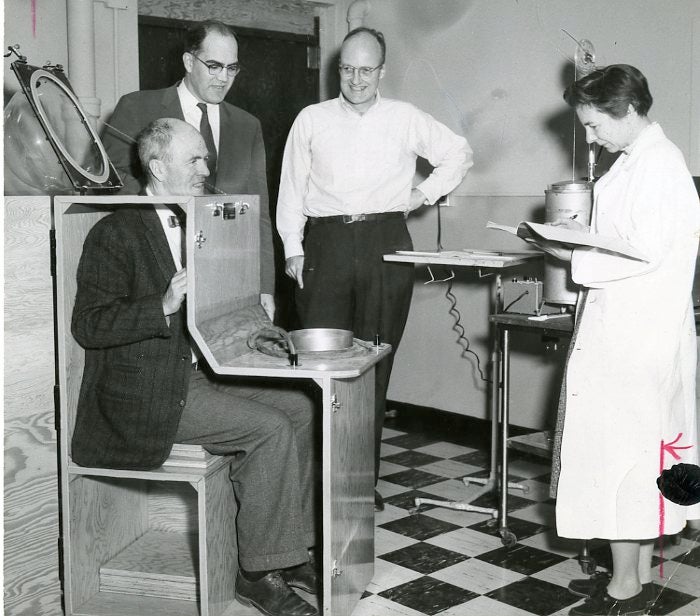
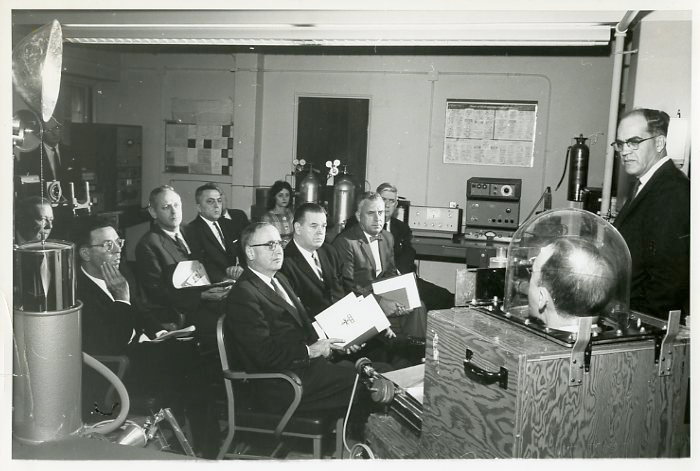
The Department continues its historic interest in the relationship between occupational exposures and occupational disease with research efforts aimed at identifying and mitigating impacts of job-related hazards, including studies of toluene di-isocyanate (TDI) and lead toxicity; evaluations of health hazards involved in firefighting and rubber tire manufacturing; respiratory disease in granite cutting, talc mining, and meat packing; and mortality in a number of different types of manufacturing.
It is the first of the more than 20 core research centers across the country supported by the National Institute of Environmental Health Sciences (NIEHS). As the recipient of only the second grant awarded by the National Institutes of Health, it has the distinction of having NIH grant number ES-000002. Over the past six decades, the Center has supported research in the Department of Environmental Health’s focus areas of air pollution, metals, and organic chemicals, including the Six Cities Study.
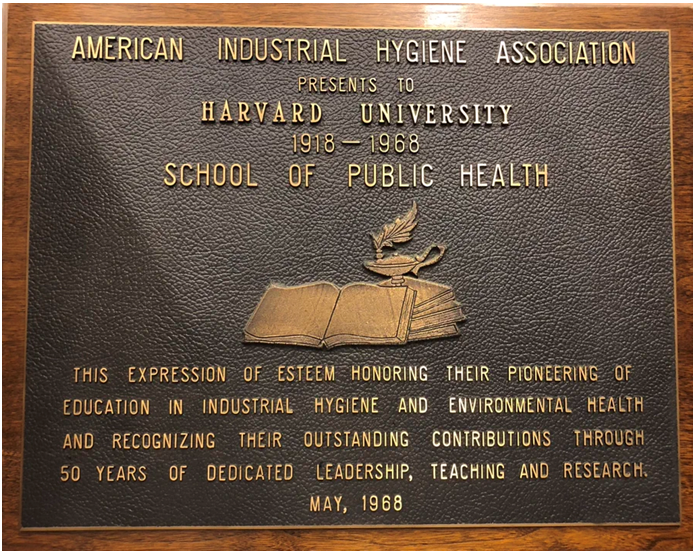
The AIHA award is an “expression of esteem honoring their pioneering of education in industrial hygiene and environmental health” and “outstanding contributions through 50 years of dedicated leadership, teaching, and research.”
1970s
Leadership
- 1964-1982: Harold Thomas continues as Chair of Sanitary Engineering
- 1948-1980: James Whittenberger continues as Chair of Physiology
- 1970-1982: Dade Moeller, Chair of Environmental Health Sciences
Highlights
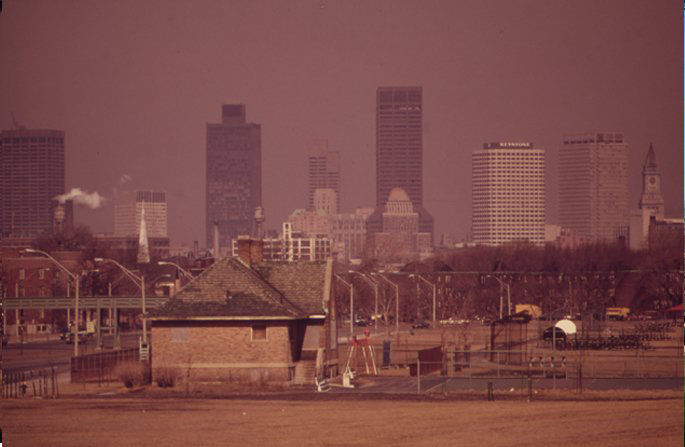
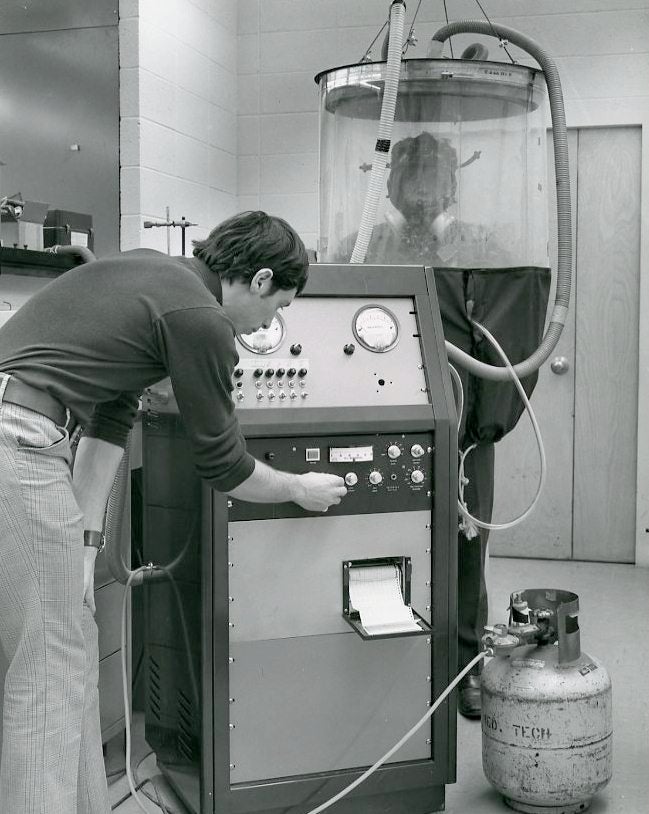
Department Faculty Benjamin Ferris and his colleague Frank Speizer propose The Harvard Six Cities Study, a first-of-its-kind study to examine the health effects of air pollution in urban environments in the United States. The work, which continues to this day, set a standard for research in air pollution that is emulated throughout public health and around the world. Former Department Chair and epidemiologist Douglas Dockery joined the project in 1974 and directed the study’s attention to particulate matter, now recognized as a dangerous form of air pollution.
The Nurses’ Health Study is established by Frank Speizer to examine the long-term effects of nutrition, hormones, environment, and nurses’ work-life on health and disease development. The Nurses Health Study has since launched two additional cohorts, and is among one of the largest prospective investigations into the risk factors for major chronic diseases in women
Today, the Harvard T.H. Chan Education and Research Center for Occupational Safety and Health (ERC) is one of the 18 regional centers funded by the National Institute for Occupational Safety and Health (NIOSH), and supports traineeships at the master, doctoral, and postdoctoral levels.
1980s
Leadership
- 1980-1981: John B. Little, Chair of Physiology
- 1964-1982: Harold Thomas continues as Chair of Sanitary Engineering
- 1970-1982: Dade Moeller, continues as Chair of Environmental Health Sciences
- 1982-1986: Joseph Harrington, Chair of Environmental Health Sciences and then Environmental Sciences and Physiology
- 1986-1988: Elkan Blout, Chair of Environmental Sciences and Physiology
- 1988-1990: Donald Hornig, Chair of Environmental Sciences and Physiology
1980s
Highlights
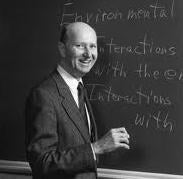
After years of separate departments and divisions, the precursor to today’s integrated research field of Environmental Health is established.
1990s
Leadership
- 1990-2005: Joseph Brain, Chair of Environmental Health
1990s
Highlights
The Departments of Environmental Health Sciences, Sanitary Engineering, and Physiology merge and become Environmental Sciences and Physiology in 1983. Then, in 1991, the Department of Environmental Sciences and Physiology is officially renamed the Department of Environmental Health.
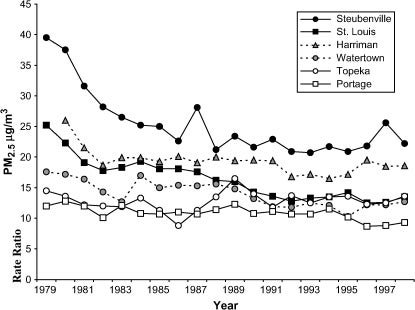
The groundbreaking Harvard Six Cities Study finds that fine particulate pollution is associated with excessive mortality in major US Cities, leading to new clean air standards being put in place by the Environmental Protection Agency (EPA).
The Symposium brings together experts in the field of radiation science to research to understand, interpret, and estimate the health effects of radiation that pave the way for effective preventive and therapeutic strategies.
The National Ambient Air Quality Standards for Fine Particles (PM-2.5) is enacted, setting an annual standard is a level of 15 micrograms per cubic meter. The EPA cites findings from the Harvard Six Cities Study linking high levels of particulate pollution to increased mortality rates.
2000s
Leadership
- 1990-2005: Joseph Brain, continues as Chair of Environmental Health
- 2005-2016: Douglas Dockery, Chair of Environmental Health
2000s
Highlights
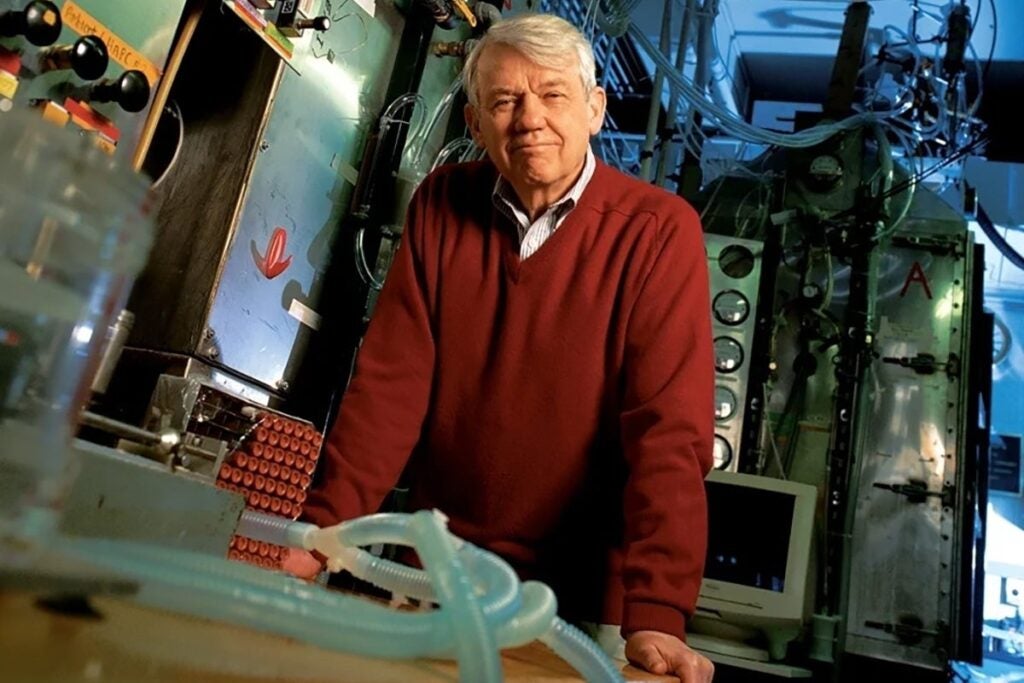
The Harvard Cyprus Program is established to bolster public health research in Cyprus, a small Mediterranean island nation, where research on public health was minimal and formal university graduate training programs on environmental and/or public health did not exist. In close collaboration with Harvard Chan School, the Harvard Cyprus Program established research programs in air pollution and health, water and health, cardiovascular epidemiology, smoking and health, diabetes and obesity, and meta-analysis. Learn more…
The WHO publication sets new guidelines for particulate matter (PM), ozone, nitrogen oxide, and sulfur dioxide. Although these guidelines are neither standards nor legally binding criteria, they are designed to offer guidance in reducing the health impacts of air pollution based on expert evaluation of current scientific evidence.
Francine Laden, along with authors of the original study, Jack Spengler and Doug Dockery, publish a new study that confirms that reductions in PM2.5 levels in cities is associated with lower death rates; in other words, reducing pollution saves lives.
2010s
Leadership
- 2005-2016: Douglas Dockery, continues as Chair of Environmental Health
- 2015-Present: Francine Laden, Associate Chair of Environmental Health
- 2016-2021: Russ Hauser, Chair of Environmental Health
2010s
Highlights
The Center for Climate, Health, and the Global Environment (Harvard Chan C-CHANGE) relocates from Harvard Medical School and becomes part of the Department of Environmental Health at Harvard Chan.
Established thanks to a bequest from Marilyn Brachman Hoffman, a woman who herself had numerous chemical sensitivities, the program supports research on how exposures to chemicals alter people’s subsequent responses to those chemicals.
The Healthy Buildings Program was established to lead a global paradigm shift, repositioning the built environment as critical public health infrastructure. Moving beyond the “sick building era” of mechanical enclosures, the program pioneers the design of buildings as living systems that are in sync with human biology. By elevating health as the “North Star” of architecture and engineering, the program transforms indoor spaces into dynamic determinants of cognitive performance, planetary resilience, and human flourishing—marking one of the most significant public health interventions of the 21st century.”
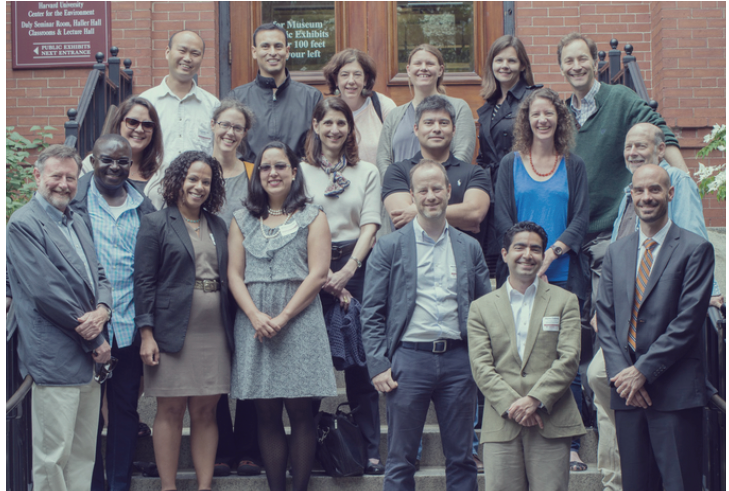
The JPB Fellowship aims to advance the careers of junior faculty from institutions across the U.S. whose research examines the influence of both the social and environmental determinants of health in under-resourced communities. Unique to the program is the inclusion of senior research scientists who are engaged in research, policy and practice at various federal agencies. This shared partnership among academic and agency Fellows serves as a catalyst for innovative research that responds to the health challenges in the communities they serve.
The Apple Women’s Health Study is the first long-term research study of this scale and scope that aims to advance the understanding of menstrual cycles and their relationship to various health conditions. In the first study of its kind, the Harvard T.H. Chan School of Public Health has teamed up with Apple and the National Institute of Environmental Health Sciences (NIEHS) to gain a deeper understanding of how certain demographic and lifestyle factors could have an impact on menstrual cycles and gynecologic conditions including infertility, menopause, and polycystic ovary syndrome (PCOS).
2020s
Leadership
- 2021-2023: Douglas Dockery, Acting Chair of Environmental Health
- 2023-2026: Kari Nadeau, Chair of Environmental Health
- 2026-Present: Francine Laden, Interim Chair of Environmental Health
2020s
Highlights
Faculty members of the Department of Environmental Health bring their expertise to panels and advisory boards to help inform the public health response to the global pandemic, including the Lancet Covid-19 Commission.
Three Environmental Health programs — Molecular & Integrative Physiological Sciences (MIPS); Exposure, Epidemiology, and Risk (EER); and Environmental and Occupational Medicine & Epidemiology (EOME) — are merged to form one united Department of Environmental Health at the Harvard T.H. Chan School of Public Health, with the common goal to improve the health of all people through global leadership in environmental health research and training.
EPA revises the recommendations about lead and copper levels in drinking water, and prioritizes the replacement of lead pipes in water supply lines, schools, childcare facilities, and homes, citing the recently published cost-benefit analysis of lead pipe replacement by Environmental Health faculty members.
Climate change and sustainability is officially added as an area of focus for graduate students in Environmental Health, and an interdisciplinary concentration for all Harvard Chan students, though research in this area has been ongoing in the department for years.
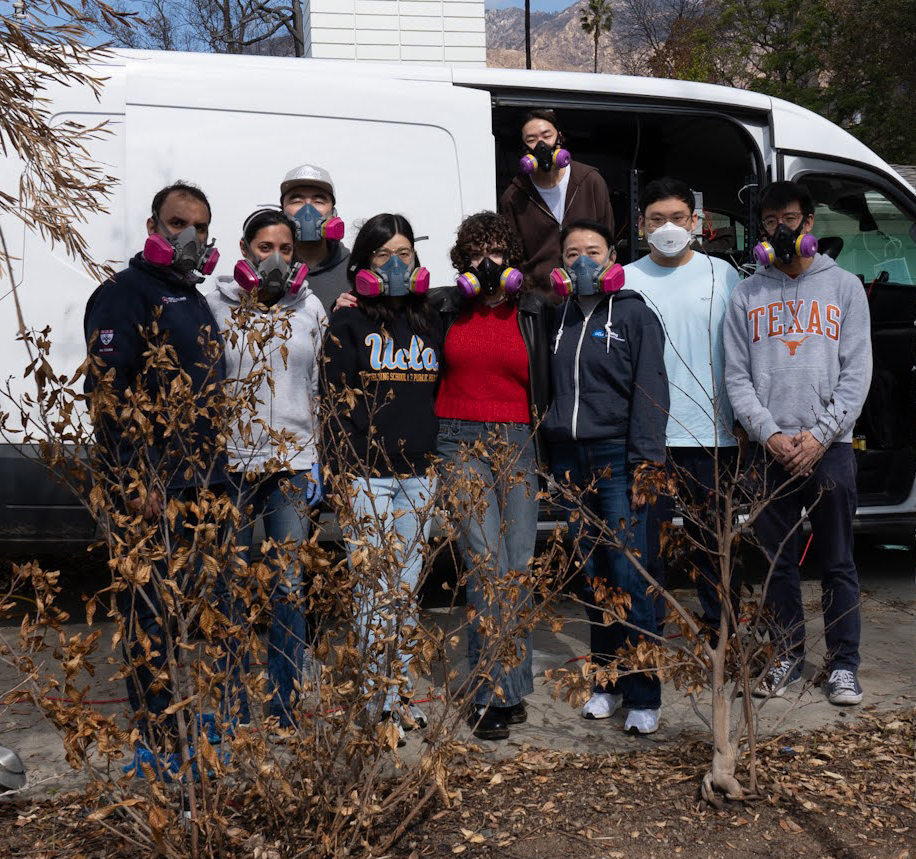
The Los Angeles Fire Human Exposure and Long-Term Health Study (L.A. Fire HEALTH Study) is a multi-institutional consortium led by researchers from the Harvard T.H. Chan School of Public Health, along with partners at UCLA, USC, UT Austin, Yale, Stanford, and UC Davis with expertise in environmental exposure assessment, analysis of health outcomes, wildfire risk assessment and management, and data science.
The research aims to evaluate which pollutants are present, at what levels and where, as the concentrations diminish over time, and to assess the short and long- term health impacts of the wildfire emissions over the next 10 years.