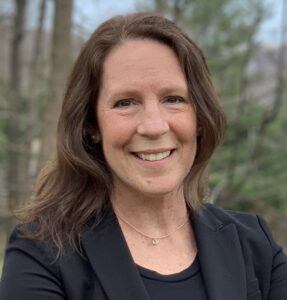
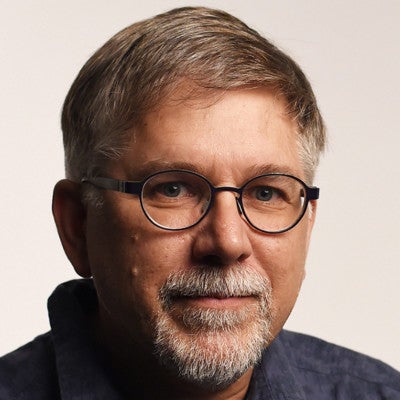
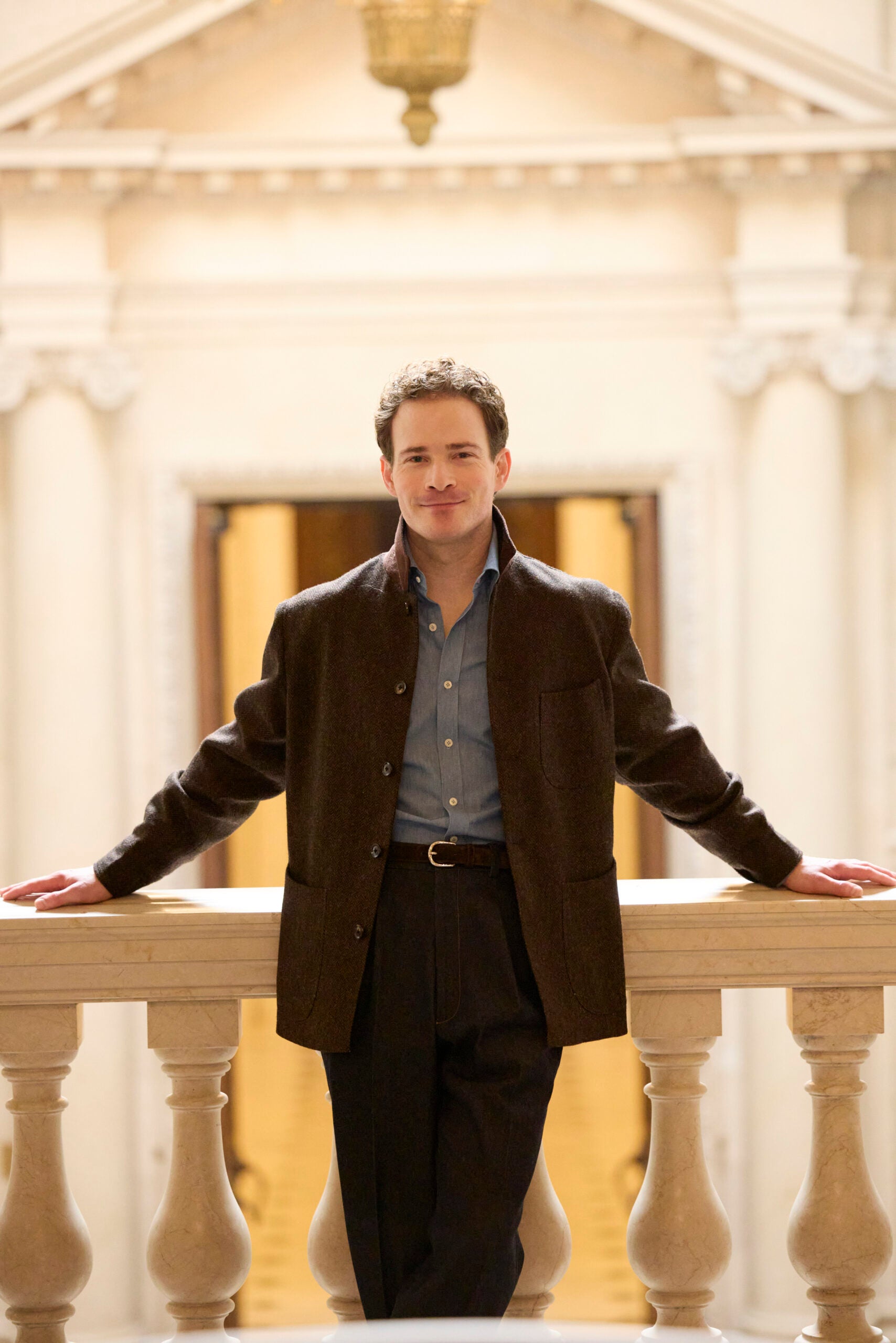
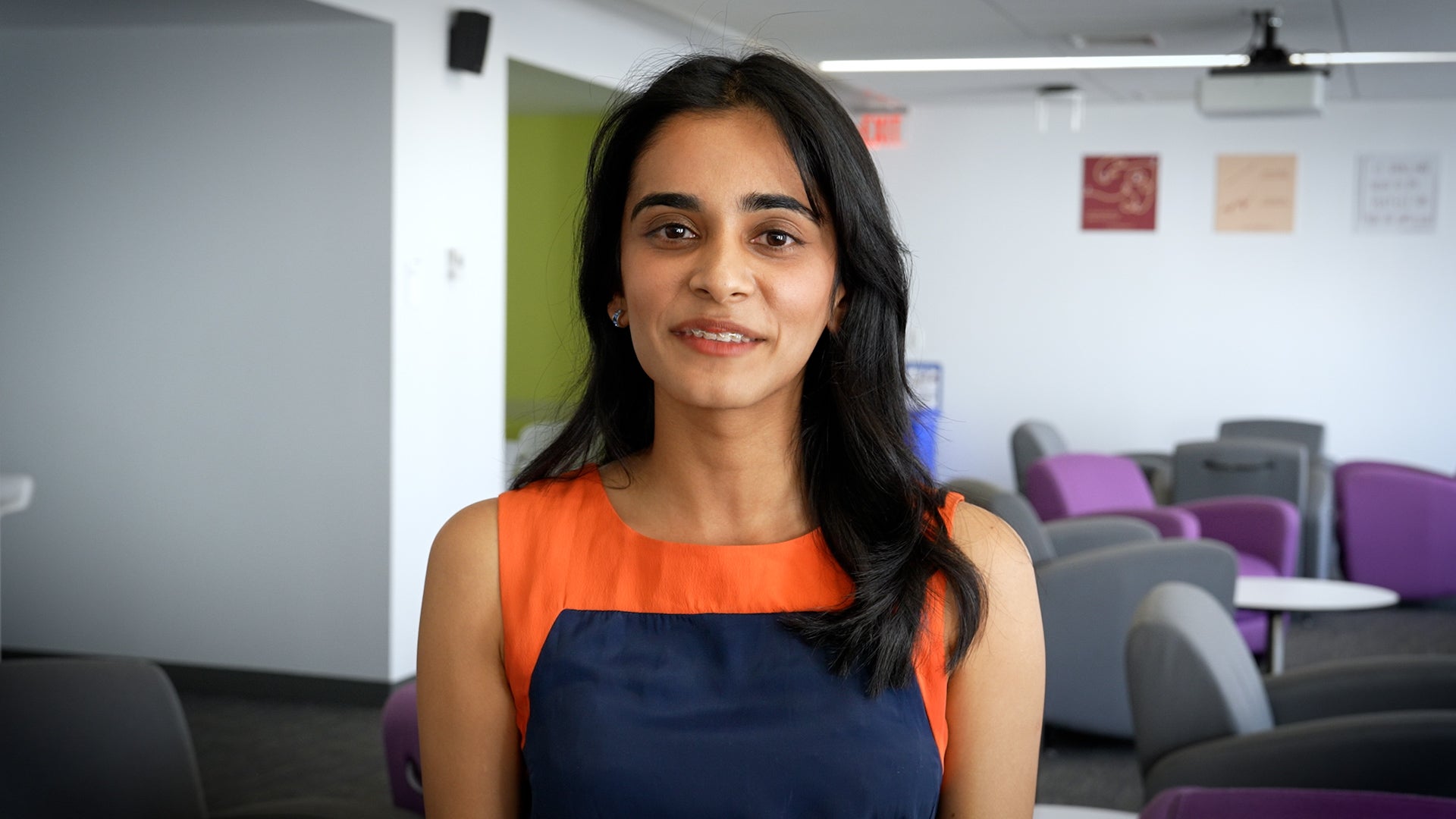
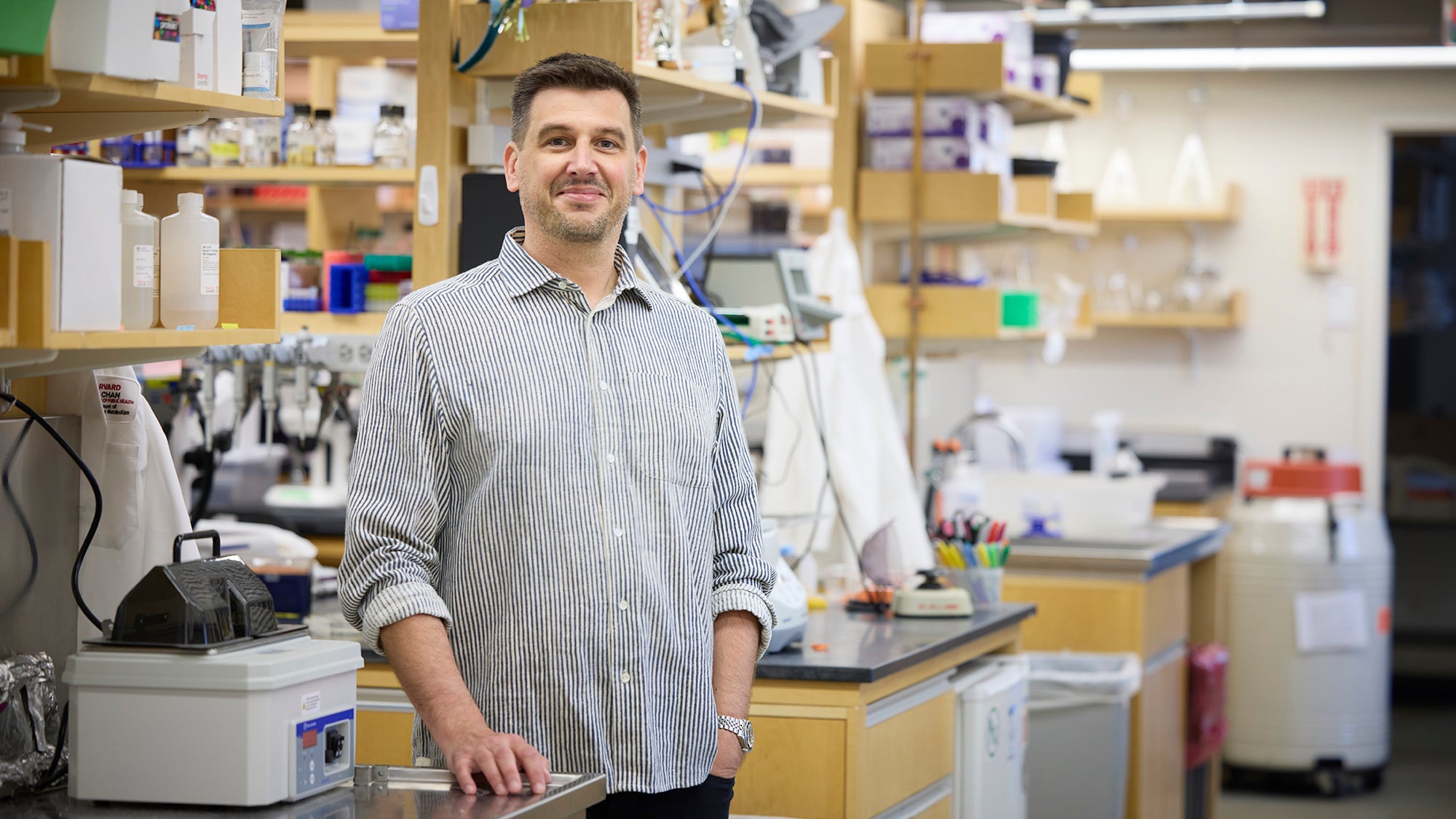
Nellie Darling, an emergency medicine doctor, was inspired to pursue public health after witnessing how hospitals struggled during the COVID-19 pandemic.
As an ER doctor, one of the things I love about my job is that I get to see something different every day. I never really know what’s going to come through the door. Working clinically in the middle of a pandemic, I learned firsthand exactly what we can do if we can combine disaster medicine and public health. So, I started seeking out public health programs bridging this gap.
Flexibility was extremely important for me. [Harvard Chan School] was very accommodating and really attracts professionals and pre-professionals who are also working. So, I’m continuing to work as an ER doctor while I’m doing my degree.
One of the papers that I’m working on is on the effect of mass casualties on pre-hospital care delivery. One of my co-workers is trying to figure out, you know, do we start LVAD [Left Ventricular Assist Device, a surgical implant that helps the heart pump] soon enough on patients with heart failure?
I was truly inspired by seeing how many like-minded people were coming together in this climate to try and make change. And I just I felt like I was home.
Just for fun
Dog mom to a golden retriever named Aurora and a pit bull named Hank
About The Author
Anna Fisher-Pinkert
Director of Digital Strategy, Office of Communications
As an early career doctor in Perth, Australia, Sanchita Gera, MPH ’26, saw how social and environmental factors outside the hospital walls—like domestic violence and climate change-driven wildfires—were affecting some patients’ health more than others. She wanted to address such determinants of health on a larger scale and improve outcomes. As a student in Harvard T.H. Chan School of Public Health’s MPH in Quantitative Methods program, she’s doing just that—from a variety of perspectives.
Through her first year of courses, Gera has been able to study how factors including climate change, human rights, global conflict, and migration intersect to affect health. In addition to her regular coursework in quantitative methods, she’s pursuing two interdisciplinary concentrations, one in Climate Change and Planetary Health and the other in Humanitarian Studies.
A Fulbright Scholar, Gera is also working on a self-directed practicum project on the health impacts of climate change. In collaboration with the Salata Institute for Climate and Sustainability and supervised by Robert Meade and Satchit Balsari, Gera is looking at non-survivable wet-bulb temperatures (a measure that combines heat, humidity, wind, and sunlight) and implications for climate mitigation and adaptation strategies in India. Additionally, Gera is the lead researcher on a project with the Climate Change, War, and Health Scholarly Working Group at the Harvard Global Health Institute. Under guidance from Ann-Christine Duhaime, Gera is exploring heat-related illness in the context of climate change and war.
One of Gera’s favorite classes has been “The Politics of Climate and Health,” taught by Vanessa Kerry, associate professor in the Department of Environmental Health. “Dr. Kerry’s classes are unparalleled, filled with student discourse, rich in insightful lessons and featuring world-renowned global experts,” Gera said.
Another favorite course was “Decision Analysis for Health and Medical Practices,” taught by Ankur Pandya, associate professor of health decision science. Said Gera, “[This course’s] appeal lies in the real-world applicability of principles essential for every public health professional to understand and in the supportive teaching environment.”
Gera is also one of 28 graduate students selected for the Climate Leaders Program, run by the Harvard University Center for the Environment and the Salata Institute. The program fosters connection between graduate students across disciplines who are interested in climate-related work.
Since starting her program in fall 2025, Gera has formed a close-knit group of friends within her cohort. Together, they celebrated Friendsgiving, attended the Harvard-Yale football game in New Haven, Conn., and traveled to Vermont to enjoy the seasonal fall foliage.
When Aanika Schueler learned in early 2025 that she was accepted to Harvard T.H. Chan School of Public Health’s master of science program in biostatistics, the first thing she did was call her mom on FaceTime. They cried together, overjoyed at the good news.
“I knew that if I had the opportunity to study at Harvard Chan School, I would be able to learn from so many experts in the field and build amazing relationships that would hopefully last a lifetime,” said Schueler, who began her studies this fall. Since then, she’s taken a deep dive into data science, found supportive peers, and—beyond academics—found running buddies.
As an undergraduate, Schueler majored in statistics with a concentration in biology. In the summer of 2024, she was an intern at the pharmaceutical company Kyowa Kirin, where she saw how statistical analysis shapes decisions in drug development. During her internship, Schueler wrote a script using the programming language R to assist with data analysis for a treatment being developed for cutaneous T-cell lymphoma. She was excited to learn how statistical modeling could play a role in improving patient outcomes, particularly for a rare form of cancer.
“I’ve always really been interested in how statistics can be used to transform complex data and serve as a tool to investigate biomedical phenomena,” she said.
Schueler found that the 60-credit SM program in biostatistics was the perfect fit for her interests. The program, which full-time students complete in one-and-a-half years, prepares students to design research studies in medicine and public health, analyze and interpret quantitative data using modern computational methods, and collaborate with research scientists in a wide variety of public health disciplines.
This fall, Schueler has especially enjoyed a class on applied regression methods taught by her adviser, Erin Lake, lecturer on biostatistics. Her R programming skills have been strengthened in her introductory data science course, which is taught by a co-inventor of the R programming language—Robert Gentleman, principal research scientist in the Department of Biostatistics.
A ‘fun and supportive environment’
Outside of the classroom, Schueler has enjoyed connecting with her peers. One of her favorite activities this semester was attending the Longwood Block Party, where she met students from Harvard Chan School, Harvard Medical School, and Harvard Dental School.
She has also joined fellow running enthusiasts in the Harvard on the Move Run Club. “It’s really nice to have a consistent group to run with,” Schueler said. “It makes the miles go by so much faster and adds a sense of community outside of academics.”
When she was considering graduate programs, what stood out about Harvard Chan School was “how passionate everyone seems about what they’re doing,” Schueler recalled. “That’s the kind of environment that I knew I wanted to be in in my studies.” She added, “It’s been very fun and people have been so supportive, which has made the transition to graduate school even better.”
Schueler is also the recipient of financial aid, which she said enables her to “take advantage of everything that Harvard Chan School has to offer.”
After graduation, Schueler would love to return to the pharmaceutical industry and apply what she’s learning to help improve patient and treatment outcomes.
“In the long term,” she said, “I’m really interested in working on cancer and Alzheimer’s disease—working on things like personalized treatment, enabling earlier cancer detection, and drug development.”
About The Author
Anna Fisher-Pinkert
Director of Digital Strategy, Office of Communications
Daphne Edgren was 18 years old and had just begun her first year at the School of the Art Institute of Chicago when she started having trouble breathing. She tried to push through it but wound up in the emergency room. Her oxygen levels were a dangerously low 50%. The next day, her medical team realized her lungs were shutting down. Edgren was diagnosed with acute respiratory distress syndrome (ARDS). She was put into a medically induced coma and placed on an ECMO device, a modern-day version of an iron lung that oxygenates blood and removes carbon dioxide. And she was put on the list for a lung transplant.
Edgren’s care team was baffled—she was a young, healthy non-smoker. They didn’t know what had caused her to develop ARDS, but now there was a very real chance she might not survive. So the clinicians caring for Edgren decided to try something new. Patients are typically kept in a coma or sedated while attached to the ECMO, but Edgren’s care team woke her up and asked her to walk. Edgren recalls that this was the moment that changed everything—both for her health and her career plans.
“My lungs began to heal, I came off the transplant list, and eventually made a full recovery,” says Edgren. A decade later, she is a student in Harvard T.H. Chan School of Public Health’s online, part-time MPH Generalist (MPH-GEN) program, expected to graduate in 2027. “Today, I am completely healthy. I can finish the Hustle Chicago Stair Climb [in which participants climb 94 flights of stairs] in under 25 minutes, spend an hour on the StairMaster at level 12 with a 30-pound weighted vest, and my scans show no lung scarring at all.”
Edgren’s recovery also gave her a newfound appreciation for the value of innovation in medicine and research, and it planted a seed that would eventually change the course of her career.
“It showed me how much progress can happen when medical professionals are willing to take thoughtful risks to give patients another chance,” Edgren says.
Empathy toward patients
Edgren completed her degree at the School of the Art Institute of Chicago, focusing on cinematography and oil painting. But she also nurtured her interest in medical research and public health. She did pre-med coursework at Columbia University and went on to work for several years in lab and clinical research roles. She now works at the Robert H. Lurie Comprehensive Cancer Center of Northwestern University as a clinical research project manager and medical writer, with a focus on sarcoma, neuro-oncology, pediatric neuro-oncology, and pediatric hematology oncology.
As a creative person and a survivor of a complex medical crisis, Edgren is particularly attuned to how patients experience life-threatening diseases and long-term clinical care. She’s empathetic toward patients undergoing treatment as part of clinical research, and notes that these patients often experience fear and disappointment when novel medical treatments fail to produce results.
“When you’re diagnosed with cancer and you’re having to [join a clinical trial] as a last resort, clearly things are not going very well,” Edgren says. “I feel for these patients very deeply.”
Developing leadership skills
She was drawn to Harvard Chan School’s MPH-GEN program because of its focus on leadership. She hopes to improve the experiences of patients who participate in oncology research by reshaping the way that scientists work with them. Edgren says that simple changes like calling people “patients” rather than “subjects” and ensuring comfortable spaces for them in hospitals makes a huge difference to people participating in research studies.
Edgren also wants to see more hospitals and clinics incorporate art into their built environments. As an artist, a researcher, and a former patient, she knows that what people see in health care settings can have an important impact on their perceptions of the care they receive.
“I want to … use art and beautiful things to inspire people as they’re walking into hospitals—to show more faith and [help them] feel like they’re actually in a place where they’re being taken care of and they’re being healed,” Edgren says.
Edgren is living in Chicago while participating in the fully online MPH-GEN program. She feels passionately about giving back to her community. For her practicum project, Edgren is partnering with SARC (Sarcoma Alliance for Research through Collaboration) to develop an international social media campaign to create awareness for this rare form of cancer and to guide people diagnosed with sarcoma to SARC’s directory of expert sarcoma care resources.
“Overall, our goal is to make expert sarcoma care more accessible and to build greater public understanding and support for those affected,” Edgren says.
Edgren appreciates that the MPH-GEN program’s curriculum doesn’t limit her to a specific area of public health. MPH-GEN students take a wide range of courses, including biostatistics and epidemiology, emergency response, health systems, and health communication.
“If you want to be a leader,” she says, “you have to know at least a little bit of every single role of the entire community that you’re going to be leading.”
About The Author
Anna Fisher-Pinkert
Director of Digital Strategy, Office of Communications
In medical school, Dusadee Sarangarm, MHCM ’26, learned to save lives in the emergency room, but she came to Harvard T.H. Chan School of Public Health to learn about key elements of health care management that aren’t taught in clinical training, like financial analysis, negotiation skills, and quality improvement.
“The focus of medical school is on clinical care—and that’s important,” Sarangarm says. “But then there are all these other components that are so important to physicians. And if we don’t understand how health care is structured or how to converse with leadership or how to become leaders ourselves within our very own industry, then how can we ever hope to change it?”
Sarangarm is an emergency medicine physician and faculty member at the University of New Mexico (UNM). After rising through the ranks to become the chief medical information officer for UNM Hospitals, she realized that she wanted to build her leadership skills further. She applied to the Master in Health Care Management program at Harvard Chan School, a low-residency program designed for mid-career physicians and dentists.
“It was an investment in myself. And through that, it was also an investment for my patients and my team. I think I am a better leader because I have more training,” says Sarangarm.
Now in the second year of the program, Sarangarm says she’s learning “from the best.” She has also formed close bonds with her classmates, despite only seeing each other in person a few times a year (MHCM students spend three weeks on campus each summer and return for five four-day weekends each year). When her cohort is on campus together, they plan social outings in Boston. And, throughout the year, they provide each other with emotional support and share career knowledge and resources. Building tight friendships with her classmates has been a highlight of the program for Sarangarm.
“I did not realize that that was a benefit of this program. I knew that I was going to learn about [health care] finance in this program,” Sarangarm says. “I did not know that I was going to build this huge network of people that I think will support me for the rest of my career.”
Sarangarm recalls that she was initially nervous to apply to Harvard, but an encouraging conversation with an MHCM program coordinator helped convince her to take the leap. She says program staff have been supportive through every step as she approaches graduation.
“If you’re thinking about doing the program, just do it. It’s transformative,” Sarangarm says. “It the connections you build, the knowledge you gain, the experiences you’ll have. It’s just life changing.”
Sean Liu is an entrepreneur and a student in the MPH Generalist program at Harvard T.H. Chan School of Public Health, but his neighbors in Valparaiso, Indiana might know him as the dad who gets his exercise by doing lunges with his infant daughter strapped to his chest.
“I try to do what’s good for my family and what’s good for health,” Liu says.
Liu is the founder and CEO of PingCares, a wearables company that focuses on safety and health for seniors. The company is named after Liu’s grandmother, Ping, a Chinese word for peace and safety.
As an entrepreneur in the health sector, Liu knew he needed to be able to communicate with health care professionals, understand their goals, and set meaningful metrics for success. He joined the online MPH Generalist program so that he could continue to grow his business and care for his family while earning his degree from Harvard Chan School.
Although the program is entirely remote, Liu says the Harvard Chan community has been incredibly supportive.
“I was really surprised by how approachable the faculty, the staff, and the students are,” Liu says. “I think there’s a reason why Harvard has the strongest academic recognition in the world, you really have to be part of the community to experience it.”
There are other students in Liu’s cohort who also have business backgrounds, but many in the program are physicians or have careers in government and policymaking. Liu says that connecting with peers whose experience differs from his own is incredibly valuable.
“This is exactly what I wanted, which is to deeply embed myself with people who are gravitating towards healthcare but already know more than I do,” Liu says.
Recently, Liu attended an optional on-campus orientation program on Harvard Chan School’s Boston campus. Between sessions, he found the time to FaceTime with his wife and infant daughter.
“She probably doesn’t understand much,” Liu admits. “But I think that’s such a great starting point for us to challenge her to think outside of the familiar environment.”
Sora Al Rowas is rarely in one place for long. The business she co-founded, Al Sorat Consulting, keeps her traveling between Bangkok, Thailand, and her home country, Oman. This summer, she added Boston to her itinerary. As a student in Harvard T.H. Chan School of Public Health’s low-residency Master in Health Care Management (MHCM) program, she recently attended a three-week summer session where she connected with faculty and peers.
“The hybrid model combines the online and on-campus experience with my classmates, which really gives me the best of all the worlds,” says Al Rowas. The flexibility has enabled her to study without putting her career on hold.
MHCM students visit Harvard Chan School six times per year during their two-year-long course of study. The rest of the program’s coursework is conducted online.
During her first visit to campus, Al Rowas made meaningful connections with her classmates. They plan to stay in touch over WhatsApp and formed study groups that they plan to keep up when they return to their home cities.
Like Al Rowas, who has worked as a clinician and health care leader, the other students in the program are mid-career physicians looking to advance their leadership skills. The MHCM program attracts chairs of hospital departments, chief medical officers, health care startup founders, and other physician leaders from across the U.S. and around the world.
Al Rowas says that classroom discussions frequently spill into the lunch hour, driven by students’ shared passion for improving health care systems for patients and providers. Al Rowas says she has already benefitted from her classmates’ wide range of backgrounds and viewpoints.
“I think my favorite thing is when I change my mind about something. One of the discussions in class actually changed my mind about how I think about physician burnout,” she says. “I learned a lot from the people that I had disagreed with and realized that I need to pay attention to that perspective.”
Al Rowas believes that the connections she has made through the program will be long-lasting and influential on her work going forward. “I now have 27 new friends and teachers and coaches and mentors for the rest of my life,” she said.
Daniel Beaudoin—facilities director, mountain climber, public health enthusiast
By
Anna Fisher-Pinkert
To prepare for climbing Ecuador’s Mount Chimborazo, a 20,548-foot peak, Harvard Chan School facilities director Daniel Beaudoin hit the School’s stairwells. Three days a week, for months, he climbed 50 flights in the School’s four buildings, carrying a heavy backpack and wearing a restricted breathing device. And when he actually reached Chimborazo’s summit in early February 2025, the first thing he did was snap a photo of himself holding the School’s vision banner, with the phrase “Health, dignity, and justice for every human”—because, after 37 years at the School, he believes in the public health mission.
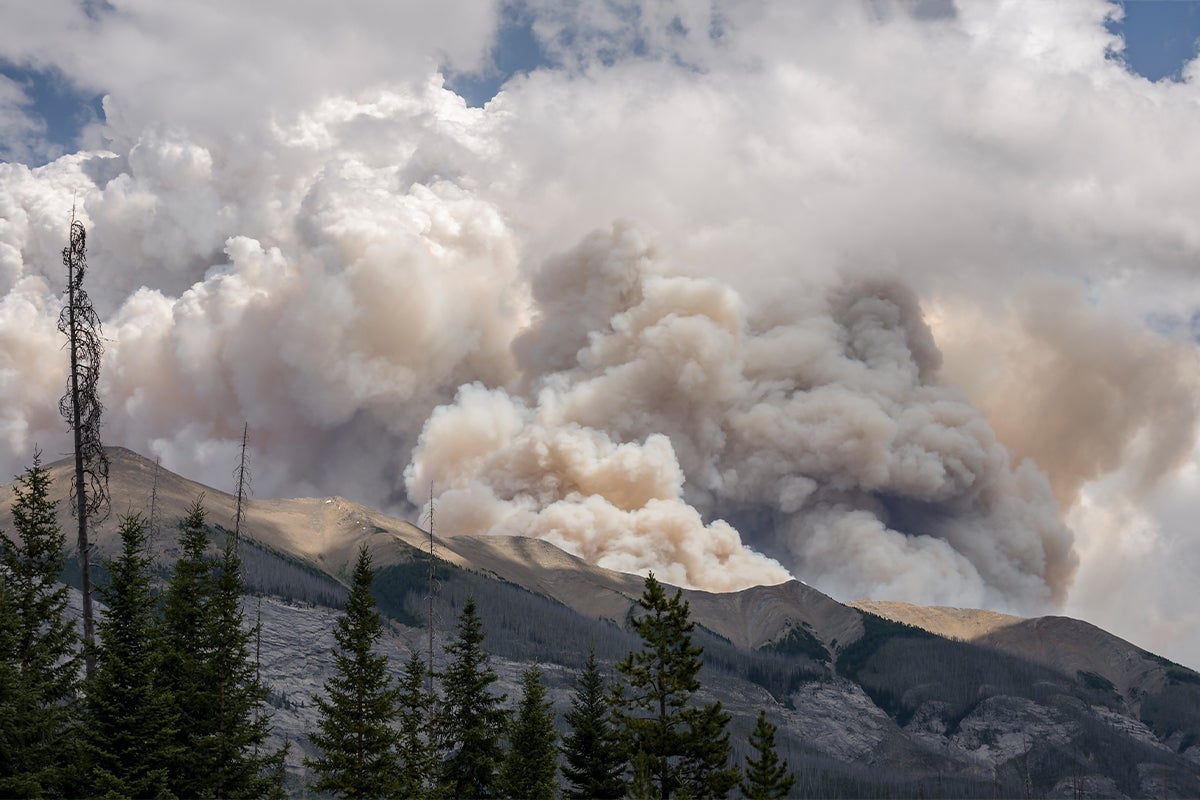
Even after a wildfire has been put out, particulate matter in the air can pose a risk to your health—even when you’re indoors. In the video above, Joe Allen, associate professor of exposure assessment science at Harvard T.H. Chan School of Public Health, describes four methods for reducing your health risk when returning to a burn zone after a fire.
Control indoor air by increasing the level of filtration. For central air systems, Allen recommends a filter with a MERV rating of 13 or higher. A portable air purifier with a HEPA filter is also effective.
Control indoor dust. Avoid tracking in soot and ash from outdoors. Clean surfaces with a damp cloth and use a vacuum with a HEPA filter.
Measure air quality. Low-cost air quality sensors can provide information on how many particles are in the air.
For people returning to homes close to a burn area, take additional precautions. Wear a well-fitting mask or respirator. Allen recommends a P100 mask with a multi-gas cartridge.