Worker health and safety should be greater priority for WHO, experts say

Hundreds of millions of people around the world are injured on the job every year and nearly 3 million die. But worker health and safety is not a core priority of the World Health Organization (WHO), according to experts.
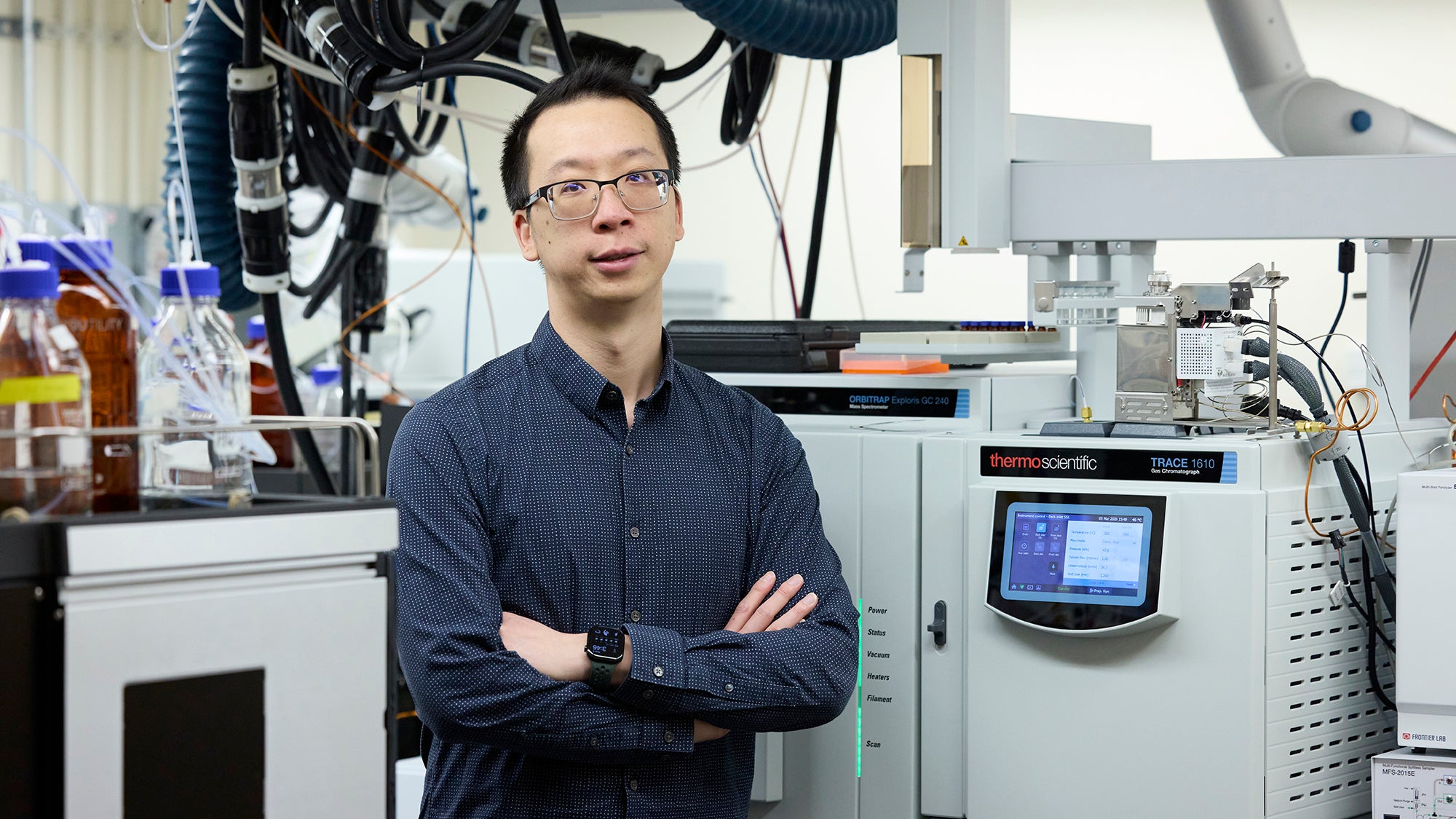
In a May 16 Inside Climate News article, leaders and researchers in occupational health and safety, including Harvard T.H. Chan School of Public Health’s Thomas Gassert, spoke about the magnitude of hazards workers face on the job and said that WHO should include worker health in its strategic plans.
The article listed a number of factors that are increasing risks for workers. On-the-job exposure to climate change-related threats, such as excessive heat and toxic wildfire smoke, is on the rise. The increasing global demand for critical minerals needed for energy technologies is exposing workers to hazardous chemicals and conditions. And, as the market grows for engineered stone used in homes and construction, millions of workers are being exposed to silica dust, which can cause the deadly lung disease silicosis.
Occupational health advocates quoted in the article noted that, last year, after the Trump administration stopped providing the WHO with financial support—representing about 18% of its annual budget—the agency pulled back on past commitments to worker health and safety programs. But even before then, the WHO was retreating from a prior focus on worker health, they said.
Gassert, a core member of the Global Occupational Safety and Health (GOSH) coalition and a department associate in Harvard Chan School’s Department of Environmental Health, said that he hopes WHO will build back strength in occupational health. The agency’s work is particularly crucial, he said, as climate change impacts workplaces, workers, and their homes and families—driving heat extremes, climate emergencies, more air and chemical pollution, infectious diseases, and other challenges.
Read the Inside Climate News article: World Health Organization Must Prioritize Workers, Experts Say