The more optimistic a person is, the lower their risk of developing dementia, according to a new study led by Harvard T.H. Chan School of Public Health.
The study, published April 8 in the Journal of the American Geriatrics Society, was led by Säde Stenlund, research associate in the Department of Social and Behavioral Sciences. Other Harvard Chan co-authors included Hayami Koga, Peter James, Justin Farmer, Colleen McGrath, and Laura Kubzansky.
Previous research has linked optimism and cognitive longevity, but questions remain about the potential for reverse causality—meaning that declining cognitive health may impact optimism levels rather than vice versa. To learn more, the researchers used data on optimism and dementia collected between 2006 and 2020 by the Health and Retirement Study, a nationally representative sample of older U.S. adults. More than 9,000 cognitively healthy seniors completed assessments of their dispositional optimism every four years. Each assessment produced a score of participants’ optimism levels, which the researchers then analyzed in the context of participants’ cognitive outcomes, monitored over the course of the study.
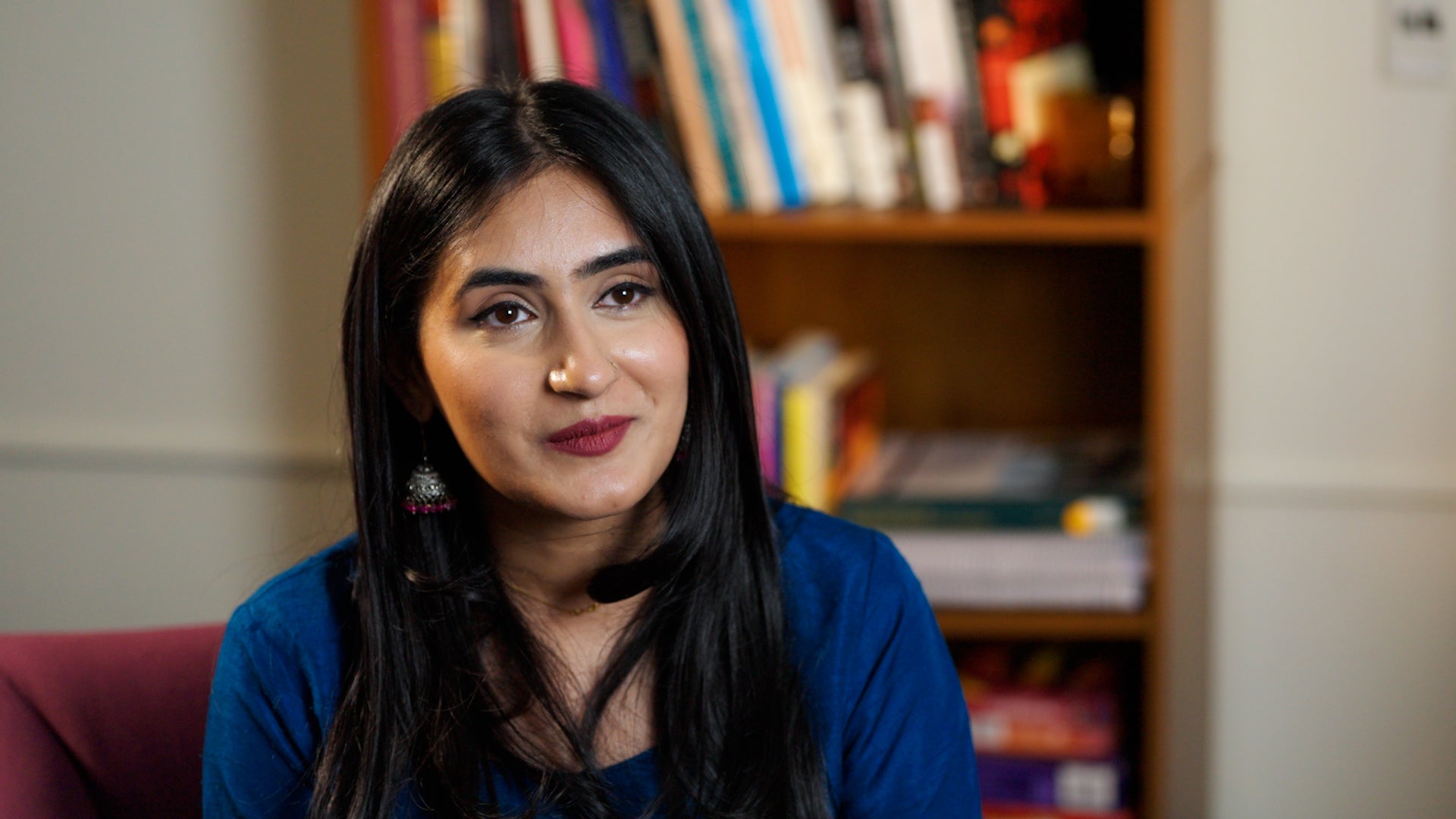
The study found that higher levels of optimism were linked with a decreased risk of dementia. Specifically, every 1-standard deviation increase in a participant’s optimism level score was associated with a 15% lower risk of developing the disease during the study period. In an April 9 Everyday Health article about the study, Stenlund explained that “a 1-standard deviation increase is roughly the difference between someone with average optimism and someone who is noticeably more optimistic than average.”
Given that the study ensured participants were cognitively healthy at baseline, the findings suggest it’s optimism that’s influencing dementia risk as opposed to the other way around. According to Stenlund, as well as physicians quoted by Everyday Health, there are several potential reasons for this: Optimistic people are likelier to exercise and practice other healthy behaviors, manage stress well, be cognitively engaged, and maintain strong social connections—all habits that can help protect brain health.
They also pointed out that optimism is not just an inborn trait; it can be learned and nurtured, even through simple practices like keeping a gratitude list. Stenlund recommended taking a moment each day to jot down three things to be grateful for, a habit that can help cultivate positivity and a sense of a bright future. On a larger scale, the researchers wrote that the study findings could inform dementia prevention initiatives.
Read the study: The Bright Side of Life: Optimism and Risk of Dementia
Read the Everyday Health article: Could a Shift in Attitude Affect Your Dementia Risk?
Read The Times’ coverage of the study: Good news: a positive attitude may reduce risk of dementia
Learn more:
Experiencing gratitude associated with greater longevity among older adults (Harvard Chan School news)
Kindness linked to better physical health, longevity (Harvard Chan School news)