We’re leading the global charge to understand and solve the world’s most pressing environmental health challenges. Learn how we can make an impact together.
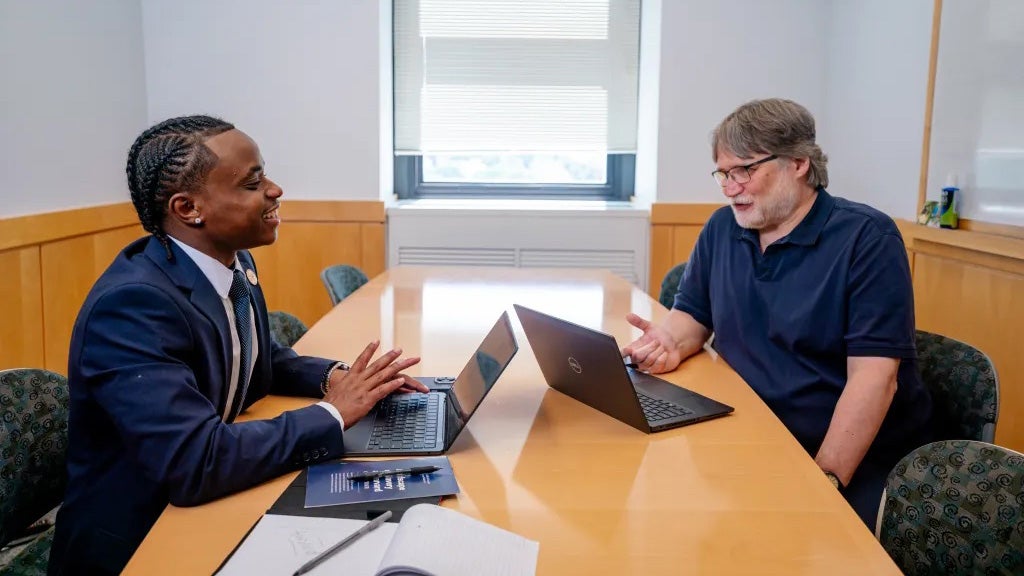
Vanessa Kerry, newly named special envoy for health resilience at WHO, plans to help build health systems so nations can be ready for outbreaks or other emergencies,
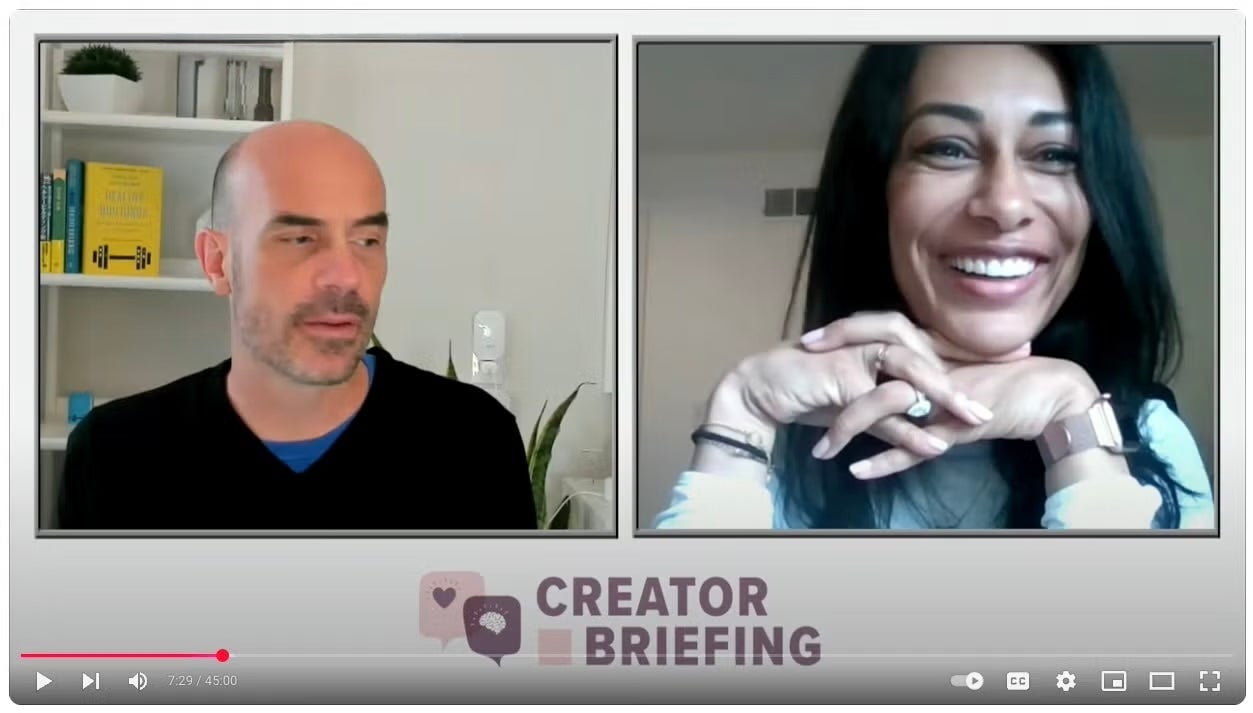
Thanks to a WIN Challenge grant, the Center for Health Communication will help online influencers share evidence-based information about menopause that can prompt employers to provide more support for women workers.
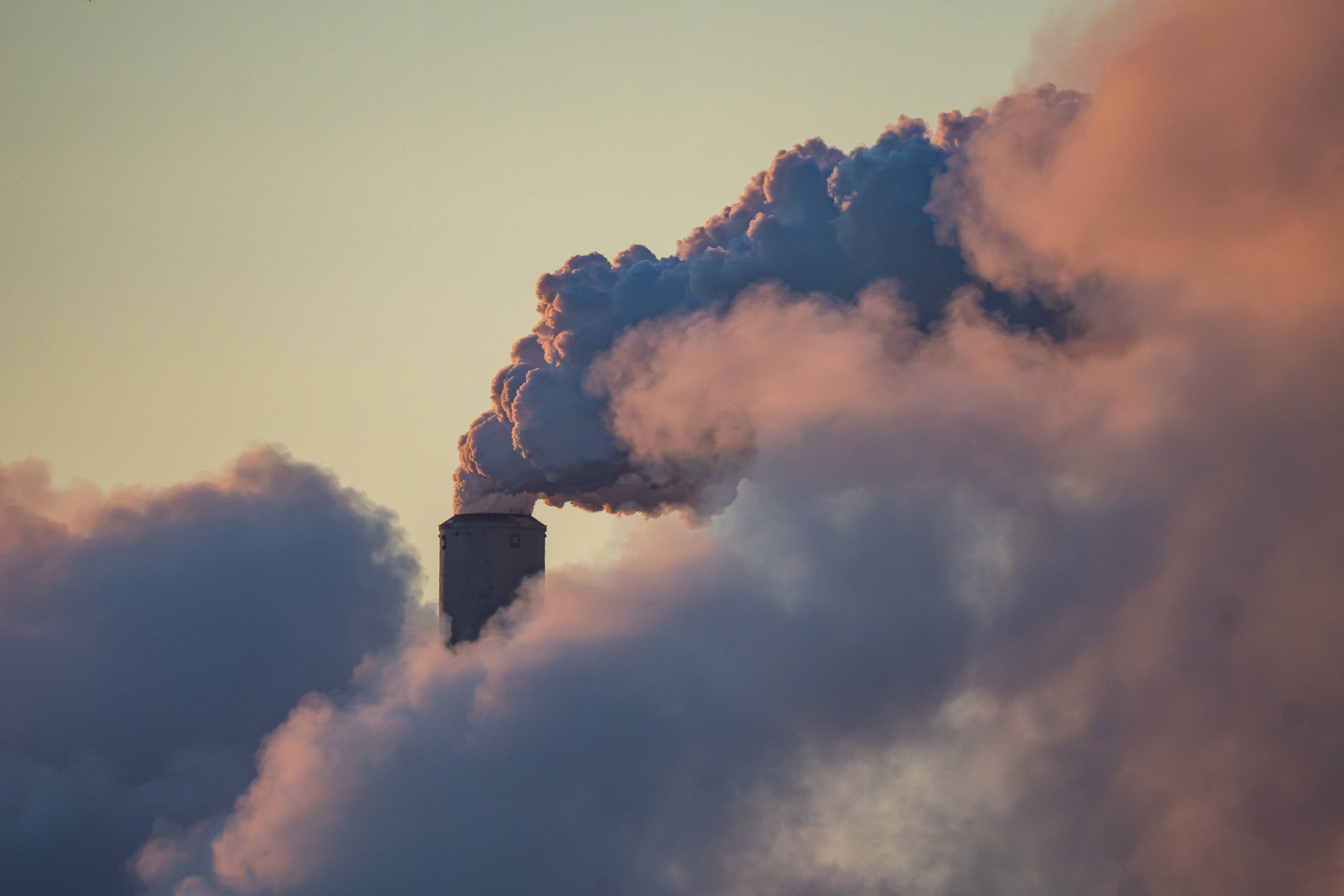
The EPA repealed a Biden-era ruling requiring coal-fired power plants to significantly reduce their emissions of carbon dioxide, the main driver of climate change. How major of a setback is this? Harvard Chan’s Petros Koutrakis weighs in.
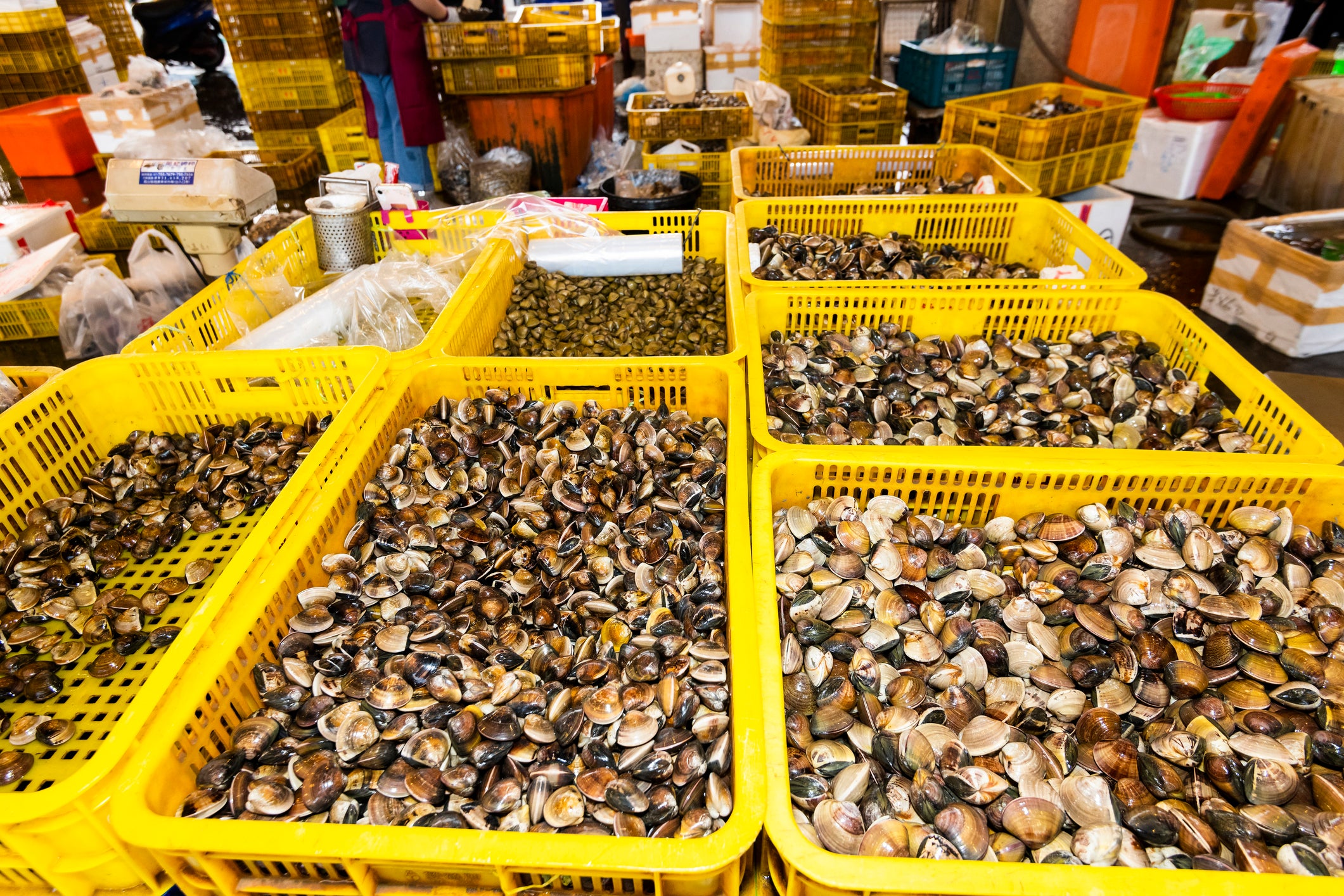
Mussels, crabs, oysters, and other aquatic invertebrates are exceptionally nutrient-dense and an important potential solution to micronutrient deficiencies around the world, according to a new Harvard Chan School study.
A new study uses Truveta Data to assess the health harms of extreme heat in near-real time—creating new opportunities to protect patients and test interventions much faster than previously possible.