Lee Kum Sheung Center for Health and Happiness
The mission of the Lee Kum Sheung Center for Health and Happiness is to build a rigorous and interdisciplinary science of positive health, happiness, and well-being with a focus on health equity, and to translate the science to influence practice and policy.
Kresge Building 6th Floor
677 Huntington Avenue
Boston, MA 02115

Partnerships
The Center’s partnerships connect research with community knowledge, practice, and institutional change. These collaborations thrive on a mutual exchange of expertise, pairing the Center’s research and evaluation capabilities with the invaluable lived experience, local strengths, and cultural perspectives of community organizations.
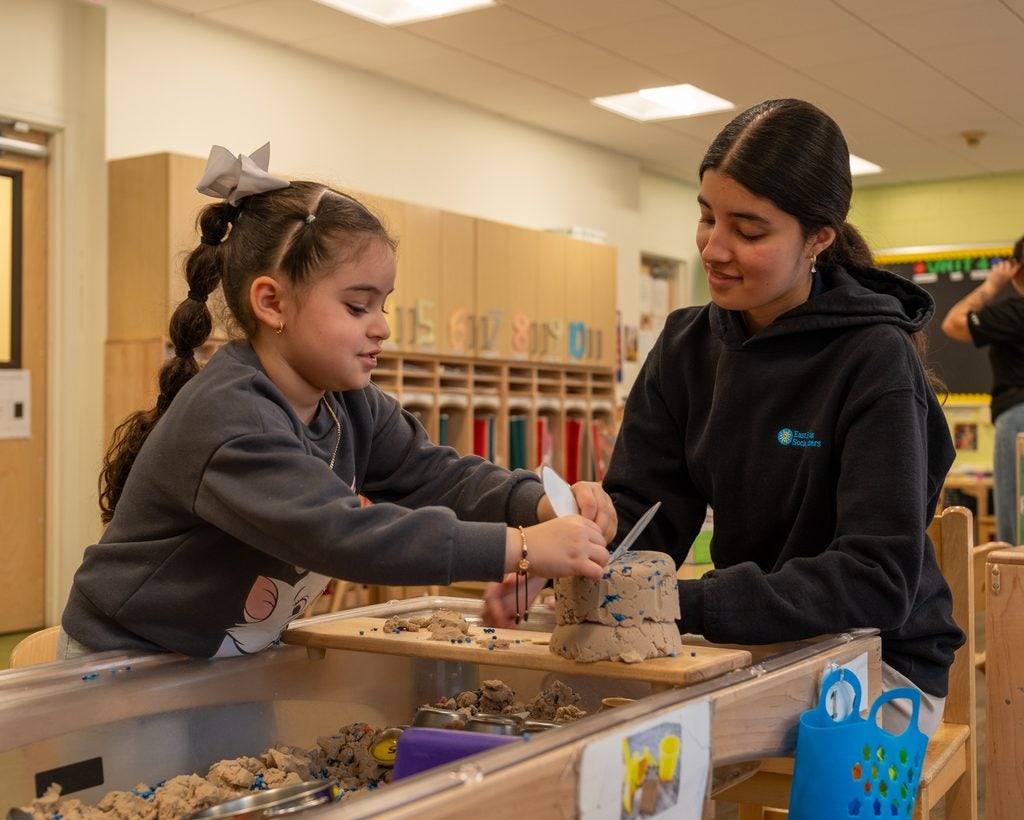
East Boston Social Centers
East Boston Social Centers (EBSC) has served immigrant families for more than a century. In 2025–2026, our partnership expanded through new initiatives. A partnership between the Center, EBSC, Boston Public Health Commission, and MassINC Polling was developed to begin planning a mixed methods study exploring community joy, belonging, and the conditions that help residents thrive. Additionally, EBSC and the Center co-designed a qualitative study examining how EBSC fosters social health and connection through its programs. A practicum student was also placed with the organization, creating a direct opportunity for applied student learning while supporting community-based work.
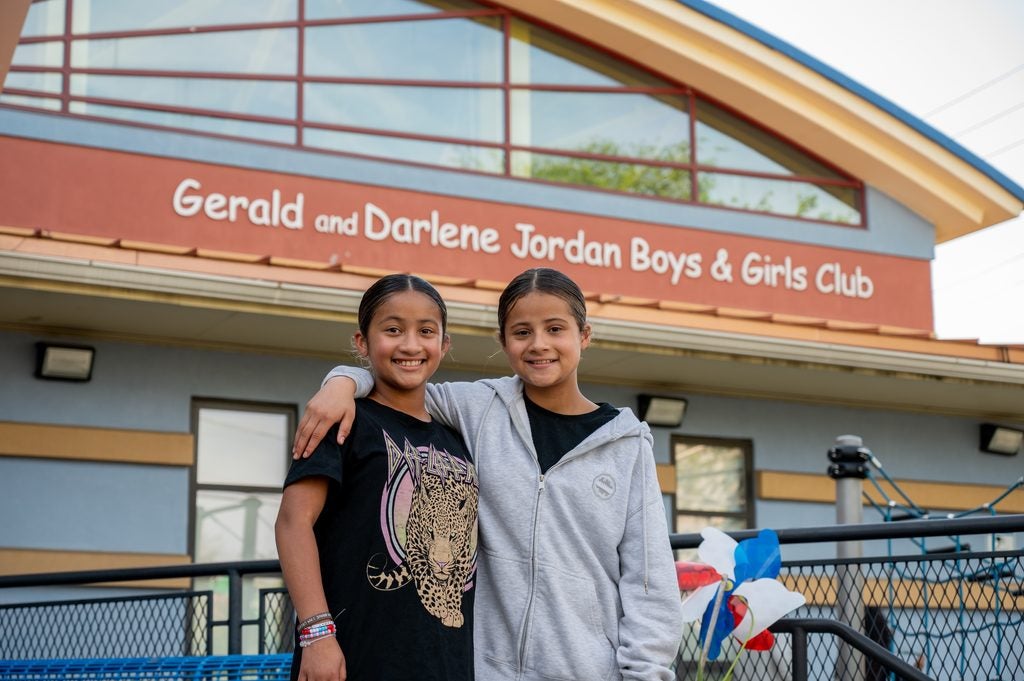
Boys & Girls Club of Boston
Boys & Girls Club of Boston (BGCB) provides young people across the city with supportive environments and opportunities for learning, leadership, and personal growth. In May 2025, the Center launched their partnership with the Club. The two organizations worked together to develop a qualitative study exploring how young people experience belonging and whether staff feel supported and equipped to meet members’ needs. The Center also worked with the BGCB team to design participatory, developmentally appropriate ways to engage youth—generating insights to strengthen connection and well-being for members and staff alike.

Salaam Bombay Foundation
Since 2019, the Center has partnered with the Salaam Bombay Foundation in Mumbai to study how life-skills education, health literacy, and leadership opportunities shape the well-being of adolescents from low-income communities. The longitudinal study has enrolled approximately 9,400 students across three cohorts. Preliminary findings show that as these adolescents age, their sleep quality declines and they increasingly rely on the internet for health information. These shifts highlight how evolving digital and social environments influence youth development. The next wave of data collection is being planned.
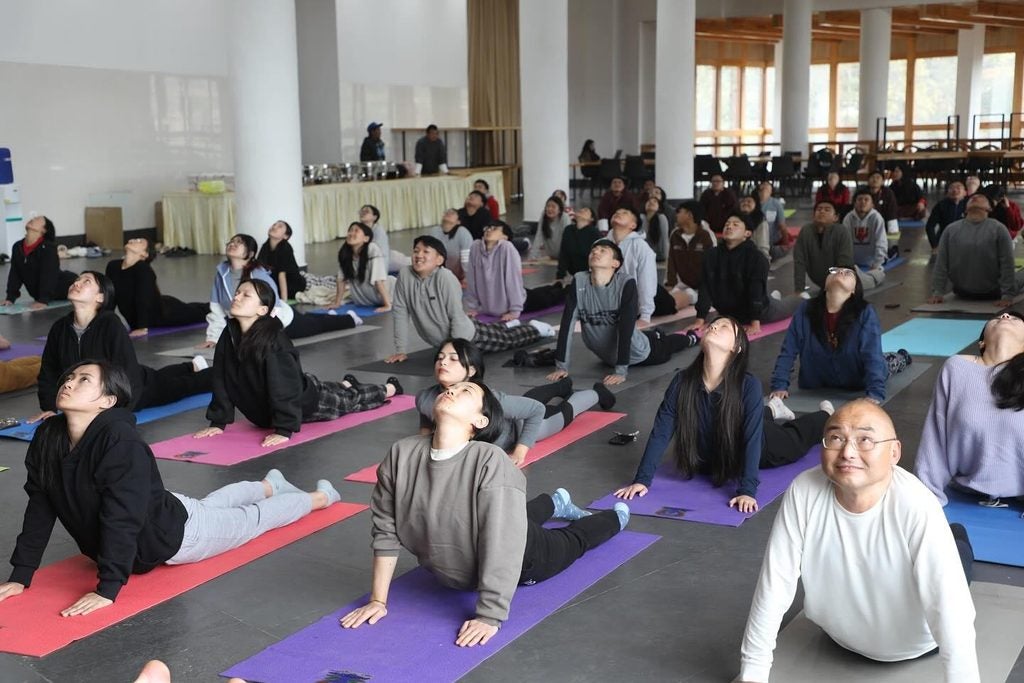
Photo by Jigme Singye Wangchuck School of Law Well-being Centre
Jigme Singye Wangchuck School of Law Well-being Centre
Since January 2025, the Center has partnered with the Well-being Centre at the Jigme Singye Wangchuck School of Law in Bhutan, which offers students mindfulness, mentorship, academic support, and student-led programming. In 2025–2026, the Center supported a census survey examining well-being across the law school’s student population. The Center is now working with the Well-being Centre to interpret the results and identify priorities for evidence-based interventions responsive to the school’s distinct context.