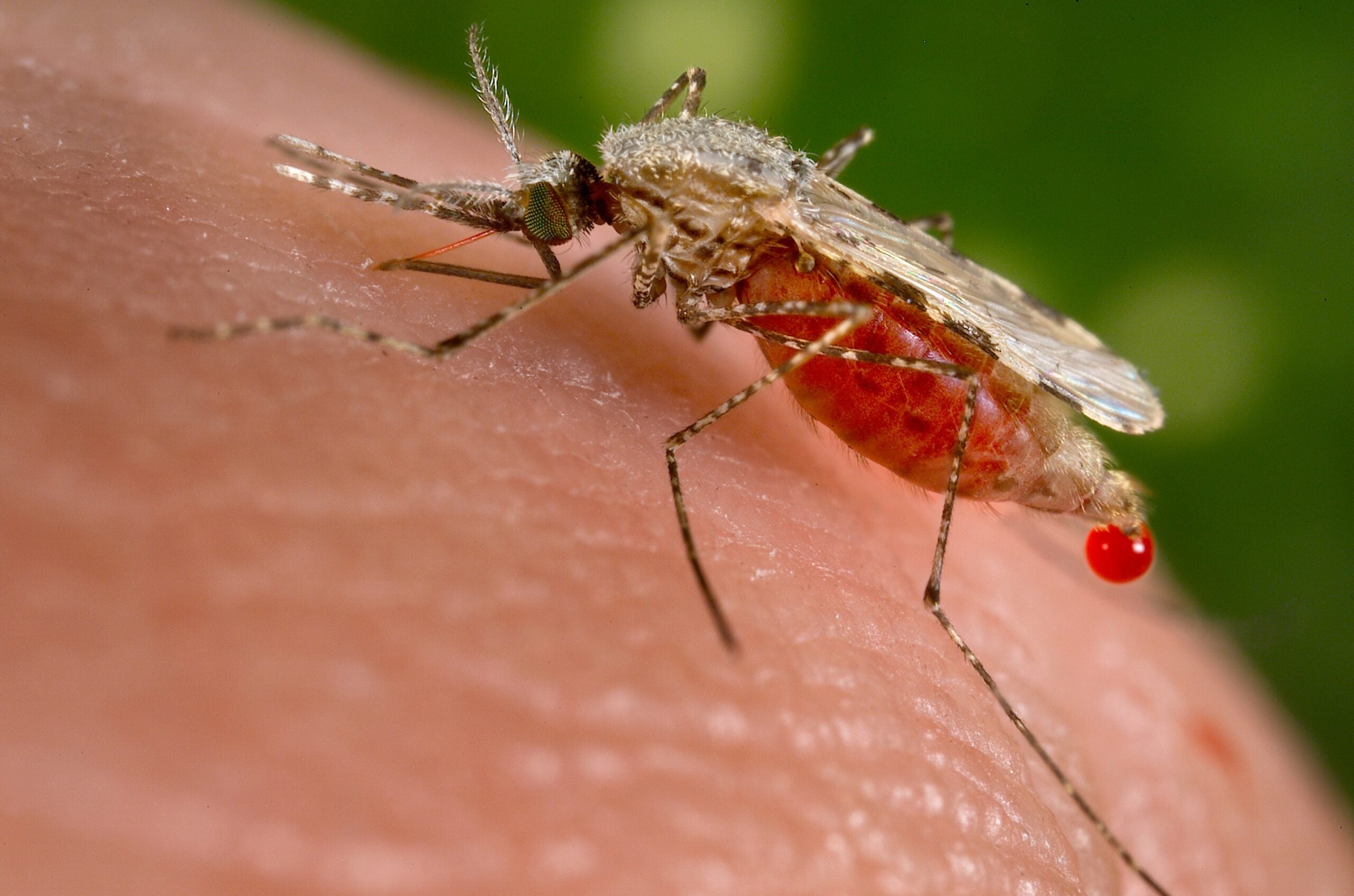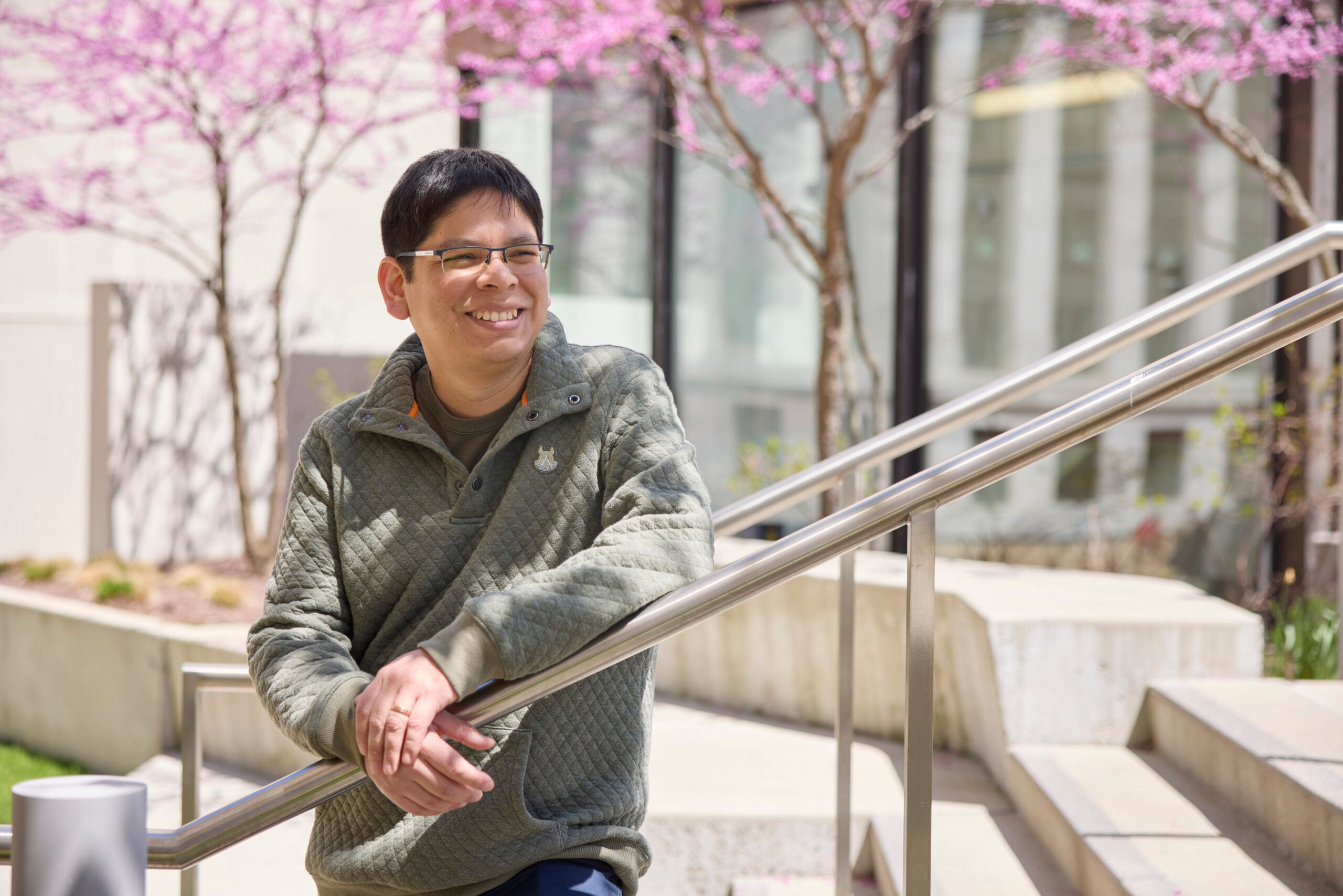
Paulo Manrique, PhD ’26, is making novel discoveries about the transmission of malaria in Central America, helping the region’s health ministries develop molecular surveillance capacity to monitor and combat the disease.
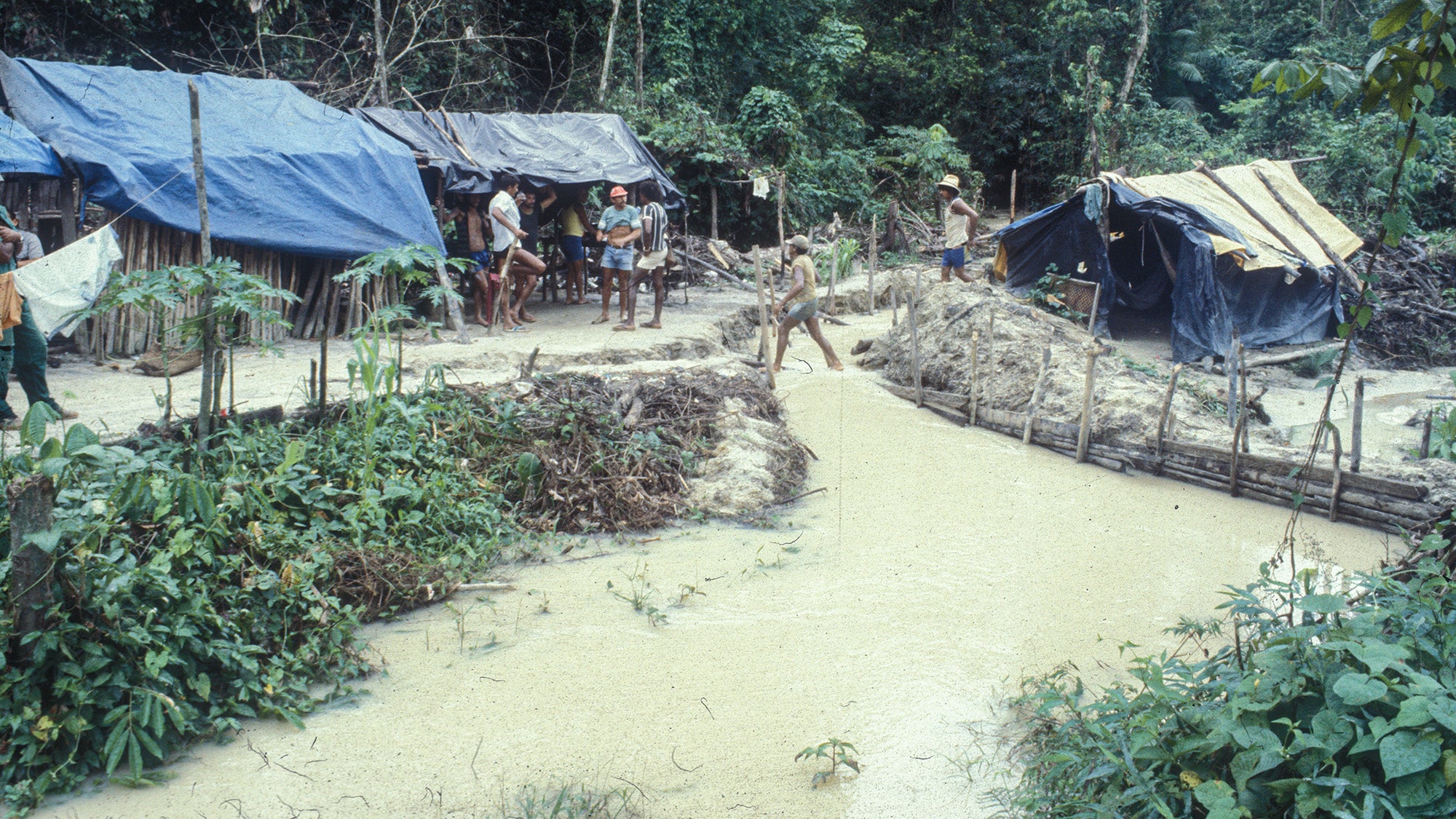
Paulo Manrique never planned on pursuing a doctorate, nor on leaving his native Peru. He happily lived in his hometown of Lima with his wife and dogs. His master’s degree in biochemistry and molecular biology had already exceeded familial expectations. And he was enjoying a successful career as a research assistant in a malaria research lab, studying the disease in isolated, underserved communities deep in the Peruvian Amazon.
But years into his role, as he took on more responsibilities in the lab, Manrique sensed that, in order to best help governments combat malaria and other infectious diseases, he needed further training in molecular surveillance techniques and public health decision-making. His best option, he decided, would be far from home, at Harvard T.H. Chan School of Public Health.
“Resources in Lima are limited. We don’t have many people available to manage fieldwork, to generate genomic data, to analyze that data and translate it. I had to learn a lot of those skills on my own, or by attending workshops and internships abroad,” he said. “The problem with self-education is that there will be gaps, and it’s impossible to learn everything you need without mentorship. That’s why I decided to get a PhD, and why I chose Harvard Chan School. I wanted an interdisciplinary education, to learn how to tackle one specific problem from all sides, in different ways.”
So in 2021, Manrique said goodbye to his loved ones, steeled himself to face a language barrier, and moved to Boston to begin his studies in Harvard Kenneth C. Griffin Graduate School of Arts and Sciences and Harvard Chan School’s Biological Sciences in Public Health program. This May, he walked across the stage at Harvard Chan School’s Convocation ceremony, cheered on by his wife and mother.
Migration and malaria
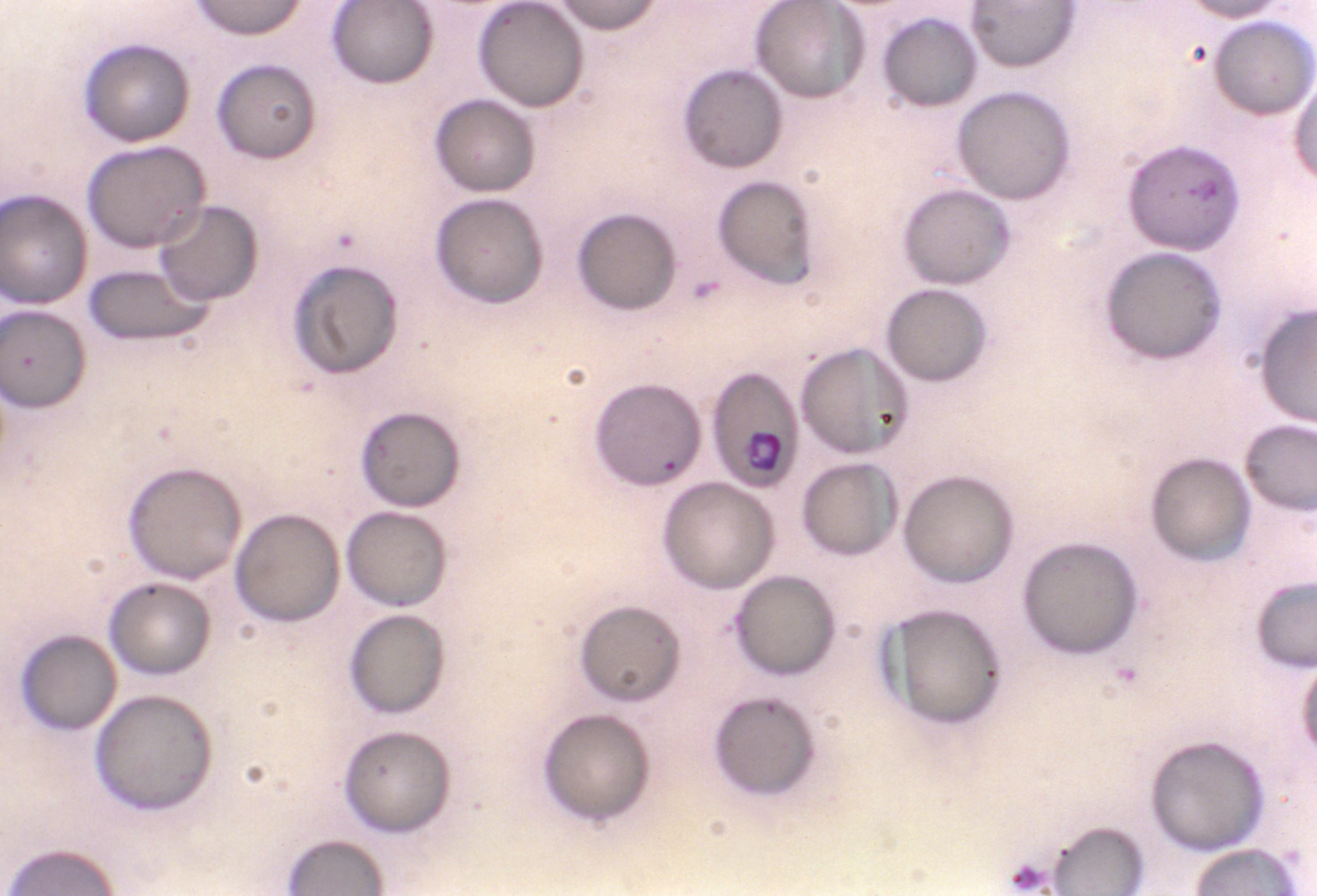
Manrique was an undergraduate when he began working at the Amazonian International Center of Excellence in Malaria Research (ICEMR Amazonia), a network of academic labs across Brazil, Peru, and the U.S. dedicated to studying malaria and developing elimination strategies in the Brazilian and Peruvian Amazon. As a research assistant in ICEMR Amazonia’s hub in Lima, Manrique’s first major responsibility was examining blood samples collected in remote Amazonian communities for malaria parasites. The goal was to see how many people were infected with malaria—even asymptomatically—and uncover the true burden of disease in these populations, for whom health care is largely out of reach.
Eventually, Manrique took on another major job in the lab: managing all fieldwork logistics, from training staff to collecting blood samples to the safe transport and preservation of samples over a sometimes 12-hour journey from the Amazon to Lima. As his role expanded, so did Manrique’s curiosities. He and his lab colleagues began exploring not just how much malaria was present in remote communities, but also the specific types of the disease and from where they were originating.
On his own, Manrique began wondering how to translate the lab’s research into action: How could the findings on the genetics of malaria be used to develop cost-effective intervention strategies tailor-made for hard-to-reach populations?
At Harvard Chan School, Manrique focused on finding answers to these questions. Under the mentorship of Daniel Neafsey, associate professor of immunology and infectious diseases, Manrique learned cutting-edge genomic sequencing methods that could reveal in great detail a pathogen’s genetic makeup. He used these skills to conduct research for his dissertation, which asked why Central America—a region spanning Panama to Guatemala—has experienced a resurgence of malaria since 2020. Manrique sequenced nearly a thousand Plasmodium vivax malaria parasites from Central and South America and analyzed their genomes to trace their origins and the disease’s transmission patterns.
A common hypothesis has been that the region’s increase in malaria cases is a consequence of increased migration from Venezuela, with people carrying the disease and importing it to Central American countries during their northward journey to the U.S. Manrique’s research disproved this idea: According to his findings, imported cases of malaria are rare in Central America, meaning the region’s ministries of health should look within their own populations for trends that explain increased transmission, such as higher within-country mobility. For the few imported cases Manrique did identify, none originated in Venezuela, meaning migrants were carrying malaria parasites they got infected with during migration—likely while living outdoors traversing the Darien Gap, a remote area on the border between Colombia and Panama.
Building Latin American surveillance capacity
Manrique has presented his dissertation research to the ministries of health of Panama, Colombia, and Guatemala, sharing with them not only takeaways about regional malaria transmission, but also the importance of malaria molecular surveillance. His ultimate goal is to develop easier-to-use tools for these agencies, and other public health practitioners who may not have his same depth of training, to analyze malaria parasite genomics to track disease transmission, detect new outbreaks, and monitor drug resistance.
He and Neafsey Lab colleagues have also been working on building a network of researchers and public health practitioners in Latin America who are dedicated to exchanging molecular surveillance knowledge and tools and establishing a shared repository of genomic data for the region’s malaria parasites.
“Paulo is a very enthusiastic teacher and has dedicated extensive—perhaps excessive!—time training and mentoring collaborators from countries including Panama, Ecuador, Peru, and Colombia, passing on to them the skills he’s built in molecular data generation and analysis,” Neafsey said. “He is passionately committed to building capacity for molecular surveillance of malaria parasites in Latin America.”
“I’ve had the opportunity to interact with, learn from, and collaborate with a lot of people from outside research institutions, governments, and nonprofits,” Manrique said. “There’s a level of connectivity at the School that I didn’t have before—one that has allowed me to scale up my work from the local level.”
Manrique names his labmates and mentors—including Neafsey and Dyann Wirth, Richard Pearson Strong Professor of Infectious Diseases—as among his most important connections.
“I came to Harvard Chan School to work with people who go deep, and that’s what I’ve found,” Manrique said. “As my primary mentor, Dan has been the person who’s both the most supportive and the most helpfully critical of my work. Dyann has taught me how to challenge my own ideas. And my fellow researchers in the lab have been great to work with, whether we’re bouncing ideas off each other in a meeting or having fun at a happy hour. One of my colleagues in particular could basically read my mind. We connected very fast, and every time one of us would propose something, the other would complete the idea.”
Looking beyond malaria
As a newly minted PhD, Manrique is headed home to Peru, on the lookout for academic positions there or elsewhere in South America. He’s planning on continuing to work on malaria molecular surveillance, but also expanding his reach to other diseases, as well.
“I like studying malaria; I’ve been doing it for so long. But I also see malaria as a model for how we can apply molecular surveillance to other pathogens, and how we can bring visibility and resources to other diseases that stay largely neglected because they mostly affect poor populations who don’t have adequate access to health care,” Manrique said. “What motivates me is helping these people—and using malaria as a tool to do so.”