Cyclosporiasis outbreak: What to know
Cyclosporiasis, a parasitic gastrointestinal illness, is spreading across the U.S., sickening thousands and hospitalizing hundreds. Below, Bill Hanage, professor of epidemiology at Harvard T.H. Chan School of Public Health, shares what’s important to know about the disease and this atypically large outbreak.
Update: As of July 30, cases of cyclosporiasis are still rising throughout the country. Federal health officials continue to investigate, believing there could be multiple outbreaks from different sources, beyond the outbreak linked to iceberg lettuce grown by Taylor Farms (which on July 17 issued a recall).
Q: What is cyclosporiasis?
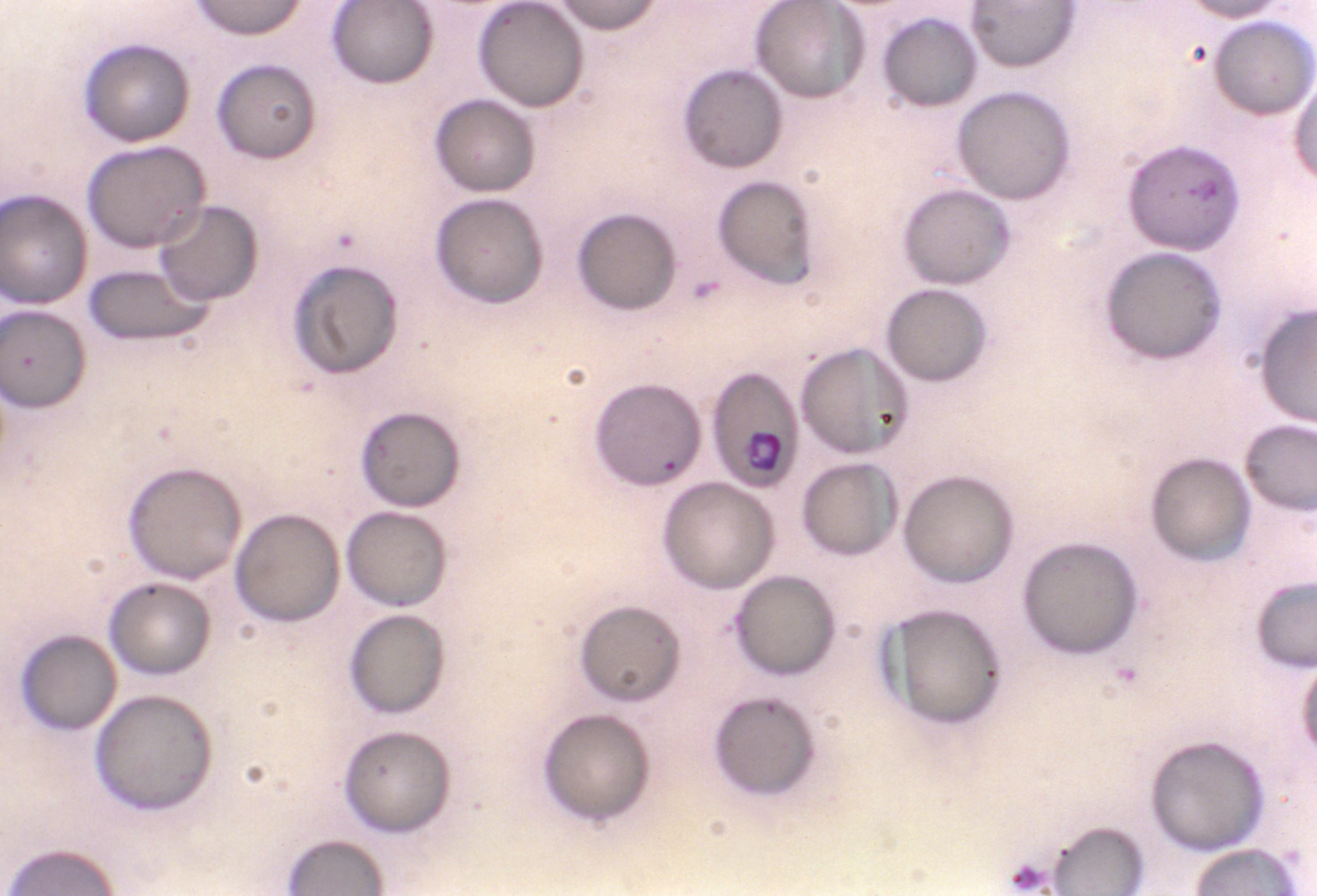
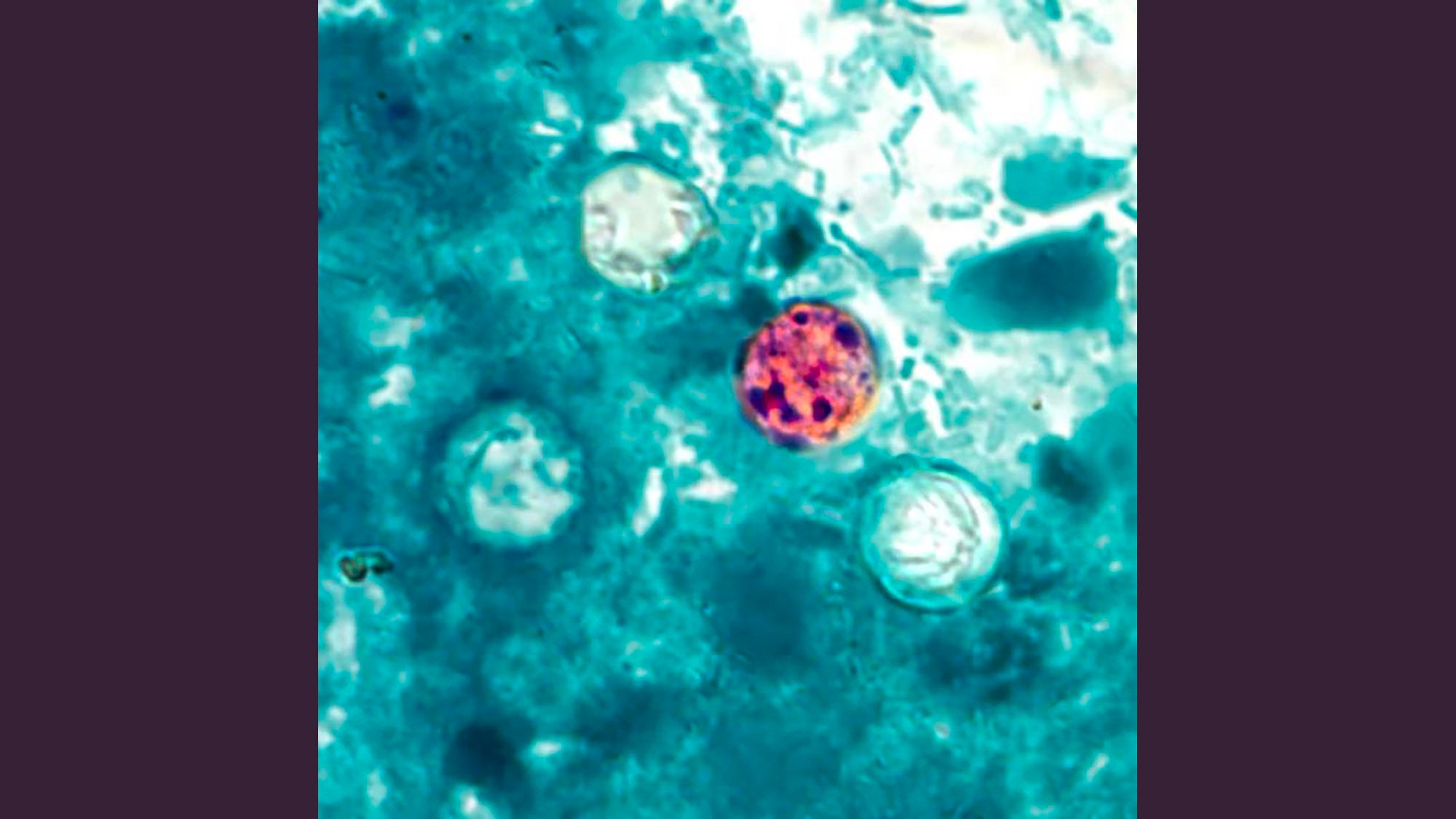
A: Cyclosporiasis is an illness characterized by watery diarrhea, caused by the protozoon parasite Cyclospora cayetanensis. It typically spreads through contaminated water or food, especially leafy greens like lettuce or cilantro. Importantly, the Cyclospora parasites shed during infection are not immediately infectious, so direct person-to-person spread is not driving this outbreak, in contrast with something like norovirus.
Cyclosporiasis usually resolves on its own but can be prolonged, lasting weeks in some cases. And it can follow a relapsing course, meaning people feel better for a while before getting sick again. Cyclosporiasis can become dangerous when someone infected becomes severely dehydrated from diarrhea. A very small proportion of cases require hospitalization. For treatment, the antibiotic trimethoprim-sulfamethoxazole (brand name Bactrim or Septra) is effective, alongside supportive care to prevent dehydration.
Q: Is this illness always lurking? What’s behind the current outbreak?
A: There have actually been many cyclosporiasis outbreaks, they’ve just not been at this scale. They tend to occur during spring and summer, as warm conditions are required for Cyclospora parasites to mature to the point of becoming infectious.
This year, cyclosporiasis cases began to tick up in late spring, notably in the Northeast. We’re now seeing extremely rapid growth in the Midwest, especially Michigan, producing an outbreak of record size. In fact, the outbreak is certainly even larger than headline figures suggest, because most cases of diarrhea don’t get tested. It is also a nationwide problem, and the apparent epicenter in Michigan likely reflects more testing and attention in that state as opposed to more cases.
We don’t yet know the specific source—or sources—of this current outbreak. Outbreak investigators interview people who have fallen ill, trying to figure out what they might have eaten in common that could have led to them becoming infected. But cyclosporiasis has an incubation time of about a week to ten days. Can you remember what you ate a week ago? The most commonly contaminated items are also frequently found in lots of different meals—lettuce is in burgers, burritos, side salads, etc.—and have long, complicated supply chains, making it harder to track them.
Q: What’s challenging about this outbreak, and what’s needed to get it under control?
A: To get it under control we need to identify the source, and that is hard. It is also true that public health in the U.S. is chronically overburdened. There are too few outbreak investigators, and those we have are under-resourced and overworked. Once a potential source has been identified, it must be promptly communicated. Michigan officials have recently pointed to lettuce, which would fit with previous outbreaks. Given that this is a national problem it would benefit from coordinated communication through the Centers for Disease Control and Prevention, which has so far been lacking.
Q: How might the outbreak continue to unfold, and what should people keep in mind for their own health and safety?
A: Even if the outbreak’s source can be identified and pulled, people who are already infected will continue to fall ill for a week or so, reflecting cyclosporiasis’ incubation period. And given the scale of the outbreak in numbers and geographic spread, there may well be multiple sources. So we can expect this to be around for a while, at least until August. As the weather gets cooler in September, that will start to prevent the parasite from maturing and will turn the odds in our favor.
I’d encourage people to remember that, despite all the news you’re likely seeing, cyclosporiasis is still uncommon. You are far more likely to get norovirus. That said, if you’ve been having watery diarrhea on and off for weeks, it might be cyclosporiasis and you should give your doctor a call.