Ebola’s spread fueled by cuts in humanitarian aid
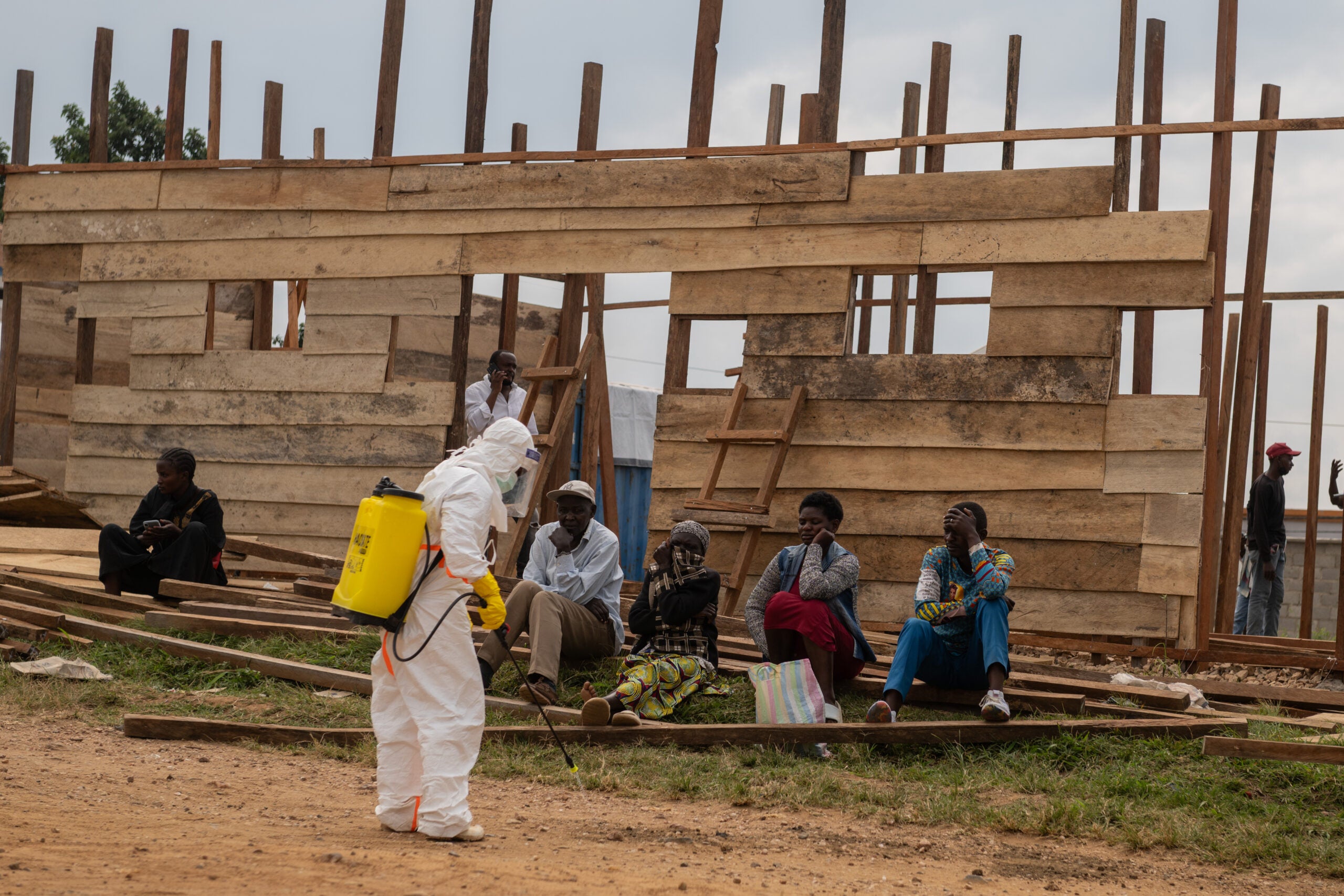
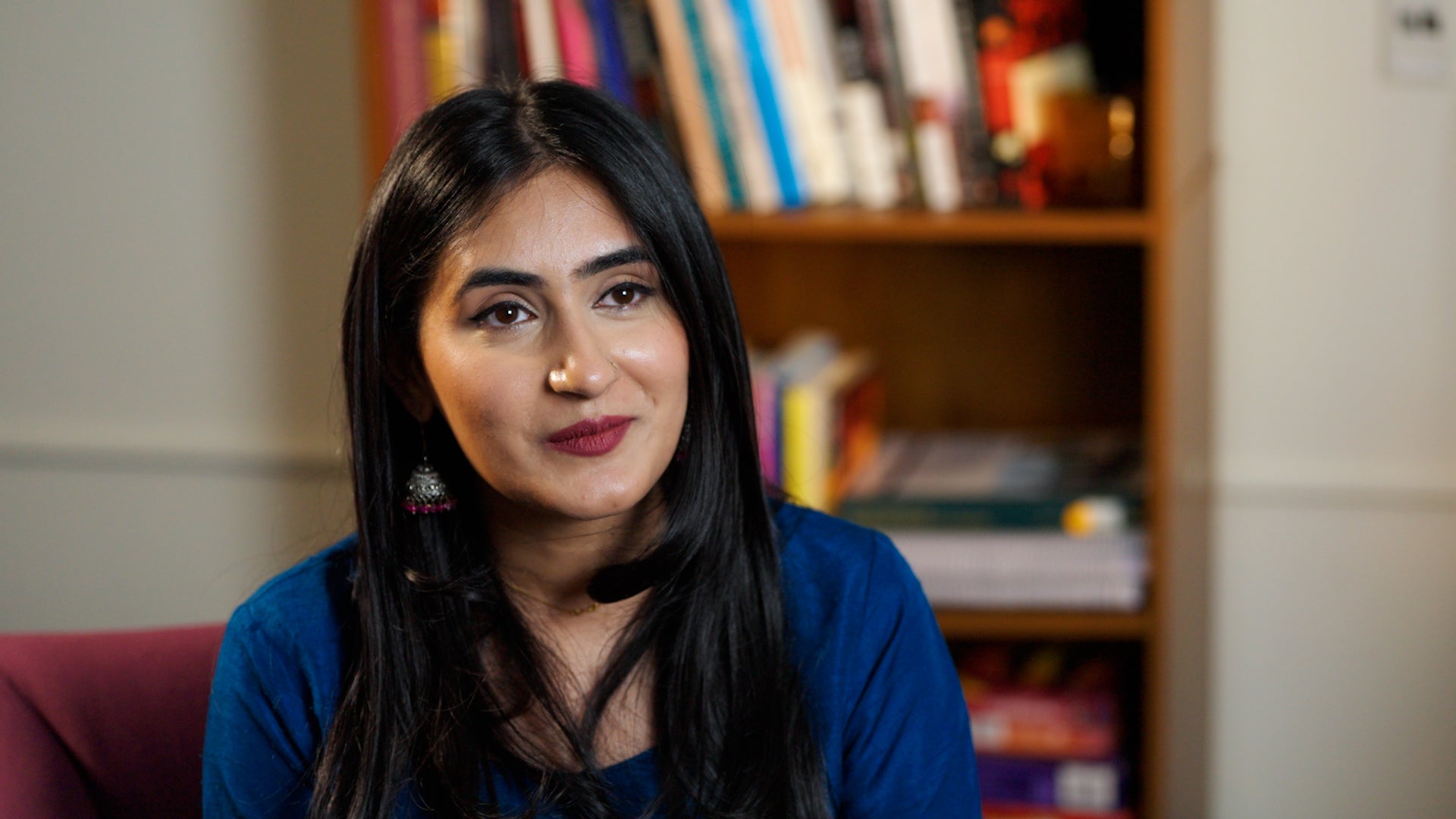
The Bundibugyo strain of Ebola—for which there are no drugs or vaccines—continues to spread in the Democratic Republic of the Congo (DRC) and Uganda and threaten neighboring countries in Central Africa. A month after the World Health Organization declared a public health emergency of international concern, many experts are tracing the outbreak’s magnitude in part to disinvestment in global health security, including through the July 2025 dismantling of the U.S. Agency for International Development (USAID), which had led the U.S.’s humanitarian and development efforts abroad since the 1960s. The vast majority of staff and projects were terminated; those remaining were absorbed by the U.S. State Department. Here, Phuong Pham, associate professor in the Department of Global Health and Population, weighs in on how the shuttering of USAID and other foreign aid cuts have contributed to the current spread of Ebola—and what it might mean for global health security in the future.
Q: How did USAID respond to previous outbreaks of Ebola?
A: The U.S. was always a global leader in combating infectious outbreaks like Ebola, from both a preparedness standpoint and a response standpoint. USAID was its main operational arm for doing so. The agency maintained a robust, permanent presence in countries like the DRC, where Ebola outbreaks typically occur, and invested in strong surveillance systems there to catch outbreaks as early as possible. This involved not only strengthening laboratory capacity to test for Ebola but also training local health care workers to recognize signs of the disease and take steps to quickly get samples to the lab. Once an outbreak was underway, USAID would deploy emergency staff to boost capacity on the ground; provide critical resources such as personal protective equipment; and connect agencies like the World Health Organization, UNICEF, ministries of health, and other local and international response organizations to technical expertise from the U.S. Centers for Disease Control and Prevention (CDC).
The last time there was a major Ebola outbreak in the DRC, in 2018, USAID coordinated efforts to train thousands of local health workers, conduct contact tracing, increase laboratory capacity to test for Ebola, and vaccinate more than 300,000 people against the disease.
Q: Is the U.S. providing any resources to combat the current Ebola epidemic? How has the shuttering of USAID affected the overall response?
A: In mid-May, the U.S. State Department said it would send $23 million in emergency funding for the DRC and Uganda to support Ebola surveillance and prevention efforts and to stand up 50 new clinics dedicated to Ebola screening, triage, isolation, and treatment. It also pledged to send some emergency staff, mostly from the CDC, to provide expertise and help coordinate efforts across ministries of health and humanitarian organizations.
This support is much needed and may save lives. That said, emergency response cannot fully substitute for the sustained investments that are needed before an outbreak begins.
Reports suggest there was a significant delay between the earliest suspected Ebola cases and the official declaration of the outbreak. That delay appears to reflect multiple roadblocks to detection: Community surveillance did not identify and report early warning signs quickly enough; local laboratory capacity was not equipped to detect this particular Ebola species; and samples had to be transported to a laboratory with the right testing capacity. In an outbreak where every day counts, that lost time matters. By the time the outbreak was confirmed, the virus had already spread.
There are real limits to what can be done now compared with what could have been done earlier. In theory, some of the funding now being mobilized for emergency response could have been invested in preparedness, and we might be dealing with a smaller, more contained outbreak today. I hope that idea can sink in among policymakers, and maybe it is, as the State Department more recently pledged an additional $20 million to support Ebola preparedness efforts in neighboring countries like Burundi, Kenya, Rwanda, and South Sudan.
Viruses don’t respect borders and can use weaknesses in our global health security systems to thrive and propagate. So it’s in the best interest of everyone—Americans included—to keep these systems strong.
Phuong Pham, associate professor in the Department of Global Health and Population
Q: Beyond the dismantling of USAID, have there been other cuts to global health funding that are now impacting how this outbreak is unfolding?
A: Definitely. Many Western nations are drastically reducing their foreign aid budgets, and as a result, governmental and non-governmental global health and humanitarian organizations, even highly prominent ones, have had to significantly shrink their staffs and scale down their operations. It’s not just USAID’s presence that has been missing from Central Africa; it’s USAID’s partners, too. Overall, there are far fewer experts—both international and local—on the ground doing the work needed to prevent outbreaks.
This work isn’t just maintaining our surveillance systems, as we discussed. It’s also building trust, which underpins these systems and any response efforts. We’ve lost so many professionals, in this region and around the world, who know local languages and customs and context, and who over time established trust with communities so that their work there is accepted and effective. This brain drain in the global health workforce has likely weakened health and surveillance systems, creating conditions for viruses to spread. As part of the current response, there is investment to build more clinics to screen for and treat Ebola, but clinics alone will not stop transmission if communities do not trust them or if there are not enough trained staff to run them. Looking ahead, effective testing and eventual rollout of a vaccine for this Ebola strain will require deep community engagement. The question is whether we still have the workforce needed to build that trust and secure community buy-in for a new vaccine.
Q: How might this brain drain reverberate beyond the current Ebola outbreak?
A: Perhaps we saw it best during the COVID-19 pandemic: Viruses don’t respect borders and can use weaknesses in our global health security systems to thrive and propagate. So it’s in the best interest of everyone—Americans included—to keep these systems strong. This Ebola outbreak is putting the U.S.’s disinvestment in preparedness on display and showing the consequences of our distance from the systems we helped create and used to lead. Today that is having devastating impacts on people in Central Africa. If we don’t reinvest and reconnect, where and who may be put in danger next?
Q: What’s the best way for the U.S., and other countries with reduced foreign aid budgets, to reinvest and reconnect?
A: Many governments of countries like the DRC—those with weak health systems that are hard-hit by infectious outbreaks—want to lead their own efforts to strengthen their health and surveillance systems. The global community should support their leadership and invest in durable local capacity: trained health workers, trusted community networks, laboratory infrastructure, surveillance systems, and financing mechanisms that allow countries to detect and respond to outbreaks early.
Learn more:
What to know about Ebola and the latest major outbreak (Harvard Chan School news)