Building a career at the intersection of animal and human health
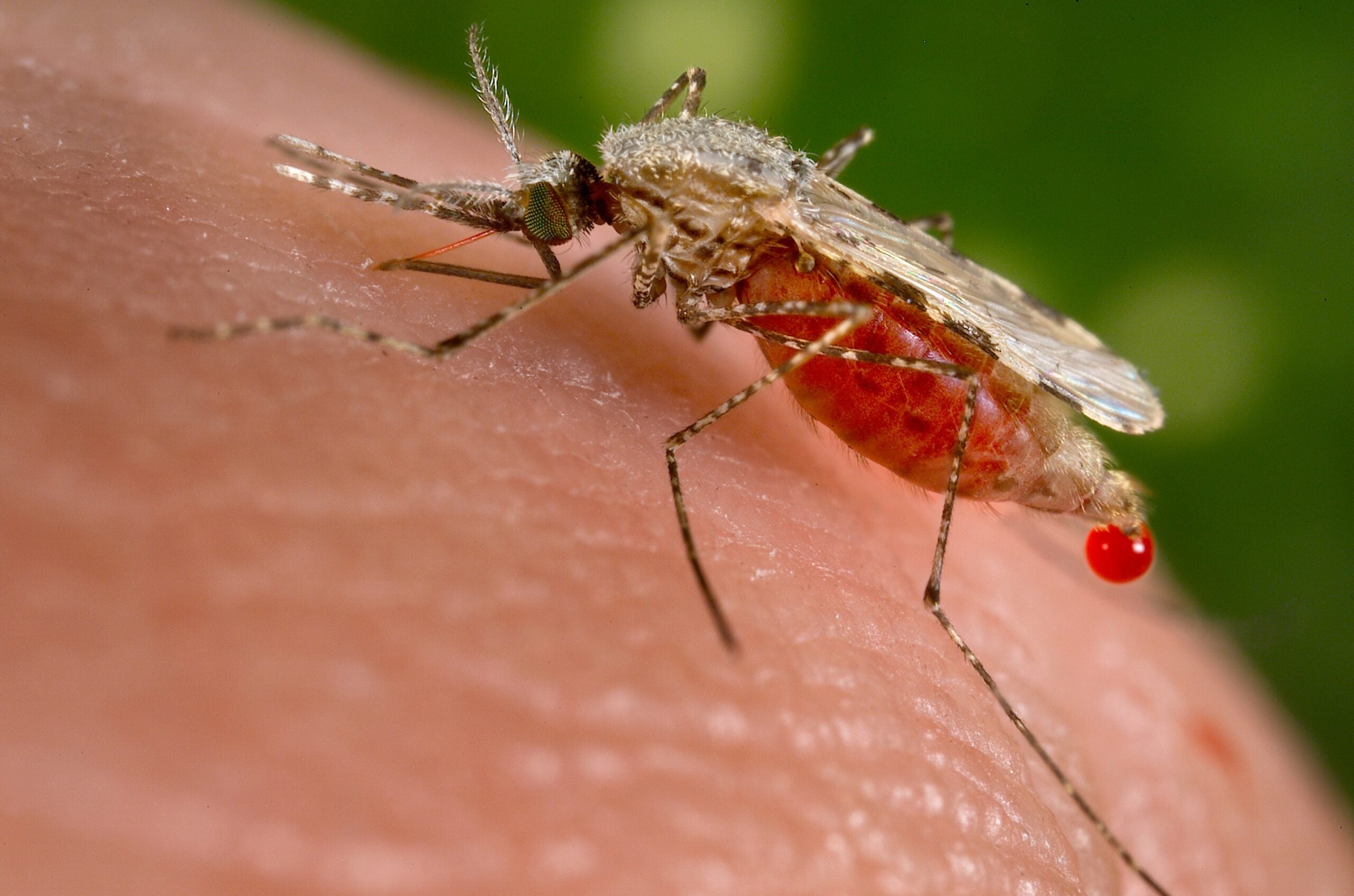
From zoonotic diseases such as SARS-CoV-2 and HIV to antimicrobial resistance driven by the overuse of antibiotics in livestock, the health of humans and animals is deeply interconnected. That principle shaped the work of Harvard T.H. Chan School of Public Health graduate James Steele, MPH ’42, whose pioneering efforts at the Centers for Disease Control and Prevention and elsewhere earned him recognition as the “father of veterinary public health.”
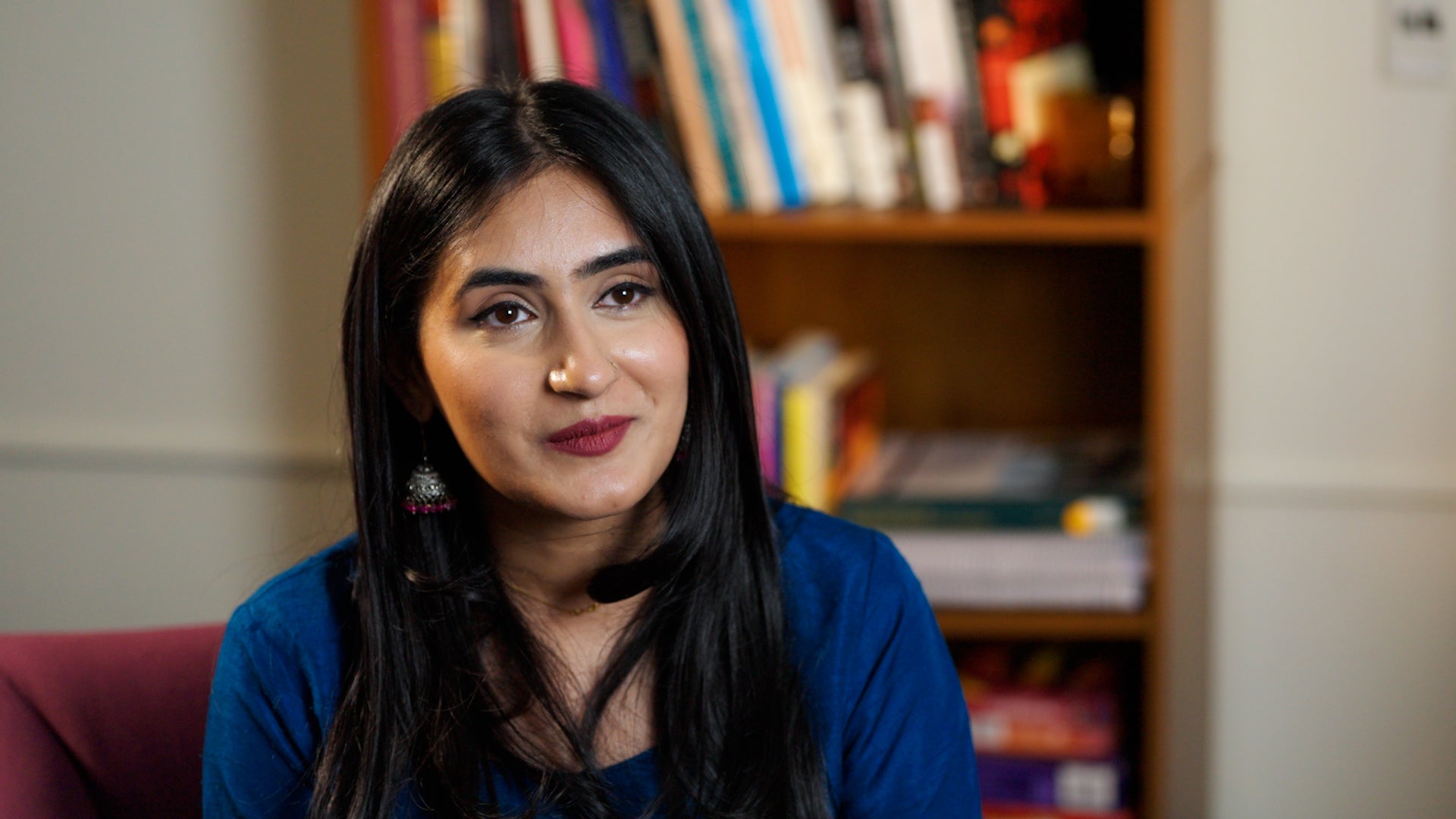
More than 80 years later, students with veterinary training continue to build on Steele’s legacy. Shruti Gogia, MPH ’24, a veterinarian and public health specialist from India, recently shared why she came to Harvard Chan School to study global health—and how the experience shaped the next chapter of her career.
Q: Why did you decide to earn a degree in public health?
A: I have always been passionate about public health, inspired by my mother’s work in polio eradication and HIV prevention in India. While I was studying for my veterinary degree, I decided that I would supplement my knowledge with public health and become a One Health expert [a professional who works at the intersection of human, animal, and environmental health].
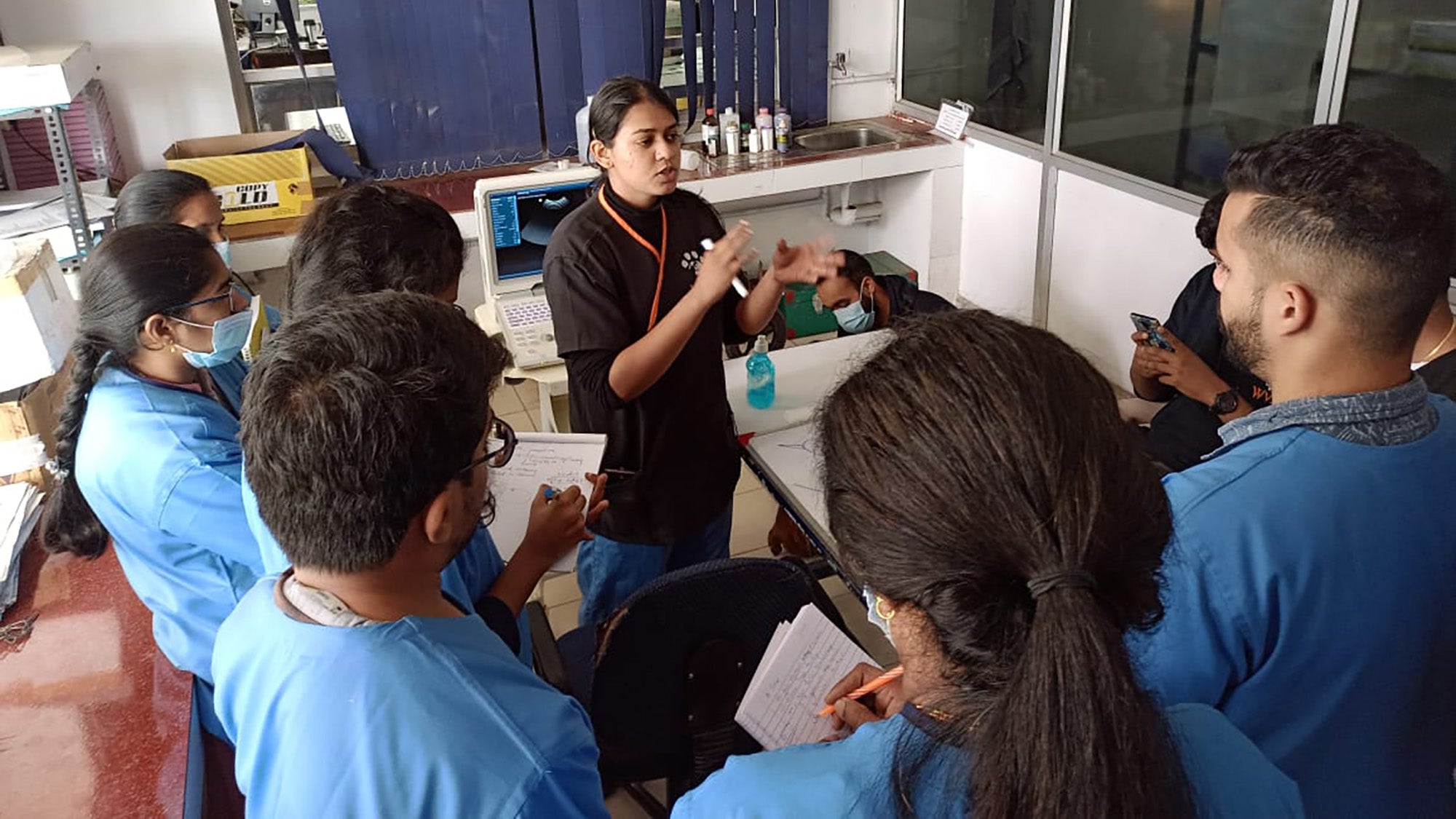
Before coming to Harvard, I worked with Mission Rabies and Worldwide Veterinary Service on rabies control with a One Health approach in India, Nepal, Armenia, and Cape Verde. This included mass dog vaccination, dog-population management, veterinary surgical capacity building for vets, animal welfare, and community awareness—especially among children on how to protect themselves from bites by free-roaming dogs.
Q: Why did you apply to Harvard Chan School?
A: It was a dream to study among the brightest minds in the world. I had Harvard Chan School on my vision board 10 years before I actually applied and got in. I had read about researchers like Phyllis Kanki, Richard Cash, Sarah Fortune, Kizzmekia Corbett, and many others, and then I was taking their classes. It was surreal.
Q: What’s an experience from your time at the School that has stuck with you?
A: I was selected for a field course in the Brazilian Amazon to study the Brazilian health system and infectious disease determinants in the Amazonas state, led by Marcia Castro, chair of the Department of Global Health and Population. That course was an incredible experience, and I learned a lot from my peers, the instructors, and the people we interacted with.
The course provided invaluable insights into evidence-based disease prevention through Brazil’s world-renowned research institutions, including Fundação de Vigilância em Saúde do Amazonas and Fiocruz Amazônia, which we visited and learned from. It strengthened my understanding of Brazil’s primary health care system, recent advances in malaria control, and strategies for addressing latent tuberculosis in Manaus, one of the regions with the highest burden of latent tuberculosis.
As a vet, I brought my knowledge of disease control programs in the animal sector, including how complex logistics are planned around vaccination or awareness campaigns and how there is potential for cross-learning between human and animal health.
Beyond the technical knowledge, the experience reinforced the importance of learning directly from experts with decades of field experience and listening to the communities we seek to serve. One of the most meaningful lessons came from Professor Castro, whose work demonstrated the importance of approaching global health with curiosity, humility, and an open mind instead of assuming we already have all the answers.
Q: How did your educational experience impact your career trajectory?
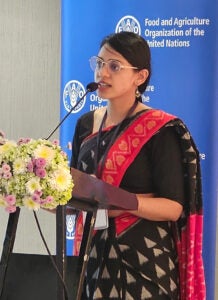
A: I applied to multiple roles and ultimately decided to join the Food and Agriculture Organization (FAO) of the United Nations as a One Health Specialist. Everything I learned at Harvard Chan School was beneficial in this journey.
Specifically, my first posting was in Dhaka, Bangladesh. At the School, we learned a great deal about Bangladesh’s successful fight against infectious diseases and programs for the reduction of maternal and child mortality. I was well-versed with the context before joining my new job, which helped me navigate the complexities of the role with the technical know-how I had gained.
As part of my degree, I did a health systems project on controlling noncommunicable diseases in Bhutan, and I had the opportunity to meet former Health Minister Dechen Wangmo in person and talk about my project with her. Where else in the world would you be able to meet a health minister of a country and chat about your work? Only at Harvard. I ended up working with One Health ministries in Bhutan through my work at FAO, and my educational experience enhanced my work.
Q: What would you tell someone with veterinary training who is considering enrolling at the School?
A: That you will be unique. Your journey will be different than those who come there from other backgrounds. You will always stand out, and your perspective will always be one of a kind in every classroom and situation. But there is a place here for you.