Takemi Program in International Health
The Takemi Program in International Health seeks to improve health and health systems around the world by welcoming mid-career health professionals and scholars to the Harvard T. H. Chan School of Public Health to conduct path-breaking research and develop their leadership skills.
665 Huntington Avenue, Bldg. 1, Room 1210
Boston, MA 021151, USA
Current Fellows
Meet the nine Takemi Fellows and four Takemi Associates for 2026–2027.
Takemi Fellows 2026–2027
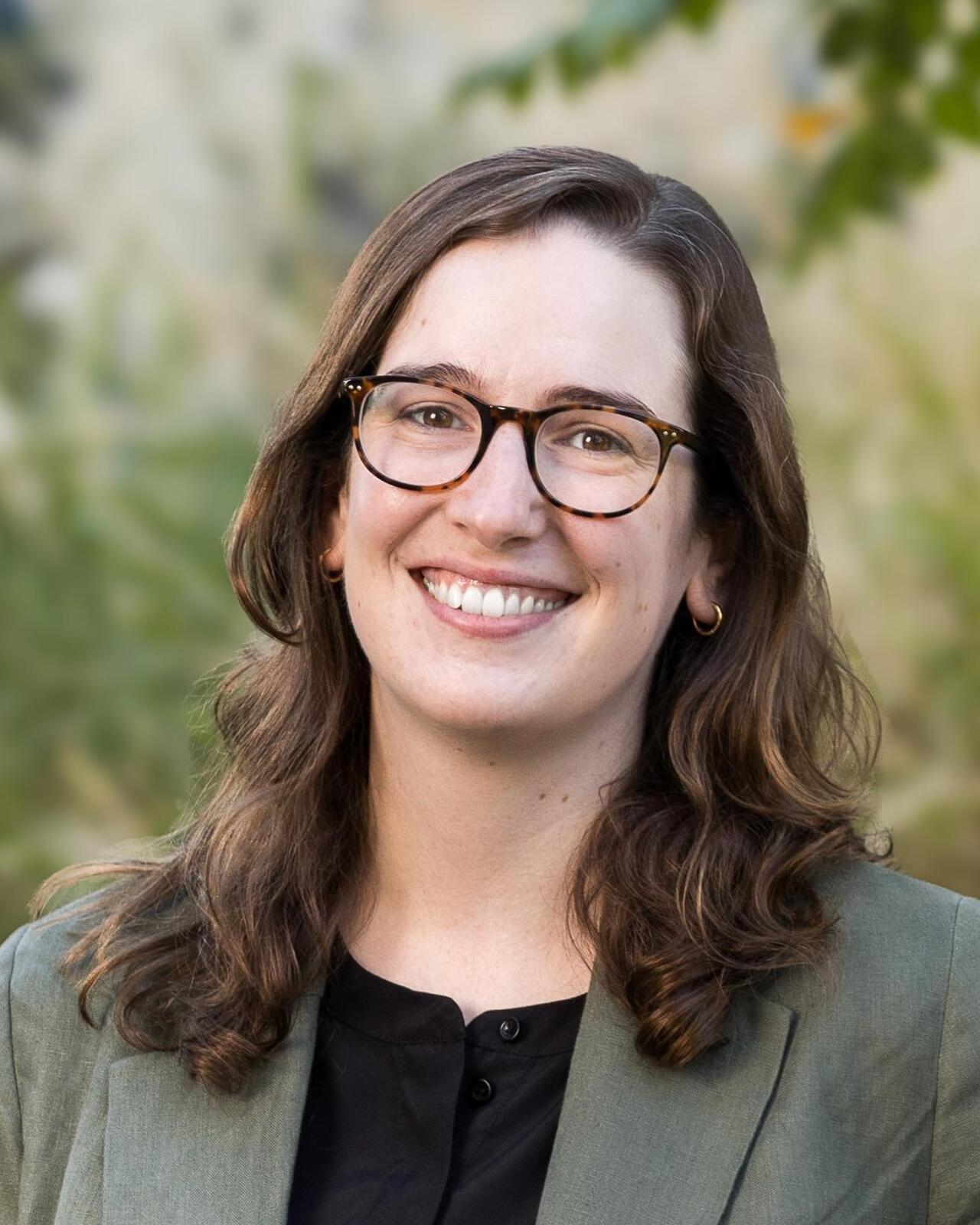
Claire Leppold is a senior research fellow at the Disaster, Climate, and Adversity Unit, University of Melbourne, Australia. Working with community groups and government and non-government organizations, her research looks at how to reform emergency management policy to better align with the realities that communities face through compounding disasters, with a focus on improving long-term health and well-being outcomes.
Takemi research project: Accounting for Health and Well-Being in Settings of Compounding Disasters.
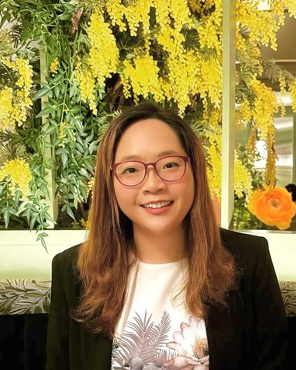
Juliana Lui is a health economist specializing in patient-level simulation cost-effectiveness analysis, using real-world evidence, clinical trials, and register-based data to support regulatory evaluation, reimbursement decisions, and health care policy. Her research focuses on the economic evaluation of pharmaceuticals, medical technologies, and risk-stratification programs for diabetes and other chronic diseases, with particular emphasis on cardiovascular and renal outcomes.
Takemi research project: Cost-Effectiveness of Intensive HbA1c, Blood Pressure, and LDL-Cholesterol (ABC) Management and Geospatial Socioeconomic Inequality in Cancer Patients with Type-2 Diabetes in Hong Kong.

Ummu Markwei is a socio-behavioral expert and social worker with over 15 years of experience in practice and academia. Her research interests span sexual and reproductive health of adolescents, child sexual abuse, disability, and broad topics on gender and health.
Takemi research project: Investigating Self-Leadership Strategies of Adolescents in Navigating the Risk of HIV/AIDS in the Greater Accra Region of Ghana.
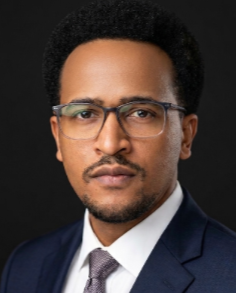
Latera Tesfaye Olana recently completed a PhD in health metrics sciences at University of Washington, where his research focused on immunization coverage measurement, small-area estimation, and the use of routine health information systems to support policy. His research has mostly centered on improving subnational estimates of vaccine coverage in data-sparse settings, with a particular focus on Ethiopia and other low- and middle-income countries.
Takemi research project: Spatiotemporal Modeling of Routinely Collected Surveillance Data to Map Malaria Risk in Ethiopia.

Eleanor J. Ong is an honorary research fellow at Saw Swee Hock School of Public Health, National University of Singapore, where she completed her doctoral training. Her research is driven by a commitment to equitable mental health outcomes across Southeast Asia, examining how intersecting vulnerabilities, including sexual and gender minority identities, adverse childhood experiences, and substance abuse, shape health and how relational, community-centered approaches can ensure no one is left behind.
Takemi research project: Building the ASEAN Mental Health Equity Index: A Community-Validated Framework for Regional Monitoring.
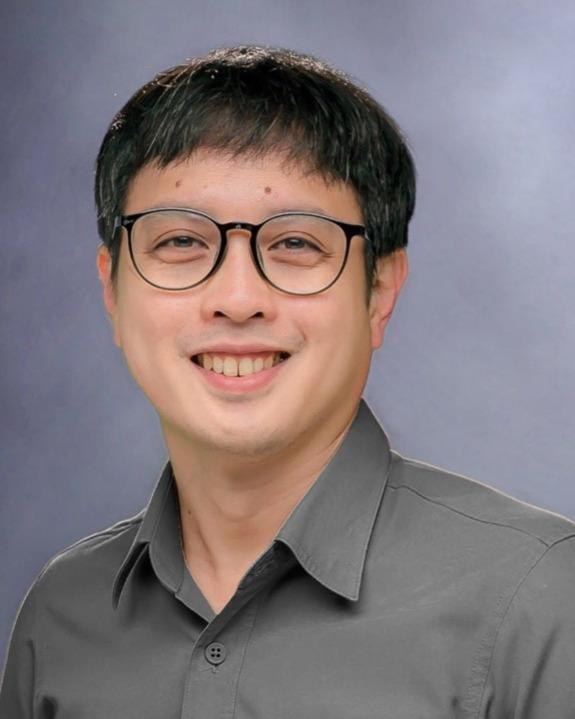
Alay Phonvisay is a lecturer with the faculty of economic and business management at National University of Laos (NUOL), where he teaches econometrics, development studies, and regional economic integration. His core expertise includes monitoring and evaluation, policy and program analysis, and applied economic research, and he now dedicates his work to the critical intersection of climate change and health, particularly its impact on malnutrition and food security in vulnerable communities.
Takemi research project: Integrating Climate Resilience into Malnutrition Programs: Analyzing Equity, Effectiveness, and Policy Implementation in Laos.
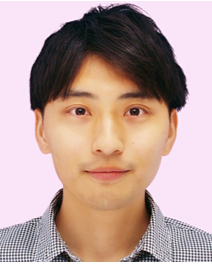
Yuhei Shimada is a political scientist and doctoral candidate at the Graduate Schools for Law and Politics, University of Tokyo. His work examines the governance of health systems, health security, public health emergencies, and the interaction between scientific evidence and political decision-making.
Takemi research project: The Paradoxical Relationship Between State Capacity and Health System Development.
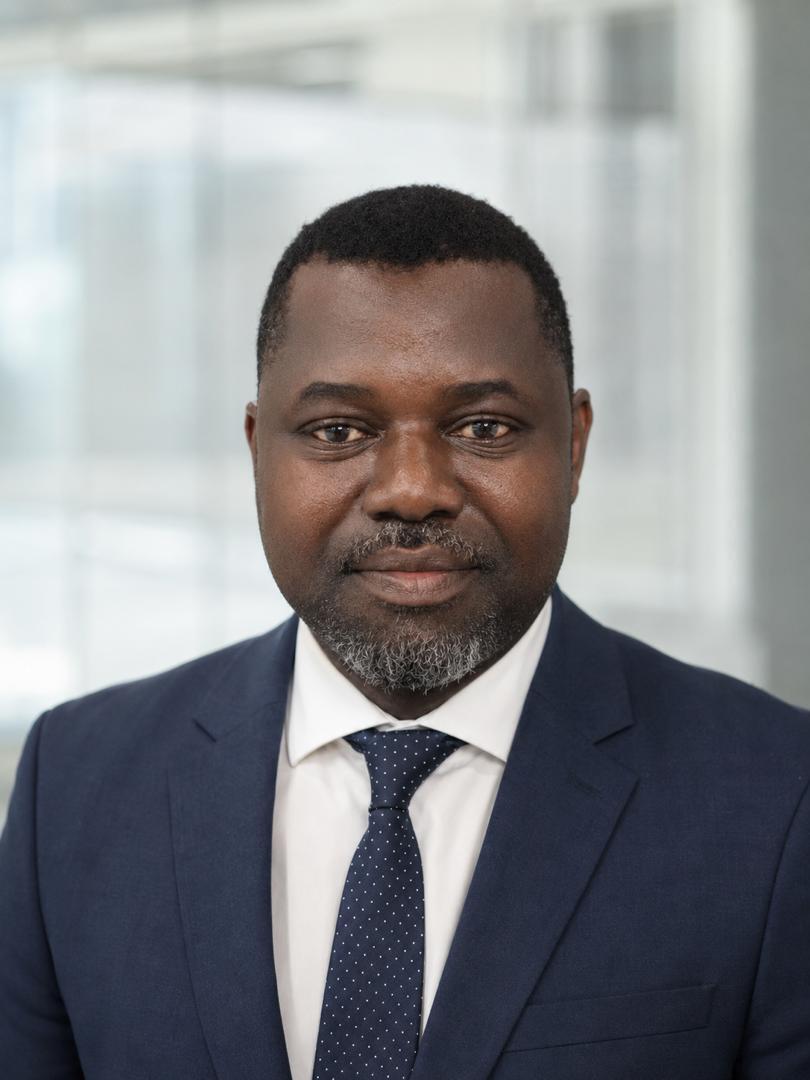
Olabanji Ahmed Surakat is a public health parasitologist, medical entomologist, and senior lecturer in the department of animal and environmental biology, Osun State University, Nigeria, where he currently serves as acting head of department. His research focuses on neglected tropical diseases, malaria, vector biology, disease surveillance, and implementation strategies for disease elimination.
Takemi research project: Developing Context-Specific Strategies to Improve Accessibility, Acceptability, and Treatment Coverage for Persons with Disabilities and Hard-to-Reach Populations Affected by Onchocerciasis and Lymphatic Filariasis in Nigeria.
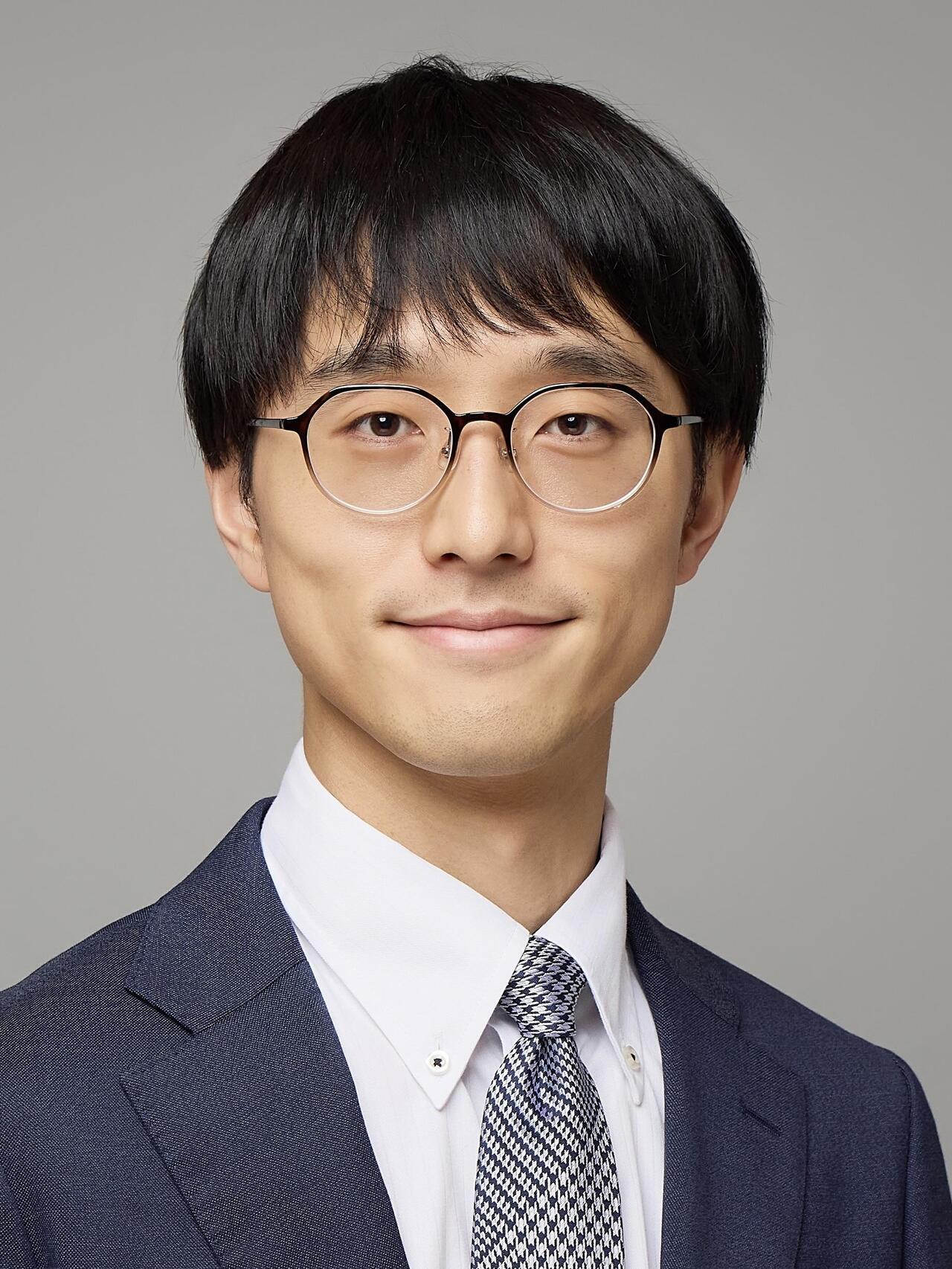
Yuta Taniguchi is a physician specializing in health services research and an international tenure-track assistant professor at University of Tsukuba, Japan. His research addresses the global challenge of population aging, focusing on quality of care and access to care for older adults, caregivers, and immigrants.
Takemi research project: Health Equity for the Caregivers in an Era of Global Aging: A Study on Health Disparities Among Family Caregivers and Immigrant Direct Care Workers Using U.S. Big Data.
Takemi Associates 2026–2027
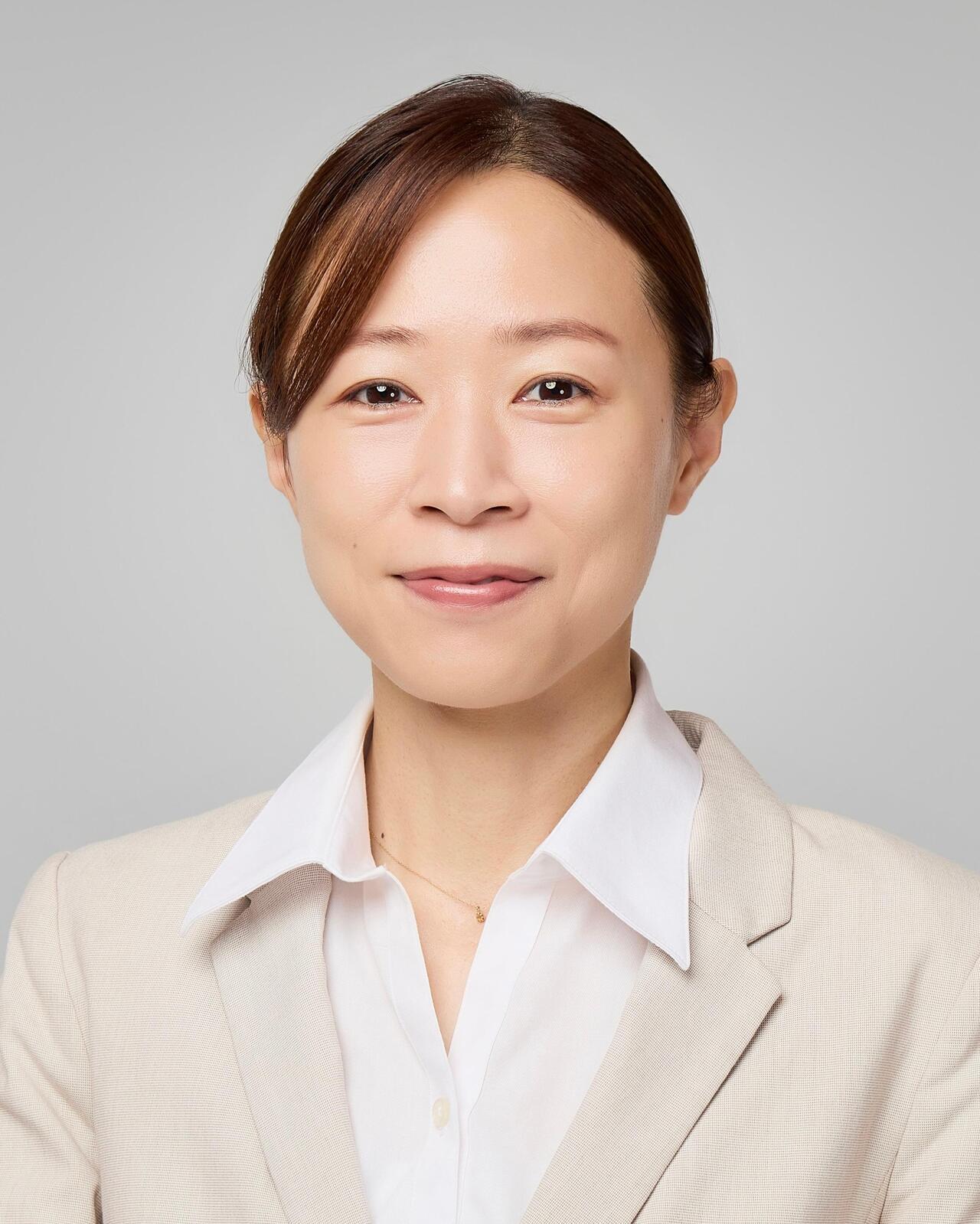
Yoko Hamasaki is a public health researcher whose work focuses on improving the quality of care for older adults receiving home care or residing in long-term care facilities. Using large-scale health and care data, her research has focused on evaluating the quality of care for older adults and using machine learning approaches to examine how the effects of health and long-term care service use vary across individuals.
Takemi research project: The Effect of Policy Changes on Home-Based Primary Care Delivered by NPs and Health Literacy and Its Relationship with Decision-Making and Health Behaviors Among Older Adults.
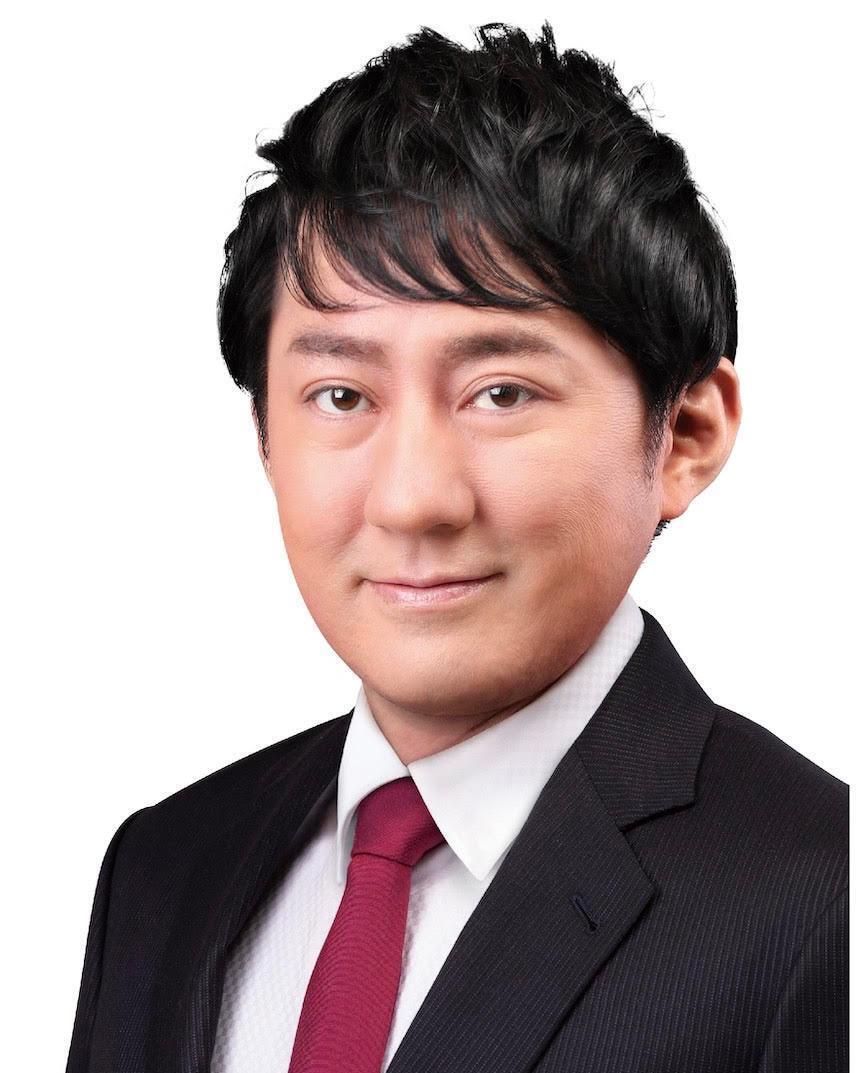
Masatoshi Ishikawa is a physician, health policy researcher, and health care entrepreneur based in Tokyo. He currently serves as a specially appointed professor at Tokyo Healthcare University, and his work focuses on health services research, health care resource allocation, physician workforce dynamics, and health care system reform and management.
Takemi research projects: Surgeon Workforce Distribution, Task Shifting, and Mental Health Under Systemic Constraints; Redesigning Healthcare and Long-Term Care Without Sacrificing Quality: Fiscal Constraints and Policy Options in an Aging Welfare State.
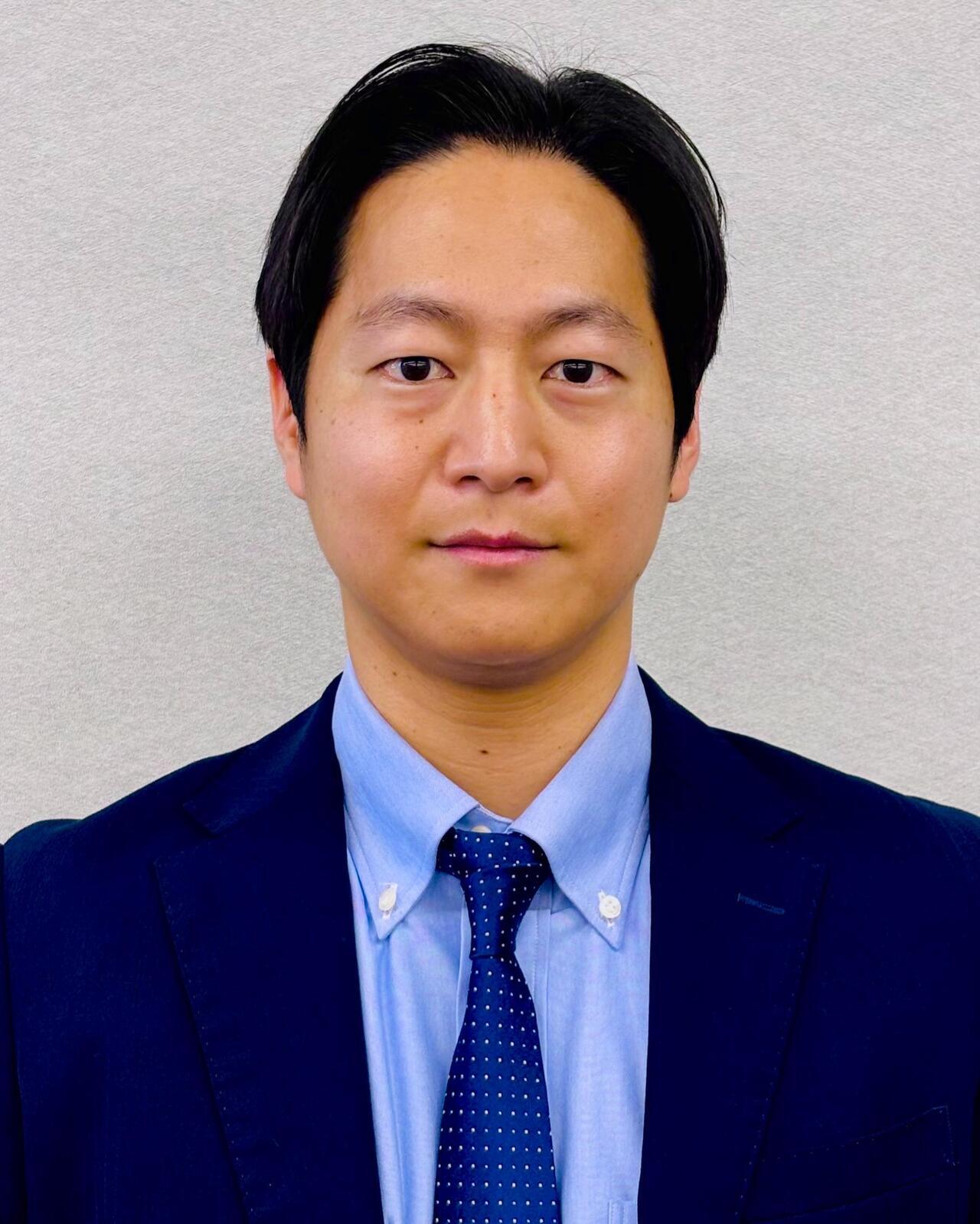
Hikaru Kawakita is vice chair of the Kawakita Medical Foundation and vice director of Kawakita General Hospital in Tokyo, Japan, as well as a board-certified emergency physician. His research focuses on the role of private hospitals as providers of public goods during health crises. His interests include hospital management, health policy, and health system governance.
Takemi research project: Analyzing the Mechanism by Which a Private Hospital Functioned as a Public Hospital: A Case Study of the Partnership Agreement Between Kawakita General Hospital and Suginami City.

Yimeng Xu is currently a PhD candidate at the School of Journalism and Communication, Tsinghua University. Her research interests include health communication, health persuasion, and media psychology. She primarily employs quantitative research methods, including controlled experiments and longitudinal studies.
Takemi research project: Pre-Empting Health Misinformation: A Longitudinal Randomized Controlled Trial on Inoculation Components, Cross-Protection, and the Moderating Role of Health Literacy.