Financing universal health coverage through social health insurance: Kenya’s experience

Join the Department of Global Health and Population for our weekly Thursday Brown Bag Series! On April 17, Wanza Mbole, DSL, MBA, BSc, will present, “Financing universal health coverage through social health insurance: Kenya’s experience”. Wanza Mbole is a LEAD Fellow at the Harvard Global Health Institute. This seminar will be held in Building 1, Room 1208. Online participation will be available via Zoom. A Harvard ID is required for building access.
The Thursday Brown Bag Series is a weekly seminar series featuring current research of faculty, affiliates, and guests of the department. Any questions regarding the series can be directed to the department at GHP@hsph.harvard.edu.
Speakers will share their own perspectives; they do not speak for Harvard
Speaker Information
Organizers

Presented jointly with the PhD Program in Population Health Sciences
Join renowned surgeon, best-selling author, and public health leader Atul Gawande, MD ’95, MPH ’99, for a conversation about the future of global health. Gawande, who served as assistant administrator for global health at the U.S. Agency for International Development from January 2022 to 2025, will discuss his time at the agency, the evolution of global health, and impacts of shifting national priorities.
Register to attend in person.
This event is only open to Harvard ID holders.
Speaker
Atul Gawande

Moderator
About The Studio
Presented jointly with C-CHANGE
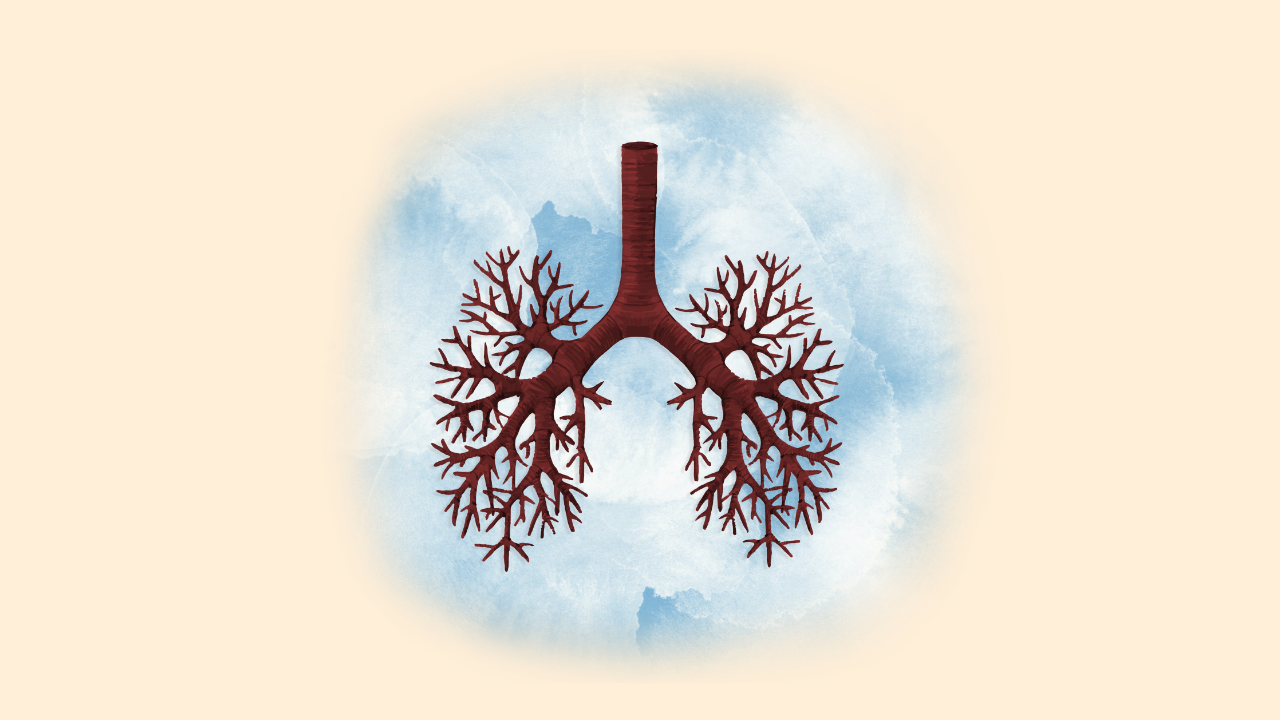
A staggering 99 percent of the world’s people live in places with dangerous levels of air pollution. Dirty air has been linked to dementia, heart disease, stroke, cancer, respiratory illnesses—and millions of premature deaths each year. And climate change is only worsening the problem. This panel brings together experts in clinical care and environmental research to discuss the threat of air pollution and explore solutions.
Register for free to submit your questions.
An on-demand video will be posted after the event.
Speakers
Moderator
About The Studio
Implementing Health Care AI into Clinical Practice

Join us for a webinar on the Implementing Health Care AI into Clinical Practice program, offered by Harvard Chan School Executive Education and hosted by Program Director Dr. Santiago Romero-Brufau, MD, PhD.
As AI technology advances, it has the potential to greatly enhance patient care efficiency by speeding up information processing. However, integrating AI into a health care practice or system is a complex task. This program provides clinicians and stakeholders with the essential skills to develop these processes internally.
If you’re interested in the program, we invite you to join the webinar to explore how it may align with your professional goals.
Speaker Information
Organizer
Cutting through the Smoke: Climate Change and Respiratory Health
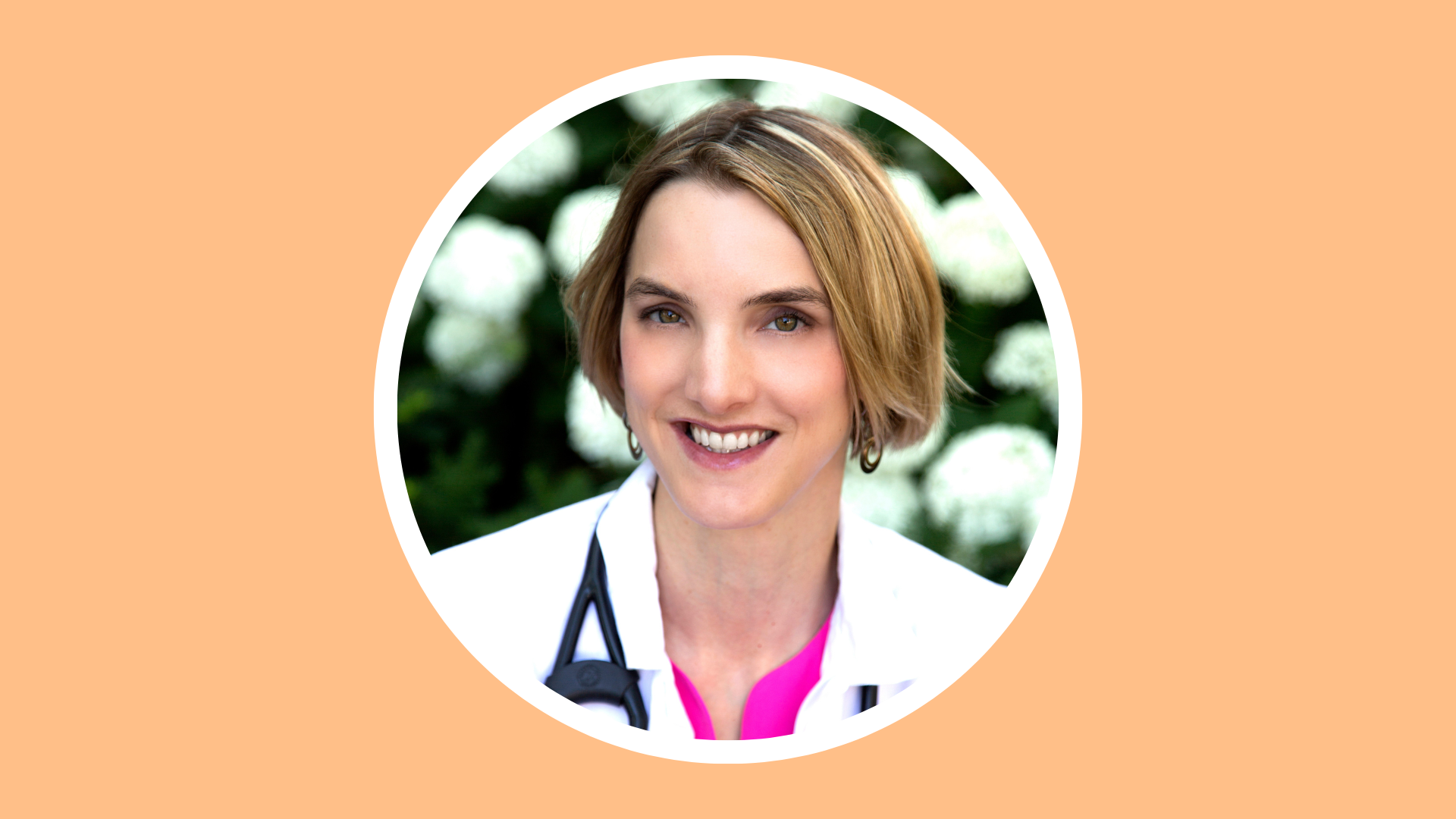
Join the Department of Global Health and Population for our weekly Thursday Brown Bag Series! On May 1, Mary B. Rice, MD, MPH, will present “Cutting through the Smoke: Climate Change and Respiratory Health”. Dr. Rice is the Mark and Catherine Winkler Associate Professor of Environmental Respiratory Health in the Department of Environmental Health and Director of the Center for Climate, Health, and the Global Environment (C-CHANGE) at Harvard T.H. Chan School of Public Health.
The Thursday Brown Bag Series is a weekly seminar series featuring current research of faculty, affiliates, and guests of the department. Any questions regarding the series can be directed to the department at GHP@hsph.harvard.edu.
Speakers will share their own perspectives; they do not speak for Harvard
Speaker Information
Organizers
Noticing Nature

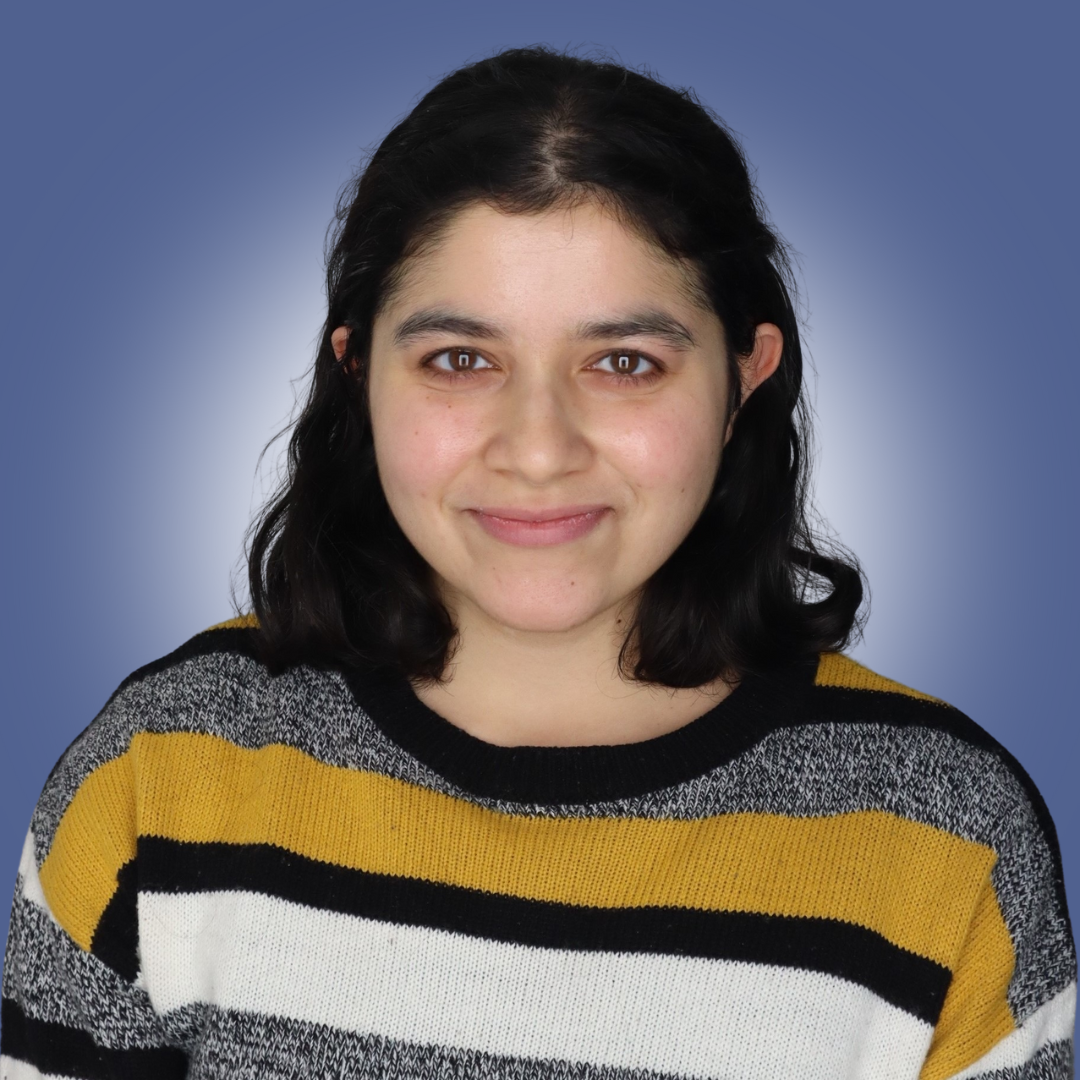
On Wednesday, April 16th, from 1-1:50 PM in Kresge 202A, we invite all Harvard students, faculty, and staff to join us for a workshop exploring the role of nature in well-being. This event will be led by Center Student Steering Committee member Niharika Jhingan, MPH ’26.
Explore the connection between nature and well-being, learn about ways to incorporate more nature into your daily life, and join us on a mini quest to connect to the nature in our surroundings. This workshop involves a short walk outside, so please dress accordingly.
We have limited spaces available, so please register ASAP! Lunch provided.
Speaker Information
Niharika Jhingan
Organizers
Occupational and Environmental Medicine Grand Rounds

Topic: We HAVS a problem: An overview of hand-arm vibration syndrome in a metal worker
Presenter: Tiffany Tam, DO, First-year resident in the Occupational and Environmental Residency, Harvard T.H. Chan School of Public Health
Discussant: Aaron Thompson, MD, MPH, FRCPC (Occ Med), Associate Professor, Temerty Faculty of Medicine, University of Toronto; Staff Physician, Occupational & Environmental Medicine, St. Michael’s Hospital / Unity Health
Location: Kresge 502 and Zoom
Learning Objectives:
- Explain the pathophysiology of hand-arm vibration syndrome (HAVS).
- Explain how to identify cases of HAVS in your patients.
- Describe how to diagnose HAVS.
- Discuss the management of HAVS, including treatment options and preventive measures.
CMEs will be offered to US licensed physicians:
This activity has been planned and implemented in accordance with the accreditation requirements and policies of the Accreditation Council for Continuing Medical Education (ACCME) through the joint providership of The Harvard T.H. Chan School of Public Health and the Harvard Chan Education and Research Center. The Harvard T.H. Chan School of Public Health is accredited by the ACCME to provide continuing medical education for physicians.
The Harvard T.H. Chan School of Public Health designates this live activity for 0.75 AMA PRA Category 1 Credits™. Physicians should claim only the credit commensurate with the extent of their participation in the activity
Register: Click here to register to attend via Zoom.
Speaker Information
Organizers
Epidemiology of Autism: Substantive Results and Methodological Issues

Abstract: Since the mid 1960’s, 165 prevalence surveys of autism were conducted worldwide and their main findings will first be summarized. While the contribution of genetic factors to autism etiology is high, the increase in autism prevalence has raised concerns about additional contribution of environmental factors. Autism risk has been statistically associated with myriads of exposures but, with few exceptions, the causal nature of these associations remains unproven. Estimates are often confounded and results do not replicate across samples and study designs. We review recent findings on select risk factors to illustrate current methodological issues relevant to this research domain.
Bio: Dr. Eric Fombonne trained in child and adolescent psychiatry in France. He held academic appointments at INSERM (Paris, France), at the Institute of Psychiatry (London, UK), at McGill University (Canada), and at OHSU (Portland, Oregon, USA). He has a long experience of clinical work with children with autism and their families, and of research on this population, especially using epidemiological methods. He published over 380 articles and 50 chapters in books. He was Associate Editor of the Journal of Autism and Developmental Disorders (1994-2004) and is currently Joint Editor of Journal of Child Psychology and Psychiatry.
Speaker Information
Eric Fombonne, MD
Organizers
Related Events
Fine-Mapping Causal Tissues and Genes at Disease-Associated Loci

Abstract: Complex diseases often have distinct mechanisms spanning multiple tissues. We propose Tissue-Gene Fine-Mapping (TGFM), which infers the posterior probability (PIP) for each gene-tissue pair to mediate a disease locus by analyzing summary statistics and eQTL data; TGFM also assigns PIPs to non-mediated variants. TGFM accounts for co-regulation across genes and tissues and models uncertainty in cis-predicted expression models, enabling correct calibration. We applied TGFM to 45 UK Biobank diseases/traits using eQTL data from 38 GTEx tissues. TGFM identified an average of 147 PIP>0.5 causal genetic elements per disease/trait, of which 11% were gene-tissue pairs. Causal gene-tissue pairs identified by TGFM reflected both known biology (e.g., TPO-thyroid for Hypothyroidism) and biologically plausible findings (e.g., SLC20A2-artery aorta for Diastolic blood pressure). Application of TGFM to single-cell eQTL data from 9 cell types in peripheral blood mononuclear cells (PBMC), analyzed jointly with GTEx tissues, identified 30 additional causal gene-PBMC cell type pairs.
Bio:
Alkes Price
Dr. Price is a professor in the Program in Genetic Epidemiology and Statistical Genetics in the Department of Epidemiology at Harvard Chan, with a secondary appointment in the Department of Biostatistics. He is an associate member of the Program in Medical and Population Genetics at the Broad Institute, and a member of the Program in Quantitative Genomics at Harvard Chan. Dr. Price received a Ph.D. in mathematics and M.S.E. in computer science from the University of Pennsylvania. His post-doctoral training was mentored by Dr. Pavel Pevzner in the department of computer science at UCSD and Dr. David Reich in the department of genetics at Harvard Medical School. He has been a faculty member at Harvard Chan since 2008. Dr. Price’s research focuses on the development of statistical methods for uncovering the genetic basis of human disease, and on the population genetics underlying these methods. Areas of interest include functional components of disease heritability, common vs. rare variant architectures of disease, and disease mapping in structured populations.
Ben Strober
Dr. Strober is a post-doctoral researcher in the Department of Epidemiology at Harvard School of Public Health supervised by Dr. Alkes Price. He completed his Ph.D. in 2021 in the Department of Biomedical Engineering at Johns Hopkins University with Dr. Alexis Battle. Dr. Strober’s research focuses on context-specific genetic regulation of gene expression, and understanding its contribution to the genetic architecture of complex traits and disease.
Speaker Information
Alkes Price, PhD
Ben Strober
Organizers
Related Events
Center Member Research Presentation: Sonia Hernández-Díaz, MD, DrPH, and Amruta Nori-Sarma, MPH, PhD
Join us for a Center Member Research Presentation by Dr. Sonia Hernández-Díaz and Dr. Amruta Nori-Sarma. Dr. Hernández-Díaz will present on Environmental exposures and health care claims: When two universes of data and methods collide and Dr. Nori-Sarma will present on Extreme weather impacts on mental health: Leveraging big data.
Sonia Hernández-Díaz, MD, DrPH is a Professor of Epidemiology at the Harvard T.H. Chan School of Public Health, where she serves as Director of the Pharmacoepidemiology & Real World Evidence (RWE) Program. Her research focuses on examining drug safety during pregnancy using primary and secondary observational data. She has experience with case-control surveillance studies, pregnancy registries, and pregnancy cohorts nested within healthcare utilization data. Another group of research activities concerns the application of innovative methodologic concepts to increase the efficiency and the validity of observational studies. In recent projects her team has emulated hypothetical target trials to evaluate medications and vaccines in pregnancy.
Amruta Nori-Sarma is an Assistant Professor of Environmental Health and Population Sciences at the Harvard T.H. Chan School of Public Health. As an environmental epidemiologist, Dr. Nori-Sarma studies the relationship between environmental exposures associated with climate change and health outcomes in vulnerable communities. Dr. Nori-Sarma aims to understand the impacts of interrelated extreme weather events on mental health across the US utilizing large claims datasets. She also has an interest in evaluating the success of policies put in place to reduce the health impacts of climate change.
Additionally, Dr. Nori-Sarma serves as one of the leads of the CAFE RCC, the research coordinating center of the NIH Climate Change and Health Initiative. CAFE, a joint effort with the BU School of Public Health, aims to bring together and amplify the work of a more diverse community of practice in climate and health.
This event will be held in person in HSPH Bldg. 1, 1302 and via Zoom. Register here.