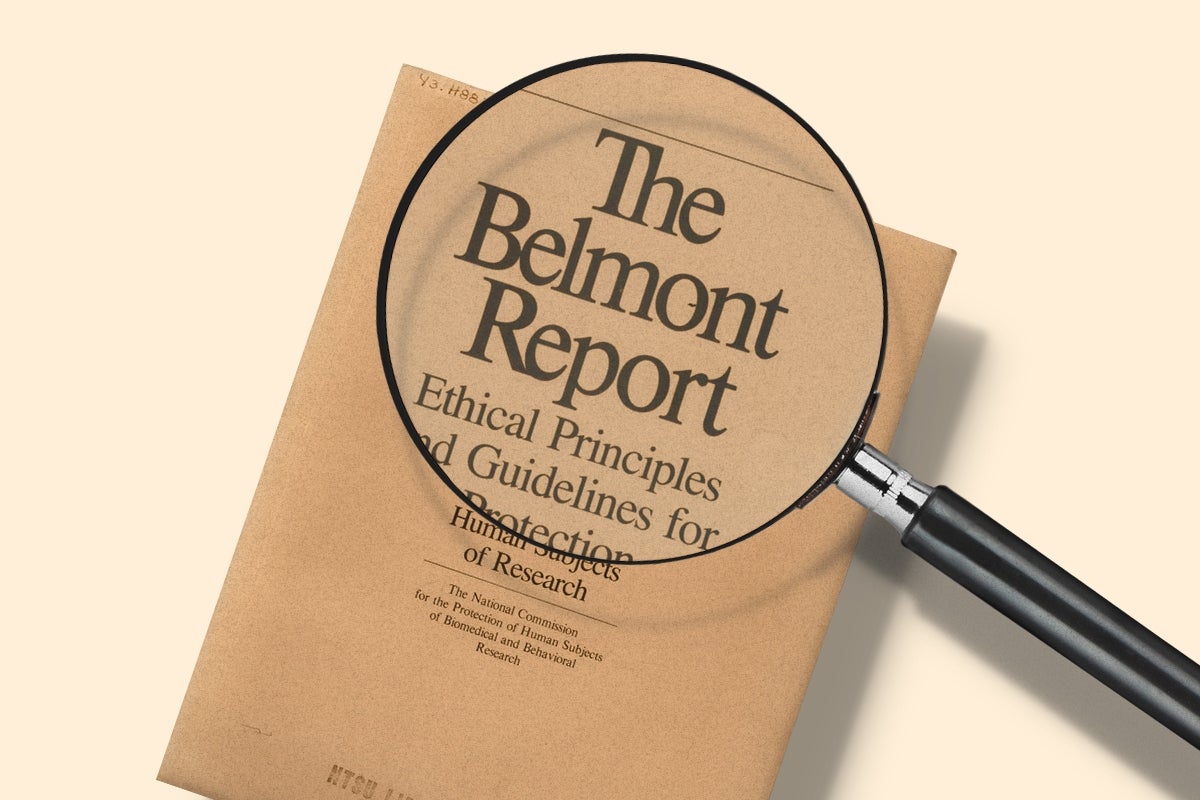
The landmark Belmont Report articulated key principles to protect humans in scientific studies. Nearly 50 years after the report’s publication, this distinguished panel of bioethics experts will examine the impacts of those guidelines, particularly on communities of color. What are the successes? Where are the shortcomings? And what are the actionable solutions to create a more inclusive, just, and trustworthy healthcare system for everyone?
Speakers

Moderator
Rebecca Weintraub Brendel
About the Studio
From Darkness to Light: Stories and Strategies to End Avoidable Blindness in Sierra Leone
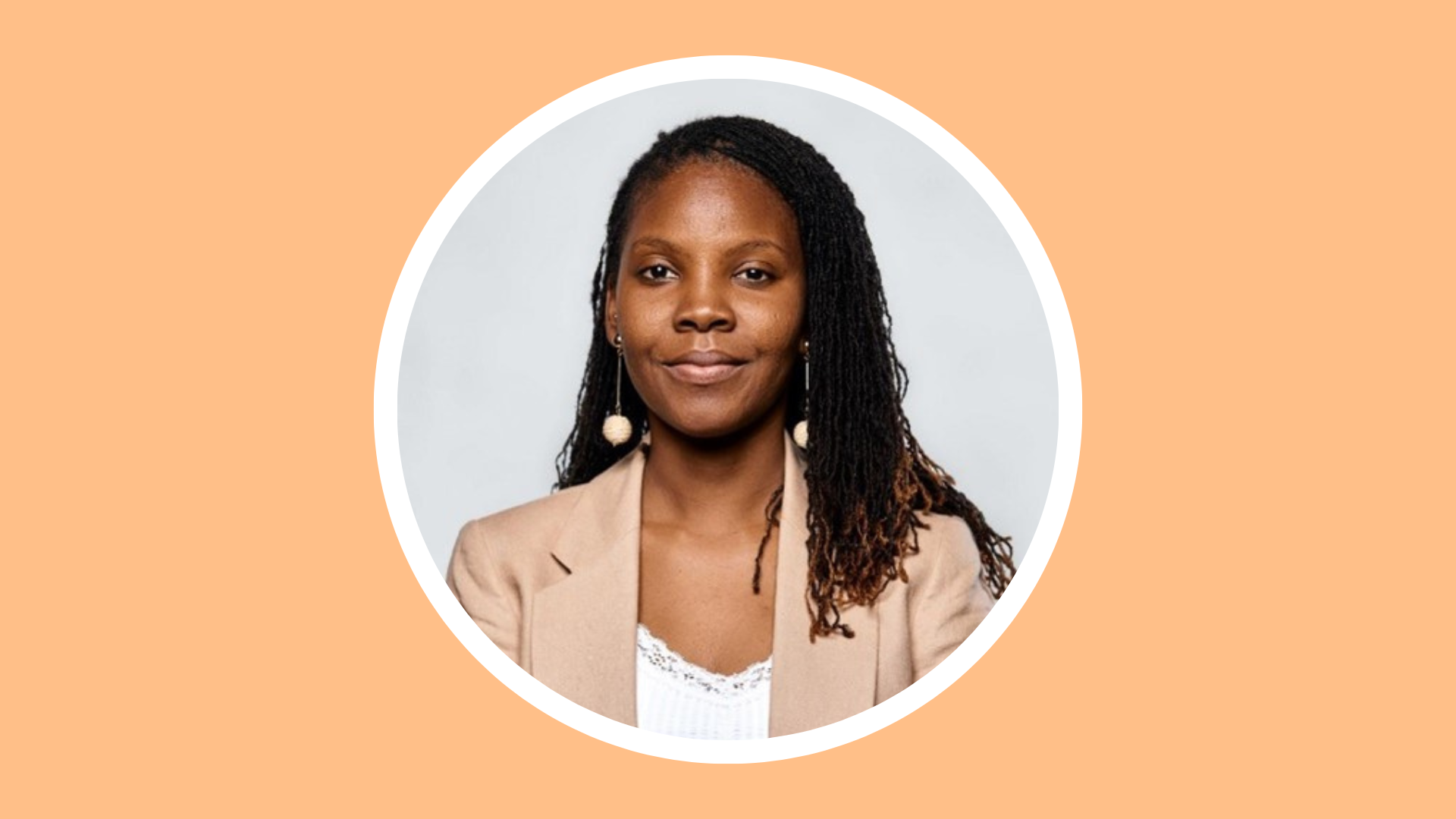
*This seminar has been rescheduled from April 24 to May 8 and will be held on Zoom*
Join the Department of Global Health and Population for our weekly Thursday Brown Bag Series! On May 8, Jalikatu Mustapha, MMed, MSc, BMBS, will present, “From Darkness to Light: Stories and Strategies to End Avoidable Blindness in Sierra Leone”. Jalikatu Mustapha is a LEAD Fellow at the Harvard Global Health Institute and Deputy Minister of Health Ⅱ in Sierra Leone. This seminar will be online via Zoom only.
The Thursday Brown Bag Series is a weekly seminar series featuring current research of faculty, affiliates, and guests of the department. Any questions regarding the series can be directed to the department at GHP@hsph.harvard.edu.
Speakers will share their own perspectives; they do not speak for Harvard
Speaker Information
Organizers
A State of Passion Documentary Screening
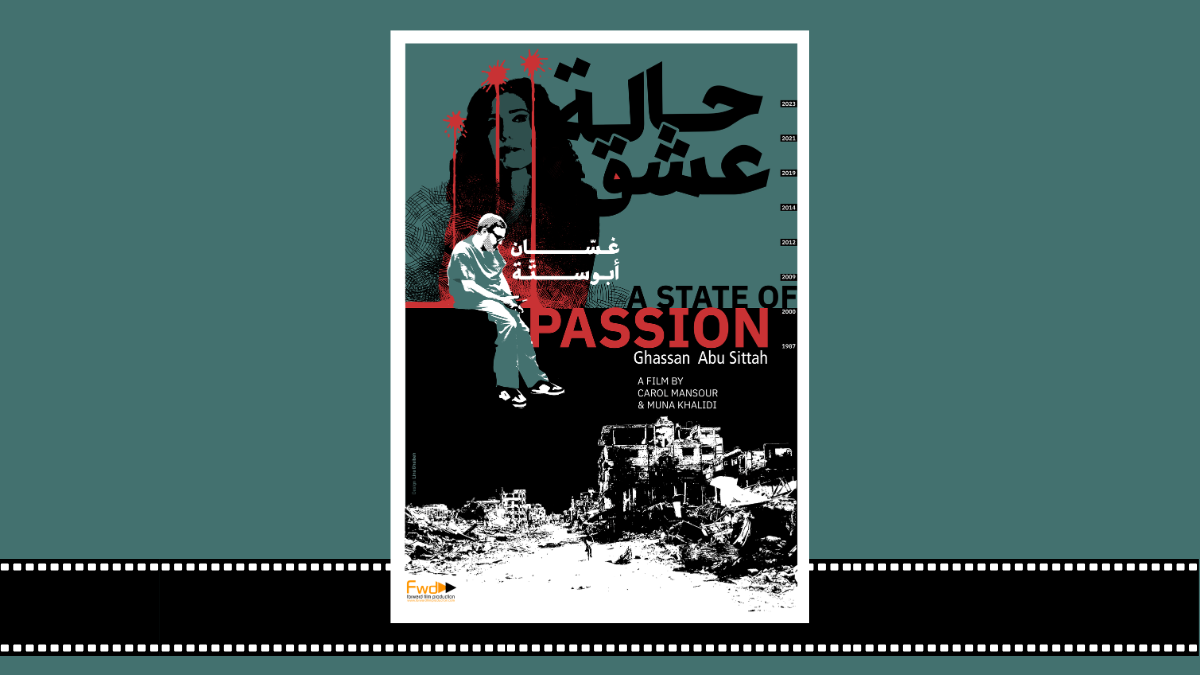
Join us for a screening of Carol Mansour and Muna Khalidi’s documentary, “A State of Passion” which captures ongoing human rights violations and the war in Gaza through the eyes of British-Palestinian reconstructive surgeon Dr. Ghassan Abu-Sittah.
After 43 horrific days working around the clock and under constant bombardment in the emergency rooms of Gaza’s Al Shifa and Al Ahli hospitals, Dr. Abu-Sittah emerged to shed light on the sixth war he has experienced while lending his medical expertise for humanitarian assistance. With news footage of him pale and shell-shocked reverberating around the world, he speaks of the unfathomable horrors he witnessed, from lacerated bodies to amputations without anesthetics, orphaned children with no surviving family, deliberate targeting of medics, hospital facilities, water and sewage systems, evidence of chemical weapons use, indiscriminate killing disproportionately affecting children, and widespread life-altering injuries among civilians.
Organizers
Springtime and Sustainability at Arnold Arboretum
“Springtime and Sustainability at Arnold Arboretum” featuring Head of Arboretum Operations and Projects Danny Schissler. Learn about Harvard’s “Museum of Trees” and what it takes to keep North America’s first public arboretum open to all. HUID required or online at https://hsph.me/arnoldarboretumsustainability.
to RSVP please email susan_bottino@harvard.edu.
Speaker Information
Danny Schissler
Organizers
Global Health Week Symposium: Building Sustainable Health Systems
Global Health Week returns on April 28 to May 2!
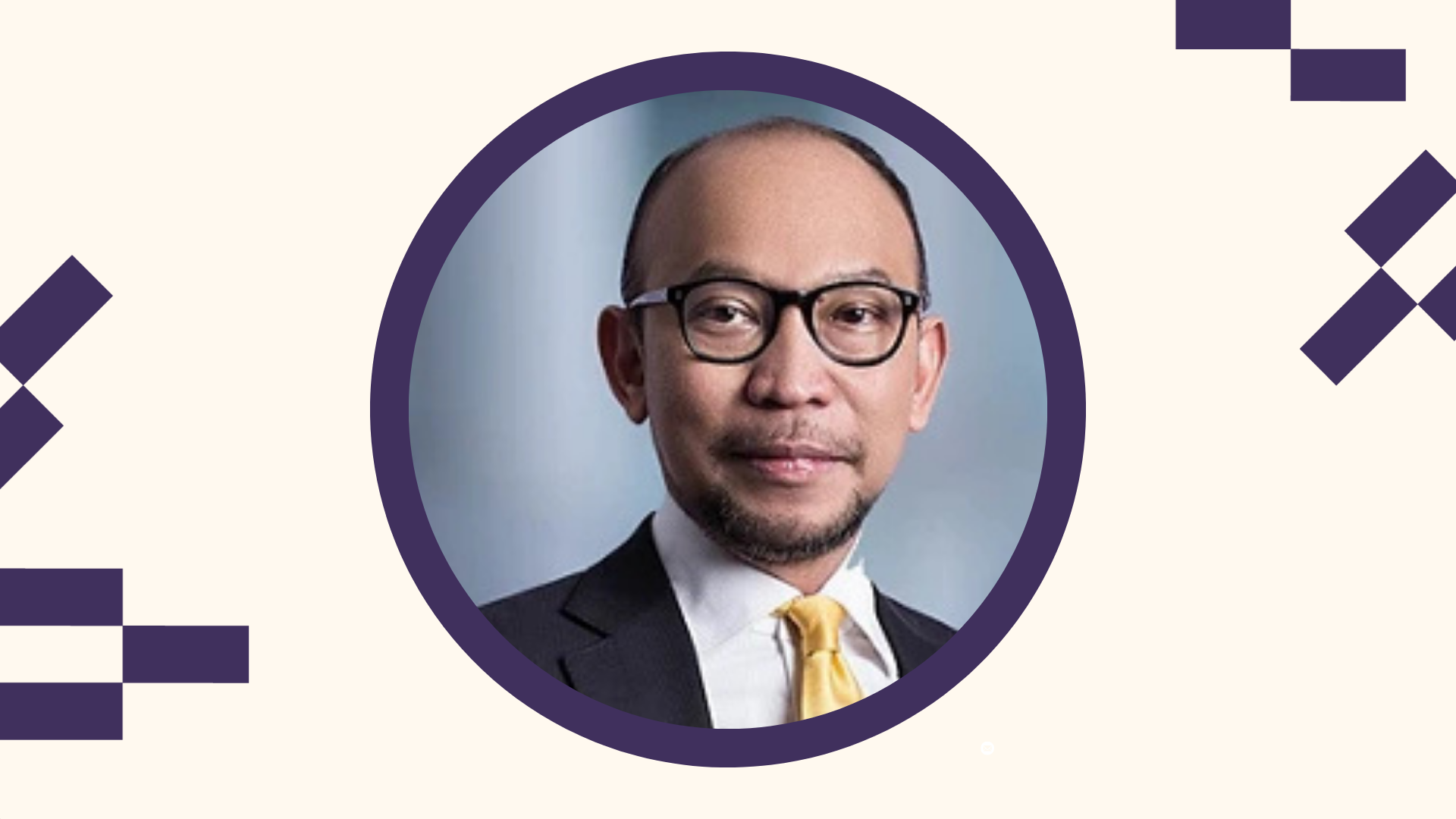
Please join the Department of Global Health and Population’s Global Health Week Symposium on “Building Sustainable Health Systems” featuring Keynote speaker Muhamad Chatib Basri, PhD, Chairman, PT Bank Mandiri tbk. and Former Minister of Finance of Indonesia, followed by a panel discussion from international experts and Harvard faculty.
This event will be held on Thursday, May 1, 2025 at 5:30 PM in Kresge G2.
Harvard Chan School hosts a diverse array of speakers, invited to share both scholarly research and personal perspectives. They do not speak for the School, and hosting them does not imply endorsement of their views, organizations, or employers.
Keynote Speaker
Muhamad Chatib Basri, PhD
Panelists
Moderator
Organizers
Medical Information and Misinformation – The Role of Epidemiology
The Cutter Lectures on Preventive Medicine
The 9th Symposium
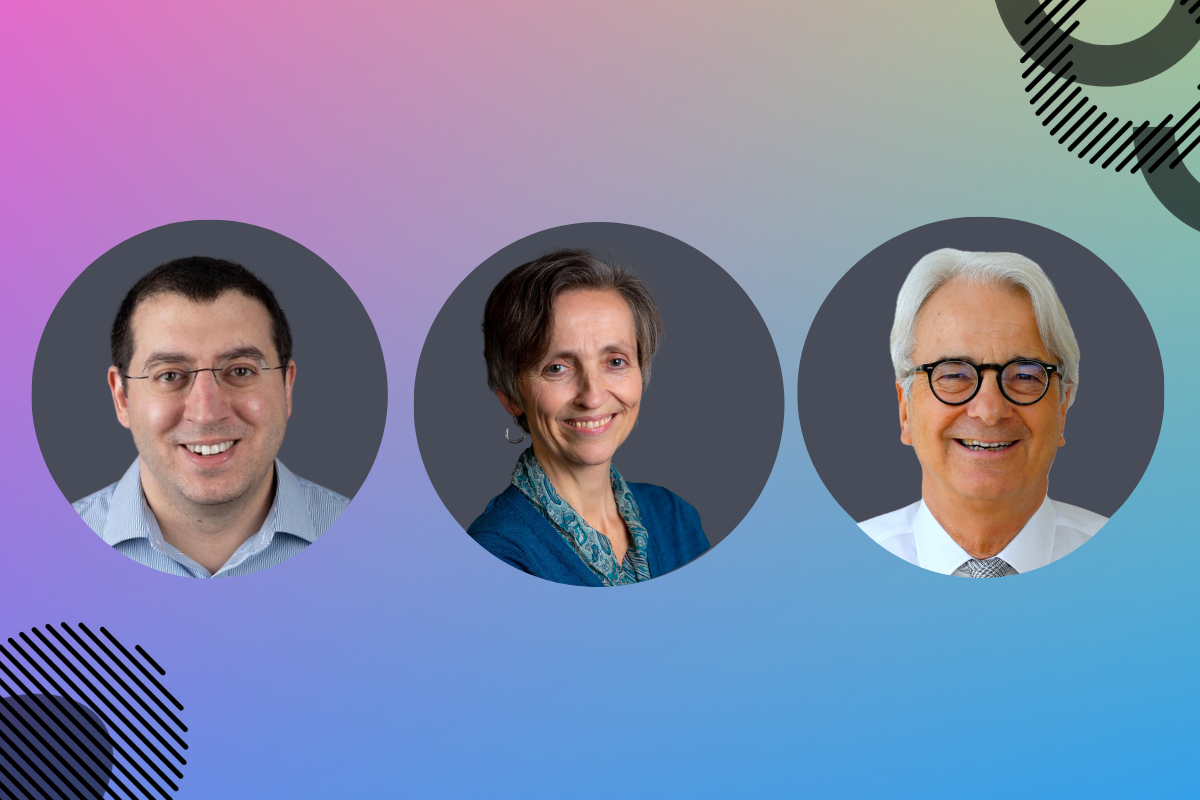
Join us as three preeminent speakers address topics on the intersection of health, misinformation, and epidemiology adapting to a rapidly changing information landscape.
- Stefanie Friedhoff will speak on Defending the Science, Losing the Narrative: A Path Forward for Health Promotion in Chaotic Information Ecosystems.
Abstract: At the heart of the information crisis that is eroding advances in health around the world lies a difficult truth: societies are not able to meet the information needs of people and communities amidst rapidly changing, increasingly weaponized information spaces. This talk will illuminate how an overfocus on atoms of misinformation can stand in the way of addressing broader narratives, and miss drivers of vulnerability to misleading information such as outdated communications practices, information inequities, polarization, and negative experiences with the healthcare system. Introducing the lens of information as a social determinant of health, Friedhoff will discuss how information can both directly and indirectly impact health outcomes. Charting a path forward, she will share emerging insights from research and practice on how public health and medicine can more effectively engage diverse publics in health promotion in a changed information landscape. - Alfredo Morabia will speak on Epidemiology at a Crossroads: History, Misinformation, and the Defense of Public Health.
Abstract: Throughout history, epidemiology has stood at the crossroads of science and political pressure, providing critical public health insights despite efforts to suppress inconvenient truths. From Cold War-era studies on radiation exposure to the politically charged investigations of the AIDS crisis, epidemiologists have navigated resistance from powerful institutions. Today, political interventions once again challenge the field’s ability to inform public health policy. This talk explores historical parallels and key differences between past and present contexts, highlighting the enduring tension between truth and misinformation, and what history teaches us about defending public health. - Issa Dahabreh will speak on Causal Inference and Causal Language for Observational Studies in Medical Journals.
Produced by the Department of Epidemiology with co-sponsors the Department of Biostatistics and Center for Health Communications.
This hybrid event offers livestream and in-person viewing options (with limited in-person seating). Seats in the main auditorium are first come, first served. There is additional seating in the overflow room. There will also be a recording of the event for those who cannot attend.
Stay for the reception 5:00-6:00PM in Sebastian’s Cafe.
Open to the public.
Speakers will share their own perspectives; they do not speak for Harvard.
Speaker Information

Organizers
Innovation in time of crisis: An inside look at HHS during the first Trump Administration
Eric Hargan, who served as deputy secretary of the U.S. Department of Health and Human Services during the first Trump administration, will share an insider’s perspective into the early U.S. response to the COVID-19 pandemic, including the vital work of Operation Warp Speed to deliver a vaccine in record time. This fireside chat will also explore initiatives to improve healthcare access in rural communities through telehealth expansion and remote patient monitoring.
Register for free to submit your questions.
An on-demand video will be posted after the event.
Speaker
Eric Hargan
Moderator
About The Studio
Measuring household out-of-pocket health spending using household-reported survey data
* This seminar will be rescheduled in the fall*
Join the Department of Global Health and Population for our weekly Thursday Brown Bag Series! On May 8, Chunling Lu, PhD, will present, “Measuring household out-of-pocket health spending using household-reported survey data”. Dr Lu is Associate Professor of Medicine and Associate Professor of Global Health and Social Medicine in the Division of Global Health Equity, Brigham & Women’s Hospital and the Department of Global Health and Social Medicine and Director of the Program in Global Health Economics and Social Change at Harvard Medical School. This seminar will be held in Building 1, Room 1208. Online participation will be available via Zoom. A Harvard ID is required for building access.
The Thursday Brown Bag Series is a weekly seminar series featuring current research of faculty, affiliates, and guests of the department. Any questions regarding the series can be directed to the department at GHP@hsph.harvard.edu.
Speakers will share their own perspectives; they do not speak for Harvard
Speaker Information
Organizers
Occupational and Environmental Medicine Grand Rounds
Heart health and peak performance: Optimizing cardiovascular risk for high-risk occupations
Presenter: Jeremy Berger, DO, MS, First-year resident in the Occupational and Environmental Medicine Residency, Harvard T.H. Chan School of Public Health
Discussant: Eddie Davenport, MD, FACC, FAsMA, Aerospace Cardiology Consultant to the USAF Surgeon General; Chair, NATO Operational Cardiology Working Group; FAA Cardiology Consultant to the Federal Air Surgeon; Associate Professor of Medicine, Uniformed Services University School of Medicine
Learning Objectives:
Participants will be able to:
- Describe cardiovascular risks in high-risk occupations;
- Explain stressors (such as environmental and operational) that impact cardiovascular health;
- Discuss advancements in aerospace cardiology relevant to high-performance settings in high-risk occupations; and
- Describe the impact of poor cardiovascular fitness on mission-critical performance.
CMEs for US licensed physicians
This activity has been planned and implemented in accordance with the accreditation requirements and policies of the Accreditation Council for Continuing Medical Education (ACCME) through the joint providership of The Harvard T.H. Chan School of Public Health and the Harvard Chan Education and Research Center. The Harvard T.H. Chan School of Public Health is accredited by the ACCME to provide continuing medical education for physicians.
The Harvard T.H. Chan School of Public Health designates this live activity for1.5 AMA PRA Category 1 Credits™. Physicians should claim only the credit commensurate with the extent of their participation in the activity
Location: Kresge 502 and online via Zoom.
Register: Click here to register to attend via Zoom.
Speaker Information
Organizers
Occupational Safety & Health Seminar
Please join this special double OSH seminar with two presenters and topics:
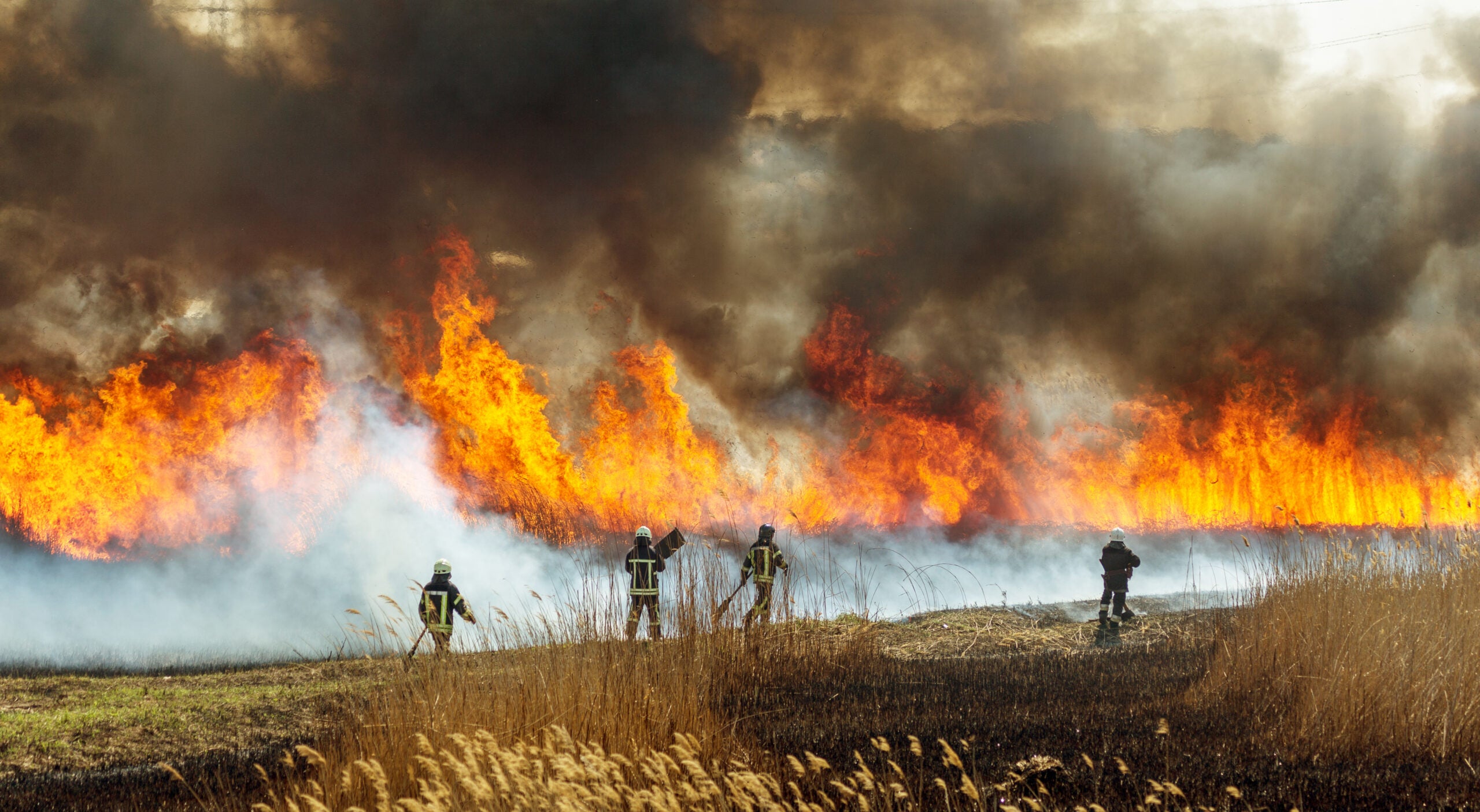
Topic 1: Ambient PM2.5 air pollution and colorectal cancer incidence in wildfire-impacted areas in the United States
Presenter: Nick Falkenberg, SM candidate in the Department of Epidemiology, Harvard T.H. Chan School of Public Health
Learning Objectives:
Participants will be able to:
- Describe the association between air pollution and colorectal cancer incidence.
- Explain whether the association between air pollution and colorectal cancer incidence differs by wildfire exposure.
Topic 2: Indoor environmental exposures: Clustering within and between environmental justice communities in Greater Boston
Presenter: Caroline Sarpy, BS, SM candidate in the Department of Epidemiology, Harvard T.H. Chan School of Public Health
Learning Objectives:
Participants will be able to
- Describe contexts (such as social, economic and historical) that inform risk factors for indoor hazard conditions in Boston EJ communities.
- Explain indoor housing hazards risk factors in the greater Boston EJ communities.
- Discuss the geographic distribution of indoor hazard risk factors in the greater Boston EJ communities.
- Discuss the future of improving indoor housing in a changing funding environment.
Location: Kresge 502 and Online via Zoom.
Register: Click here to register to attend via Zoom.