Monday Nutrition Seminar | To organic, or not to organic, that is the question
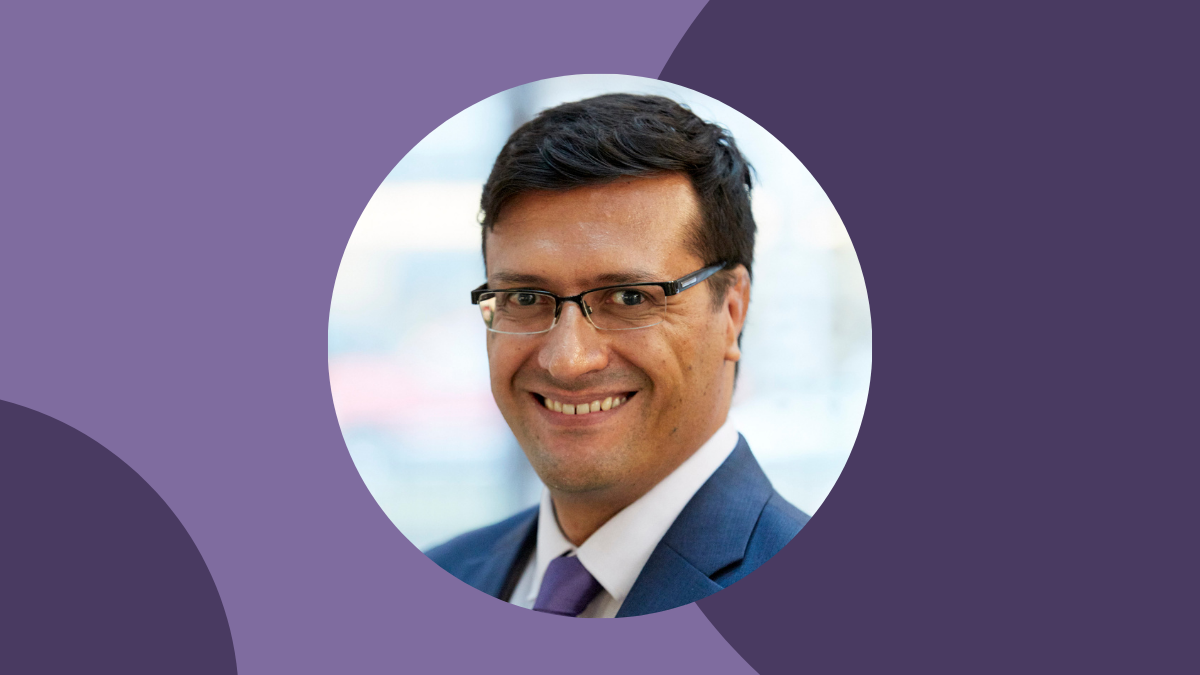
Please join the Department of Nutrition for the Monday Nutrition Seminar featuring Jorge E. Chavarro, MD, ScD, ScM, Dean for Academic Affairs and Professor of Nutrition and Epidemiology at the Harvard T.H. Chan School of Public Health, and Professor of Medicine at Harvard Medical School. Dr. Chavarro’s talk—”To organic, or not to organic, that is the question”—will take place on April 20 at 1:00 p.m. ET in FXB G-13 and via Zoom (registration is required).
Healthy snacks will be provided, thanks to the generous support of the Wellbeing Project Fund from the Office of the Associate Provost for Student Affairs.
The Monday Nutrition Seminar Series is free and open to the public. If you plan to attend this event and do not have an active HUID, please click the “Register Today” button to fill out the registration form by 3:00 p.m. ET on the Friday before the seminar to request a visitor pass to access the building.
Seminar speakers share their perspectives, they do not speak for Harvard.
Speaker Information
Organizers
The Women’s Health Student Summit at Harvard Chan
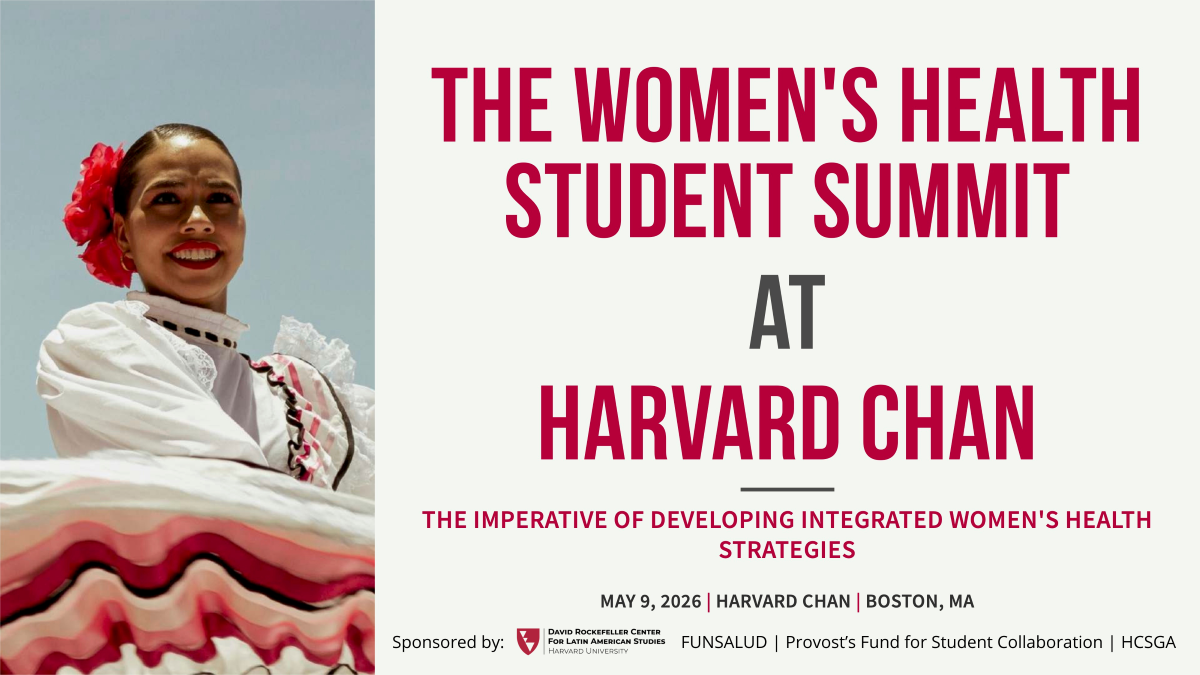
Women around the world experience systemic barriers to respectful, quality care. Countries like the UK and Australia, in response, developed national women’s health strategies to evolve from fragmented programs toward integrated, life-course approaches. However, there is no academic forum that convenes global leaders, policymakers, academic experts, and advocates to advance the discussion and create a shared agenda for holistic women’s health strategies. The women’s health student summit at the Harvard T.H. Chan School of Public Health is the forum where changemakers gather to develop strategies that unify siloed programs and bridge research, policy, and implementation to advance women’s health agendas globally.
This event is in-person and virtual.
Agenda
8:00 AM — Registration
9:00 AM — Opening remarks · Betza Bravo & Aracely Guzman Guajardo
9:20 AM — Keynote: The Imperative of Developing National Women’s Health Strategies · Dame Lesley Regan
10:00 AM — Panel: Transforming Maternal Health: From Evidence to Systems Change · Katherina Semrau · Rose Molina · Christin Price
10:55 AM — Panel: Womenomics 2.0: The ROI of Investing in Women’s Health Strategies · Rhonda Pacheco · Esther Duflo
11:50 AM — Lunch (breakout sessions):
- “Small Shifts, Meaningful Directions” — MomPath
- “The Menopause Leadership Gap: From Screening to Empowering Leaders in and Beyond Transition” — Promoting Good
12:20 PM — Lunch (fireside chat):
- The Power of Prevention
1:05 PM — Panel: Sexual and Reproductive Health in a Polarized World: Evidence, Rights, and Policy · Alicia Yamin · Sapna Kathri
2:00 PM — Panel: Invisible No More: Addressing Neglected Areas in Women’s Health Across the Life Course · Jorge Chavarro · Olga Garcia · Louise King
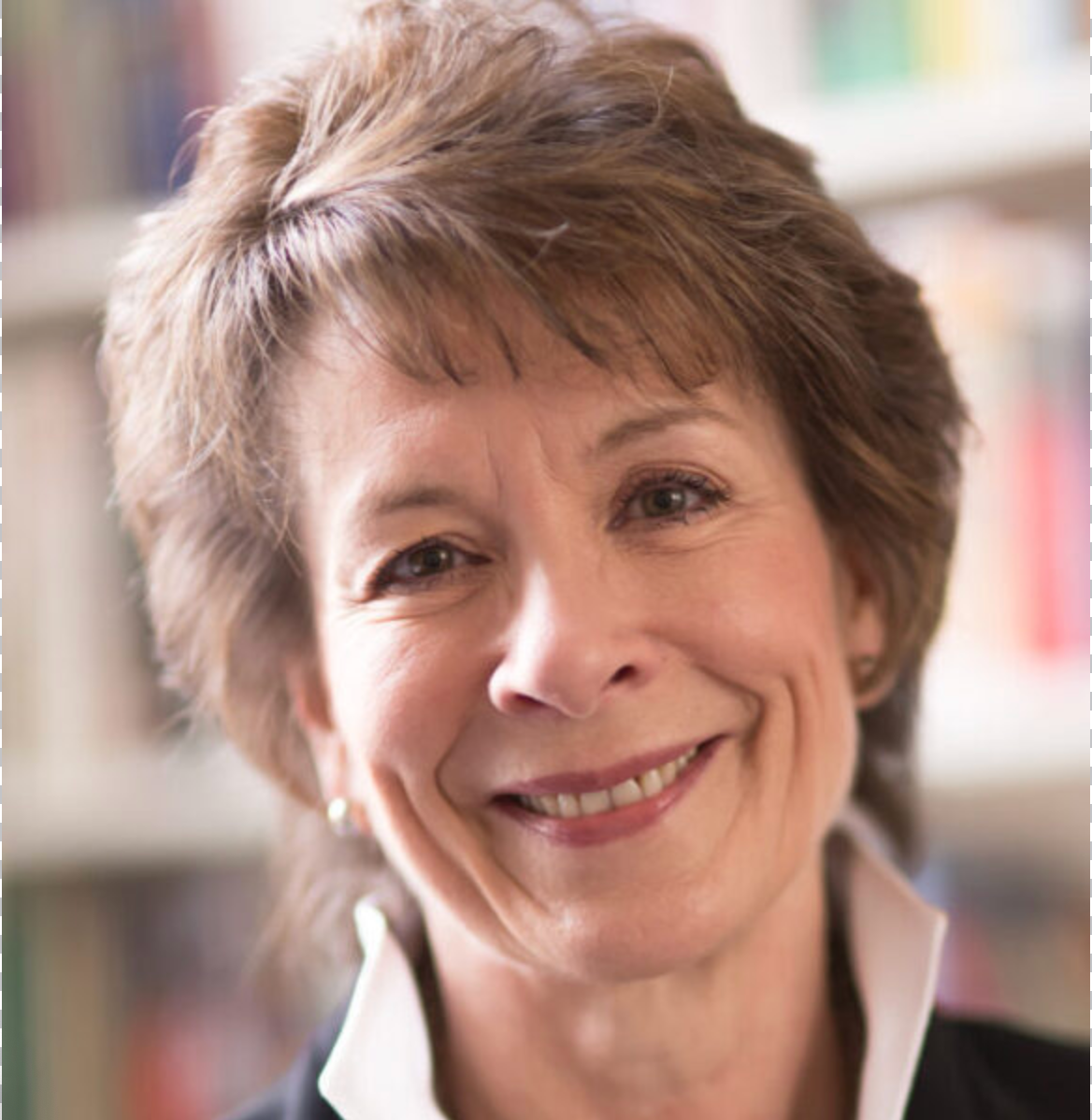
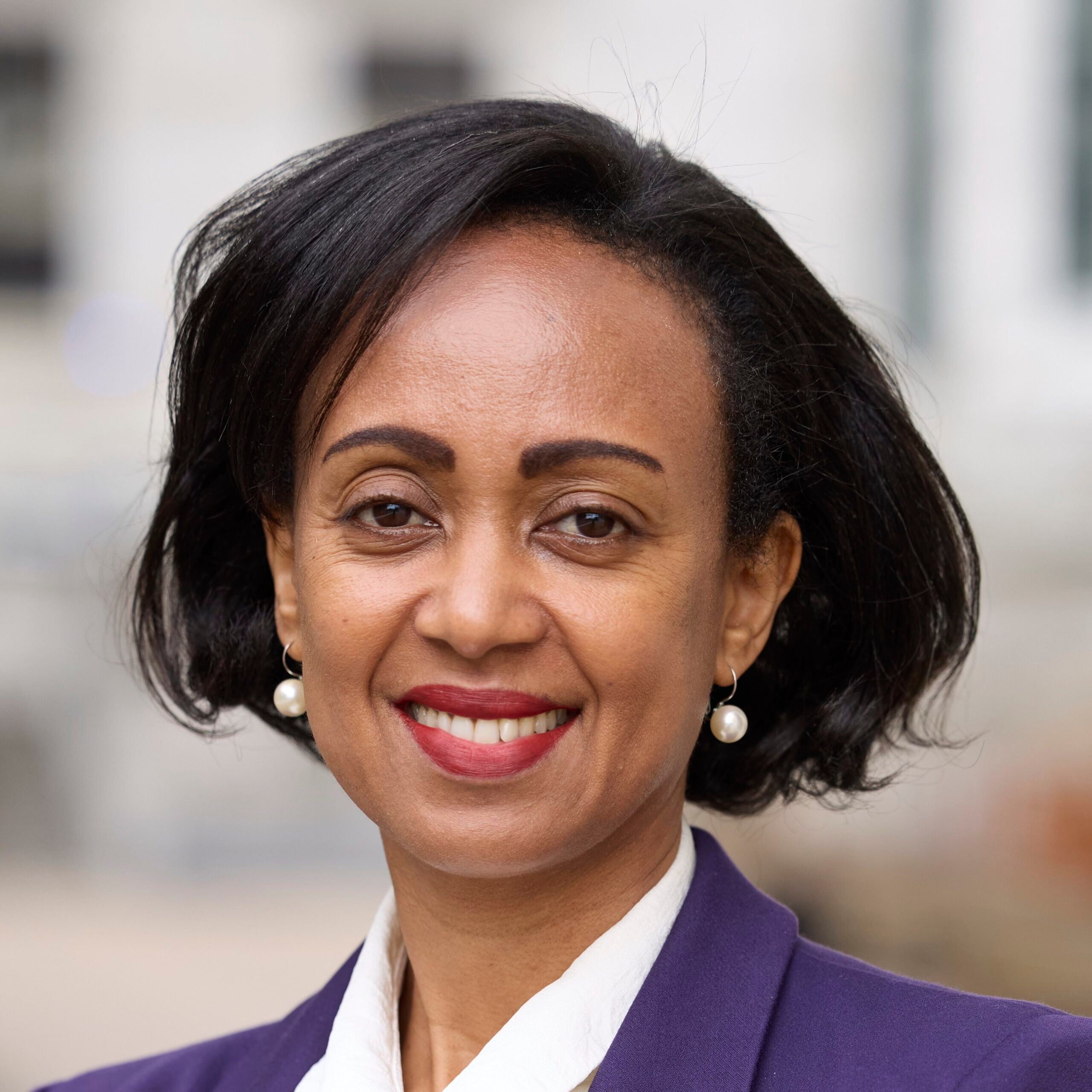
2:55 PM — Panel: Blueprint for Change: Moving Toward Integrated, Life-Course Health Strategies · Lia Tadesse · Hector Valle · Dr. Winnie Yip
3:50 PM — Panel: The Last Mile of Health Policy: If Science Doesn’t Influence People’s Behavior, What Does? Communicating Health Policy in the Age of Social Media · Amanda Yarnell
4:20 PM — Closing keynote
4:50 PM — Closing remarks · Betza Bravo & Aracely Guzman Guajardo
We greatly thank our sponsors for their contribution to making this event possible.
Changemakers: FUNSALUD, Promoting good
Blueprint partner: Provost’s Fund for Student Collaboration, David Rockefeller Center for Latin American Studies
Womenomics champion: Harvard T.H. Chan School of Public Health (department of Social and Behavioral Health, Department of Global Health), Harvard Chan Student Government Association
Speaker Information
Dame Lesley Regan
Lia Tadesse
Hector Valle
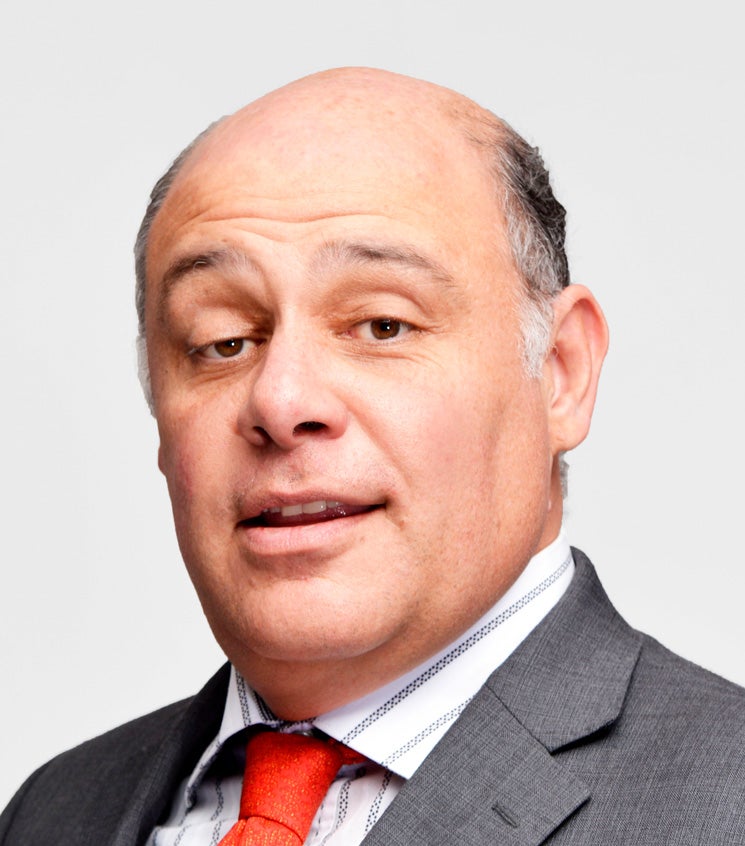
Alicia Yamin, JD, MPH, PhD
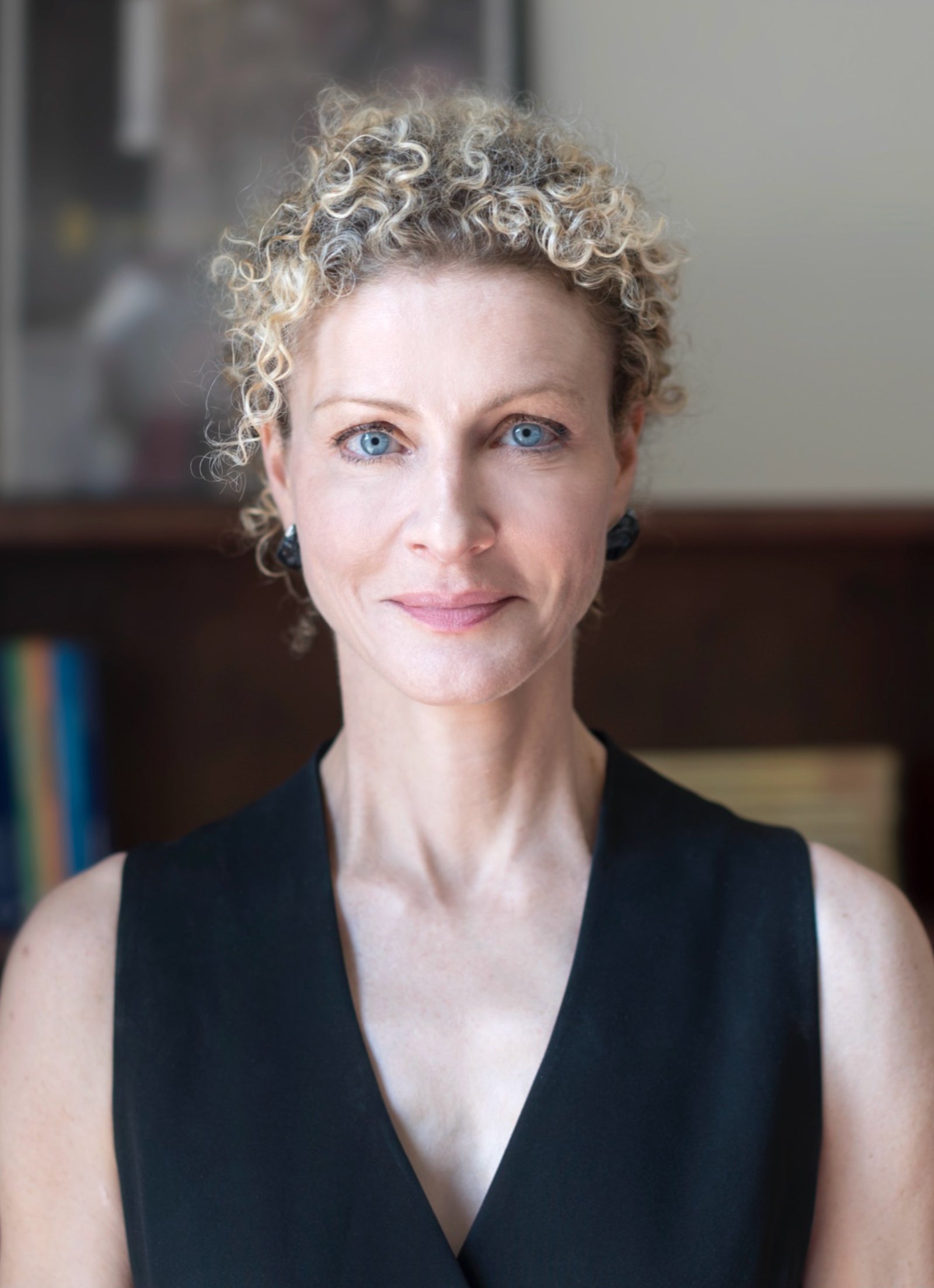
Rhonda Pacheco
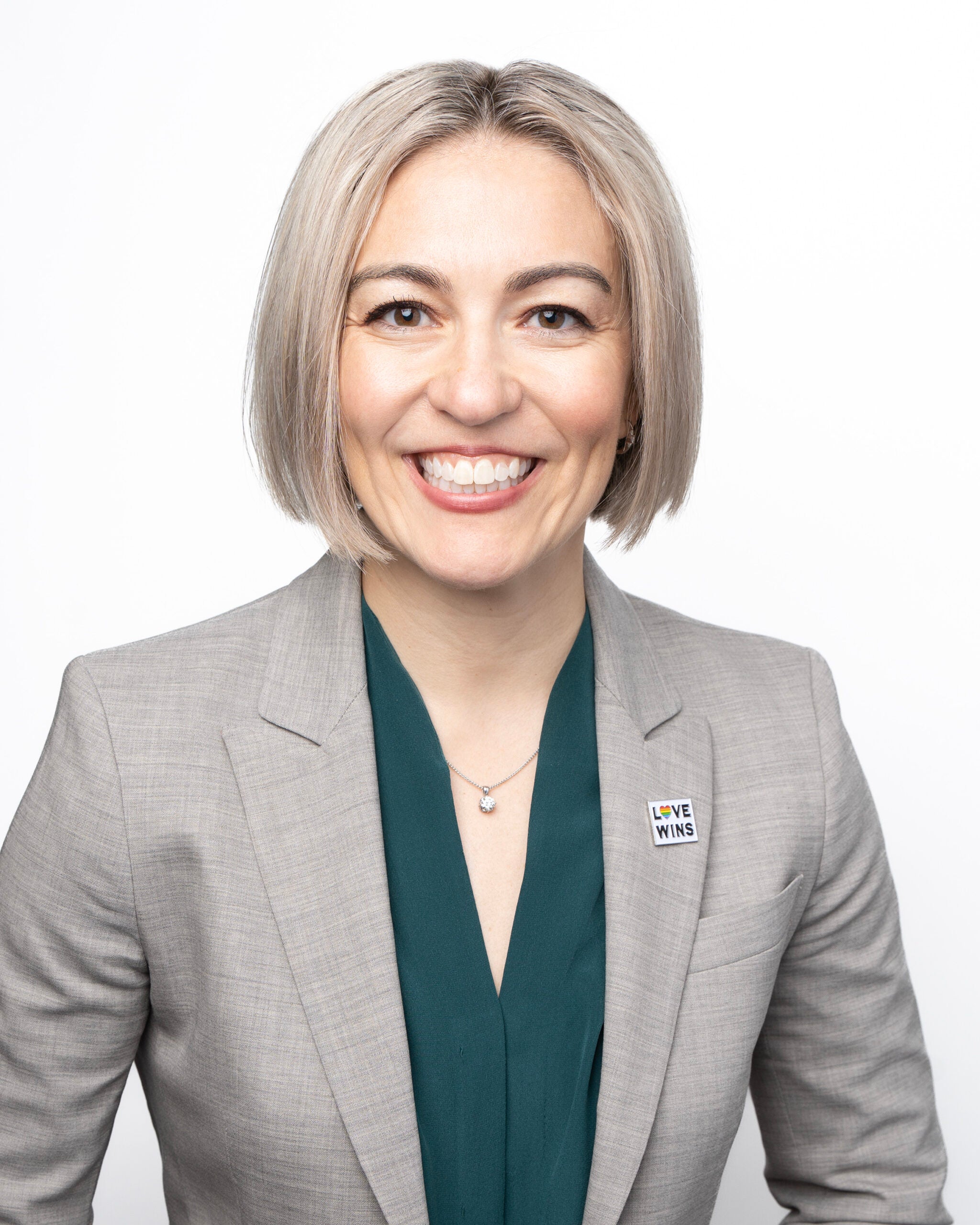
Winnie Yip, PhD
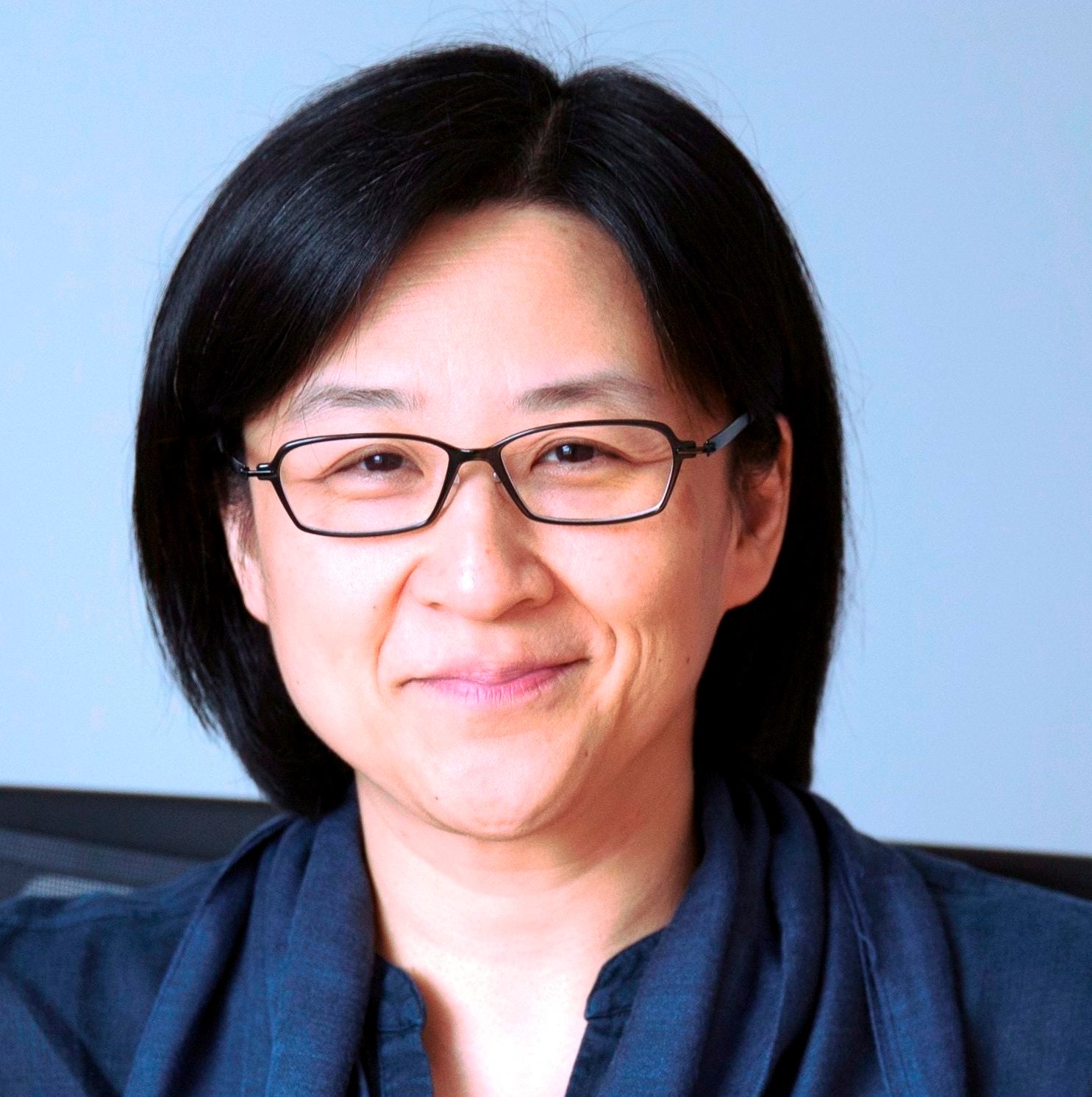
Organizers
Strength in Community: Navigating Careers with Harvard Alumni
This event is designed to bring students and alumni together in conversation about career paths, job searching, and the value of professional community—particularly in today’s evolving job market. We hope to create a space where students can hear candid reflections from alumni about how they have navigated their careers, learn practical strategies for approaching the job search, and gain perspective on how the Harvard network can serve as a source of support and opportunity.
Organizers
2026 Harvard President’s Innovation Challenge Awards Ceremony
Join the Harvard Innovation Labs for our annual celebration of innovation, community, and entrepreneurship at Harvard. We’ll hear live pitches from 25 finalists and reveal which ventures will receive a share of $500,000+ in funding, courtesy of the Bertarelli Foundation.
Tickets are now available to the Harvard community. Registration will open to the public on or before April 22.
The theme of this year’s competition is “What Moves You” — and our founders represent the diverse paths to entrepreneurship and how early ideas can lead to real impact.
Get excited for this year’s event by watching highlights from last year.
How to join:
In-person: Join us in person for the awards ceremony in Klarman Hall in Allston, Massachusetts. An after party will follow at Schwartz Pavilion (directly outside of Klarman Hall) with food, drinks, and a chance to meet and mingle with the finalists and our broader innovation community.
Online: Can’t make it to campus? Join us online from anywhere in the world for an immersive digital experience. We’ll share the livestream link as the date gets closer.
Please note: By registering, you agree to receive emails about this event and future communications from the Harvard Innovation Labs.
Organizers
ID Epi Seminar Series: Why elimination should be the default response for future severe pandemic
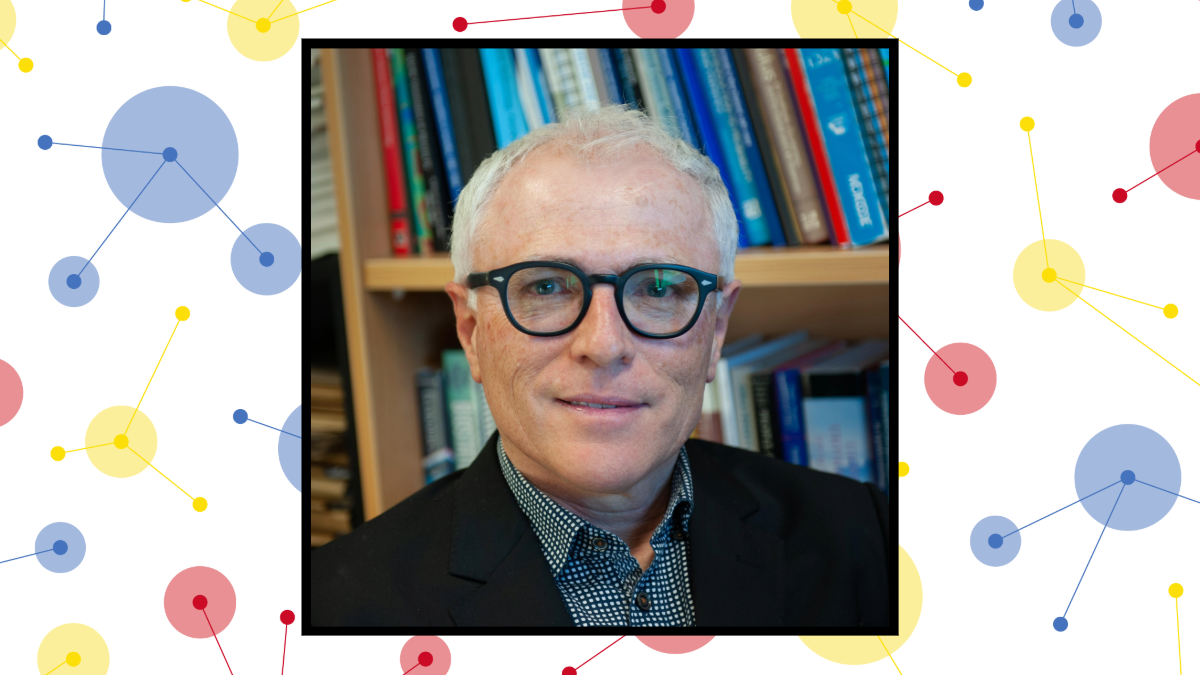
Why elimination should be the default response for future severe pandemic
Presented by Michael Baker, Professor of Public Health, University of Otago, Wellington New Zealand.
Professor Michael Baker is a public health physician, epidemiologist, and active researcher in the Department of Public Health, University of Otago, Wellington, NZ. He is visiting the United States as a Fulbright Scholar from April to September 2026. In NZ, he leads the Health Protection Aotearoa Research Centre which investigates ways of improving prevention and control of infectious diseases and environmental health hazards. Michael took a leading role in shaping NZ’s Covid-19 pandemic response, particularly the elimination strategy. He has a strong interest in science communication and directs the national Public Health Communications Centre.
This event open to the public. To access the event, you will need to secure a visitor’s pass – you can do this by registering in advance.
Speaker Information
Organizers
At the front lines of global health messaging: A conversation with WHO’s retired communications director
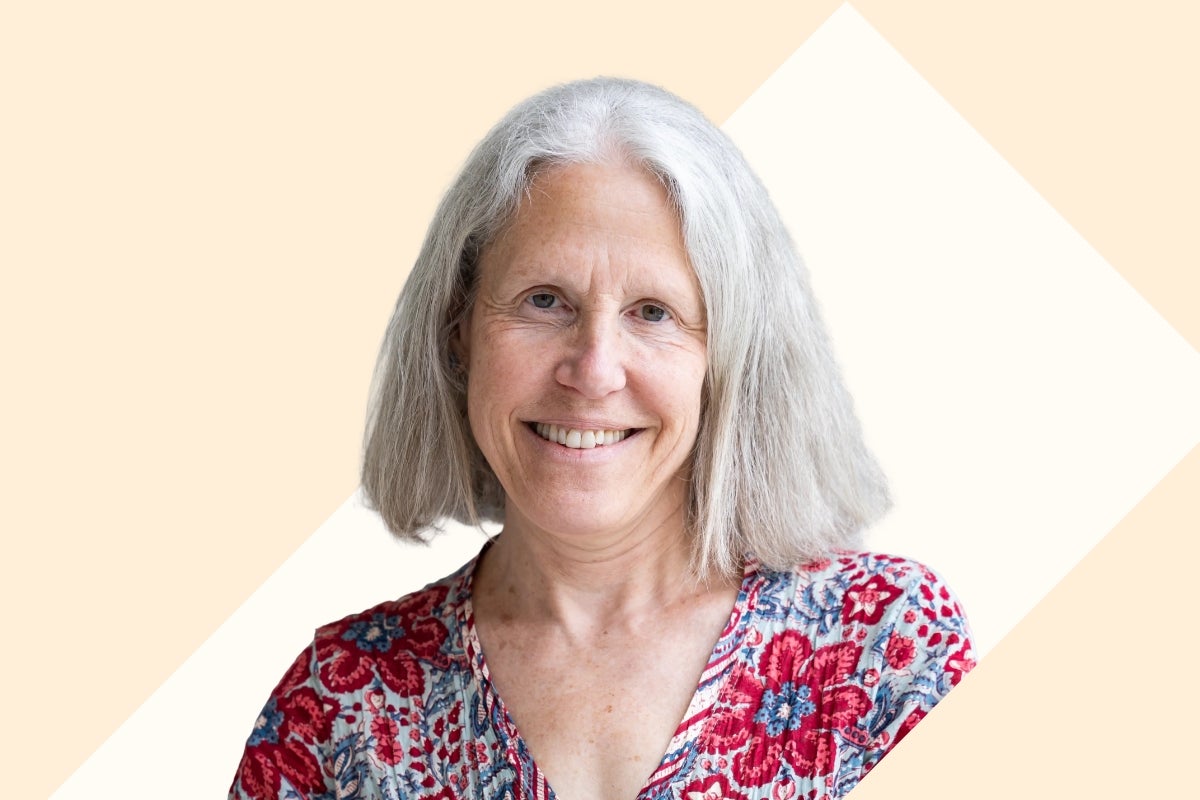
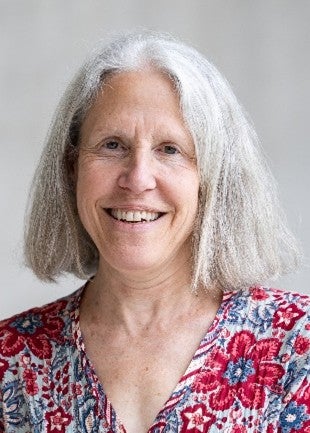
A virus never before seen in humans is killing people around the world. What do you say to a global audience desperate to learn more? Gabriella Stern faced this question head-on. For more than six years, she served as director of communications at the World Health Organization, including throughout the COVID-19 pandemic. In this fireside chat, Stern will share stories from the front lines of global health communication—what it takes to craft and deliver clear, trusted messaging on issues ranging from infectious disease outbreaks to humanitarian crises to massive public health funding cuts—all while navigating a rapidly evolving communications landscape.
Speaker
Gabriella Stern
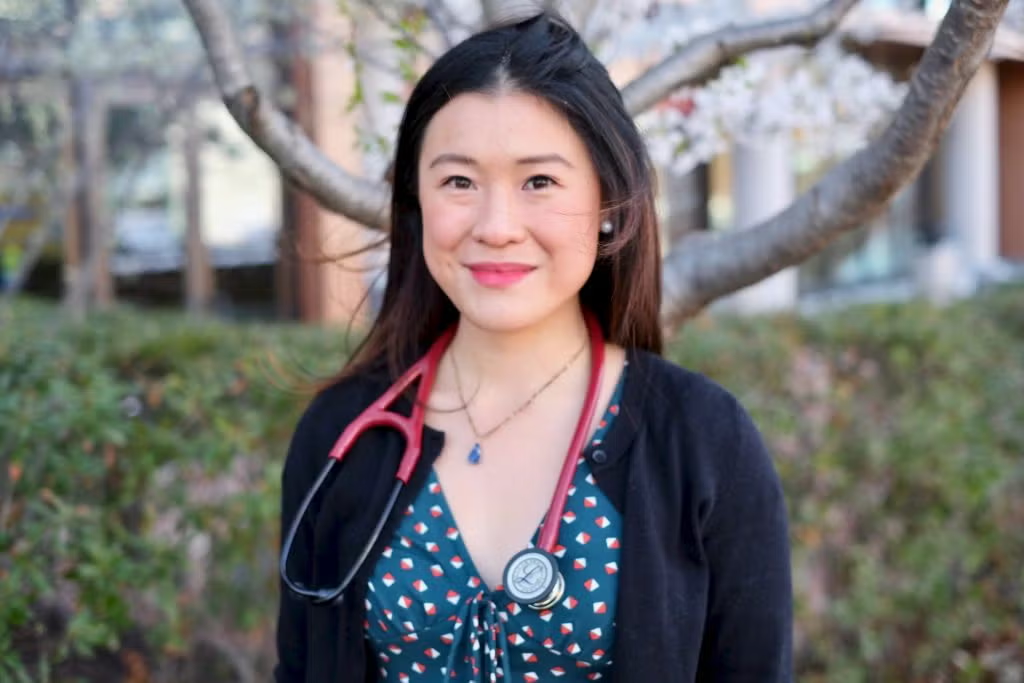
Moderator
Clarisza Runtung
About The Studio
Brown Bag Seminar: The Lancet Commission on a Citizen-Centered Health System for India: Reform pathways towards UHC for a fifth of the world’s population
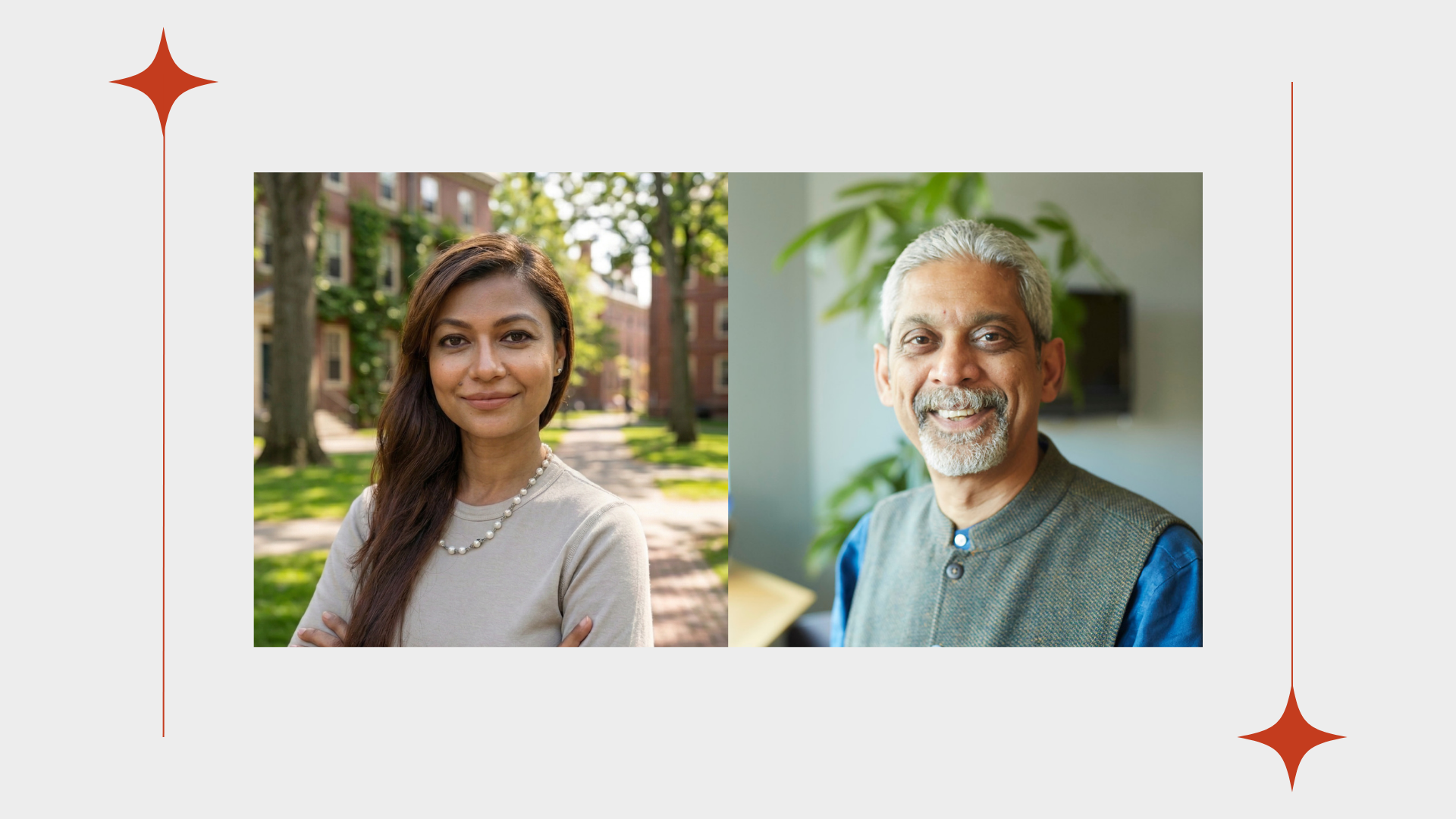
Anuska Kalita, DrPH, is director of the India Health Systems Program in the Department of Global Health and Population, Harvard TH. Chan School of Public Health. She is a health systems specialist with over 20 years of experience across academia, management consulting, multilateral agencies, and philanthropy. Her work spans 18 countries across Asia, Africa, the Americas, and Europe, with a particular focus on India. She has led large-scale health systems and policy research and built cross-sector partnerships that align government, private sector, academic, and civil society actors around actionable reform agendas. She co-led The Lancet Commission on a Citizen-Centered Health System for India (2026) and has contributed to the design of landmark policies including India’s National Health Policy (2017), the Ayushman Bharat program (2018), and the national ASHA Program (2005). She has led and designed several capacity-strengthening/executive training programs for senior health professionals and policy makers, notably the WHO Academy’s PHC Leadership Course for senior policy actors across 180 countries. Kalita holds a doctorate in public health from Harvard University.
Vikram Patel, MBBS, PhD, is Paul Farmer Professor and Chair of the Department of Global Health and Social Medicine at Harvard Medical School. He holds honorary professorships at Harvard Chan School, London School of Hygiene and Tropical Medicine, and Public Health Foundation of India. Patel co-leads the Mental Health for All lab and GlobalMentalHealth@Harvard initiative, and his research focuses on the global burden of mental health problems, their links to social disadvantages, and community-based solutions. He cofounded Sangath, an Indian NGO recognized with international awards, and several global mental health networks. A Fellow of the UK Academy of Medical Sciences and member of the US National Academy of Medicine, Patel has served on India’s first National Mental Health Policy Committee, co-led two Lancet Commissions on mental health, and received major honors, including the Rhodes Scholarship, Sarnat Prize, Pardes Humanitarian Prize, an Honorary OBE, and the Canada Gairdner Award. He holds multiple honorary doctorates and was named to TIME Magazine’s list of the 100 most influential people in 2015.
Speaker Information
Anuska Kalita
Organizers
How our surroundings shape health: A conversation between environmental scientists

For more than 50 years, Jack Spengler has advanced our understanding of how environment shapes health through pioneering research on the importance of air quality, healthy buildings, and climate resilience. In conversation with longtime collaborator Linda Powers Tomasso, Spengler explores how the places we live, learn, and work shape human health. Together, they reflect on the evolution of environmental health over five decades and the importance of continued collaboration and mentorship in shaping a more sustainable future.
Register for free to submit your questions.
An on-demand video will be posted after the event.
Speakers
About The Studio
Monday Nutrition Seminar | AI-driven Integration of EMR and Molecular Data for Maternal and Child Health
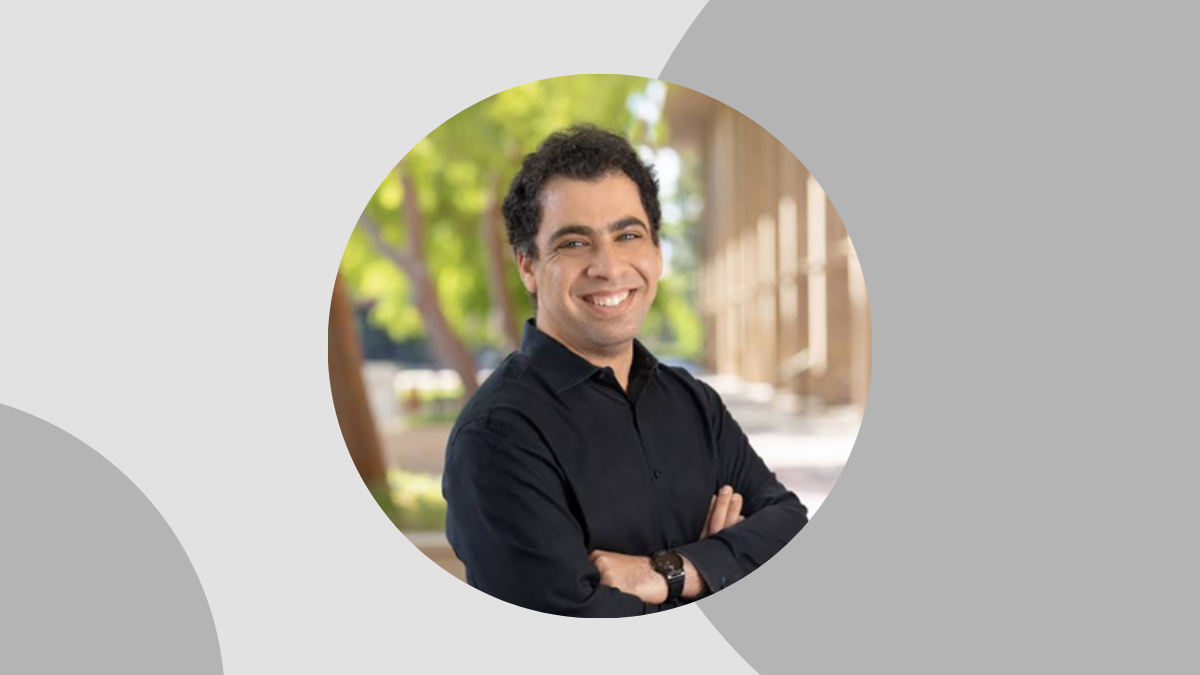
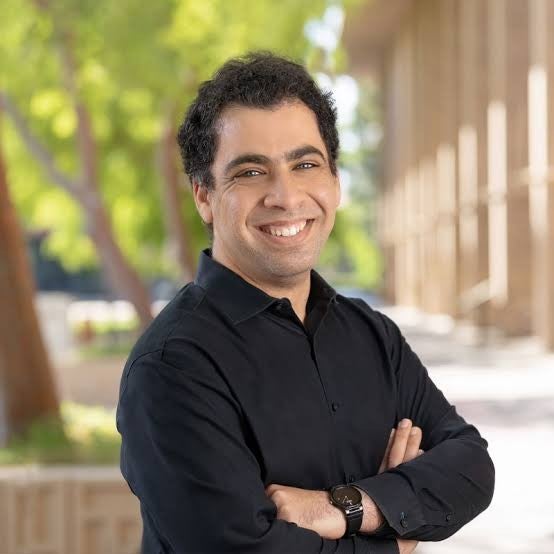
Please join the Department of Nutrition for the Monday Nutrition Seminar featuring Nima Aghaeepour, PhD, Endowed Professor and Vice Chair for Research (Data Science) in the Department of Anesthesiology, Peri-operative, and Pain Medicine; Professor in the Department of Pediatrics; and Professor in the Department of Biomedical Data Science at Stanford University. Dr. Aghaeepour’s talk—”AI-driven Integration of EMR and Molecular Data for Maternal and Child Health”—will take place on April 27 at 1:00 p.m. ET in FXB G-13 and via Zoom (registration is required).
Healthy snacks will be provided, thanks to the generous support of the Wellbeing Project Fund from the Office of the Associate Provost for Student Affairs.
The Monday Nutrition Seminar Series is free and open to the public. If you plan to attend this event and do not have an active HUID, please click the “Register Today” button to fill out the registration form by 3:00 p.m. ET on the Friday before the seminar to request a visitor pass to access the building.
Seminar speakers share their perspectives, they do not speak for Harvard.
Speaker Information
Organizers
Monday Nutrition Seminar | Red tape and empty plates: understanding how administrative burden diminishes the effectiveness of food assistance policies

Please join the Department of Nutrition and the Department of Social and Behavioral Sciences for the Monday Seminar featuring Professor Erica Kenney, ScD, Associate Professor of Public Health Nutrition in the Department of Nutrition and Faculty Affiliate in the Department of Social and Behavioral Sciences at HSPH, and Research Director of the Harvard Prevention Research Center. Dr. Kenney’s talk—”Red tape and empty plates: understanding how administrative burden diminishes the effectiveness of food assistance policies”—will take place on April 13 at 1:00pm ET in FXB G-13 and via Zoom (registration is required).
Lunch will be provided on a first-come, first-served basis.
All of our Monday Seminars are free and open to the public. If you plan to attend this event and do not have a valid HUID, please fill out this form in advance to request a visitor pass to access the building.
Seminar speakers share their perspectives, they do not speak for Harvard.