Heat, Health and the City: Community, Housing, and Health System Solutions
The Center for Climate, Health, and the Global Environment (C-CHANGE) invites you to join us for this in-person breakout session as part of Harvard Climate Action Week. Breakout sessions are first come, first served. Please plan to arrive early to the session.
Extreme heat is an increasingly urgent public health problem in cities, where dense populations and built environments can intensify health risks for vulnerable communities. This panel will showcase how local initiatives are addressing public health and climate challenges related to extreme heat in urban environments. Panelists will discuss real-life strategies that connect scientific research to equitable interventions, aiming to protect health and reduce disparities in cities. The session will highlight related Harvard Chan research, including work in Boston’s redlined communities.
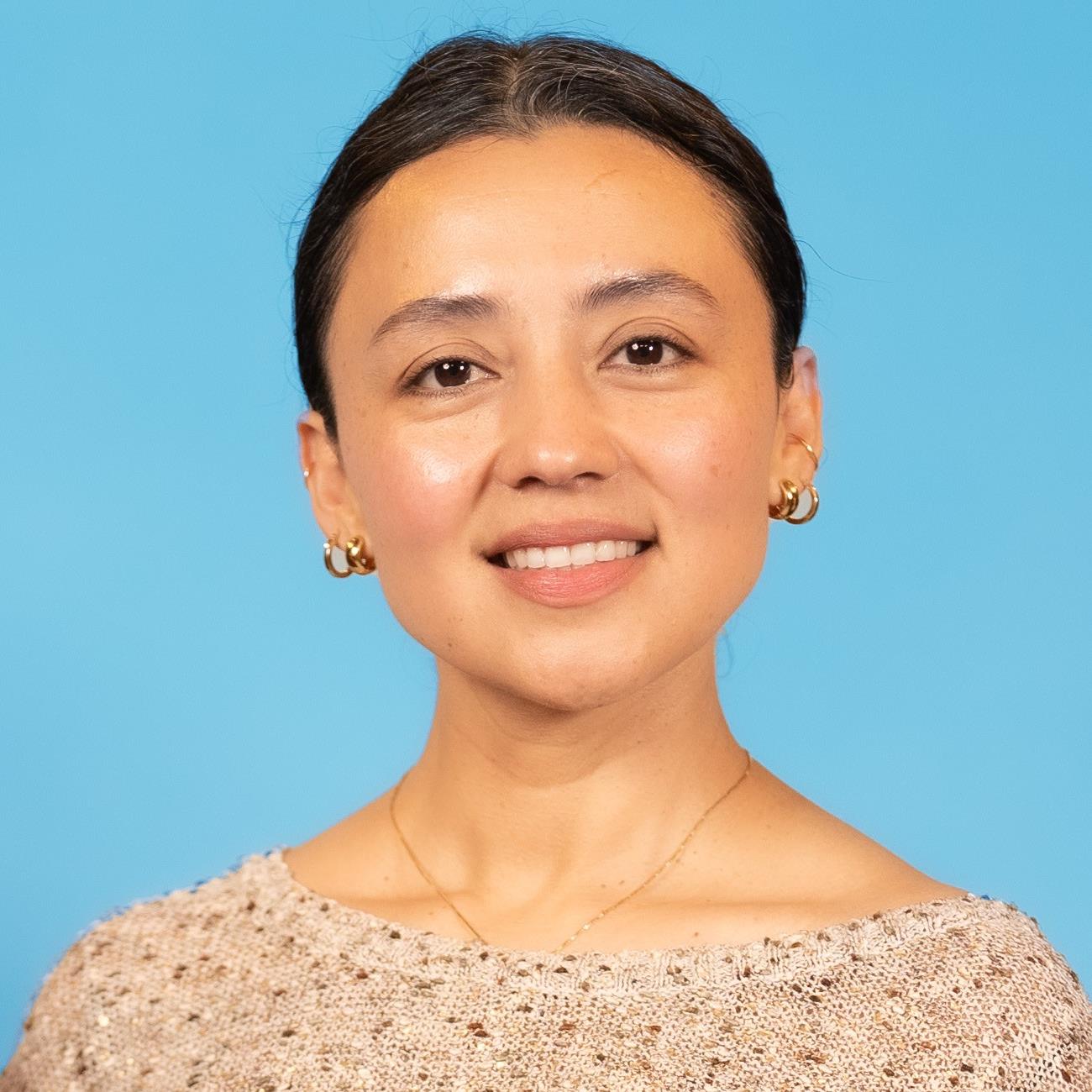
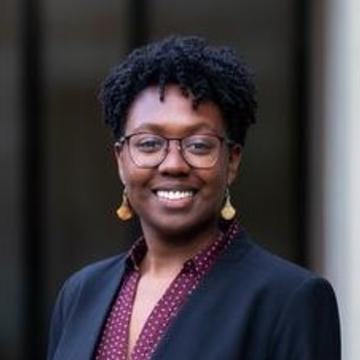
Speaker Information
Organizers
Dana-Farber/Harvard Cancer Center Celebration of Early Career Investigators in Cancer Research
Early career investigators are a unique reservoir of new ideas, innovation, and excellence in cancer research. To celebrate this, we welcome you to join the Annual DF/HCC Celebration of Early Investigators in Cancer Research. This symposium will showcase the talent of early career investigators at the Dana-Farber/Harvard Cancer Center (DF/HCC) who work in several areas of population science, including epidemiology, biostatistics, outcomes, diversity, and survivorship. We invite all members of the public to attend the event. We also invite students, post-docs, residents, and clinical fellows to submit abstracts for consideration as oral or poster presentations. We look forward to an exciting afternoon of discussion, sharing new discoveries, and building new collaborations.
Global Health Week Symposium: Building Sustainable Health Systems
Global Health Week returns on April 28 to May 2!
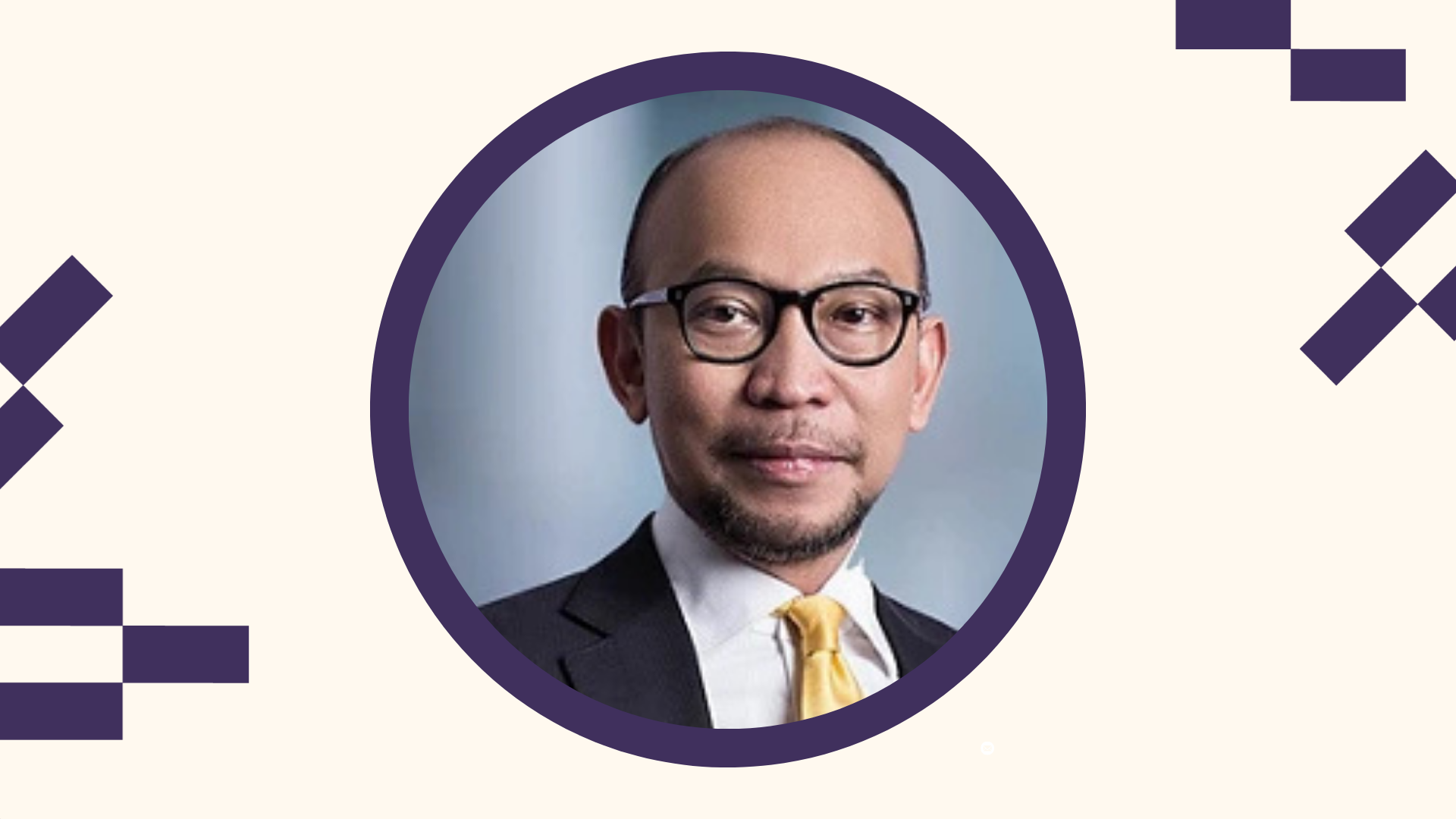
Please join the Department of Global Health and Population’s Global Health Week Symposium on “Building Sustainable Health Systems” featuring Keynote speaker Muhamad Chatib Basri, PhD, Chairman, PT Bank Mandiri tbk. and Former Minister of Finance of Indonesia, followed by a panel discussion from international experts and Harvard faculty.
This event will be held on Thursday, May 1, 2025 at 5:30 PM in Kresge G2.
Harvard Chan School hosts a diverse array of speakers, invited to share both scholarly research and personal perspectives. They do not speak for the School, and hosting them does not imply endorsement of their views, organizations, or employers.
Keynote Speaker
Muhamad Chatib Basri, PhD
Panelists
Moderator
Organizers
2025 Harvard President’s Innovation Challenge Awards Ceremony

Join the Harvard Innovation Labs for our annual celebration of innovation, community, and entrepreneurship at Harvard. We’ll hear live pitches from 25 finalist ventures and reveal which will receive a share of $517,000 in funding, courtesy of the Bertarelli Foundation. Get excited for this year’s event by watching highlights from last year.
We’ll hear live pitches from 25 finalist ventures and reveal which will receive a share of $517,000 in funding, courtesy of the Bertarelli Foundation.
Get excited for this year’s event by watching highlights from last year.
Register today to get the link for the livestream.
Tickets for the in-person event will open to the Harvard community on April 7 and to the general public on or before April 23.
HOW TO JOIN
In-person: Join us in person for the awards ceremony in Klarman Hall in Allston, Massachusetts. An after party will follow at Schwartz Pavillion (directly outside of Klarman Hall) with food, drinks, and a chance to meet and mingle with the finalists and our broader innovation community.
Online: Can’t make it to campus? Join us online from anywhere in the world for an immersive digital experience. Register to receive the link to view the livestream.
* * *
Please note: By registering, you agree to receive emails about this event and future communications from the Harvard Innovation Labs.
Organizers
Building a Learning Health System: the VA-CAUSAL Enterprise (19th Kolokotrones Symposium)

CAUSALab is thrilled to invite you to the 19th Kolokotrones Symposium at Harvard T.H. Chan School of Public Health!
This hybrid symposium celebrates the 100th anniversary of research for our VA-CAUSAL collaborator, the VA Office of Research & Development.
“Building a Learning Health System: the VA-CAUSAL Enterprise” will explore how VA-CAUSAL may serve as a helpful model for future learning health systems. Speakers will describe the program infrastructure, research use cases, and policy implications. The symposium will conclude with a panel discussion on the future of research to build learning health systems.
VA-CAUSAL is a causal inference research initiative within the U.S. Veterans Health Administration. The goal of VA-CAUSAL is to help transform the VA into a learning health system that expedites the translation of research into practice and supports decision-making by patients, clinicians, and other stakeholders to improve health.
Featured symposium speakers to be announced.
Event information including directions and building access will be sent directly to registered in-person attendees in the weeks leading up to the event. Zoom link will be distributed to all virtual attendees the week leading up to the event.
Speakers’ remarks are based on their own scholarship and experience. As such, they speak for themselves, and not for Harvard, the Department of Veterans Affairs (VA), or the United States government.
Organizers
Cooking Demonstration & Tasting Reception

Executive Chef Chris Kelly will demonstrate cancer-mindful recipes in conversation with Martin Breslin, Harvard University’s Director of Culinary Operations. A small-plate tasting reception will follow. Join us to improve your cooking skills, enjoy a healthy bite, and socialize.
Speaker Information
Organizers

*Please note that registration is required for all attendees. WebEx links will be emailed out ahead of the event
Social media hosts an endless supply of misleading cancer information. As members of the public health community how do we keep the lines of communication open and encourage patients to follow confirmed and effective guidelines. Join our panel of experts as they discuss the latest research on how and why misinformation spreads, and our role in the conversation as health care professionals.
Moderator
Public Interested Conference 2025

Public Interested is a campus-wide program organized by the Center for Public Service and Engaged Scholarship and collaboratively planned by the Harvard Alumni Association, Advanced Leadership Initiative, FXB Center for Health and Human Rights, Harvard Global Health Institute, Harvard Innovation Labs, Institute of Politics, Mignone Center for Career Success, Office for the Arts, Office for Sustainability, Phillips Brooks House Association, Harvard Foundation for Intercultural and Race Relations, and the Social Innovation and Change Initiative at Harvard Kennedy School. This program offers several outstanding ways for students and alums to explore public interest careers, make connections, and discuss social issues. Public Interested will take place on Saturday, February 1, 2025 at the Harvard Graduate School of Education.
Breakout networking discussions include: advising on public interest careers, education, environmental justice, immigration reform, political engagement and advocacy, public and global health, public interest law and criminal justice reform, and safety nets: housing access and food security.
Speaker Information
Sharrelle Barber SD '14 Director of the Ubuntu Center at Drexel University’s Dornsife School of Public Health
Jerren Chang MBA '21, MPP '21, President and CEO, Partners in Democracy
Marion Dry AB '73, Chair and Co-Founder of ClassACT HR73
Jahnavi Raos ALM '00, ALM '01, MPA '24, Co-President, Harvard Alumni for Climate and the Environment
Rob Watson AB '09, EdM '18, MPA '21, Executive Director, EdRedesign Lab at HGSE; Lecturer on Education, HGSE
Organizers
Public Interested Conference 2025

Public Interested is a campus-wide program organized by the Center for Public Service and Engaged Scholarship and collaboratively planned by the Harvard Alumni Association, Advanced Leadership Initiative, FXB Center for Health and Human Rights, Harvard Global Health Institute, Harvard Innovation Labs, Institute of Politics, Mignone Center for Career Success, Office for the Arts, Office for Sustainability, Phillips Brooks House Association, Harvard Foundation for Intercultural and Race Relations, and the Social Innovation and Change Initiative at Harvard Kennedy School. This program offers several outstanding ways for students and alums to explore public interest careers, make connections, and discuss social issues. Public Interested will take place on Saturday, February 1, 2025 at the Harvard Graduate School of Education.
Breakout networking discussions include: advising on public interest careers, education, environmental justice, immigration reform, political engagement and advocacy, public and global health, public interest law and criminal justice reform, and safety nets: housing access and food security.
20th Freeman-Seage Symposium on Infectious Disease Epidemiology
This event is open to the Harvard Longwood Community.
Schedule
1:30 – 4:30PM in the Kresge G3 auditorium
- 1:30PM – Welcome and Introduction by Marc Lipsitch, DPhil, Professor of Epidemiology
- 1:35PM – Transmission or Importation? Using SARS-CoV-2 Genomics to Guide Infection Control protocols by Mui Pham, Postdoctoral Research Fellow, Epidemiology
- 1:50PM – Biological drivers of frequency dependent selection in post-vaccine pneumococcal populations by Indra Gonzalez Ojeda, PhD Student, Physics
- 2:05PM – Alcohol use, alcohol outlets, and spatial HIV epidemic burden in South Africa by Domonique Reed, Postdoctoral Research Fellow, Epidemiology
- 2:20PM – Quantifying the impact of antibiotic use and genetic determinants of resistance on Neisseria gonorrhoeae lineage dynamics by David Helekal, Postdoctoral Research Fellow, Epidemiology
- 2:35PM – Q&A Session
- 2:50PM – BREAK
- 3:10PM – Evolutionary and host demographic factors shaping the diversity of a multilocus antigen in Neisseria gonorrhoeae by QinQin Yu, Postdoctoral Research Fellow, Immunology and Infectious Diseases
- 3:25PM – Equity considerations in COVID-19 vaccine allocation modelling: a methodological study by Eva Rumpler, PhD Candidate, Epidemiology
- 3:40PM – Comparing strategies to introduce two new antibiotics that minimize drug resistance in gonorrhea: a modeling study by Madeleine Kline, MD-PhD Candidate, Population Health Sciences
- 3:55PM – Q&A Session
- 4:20PM – Closing remarks by Megan Murray, Professor in the Department of Epidemiology
4:45-6:30PM in the FXB Atrium
- Spatiotemporal variability of malaria transmission in the Brazilian Amazon driven by weather and climate patterns by Nicholas J. Arisco, Postoctoral Research Fellow, Global Health and Population
- Can Group B Streptococcus (GBS) strain diversity in carriage be recovered from low-abundance metagenomic samples? A simulation study by Ruchita Balasubramanian, PhD Candidate, Epidemiology
- Surveillance for TB drug resistance using routine rapid diagnostic testing data: Methodological development and application in Brazil by Sarah Baum, PhD Student, Global Health and Population
- Focusing a Viral Risk Ranking Tool on Prediction by Katherine Budeski, PhD Student, Epidemiology
- Exploring SARS-CoV-2 Intrahost Evolution and Transmission with Deep Sequencing Genomic Surveillance Data by Léa Cavalli, PhD Candidate, Epidemiology
- Why should we study indirect effects of antimicrobial treatment strategies? by Juan Gago, Postdoctoral Research Fellow, Epidemiology
- Linking Genetic Distance to Invasiveness in Streptococcus pneumoniae by Sophia Lerebours (Undergraduate student at Harvard College), Indra Gonzalez Ojeda (PhD Student, Physics), Marc Lipsitch, DPhil (Professor, Epidemiology)
- Prevalence of Chronic Pulmonary Aspergillosis in Tuberculosis Populations: A Systematic Review and Meta-Analysis by Alicia Madden, Research Assistant, Global Health and Social Medicine
- Mining and Malaria: Addressing Mobility and Access in the Guyana Shield by Andrea Parra Salazar, PhD Student, Global Health and Population
- Heterogeneous constraint and adaptation across the malaria parasite life cycle by Sarah Perkins, PhD Candidate, Biology
- Low-Cost Approaches for Detecting Antimicrobial Resistance in Bacterial Infections in Resource-Limited Settings: A Scoping Review by David Roach, Instructor in Medicine
- Seasonal forcing and waning immunity drive the sub-annual periodicity of the COVID-19 epidemic by Ilan N. Rubin, Postdoctoral Research Fellow, Epidemiology
- Target trial emulation with test restricted sampling to estimate COVID-19 booster vaccine efficacy: a cohort study by Beau Schaeffer, PhD Student, Epidemiology
- Isoniazid Preventive Therapy (IPT) and TB infection in intrahousehold contacts by Oscar Zazueta Fierro, PhD Student, Population Health Sciences