We’re leading the global charge to understand and solve the world’s most pressing environmental health challenges. Learn how we can make an impact together.
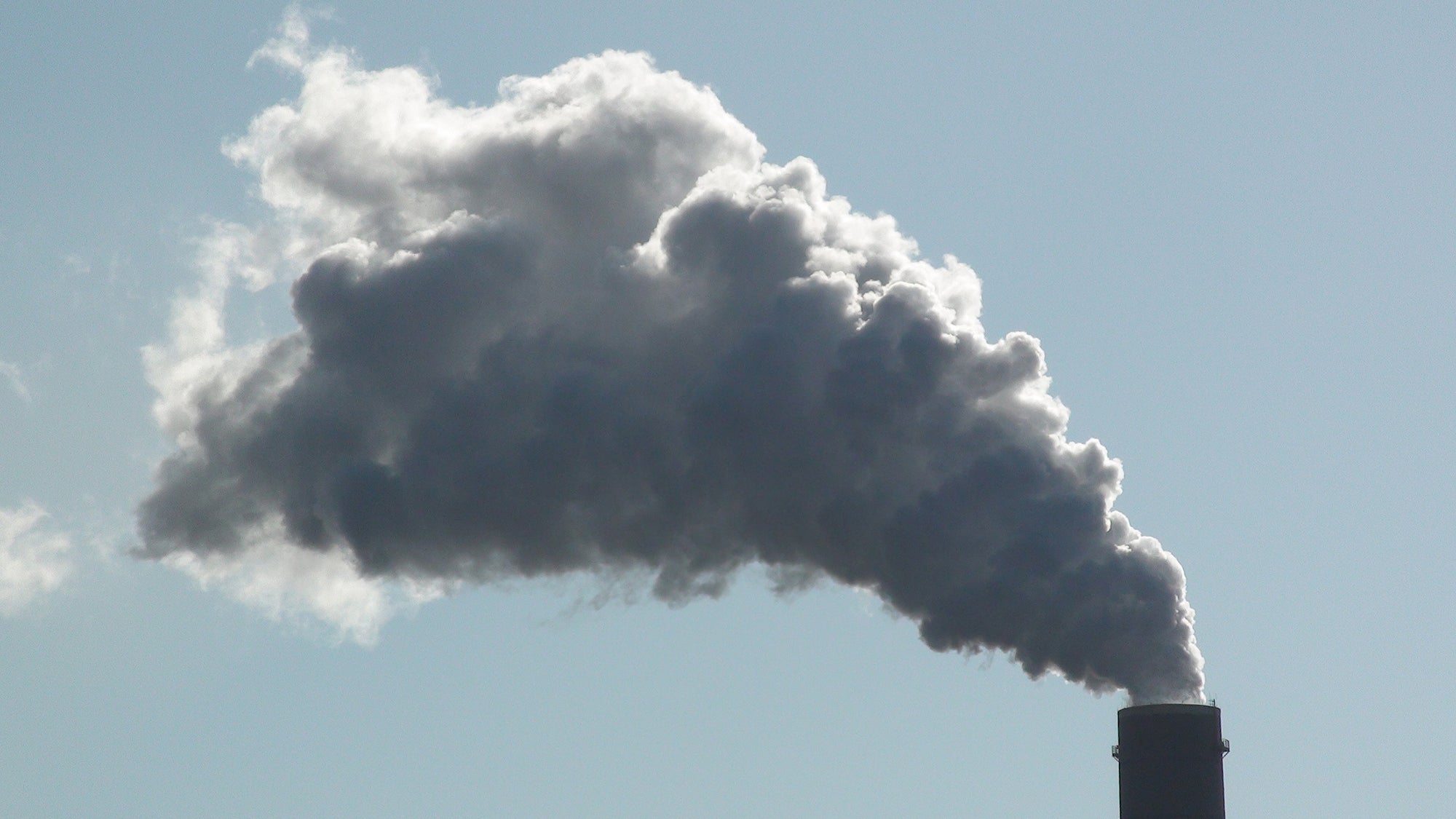
A recent repeal of federal environmental regulations aimed at limiting the emission of mercury and other heavy metals from power plants could have serious health impacts, according to Harvard Chan School experts.
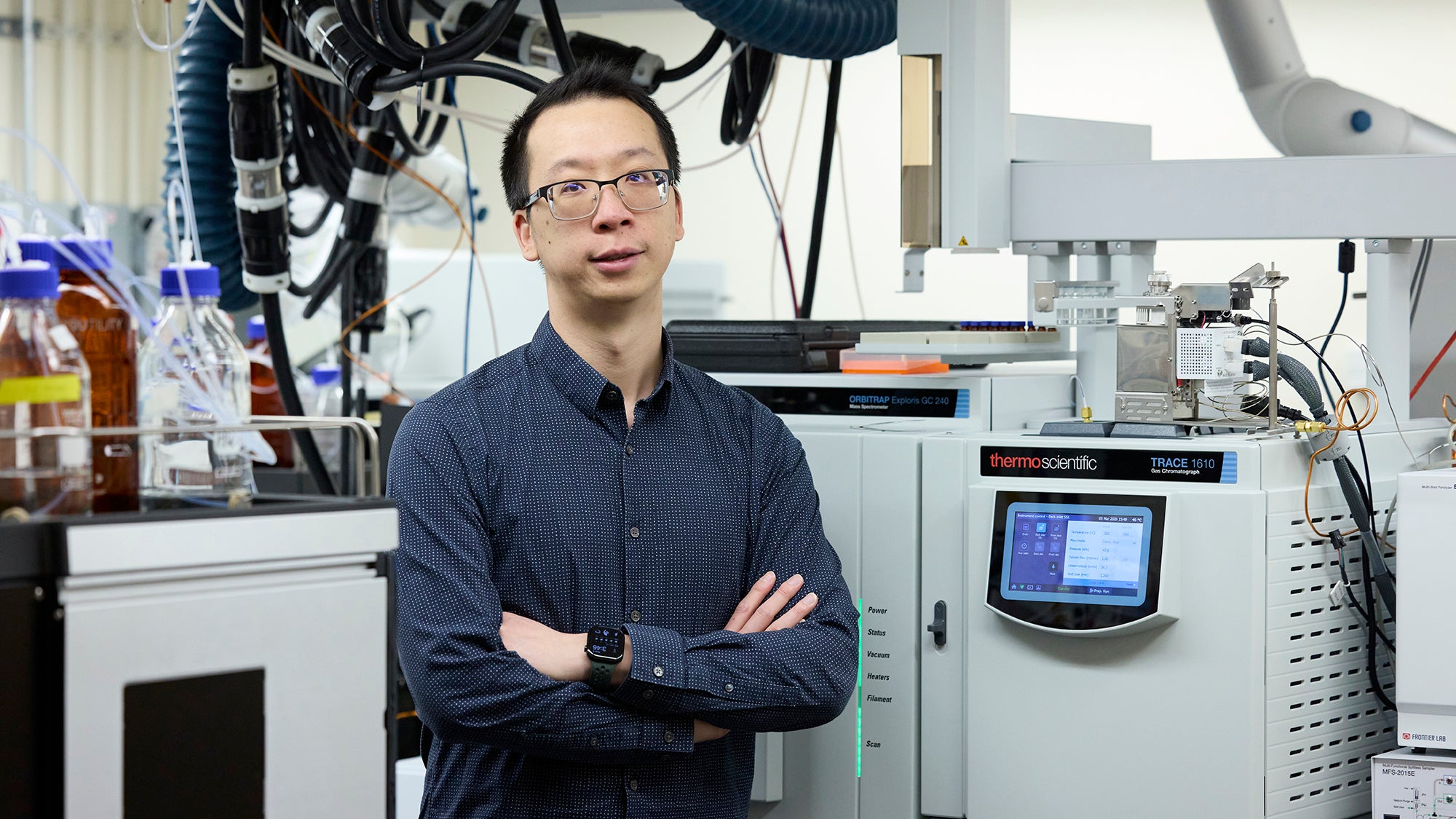
Peng Gao studies the “exposome”—the measure of an individual’s total environmental exposures over the course of their life and how those exposures impact biology and health.
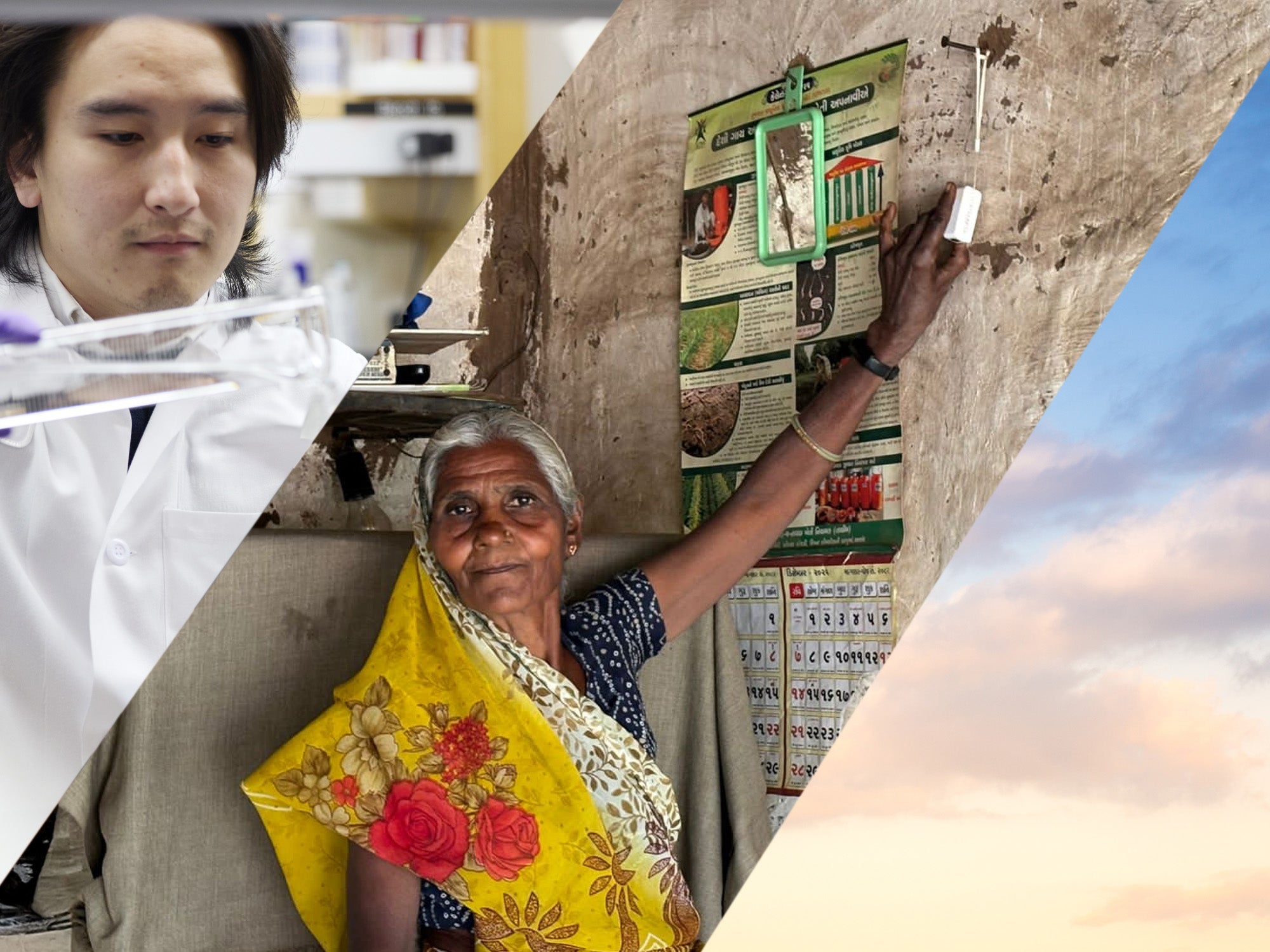
Harvard Chan School researchers will begin new U.S. and India-based investigations into the health impacts of air pollution, heat, and climate change mitigation strategies, made possible by charitable foundation Wellcome.
Prenatal lead exposure, specifically during the second trimester, was associated with lower cognitive test scores later in life, according to a new Harvard Chan School study.
U.S. counties located closer to operational nuclear power plants have higher rates of cancer mortality than those located farther away, according to a new Harvard Chan School study.
A year after the devastating Los Angeles-area wildfires, Harvard Chan researchers who have been assessing the disaster’s health impacts are taking stock of what they’ve learned, and of the work that lies ahead.