We’re leading the global charge to understand and solve the world’s most pressing environmental health challenges. Learn how we can make an impact together.
In the not-too-distant future, doctors may be able to determine what sort of damaging exposures their patients have faced—everything from toxic chemicals to unhealthy foods—all from a blood test. This largely invisible collection of exposures is known as the exposome.
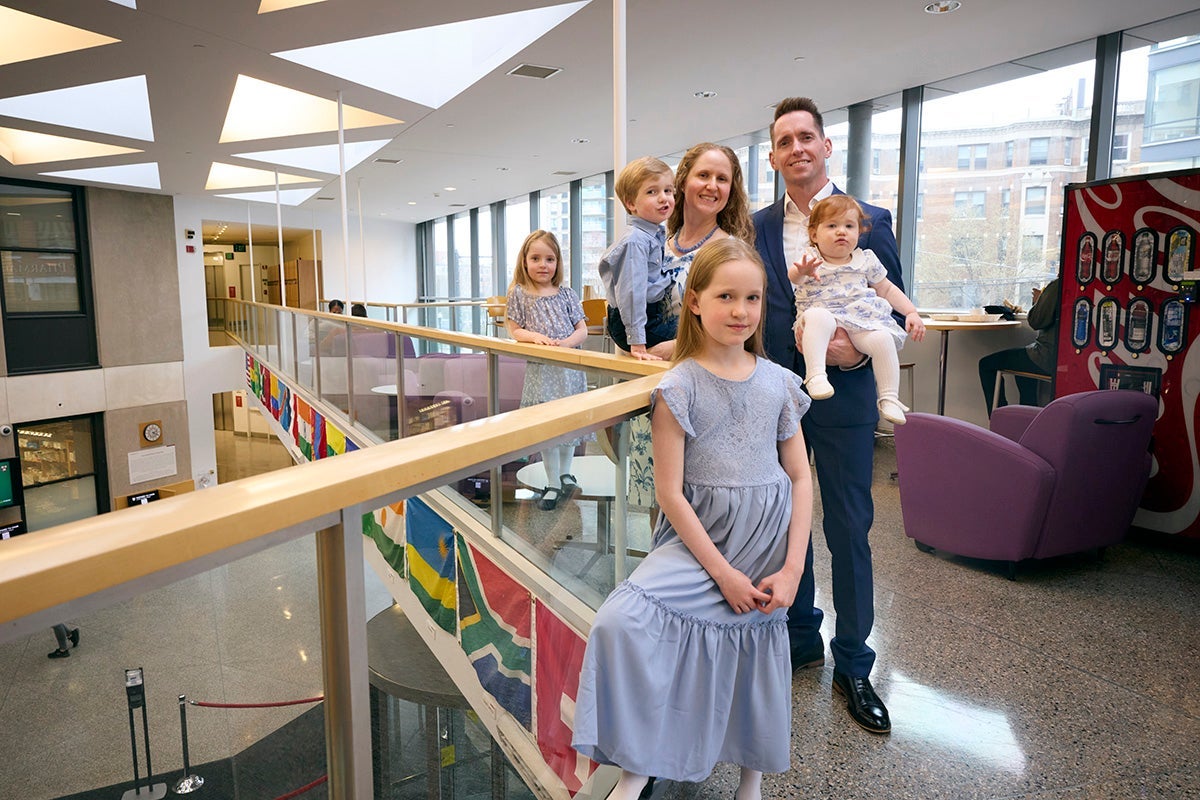
For married students Matt and Sally Hamm, MDs who’ve worked together as Air Force flight surgeons, Harvard Chan School’s Occupational and Environmental Medicine Residency Program has provided an ideal opportunity to deepen their training while raising four kids.
Last summer, 16 young plaintiffs won a pioneering lawsuit against the state of Montana. Their claim: By failing to consider the climate impact of fossil fuel projects, the state had…
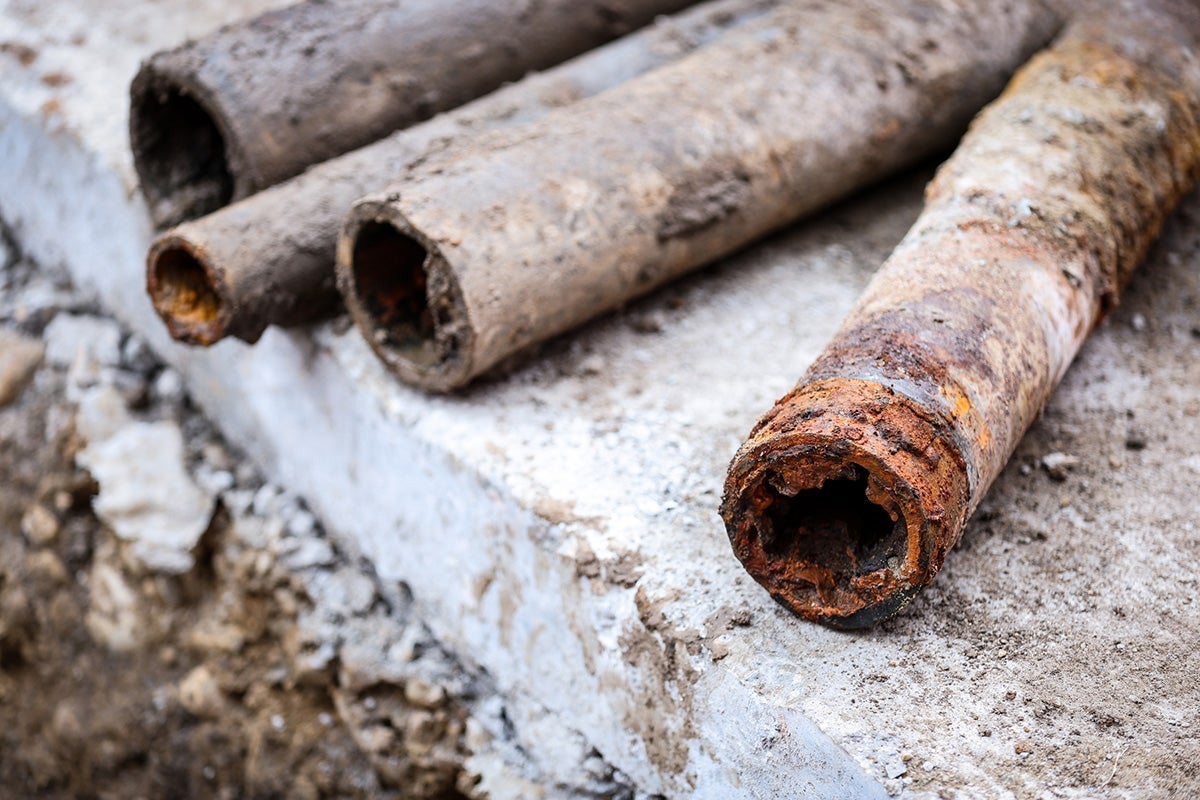
A year-old program offers property owners in Boston free replacement of old lead service lines that carry water from the public supply to homes. But only about 400 homeowners have taken advantage of the program so far, according to recent media reports.
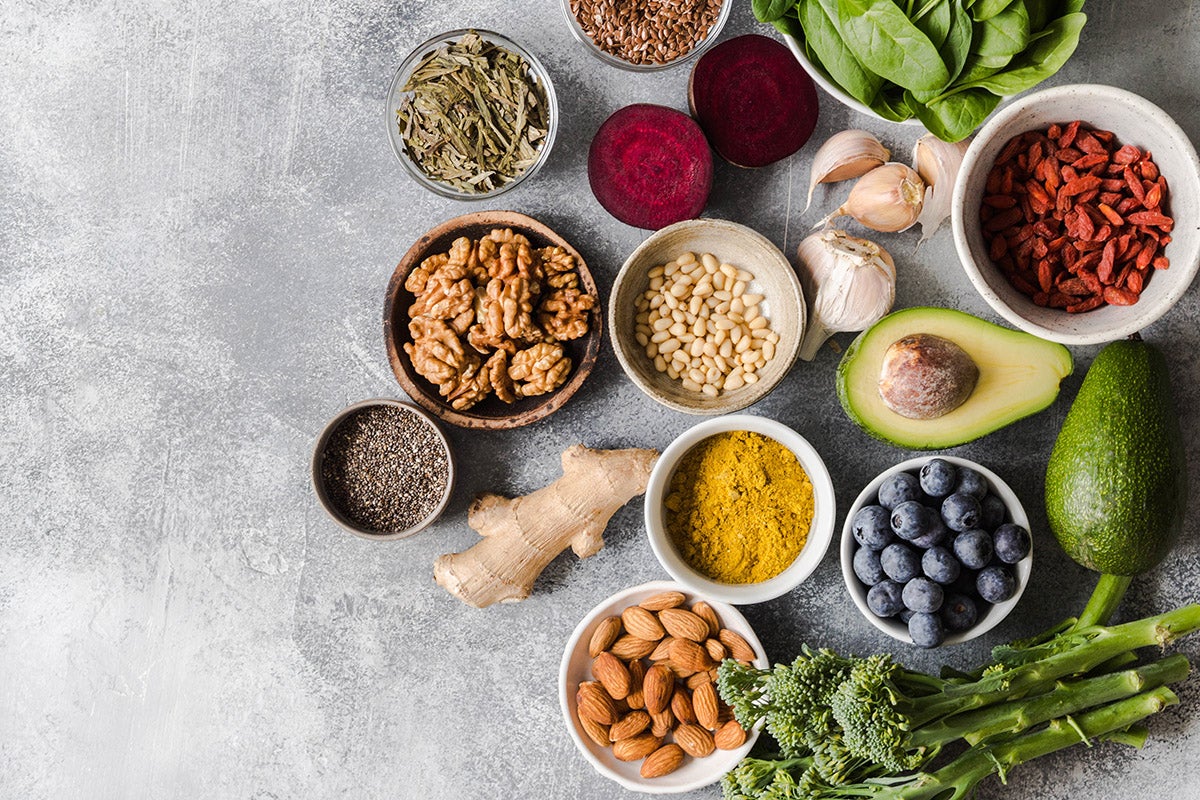
Eating a plant-based diet over the long term does not appear to increase the risk of hip fracture in postmenopausal women, according to a new study co-authored by Harvard Chan School.
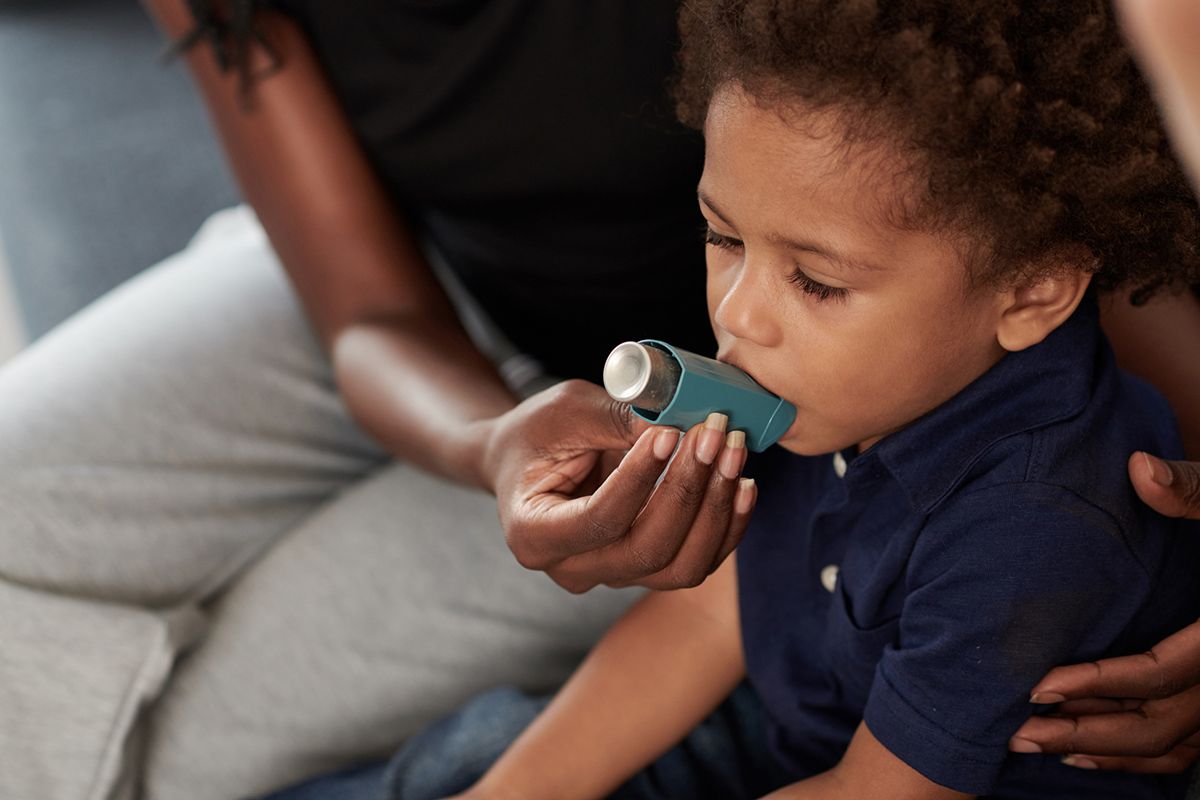
Early life exposure to air pollution may increase children’s risk of developing asthma—especially among socioeconomically disadvantaged children, according to a new study co-authored by Harvard Chan School.
Chronic exposure to fine particulate air pollutants may increase seniors’ risk of cardiovascular hospitalization, according to a new study led by Harvard Chan School.
Stricter new federal regulations on deadly fine particulate air pollution in the U.S. were announced on February 7—and Harvard Chan School research played a key role in the decision.
Increased government oversight of public health research, disease surveillance, and policy is critical to saving lives and promoting equity during future pandemics, according to Harvard Chan School faculty.