Department of Nutrition
We research how nutrition affects human health at molecular and population levels to shape public policy and help people make better diet and lifestyle choices.
665 Huntington Avenue
Building 2
Boston, MA 02115
News
-
What nutrition expert Walter Willett eats in a day
Walter Willett’s research has played a significant role in illuminating how diet and other lifestyle choices can impact chronic disease risk.
In the Media 
-
Most Americans are eating enough protein, but choosing the right ‘package’ matters
Is eating more protein always better?
In the Media 
-
Guidance for eating a heart healthy diet
For heart health, eating a healthy, balanced overall diet that is easy to maintain long-term is key, according to Harvard Chan’s Frank Hu.
In the Media 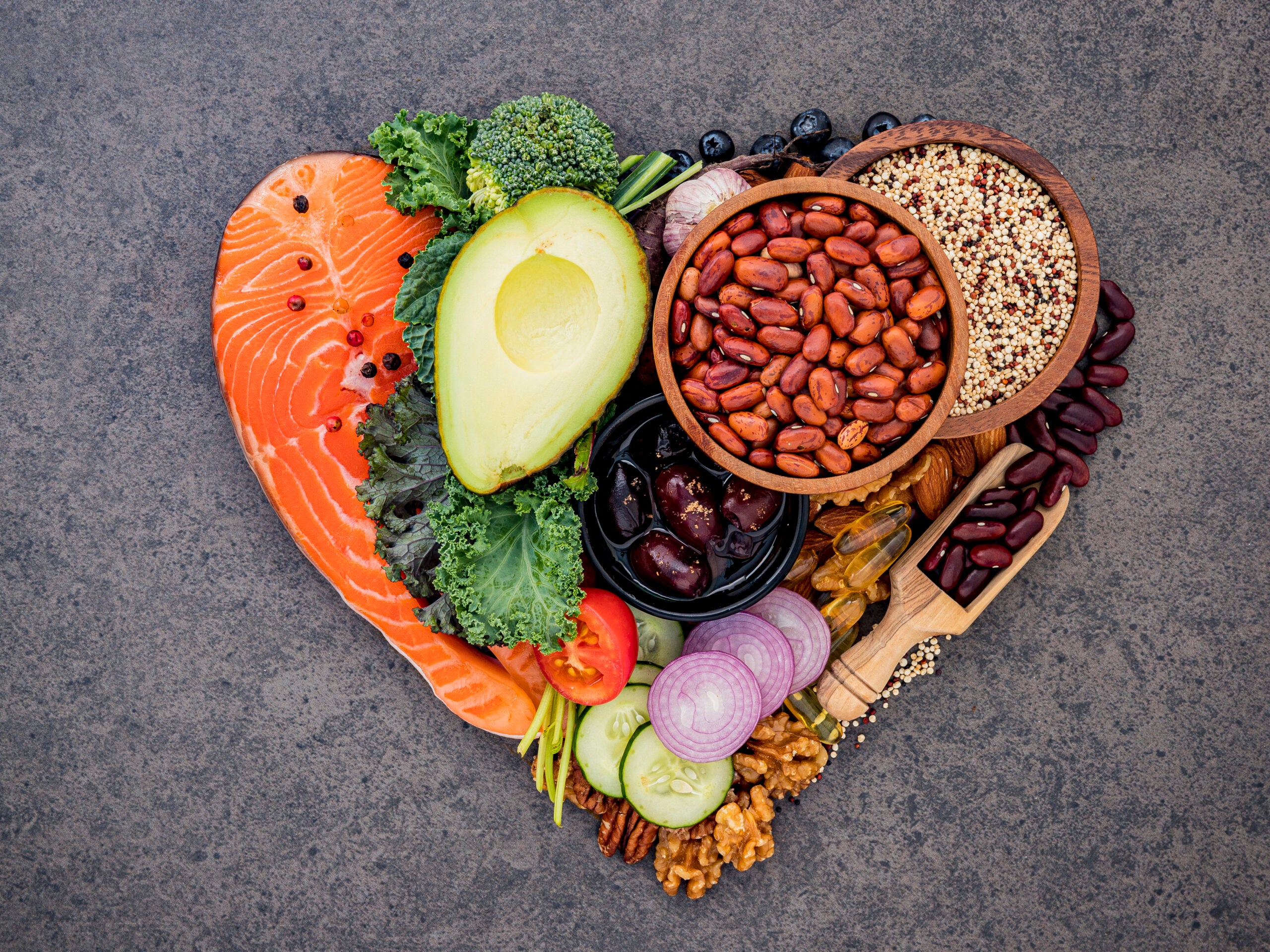
-
Allowing remote access to WIC nutrition, health benefits could keep more children enrolled
Allowing families to recertify their WIC eligibility remotely helped keep more kids in the program, according to a new Harvard Chan School study.

-
Addressing obesity and type 2 diabetes mellitus in Middle East and North Africa
People in the Middle East and North Africa region are experiencing a disproportionately high burden of obesity and type 2 diabetes mellitus.

-
Four decades into men’s health study, there’s still more to learn about healthy aging
The Health Professionals Follow-Up Study has generated important insights into diet and health, aging, and diseases such as prostate cancer.

-
Invertebrate aquatic foods can help fill global gaps in nutrition
Mussels, crabs, oysters, and other aquatic invertebrates are exceptionally nutrient-dense and an important potential solution to micronutrient deficiencies around the world, according to a new Harvard Chan School study.

-
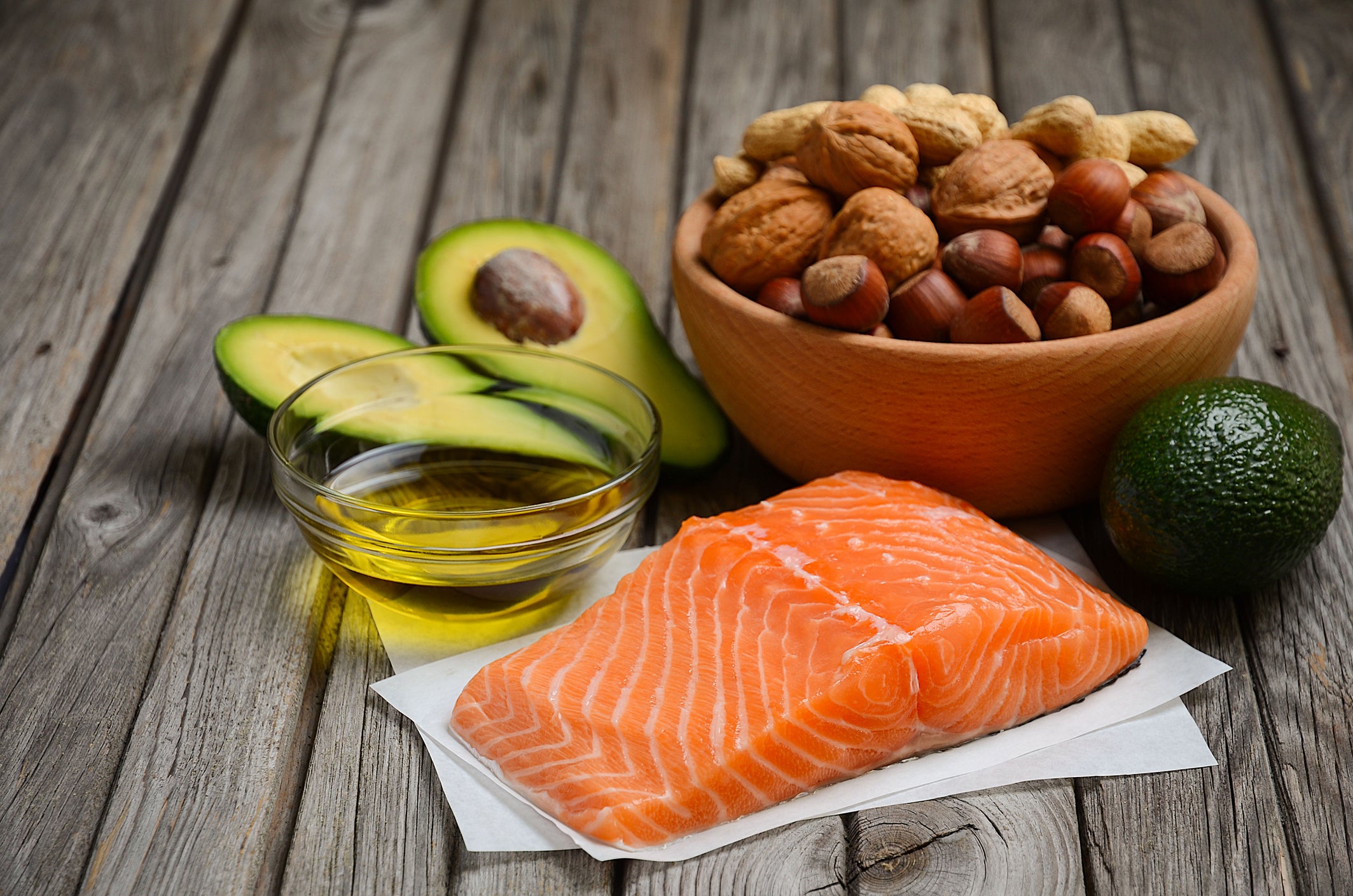
Healthier fats linked to longer survival after prostate cancer diagnosis
Replacing saturated and animal fats with unsaturated and plant-based fats is associated with a lower risk of death among men with nonmetastatic prostate cancer.
-
What to eat for healthy aging, according to a nutrition researcher
There is no one-size-fits-all approach to eating for healthy aging, but there is plenty of evidence for plant-based, less-processed dietary patterns.

-
Resistance training may substantially reduce type 2 diabetes risk
People who perform consistent midlife resistance training may substantially reduce their risk for type 2 diabetes, according to a new study.
In the Media