Pollen may exacerbate COPD symptoms
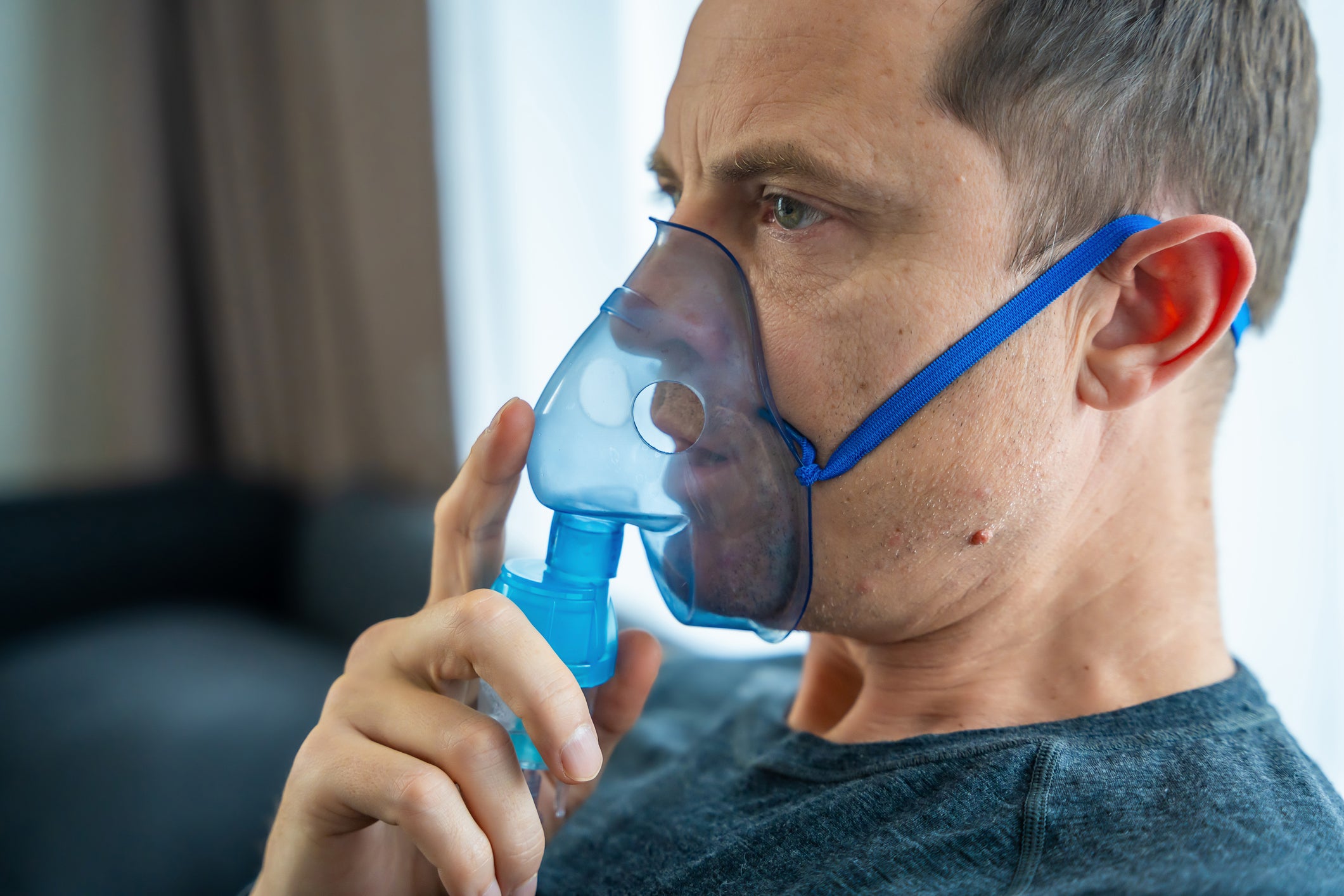
Pollen exposure can further reduce lung function in people with chronic obstructive pulmonary disease (COPD), according to a new study led by Harvard T.H. Chan School of Public Health.
The study was published May 9 in Chronic Obstructive Pulmonary Diseases: Journal of the COPD Foundation. Its corresponding author was Mary Rice, Mark and Catherine Winkler Associate Professor of Environmental Respiratory Health and director of the Center for Climate, Health, and the Global Environment (Harvard Chan C-CHANGE).
Prior studies have established that air pollution exacerbates COPD, but less is known about the impact of pollen. To fill this gap, the researchers collected daily lung function readings from 30 Boston-based participants with moderate to severe COPD over the course of a year. Participants used a handheld breathing device each morning during 30-day periods across four different seasons, providing a total of more than 1,800 key breathing measurements during pollen season. The researchers compared these measurements to pollen levels recorded in the Boston area.
The study found that when participants had higher pollen exposure in the three days before a breathing test, they experienced worse airflow obstruction, as indicated by a lower score on a key breathing measure called forced expiratory volume in 1 second (FEV1), which reflects how much air someone can forcefully exhale. This impact was more pronounced among participants who, in addition to COPD, had asthma and/or higher levels of inflammation in their blood.
According to the researchers, the study has particular resonance in the context of climate change. “Pollen seasons are lengthening and pollen concentrations are higher as a result of climate change,” they wrote. “For people with COPD and asthma-COPD overlap whose lung function is already impaired, any further obstruction or inflammation caused by pollen exposure could have clinical consequences.”
They recommended that people living with COPD keep an eye on pollen levels and consider preventative measures such as medication and improving indoor air filtration.
Read the study:
Association of Short-Term Pollen Exposure With Lung Function in COPD Patients
Learn more:
Ensuring that health is considered in climate change solutions (Harvard Chan School news)