PFAS blood levels higher in younger veterans than in general population
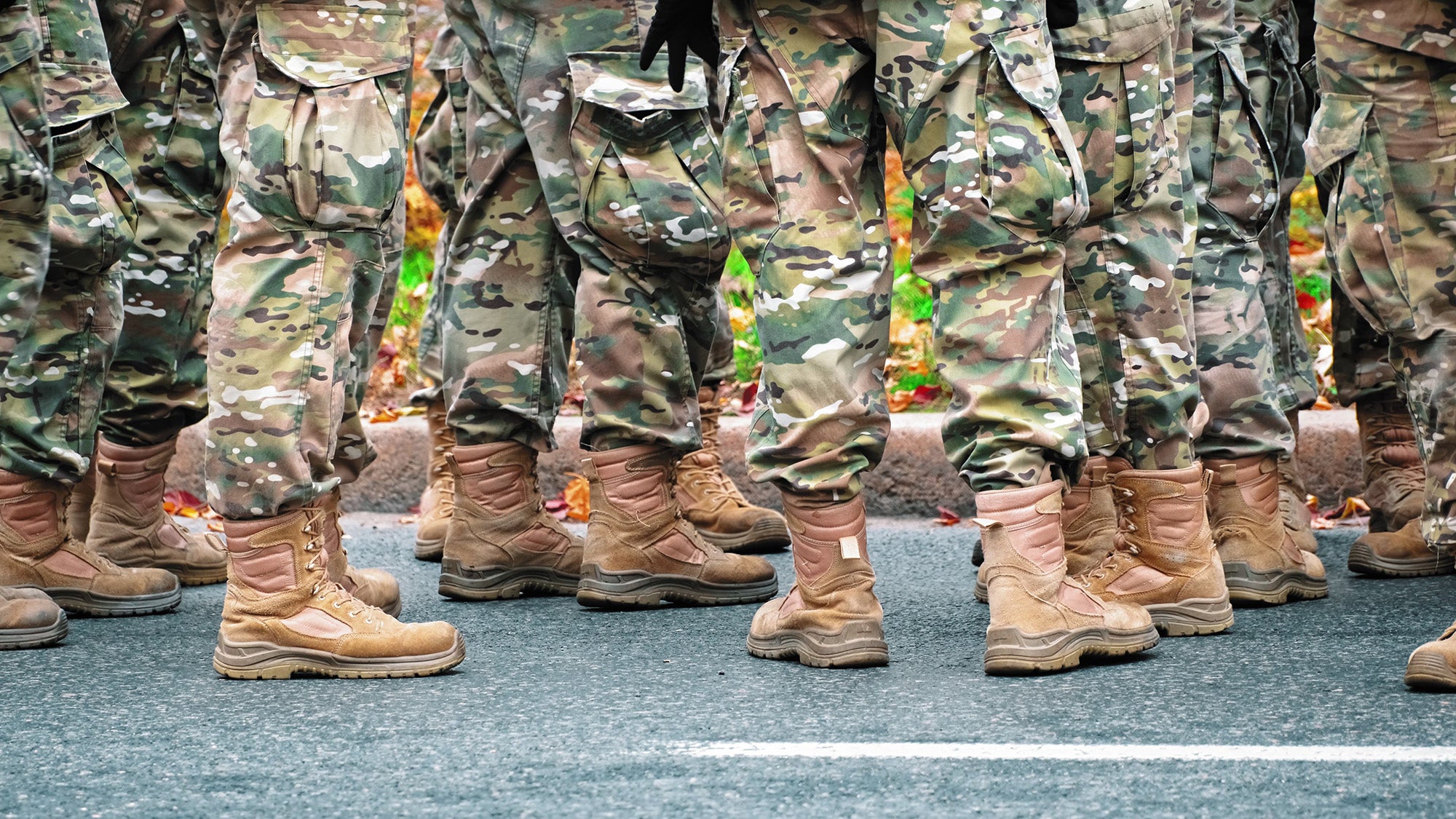
U.S. veterans aged 20 to 39 were found to have higher blood levels of per- and polyfluoroalkyl substances, or PFAS, than civilians of similar ages, according to a new study from researchers at Harvard T.H. Chan School of Public Health and Brown University.
The study, published Sept. 14 in Environmental Health Perspectives, was led by Harvard Chan School’s Christian Hoover, a co-investigator at the Harvard Injury Control Research Center, a teaching fellow at Harvard Chan, and a doctoral student in epidemiology at Brown.
PFAS are known as “forever chemicals” because they persist for long periods in the environment. Resistant to water, grease, and heat, they’re used in a wide range of products, including firefighting foam, stain-resistant textiles, food packaging, cosmetics, nonstick cookware, and more. PFAS can build up in people’s bodies and have been linked with serious health problems such as cancers, high cholesterol, thyroid disease, liver damage, asthma, allergies, decreased fertility, and reduced vaccine response in children.
Researchers looked at PFAS blood serum results of participants in the National Health and Nutrition Examination Surveys from 2003 to 2018. Overall, 58% of the 22.8 million veterans who participated—13 million—had PFAS levels higher than a threshold set by the National Academies of Sciences, Engineering and Medicine of 20 micrograms per liter.
Younger veterans had 13% to 24% higher concentrations of PFAS in their blood than non-veterans of comparable ages, the study found. Male veterans had higher concentrations than female veterans. Older veterans had levels similar to those of their civilian counterparts.
In a Sept. 15 article in Military Times, Hoover discussed possible reasons why younger veterans could have higher PFAS exposures. He noted that previous research has shown that firefighting foams used on bases, munitions, treated uniforms, and burn pits used to dispose of industrial waste may be involved. Younger veterans may be more affected due to more recent PFAS exposure during military service.
He added that while people with higher blood levels of PFAS won’t necessarily be diagnosed with a serious illness, getting blood tests and being monitored can provide data that may be helpful for the future.
“[Testing] gives people helpful context … as they age for some of the things that might happen to their bodies over time,” he said. “If they don’t get tested now between [the ages of] 20 and 39 and they get to 55, and they’re having all of these health effects, they won’t know why.”
Read the Military Times article: Study finds ‘forever chemicals’ levels higher in younger vets than general population