Healthy dietary patterns can help control menopause-related weight gain
Weight gain is common in the years surrounding menopause, but certain healthy dietary patterns may help women manage their weight, according to a May 20 JAMA Network Open study led by researchers from Harvard T.H. Chan School of Public Health.
Tong Xia, first author and postdoctoral research fellow in the Department of Epidemiology, and colleagues examined food intake and health data from more than 38,000 women in the Nurses Health Study II, collected over a 12-year period surrounding menopause. Participants’ diets were scored based on 12 different dietary pattern indexes.
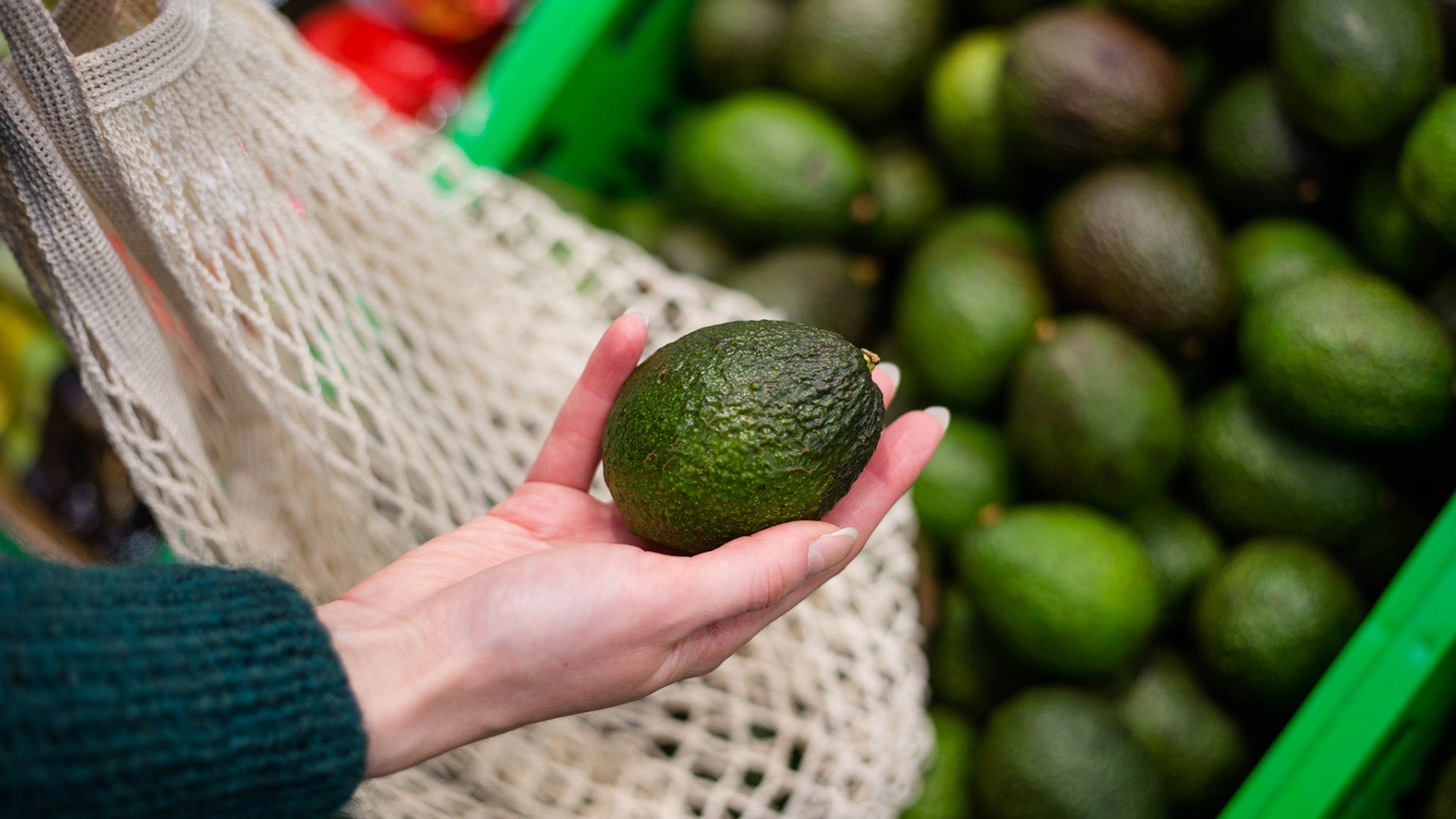
The researchers identified two dietary patterns associated with the lowest risk of weight gain and obesity: planetary health (emphasizing minimally processed plant foods), and low-insulinemic (focusing on fiber-rich foods and lean proteins to manage blood sugar). Both of these dietary patterns are rich in nuts, legumes, fruits, vegetables, and whole grains, and low in red and processed meats, sodium, potatoes, and French fries.
Read the JAMA Network Open study: Optimal Dietary Patterns for Lower Weight Gain and Risk of Obesity Surrounding Menopause