Amidst an onslaught of new and confusing nutrition advice on social media and in the news, health care professionals should encourage patients to stick with evidence-backed eating habits like the Mediterranean diet, says Harvard T.H. Chan School of Public Health’s Frank Hu.
As the keynote speaker at the Obesity Medicine Association’s recent annual conference, Hu, Fredrick J. Stare Professor of Nutrition and Epidemiology and chair of the Department of Nutrition, addressed debates over emerging dietary trends, especially those involving the 2025-2030 Dietary Guidelines for Americans (DGAs). And, according to an April 20 Healio article about his remarks, he provided tips for how clinicians and other health professionals could combat “misinformation and paralyzing confusion about nutrition.”
On the topic of protein, Hu countered the popular idea that everyone needs to increase their intake. “Avoid overemphasizing protein. It’s an important nutrient, of course, but it’s not a free pass,” he said. “If you consume too much protein, it will turn into fat eventually, and it has a huge burden on your activities.”
Hu recommended that clinicians tailor their advice on protein intake to each patient, based on their age, sex, exercise habits, and overall health.
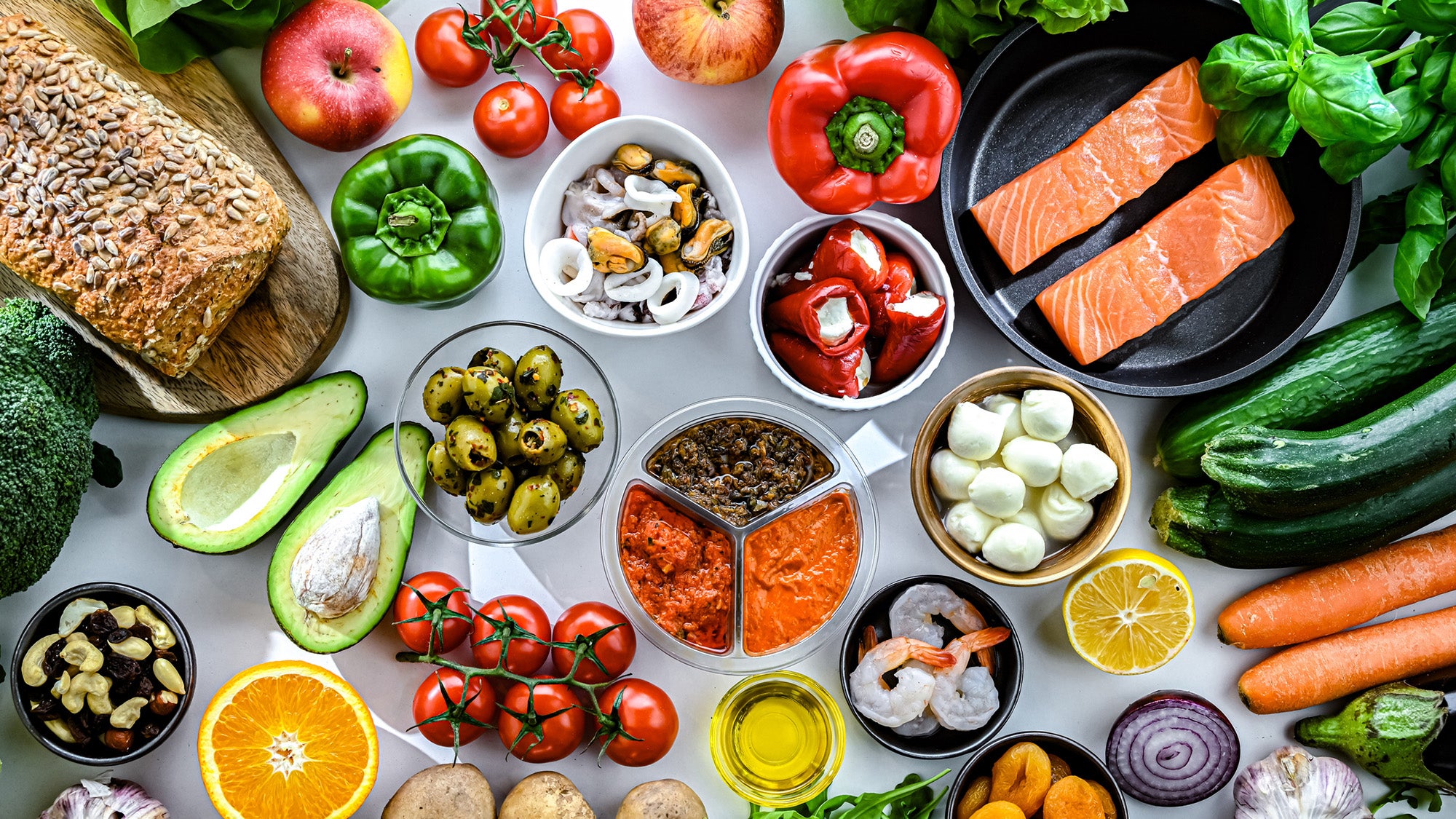
He also recommended that clinicians advise patients to follow well-researched, data-supported diets such as the Mediterranean diet, Alternative Healthy Eating Index, or the Dietary Approaches to Stop Hypertension-style diet. These diets—which emphasize high intake of fruits, vegetables, whole grains, legumes, and healthy fats; moderate intake of dairy and lean proteins; and little to no intake of red or processed meats, sugar-sweetened beverages, sodium, and refined grains—are backed by evidence and clarify confusion created by the DGAs around intake of saturated fats, dairy, and animal proteins.
“If you don’t like graphics of the [DGA] pyramid, you can use the Mediterranean diet pyramid, which is more actionable, tangible and evidence based,” Hu said.
Read the Healio article: Dietary advice clinicians can give amid ‘paralyzing confusion about nutrition’