Ubellacker Lab
The Ubellacker Lab leverages metabolic vulnerabilities in metastasizing cells to target and treat cancer, with a focus on exploiting lipidomic dependencies of cancer cells. We are working to discover mechanisms that explain how lipid availability in the tumor microenvironment promotes cancer cell progression at different metastatic stages. We aim to capitalize on connections between cancer cells and the lipid microenvironment to reduce cancer progression, thus addressing a significant unmet clinical need to develop therapies to prevent the spread of metastatic cancers.
665 Huntington Ave
Building 2, Room 123
Boston, MA 02115
Team
Principal Investigator
Assistant Professor of Molecular Metabolism
jubellacker [at] hsph.harvard.edu
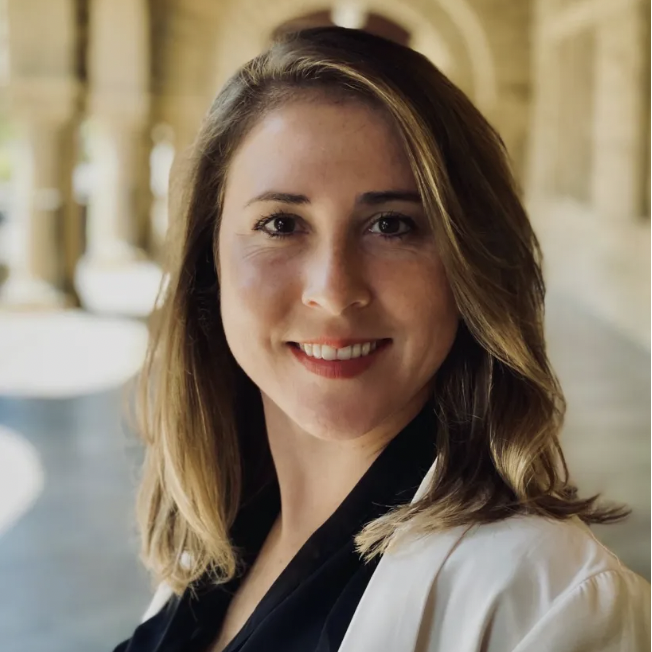
Jessalyn Ubellacker grew up in Lexington, Kentucky where she completed her B.S. and M.P.H degrees (University of Kentucky, 2011). She earned an M.A. in Medical Science (Boston University, 2013) prior to earning her Ph.D. in Biological and Biomedical Sciences (Harvard Medical School, 2017). During her doctoral training, she investigated the influence of the microenvironment on breast cancer metastasis in the lab of Dr. Sandra S. McAllister. Jessalyn completed her postdoctoral work in the laboratory of Dr. Sean J. Morrison at the Children’s Research Institute (UT Southwestern, 2021). During her postdoctoral training, she discovered that melanoma cells in lymph nodes experience less oxidative stress and form more metastasis than melanoma cells in the blood. Jessalyn’s work suggests initial metastasis through lymph nodes allows the cells to survive subsequent metastasis through the blood by protecting cancer cells from lipid reactive oxygen species.
Postdoctoral Fellows
Postdoctoral Fellow
haochen [at] hsph.harvard.edu
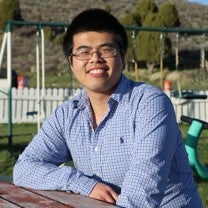
Hao Chen earned his bachelor’s and master’s degrees at School of Pharmacy, Shanghai Jiao Tong University in 2013 and 2016. He then completed his Ph.D. from the Interdisciplinary Life Science Program (PULSe) at Purdue University, West Lafayette, Indiana in Dr. Michael K. Wendt’s lab at the Department of Medicinal Chemistry and Molecular Pharmacology focused on metastatic breast cancer. His Ph.D. studies illustrated the role of an oncogenic phosphatase, Src homology region 2 domain-containing phosphatase-2 (SHP2) in metastatic breast cancer. He demonstrated that tumor-cell autonomous SHP2 not only serves as a key signaling node for multiple growth factors to promote metastatic growth but also contributes to an immunosuppressive tumor microenvironment. In 2022, Hao moved to Cambridge, Massachusetts and worked as a discovery postdoctoral scholar in Oncology Translation Research (OTR) at Novartis Institutes for Biomedical Research (NIBR) for 4 years. There, he validated Integrin beta 1 (ITGB1) as a top target to enhance BRAF V600E colorectal cancer (CRC) to MAPK pathway inhibitors in vivo. Hao is now working to discover novel ferroptosis regulators and biomarkers for potential treatments for metastatic cancer. Outside the lab, Hao enjoys jogging, having nice food, playing board games with friends, and planning the next trip after work.
Research Associate
mpalma [at] hsph.harvard.edu
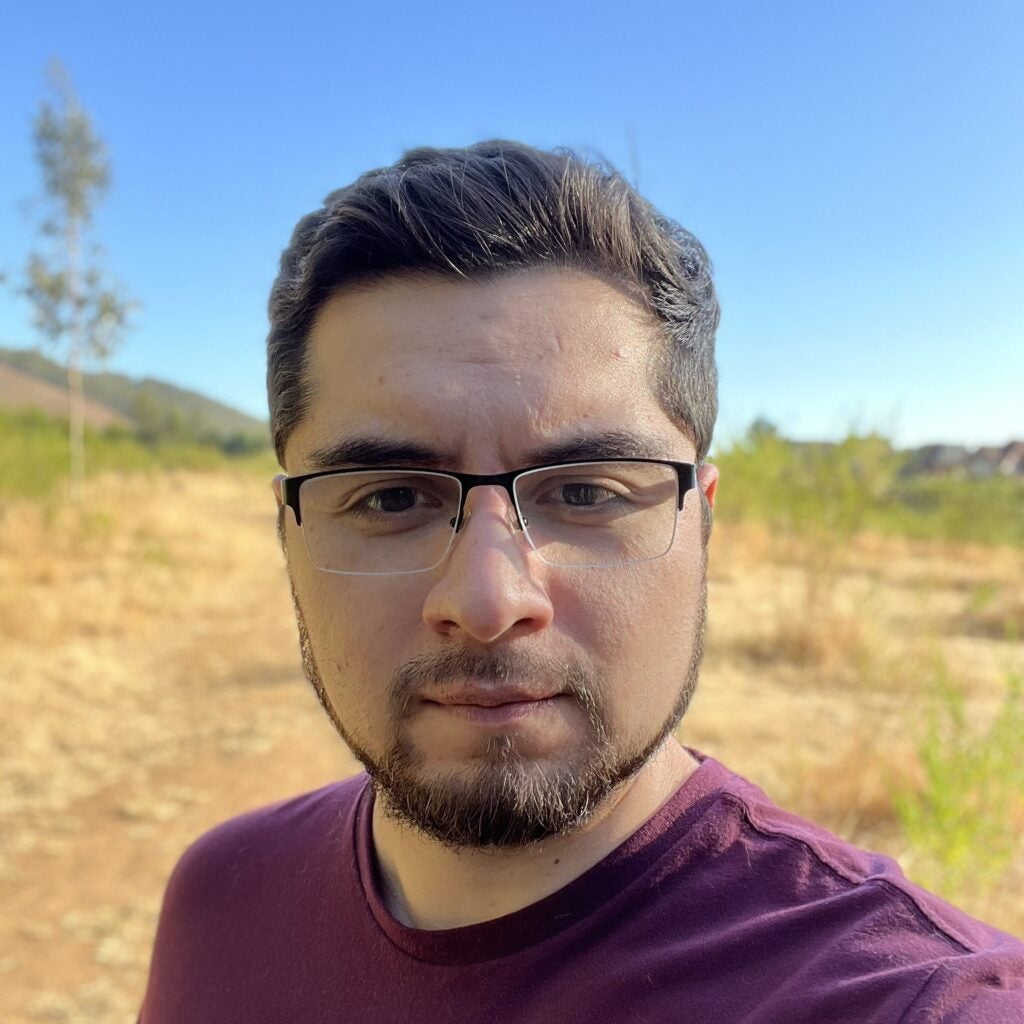
Mario Palma is from Concepción, Chile. He completed his bioengineer degree (2014) and his PhD in Molecular and Cellular Biology degree (2019) from Universidad de Concepción, Chile. During his doctoral training, he investigated the molecular mechanisms involved in the nuclear transport of NUAK1, a member of AMPKa-family. Additionally, he identified new functions of NUAK1 directly regulating oxidative stress and Akt signaling. Mario is now interested in the role of the lymph node microenvironment on epigenetic reprogramming of metastatic tumor cells and its consequences in survival and metastasis. Mario enjoys spending time with his family and walking and playing with his dog named Akira.
Research Associate
msabatier [at] hsph.harvard.edu
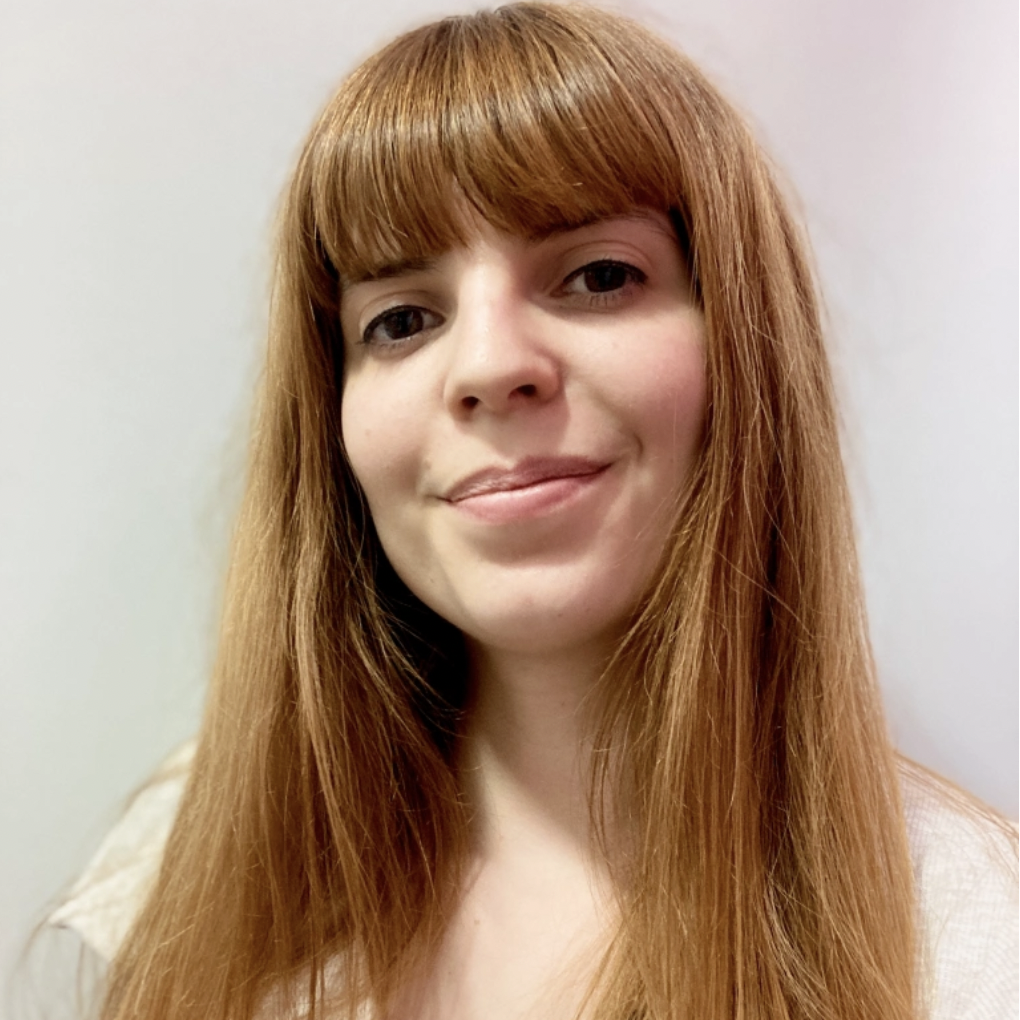
Marie Sabatier grew up in Toulouse, France where she completed her bachelor in biochemistry and her Master degree in Cancerology (University of Toulouse 3 – Paul Sabatier). Then, she joined the lab of Dr. Jean-Emmanuel Sarry (Cancer Research Center of Toulouse, France) where she earned her PhD in Cancerology (University of Toulouse 3 – Paul Sabatier, 2021). During her doctoral training, she investigated the function of the transcription factor CEBPA in lipid metabolism and response to treatment in acute myeloid leukemia. She showed that CEBPA regulates the balance between lipid biosynthesis and degradation to sustain proliferation and survival of leukemic cells. Marie is now interested in how intratumoral heterogeneity influences how breast cancer cells in the lymph node use lipids to fuel metabolic processes for efficient metastasis. She would do anything for a good meal, especially if it’s sushi!
Graduate Students
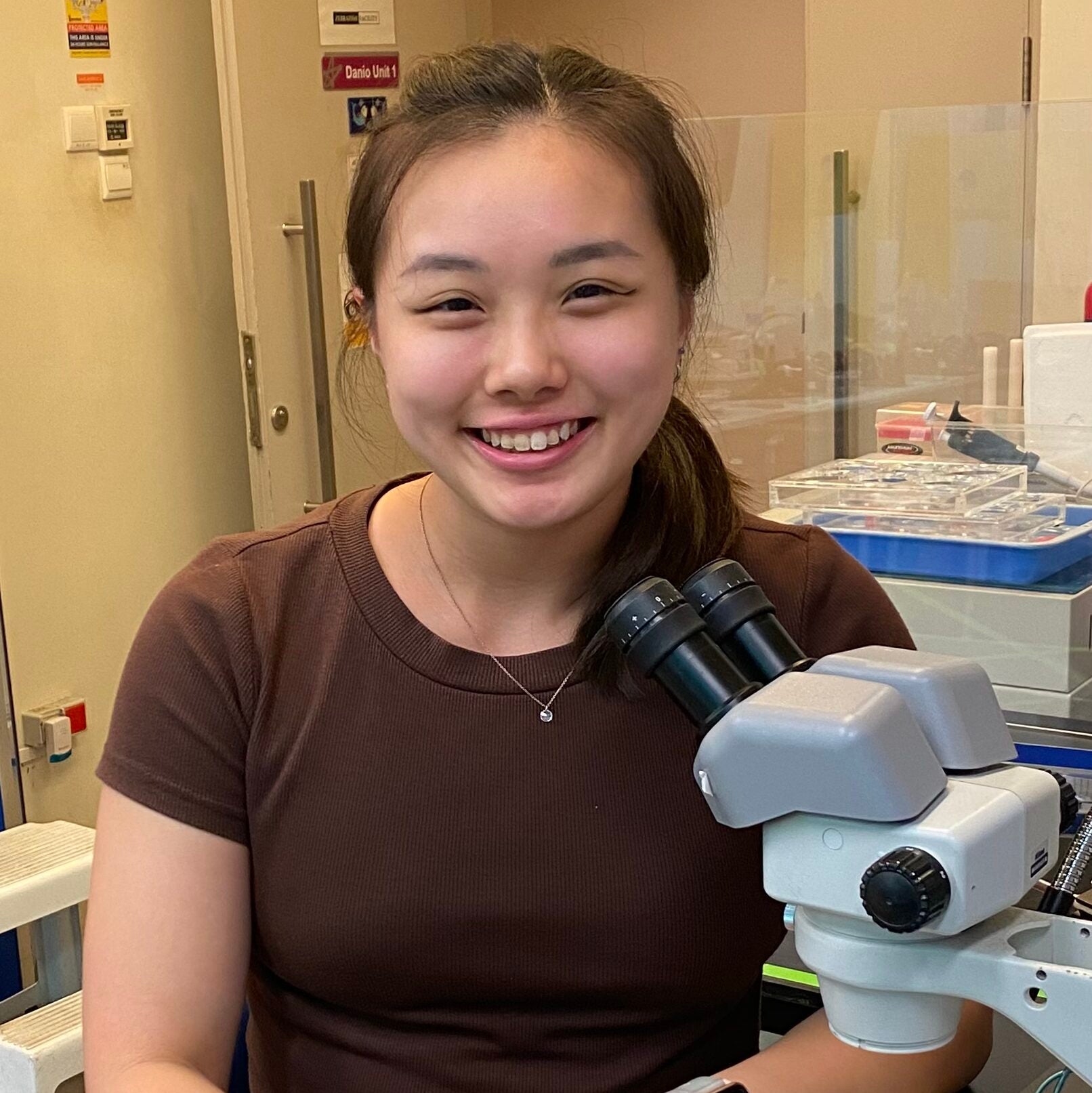
Megan is a PhD student in the Biological Sciences in Public Health program. She grew up in Singapore, and graduated from Imperial College London with a BSc in Medical Biosciences. Before joining BPH, she worked as a research technician on mechanisms of multikinase inhibitor resistance in hepatocellular carcinomas. She is deeply interested in cell death mechanisms that mediate cancer progression, and how that could inform development of covalent therapeutics that could impede drug resistance. In her free time, Megan loves baking, singing, hiking and playing water polo!
PhD Student
cfraser [at] hsph.harvard.edu
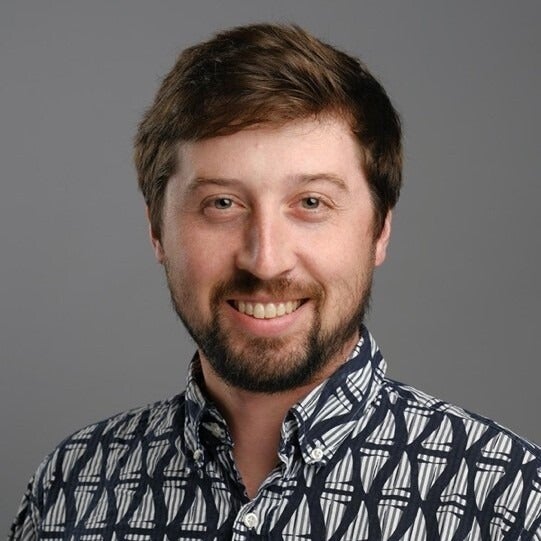
Cam is a PhD student in the BPH program, originally from Medford, MA. He graduated from Boston University with a B.A. in Biology. Before joining the program, he worked as a technician in the laboratories of Anthony Letai at Dana-Farber Cancer Institute and Kristopher Sarosiek at HSPH primarily researching cancer. He is highly interested in cell death, its role in homeostasis and dysregulation in disease, specifically cancer. His previous projects have involved the developmental regulation of apoptosis in healthy tissues, identifying efficacious treatment regimens in AL amyloidosis, and studying platelet apoptosis. Outside of lab he loves to sail, cook, play just about any sport, and is a parent to one friendly and one not-so-friendly cat.
BBS Rotation Student
abigaillee [at] fas.harvard.edu
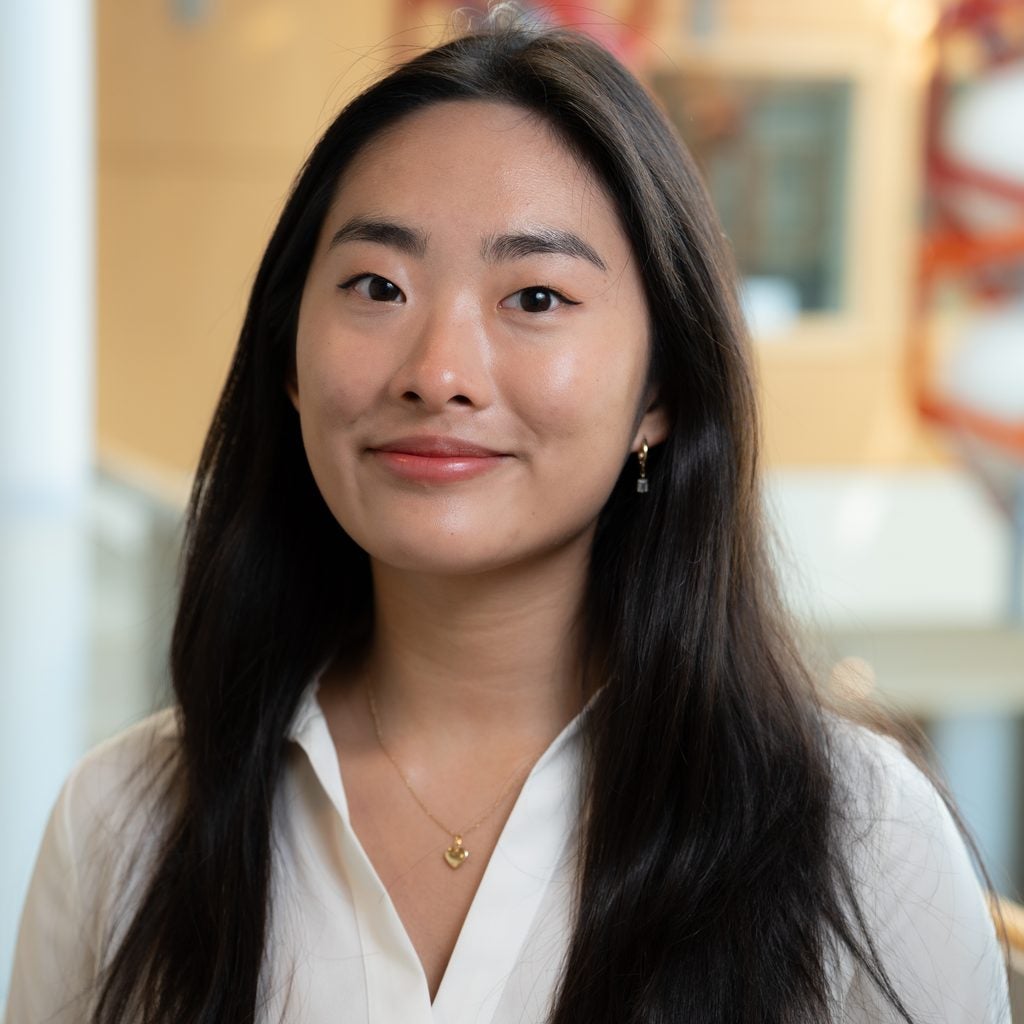
Abigail is a first-year PhD student in the Biological and Biomedical Science program. She graduated from Purdue University (Boiler Up!) with a B.S. in Chemical Biology and Biochemistry. This fall 2026 she is excited to rotate in the Ubellacker lab to explore her interests in tumor metabolism, metastasis, and spatial-omics tools. On the weekends she likes to enjoy nature, read, and try out new recipes.
Undergraduate/Student Researchers
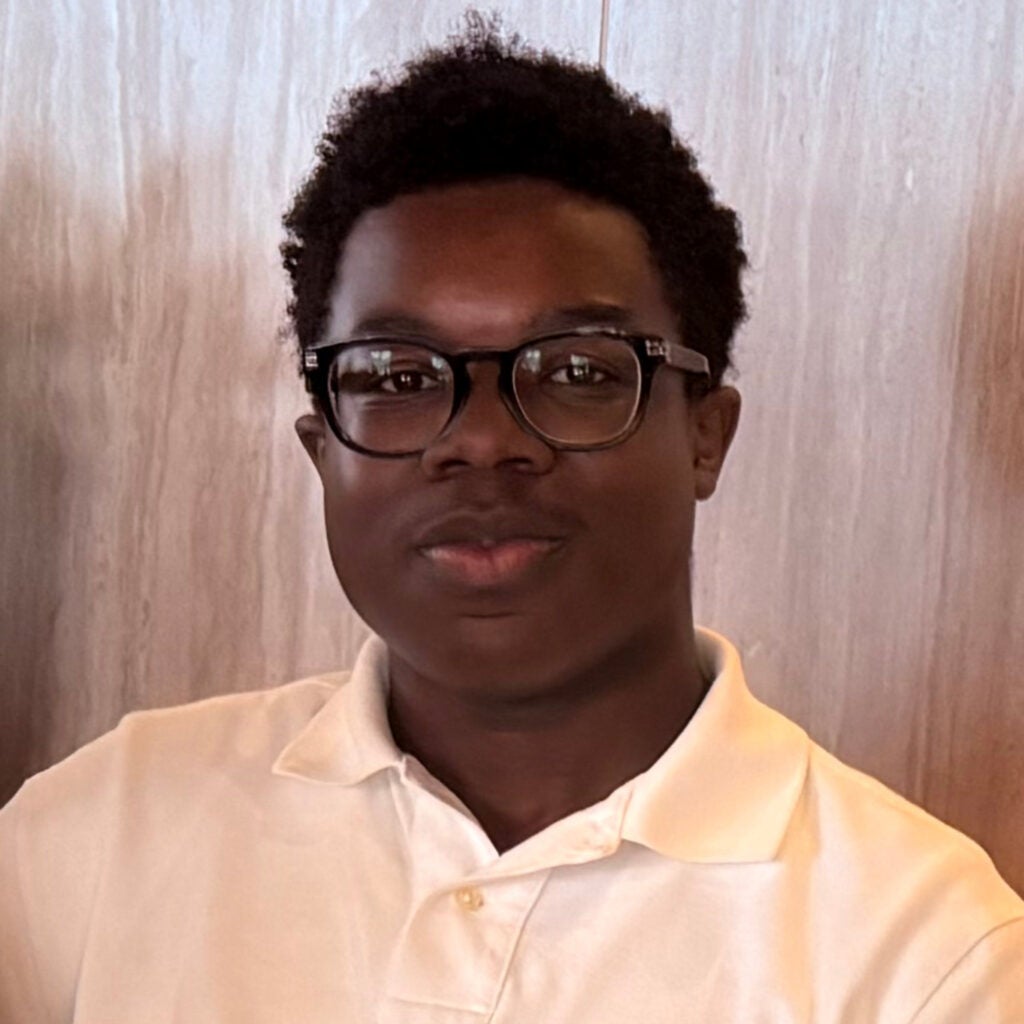
Undergraduate Researcher
Oluwasore was born in Houston, Texas, and lives in Atlanta, Georgia. He is a rising Sophomore majoring in Biopsychology at Tufts University on the pre-med track. He is currently conducting research in the Ubellacker Lab and hopes to become a physician-scientist. In his free time, he enjoys playing basketball, working out, and spending time with family and friends.
Undergraduate Researcher
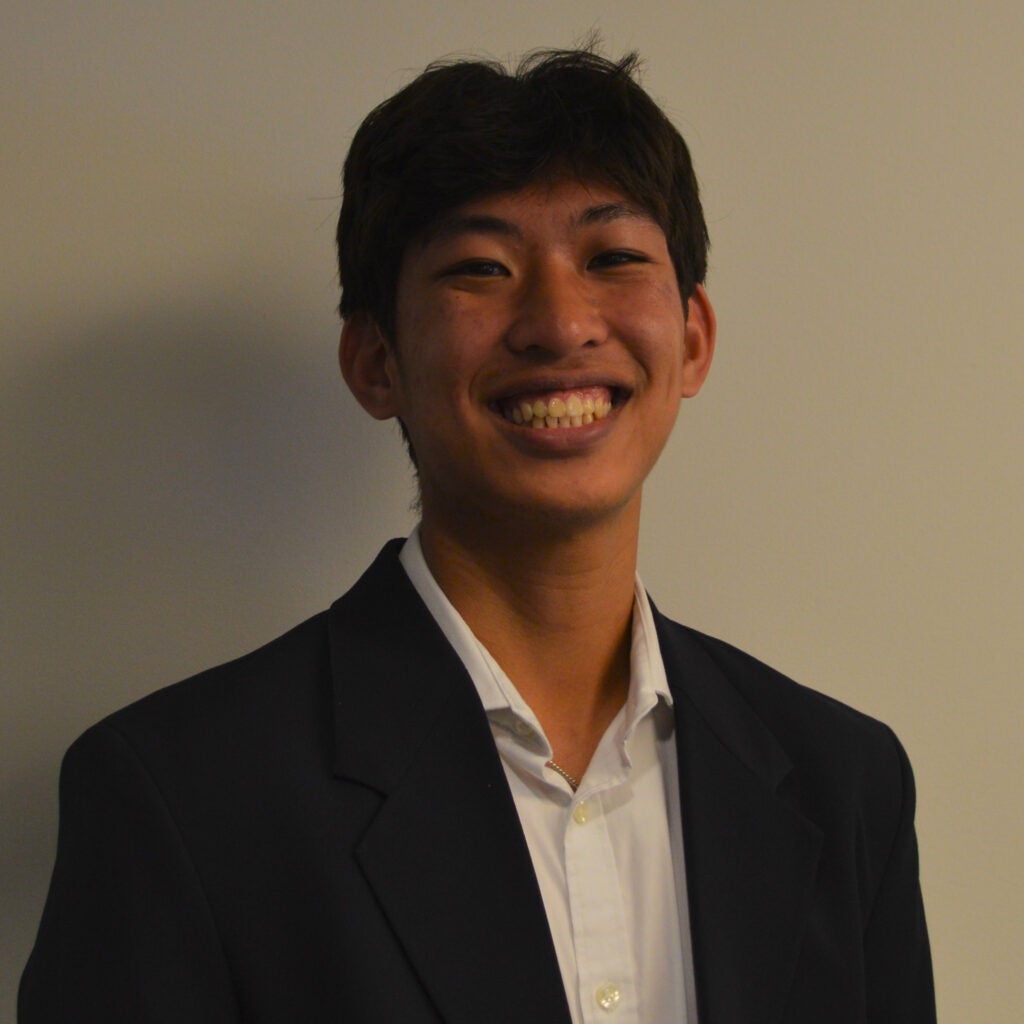
Nathan Taing was born and raised in Los Angeles, CA. He is currently completing a B.S. In Biology at Northeastern and is excited to be a part of the Ubellacker lab as an undergraduate researcher. In his free time, he likes to play tennis, cook, hike, try new restaurants, and go to concerts.
Student Researcher
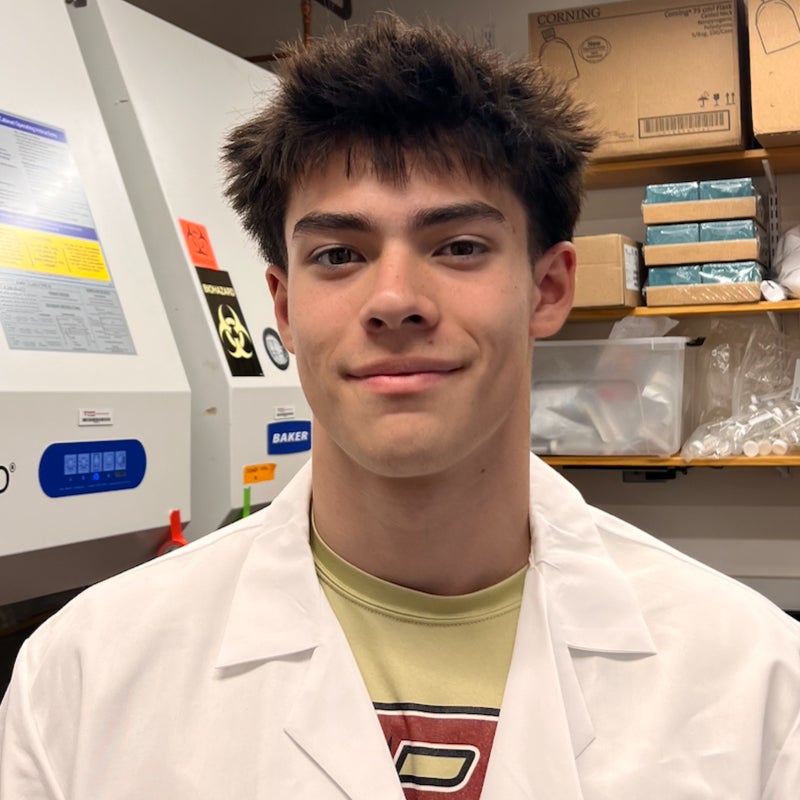
Andrew is a soon-to-be high school senior currently at Winchester High School, and he is committed to Bates College to play football. He hopes to continue on the pre-med track looking to major in biochemistry or biology. His goal is to end up in orthopedics as a surgeon. Andrew has worked in Jess’s lab for about 3 months, and it has helped him gain lots of experience, serving as a great introduction into medicine and cell culture. In his free time, he enjoys hanging out with friends, working out, playing football, and eating new foods.
Affiliate Members
PhD Student
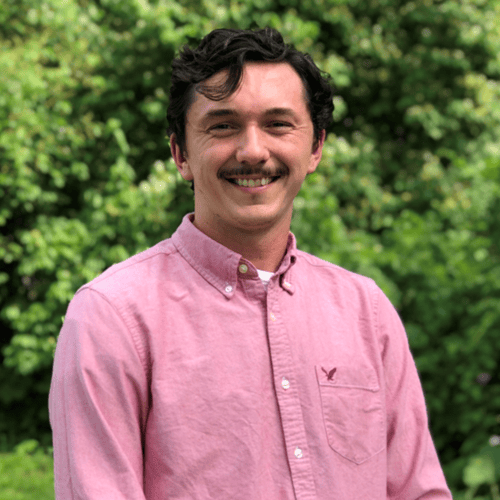
Chris is from Westfield, Massachusetts and is a PhD Student in Biological Sciences in Public Health (BPH) in the Department of Environmental Health in Dr. Kristopher Sarosiek’s Lab. Chris’ background is in Environmental Science (BS) and Environmental Health (MS), studying the impacts of developmental toxicity of pollutants such as PFAS and lead (Pb).
PhD Student
amaury_dasseux [at] fas.harvard.edu
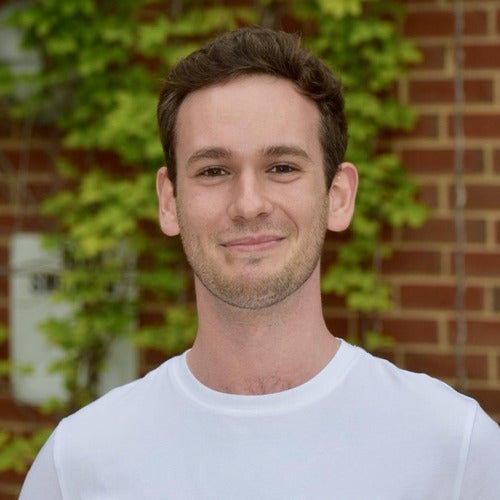
Binational, Amaury Dasseux grew up in Toulouse, France where he completed his bachelor’s in biochemistry and pathophysiology from the University of Toulouse 3 Paul-Sabatier. He obtained his master’s in pharmacology and drug discovery from the University of Copenhagen, before working for two years in Dr. Alan Remaley’s Lipoprotein Metabolism Laboratory at the NHLBI. Throughout his time as an NIH fellow, he focused on the study and development of novel treatments for patients suffering from lipid related disorders. He currently holds three different US patent applications and is an author of several journal articles. In his free time, Amaury enjoys hosting dinner parties, skiing and spending time with his family!
PhD Student
lewis_hendrianto [at] fas.harvard.edu
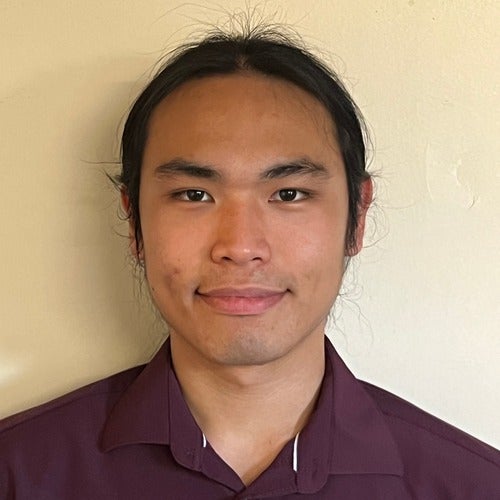
Lewis is a PhD Student in the Biological and Biomedical Sciences (BBS) program who was born in Los Angeles, California. He moved to San Francisco to obtain a B.S. in Molecular Biology with a minor in Biochemistry at the University of San Francisco, studying how intracellular pH influences ovarian stem cell fate at UCSF. Currently, he is interested in cancer metabolism and metastasis, specifically in targeting metabolic vulnerabilities of cancer cells to combat metastasis. Outside of lab (when he is), he enjoys weightlifting, baking, and watching the Boston Celtics dominate.
Affiliation:
At the Ulab, Lewis is investigating how pancreatic cancer cells rewire metabolic processes to efficiently metastasize.
Visiting Postdoctoral Researcher
adam.wahida [at] helmholtz-munich.de
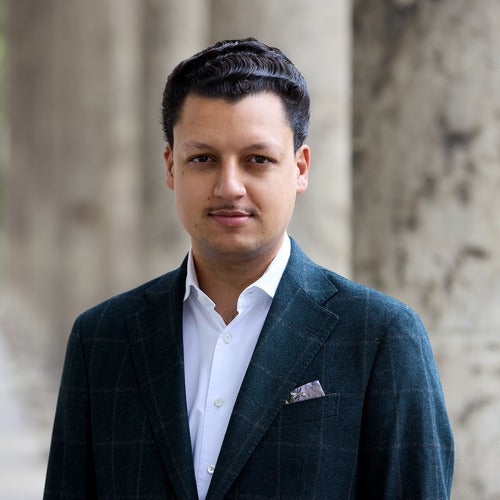
Adam Wahida, MD, PhD is a physician-scientist specializing in regulated cell death, including ferroptosis and necroptosis, with a focus on cancer, inflammation, and degeneration. He is a postdoctoral fellow in the lab of Prof. Marcus Conrad at Helmholtz Munich and a visiting researcher with Prof. Peter Vandenabeele at Ghent University. Adam earned his MD from RWTH Aachen and TUM, and completed a summa cum laude PhD under Prof. Philipp Jost, uncovering how aberrant TNF signaling and necroptosis disrupt immune homeostasis in XIAP deficiency. He has held physician-scientist roles at the Munich Leukemia Laboratory and NCT Heidelberg, and works with Prof. Razelle Kurzrock on implementing molecular tumor board frameworks. A former Chairman of the Junior German Society for Hematology & Oncology, he helped launch Germany’s first national mentoring program for trainees. His work has earned multiple national awards and fellowships.
Affiliation: Adam seeks to define the physiological function of ferroptosis and to transform this knowledge into clinically actionable approaches that address unmet medical needs.
Administrative Staff
Administrative Coordinator
aufox [at] hsph.harvard.edu
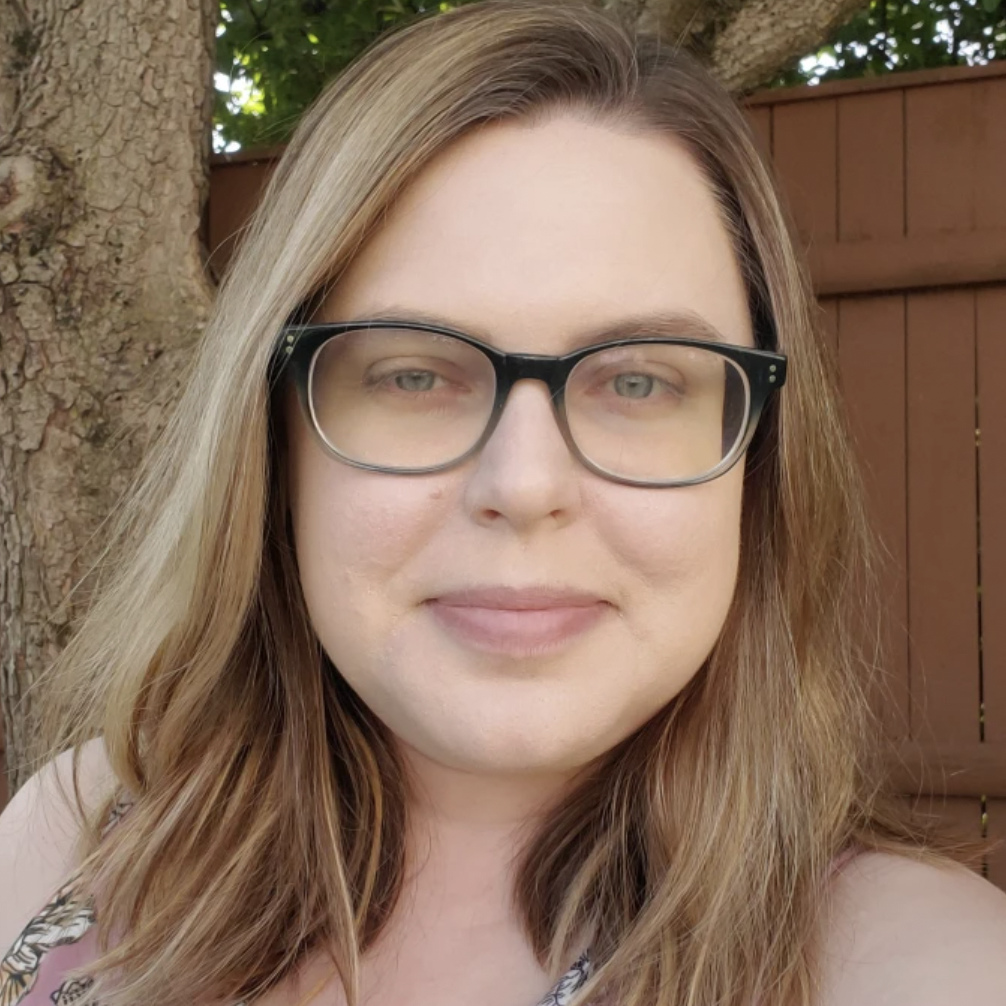
Audrey Fox grew up in Buffalo, NY, and completed her bachelor’s degree at Clark University in Worcester, MA, studying film and history. She received her master’s degree in international relations at the Harvard Extension School, where she focused on the role of media literacy education in preventing the online indoctrination of young people into extremist organizations. She also moonlights as a film critic — she is a Rotten Tomatoes-approved member of both the Boston Society of Film Critics and the Boston Online Film Critics Association.