Manning Lab
The Manning lab is defining the molecular connections between nutrient signaling and metabolic networks under both physiological and pathological states. Lab researchers are particularly focused on the role of the PI3K-mTOR signaling network in the control of cellular and systemic metabolism and its impact on the insulin response, type-2 diabetes, cancer, neurological disorders, and aging.
665 Huntington Ave
Building 2, Rm. 127
Boston, MA 02115
Meet the Team
Barry R. and Irene T. Bloom Professor of Public Health
Dr. Manning is the Chair of and a Professor in the Department of Molecular Metabolism at the Harvard T.H. Chan School of Public Health and the Department of Cell Biology at Harvard Medical School, and a Faculty Member of the Dana-Farber/Harvard Cancer Center. Dr. Manning received his B.S. from the University of Massachusetts, Amherst, and his Ph.D. from Yale University. During his time as a postdoctoral fellow in the laboratory of Lewis Cantley at Harvard Medical School, he discovered that the tuberous sclerosis complex (TSC) tumor suppressors serve as the molecular connection between the PI3K and mTOR pathways, thereby linking a signaling pathway activated in the majority of human cancers to a nutrient-sensing pathway that controls cell growth and metabolism.

In 2004, he joined the faculty of the then newly established Department of Genetics and Complex Diseases at Harvard (renamed Molecular Metabolism in 2019) to continue research at the interface of cell signaling and metabolism. Research in the Manning laboratory is particularly focused on the regulation and function of the PI3K – mTOR signaling network in physiology and disease. Dr. Manning was an inaugural recipient of the National Cancer Institute’s Outstanding Investigator Award.
For all communications pertaining to the scheduling of meetings with Dr. Manning, please copy Tom Kelleher at tkelleher@hsph.harvard.edu
Research Scientist
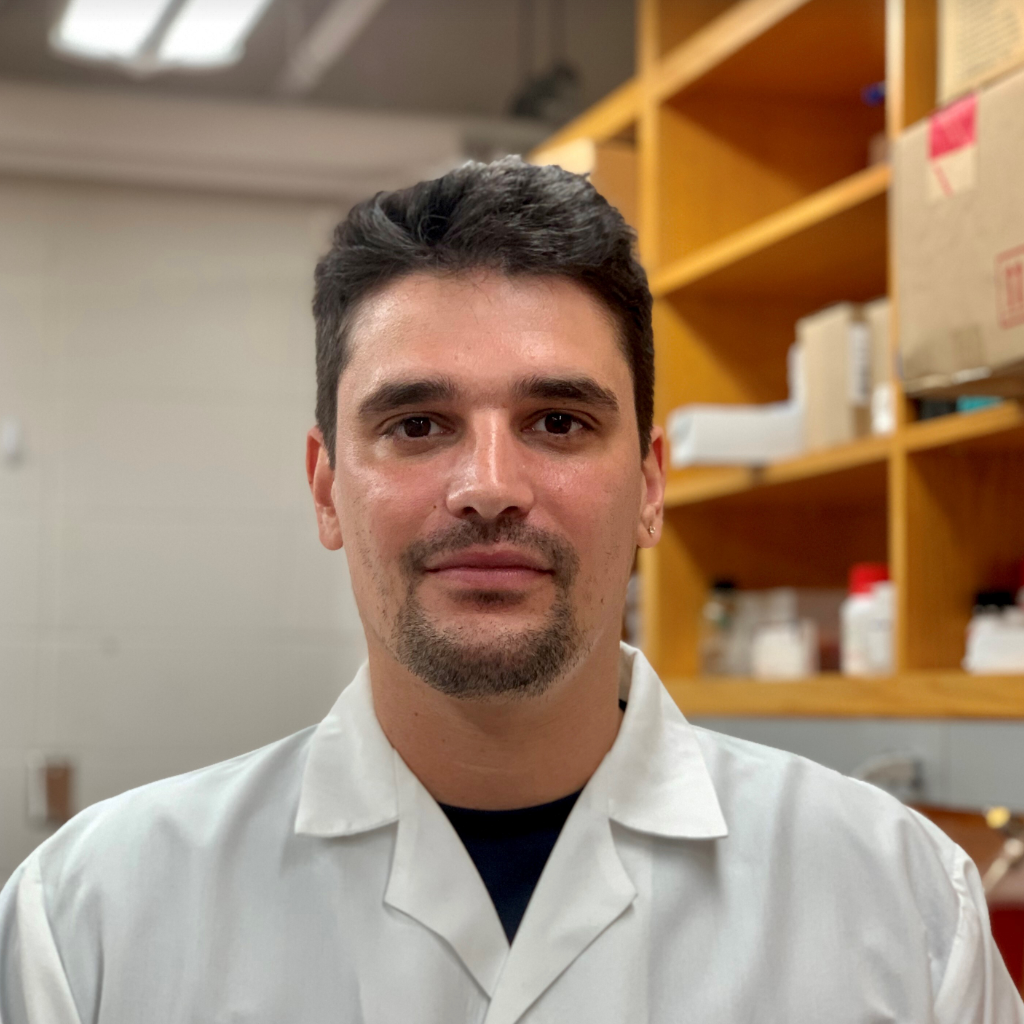
Research Scientist:
2026 –
Research Associate:
2023 – 2026
Postdoctoral Fellow:
2017 – 2023
Education:
Ph.D., 2016, University of Côte d’Azur : Life Science and Health – Molecular and Cellular Interactions
M.S., 2012, University of Côte d’Azur : Life Science and Health – Genetic, Development and Immunity
B.S., 2010, University of Côte d’Azur : Life Sciences and Health
Research Interest:
Yann is interested in defining the in vivo role of PI3K-mTORC1 signaling in mammalian growth and metabolism.
Research Associate
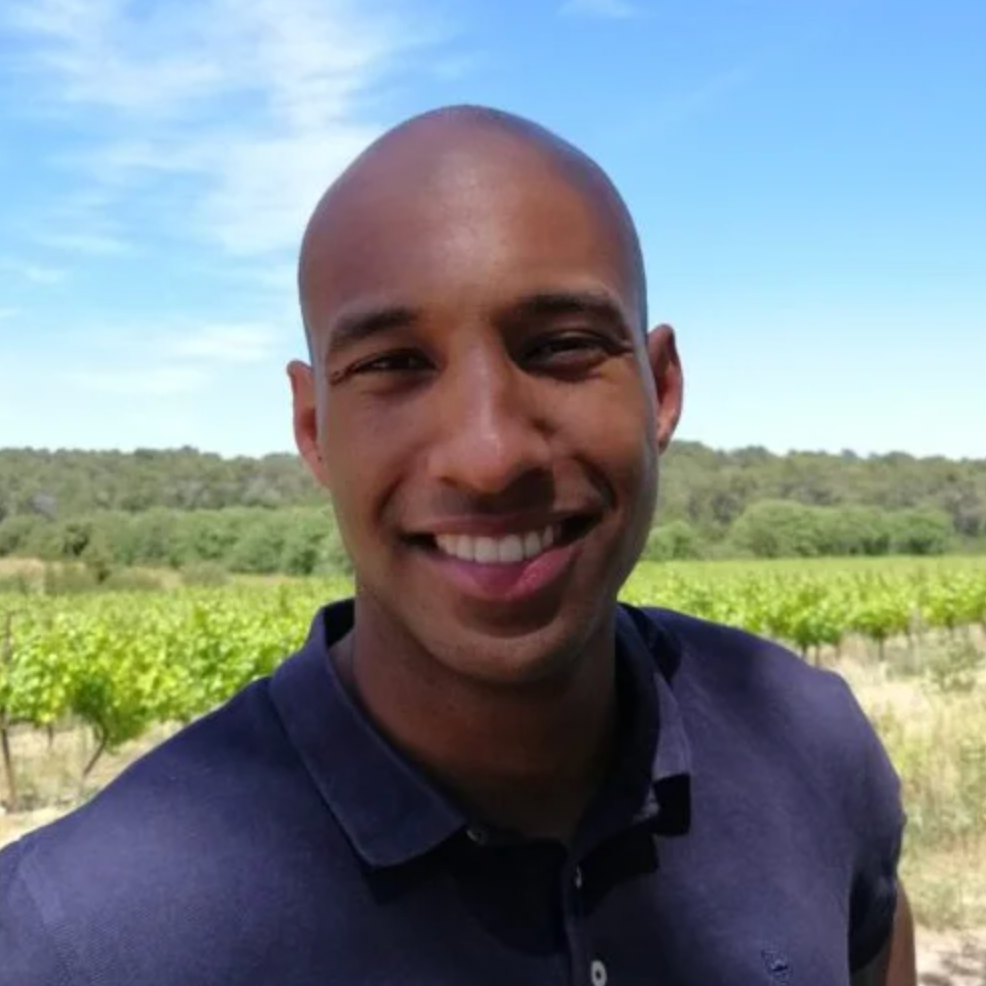
Postdoctoral Fellow:
2020 –
Education:
Ph.D., 2019, University of Montpellier
M.S, 2015, University of Montpellier II: Control of the cell fate -Cancer
B.S., 2013, University of Montpellier II
Research Interest:
Madi is interested in how signaling processes can control metabolic pathways and particularly how cancer cells can regulate their metabolism through these molecular mechanisms.
Postdoctoral Fellows
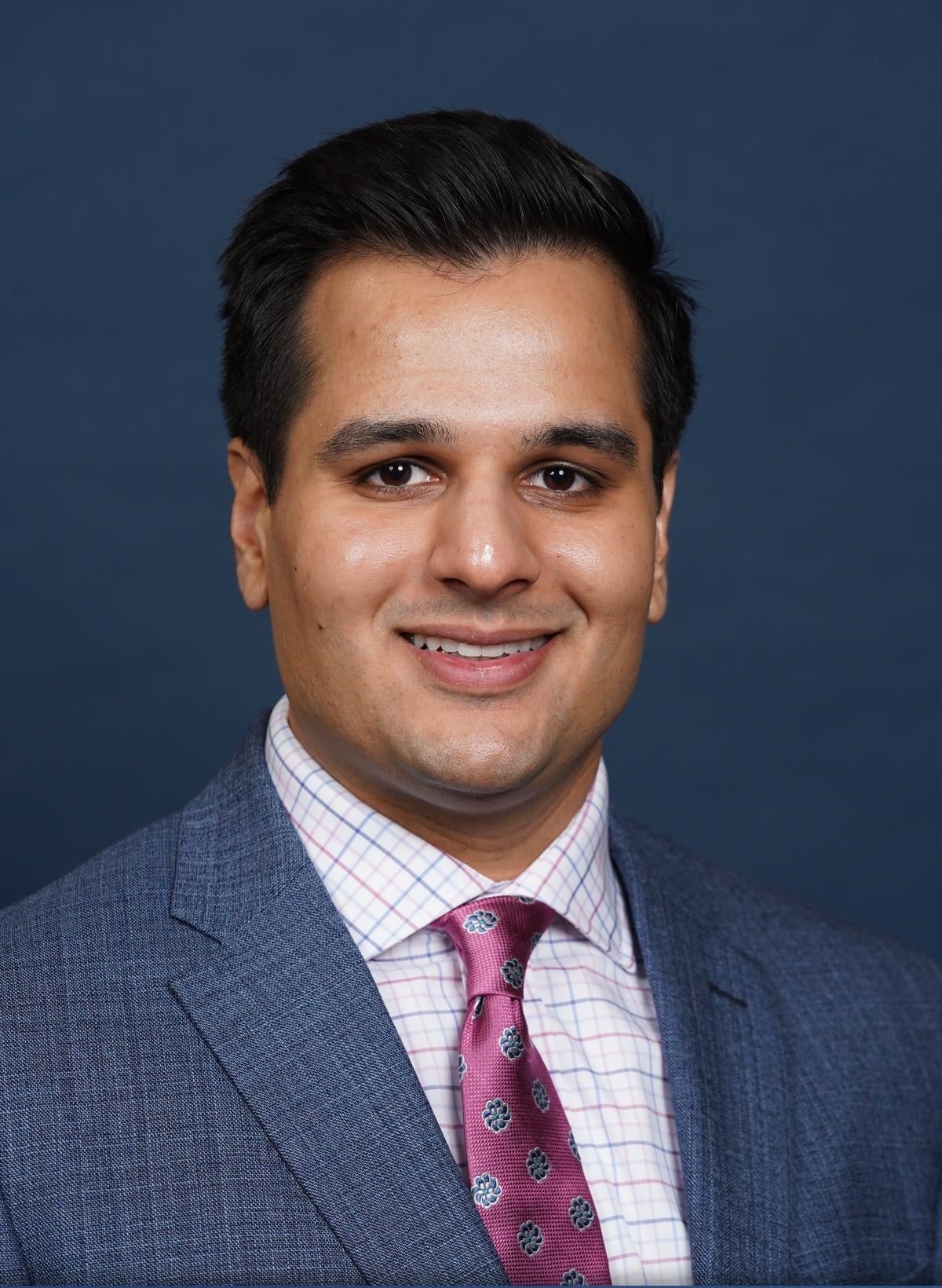
Postdoctoral Fellow:
2026 –
Education:
Ph.D., 2026, Case Western Reserve University
M.S., 2020, Biochemistry, Case Western Reserve University
B.S., 2018, Biochemistry, Eastern Michigan University
Research Interest:
Omid studies how nutrient availability regulates the spatial activation of mTOR signaling across cancer models. His work focuses on defining how specific nutrient cues drive localized mTOR activity within tumors. He is particularly interested in how nutrient-dependent mTOR signaling shapes metabolic heterogeneity in the tumor microenvironment.
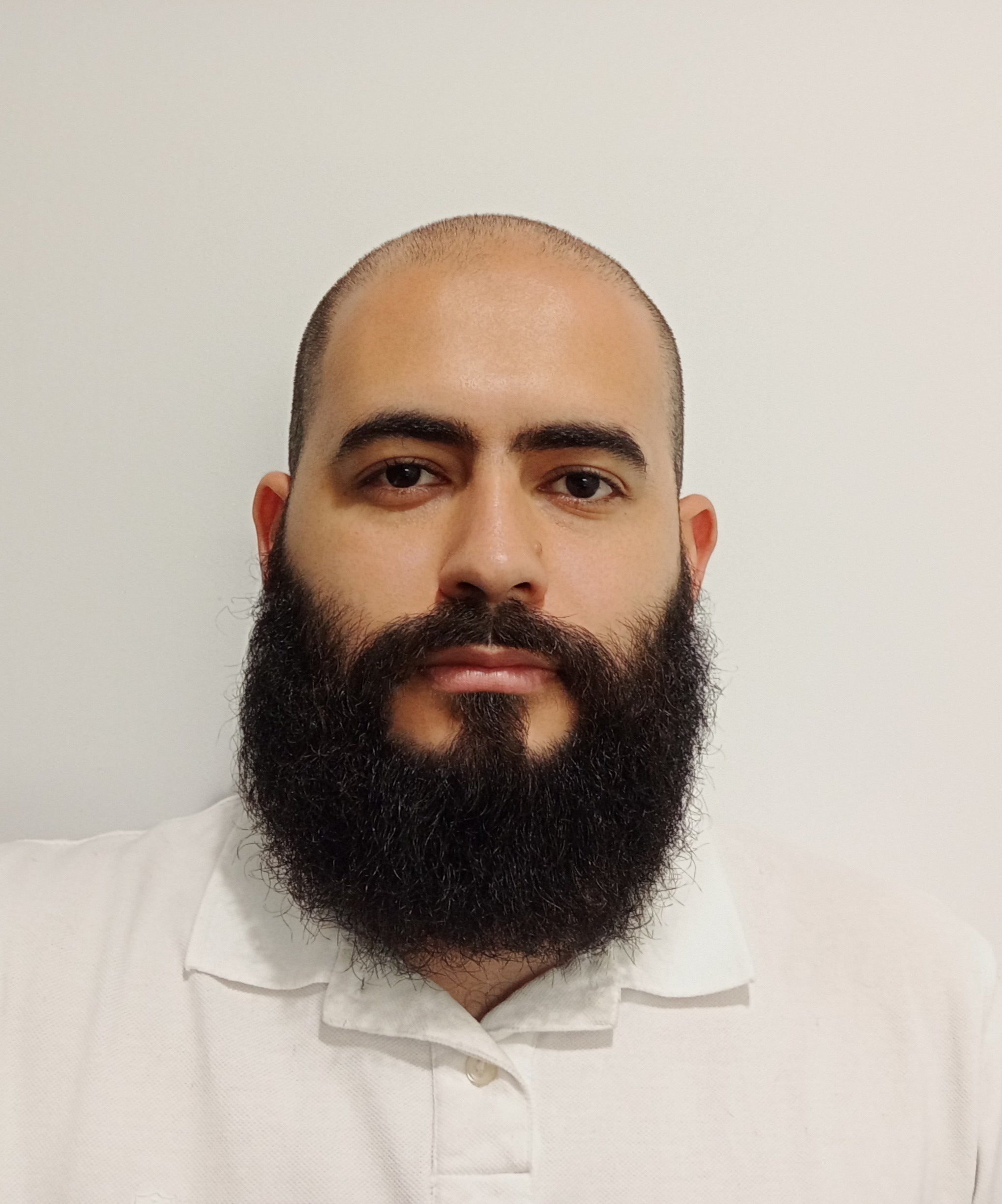
Postdoctoral Fellow:
2024 –
Education:
Ph.D., 2023, Paris Cité University
M.S., 2019, Sorbonne University, Paris
B.S., 2017, Sorbonne University, Paris
Research Interests:
Khaled is interested in understanding how the different branches of the lipid metabolism are coordinated in health and disease, with a focus on cancer and senescence.
Doctoral Student
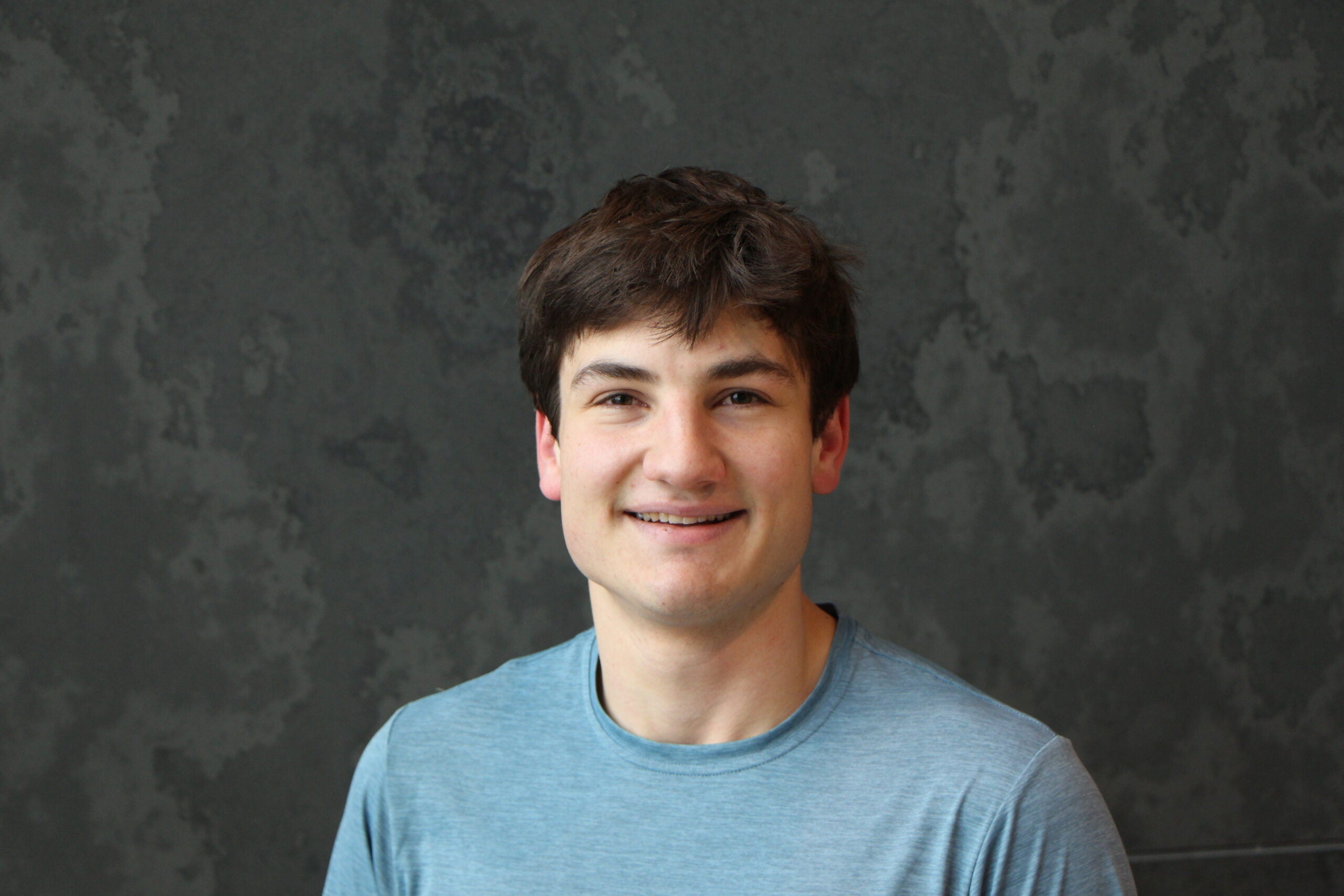
Doctoral Student:
2023 –
Education:
B.A., 2020, Vassar College
Research Interest:
Dean is interested in how individual cells sense nutrient availability and integrate this information to coordinate cellular metabolism. His current research focuses on identifying novel substrates of the nutrient-sensing kinase mTORC1 and understanding how these substrates are regulated across different tissues and cell types.
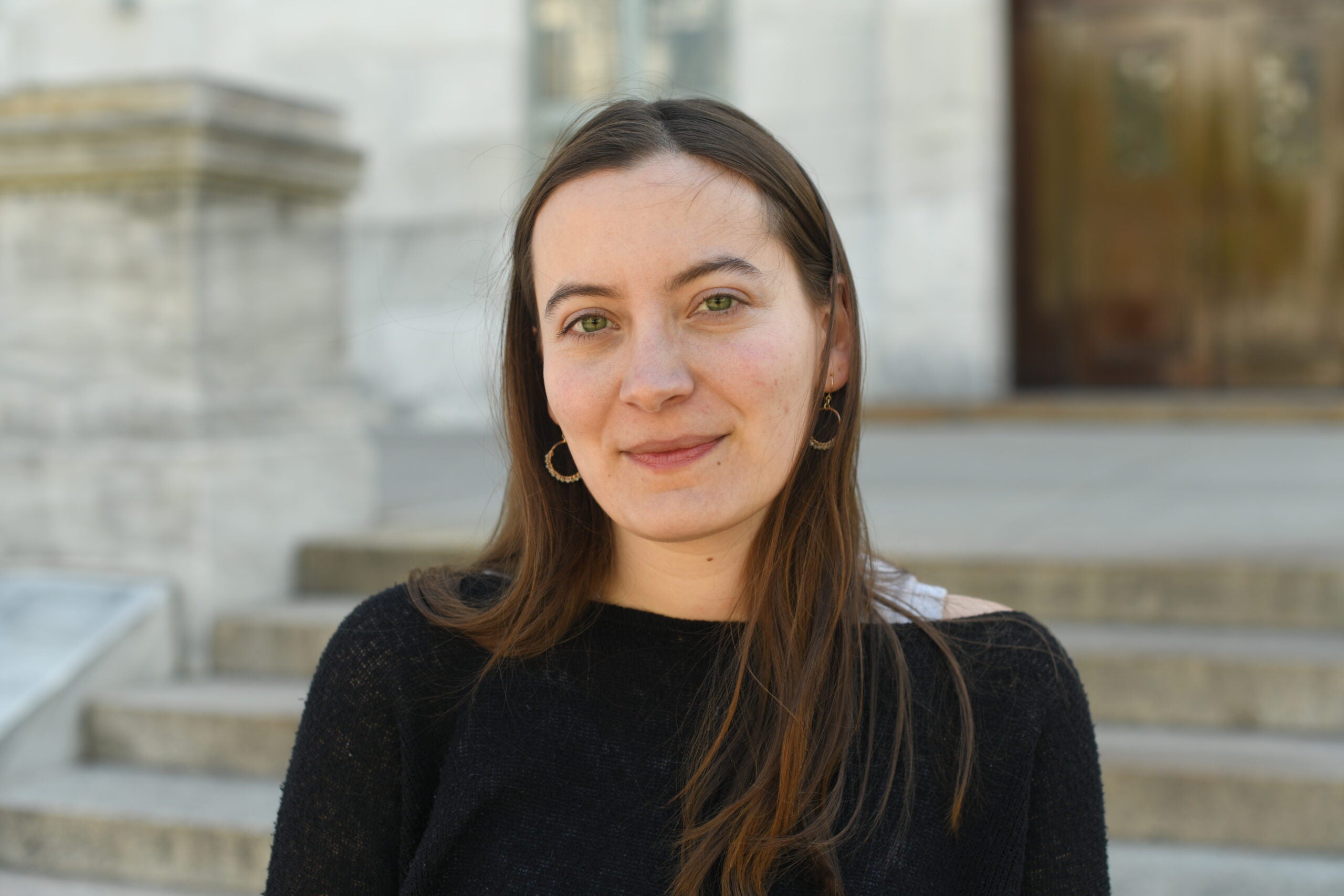
Doctoral Student:
2026 –
Education:
B.A., 2023, Wellesley College
Research Interest:
Deniz is interested in understanding how mTOR signaling regulates metabolism and how dysregulation of this pathway contributes to diseases such as cancer.
Research Assistant
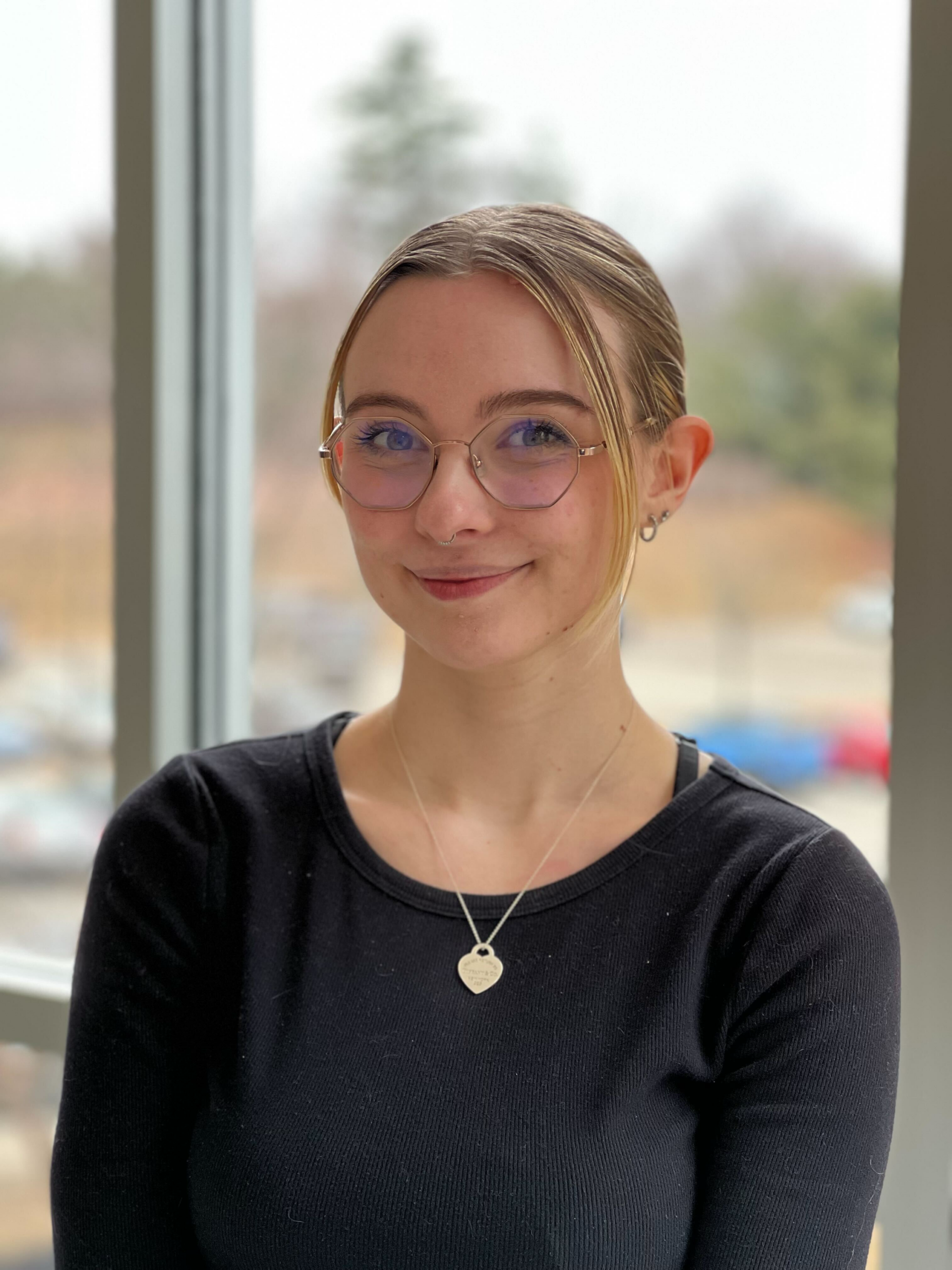
Research Assistant:
2026 –
Education:
B.S., 2024, University of Southern Maine
Research Interest:
Claire’s background is in bone metabolism research and is interested in understanding how the PI3K-mTOR pathway is involved in disease and human metabolism. She is especially interested in investigating its role in cancer and aging.
Faculty Assistant
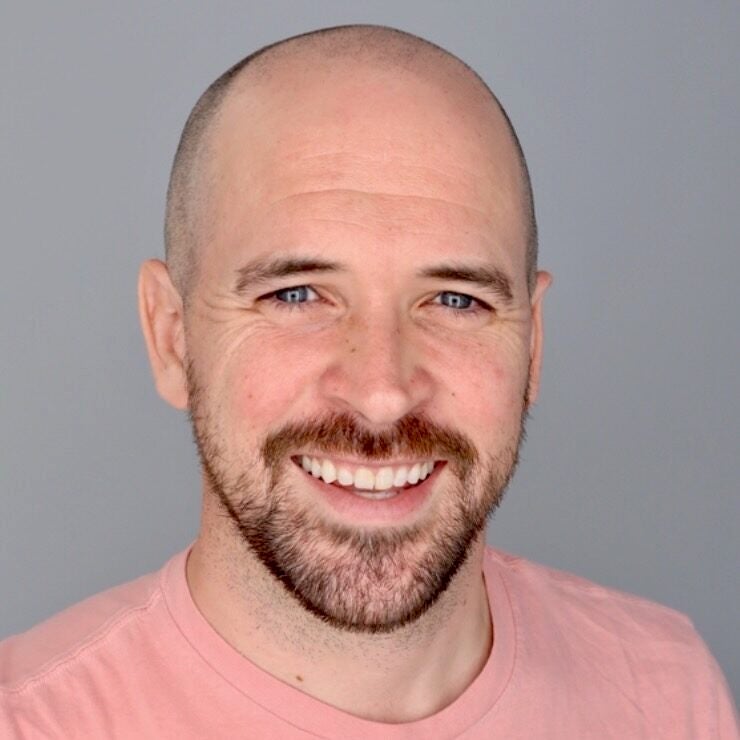
Manning Lab Administrative Coordinator:
2020 –
Education:
B.S. Music and Theatrical Performance, 2008, Muhlenberg College
M.F.A. in Theater Education from Emerson College
Objective Focus:
Faculty Assistant to Dr. Manning and coordinator for the Department of Molecular Metabolism