Lin Lab
The Lin Lab, led by Dr. Xihong Lin at the Harvard T.H. Chan School of Public Health, develops and applies integrative statistical, machine-learning, and generative AI methods to generate new insights into the causes, prevention, and treatment of complex diseases. By integrating whole-genome sequencing, multi-omics, and phenotype data from population cohorts and biobanks with functional genomic experimental data, our research spans the full spectrum from genetic variation to biological function, disease phenotypes, and actionable strategies for improving human health. Our work encompasses whole-genome sequencing analysis, variant functional annotation, functional genomics, disease risk prediction, causal inference, gene–environment interactions, and precision health. We also develop scalable, open-access resources and tools that empower researchers to analyze population-scale genomic health data and experimental functional genomics data and accelerate trustworthy scientific discovery.
655 Huntington Ave, Boston, MA 02115
Lab Members
Principal Investigator

Dr. Lin’s research focuses on developing and applying scalable, integrative statistical, machine-learning, and generative AI methods and tools to analyze massive and complex population-scale genetic, genomic, epidemiological, and health data, together with experimental functional genomics data, to generate new insights into the causes, prevention, and treatment of complex diseases. She is an elected member of both the National Academy of Sciences and the National Academy of Medicine. She has received numerous honors, including the COPSS Presidents’ Award and the Marvin Zelen Leadership Award, and has held prominent leadership positions in national and international statistical organizations.
Research Staff
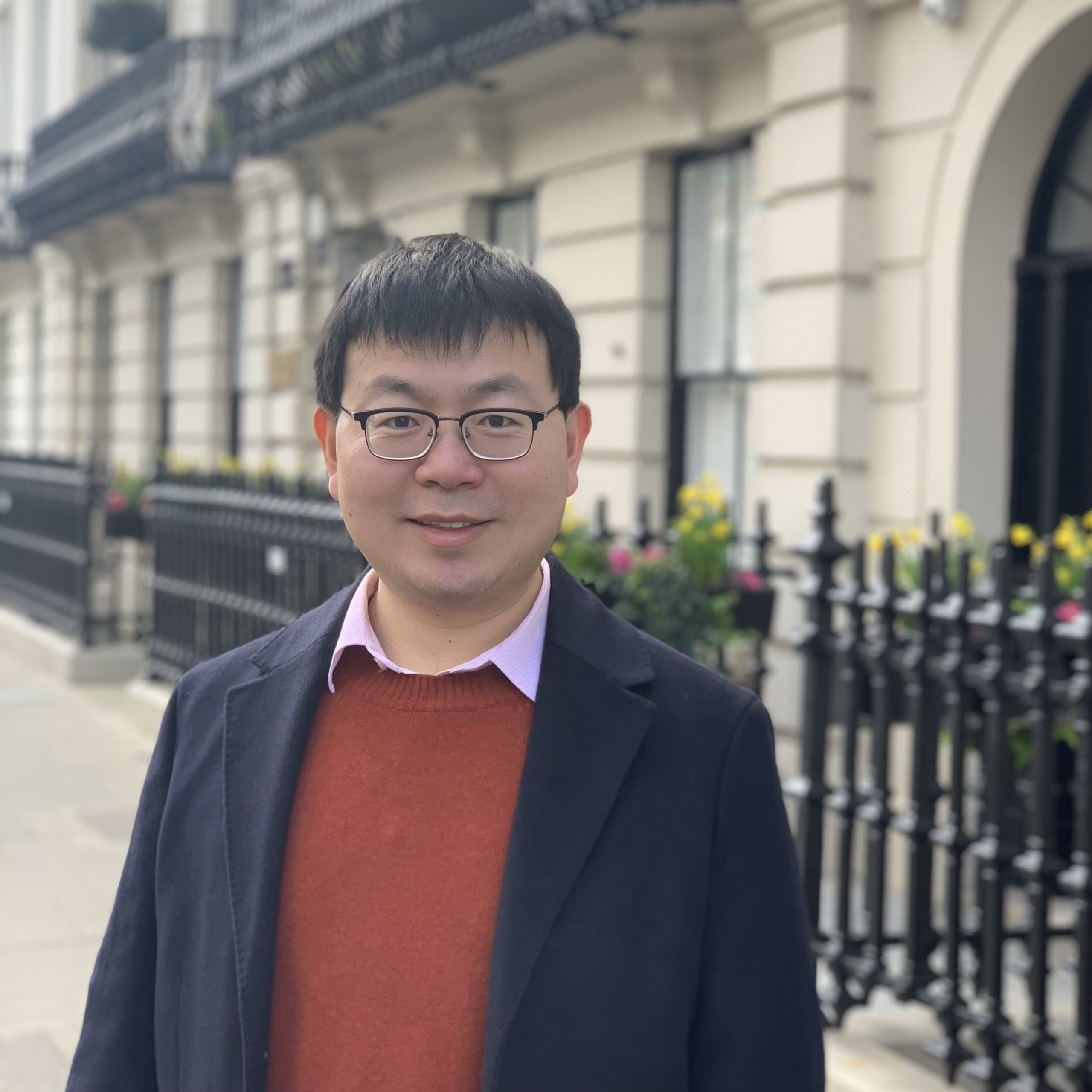
Dr. Zhou’s primary focus is on the functional annotation of genetic variants, building and maintaining annotation databases, and ensuring the quality of large-scale whole-genome sequencing studies. Additionally, he is intrigued by the potential of generative AI to advance genetics research.

Dr. Wang’s research leverages multi-omics data to understand the molecular heterogeneity of lung cancer and its interactions with environmental risk factors, with goals to elucidate disease etiology and optimize personalized treatment strategies and patient outcomes.
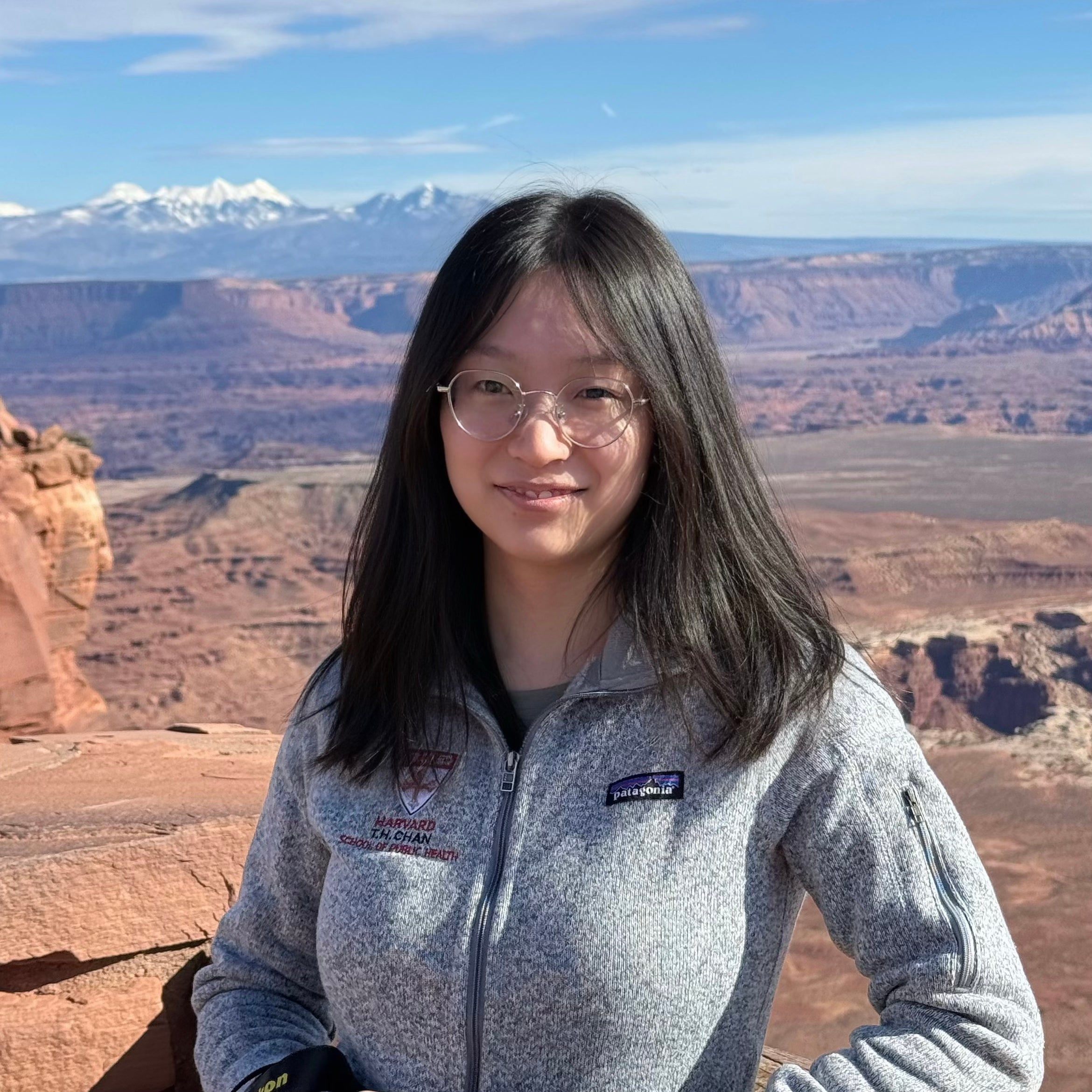
Yuan is interested in statistical genetics and machine learning, with a particular focus on mixed-model association methods, polygenic risk prediction, and understanding the genetic basis of complex diseases.
Postdoctoral Research Fellows
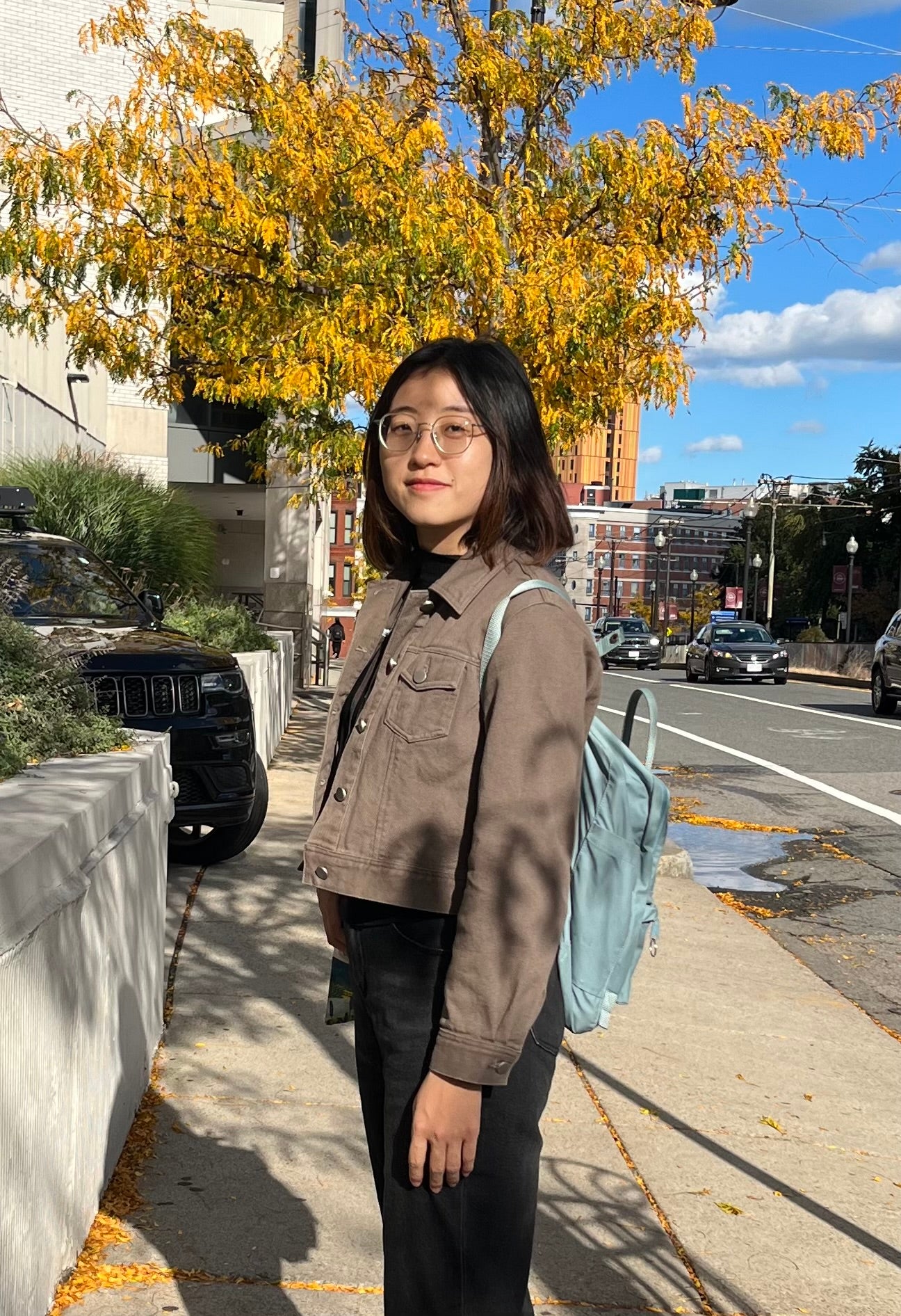
Dr. Yang’s primary focus is to build up robust and statistically efficient methods for causal association discovery, such as large-scale mediation testing and treatment effect estimation problems in complex situations. She is intrigued by the plasma protein data analysis and trying to establish a model for personalized disease prediction.
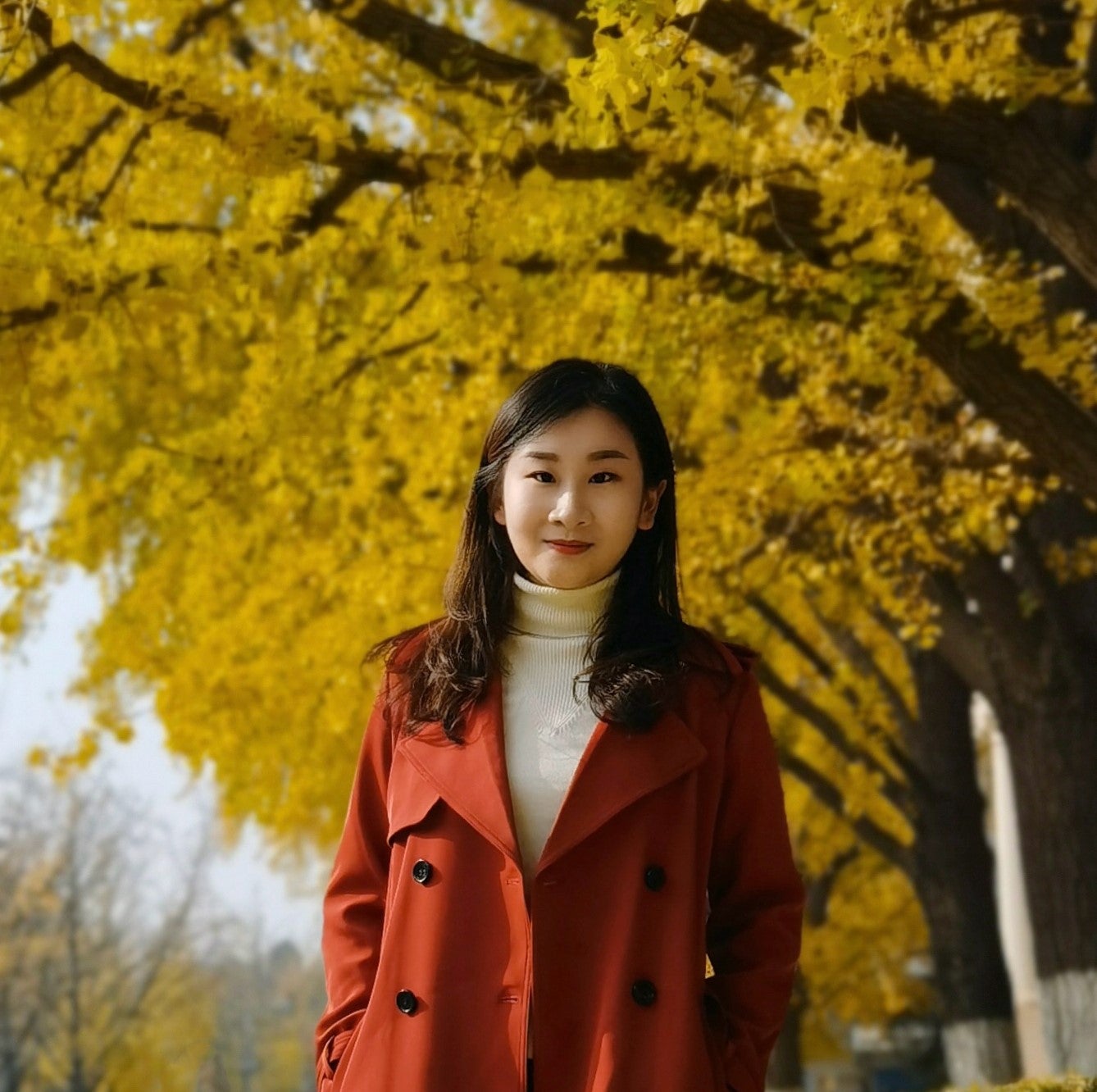
Dr. Song’s research interests include statistical genetics and genomics, Bayesian methodology, and machine learning. Her current work centers on developing statistical tools for large-scale whole-genome sequencing studies, with a particular focus on time-to-event data analysis, polygenic risk prediction, and heritability estimation.

Dr. Zhu’s research focuses on the intersection of statistical optimal transport, manifold representation learning, and generative modeling within the context of single-cell and spatial omics. He is currently developing advanced statistical and computational frameworks to analyze IGVF multiomic data.

Dr. Liu’s research lies at the intersection of statistics, machine learning, and optimization with a focus on developing efficient and interpretable methods for data science.
Students
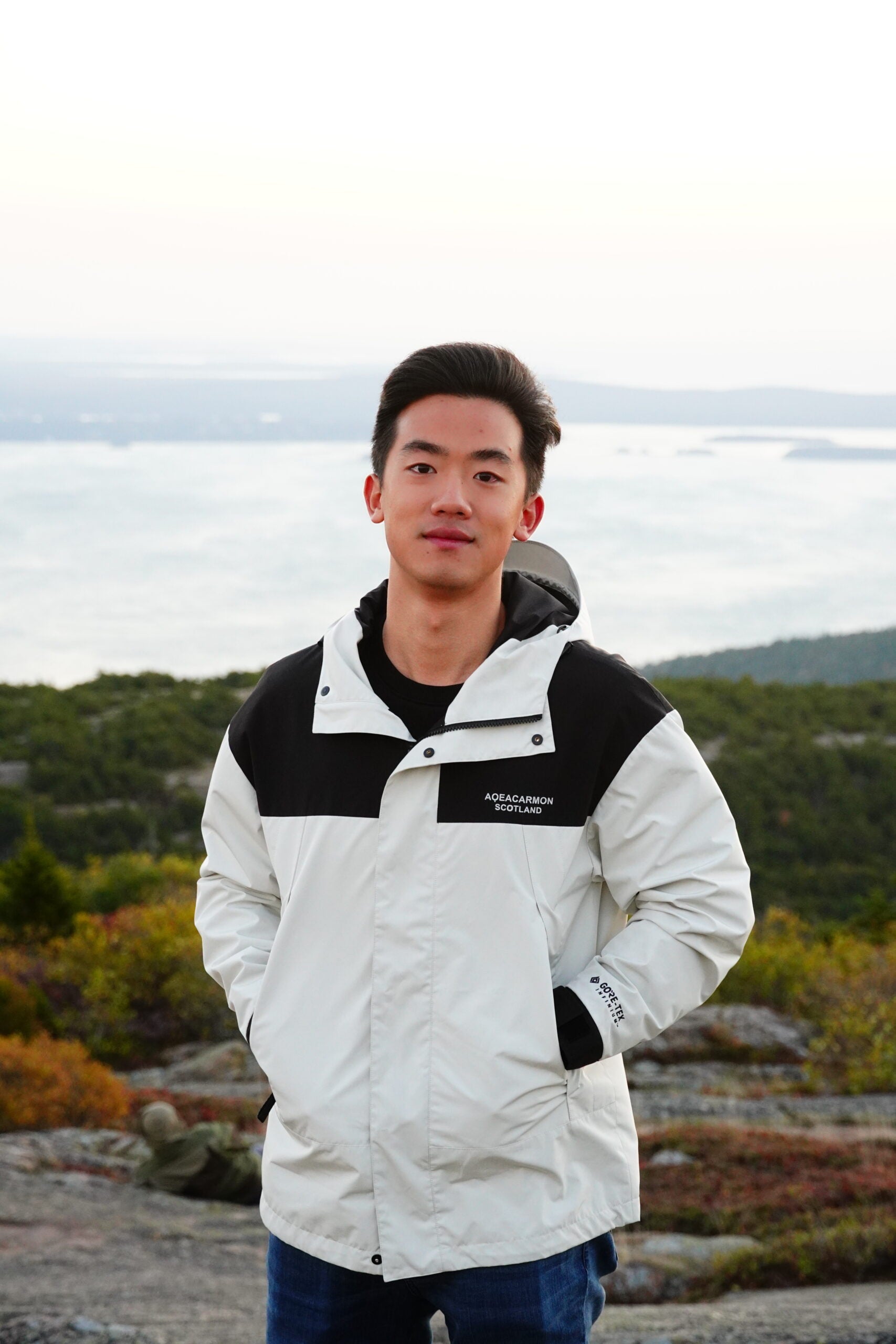
Yuzhou’s research focuses on advancing modern causal inference methods to analyze complex observational studies, with a particular emphasis on developing causal mediation analysis methods for integrative analyses of health outcome data.

Xiaonan is interested in studying disease mechanisms and identifying drug targets. In particular, she is working on predicting individual-level gene expression to uncover how genetic variants impact phenotype through gene expression.

Ziqi is broadly interested in applying spectral methods, high-dimensional statistical inference, and geometrical/topological manifold learning to multimodal genomics and genetics data. Currently, Ziqi is focused on developing computational methods for the IGVF single-cell multiomic data integration and regulatory network inference.
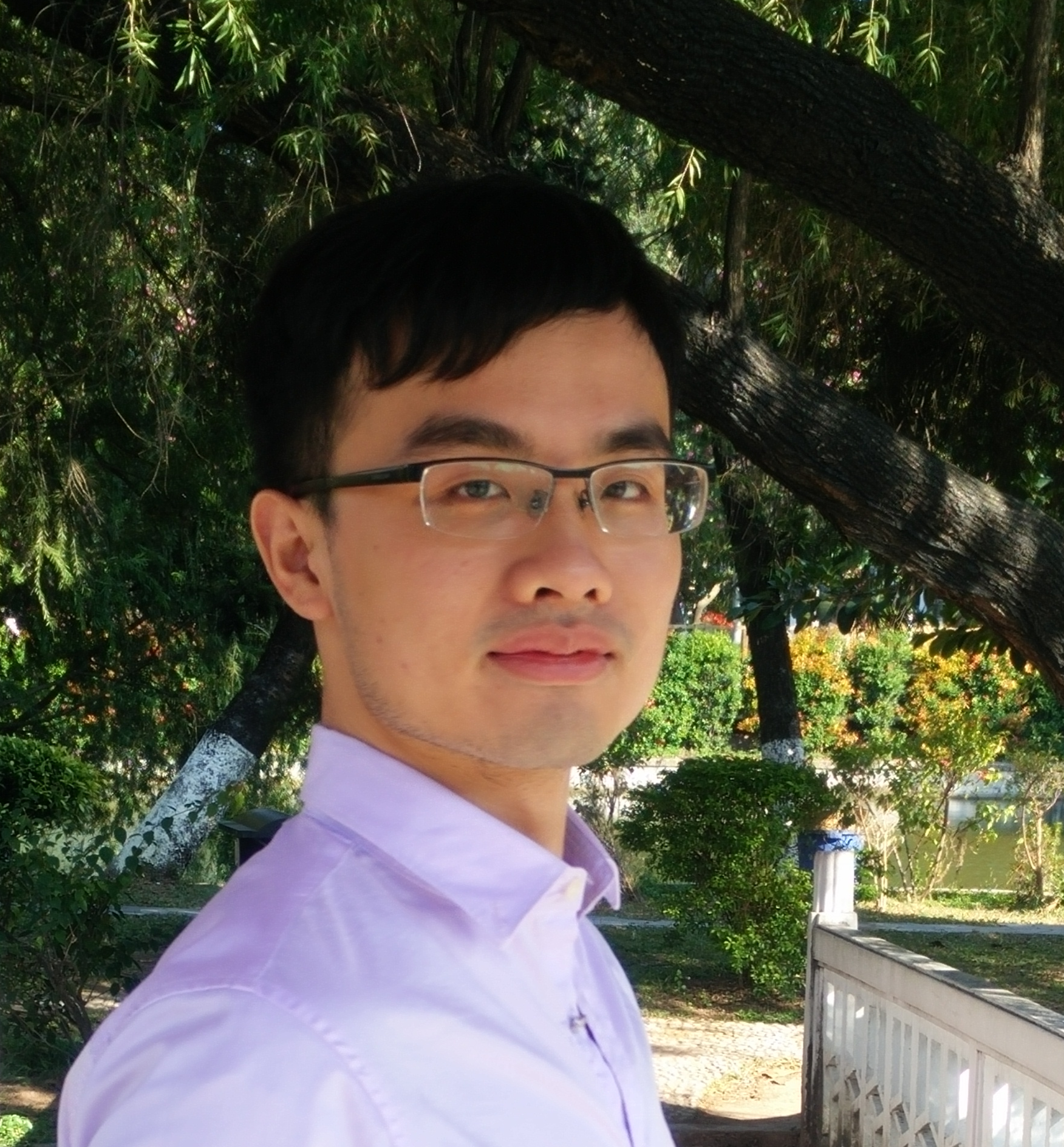
Roman is interested in developing statistical methods to enhance understanding of disease mechanisms and improve patient outcomes, with a focus on integrating genetic and clinical information from diverse sources while accounting for data heterogeneity.