Kanki Lab
Our research works toward improving our understanding of the pathobiology of important viral diseases in Africa and training students and research scientists. We collaborate with African scientists to address research questions that can translate to evidence-based real-world solutions, improved health outcomes, and sustained policy change.
651 Huntington Avenue
FXB Building, Room 405B
Boston, Massachusetts 02115
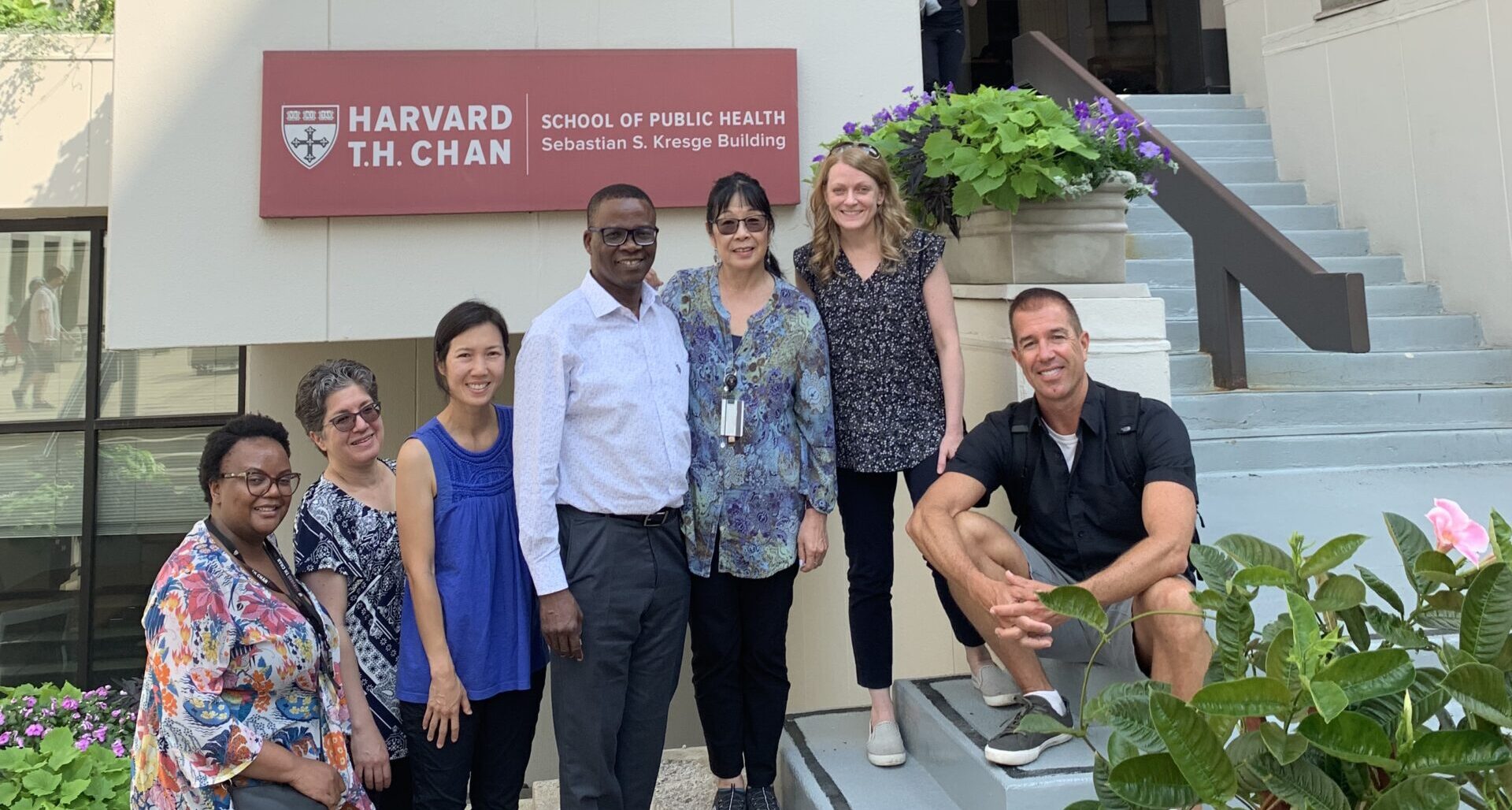
Lab Members
Our research works towards improving our understanding of the pathobiology of important viral diseases in Africa. We collaborate with African scientists to address research questions that can translate to evidence-based real-world solutions, improved health outcomes, and sustained policy change. The training of students and junior faculty is critical to promoting sustained infectious disease research on the continent.
Phyllis Kanki

“My research centers on the virology and molecular epidemiology of HIV in Africa along with implementation science work to improve HIV outcomes. I have worked in West Africa since the 1980s, and in 2000, I created and directed the AIDS Prevention Initiative in Nigeria (APIN) with a $25 million grant from the Bill & Melinda Gates Foundation. Since 2004, I led the Harvard President’s Emergency Plan for AIDS Relief (PEPFAR) providing prevention, care, and HIV antiretroviral therapy in Nigeria, Botswana, and Tanzania.”

Researchers

Adam Abdullahi is a tropical diseases and infectious disease scientist with dual affiliations as a Takemi Fellow at Harvard T.H. Chan School of Public Health and a Cambridge-Africa Fellow at the University of Cambridge. His research bridges molecular virology and epidemiology, focusing on HIV drug resistance, viral evolution, and vaccine responses, particularly across African populations.
Adam’s work leverages sequencing technologies to characterize resistance patterns and investigate the efficacy of emerging therapies, such as capsid inhibitors, in diverse viral subtypes. Beyond his HIV-focused studies, he is also examining immune responses to the Mpox JYNNEOS vaccine and the impact of HIV-1 infection on vaccine efficacy, utilizing clinical cohorts to evaluate antibody dynamics and inform public health strategies in resource-limited settings.
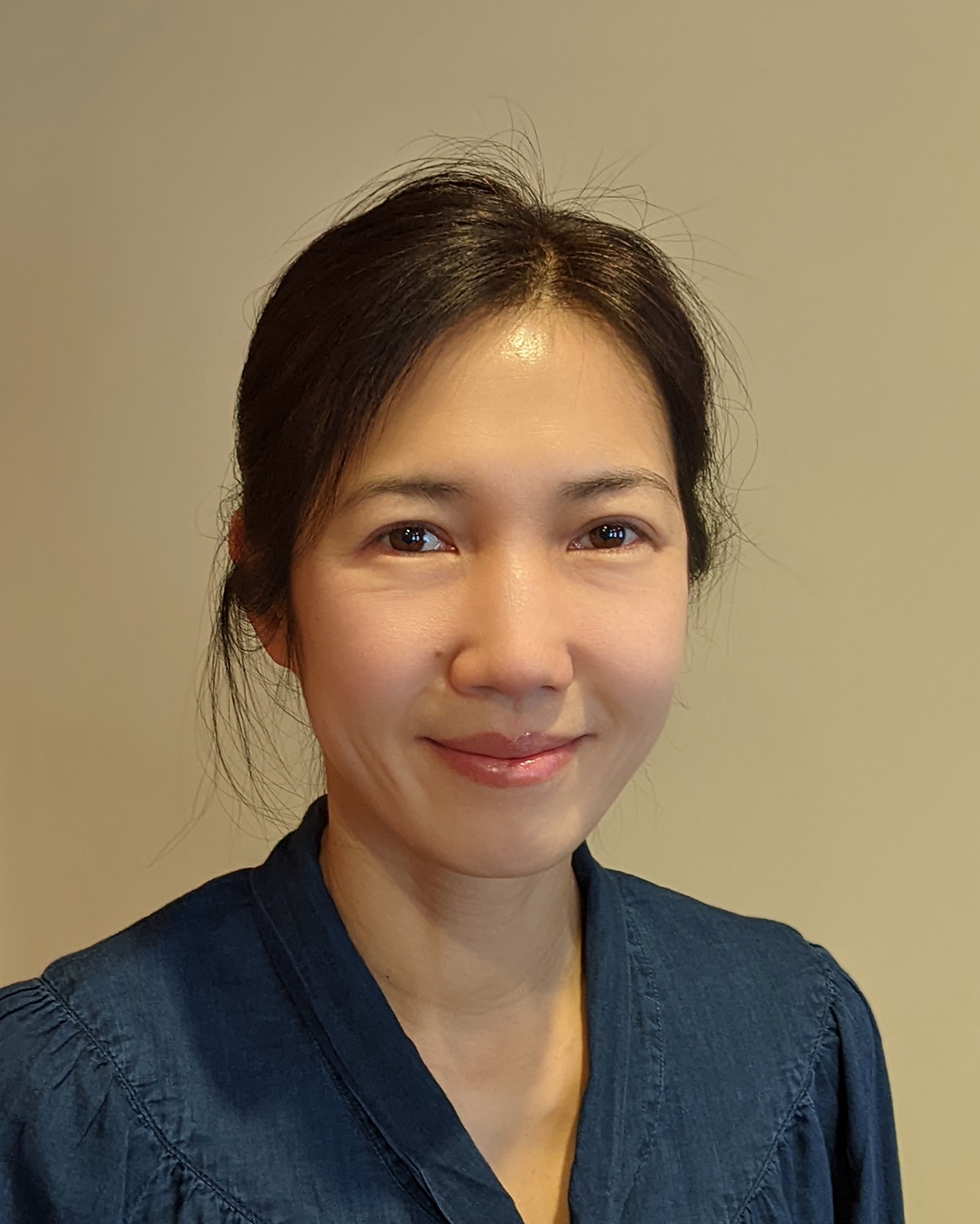
Charlotte Chang has worked as a data manager and IRB coordinator for Dr. Kanki for over 14 years. As data manager for the Harvard PEPFAR program, she assisted international partners in monitoring, evaluation, and quality improvement. She works with collaborators at international sites to develop research protocols, study tools, and databases, and document regulatory compliance. She monitors, prepares, and analyzes data for program evaluations and research projects on various topics, including HIV, arboviruses, and SARS-CoV-2 in our partner countries.

Medrine Kihanga is a Research Assistant in the Department of Medicine, Division of Infectious Diseases at Brigham and Women’s Hospital. She is working directly with Dr. Holly Rawizza on studies focused on improving treatment for children living with TB/HIV co-infection through pharmacokinetic studies.

Dr. Rawizza is an Associate Physician at Brigham and Women’s Hospital and an Assistant Professor of Medicine at Harvard Medical School. She is an infectious disease physician with training in adult and pediatric medicine that has worked with Dr. Kanki since 2007. She has over a decade of experience in translational clinical research in Nigeria, where she is currently completing a K23 award examining the pharamacokinetics of TB and ART medications in coinfected children. A recently funded project will study patterns of HIV drug resistance after treatment failure in children and its implications for second-line dolutegravir use, and will evaluate a novel drug resistance assay. Dr. Rawizza has experience in care and treatment of HIV, COVID, and other infectious diseases.
Graduate Student

Dr. Ammar Al Naimi, an obstetrician-gynecologist in Frankfurt, Germany, is currently completing his Master’s thesis in Epidemiology at the Harvard Chan with the Kanki Lab. His retrospective clinical data analysis aims to address research gaps in gestational weight gain among pregnant women with HIV on dolutegravir, the current WHO-recommended first-line antiretroviral treatment for adults.