India Research Center
The India Research Center, based in Mumbai, serves as a hub for Harvard Chan School’s research projects, educational programs, and knowledge translation and communication work across India.
Peninsula Corporate Park,
Lower Parel, Mumbai
India
Roundtable II: “Advancing Tobacco and Alcohol Control in India: Evidence and the Next Steps”
The health risks associated with the use of tobacco, alcohol, or their concurrent use extend beyond individual morbidity, with significant implications for major public health priorities, including non-communicable diseases such as cardiovascular diseases, cancers, chronic respiratory diseases, and liver disorders. In addition, they intersect with a broader set of concerns, including mental health, injuries, domestic violence, poverty, and nutrition.
As highlighted in the first roundtable “Advancing Tobacco and Alcohol Control in India: Evidence and the Next Steps” held on August 4, 2025, these challenges are compounded by fragmented policy frameworks, gaps in surveillance systems, uneven access to cessation services, and persistent social norms that normalize consumption.
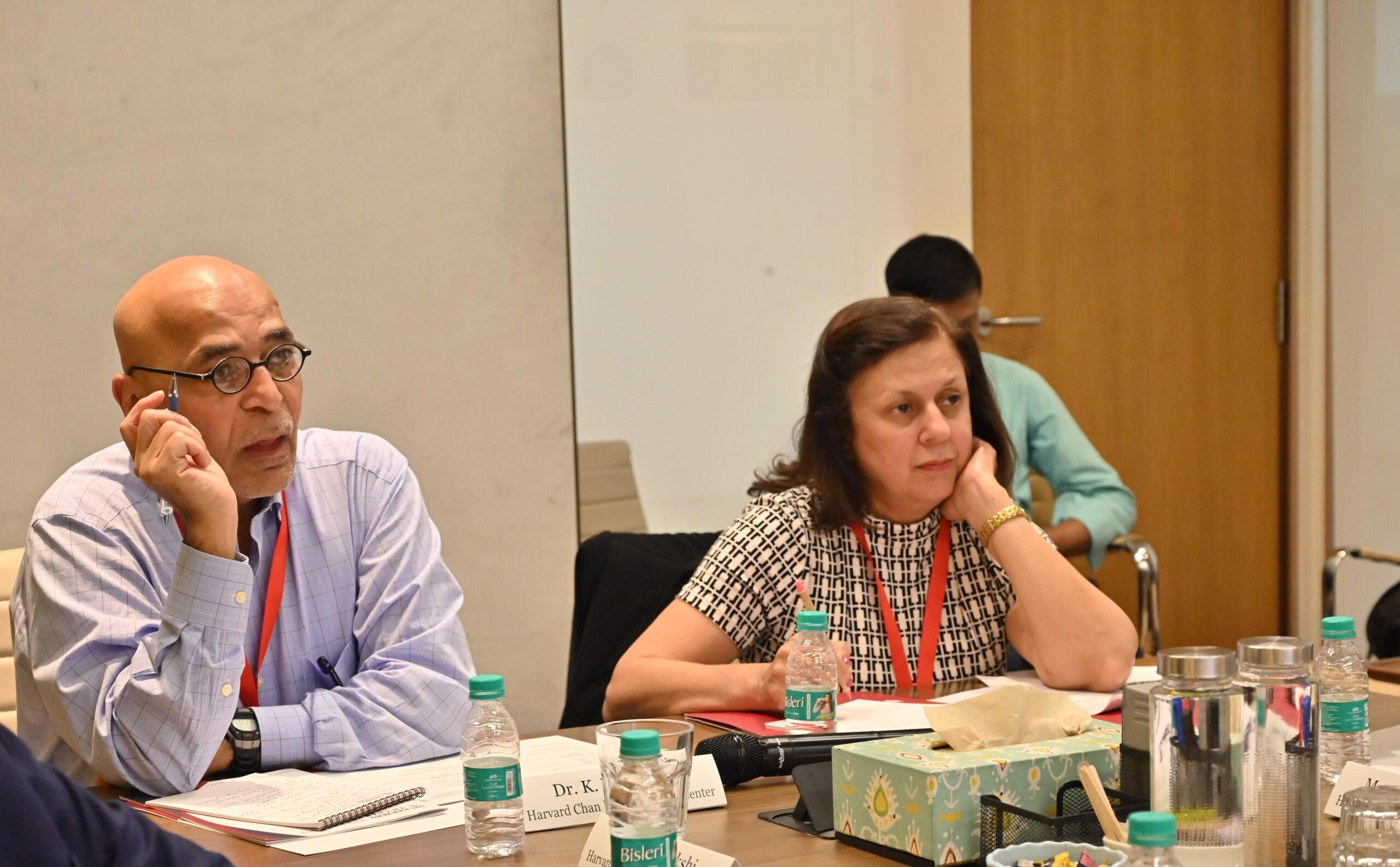
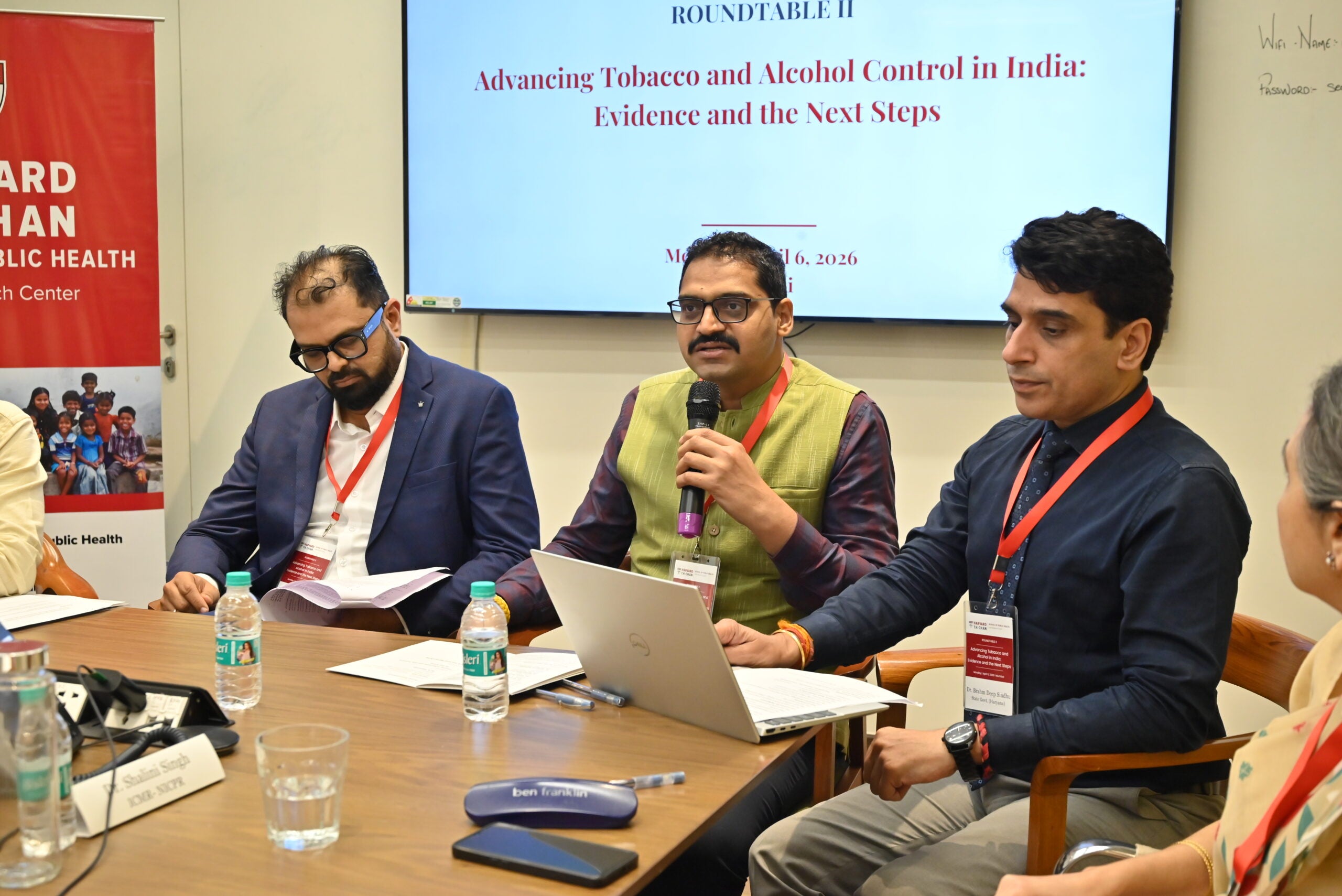
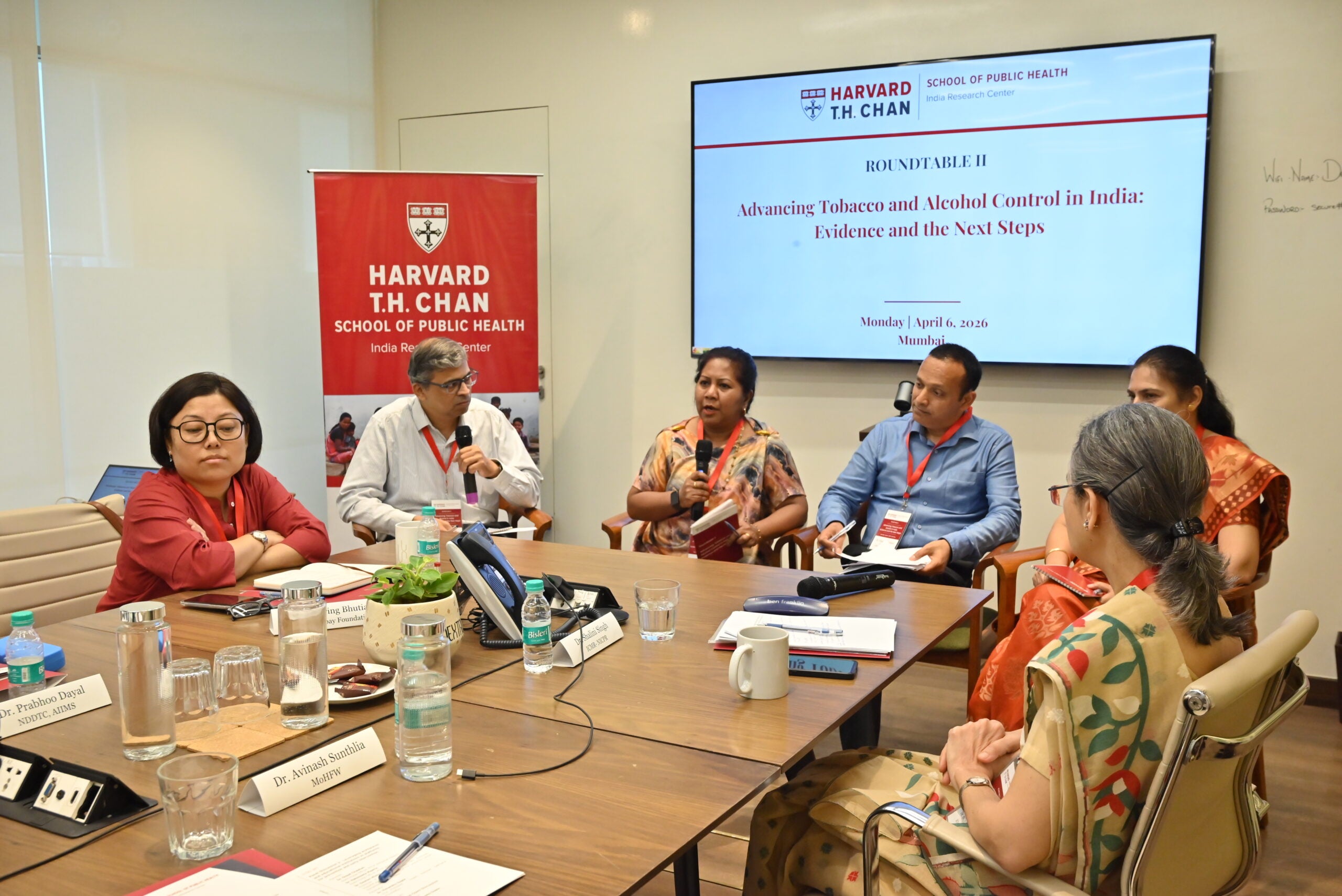
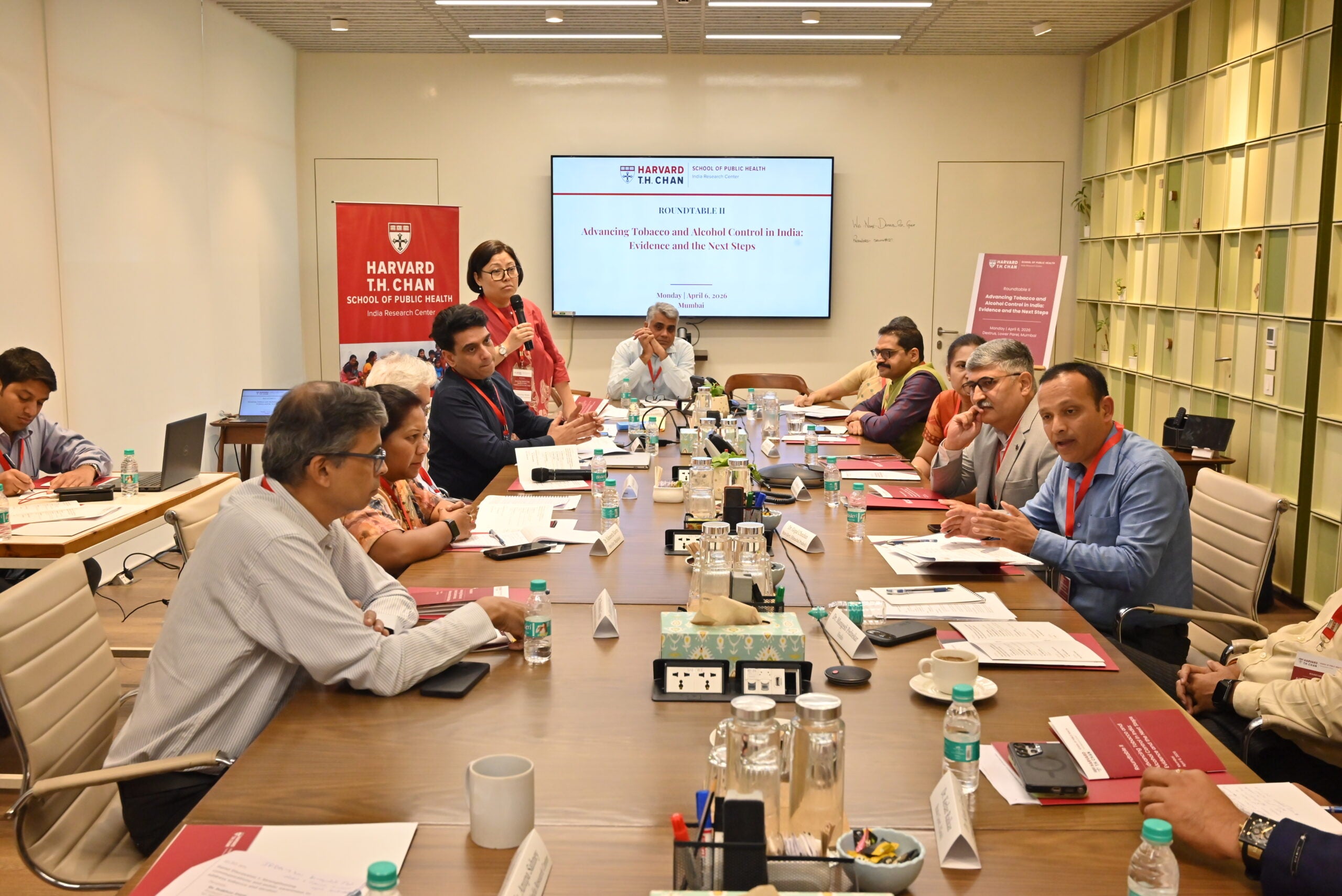
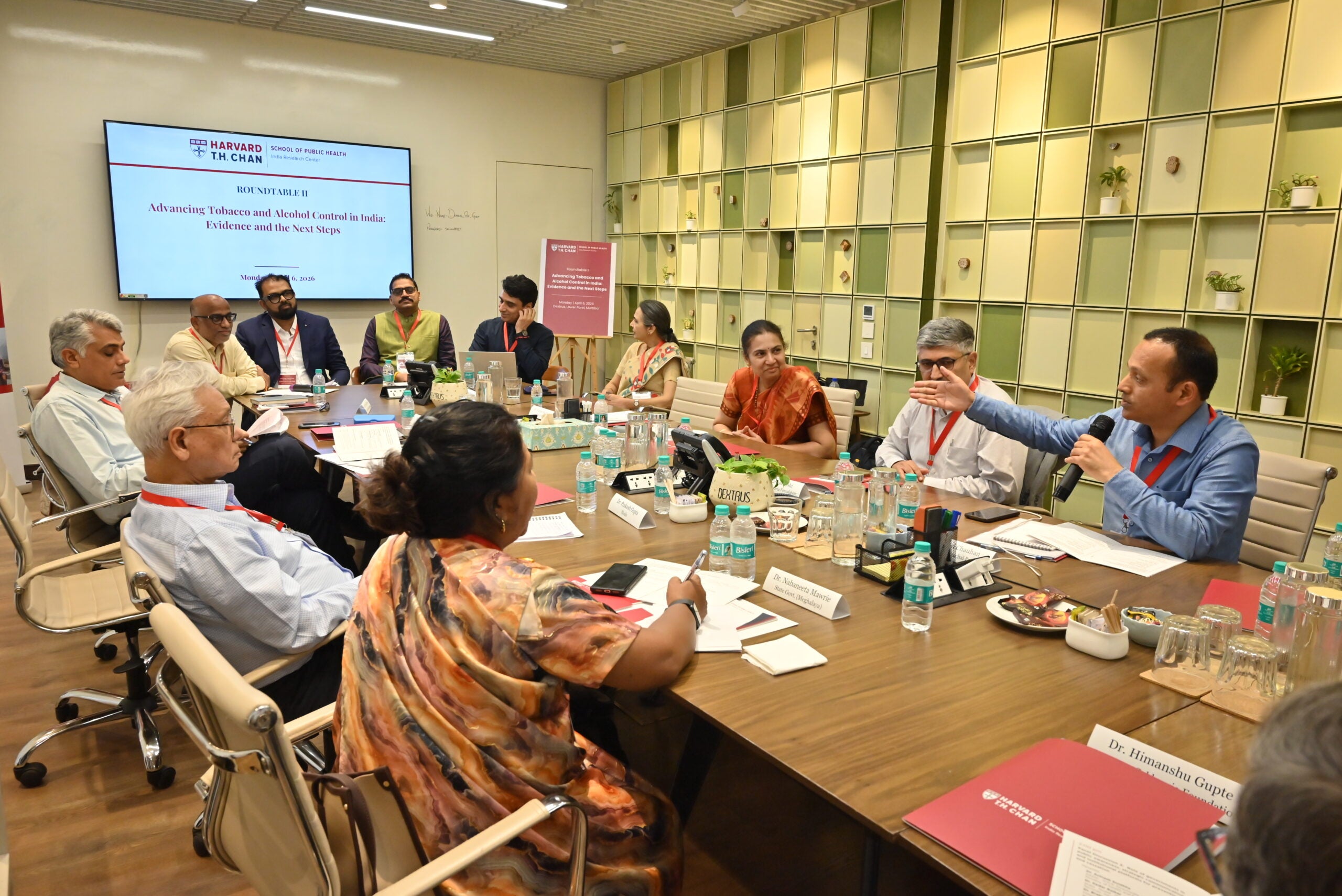
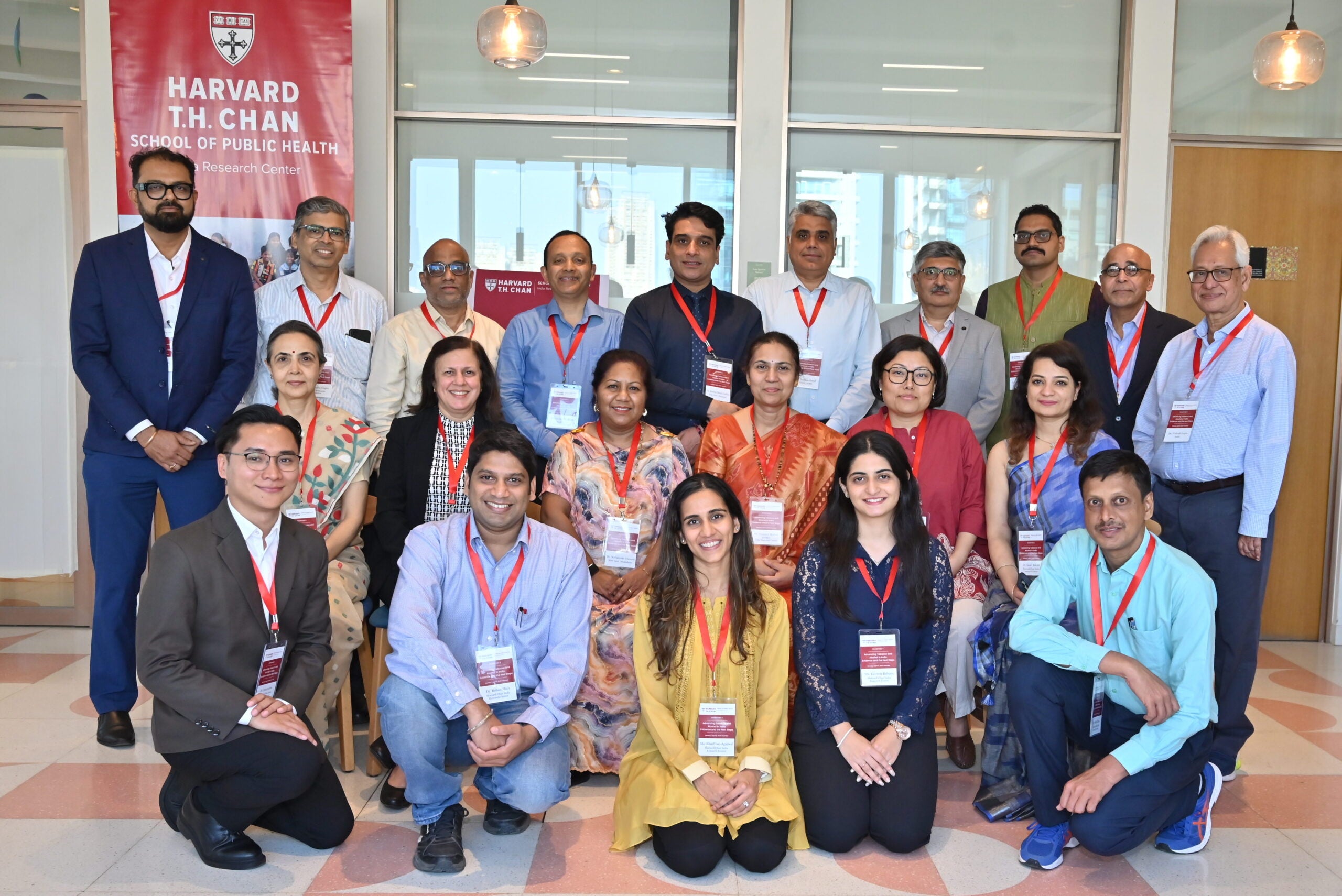
Recognising these challenges, the Harvard T. H. Chan School of Public Health – India Research Center recently hosted the second roundtable in Mumbai on April 6, 2026, which marked a deliberate shift from problem identification to solution-oriented dialogue.
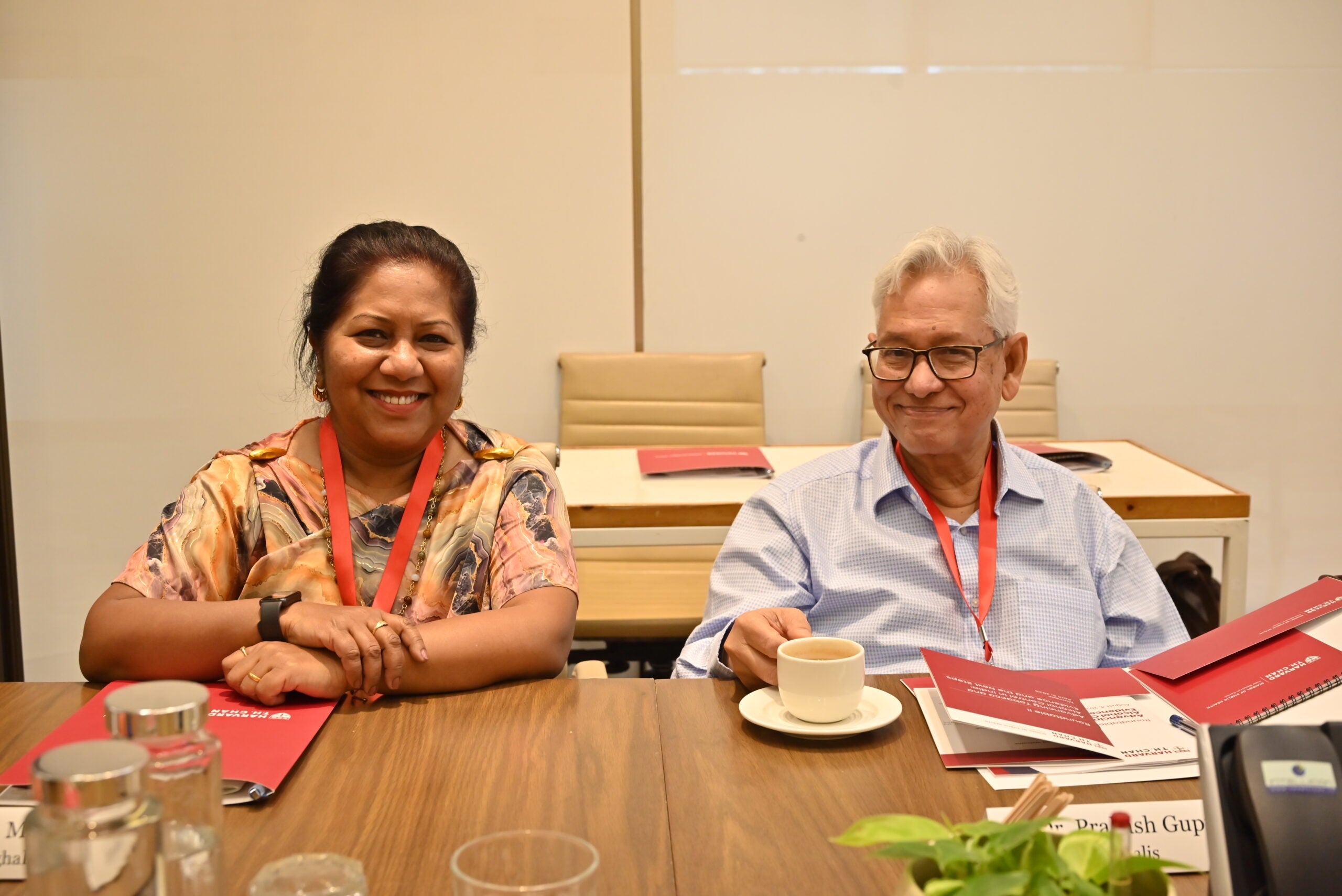
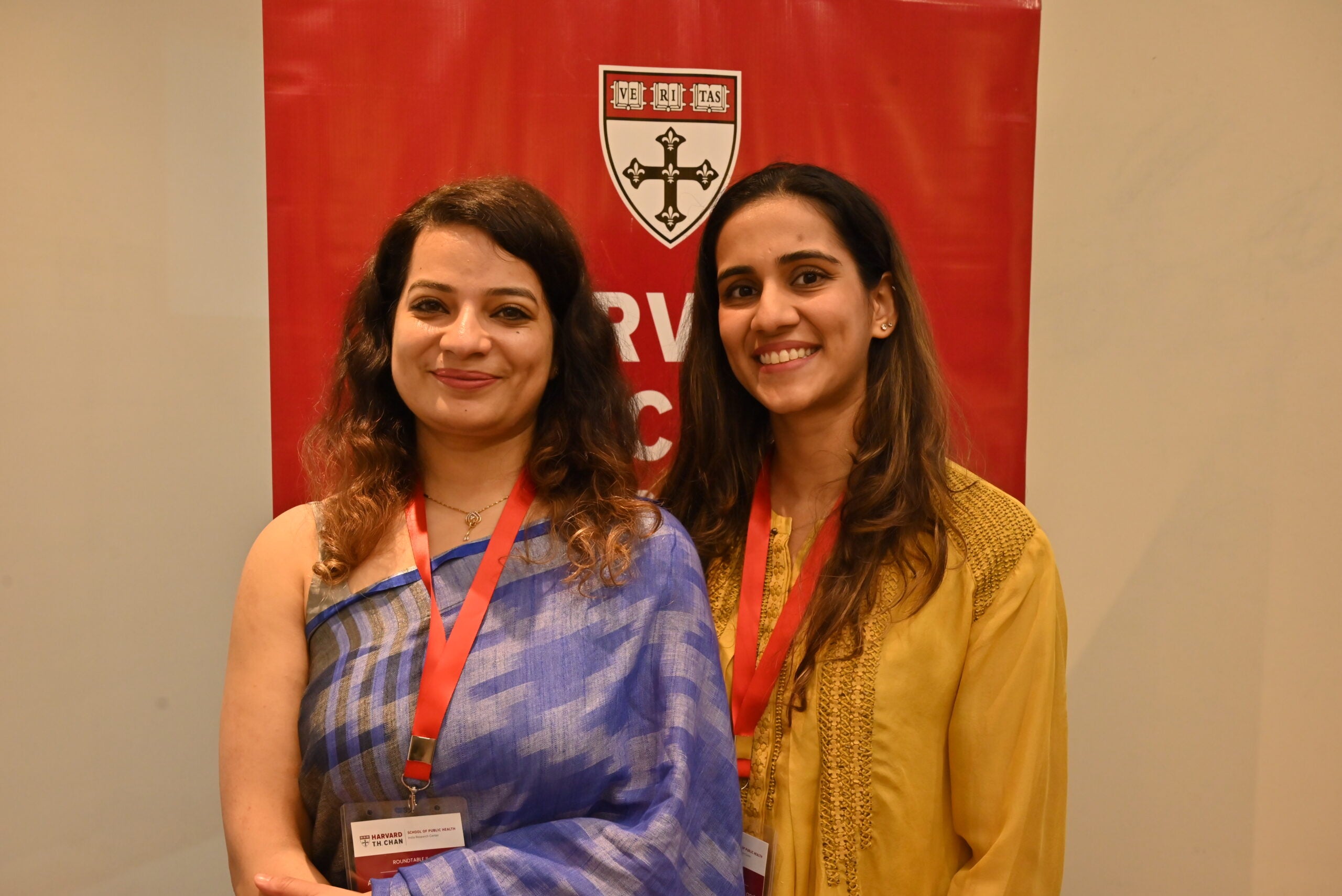
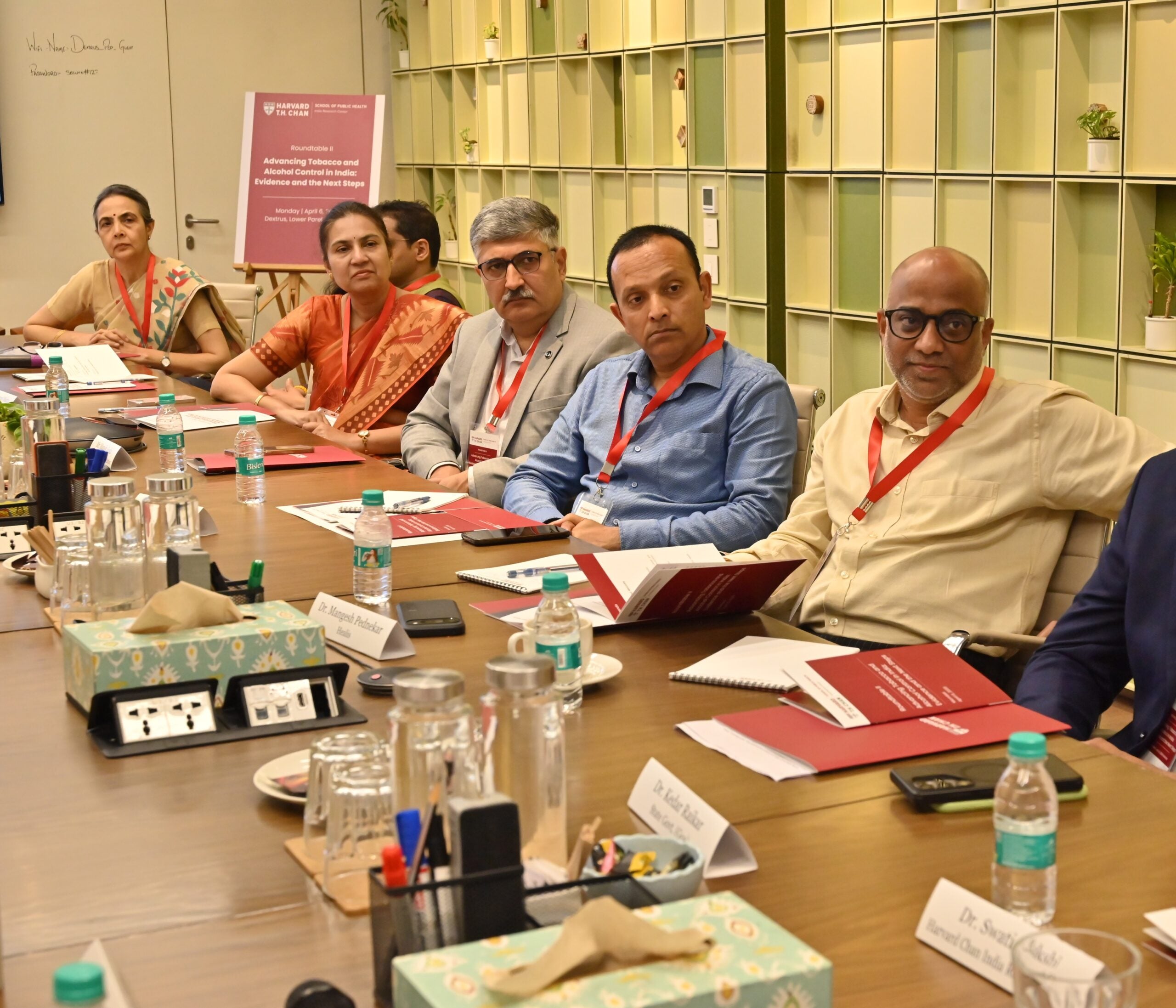
This convening brought together representatives from the National and State governments, research institutions and implementation partners. Their diverse perspectives and practical insights were instrumental in shaping a constructive dialogue, grounded in real-world challenges and opportunities for advancing tobacco and alcohol control in India.
The deliberations emphasized the importance of communication for behaviour change, strengthening institutional platforms for prevention and early intervention, health system strengthening, and coordinated governance. State experiences from Himachal Pradesh, Meghalaya, Goa, and Haryana further demonstrated how implementation is shaped by local institutional capacity, social norms, regulatory environments, and community engagement.
Through shared commitment, evidence-based collaboration, and collective leadership, we look forward to moving closer to achieving a tobacco- and alcohol-free future.
Topics Addressed
Inaugural Session
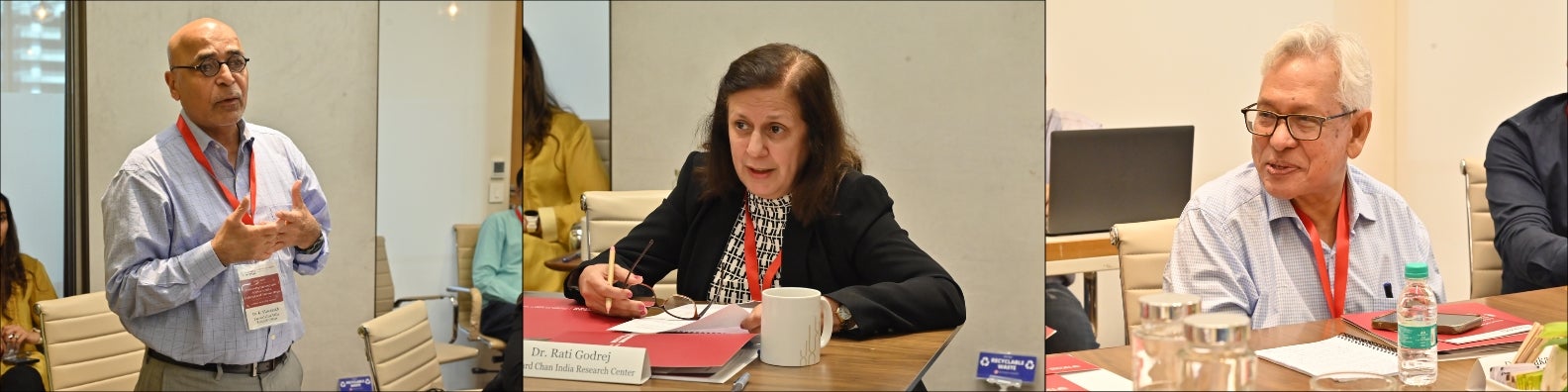
Opening Remarks
Dr. K. Viswanath
Director, Harvard Chan India Research Center and Lee Kum Kee Professor of Health Communication, Harvard T.H. Chan School of Public Health
Dr. Rati Godrej
Advisor, Harvard Chan India Research Center
Special Address
Dr. Prakash C. Gupta
Director, Healis Sekhsaria Institute for Public Health
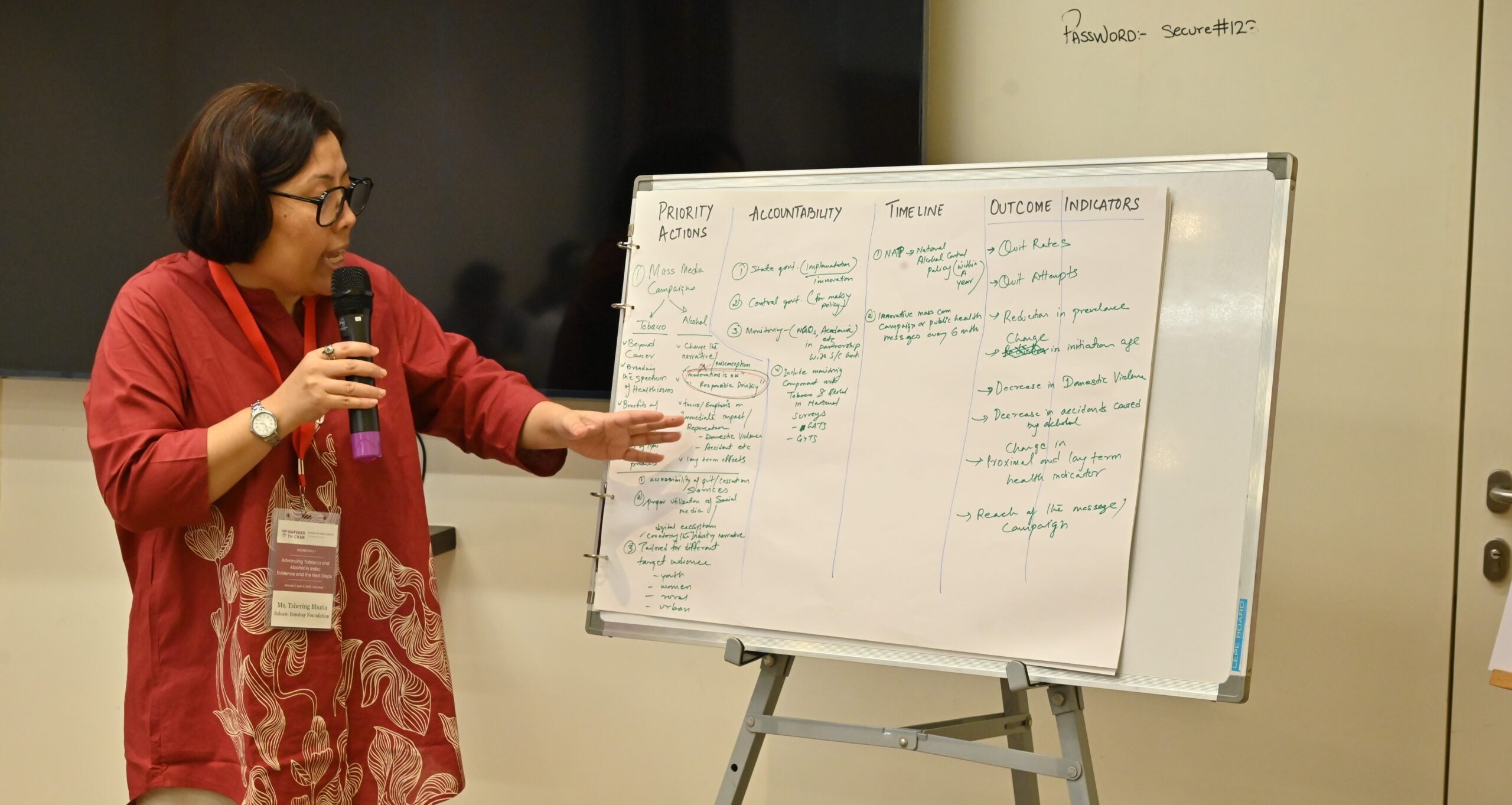
Session 1: Strengthening communications and public awareness to address tobacco and alcohol
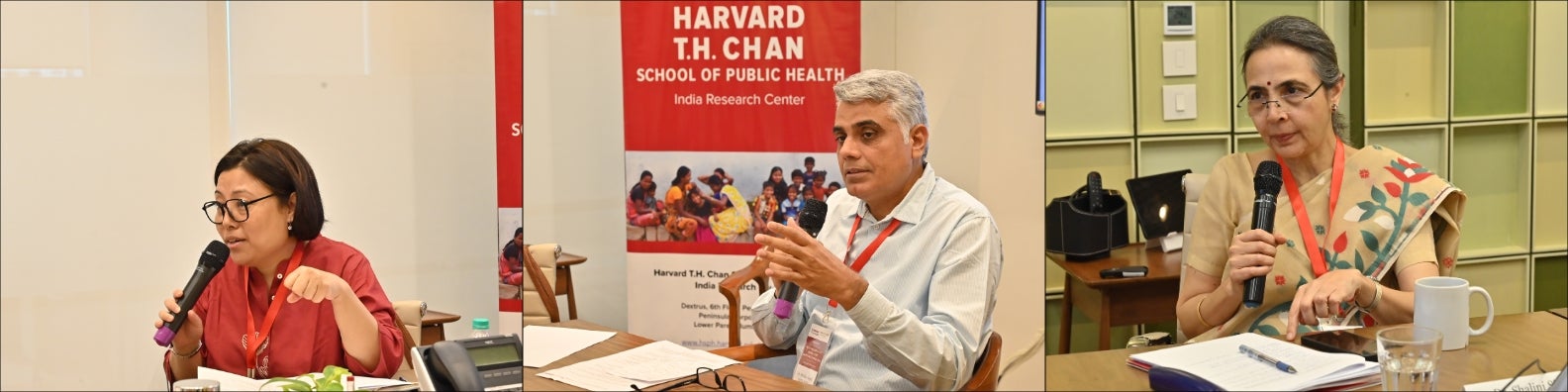
Facilitator
Ms. Tshering Bhutia
CIO and SVP Preventive Health, Salaam Bombay Foundation
Panelists
Dr. Prabhu Dayal
Professor of Psychiatry and President of Society for Addiction Psychology, National Drug Dependence Treatment Centre (NDDTC), AIIMS New Delhi
Dr. Shalini Singh
Director, Indian Council of Medical Research-National Institute of Cancer Prevention and Research (ICMR-NICPR)
Session 2: Leveraging workplaces and educational institutions as platforms for prevention and early intervention
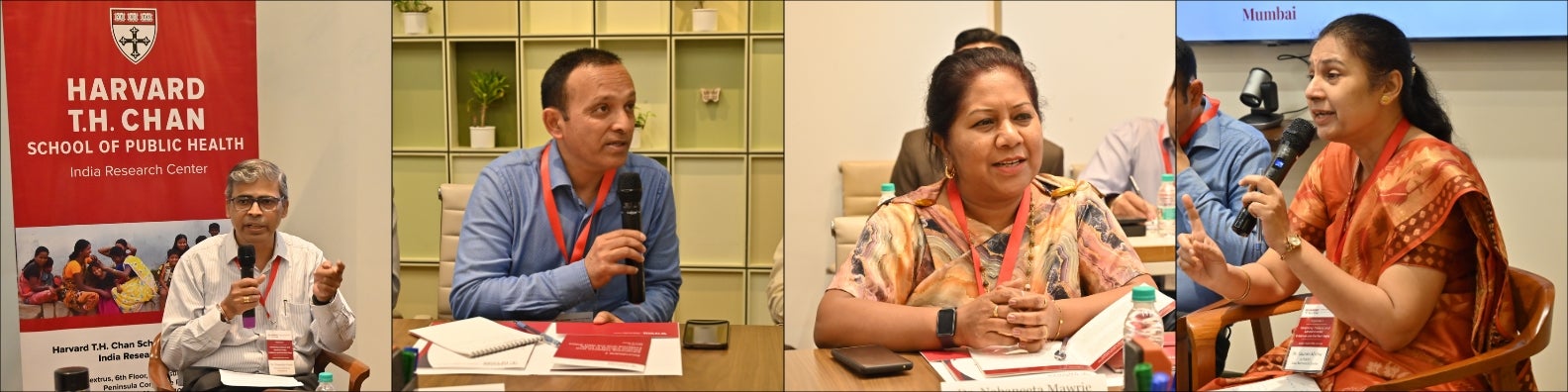
Facilitator
Dr. Himanshu Gupte
Vice President – Health, Narotam Sekhsaria Foundation
Panelists
Dr. Gopal Chauhan
State Nodal Officer, NTCP, Himachal Pradesh
Dr. Nabaneeta Mawrie
State Nodal Officer, NTCP and NOHP, Meghalaya
Dr. Gauravi Mishra
Professor of Preventive Oncology, Tata Memorial Hospital and Deputy Director of the Centre for Cancer Epidemiology at ACTREC
Session 3: Role of governments in public awareness, strategic communication, and institutional platforms for prevention and cessation
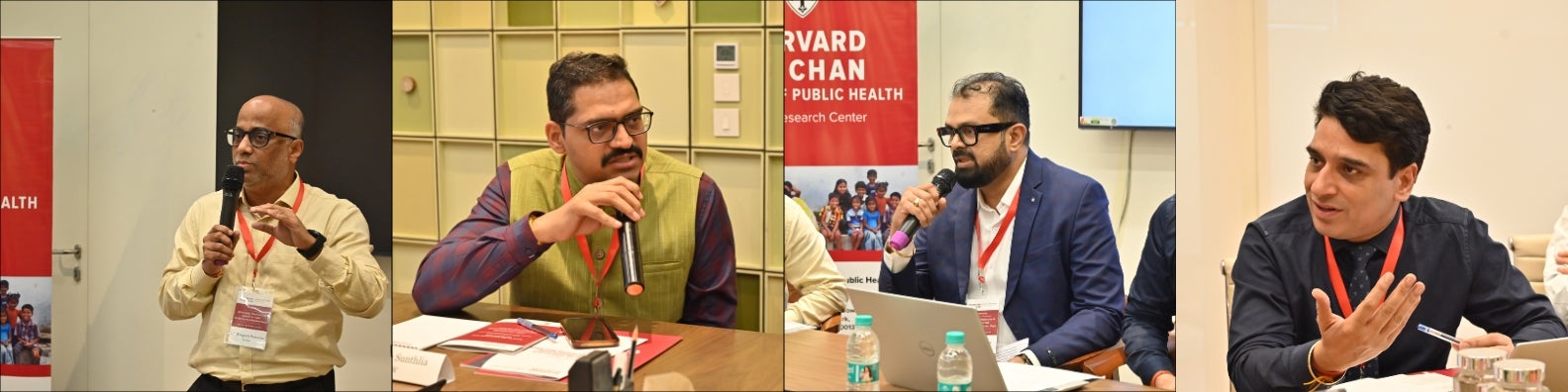
Facilitator
Dr. Mangesh Pednekar
Director, Healis Sekhsaria Institute for Public Health
Panelists
Dr. Avinash Sunthlia
DADG – NTCP, Directorate General of Health Services, Ministry of Health and Family Welfare
Dr. Kedar Raikar
State Nodal Officer, NCD, Directorate of Health Services, Goa
Dr. Brahm Deep Sindhu
Director, Mental Health Deaddiction, Tobacco Control and NCD, Directorate General of Health Services, Haryana
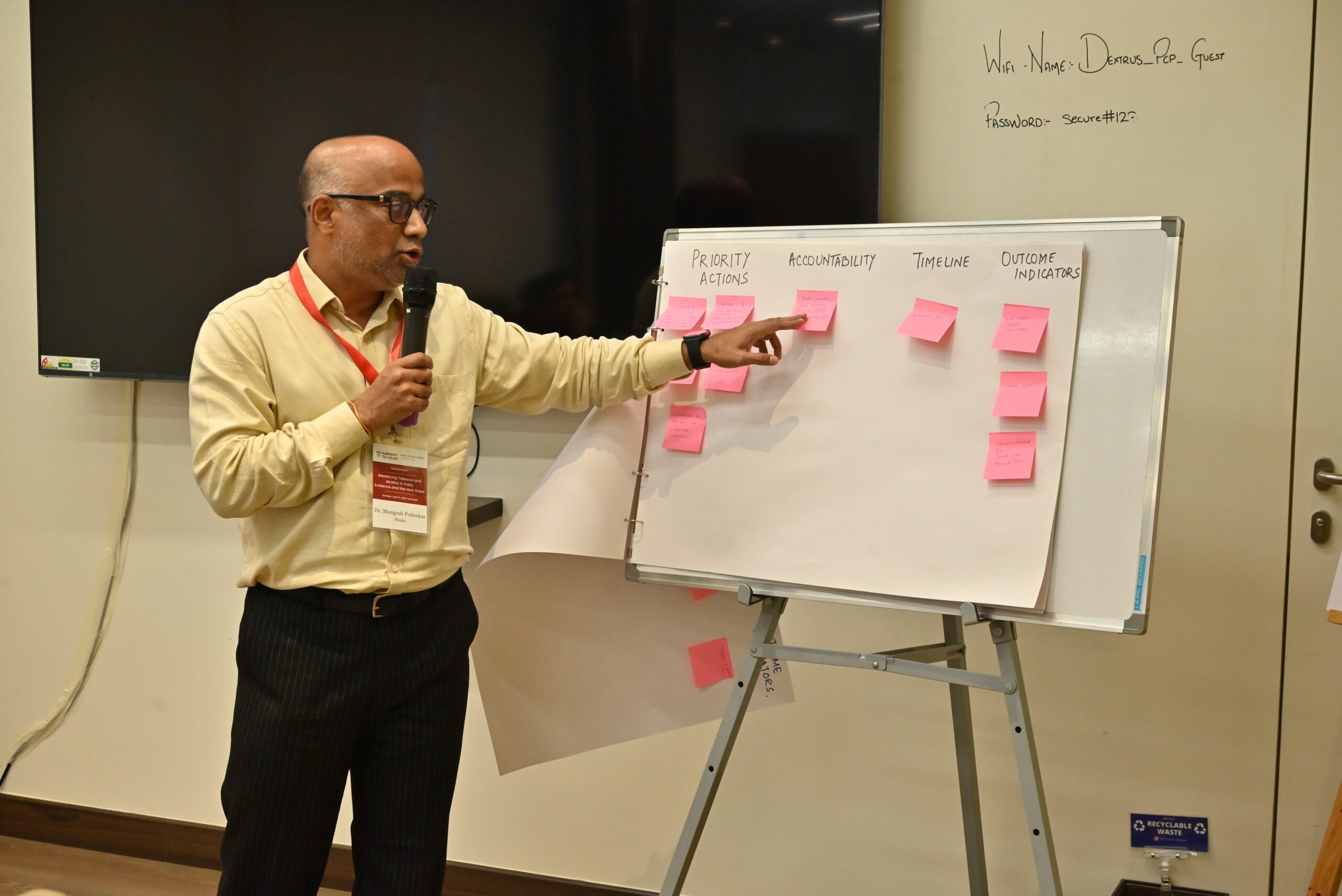
Session 4: Charting the Way Forward
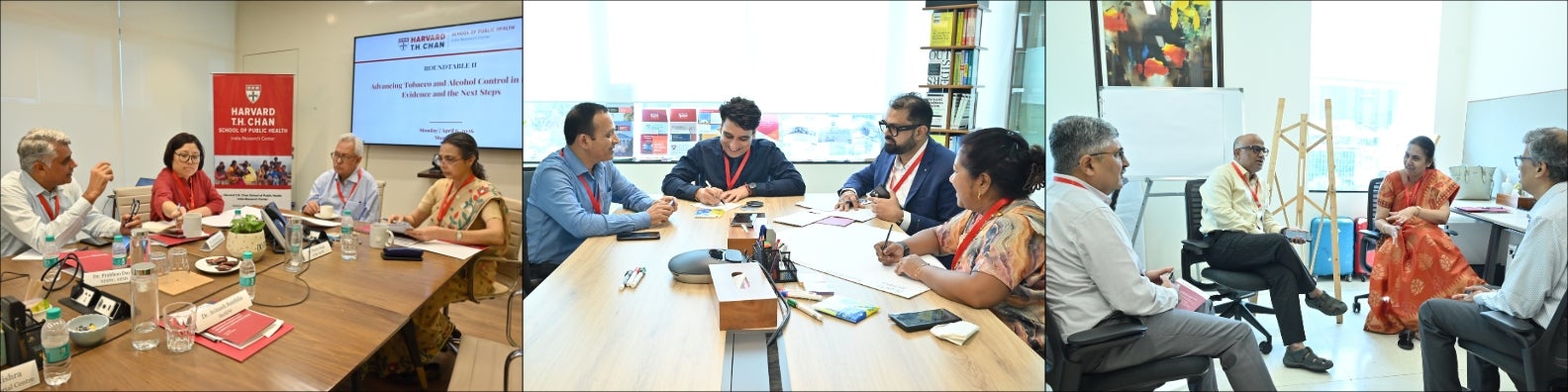
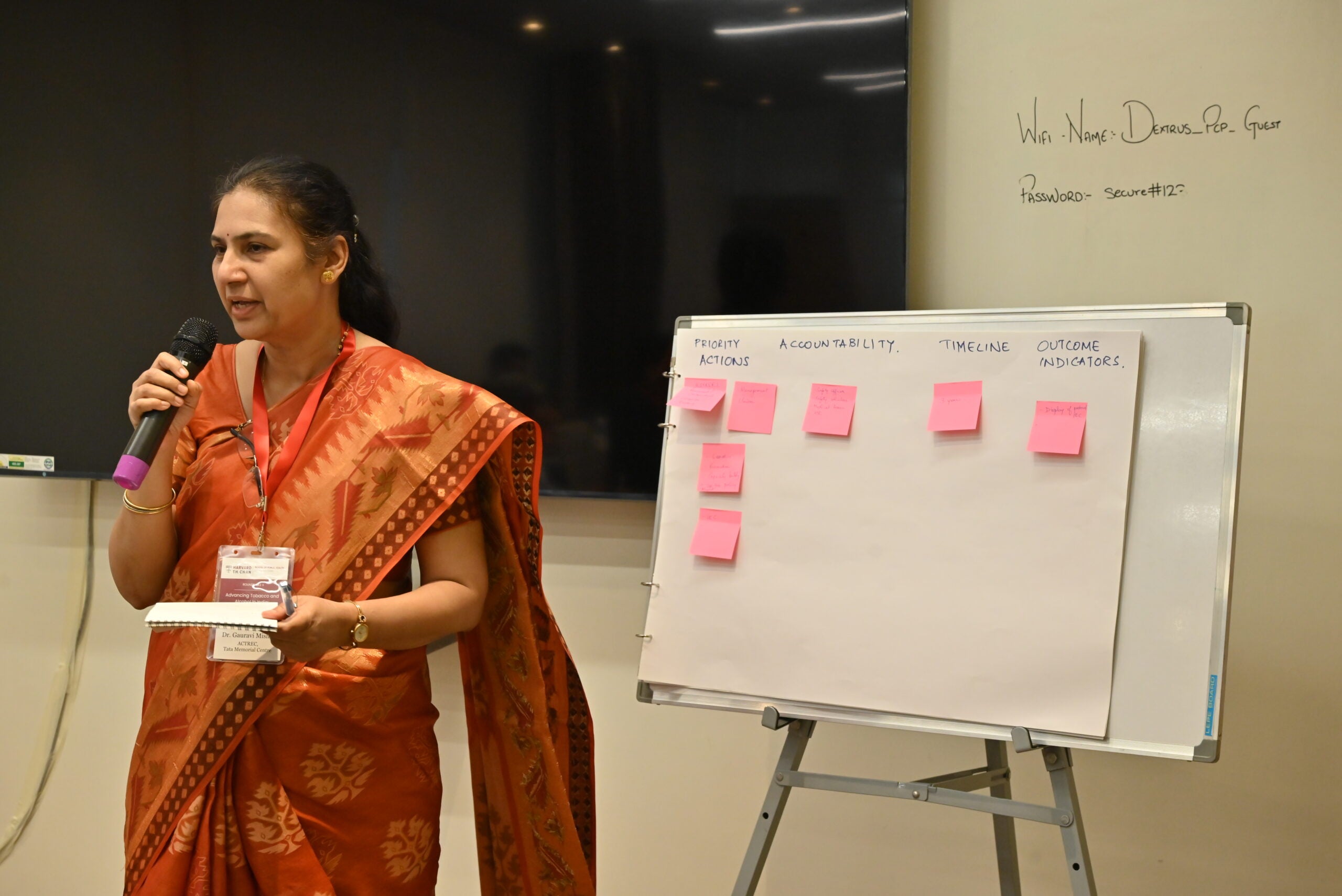
Breakout Groups
- Strengthening communications and public awareness to address tobacco and alcohol.
- Workplaces and educational institutions as platforms for prevention and cessation.
- Role of governments in public awareness, strategic communication, and institutional platforms for prevention and cessation.
Discussion: Prioritizing strategic actions, stakeholder accountabilities, timelines and measurable indicators of success
Dr. K. Viswanath
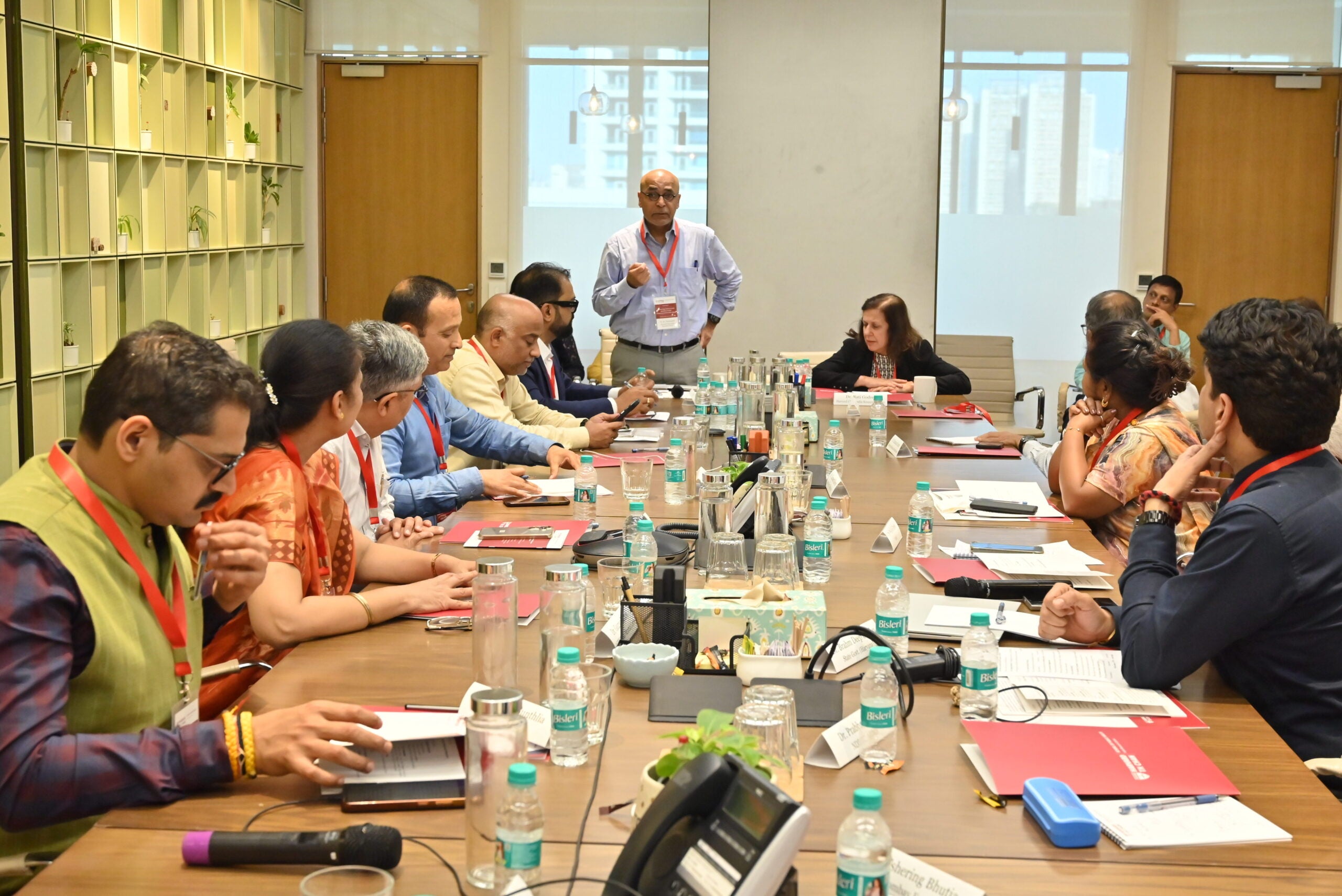
Closing Remarks
Dr. K. Viswanath
Dr. Rati Godrej