Health Systems Innovation Lab
The Health Systems Innovation Lab is a global research and training lab that specializes in health system performance, health policy, and venture creation.
677 Huntington Ave,
Boston, MA 02115
Building 1, 11th floor
Team
Meet the people who are making a difference in global health systems at the Health Systems Innovation Lab, including our current leadership and core research team, research scholars, interns, affiliates, alumni, and collaborators.
Leadership and Core Research Team
Dr Rifat Atun is Dean of Education and Innovation at Harvard T.H. Chan School of Public Health, Professor of Global Health Systems at Harvard University and the Director of The Health System Innovation Lab. In 2015-2023 he was the Faculty Chair for the Harvard Ministerial Leadership Program. He is a Faculty Affiliate at the Center for International Development at the Harvard Kennedy School, and Faculty and Member of the Harvard University Asia Center Steering Committee and Council.
Professor Atun is a Visiting Professor at Imperial College London, and a Distinguished Visiting Professor at Fukushima University in Japan. In 2006-13, Dr. Atun was Professor of International Health Management and Head of the Health Management Group at Imperial College London. In 2008-12 he served as a member of the Executive Management Team of The Global Fund to Fight AIDS, Tuberculosis and Malaria as the Director of Strategy, Performance and Evaluation Cluster, where he chaired the panel that oversaw investments of around $4billion each year in more than 120 countries.
Professor Atun’s research has two major strands. The first examines health systems performance and how health systems reforms impact on outcomes. The second strand of research explores adoption and diffusion of innovations in health systems (e.g., health technologies, disease control programmes, and primary healthcare reforms), and innovative financing in global health. Prof. Atun is a co-Investigator and the joint le…
Dr Che L Reddy is a physician and Associate Director at the Health Systems Innovation Lab at Harvard University. As the first member of HSIL, he has led the Lab’s innovation and translation portfolio and has overseen over 15 international research collaboratives on health system performance in relation to cardiovascular disease, cancer, diabetes, and surgery.
His work is situated within the emerging field of ‘Health Systems Innovation’, with two core streams: (1) health systems dynamics and performance, and (2) innovation for early-stage AI ventures. He has authored over 30 publications—including in The Lancet, American Journal of Surgery, Lancet Oncology, British Medical Journal, and Journal of the American Medical Association—and has delivered over 40 invited presentations globally.
Dr Reddy previously served as a Paul Farmer Fellow in the Department of Plastic and Oral Surgery and Program in Global Surgery and Social Change at Boston Children’s Hospital, Harvard Medical School. He has also contributed extensively to curriculum design, student mentorship, and teaching across Graduate and Executive Education Courses at Harvard.
He studied medicine at the University of Cape Town, completed his postdoctoral studies at Harvard Medical School, and MPH at Harvard T.H. Chan School of Public Health.
Dr. Ward is a decision scientist whose work bridges computational science and global health. His research has appeared in The New England Journal of Medicine, The Lancet Oncology, and Nature Medicine. He is the creator of Amua, an open-source modeling framework and probabilistic programming language.
Zach is an Assistant Professor of Health Decision Science at the Harvard T.H. Chan School of Public Health. He earned his Ph.D. in Health Policy from Harvard University in 2021, concentrating in Decision Sciences with a secondary field in Computational Science and Engineering. He also holds an MPH in Epidemiology from l’Ecole des Hautes Etudes en Santé Publique (EHESP) in Paris and a BA in Global Health Management from Seattle Pacific University.
Originally from Kenya, Zach has worked with NGOs in Tanzania, Malawi, and Rwanda to develop health information systems and management tools. At Harvard, he has developed microsimulation models on topics including obesity, cancer, and maternal mortality in both U.S. and global contexts.
He holds appointments in the Department of Health Policy and Management, is core faculty at the Center for Health Decision Science (CHDS), and serves as Director of Research at the Health Systems Innovation Lab (HSIL).

Dr Panch is an entrepreneur, physician, executive and keynote speaker. He is the CEO of LUNR, Board Director at Lumin, President at Harvard TH Chan School of Public Health Alumni Association and Board Chair at Healthcare for All. Previously, he co-founded Wellframe and co-led the company from inception in 2012 to acquisition by Blackstone/Health Edge in 2021 serving as Chief Medical Officer, Chief Product Officer and Chief Innovation Officer. He is the holder of the patent on the Wellframe technology and is the inaugural recipient of Harvard’s Public Health Innovation Award for his work in Digital Health.
Dr Panch is an Instructor at Harvard TH Chan School of Public Health and founder and Executive Director of the Specialization in AI for Healthcare – a certificate program in AI for healthcare leaders. He serves on the Innovation Advisory Board of Boston Children’s Hospital.
He practiced medicine for 17 years and led a large risk bearing primary care group in London serving an urban population with high economic deprivation.
He has delivered multiple keynote presentations for healthcare providers, governments, management consultancies, life sciences companies and technology organizations in the US, Europe, Asia and Latin America. He delivered the Harvard School of Public Health Alumni Commencement address for the classes of 2020, 2021, 2022 and 2023.
At HSIL, Dr Panch leads Digital Health and helps guide innovation and development of Executive Education cou…
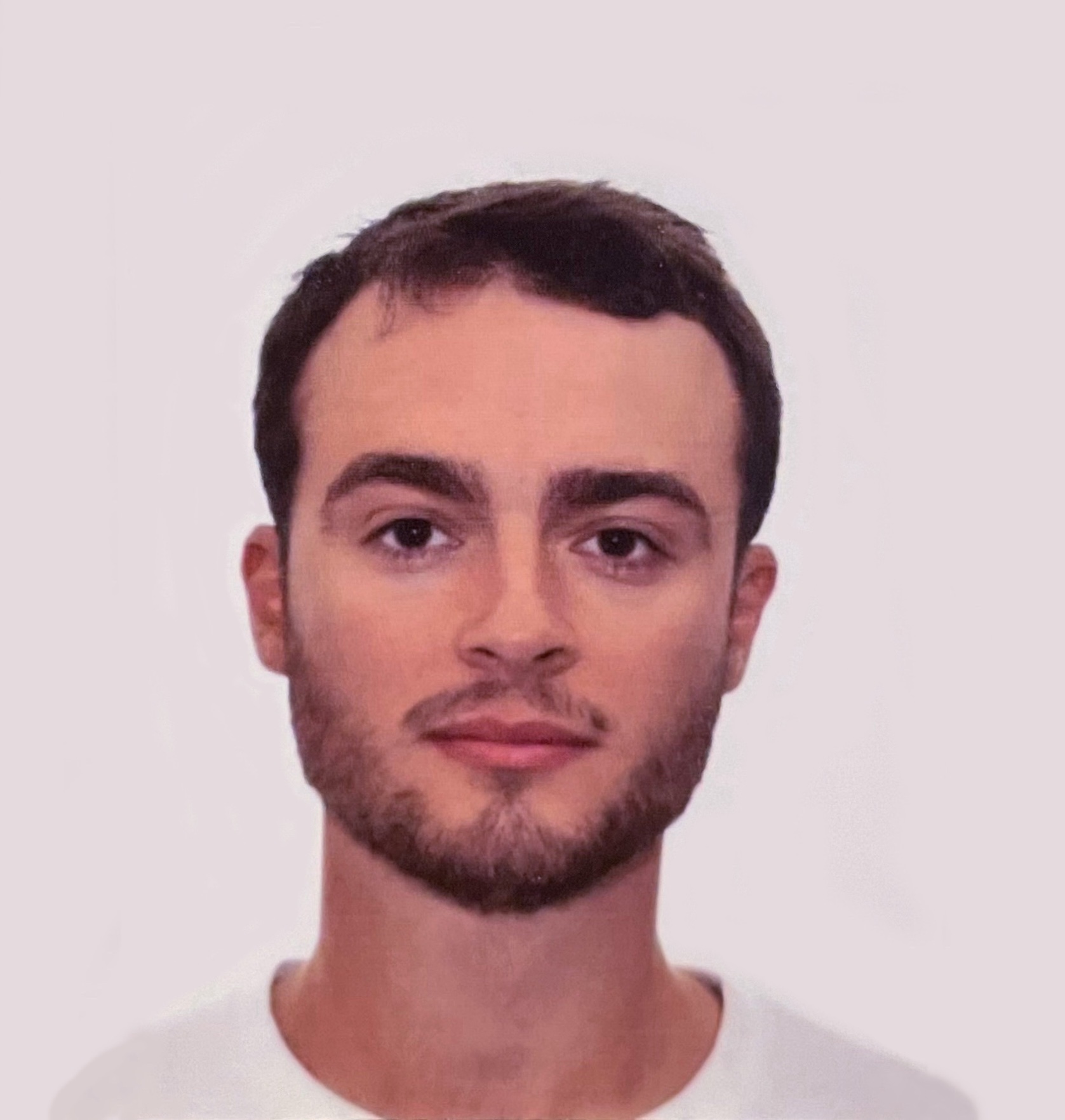
Dr. Jake Figi undertook his pre-clinical and clinic medical training at University College London (UCL). During this time he also gained his BSc in Medical Sciences with Surgical Science. Through the COVID-19 pandemic he worked across medical wards at Barnet Hospital and on the ICU at The Royal Free Hospital in London providing frontline care. After finishing his foundation medical training in the National Health Service (NHS) in the UK, he moved to Boston to complete a Master of Public Health (MPH) at the Harvard School of Public Health in the Clinical Effectiveness field of study, with dual concentrations in Public Health Leadership and Health Communication.
Jake first joined HSIL during medical school as a research scholar and now continues his work at The Lab as a postdoctoral research fellow, leading the Global Collaborative for Changing Diabetes in Children and working on The Lancet Oncology Commission on Cancer in the Commonwealth, the Global Collaborative on Health Systems Performance, and various other projects. His key academic interests include high-value health systems, NCD delivery optimization, global surgery, and trauma surgery. Outside of his academic work, Jake is a former rower for ULBC and skier.
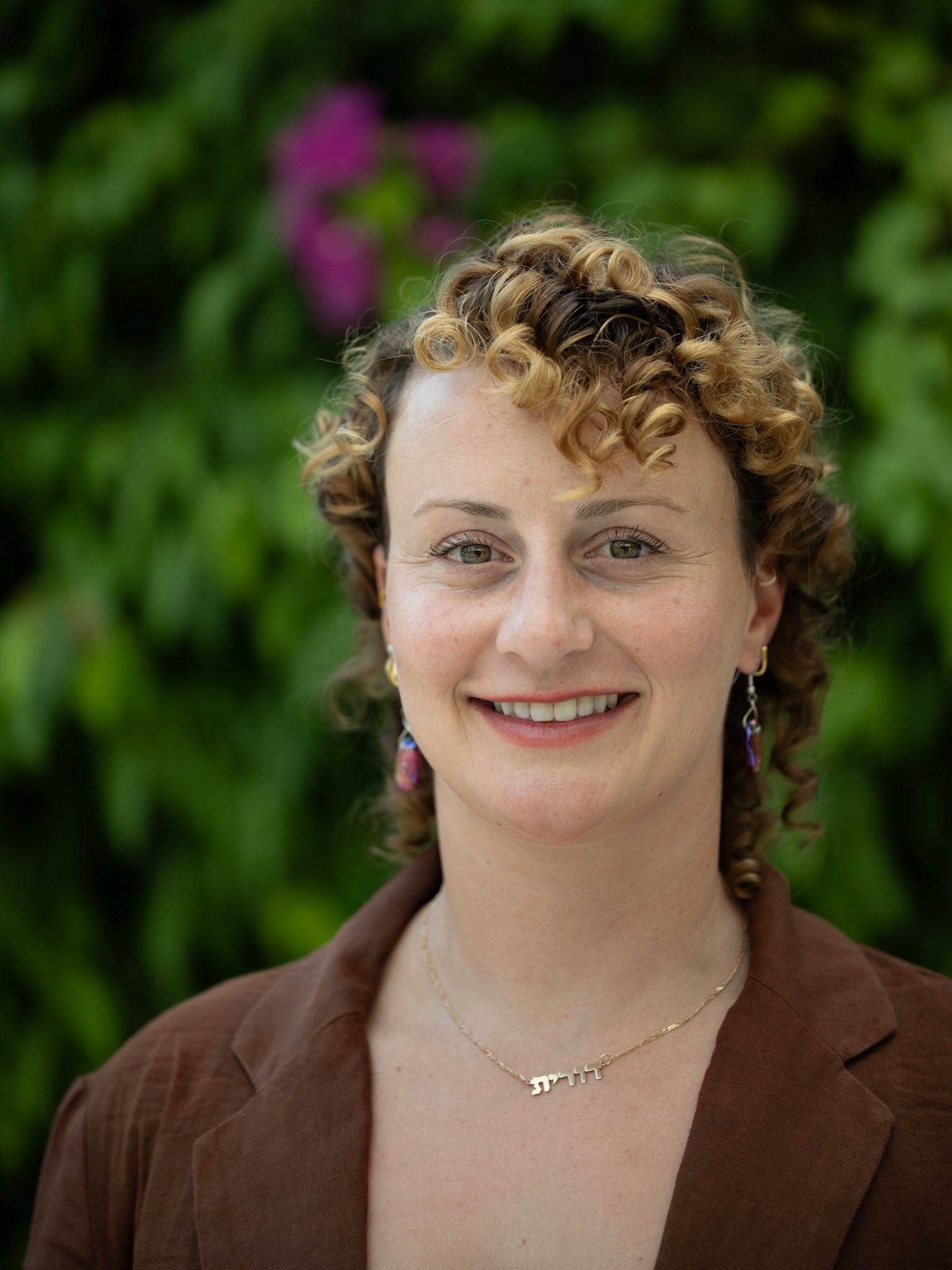
Dorit Talia Stein is a global health policy and systems researcher studying health systems performance in low- and middle-income countries. In her work, she applies methods from decision science, economics, and epidemiology to inform global health policy and priority setting. Dorit holds a PhD in Health Systems from Harvard University, an SM in Global Health and Population from the Harvard T.H. Chan School of Public Health, and a BS in Human Biology and Society and Public Policy from UCLA.
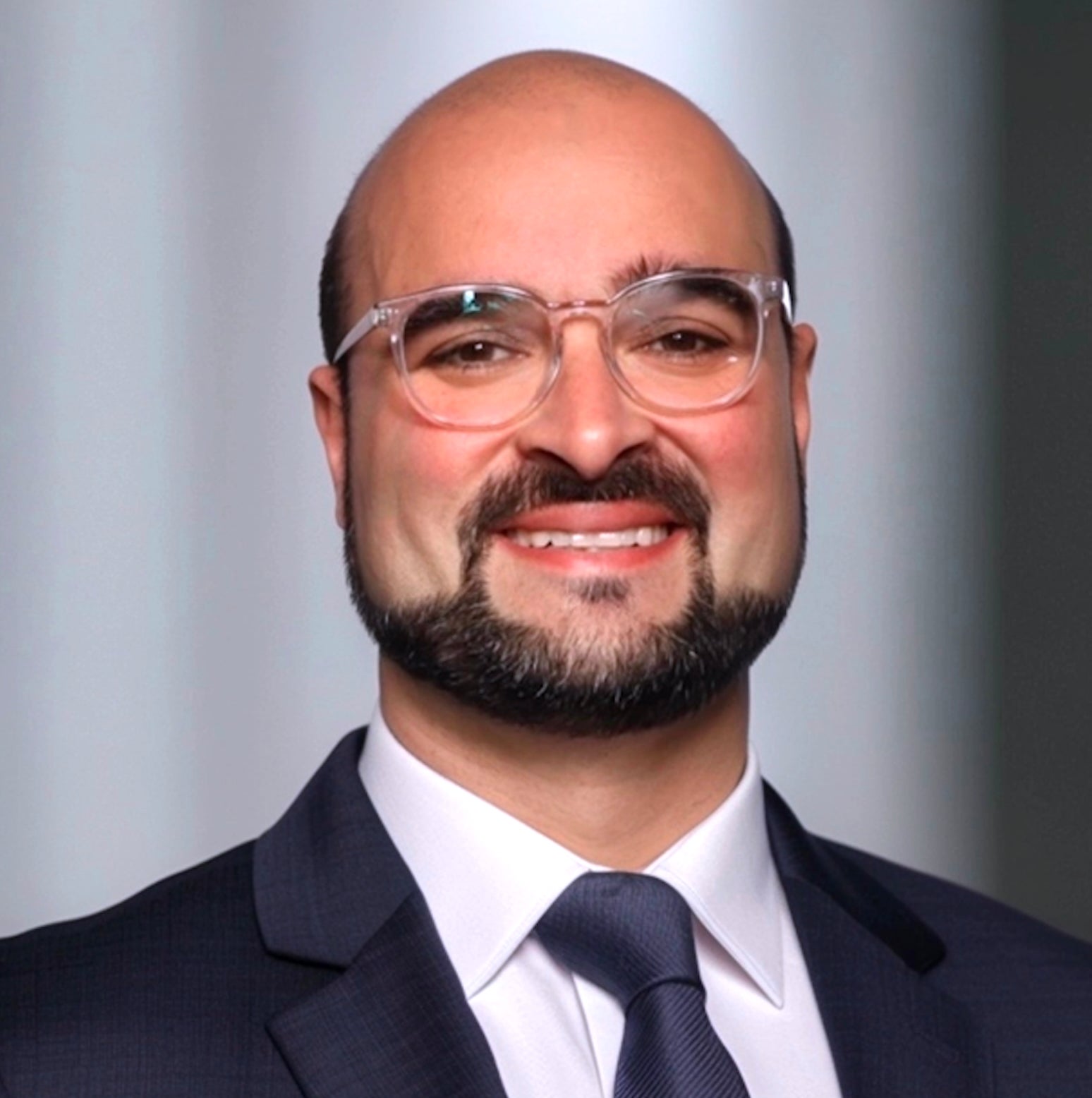
Dr. Salim Afshar is a surgeon, educator, and healthcare innovator whose work bridges clinical care, systems thinking, and emerging technologies. As AI Translation Lead at the Health Systems Innovation Lab, he helps executives and health system leaders ask the right questions to translate emerging capabilities—such as artificial intelligence—into strategies that reflect their unique constraints and goals.
As a faculty member, Dr. Afshar has contributed to global surgical systems strengthening, including support for Zambia’s first National Surgical, Obstetric, and Anesthesia Strategic Plan. He has led innovation initiatives in diverse settings and founded Surgathons—collaborative hackathons that have engaged over 1,500 multidisciplinary students across India and Rwanda to design locally driven healthcare solutions.
Dr. Afshar previously served as a surgeon at Boston Children’s Hospital, where he cared for patients with rare conditions and vascular anomalies. Over the course of his career, he has treated more than 6,000 patients. He draws on this clinical foundation—together with his experience as a founder, entrepreneur, and industry leader—to guide the thoughtful and practical translation of emerging technologies into healthcare systems and ecosystems globally.
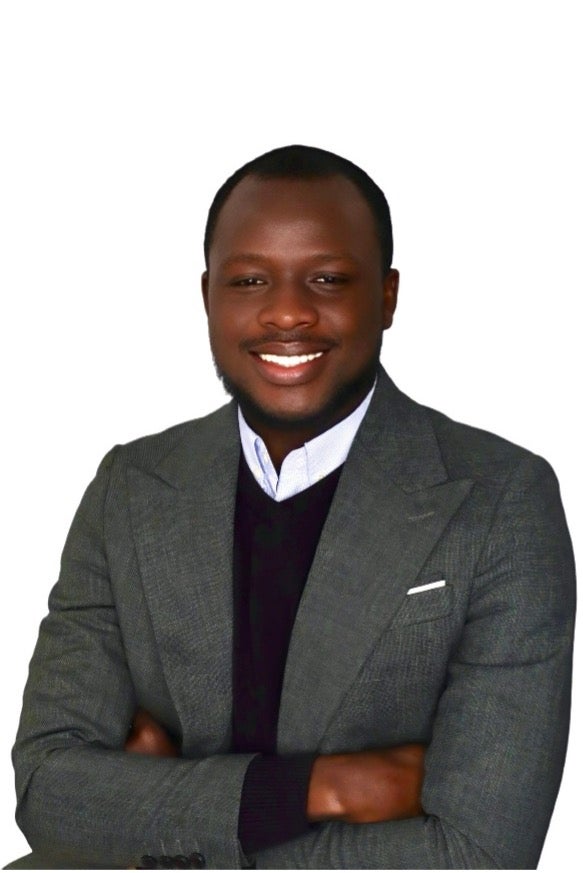
Aminu Osman Alem is a physician from Ghana, and global health researcher currently based at the Harvard Health Systems Innovation Lab, where he leads initiatives on health systems performance, innovation, and policy translation. He holds an MPH in Global Health from the Harvard T.H. Chan School of Public Health and an MBBS from Hebei North University, China. His work with HSIL spans the Hackathon, Venture Incubation Program, Health Systems Performance Visualizer tool, implementation research, the Lancet Commission on Cancer in the Commonwealth, and the Global Collaborative on Health Systems Performance.
Prior to his current role, Dr. Alem has led national and international efforts focused on malnutrition reduction, telemedicine adoption, and clinician capacity building. He is deeply committed to addressing health disparities and leveraging innovation to drive sustainable healthcare solutions, with a focus on advancing equitable and sustainable health reforms.
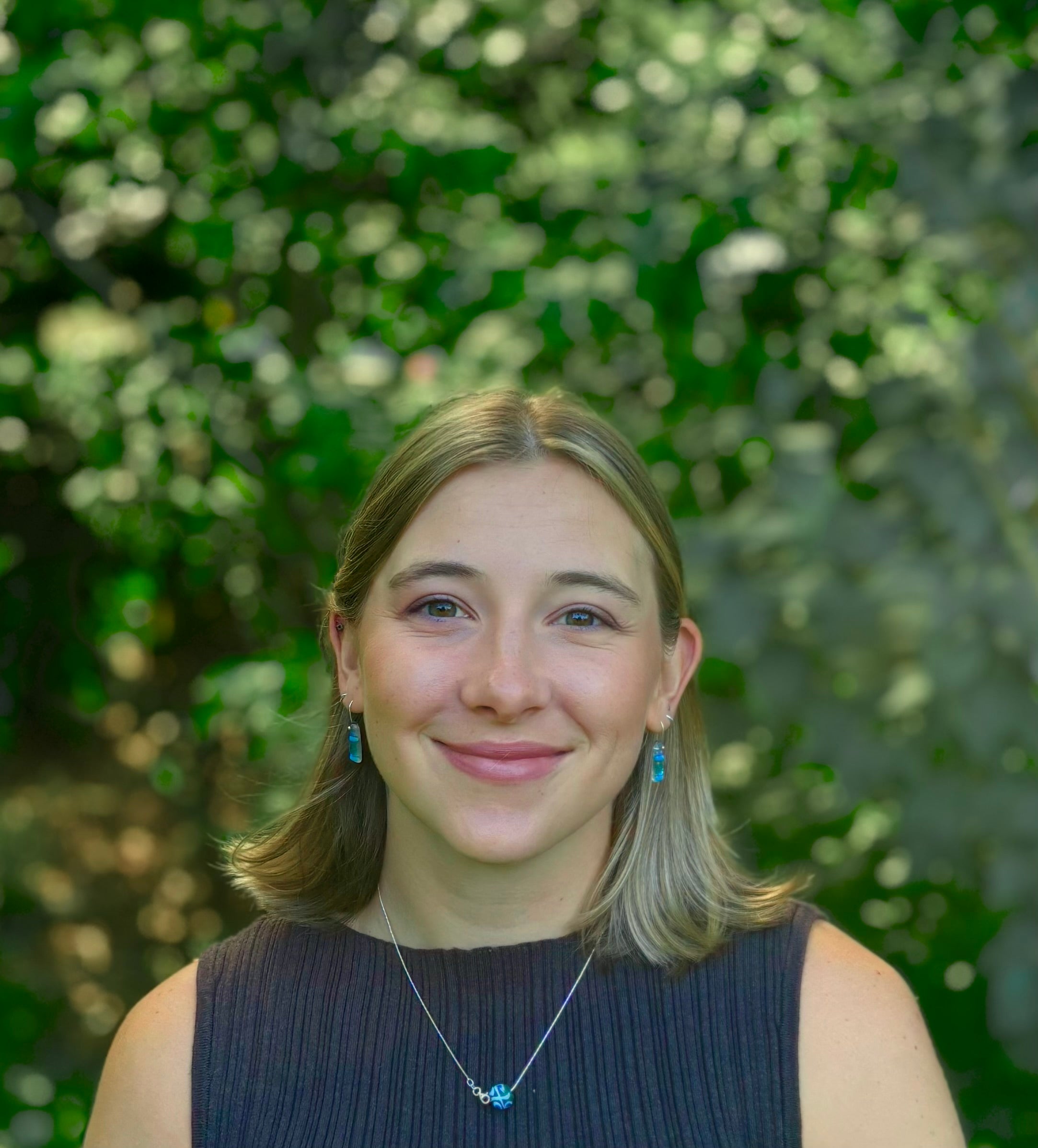
Maia Cullen is a Project Coordinator at HSIL, where she supports a range of research activities spanning project management, communications, and stakeholder coordination. Previously, she served as a Project Manager at PATH, leading malaria operational research studies across sub-Saharan Africa. In this role, she collaborated with international research teams, national malaria programs, and funders to support study design, implementation, and dissemination of results.
Maia holds a Bachelor of Arts in Public Health – Global Health from the University of Washington. She is passionate about global health equity and translating research findings into meaningful policy change and community impact. Fluent in English and French and conversational in Spanish, Maia brings a strong cross-cultural lens to her work and values partnership-driven approaches that center community engagement and co-design as essential to sustainable and equitable health solutions.

Dr. Karima Ladhani is a health systems innovator committed to advancing systemic change from strategic policy to community-centered interventions for maternal and newborn care in low-resource settings. As the Founder of Barakat Bundle, she develops life-saving, sustainable solutions for mothers and infants in South Asia. Dr. Ladhani leads a global consulting practice partnering with universities and social enterprises in health innovation and international development. She is an Entrepreneur in Residence at Georgetown University and formerly led Program Management and Research at the Harvard Ministerial Leadership Program. Dr. Ladhani holds a PhD and MPH from Harvard and degrees in math and business administration from Canada, with honors from LinkedIn, WeWork, Aspen Ideas Festival, and Johnson & Johnson for healthcare impact.

Dr. Alessio Morley-Fletcher is a pediatric hospitalist and urgent care attending physician at Boston Children’s Hospital (BCH), where he serves as Co-Chair of the Department of Pediatrics’ Effective AI Committee. Within the BCH Network, he directs Pediatric Simulation at South Shore Hospital. He has
lectured in pediatrics for the U.S. Department of State’s Bureau of Medical Services and is faculty with Harvard T.H. Chan School of Public Health’s Advanced Learning Academy, teaching AI deployment and human-centered implementation. His work spans clinical medicine, simulation, and systems design.
He approaches AI implementation as a systems-design challenge. Drawing on frontline clinical practice and his work in simulation, he tests not only the model, but how implementation across an organization strengthens human relationships, builds trust, and enables cumulative learning.
Patient and clinician experience reveal where systems fail and why. As technical barriers fall, his work examines how AI can make health systems more human-centered by enabling patients and care teams to become active co-designers of care.
In 2025, he led the winning team of the Harvard Global Hackathon. He has since remained engaged with HSIL through hackathon mentoring and by strengthening connections across Harvard, affiliated health systems, and international partners to advance the broader health innovation ecosystem.
Research Collaborators
Elizabeth is a second-year Master of Science of Public Health (MSPH) student studying Health Systems at the Johns Hopkins Bloomberg School of Public Health. At HSIL, she is excited to positively contribute to the work on value-based care and combine her interests in quality of care and global surgery to develop high value models of surgical care. Before joining Johns Hopkins, she completed her BSc in Neuroscience and Economics at the University of Toronto. Elizabeth is interested at the intersection of global health, policy, healthcare access, and global surgery, investigating quality and access to surgical care in low resource settings. In the future she aims to become a practicing global surgeon, engaging in clinical care and supporting health systems and policy interventions.
Senthujan Senkaiahliyan is a dedicated healthcare administrator with a proven track record in AI integration within healthcare systems. Currently leading the AI team at the Peter Munk Cardiac Centre, Senthujan has also excelled in healthcare board governance and collaborated closely with community health center boards. His diverse background spans computer science, health services utilization/management, program evaluation, and medical anthropology.
Senthujan’s accomplishments include pioneering the CIHR AI4PH internship program, driving AI and public health capacity building across Canada. With a keen interest in health services research, AI implementation, and high-value health systems, he seeks to contribute to learning how to build resilient and high value healthcare systems and learn about value-based healthcare principles through his role as a Research Scholar at Harvard.
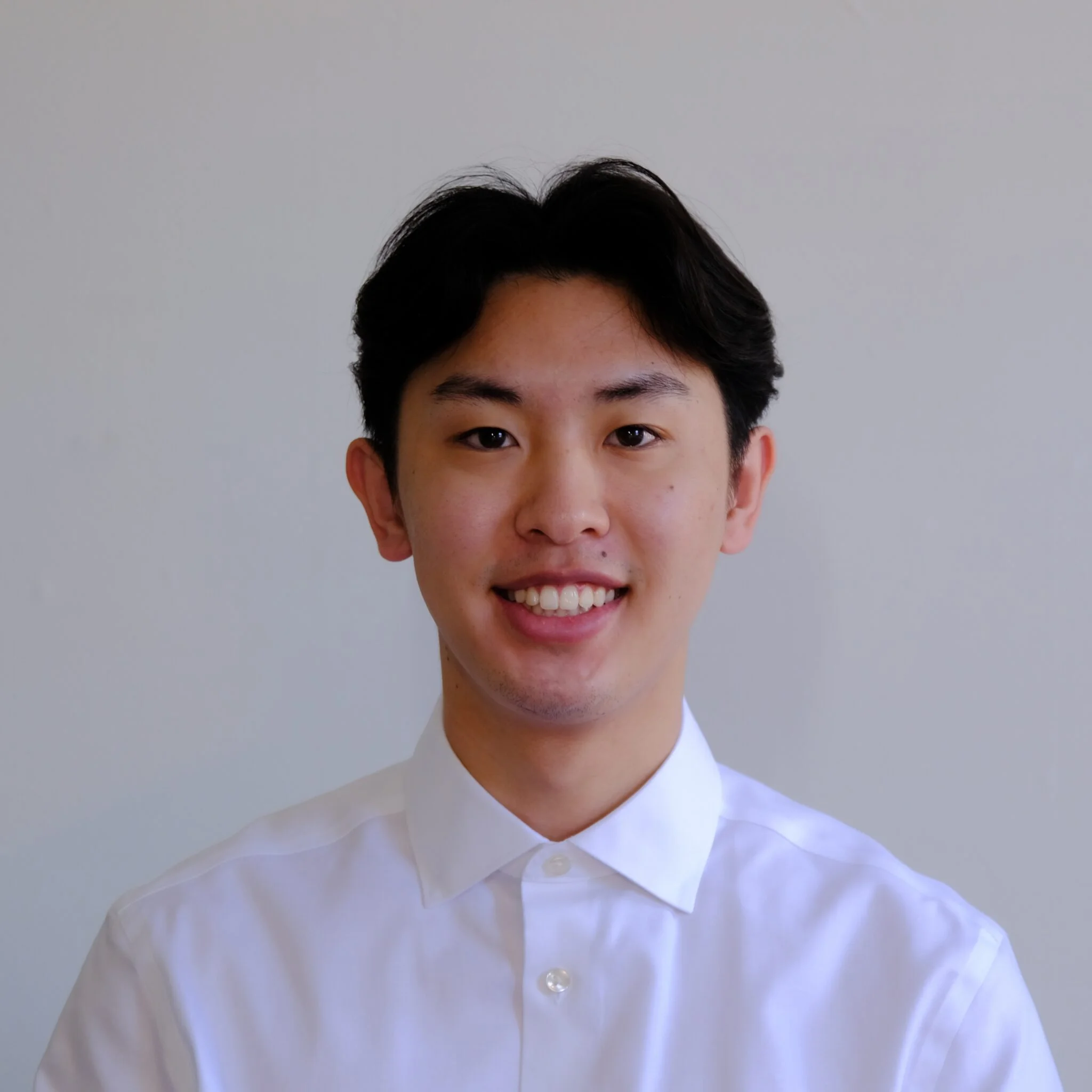
Jonathan F. Gong is the Clinical Research Coordinator of the Division of Spine Surgery at Brigham and Women’s Hospital. His professional interests lie at the intersection of health disparities, precision medicine, health systems development, biomedical research, and medical humanities. Prior to Boston, Jonathan earned a BS in Molecular, Cell, and Developmental Biology from the University of California, Los Angeles (UCLA), where he completed his honors research thesis in developmental neurobiology and ophthalmology. Jonathan is excited to be a part of the Health Systems Innovation Lab and aims to learn how data science, policy, economics, and public-private sector collaboration are bridged to improve healthcare delivery. In the future, Jonathan plans to attend medical school.

Shulan is a Data Analyst at Johns Hopkins Bloomberg School of Public Health. At HSIL, she contributes to research on health system performance, focusing on care and health outcomes assessment and policy innovations. She holds an MSPH in International Health Systems from Johns Hopkins and a BS in Public Health Science from the University of Maryland. With field experience in China, Ethiopia, and South Africa, she has worked on projects related to infectious disease screening, clinical trials, and primary healthcare. Having traveled to over 50 countries, she integrates global insights with data-driven analysis to strengthen health systems in LMICs.

Dr Michael Head co-created and leads on the Research Investments in Global Health study, running since 2008. This project has produced numerous high-impact written outputs in Lancet and Nature journals, along with repeated requests to present the findings at the WHO, European Commission and Wellcome Trust. His work is cited in multiple policy documents by the WHO and the World Bank. Michael also has a portfolio of studies covering population health in rural Ghana, working on topics including neglected tropical diseases and food insecurity, and is an experienced media communicator.
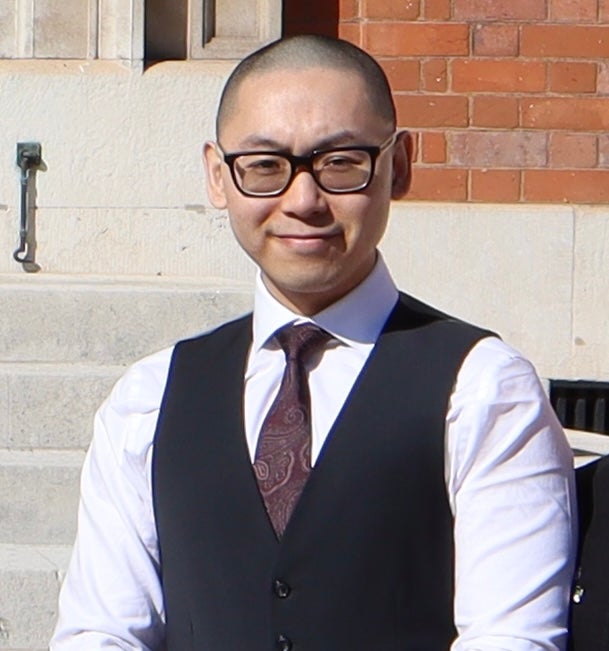
Anbang Du is a PhD researcher in Computer Science with comprehensive experience in big data and complex systems. His research focuses on evaluating interdisciplinarity, knowledge spillovers, and collaboration dynamics within the health-science ecosystem.
Anbang has published first-author research articles in top tier journals such as The Lancet Oncology and Journal of Informetrics. He has also presented his work at the 15th Annual Conference on Complex Networks (CompleNet 2024) and at France’s International Conference on Complex Systems (FRCCS 2025).
In his role as an affiliated research collaborator at the Harvard University Health System Innovation Lab, Anbang co-led the project on the analysis of global cancer research investment and R&D network. In March 2025, he has been invited and presented key findings at the Commonwealth Headquarters—alongside the Commonwealth Secretary-General, the Director-General of the WHO, and health ministers from the UK and other Commonwealth nations—forming part of the Commonwealth Lancet Oncology Commission. He is also contributing further original content to the Lancet Oncology Commission report.
Meanwhile, he is also working with the NIHR Respiratory-TRC ARI National Research Strategy Group on the analysis of global respiratory research investment.

Omar is the CEO of Bourne Health, a leading UK primary care organisation, and Founder & Executive Chairman of 31G, a global health-tech venture. He has extensive experience in health-tech, M&A, and strategic transformation, having played a key role in the largest exit in UK primary care history. As former CEO of the UK’s largest primary care provider, he co-led its acquisition by Centene Corp and led the scale-up and operational delivery of NHS services nationwide.
With 20 years in digital transformation, Omar co-founded multiple platforms, including a leading UK telehealth platform and a national population health analytics platform. He holds an MBA and an MSc in Digital Health Leadership from Imperial and Harvard Medical School. Omar is an Honorary Researcher at Oxford, a Health Exec in Residence at UCL, and serves as a board advisor and strategic consultant to global healthcare and life sciences organisations, advancing research, technology, and healthcare delivery.

Zia is an avid global health advocate, reformer, and strategic thinker with extensive experience in strategy and management consulting, change, and technology. Over the course of his career, he has worked with global organizations and managed several transformational initiatives. His focus in global health is on health systems reforms, evidence-based decision-making, universal health coverage (UHC), health economics, and health finance within LMICs, G20 nations, and humanitarian settings. Zia holds an MS in Management from UT Dallas, an MBA from Duke University – Fuqua School of Business, and an MPH from Yale University – Yale School of Public Health.
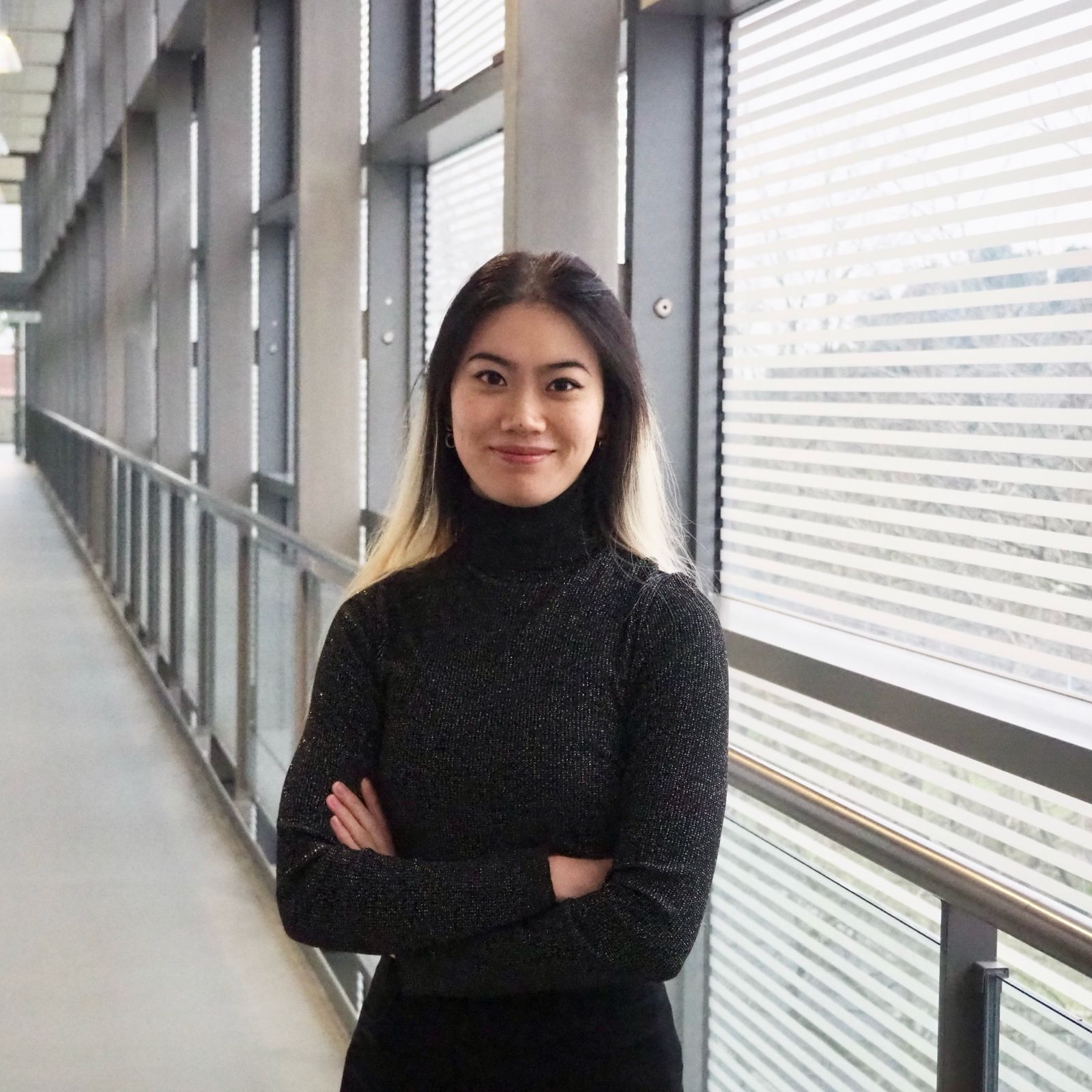
Beining Zhang is a researcher in Artificial Intelligence, specializing in large language models and multi-agent systems.
As a former data scientist at the London Stock Exchange Group, she led the transformative Operational Readiness Centre project, improving the operational efficiency of trading systems through advanced machine learning. Her passion for AI-driven approaches extends to health system innovations, where she contributed to the health research investment analysis project for the Lancet Oncology Commission on Cancer in the Commonwealth. Within the project, she co-led the development of the data annotation automation framework based on large language models and advanced machine learning algorithms—significantly reducing human review efforts.
Working with the Harvard Health Systems Innovation Lab, Beining brings her expertise in artificial intelligence and data-driven methodologies to advance health system innovation and operational excellence.

John Tayu Lee is an Associate Professor in the Institute of Health Policy and Management and the Department of Public Health at National Taiwan University, with expertise in health economics, program evaluation, AI in health care, and global health. He has held academic positions at the National University of Singapore, University of Melbourne, and Australian National University, and holds a PhD from the University of York.

Trudie Marks is a leader at a technology startup with a background in international relations, specializing in Latin America and the intersections of global and local dynamics on human outcomes.
She earned her degree at King’s College London, where her dissertation examined the
gendered dynamics of climate change perception and response. Alongside her studies,
Trudie supported international advocacy initiatives by analyzing political and social contexts to shape awareness and engagement strategies.
She also worked as a research assistant at the University of Nottingham’s Rights Lab,
contributing to the Contemporary Slavery in Armed Conflict Dataset. In this role, she helped manage and update large-scale global datasets documenting the realities of modern slavery in conflict zones.

Charis Xie is a Postdoctoral Researcher in Health Data Science at Queen Mary University of London, UK, where she is working on a large-scale longitudinal study on atrial fibrillation and dementia. She is a mixed-methods researcher with interests in health informatics, clinical trials, and implementation science, and is dedicated to advancing learning health systems through the design and implementation of digital pragmatic trials.
She holds an MSc in Health Informatics from the University of Melbourne, Australia, and has gained international research experience at Monash University’s Box Hill Hospital (Cardiovascular Department), the University of Sydney’s Institute for Musculoskeletal Health, the University of Oxford’s RCGP Research and Surveillance Centre, and Northwestern University’s Department of Medical Social Sciences.
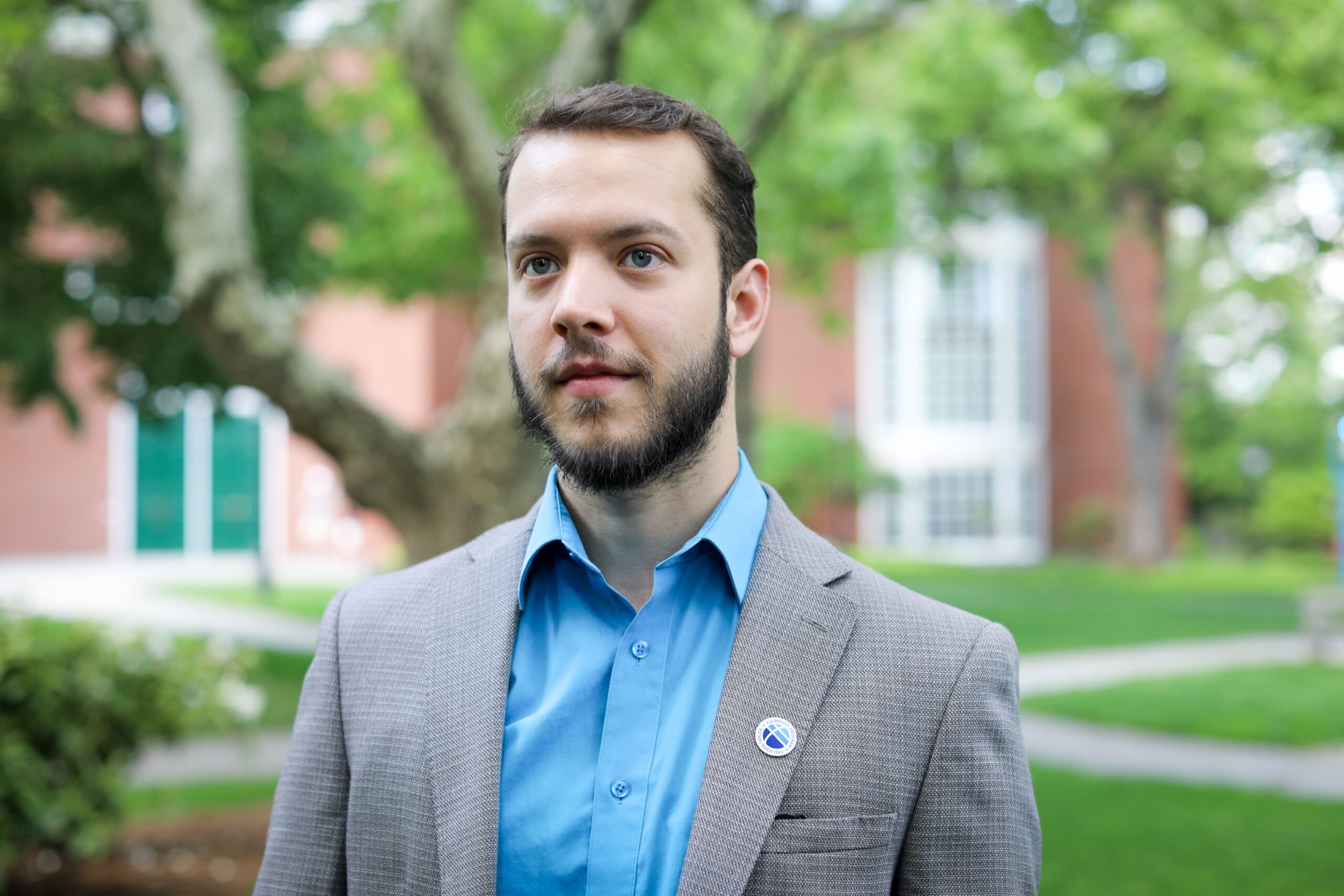
Dr. Alessandro Bigoni is a Research Scholar at the Health Systems Innovation Lab, an Evidence Manager at Novartis, and an Associate Researcher at Fundação Getulio Vargas’s São Paulo School of Business Administration. Previously, he was a Senior Consultant at IQVIA Brazil, and a Fulbright Scholar at the Harvard T.H. Chan School of Public Health in the Global Health and Population Department. At the Lab, Dr. Bigoni oversees and leads key research projects aimed at improving health system performance in Brazil. His research leverages large, publicly available datasets to generate national-level studies to inform public policies around the Brazilian health system.
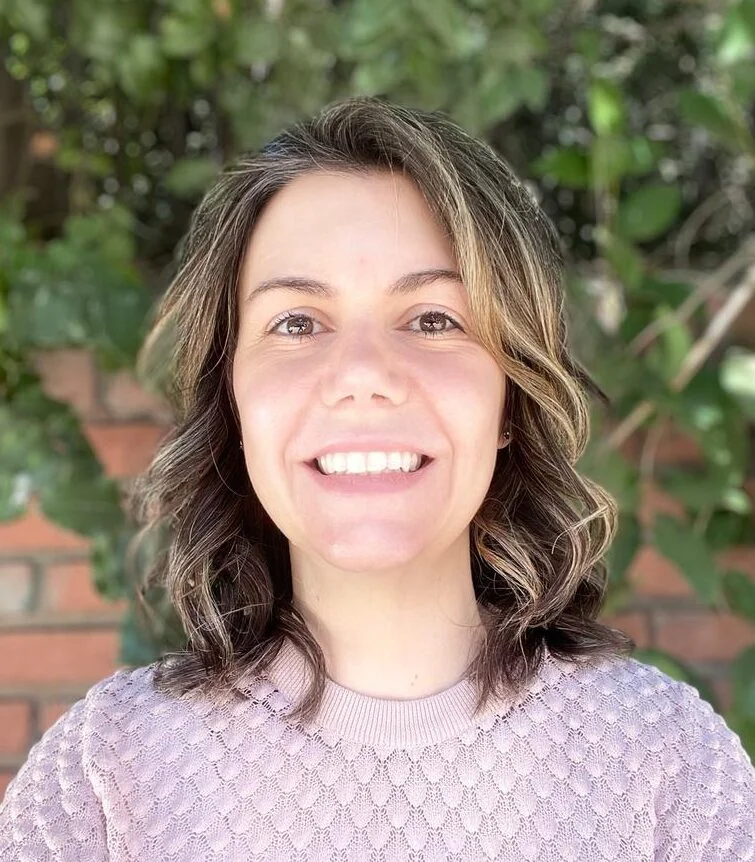
Dr. Gabriela Borin is a physical therapist from Brazil with a Bachelor’s and Master of Science degree in Physical Therapy from the University of São Paulo (USP), a specialization in Sports Physical Therapy from the Federal University of São Paulo (UNIFESP), a PhD in Kinesiology from the University of Massachusetts Amherst, and a Master in Public Health (MPH) from Harvard University.
She has over a decade of experience spanning clinical healthcare, academic research, and public health system strengthening across Latin America. Her research focuses on social determinants of health, non-communicable diseases, and health systems performance—with particular emphasis on equitable access to care. Dr. Borin has led and collaborated on multi-country projects analyzing access to cancer treatment and cardiovascular services in Colombia, Chile, Argentina, and Brazil.
Dr. Borin plays an active role in bridging research and policy. She has co-authored technical reports, policy briefs, and decision-support tools developed for government agencies, multilateral institutions, and health system stakeholders throughout the region. Her work contributes to evidence-informed decision-making in areas such as health service delivery, equity in access, and innovation in system design.
She has also worked with ministries of health, public hospitals, and civil society organizations to co-design and evaluate health policy interventions and system-level reforms.

Suban Mohamood is a physician and public health specialist with postgraduate residency training in infectious diseases, and subsequent specialty training in public health medicine in Norway. She holds an MD from the University of Oslo and an MPH from Harvard University, completed as a Fulbright Fellow.
Her work focuses on public health governance under conditions of risk, including emergency preparedness, infectious disease control, and the use of surveillance and evidence to support accountable decision-making across decentralized health systems. She brings experience from senior public health leadership roles in Norway, including service as Interim Chief Public Health Officer in Oslo, with legally mandated responsibility for emergency preparedness, infection prevention and control, and municipal health system strategy and planning. Her experience also includes international technical support on immunization systems strengthening with the WHO. At the Harvard Health Systems Innovation Lab, she is a Research Collaborator.

Dr. Hugh Pearson is a Kennedy Scholar and recent graduate of the Harvard T.H. Chan School of Public Health, where he earned a Master of Public Health in Health Management. At the Harvard Health Systems Innovation Lab, he leads methodological research validating large language models (LLMs) for use in political narrative analysis. His current project applies this framework to a 69,000-article, 42-year corpus of NHS discourse, building reproducible pipelines to detect shifts in tone, framing, and political alignment across media and parliamentary texts.
He also supports the Lab’s partnership with the Global Health Policy Lab, developing comparative analysis frameworks and overseeing the creation of an LLM-powered tool to benchmark national oncology and cardiovascular disease strategies across 86 countries, streamlining policy analysis for ministries and NGOs.
Previously a medical doctor in the UK, Hugh served as Deputy Chair of the British Medical Association’s Scottish Council and led Scotland’s first physician strike ballot. He was a lead negotiator in securing a landmark $166M pay agreement with the Scottish Government, reversing years of real-terms pay erosion and embedding inflation-linked increases. He remains committed to revitalising health systems through rigorous evidence, responsible technology, and politically literate reform.
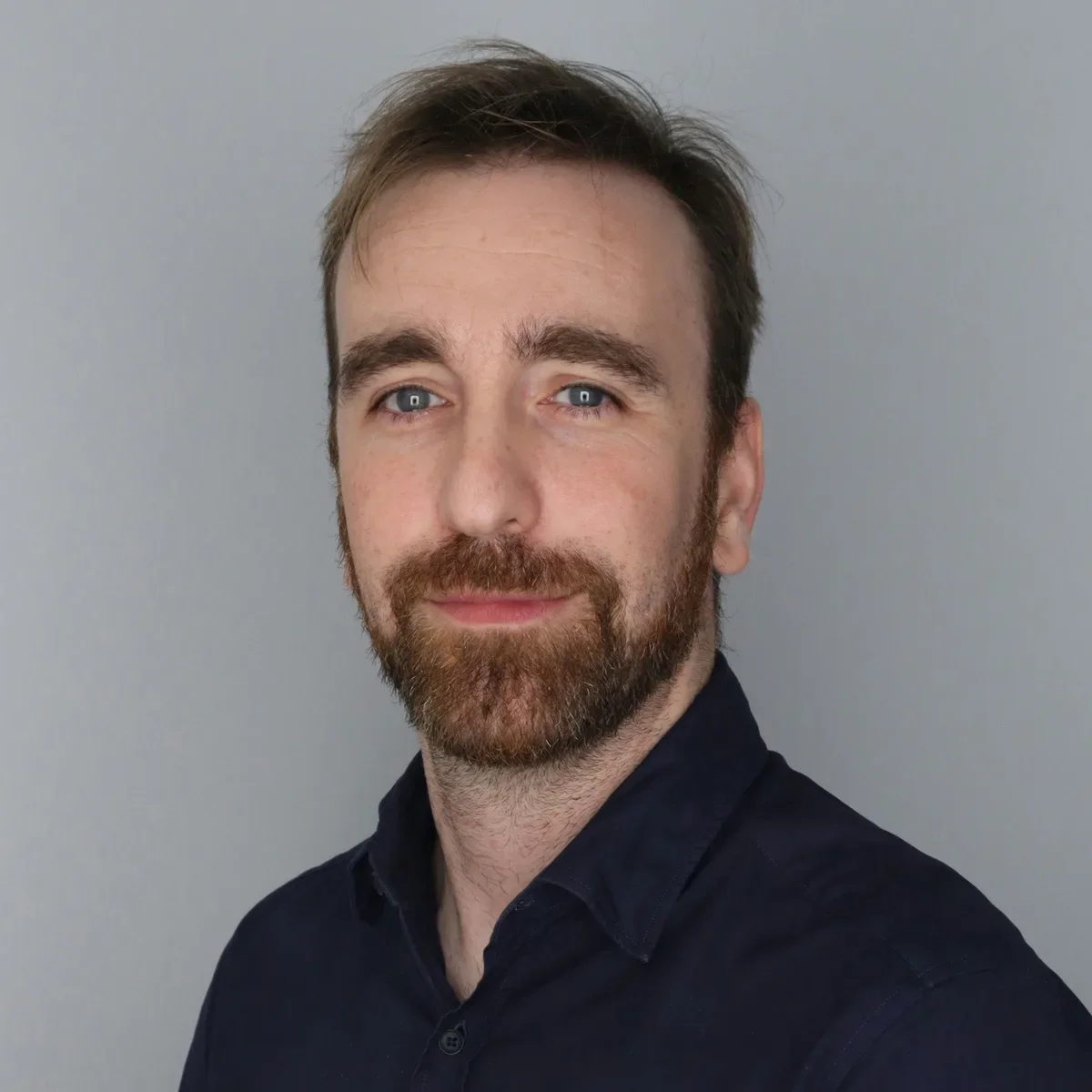
David García Lou, MD, MBA, MPH, is a physician-entrepreneur. He is the co-founder of Amigdala Boston, a digital health platform focused on improving care coordination through advanced data analytics and patient management technologies. He also serves as Director of Entrepreneurship and Innovation at the Real Colegio Complutense at Harvard University, where he develops transatlantic programs connecting European institutions and research organizations with the Boston innovation ecosystem. Earlier in his career, Dr. García Lou spent six years in Shanghai leading expansion and manufacturing operations for his first medical-device startup. He later completed his specialization in Family Medicine, building extensive clinical experience. He earned an MPH from the Harvard T.H. Chan School of Public Health, and during the COVID-19 pandemic, he led a regional public health response within a Spanish regional government. Dr. García Lou is a strong advocate for greater involvement of public health professionals in entrepreneurship and innovation.
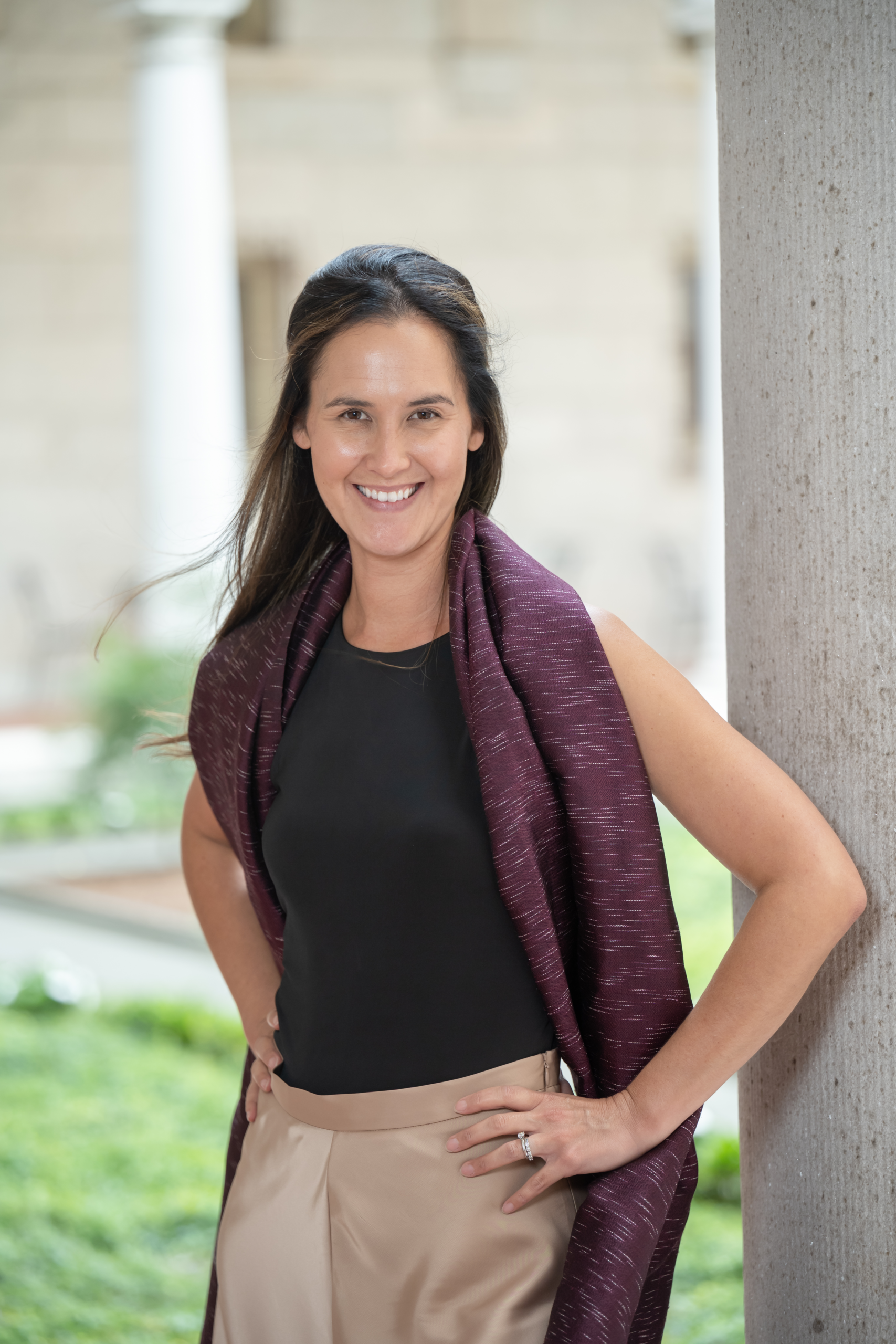
Arianne Kidder is a partner at Seae Ventures, where she brings 20 years of experience in finance and operations leadership across healthcare and technology, from early-stage venture-backed startups to Fortune 500 organizations. She serves on the boards of several portfolio companies focused on innovation in women’s health. Prior to Seae, Arianne held finance leadership roles at venture-backed digital health companies.
She is a graduate of Boston University’s Questrom School of Business, a Massachusetts CPA, and a member of Global Women in VC.

A Martha’s Vineyard native, Nina credits her neighborly Island upbringing for her passion for making personal connections in her professional life. She has spent more than a decade in-house building early-stage B2C / B2B startups and honing her operator’s mindset. She held senior leadership roles in operations and marketing at Boston-based companies Paint Nite and Alyce, and was Chief of Staff at Regie.ai, an AI-powered sales engagement platform.
Today, Nina is Chief of Staff at Pillar VC, a Boston-based seed-stage venture capital firm that backs university and research lab spinouts. Nina is a graduate of Wellesley College, where she earned her degree in Geosciences.
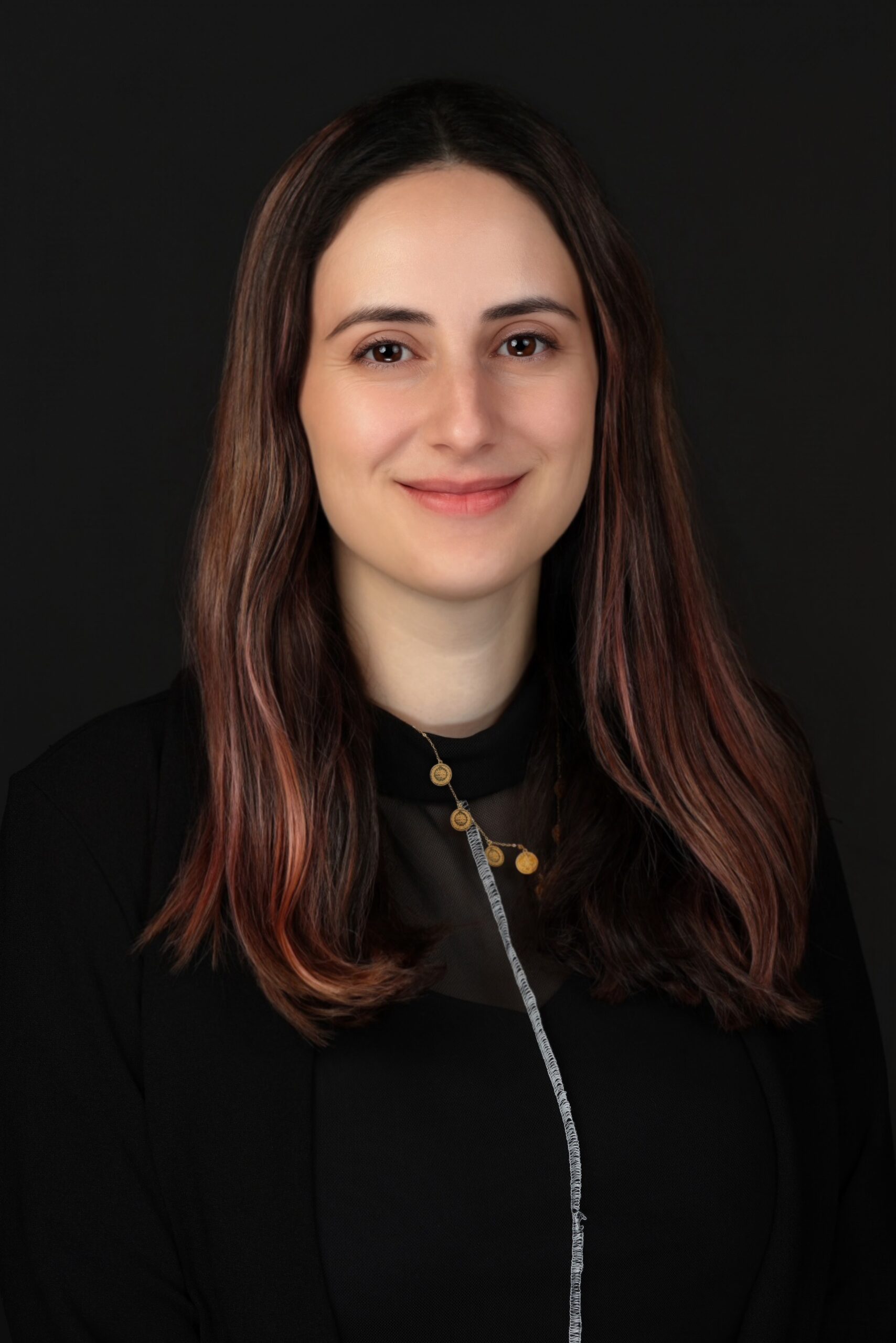
Ayah Hamdan is Partner & Director at Plug and Play Ventures, where she leads early-stage investments in digital health and drives strategic partnerships with global pharmaceutical companies, health systems, and medtech leaders. Plug and Play’s health portfolio includes unicorns such as Guardant Health and Owkin, and spans AI-powered diagnostics, care delivery innovation, clinical decision support and TechBio.
Prior to Plug and Play, Ayah held a leadership role at Carbon Health during its Series B to C growth stage, where she led the implementation of technology infrastructure that powered the nation’s largest COVID-19 testing and vaccination sites. She also founded a digital health startup through the Harvard Innovation Lab focused on improving access to care for refugee mothers.
Ayah holds a Master’s in Epidemiology from the Harvard T.H. Chan School of Public Health and a Bachelor’s in Public Health from UC Berkeley, and a Certificate in Health Innovation from the MIT Sloan School of Business. In her free time, Ayah volunteers as an advisor for Gold House, a non-profit organization focused on social impact & media initiatives, and co-owns a restaurant in San Francisco.

Simon is a PhD researcher from the University of Cambridge, UK, and is working at the intersection of AI and performance assessment for healthcare systems. In collaboration with HSIL, he works on the National Cancer Control Plan and NHS narrative analysis project and is a contributor to the lab’s Health Systems Visualizer.
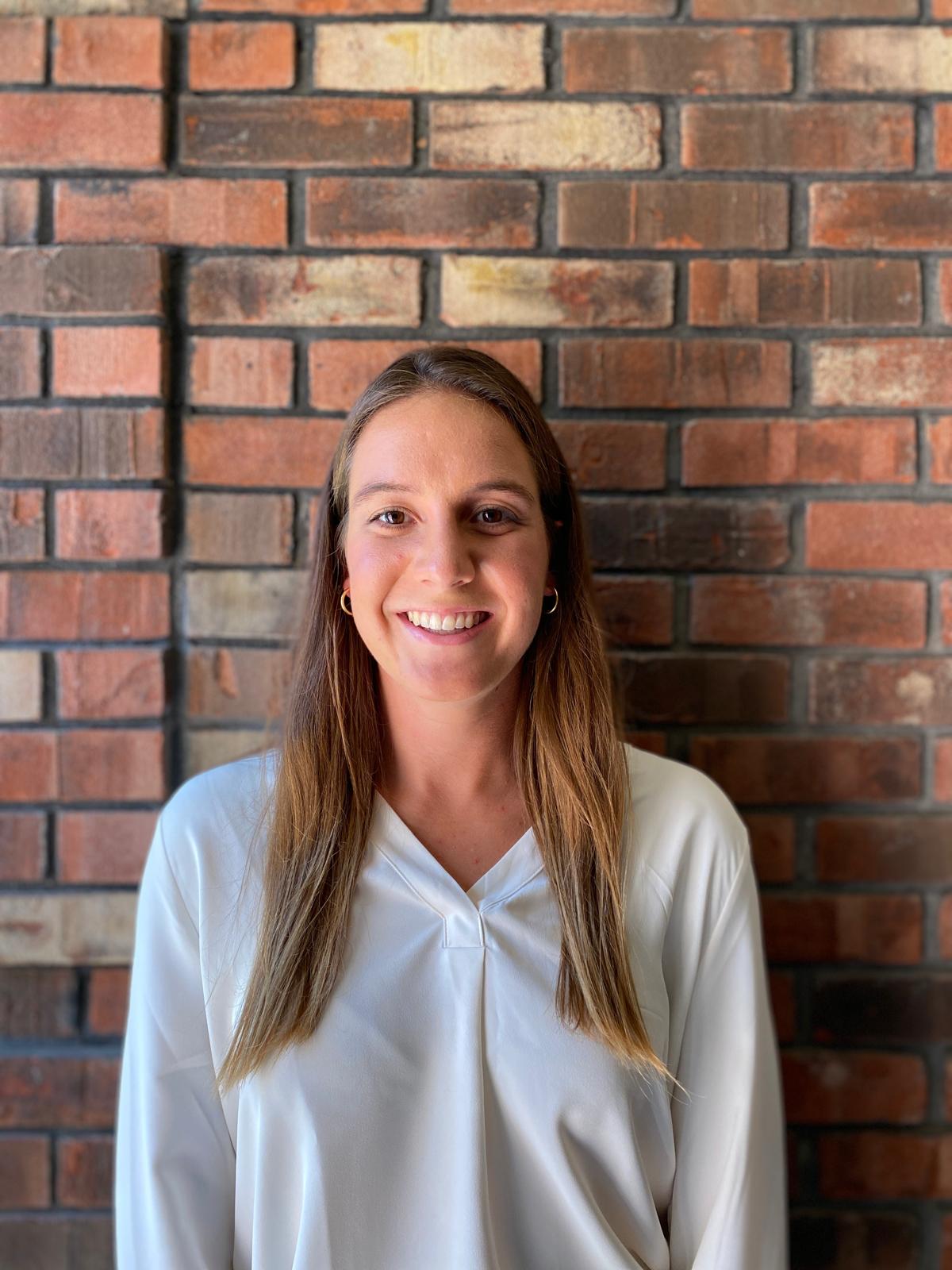
Brooke Forde is a research collaborator at the Health Systems Innovation Lab. Brooke holds an M.S. in Epidemiology and Clinical Research from Stanford University, with a concentration in Global Health. Her thesis research focused on environmental health and seasonal blood pressure variations in Bangladesh. She also holds a B.A. in Human Biology from Stanford. She is fluent in Spanish and conversational in Quechua. Before joining the Lab, Brooke served as a Peace Corps Volunteer in Peru, where she worked closely with local government and NGOs to improve youth mental health and maternal-child health through community-driven capacity-building programs. She has previously held research positions at the World Bank and the Stanford Center for Innovation in Global Health, where she supported research related to child nutrition and low-cost therapies for preterm infants. In addition to her academic background, Brooke was a member of the USA Swimming National Team and earned an Olympic silver medal in 2021.
Research Interns

Chengyu Li is pursuing a MSc in Artificial Intelligence at Northeastern University, building on a BEng of Computer Science. Although trained as an AI researcher, he is deeply committed to applying human-centered AI solution to enhance healthcare and improve people’s well-being. Previously, he has led GenAI R&D projects at KPMG China and developed end-to-end LLM chatbot for mental health at Conlight Medical. At HSIL, he is working with Prof. Rifat and Prof. Markus Brede. Looking ahead, he seeks to integrate cutting-edge AI methodologies with public health and operation strategies, fostering responsible innovation that bridges technology and human well-being globally.
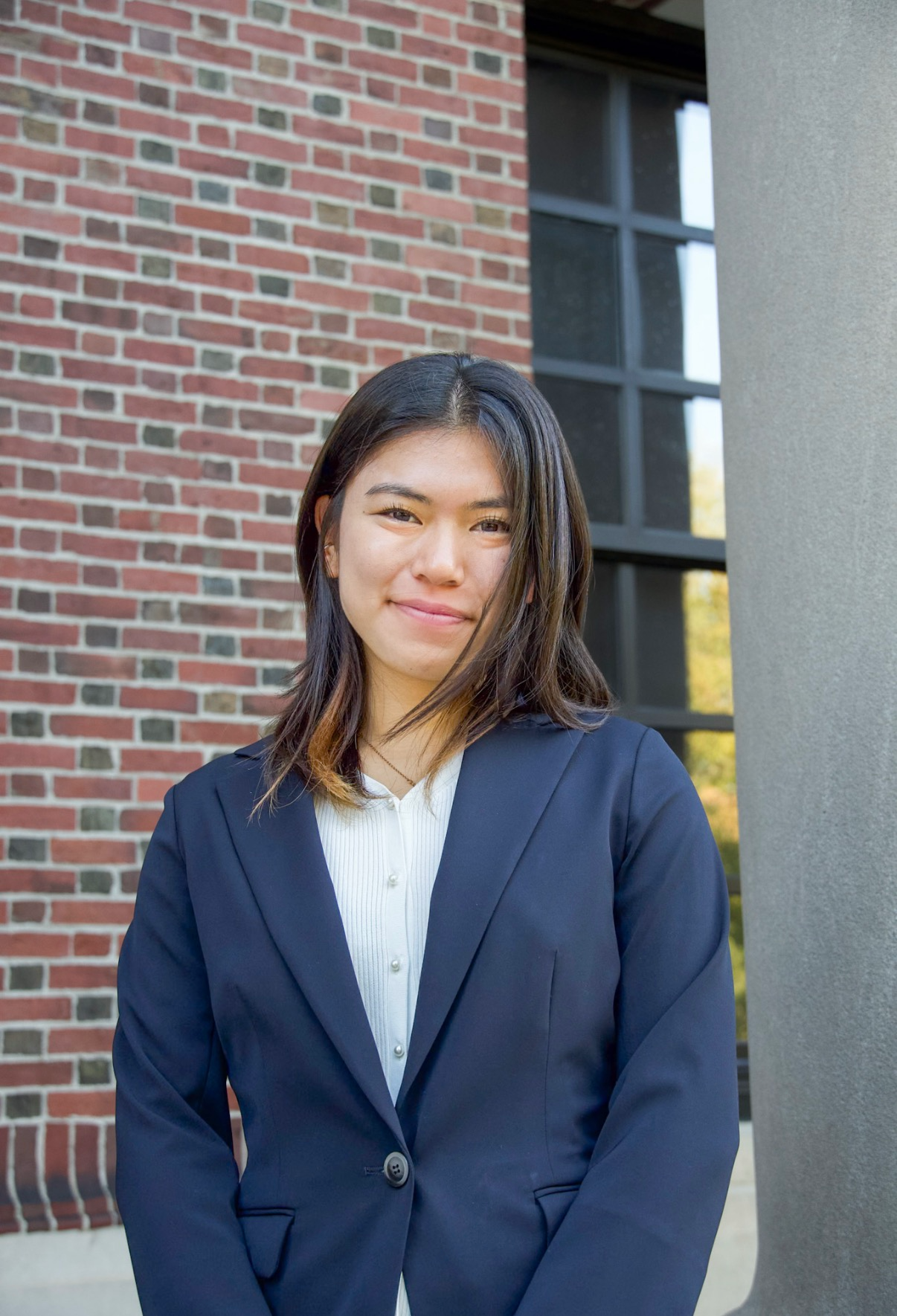
Anna Lizama is a first-year student at Harvard College intending to concentrate in Government with a secondary in Global Health and Health Policy on the pre-med track. With roots in the Commonwealth of the Northern Mariana Islands (CNMI), her academic interests center on healthcare disparities affecting Pacific Islander, Indigenous, and other historically marginalized communities in the U.S. and globally. She has previously published research examining diabetes disparities in the CNMI, as well as cancer-related cognitive impairment among the African American population in Chicago. At Harvard, Anna conducts health policy research through the Institute of Politics, works with the Drug Affordability Research & Translation Lab to advance medication access for the tribal population in Oklahoma, and helps organize the Harvard World Pre-Health Conference. Through HSIL, she hopes to further explore interdisciplinary strategies to address global health inequities.
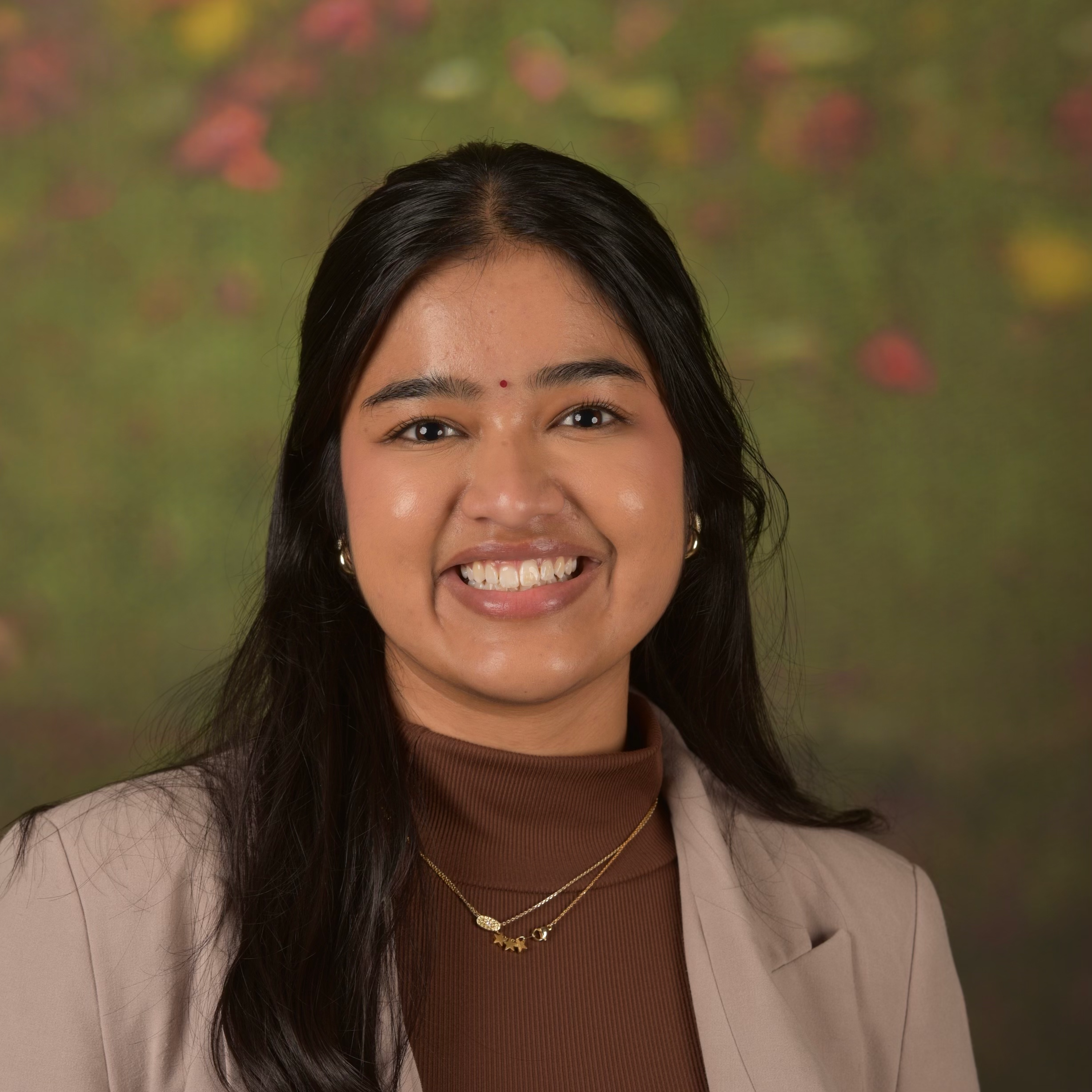
Pranathi Ganti is a sophomore at Harvard College studying Neuroscience and Global Health & Health Policy while pursuing a citation in Spanish. Apart from school, she serves as Co-Director for PBHA ExperiMentors, where she spreads the love of science throughout elementary schoolers in the area. She’s also heavily involved in the Harvard Undergraduate Research Journal, CrimsonEMS, Harvard Square’s Y2Y shelter, and Harvard Dharma. Pranathi hopes to become a doctor, delivering care through systemic changes that lie at the intersection between business and medicine. In fact, this is exactly what drew her to HSIL. She’s excited to continue learning, becoming the best version of herself both professionally and academically for herself and the people around her. In her free time, Pranathi enjoys singing Indian classical music, reading books, spending time with family and friends, and generally making people laugh!