Health Systems Innovation Lab
The Health Systems Innovation Lab is a global research and training lab that specializes in health system performance, health policy, and venture creation.
677 Huntington Ave,
Boston, MA 02115
Building 1, 11th floor
Building High-Value Health Systems:
Leveraging AI
Where the world’s best minds engineer health systems for better Health
Applications opening soon
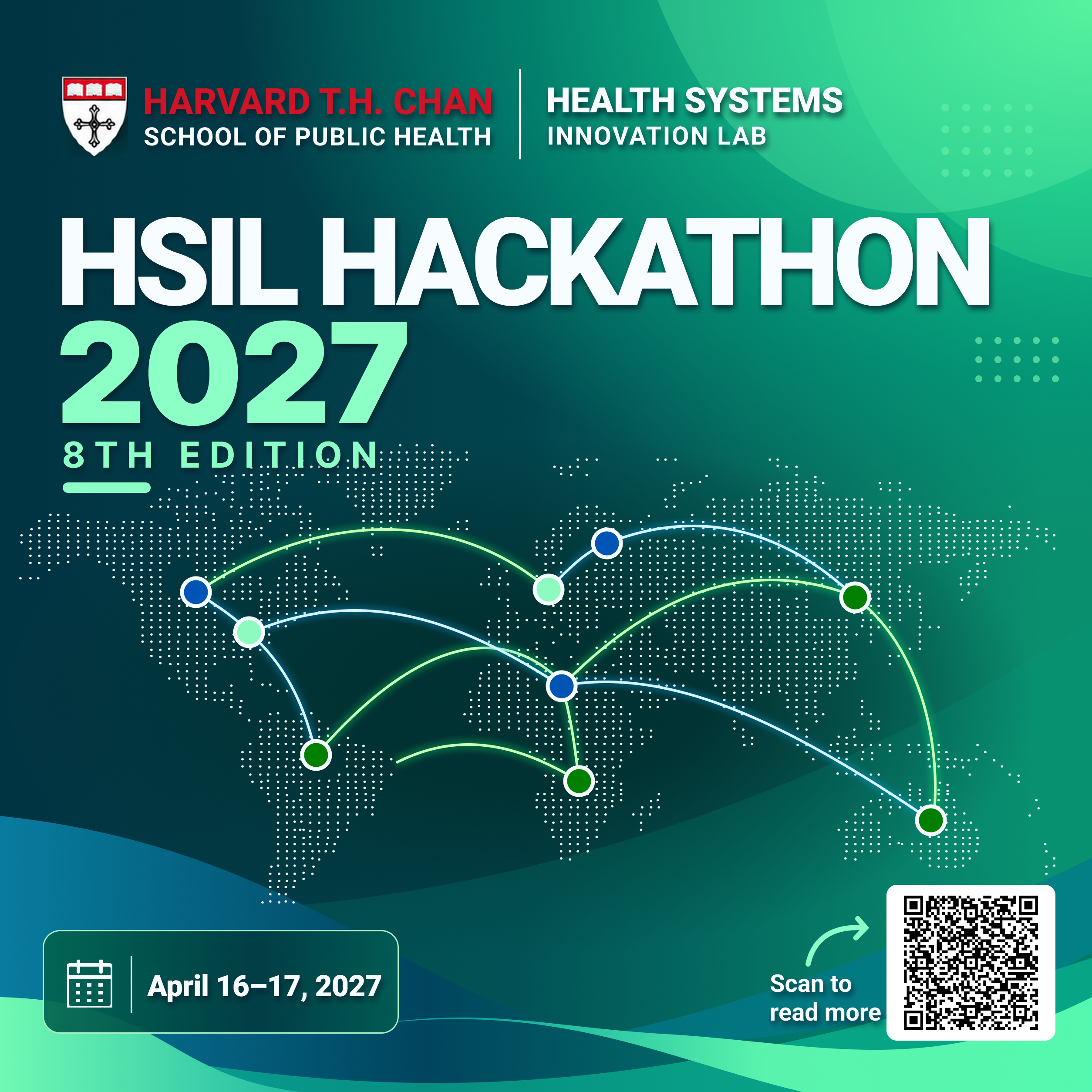
HSIL Hackathon Overview
The Health Systems Innovation Lab (HSIL) Hackathon is the world’s largest transformative event where innovators come together to design solutions that strengthen health systems. The Hackathon is an intensive, collaborative experience spanning 2 days where participants brainstorm, build, and pitch new ideas to tackle a specific challenge. The goal is to move from concept to a functional prototype or working product within the event’s timeframe.
Following the Hackathon event, the winning teams are invited to participate in the HSIL Venture Building Program. Through a robust multi-phase journey comprising Bootcamp I, Bootcamp II, and a Venture Building Immersion, teams receive expert mentorship and guidance to further refine, validate, and strengthen their solutions. The top ventures are then selected to present their innovations to investors and ecosystem leaders at the HSIL Demo Day, creating opportunities for investment and scale-up of their innovations.

FROM IDEAS
TO IMPACT.
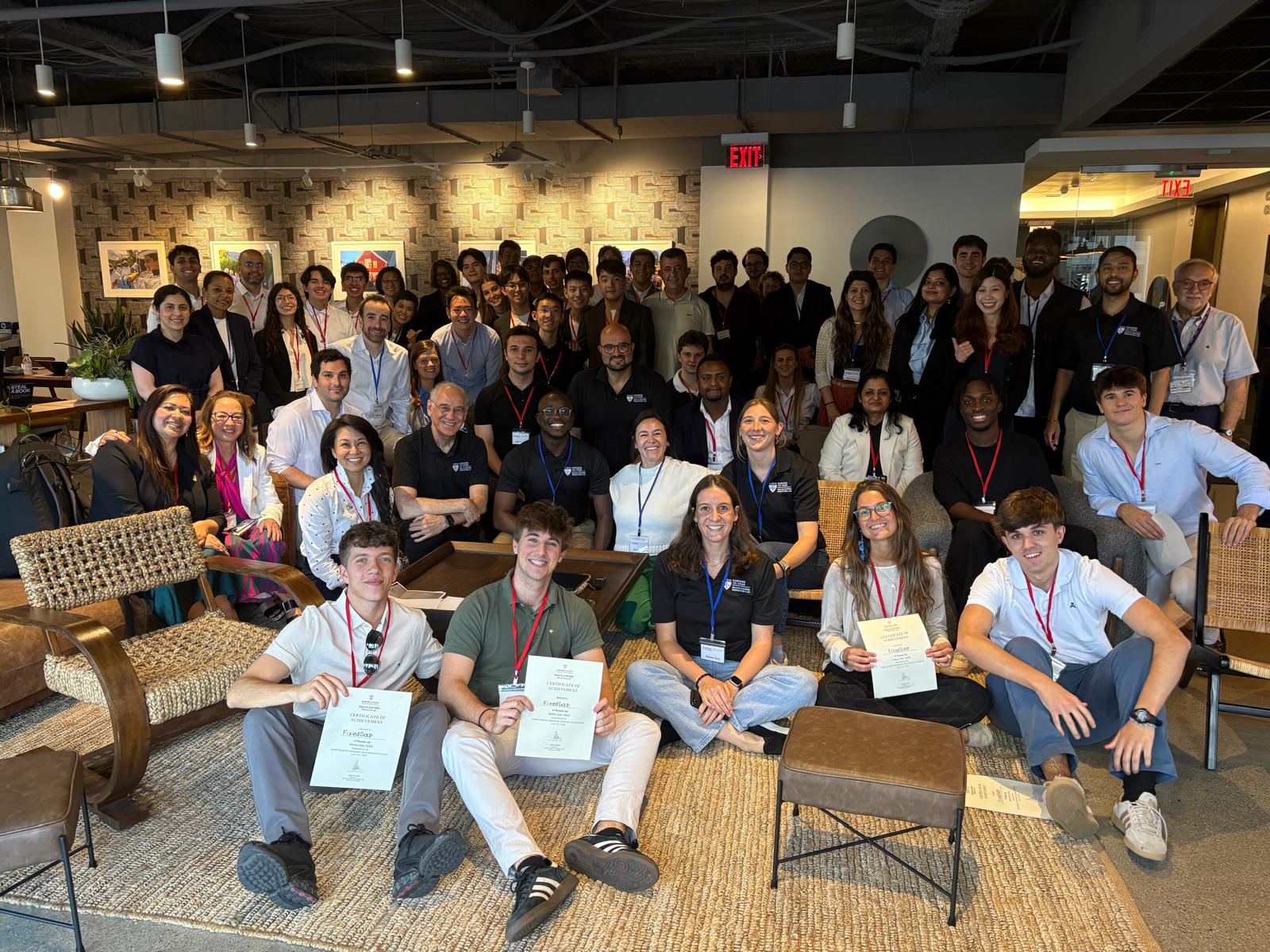
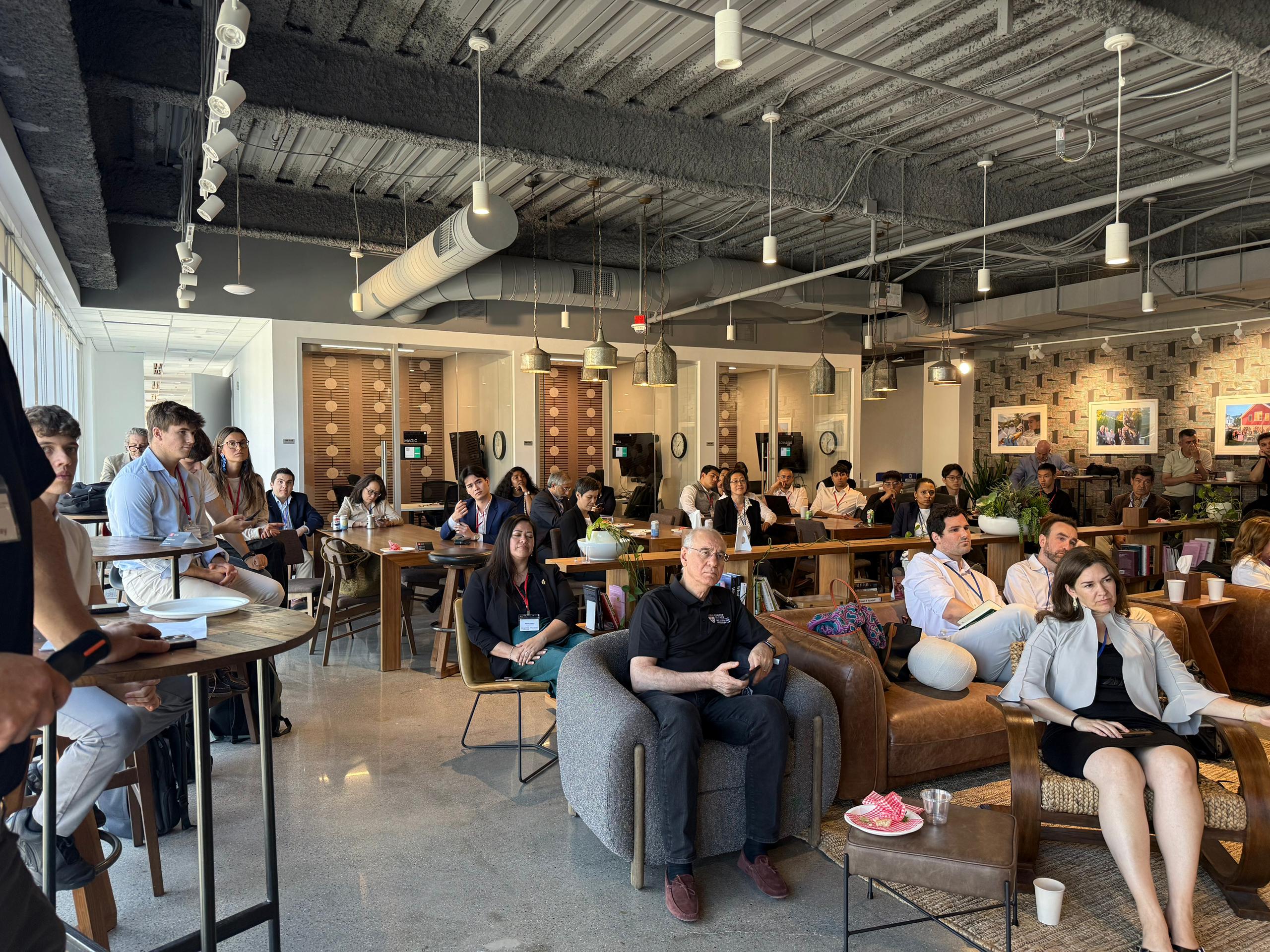
Inside the 2026 Boston hub · Photo: Kent Dayton / Harvard Chan School
HSIL Innovation Pipeline
A pathway from the first conversation to a venture with potential. Selected winning teams from local hubs advance to the virtual Venture Building Program, with finalists invited to Demo Day in Boston.
HACKATHON

Hackathon
April 16–17
2 days
Hub judging
VENTURE BUILDING PROGRAM

Bootcamp 1
April 19–30
2 weeks
HSIL judging

Bootcamp 2
May 3–14
2 weeks
Global judging

Venture Building Immersion
May 24–June 18
4 weeks
Global judging
DEMO DAY · BOSTON

Demo Day
September 29
1 day
Pitches to investors
All dates are in 2027. The Hackathon is in person at your preferred hub. The Venture Building Program is entirely virtual. Demo Day is held in person in Boston during Boston AI Week.
01
Apply
Find a hub and apply when applications open.
02
Connect and prepare
Explore challenges and get ready to collaborate.
03
Build in two days
Design and prototype under mentorship.
04
Pitch locally
Share your solutions with local judges.
05
Get selected
Selected teams enter the Venture Building Program.
06
Develop your venture
Teams iteratively refine and build on their ideas.
07
Demo Day
Selected ventures present and pitch to investors.
08
Keep building
Continue developing your ventures and ecosystem connections.
Find your place in the network.
This initiative is open to all who are inspired to advance health systems through innovation. Previous hackathons have engaged students, clinicians, engineers, designers, policy analysts, entrepreneurs, and others – forming interdisciplinary teams at Harvard and partner hubs worldwide.
Participants can join through their local hub as a team or individually.
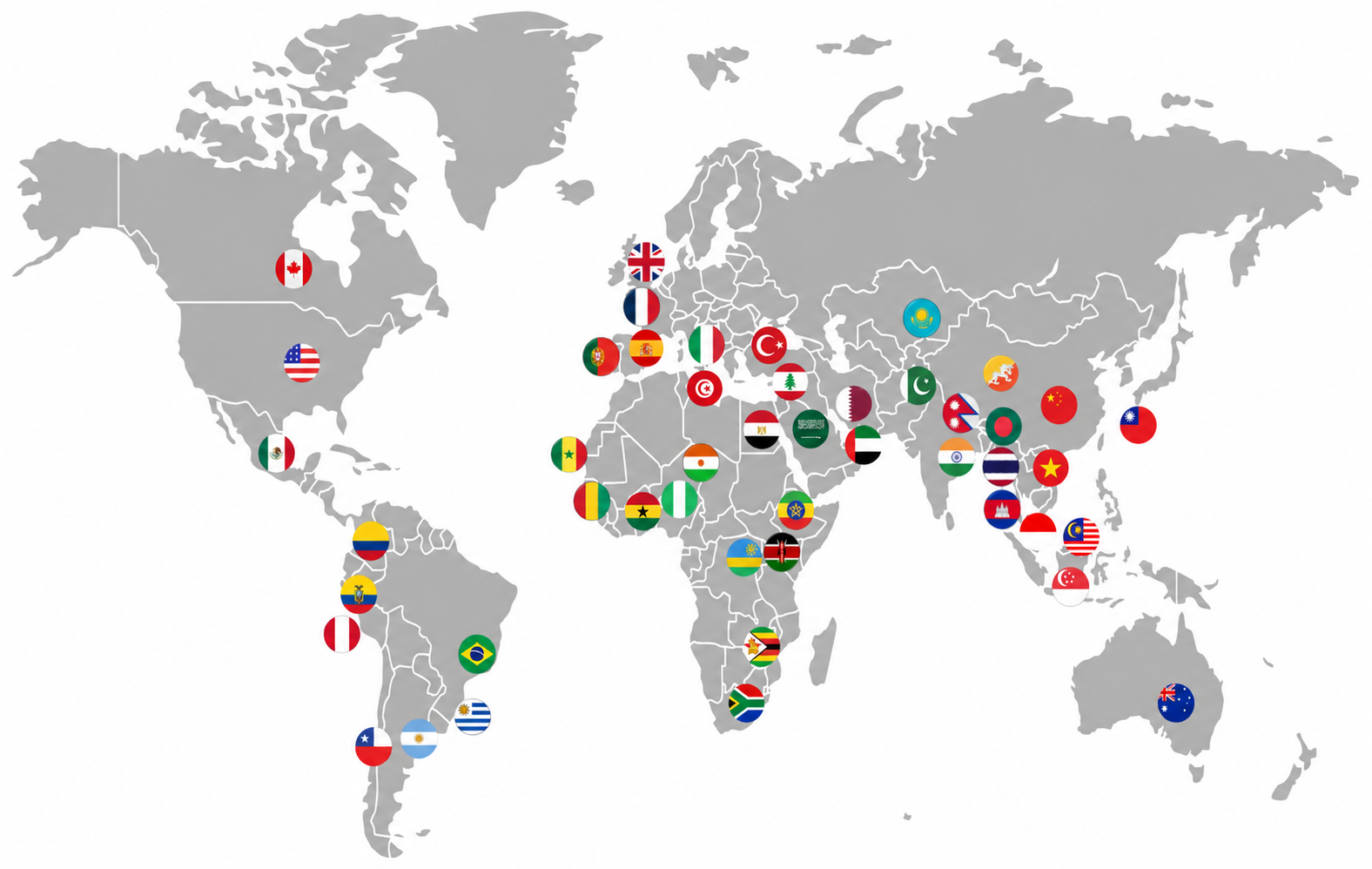
View 2027 Hackathon HSIL Hackathon Collaborative Hubs
Africa
Egypt · Cairo
The American University in Cairo

The American University in Cairo is an English-language university whose liberal arts approach connects professional study with the humanities, natural sciences, and social sciences. Based in Cairo, AUC combines teaching and research with attention to the practical needs of Egypt and the wider region.
Organizing team
Hadeel Youssef
Logistics and preparatory activities coordinator
Ethiopia · Addis Ababa
Ministry of Health

Ethiopia’s Ministry of Health leads national efforts to improve equitable access to quality healthcare. Its responsibilities span health system planning, disease prevention, workforce development, and emergency response. Through innovation initiatives, the Ministry brings partners together to identify health system challenges and develop practical solutions.
Organizing team
Kirubel Engidawork Kitaw
Organizing team member
LinkedIn
Samuel Dinkineh Fantaye
Health Innovation Incubator & Accelerator Program Lead, Ministry of Health
LinkedIn
Nigeria · Lagos
Lagos State University

Lagos State University is a public university established in 1983 to advance learning and academic excellence. Its teaching, research, and service span disciplines including medicine, allied health sciences, engineering, and computing, with an emphasis on research and innovation that supports Lagos State and national development.
Organizing team
Prof. Olayinka Ogunleye
LASUCOM Hackathon Coordinator · Research Grant Development and Management (REGDEM)
LinkedIn
Prof. Olufemi Idowu
Provost, Lagos State University College of Medicine (LASUCOM)
Mrs. Oluseyi Oyefeso
Deputy Registrar, REGDEM, LASUCOM
Abdullahi Bello
Hub lead · Founder and Managing Director, BW Analytics
LinkedIn
Faith Jacob
Research and Product Lead, BW Analytics
LinkedIn
Adedayo Debo Adejumo
Operations Manager, BW Analytics
LinkedIn
Hub contact
Nigeria · Ogun
Babcock University

Babcock University is a faith-based educational institution in Nigeria that combines academic study with Christian values. Its educational philosophy emphasizes intellectual, physical, social, and spiritual development, while encouraging scholarship, character, community service, and a commitment to using knowledge to help address society’s needs.
Organizing team
Prof. Johnson Egwakhe
Local Organizing Committee, Babcock University
Prof. Adeola Fowotade
Local Organizing Committee, Babcock University
LinkedIn
Prof. Mojisola Ariyo
Local Organizing Committee, Babcock University
Dr. Ayodeji Ajibade
Hub Lead · Local Organizing Committee, Babcock University
LinkedIn
Hub contact
Rwanda · Kigali
Carnegie Mellon University Africa, Industry Innovation Lab
Carnegie Mellon University Africa’s innovation ecosystem helps African technology startups turn promising ideas into products and services ready for the market. Its support connects entrepreneurs with business incubation, technical expertise, and student talent, helping founders test their ideas and prepare for growth.
South Africa · Johannesburg
University of the Witwatersrand

The University of the Witwatersrand is a Johannesburg university with a long history of teaching, research, and public engagement. Known as Wits, it brings together expertise in health sciences, engineering, science, business, and the humanities, with a commitment to innovation and positive social impact.
Zimbabwe · Harare
Matamba Film Labs For Women


Matamba Film Labs for Women develops creative and technical talent in Zimbabwe through a supportive space for learning and experimentation. Its work includes immersive media, animation, artificial intelligence, health technology, and climate solutions, encouraging innovators to bring Zimbabwean and African perspectives to important development challenges.
Tunisia · Tunis
Impact Partner Tunisia

Impact Partner supports social and impact-driven businesses in Tunisia through finance, coaching, mentoring, and capacity building. As part of the Yunus Social Business Network, it helps enterprises strengthen their operations, create sustainable jobs, and generate lasting social and environmental value within the wider entrepreneurial ecosystem.
Senegal · Dakar
International Center for Research and Training in Applied Genomics and Health Surveillance

CIGASS is a Dakar-based center for research, training, and applied genomics at Université Cheikh Anta Diop. It combines biomedical research, diagnostic support, and disease surveillance, while training health professionals and scientists in technologies that strengthen the prevention and monitoring of communicable and noncommunicable diseases.
Asia & Oceania
Australia · Sydney
University of Sydney & Westmead Health Precinct




The University of Sydney combines education and research across medicine, health and other disciplines. Westmead Health Precinct brings hospitals, research institutes and universities together in Western Sydney, connecting clinical care, education and discovery to improve health outcomes for the communities it serves.
China · Beijing
Tsinghua University
Tsinghua University brings together teaching, research, and innovation to advance society in China and worldwide.
Bangladesh · Dhaka
United International University
United International University is a private university in Dhaka, established in 2003. Its research institutes and specialist centres support inquiry, innovation and entrepreneurship, including the Institute for Research, Innovation, Incubation, and Commercialization, which connects academic work with opportunities to develop and apply new technologies.
India · Bhubaneswar
KIIT School of Public Health
KIIT School of Public Health in Bhubaneswar prepares public health and healthcare leaders through teaching, training and research. Its work combines technology, innovation and evidence to address population health challenges, supported by collaboration across KIIT disciplines and with local, national and international institutions.
India · Patna, Bihar
IIT, Patna
Indian Institute of Technology Patna, established in 2008, offers education and research in engineering, sciences, humanities and social sciences. Its campus at Bihta supports undergraduate, postgraduate and doctoral study, with interdisciplinary programmes and facilities that encourage innovation and the development of new technical knowledge.
Indonesia · Bandung
Institut Teknologi Bandung / Ministry of Health

Institut Teknologi Bandung is a university of science, technology and the arts with a mission spanning education, research and community service. Based in Bandung, it develops and applies knowledge and innovation to support Indonesia’s development. The confirmed hub also includes the Ministry of Health.
Malaysia
UCSI Hospital · Centre for Medical Education and Training (CMET)

The Centre for Medical Education and Training (CMET) at UCSI Hospital combines simulation, clinical experience, and professional development to support medical learning. As Malaysia’s official hub for the 2027 HSIL Hackathon, it welcomes healthcare professionals, innovators, mentors, sponsors, and industry partners to work on AI-enabled solutions to health-system challenges.
Nepal · Kathmandu
Nepal Technology Innovation Center | Kathmandu University
Nepal Technology Innovation Center at Kathmandu University helps turn research into practical technologies and market-ready innovations. Working with universities, researchers, entrepreneurs and public institutions, it supports an innovation ecosystem focused on agriculture and rural development, renewable energy and health-related livelihoods, alongside startup incubation and mentorship.
Pakistan · Gujranwala
GIFT University

GIFT University was established in Gujranwala in 2002 to expand access to quality higher education in the region. Through links with industry and professional organisations, the university connects academic learning with practical experience, helping students develop the knowledge and skills needed for professional and entrepreneurial careers.
Pakistan · Islamabad
IRADA
The Indigenous Research and Development Agency connects applied research, industry and public policy to advance technology innovation in Pakistan. IRADA supports the development and commercialisation of locally developed solutions, entrepreneurship and international collaboration, with an emphasis on strengthening the country’s technological capabilities and sustainable economic development.
Singapore · Singapore
Nanyang Technological University NTU, ARISE, MAE & WKWSCI

Nanyang Technological University, Singapore brings together technology and human creativity across engineering, computing, business, medicine, sciences, humanities and the arts. Through education, research and partnerships, it develops leaders and addresses societal challenges, with a commitment to interdisciplinary discovery, innovation and impact in Singapore and beyond.
Taiwan · Taipei
Health Economics and Artificial Intelligence Lab, National Taiwan University


Based at National Taiwan University (NTU), the Taiwan Hub is organized by the Health Economics and Artificial Intelligence Lab, led by Associate Professor John Tayu Lee, who also serves as the hub’s Faculty Advisor. Its co-organizers are the College of Public Health and the Joint Research Center for AI Technology and All Vista Healthcare (AINTU), both at NTU.
The Health Economics and Artificial Intelligence Lab studies how artificial intelligence can be developed, evaluated, and adopted responsibly within health systems, drawing on health economics, health policy, and health technology assessment. Together with its co-organizing partners, the hub combines public health and AI expertise to address real-world challenges faced by patients, healthcare providers, and communities.
In 2027, the hub’s goal is to build a national platform for health systems innovation, connecting Taiwan’s strengths in public health, healthcare, and artificial intelligence. By bringing academia, healthcare providers, and industry together, it aims to turn promising ideas into practical solutions that improve health and make better use of resources.
Visit Taiwan Hub website · Instagram · hsilhackathon.taiwan@gmail.com
Organizing team
Arthur C. Kuo
Event Director & Taiwan Hub Lead
LinkedIn · Website
Alice Jo Wei Wu
Deputy Director & Sponsorship and Partnerships Lead
LinkedIn · Website
Freddy Lin
Technical Operations Lead
LinkedIn
Benson Chien
Finance Lead
LinkedIn
Roley Huang
Marketing and Recruitment Lead
LinkedIn
Shiuan-Yu, Chen
Event Operations Lead
LinkedIn
Jamie Cheng
Participant Communications Lead
LinkedIn
Thailand · Bangkok
Mahidol University

Mahidol University grew from Thailand’s first medical school into a comprehensive public research university. With strengths in medicine, health sciences and related technologies, it combines education, research and clinical expertise across a broad range of disciplines, contributing knowledge and professional training to improve health and society.
Organizing team
Chagriya Kitiyakara
Hub Lead
Tipajin Thaipisutikul
Assistant to Hub Lead
Viriya Taecharungroj
Assistant to Hub Lead
Onwalun Lohitharn
Assistant to Hub Lead
Supaporn Saechio
Communication Lead
Chonmapoom Phuengphung
Logistics Lead
Patipat Chewprecha
Technical Lead
Weerawat Rungwattanagit
External Relations Lead
Hub contact
Weerawat Rungwattanagit
External Relations Lead
weerawat.run@mahidol.ac.th
Bhutan · Gedu
Gedu College of Business Studies, Royal University of Bhutan

Established in 2008, Gedu College of Business Studies (GCBS) is a public higher education institution under the Royal University of Bhutan, located in Gedu in Chukha Dzongkhag. Dedicated to business and management education, the college has undertaken a comprehensive renewal since 2023, enhancing its strategic direction, academic curriculum and organizational structure to meet evolving national and regional demands.
The college blends academic rigor with industry relevance while upholding Bhutan’s philosophy of Gross National Happiness (GNH). Its programmes emphasize ethical leadership, sustainability awareness, global competence, innovation, impactful research and strong community engagement, preparing students to contribute to Bhutan’s socio-economic development and the wider Asian business landscape.
GCBS has been a member of the Association to Advance Collegiate Schools of Business (AACSB) since 2019. Guided by integrity and inclusivity, it develops competent business and management professionals through value-driven education, responsible leadership and strategic partnerships, supporting Bhutan’s sustainable economic development.
Visit Gedu College of Business Studies website
Organizing contact
Chencho Gyeltshen
Business Incubation Manager
Europe
Spain · Navarra
University of Navarra

Innovation Factory is the University of Navarra’s Center for Innovation and Entrepreneurship. It develops entrepreneurial skills and supports university-based ideas and research-led ventures through mentoring, validation, incubation, and connections to the innovation ecosystem.
Denmark · Lyngby
DTU Skylab, Technical University of Denmark

DTU Skylab is the innovation and entrepreneurship hub at the Technical University of Denmark’s Lyngby campus. It connects students, researchers, startups and industry to turn ideas into practical solutions. Through interdisciplinary collaboration, prototyping facilities, mentoring and startup support, Skylab helps teams test and develop new technologies.
Morten Ugelvig Andersen
Primary point of contact
Sally Gregersen
Health-hackathon collaboration
France · Lyon
Emlyon Business School
Founded in Lyon in 1872, emlyon business school combines management education with research and an emphasis on learning through action. Its interdisciplinary approach encourages entrepreneurial thinking, creativity, and reflection, preparing students and professionals to help organizations respond to economic, social, and environmental change.
Italy · Milan
Federated Innovation at MIND, Human Technopole, Università degli Studi di Milano, Politecnico di Milano and SIIAM



The Milan hub brings together Federated Innovation at MIND, Human Technopole, Università degli Studi di Milano, Politecnico di Milano and the Italian Society for Artificial Intelligence in Medicine (SIIAM). Their collaboration connects research, universities and innovation partners across life sciences, digital technologies and health.
Portugal · Lisbon
Escola de Economia, Gestão e Ciência Política – Universidade do Minho – Braga – Portugal
The University of Minho’s School of Economics, Management and Political Science brings together teaching and research across these three fields. Based in Braga, the school offers undergraduate and postgraduate education and supports interdisciplinary study of economic, organizational, and public policy questions.
Spain · Madrid
Universidad Complutense de Madrid
Universidad Complutense de Madrid is a public university with a long tradition of higher education and research. Its academic community spans health sciences, social sciences, humanities, law, and scientific disciplines, supporting collaboration across fields and an active role in international academic exchange.
Andorra
Racks Academy

Racks Academy provides practical training in artificial intelligence, helping learners apply AI tools, automation, and digital skills to business and professional projects.
Türkiye · Gebze
Gebze Technical University & BİKÜME
Gebze Technical University works with BİKÜME, the Biotechnology and Bioeconomy Clustering Initiative led by its Technology Transfer Office. BİKÜME brings companies, universities, technology zones and civil society organizations together to connect research and development with testing, validation, production and market access.
Türkiye · Istanbul
Koç University

Koç University is a nonprofit university in Istanbul with a research-oriented and student-centered approach to education. Its academic programs span fields including engineering, natural sciences, social sciences, business, nursing, and medicine, encouraging critical thinking, creativity, and collaboration across disciplines and with international partners.
United Kingdom · London
University College London
The UCL Global Business School for Health is the world’s first business school dedicated to health. Here, we unravel health challenges from a business perspective. We are proud to host the London Hub for the Annual Hackathon, and we are excited to develop impactful solutions to advance value-based healthcare and build a striving global health ecosystem at the heart of London.
Organizing team
Sunny Sagoo
Student Experience Officer
LinkedIn
Dr Orsolya Ihasz
Associate Professor in Digital Health and Entrepreneurship; Programme Lead, MSc Digital Health and Entrepreneurship
LinkedIn
United Kingdom · Scotland
University of Edinburgh · AI4BI CDT

The AI Centre for Doctoral Training in Biomedical Innovation (AI4BI CDT) at the University of Edinburgh is a UK Research and Innovation (UKRI)-funded programme dedicated to advancing the application of artificial intelligence in biomedical research and healthcare.
Bringing together expertise from AI, computer science, medicine and the life sciences, the Centre trains the next generation of interdisciplinary researchers to address complex challenges in human health. Its research spans areas including disease prediction and diagnosis, precision medicine, drug discovery and the development of AI-driven approaches to improving healthcare.
Through close collaboration with clinical, academic and industry partners, AI4BI CDT seeks to bridge the gap between cutting-edge AI research and practical biomedical innovation, with the ultimate goal of improving patient outcomes.
Spain · Valencia
The Terminal Hub – Goverment of Valencia

The Terminal Hub is an innovation community in Valencia that connects talent, technology, and investment. Located in the city’s marina, it brings professionals, companies, and entrepreneurs together through workspaces, events, and collaboration, helping ideas connect with the people and opportunities needed to grow.
Latin America
Argentina · Buenos Aires
Swiss Medical Group

Swiss Medical Group is an Argentine healthcare organization that brings together clinics, outpatient medical centers, emergency services, health coverage, and related services. Its integrated network focuses on protecting people’s health through comprehensive care and medical services across Argentina.
Argentina · Buenos Aires
IAE Business School
IAE Business School is the business school of Universidad Austral. It develops business leaders through management education, research, and executive development, combining professional capabilities with human values and a commitment to creating positive impact in organizations and society.
Argentina · Buenos Aires
Medifé – Sanatorio Finochietto
Medifé provides health coverage across Argentina, supported by its network of healthcare providers and Sanatorio Finochietto in Buenos Aires. The hospital combines multiple medical specialties, advanced technology, and an approach centered on comprehensive care for people and their families.
Brazil · Brasília
Ministry of Health

Brazil’s Ministry of Health formulates and implements public health policies grounded in the principles of universality, comprehensive care, and equity within the Unified Health System (SUS). Its responsibilities include health promotion, disease prevention, and healthcare planning for the Brazilian population.
Brazil · Rio Grande do Norte
Laboratory for Technological Innovation in Health (LAIS/UFRN)

The Laboratory for Technological Innovation in Health at the Federal University of Rio Grande do Norte develops health technologies, research, and strategic initiatives to strengthen Brazil’s Unified Health System. Its work promotes equitable, evidence-informed innovation and the translation of technology into improvements in health and society.
Brazil · São Paulo
Fundação Getulio Vargas (FGV), InovaHC and MOSO Health Ventures
The São Paulo hub brings together Fundação Getulio Vargas (FGV), InovaHC and MOSO Health Ventures. FGV contributes management education and research; InovaHC fosters applied research, technology transfer and health innovation at Hospital das Clínicas; MOSO Health Ventures supports health startups and operates Hub InovaHC.
Chile · Santiago
Center for Cancer Prevention and Control (CECAN)



The Center for Cancer Prevention and Control (CECAN) advances interdisciplinary research to inform cancer policy and health system improvement in Chile. The Andrés Bello Institute of Public Health contributes education, technical assistance, and research in public health, health economics, and health management. PLEIN UDP, the entrepreneurship and innovation hub of Universidad Diego Portales, connects students, researchers, startups, and corporations through public–private collaboration and practical innovation programmes.
Hub representative
Constanza Reveco Montero
Head of Internal and External Communications, Center for Cancer Prevention and Control (CECAN)
LinkedIn
Colombia · Bogotá
Universidad del Rosario

Universidad del Rosario is a Colombian university committed to ethical, humanistic, and scientific education. It combines teaching and research with a focus on innovation, social responsibility, and partnerships with communities, the public sector, and businesses to contribute to society.
Mexico · Monterrey
Autonomous University of Nuevo Leon (UANL) School of Medicine
The School of Medicine at the Autonomous University of Nuevo León combines healthcare professional education with clinical care and medical research through its University Hospital model. It encourages research from undergraduate and postgraduate study and collaborates on technologies and projects that improve patient care.
Brazil · Curitiba
Faculdade Evangélica Mackenzie do Paraná (FEMPAR)

Faculdade Evangélica Mackenzie do Paraná is a medical school in Curitiba. Its education combines classroom and laboratory learning with clinical experience in health services and the Hospital Universitário Evangélico Mackenzie, connecting medical training, research, and practice across Brazil’s Unified Health System.
Uruguay · Montevideo
LATU’s Innovation Park

LATU’s Innovation Park in Montevideo connects knowledge institutions, technology companies, entrepreneurs, and society. Its environment supports business incubation, technology transfer, training, and the development of technology-based knowledge, helping innovative companies grow and strengthening links across Uruguay’s productive and technological sectors.
Peru · Arequipa
Universidad Católica de Santa María
Founded in 1961 in Arequipa, Peru, Universidad Católica de Santa María (UCSM) is a prestigious, non-profit private university recognized as a leading higher education institution in Southern Peru. With a robust foundation in Health Sciences and Engineering, UCSM is deeply committed to fostering innovation, research, and entrepreneurship. We actively empower our academic community to develop technology-driven, high-value healthcare solutions that address both regional and global health challenges.
Organizing team
Kenneth Halley Valer Cuyo
HSIL Hub Coordinator – Peru
Middle East
Lebanon · Beirut
Knowledge to Policy (K2P) Center, American University of Beirut
The Knowledge to Policy (K2P) Center at the American University of Beirut (AUB) is a leading knowledge translation platform dedicated to strengthening evidence-informed policymaking in health and social care. K2P produces, synthesizes, and contextualizes high-quality research evidence on priority policy issues, making it accessible and actionable for policymakers, practitioners, civil society, and the media. Through collective problem-solving, co-production, deliberative dialogues, advocacy, and capacity-building, K2P supports informed decision-making and policy action. With a strong focus on Lebanon and the region, and a growing global reach, K2P develops and tests culturally relevant knowledge translation models that bridge the gap between research, policy, and practice to improve health and social outcomes.
Visit institution website
LinkedIn · X · Instagram · YouTube
Hackathon inquiries: K2p@aub.edu.lb
Organising team
Prof. Fadi El-Jardali
Hub Lead; Founder and Director, K2P Center; Professor of Health Policy and Systems Research, FHS, AUB
LinkedIn
Diana Jamal
Organizing Team Member; Assistant Director for Operations at Knowledge to Policy Center; Instructor of Public Health Practice, FHS, AUB
LinkedIn
Bassel Younes
Organizing Team Member; Knowledge Management Specialist, K2P, AUB
LinkedIn
Saudi Arabia · Riyadh
Prince Mohammed Bin Salman College of Business and Entrepreneurship (MBSC)
Prince Mohammed Bin Salman College of Business and Entrepreneurship (MBSC) focuses on business education and developing entrepreneurial leaders.
United Arab Emirates · Dubai
Mohammed Bin Rashid University of Medicine and Health Sciences, American University of Sharjah


Mohammed Bin Rashid University of Medicine and Health Sciences integrates healthcare education and research as part of Dubai Health. American University of Sharjah contributes a multidisciplinary academic community spanning engineering, sciences, business, architecture, and design, with an emphasis on research and experiential learning.
Qatar · Doha
Qatar Science & Technology Park (QSTP)

Qatar Science & Technology Park, part of Qatar Foundation, supports research, technology development, and entrepreneurship. Based in Doha, it provides a free-zone environment and programs for technology companies and startups, helping translate innovation into products and services and supporting a knowledge-based economy.
North America
Canada · Hamilton
McMaster University – The Clinic, Health Innovation Hub

The Clinic is McMaster University’s Health Innovation Hub. It supports students, clinicians, and researchers through need-driven innovation education, including a Health Innovation Bootcamp and Residency Program, and works with hospital partners and the Hamilton ecosystem to develop solutions to defined health challenges.
Canada · Toronto
University of Toronto / Dalla Lana SPH

The Dalla Lana School of Public Health at the University of Toronto advances public health research, education, and health system innovation. It brings together interdisciplinary expertise and local and global partnerships to improve population health, train future leaders, and support sustainable health system improvements.
United States · Cambridge · Microsoft NERD
Health systems Innovation Lab

The Health Systems Innovation Lab at Harvard T.H. Chan School of Public Health combines research, education, innovation, and venture creation to advance high-value health systems. Its interdisciplinary network connects researchers, practitioners, governments, industry, and civil society to translate evidence into practical health system improvements.
United States · Boston · Pillar VC
Health systems Innovation Lab
The Health Systems Innovation Lab at Harvard T.H. Chan School of Public Health combines research, education, innovation, and venture creation to advance high-value health systems. Its interdisciplinary network connects researchers, practitioners, governments, industry, and civil society to translate evidence into practical health system improvements.
Your 2027 programme timeline
Explore the confirmed dates and milestones for the 2027 programme.
Dec 2026 – mid-Feb 2027
Confirmed
Applications & selection
Find your local hub and prepare your application for the confirmed application window.
Local hub schedules
Announced by each hub
Pre-hackathon preparation
Local hubs will lead pre-hackathon preparation and announce their schedules and activities.
April 16–17, 2027
In person · Local hubs
Two-day Hackathon Event
Two days to connect, design, prototype, and pitch solutions to health systems challenges.
April 19–June 18, 2027
Virtual programme
Venture Building Programme
Bootcamp 1: April 19–30.
Bootcamp 2: May 3–14.
Venture Building Immersion: May 24–June 18.
The programme is entirely virtual and selective across multiple stages.
September 29, 2027
In person · Boston
Demo Day
Finalist teams present in person in Boston during Boston AI Week, connecting with investors, funders, experts, and ecosystem leaders.
Our Impact
Across seven editions from 2019 to 2026, HSIL has brought interdisciplinary teams together to develop ideas, build ventures, and connect with innovation ecosystems. Their stories show how the programme’s impact can extend beyond the event.

Kidney Connective
2026 HSIL winner
“This builds on the work we began at the Harvard Health Systems Innovation Lab, whose support is our foundation to reach all kidney patients.”

2025 Argentina hub winner
“We’re excited to share that Kuvia has been selected to join the Vercel AI Accelerator 2026.”
CMET / UCSI Hospital
2026 Malaysia hub
“Beyond the rankings, the experience has inspired our participants to think more boldly about innovation, entrepreneurship, and creating meaningful impact within healthcare.”
More VoicesView All Startups Incubated
16,971
Participant engagements
2,979
Hackathon venture teams
186
Venture teams incubated
53
Countries / territories represented







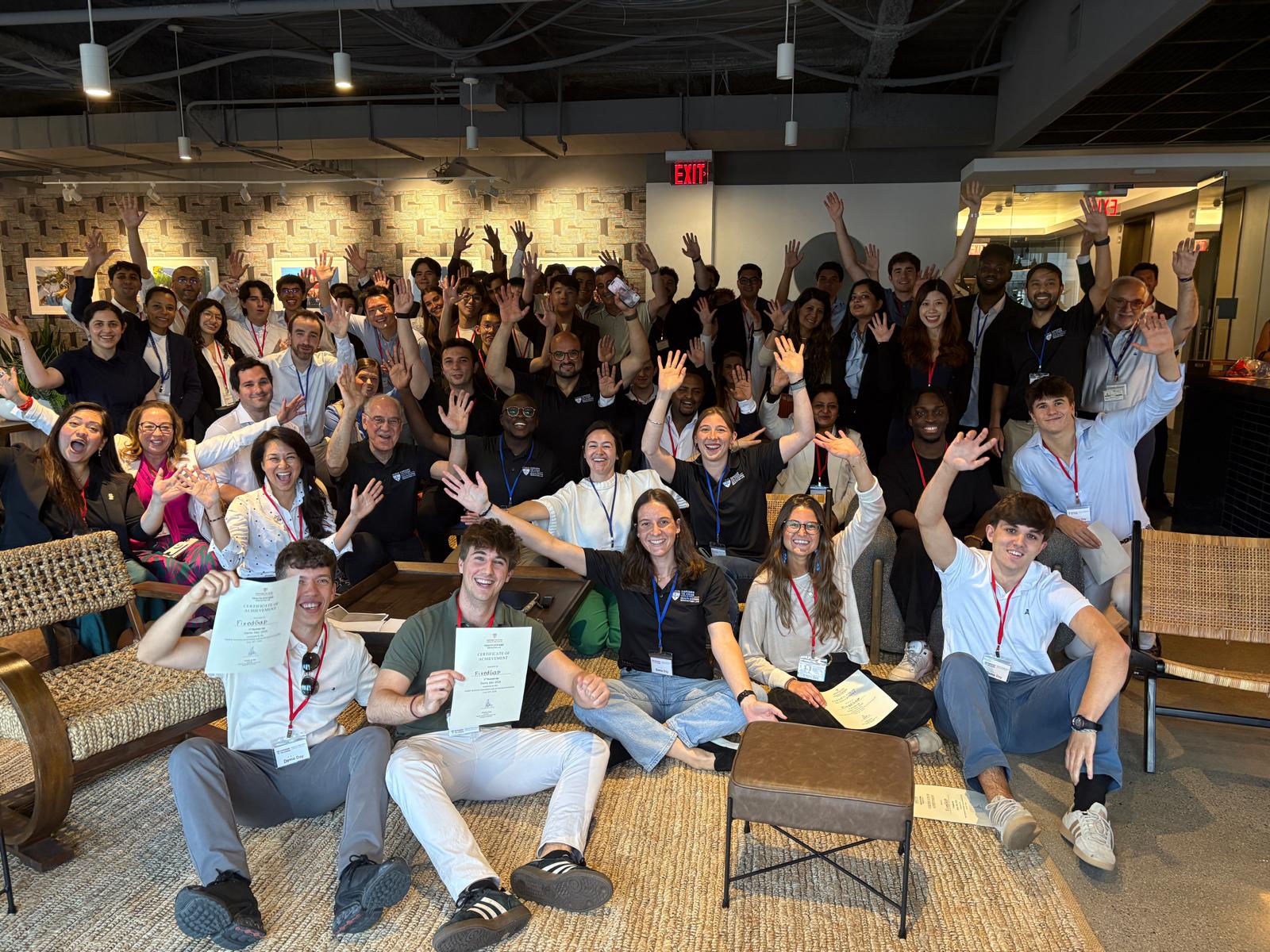
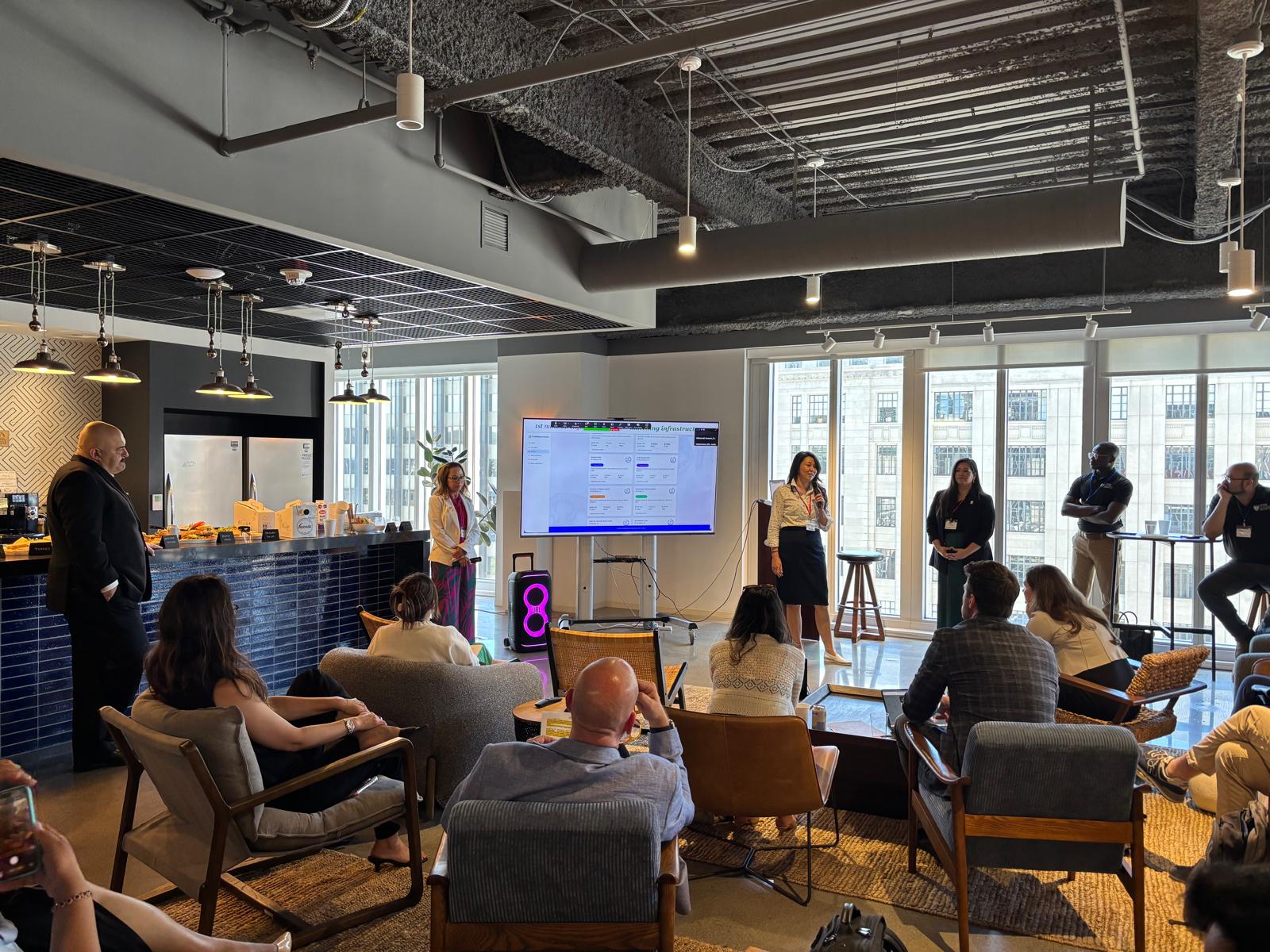
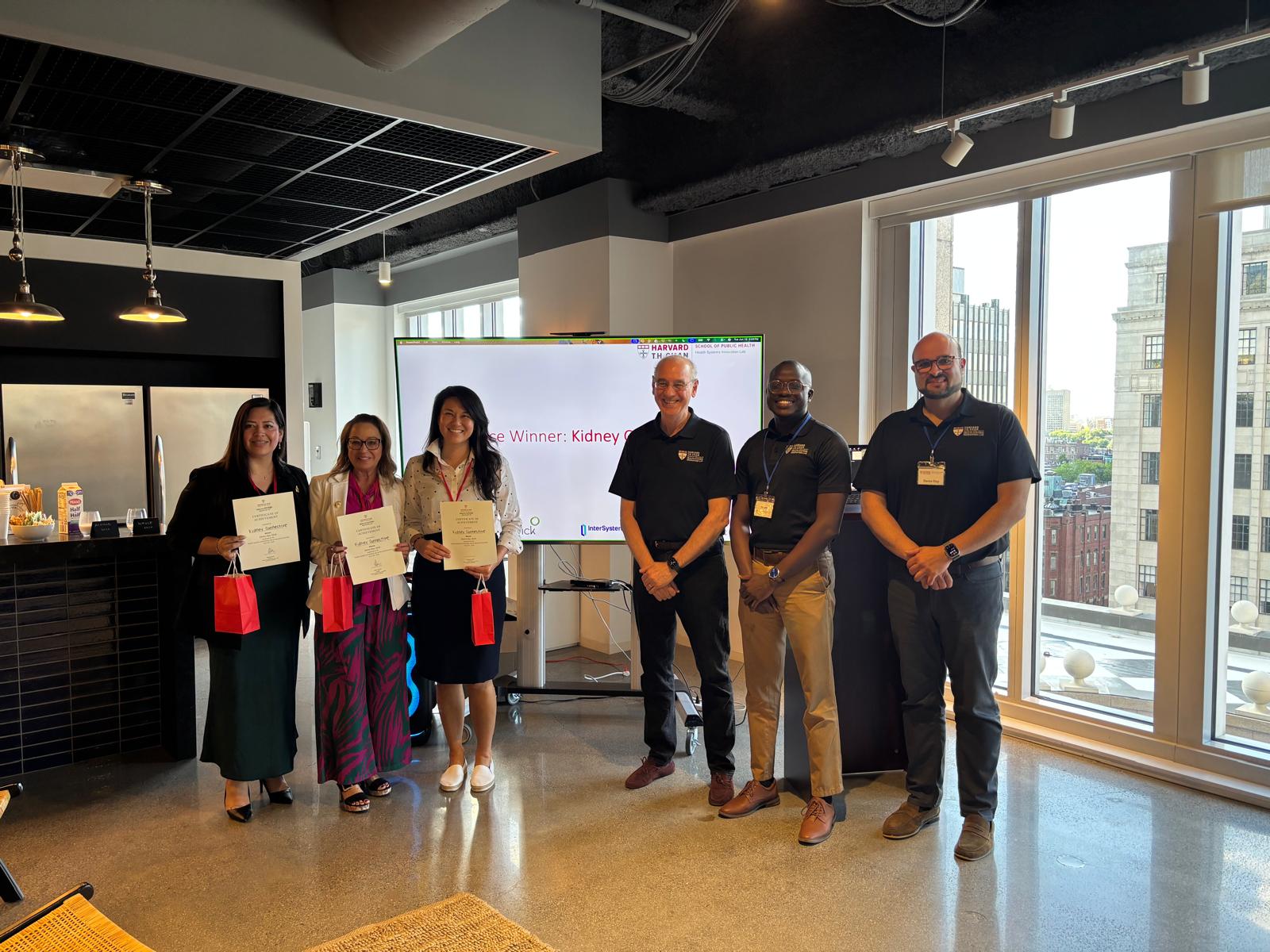
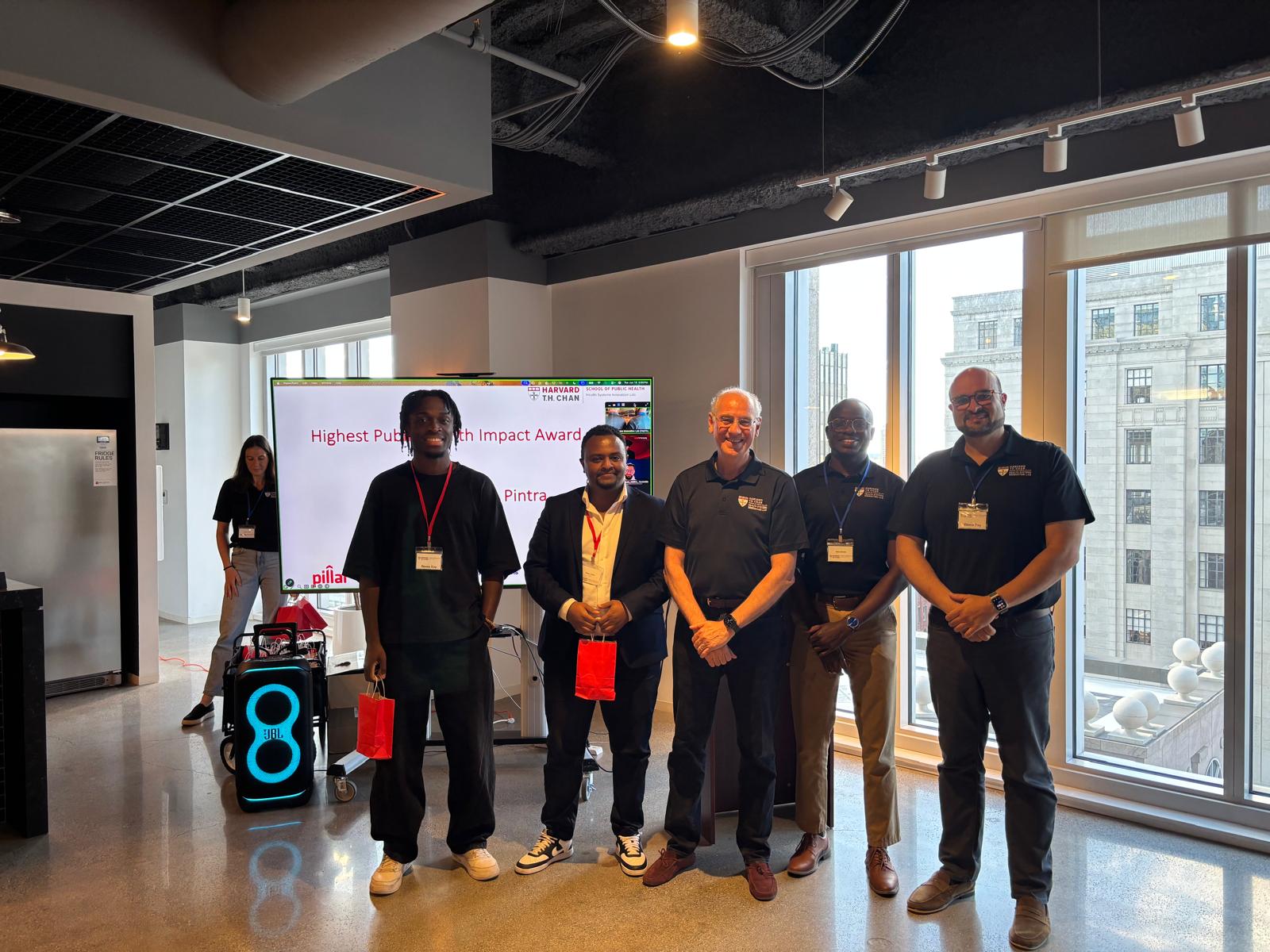
Build beyond the breakthrough.
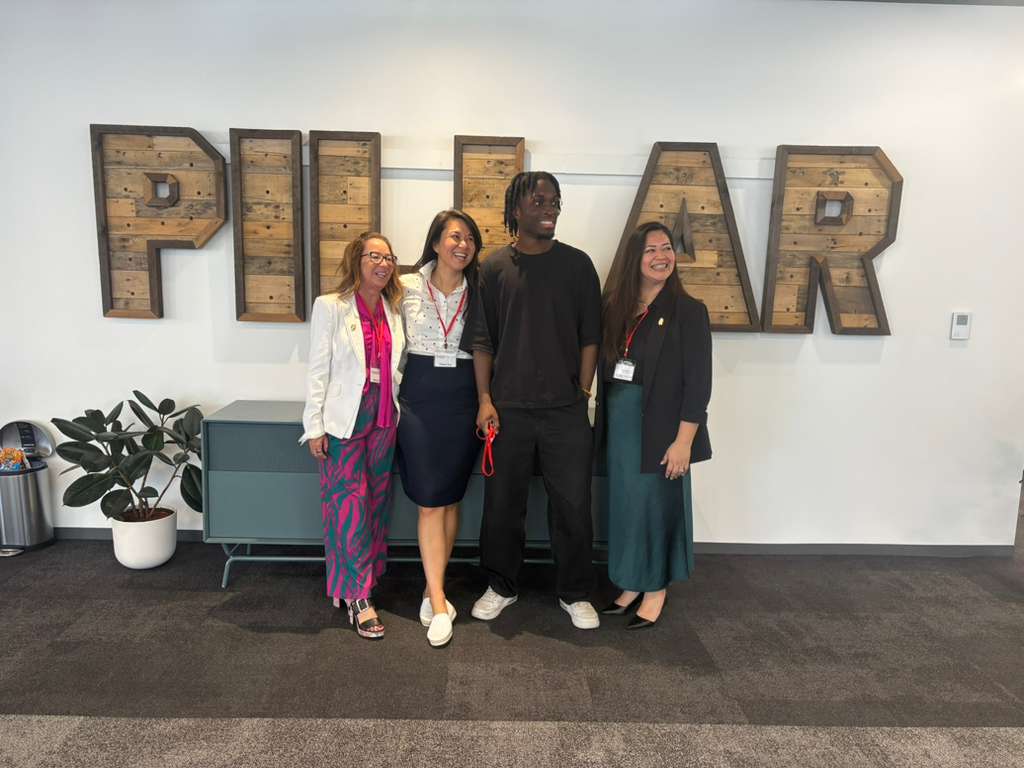
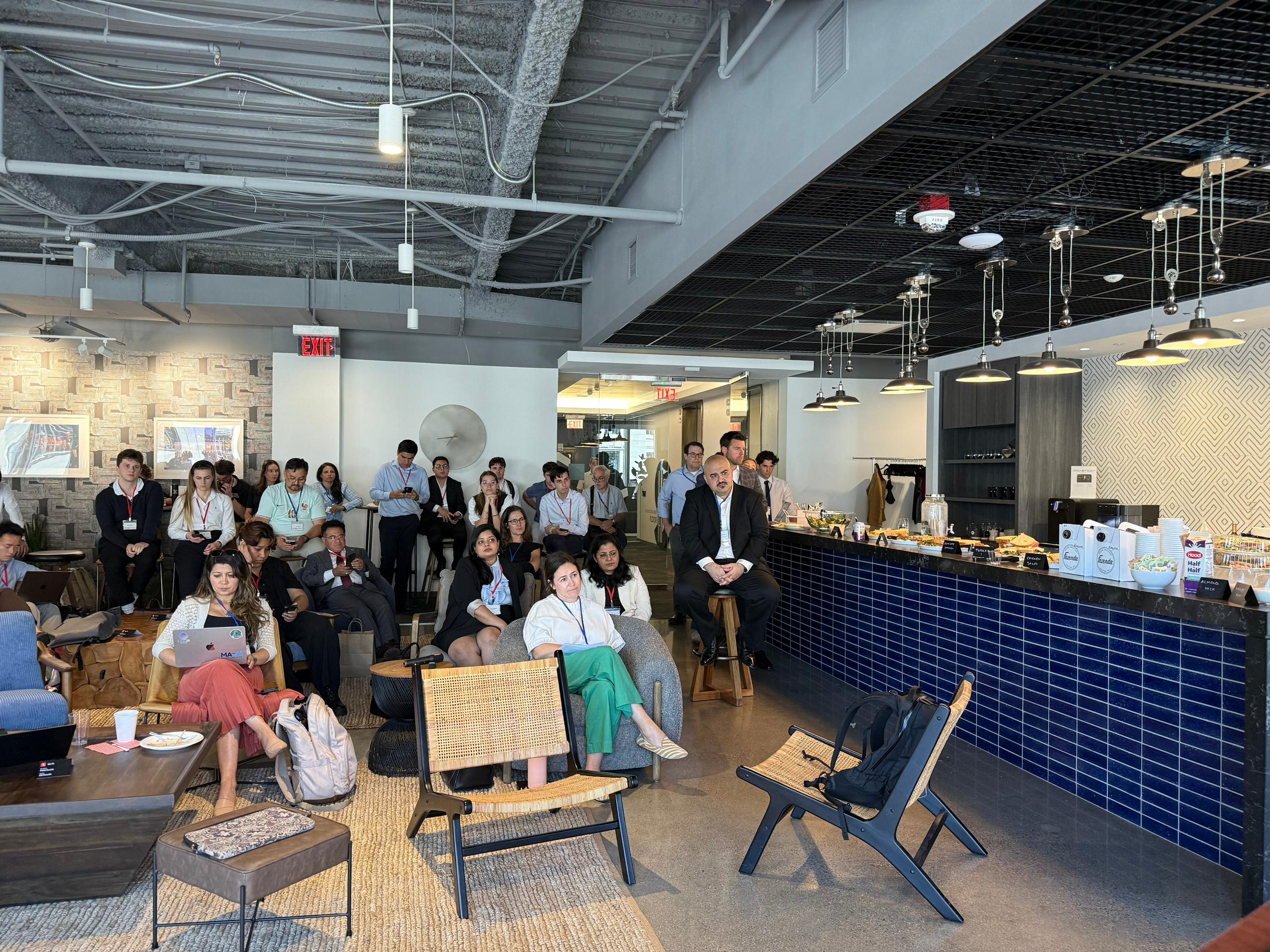
Promising ideas need room to grow. The Venture Building Program helps selected teams develop their solutions further.




Ways to get involved
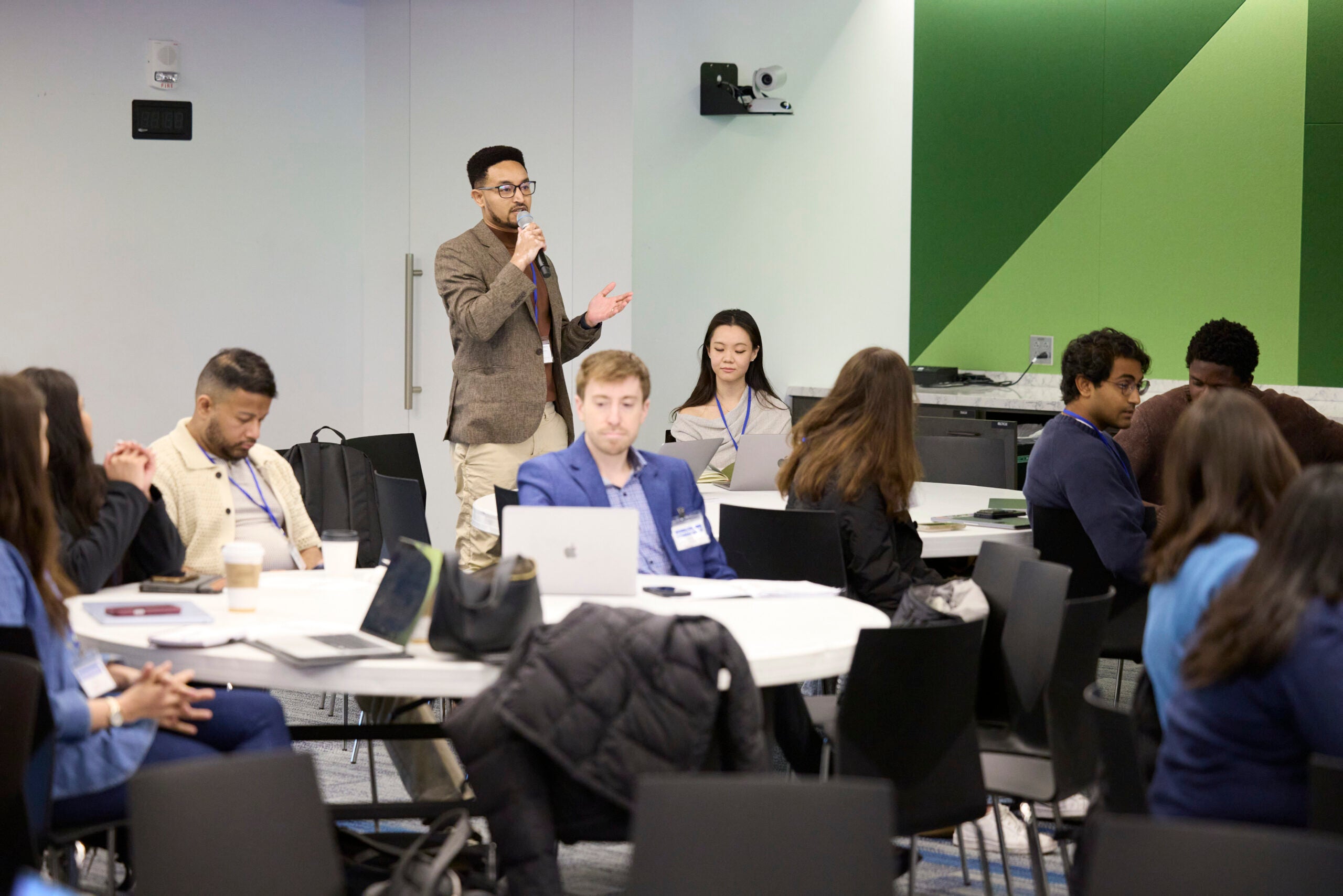
Participate
Join a local hackathon hub and bring your perspective. Work with an interdisciplinary team to develop solutions to health-system challenges.
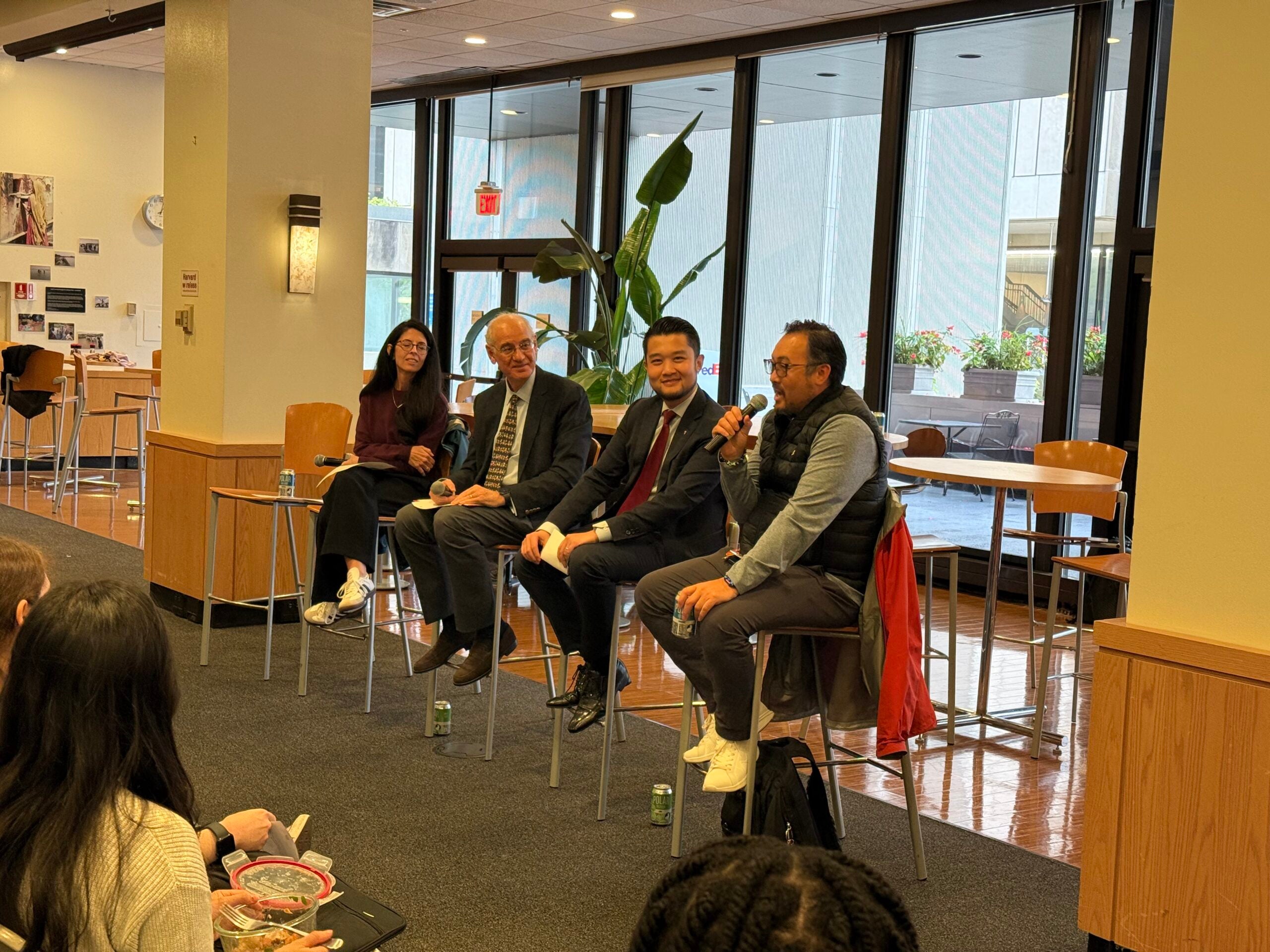
Learn
Attend HSIL events and exchange ideas with researchers, practitioners, and innovators. Explore new approaches to improving health systems.
Partner
Connect your institution with the HSIL network. Help host a local hub, share expertise, or support teams as they develop their ventures.
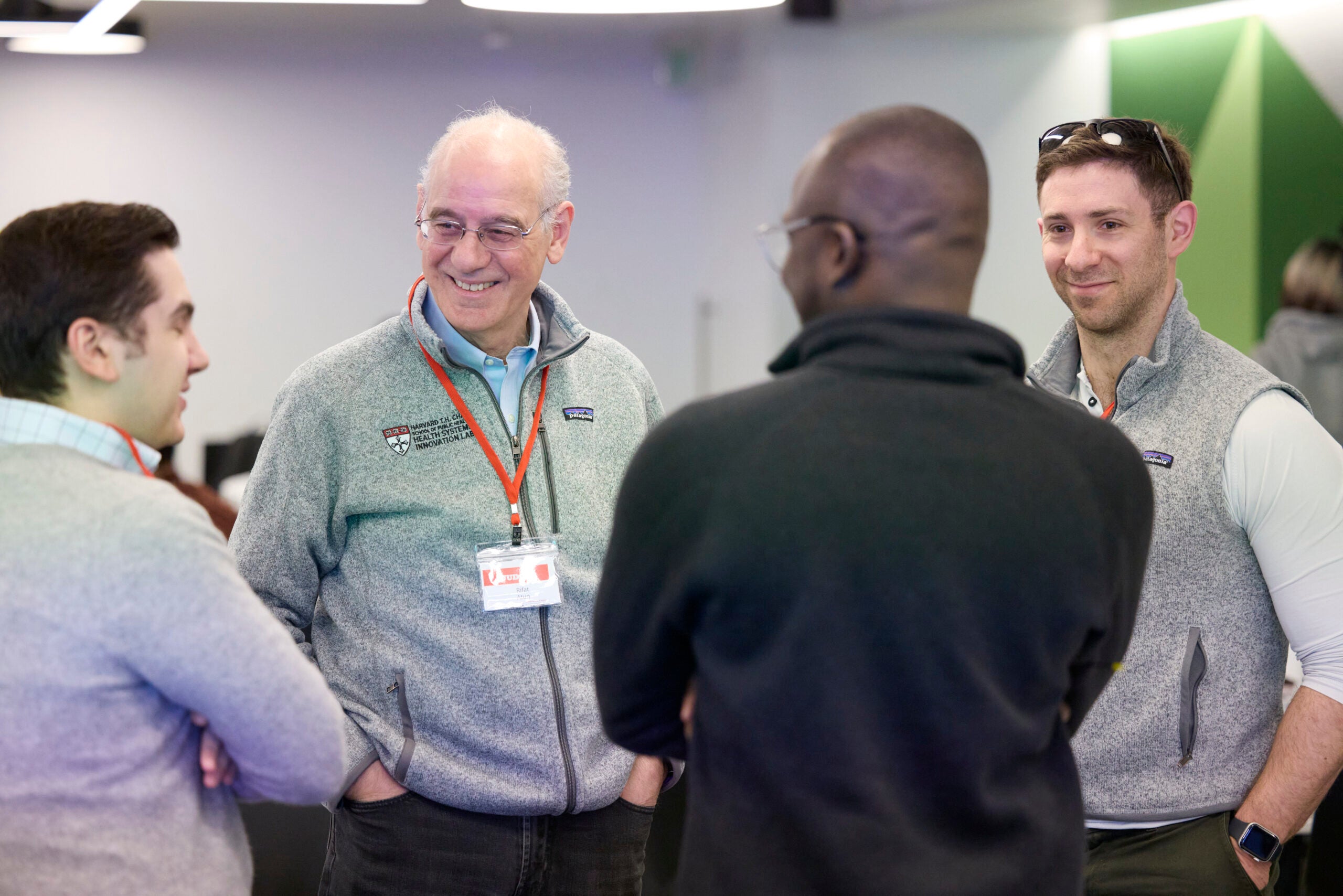
Sponsor
Help innovators take their ideas further. Support the hackathon and Venture Building Program through funding, technology, mentorship, or resources for participating teams.
Frequently Asked Questions
Eligibility & Participation
Who can participate in the HSIL Hackathon?
The Hackathon welcomes students, professionals, researchers, clinicians, entrepreneurs, technologists, designers, faculty members, and other innovators interested in addressing health and health-system challenges using AI and related technologies. Participants may apply individually or as part of a team.
Can I participate if I already have an idea, startup, or pilot?
Yes. Teams at different stages may participate. The Hackathon is particularly useful for early-stage teams seeking to develop, test, or refine an idea.
Do I need to come with a pre-existing idea?
No. Participants may arrive with a pre-existing idea or identify a health-system challenge during the Hackathon and build a solution around it. Some local hubs may also introduce locally relevant challenge statements.
Do I need to have a registered company or nonprofit?
No. Participants may join as individuals, informal teams, or existing ventures. Ideas may ultimately pursue a for-profit, nonprofit, public-interest, or other appropriate model.
Is there a recommended team size?
We recommend teams of approximately 3–5 people. Diverse, multidisciplinary teams are strongly encouraged so that members can contribute complementary clinical, technical, business, design, policy, and lived-experience perspectives.
Are there separate criteria for students and professionals?
No. The Hackathon is intentionally multidisciplinary and has historically included students, early-career professionals, experienced professionals, faculty members, founders, and other innovators.
Can faculty members participate?
Yes. Faculty members may participate as innovators where appropriate. Depending on their expertise and local hub needs, they may also be invited to contribute as mentors or judges.
Are there country, university, or institutional quotas?
There are no global country quotas. Participation capacity is determined by each local hub based on venue size, organizational capacity, and the quality and volume of applications received.
Intellectual Property, Ownership & Equity
Who owns the ideas developed during the Hackathon?
Ideas, concepts, prototypes, code, designs, and other intellectual property developed by participating teams belong to the teams that create them, subject to any applicable intellectual property obligations that team members may already have through their employers, universities, sponsors, or local hub institutions.
Does HSIL or Harvard own the intellectual property created by participating teams?
No. Participation in the HSIL Hackathon, Venture Building Program, or Demo Day does not transfer ownership of a team’s venture, idea, or intellectual property to the Health Systems Innovation Lab. HSIL operates in accordance with applicable Harvard intellectual property policies and does not claim ownership merely because a team participates in the program.
Do local hub intellectual property policies apply?
Yes. Participants should review and comply with any intellectual property, confidentiality, conflict-of-interest, or institutional policies communicated by their local hub. Team members should also clarify ownership among themselves, particularly when combining pre-existing work with new work developed during the Hackathon.
Does HSIL take equity in ventures that advance to the Venture Building Program or Demo Day?
No. HSIL does not take equity in venture teams that participate in the Venture Building Program or present at Demo Day.
Venture Building Program
What happens after the Hackathon?
Selected winning teams from local hubs advance into the HSIL Venture Building Program, a competitive, multi-phase program designed to help promising teams refine their solutions, strengthen their venture models, improve their pitches, and prepare for further development and scale.
What is the format of the Venture Building Program?
The Venture Building Program is entirely virtual. It typically includes structured bootcamps, workshops, seminars, pitch sessions, and mentorship. Program timing is designed to accommodate venture teams participating across multiple time zones as far as practicable.
Does every Hackathon winner automatically reach Demo Day?
No. The Venture Building Program is selective and includes multiple stages. Teams are evaluated as they progress, and a smaller group of finalists is selected for the final phase and Demo Day.
What support do teams receive during the Venture Building Program?
Depending on the phase, teams may receive seminars, workshops, feedback from judges, dedicated mentorship, venture-development guidance, and exposure to a global network of innovators and ecosystem partners. Specific programming may vary by edition.
Mentorship, Judging & Advancement
Will teams have access to mentors?
Yes. Local hubs are encouraged to recruit mentors with relevant clinical, technical, entrepreneurial, policy, design, and implementation expertise. Mentorship structures may vary by hub.
How are teams judged?
Participating hubs use a standardized HSIL judging rubric to promote consistency and fairness across the global Hackathon. The rubric and pitch expectations are shared with teams through the program materials or by their local hub.
How do teams advance beyond the local Hackathon?
Winning teams from participating hubs are nominated to advance into the HSIL Venture Building Program. The number of teams advancing may vary based on the size of the hub and the program structure for that edition.
Application, Selection & Cost
Is there an application fee or participation fee?
No. Applying to and participating in the HSIL Hackathon is free. Participants are not required to pay an application, registration, participation, or program fee to HSIL. Local hubs are also not expected to charge participants a fee for participation in the HSIL Hackathon.
Is the program equity-free?
Yes. The HSIL Hackathon and Venture Building Program are equity-free. HSIL does not require participating teams to give up equity in their ventures as a condition of participating in the Hackathon, Venture Building Program, or Demo Day.
How are participants selected?
Applicants select the local hub they wish to join when applying. Each hub reviews applications based on its capacity and the overall fit of applicants with the Hackathon. Selected participants receive an invitation or acceptance communication from the relevant hub or HSIL team.
Why might a strong applicant not be selected?
Local hubs often receive more qualified applications than they can accommodate. Selection may therefore depend on venue capacity, team composition, diversity of expertise, local priorities, and the overall applicant pool. Applicants who are not selected are encouraged to remain connected to the HSIL ecosystem and future opportunities.
Hackathon Format & What to Expect
What kinds of problems can teams work on?
Teams may work on a broad range of health and health-system challenges involving AI or related digital technologies. They are encouraged to focus on meaningful local or global health-system needs and to consider the local context in which a proposed solution would be used.
Are teams limited to specific disease areas or tracks?
No. Unless a local hub announces a specific challenge or track, teams are free to work across health-system functions, diseases, populations, care settings, and other relevant health challenges. Local hubs may introduce additional themes to reflect local priorities, partnerships, or sponsorships.
How are local hubs connected to the global Hackathon?
HSIL coordinates the global Hackathon experience and provides common program guidance, shared resources, global sessions, and a cross-hub community platform. Each local hub organizes its on-site experience, including local programming, mentors, pitches, and judging, while using the common HSIL framework and judging guidance.
Do teams need a fully working prototype by the end of the Hackathon?
No. A fully functional product is not required. Teams should, however, communicate the problem clearly, explain how their proposed solution works, demonstrate the value of the approach, and show enough evidence, mock-ups, workflows, prototypes, or other materials for judges to understand the concept and its potential.
Demo Day in Boston
Where is Demo Day held?
Demo Day is held in person in Boston, Massachusetts, during Boston AI Week. Finalist teams are invited to present their ventures to investors, funders, experts, and other ecosystem leaders.
Will HSIL provide invitation letters for finalist teams?
Yes. HSIL will provide invitation letters to eligible finalist teams selected for the final phase of the Venture Building Program and invited to travel to Boston for Demo Day.
Who pays for travel to Demo Day?
Travel, accommodation, visa-related, and other personal expenses associated with attending Demo Day are the responsibility of the participating teams unless a specific source of support is communicated separately.
Can teams seek local support for Demo Day travel?
Yes. Finalist teams are strongly encouraged to explore support from their universities, employers, local hubs, government agencies, sponsors, incubators, foundations, investors, or other local ecosystem partners. Some hubs may also have resources or relationships that can help teams identify potential funding support.
What is the purpose of Demo Day?
Demo Day gives finalist teams an opportunity to showcase their solutions, demonstrate progress made through the Venture Building Program, and build relationships with investors, funders, potential partners, and other leaders in the health innovation ecosystem.
Travel, Food & On-Site Logistics
Who pays for travel to the local Hackathon?
Participants are responsible for their own travel and related expenses to attend their selected local hub unless the hub specifically communicates that local support is available.
Is accommodation provided for the Hackathon?
Accommodation is not generally provided. Local hubs may recommend nearby accommodation or share locally available resources, but participants should plan for their own lodging where needed.
Will food be provided during the Hackathon?
Many hubs make every effort to provide refreshments, snacks, or some meals during the Hackathon. However, arrangements vary by location and available resources. Participants should be prepared to cater for themselves unless their local hub confirms otherwise.
Can local hubs help participants with travel or other costs?
Some hubs may have local sponsors, institutional resources, travel support, prizes, or other opportunities available to their participants. Teams are encouraged to communicate directly with their local hub to understand what support or locally curated resources may be available. Such support is not guaranteed by HSIL.
Staying Connected to the HSIL Ecosystem
What if I am not selected for the Hackathon or do not advance to the next stage?
We encourage you to stay connected. HSIL organizes additional innovation, entrepreneurship, learning, mentorship, research, and ecosystem-engagement opportunities throughout the year. Not being selected for one stage does not prevent you from engaging with future HSIL programs or applying again in a subsequent Hackathon edition.
Where should I look for official updates?
Participants should use the HSIL website, official program communications, and channels shared by their local hub as the primary sources for deadlines, schedules, program instructions, and updates.
Useful resources
Meet the Team

Prof. Rifat Atun
Director, HSIL
Dean of Education
and Innovation
Harvard T.H. Chan School
of Public Health

Dr Aminu Osman Alem
Hackathon Lead

Maia Cullen
Project Manager

Dr Che L Reddy
Venture Building
Program Lead
Dr Salim Afshar
Demo Day Lead