Catteruccia Lab
In the Catteruccia lab, we are motivated by our conviction that no one should suffer from malaria and other vector-borne diseases. We conduct rigorous science to advance this common goal, while fostering a safe and vibrant environment of intellectual curiosity, collaboration, and fairness, where any form of discrimination is wholly rejected.
651 Huntington Avenue
FXB Building, 3rd floor
Boston, MA 02115
Lab News
A heartfelt congratulations to Alli Probst on becoming Dr. Alli Probst! Last month, Dr. Probst completed her dissertation defense seminar, “Killing Plasmodium parasites in the mosquito: target identification and feasibility testing for a novel malaria control strategy.” We are thrilled for you on your incredible accomplishment!
Featured News
Flaminia Catteruccia elected member of National Academy of Sciences
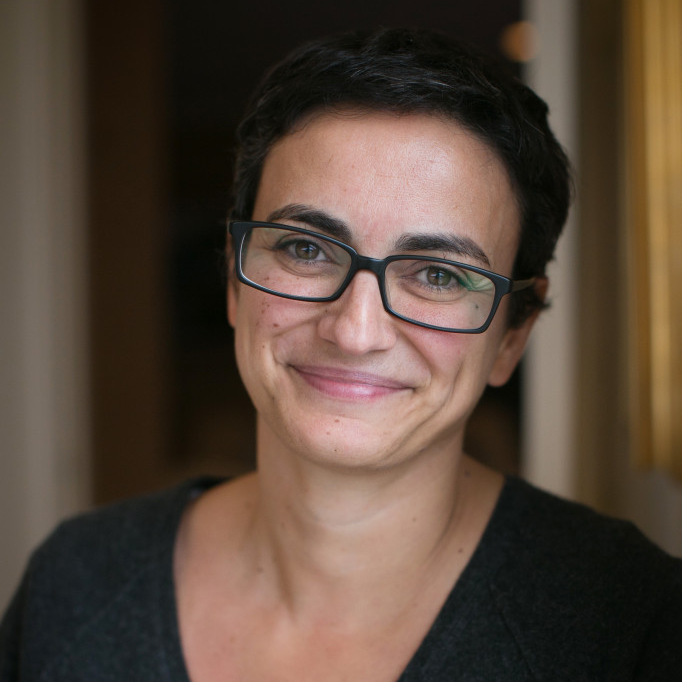
Members are elected to the NAS in recognition of their distinguished and continuing achievements in original research, according to an April 30 release from the organization. Membership is a widely accepted mark of excellence in science and is considered one of the highest honors that a scientist can receive.
Watch the full Research Briefing Prof. Catteruccia gave at the NAS 162nd Annual Meeting (from 26:10sec)
Student Spotlight:
Malhar Khushu
(G3, Catteruccia/Wirth Lab)
Where are you from and what do you enjoy most about your hometown?
I was born and grew up in New Delhi, in India! It’s known for its rich history and richer food, and I miss the urban wildlife in and around where I grew up.

In the Media
-
IID Kick Off Series: Esrah Du
IID Kick Off Series: Esrah Du

-
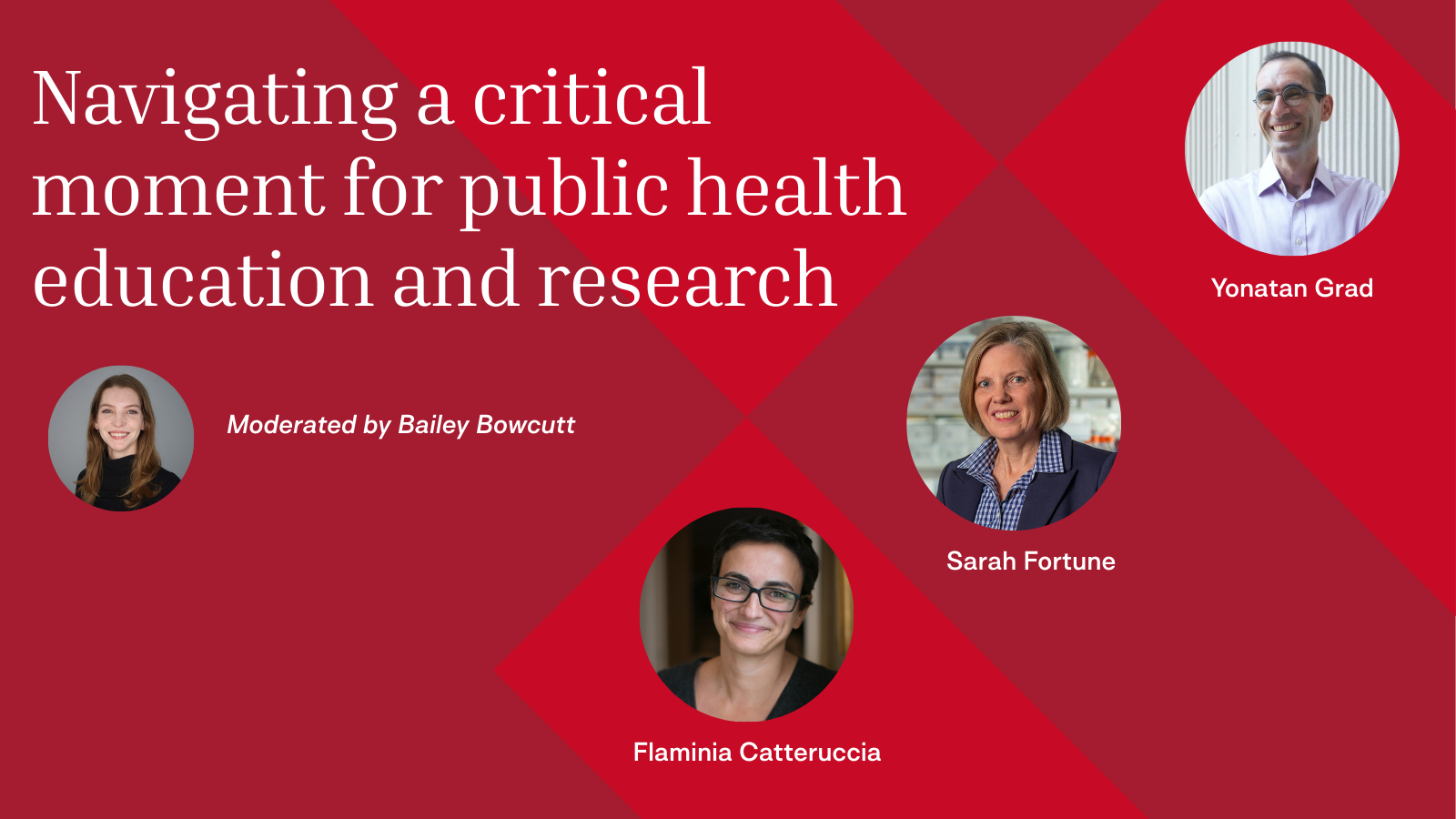
Navigating a critical moment for public health education and research
IID faculty panel discussion exploring the current landscape and future of public health research and education
-
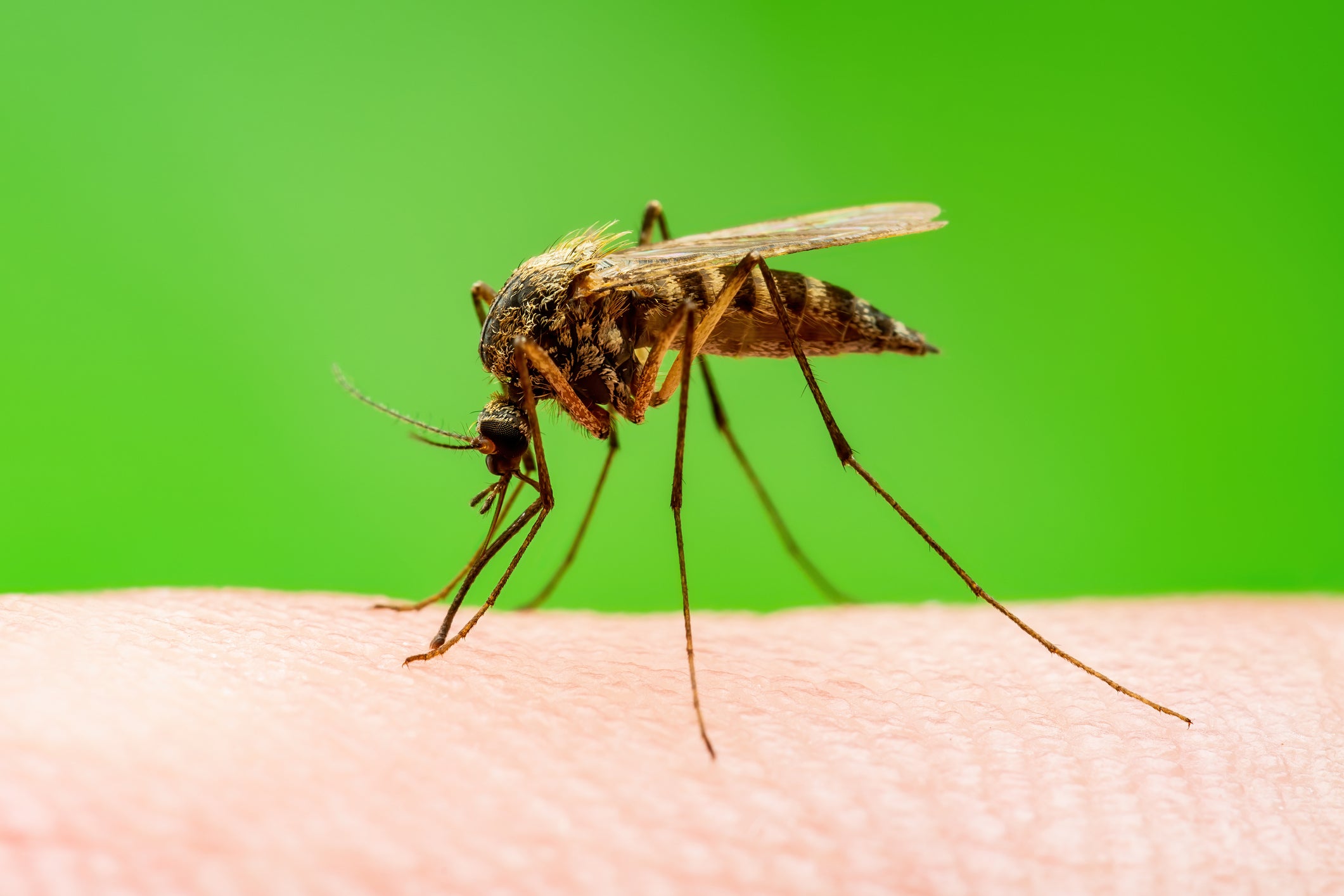
Discovering how malaria parasites survive and multiply
A new Harvard Chan School study can help scientists understand how malaria is transmitted from mosquitoes to people—and how it may be prevented.
-
Celebrating Alli Probst: A New Chapter in Public Health
“When I applied to PhD programs, the BPH program fit my research interests. I’m surrounded by people who are focused on public health for everyone, and that motivation ends up…

-
Nature Podcast “These malaria drugs treat the mosquitos — not the people”
Researchers have developed two compounds that can kill malaria-causing parasites within mosquitoes, an approach they hope could help reduce transmission of the disease.