Office of Field Education and Practice
Field education and hands-on practice are fundamental components of public health education, providing students with real-world experience and the opportunity to apply theoretical knowledge in practical settings.
677 Huntington Avenue
Boston, MA 02115
Fall 2025 Rose Service Learning Fellows
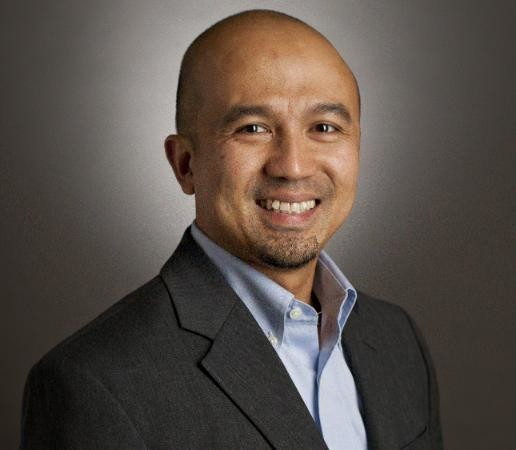
Raphael L. Aquino is a second-year Master of Public Health student in the Generalist program at Harvard T.H. Chan School of Public Health and the founder and executive director of The LAB Project, a 501(c)(3) nonprofit organization focused on improving children’s health literacy and access to educational and medical resources. His work centers on developing evidence-based, culturally responsive health education initiatives for underserved children, with a particular emphasis on storytelling, early childhood health, and global community partnerships.
Raphael is leading a community-engaged public health project in Manila, Philippines, focused on increasing health literacy among children ages 5–8 through storytelling and evidence-based children’s books. In partnership with J. Zamora Elementary School, the project integrates culturally relevant storytelling sessions, experiential learning activities, and essential resources, including handwashing and dental hygiene, to address preventable childhood illnesses. This service-learning initiative aims to strengthen early health literacy while building sustainable, community-driven models for child health education.
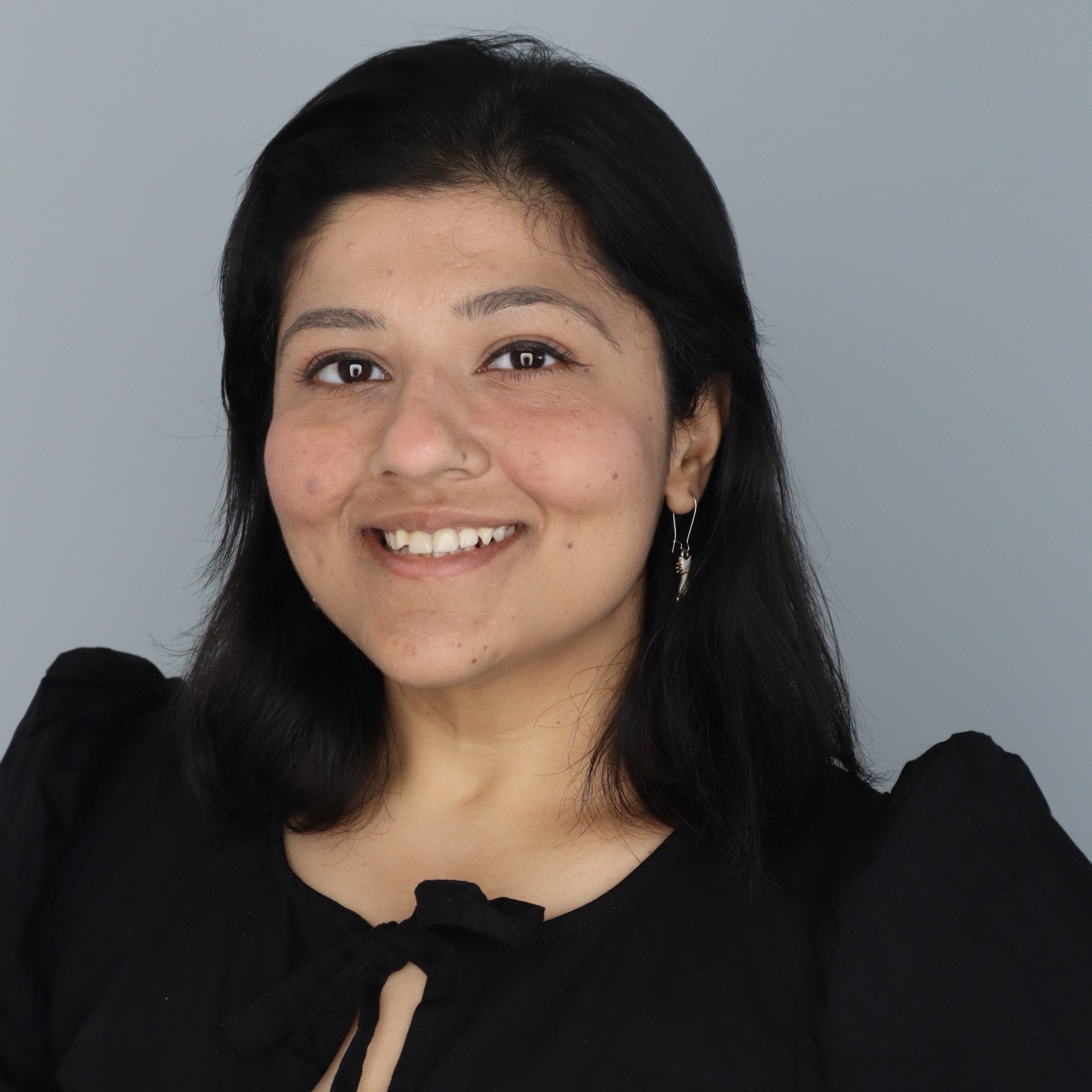
Priyam Bhushan Aturi is a Master’s of Public Health student in the health and social field of study, who is committed to advancing health equity and reducing disparities across diverse communities. She is a physician from India, and a seasoned Medical Affairs professional in the pharmaceutical industry. Her interests include accessibility, chronic diseases, mental health, and cancer care, and through the MPH program at Harvard, she is actively exploring new fields. She is the Student Government Health and Wellness Coordinator for 2025–2026, and also holds active leadership positions in the Lee Kum Sheung Center for Health and Happiness and the Student Alliance for Chronic Illness, Health Conditions, and Disabilities at Harvard Medical School.
Priyam’s project involves designing, piloting, and evaluating NestConnect, a real-time map tool for housing and resource navigation that improves access to transitional and supportive housing and other related services for those at risk of homelessness in Pensacola, Florida.
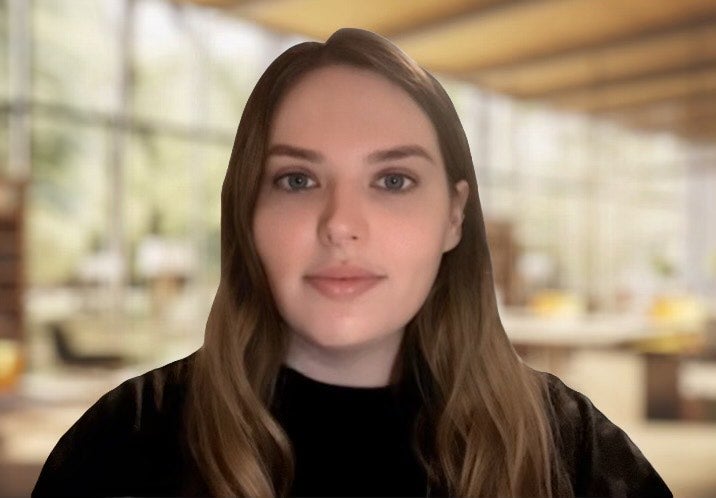
Kris Berg is an early-career public health social worker, strategic consultant, and researcher dedicated to advancing health equity across systems of care. As Co-Founder and Partner of Rose & Berg Consulting, Kris collaborates with organizations to design and implement equity-centered strategies that strengthen institutional capacity to serve marginalized populations. Kris also serves as a public health consultant with Initium Health and as a health literacy intern with the Massachusetts Department of Public Health Sexual and Reproductive Health Program. Previously, Kris worked in both acute and outpatient clinical settings, including the Boston Medical Center Emergency Department and Lighthouse Behavioral Health & Wellness Center, providing trauma-informed behavioral health support and conducting social determinants of health screenings and resource referrals. Kris has been recognized nationally, including as a 2025 NASW Promising Practitioner and Point Foundation Ambassador-Scholar.
Kris’s project focuses on supporting the national rollout of a new digital care-coordination tool to improve access to gender-affirming services. In San Francisco’s Bay Area, Kris is leading a behavioral health clinician pilot program focused on strengthening care navigation and culturally responsive support for transgender clients. Kris’s work includes assisting with implementation, gathering user feedback, and refining workflows for clinicians and community partners.
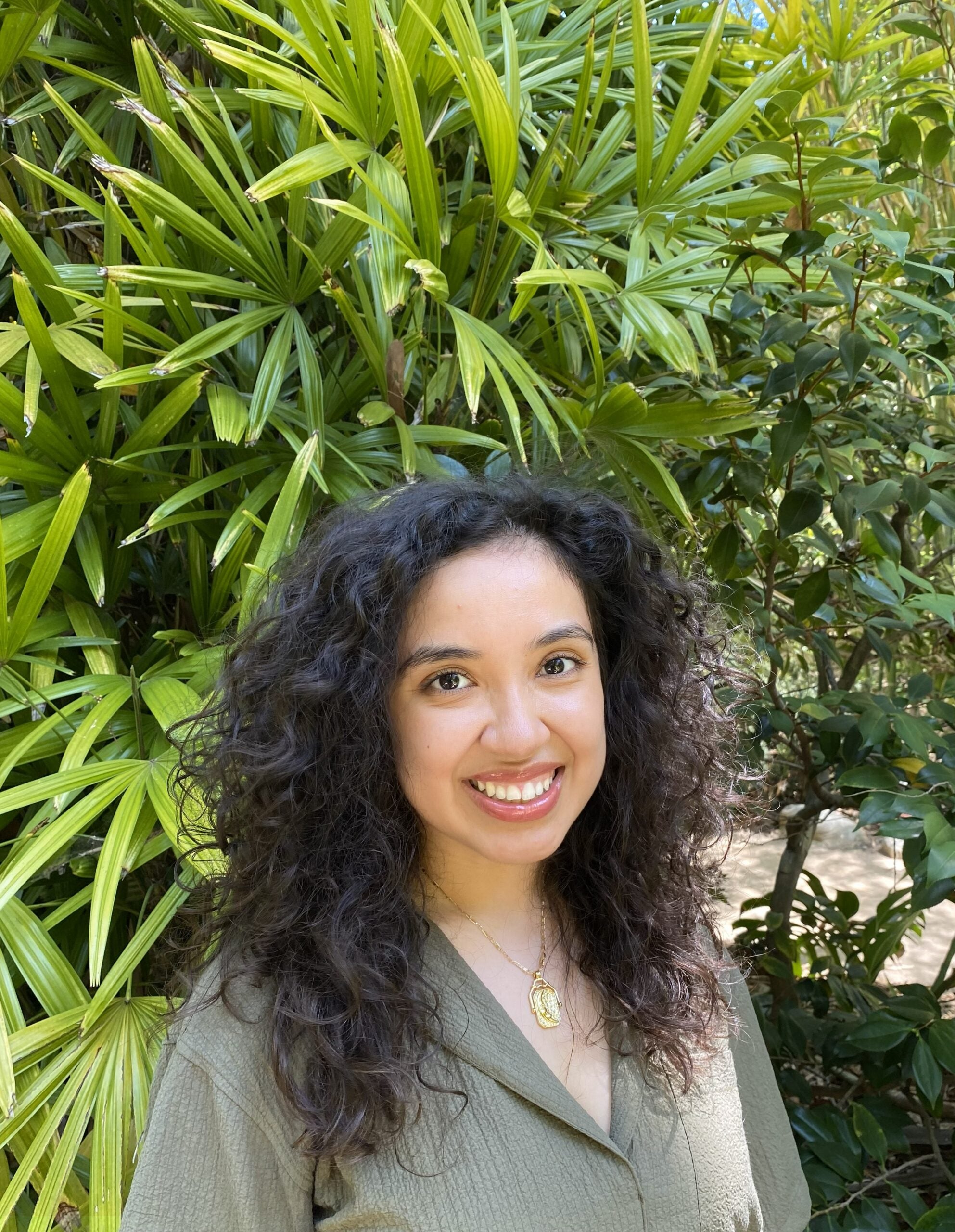
Stephanie Castellon is a Master of Public Health candidate at Harvard T.H. Chan School of Public Health, specializing in health and social behavior. Upon completion of her public health degree, Stephanie will returning to finish her final year of medical school at UCSF. Coming from East Los Angeles, California, she has a strong interest in the application of community-based partnership and participatory research to improve outcomes of medically underserved communities. Stephanie’s ultimate goal is to employ these strategies alongside her clinical work as an aspiring internal medicine physician.
Stephanie’s project is focused on creating culturally tailored health education materials on anemia for women and children who reside in the rural community of Estancia, El Salvador. Materials will focus on mitigating various causes of anemia such as folate and vitamin B12 deficiencies, heavy menstrual periods, and parasitic infections.
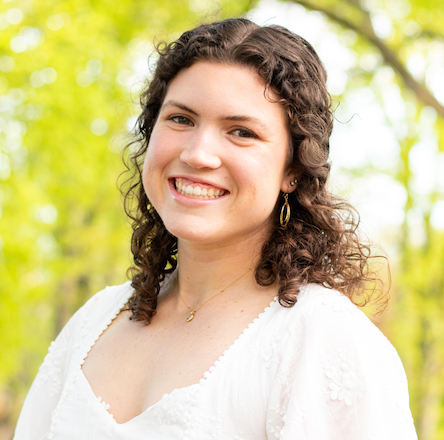
Cora Cunningham is a graduate student at Harvard Chan pursuing a Master of Science in the Department of Global Health and Population with concentrations in humanitarian studies and maternal and child health. With a strong research foundation and community-oriented focus, Cora brings a deep commitment to advancing global health equity through improved water, sanitation, and hygiene (WASH) access in crisis-affected and development settings. She has international research experience in Malaysia, Rwanda, and Nigeria. Currently, her research evaluates humanitarian WASH programs across more than thirty countries, aiming to reduce the burden of infectious diseases. She is the founder and president of the Harvard Chan Student WASH Organization and serves on the Executive Board of Move Up Global, an NGO dedicated to improving health and education outcomes in rural Rwanda. Outside of her academic and professional work, Cora enjoys traveling, playing volleyball, exploring art museums, and hiking.
Cora’s project evaluates the feasibility, acceptance, and family-reported outcomes of household water filters six months post-distribution in communities surrounding Volcanoes National Park in Musanze District, Rwanda. Alongside Rwandan colleagues, the project aims to build an evidence base to ensure project sustainability, inform strategies for scaling, and uphold the right to safe and clean water access in rural Rwanda.
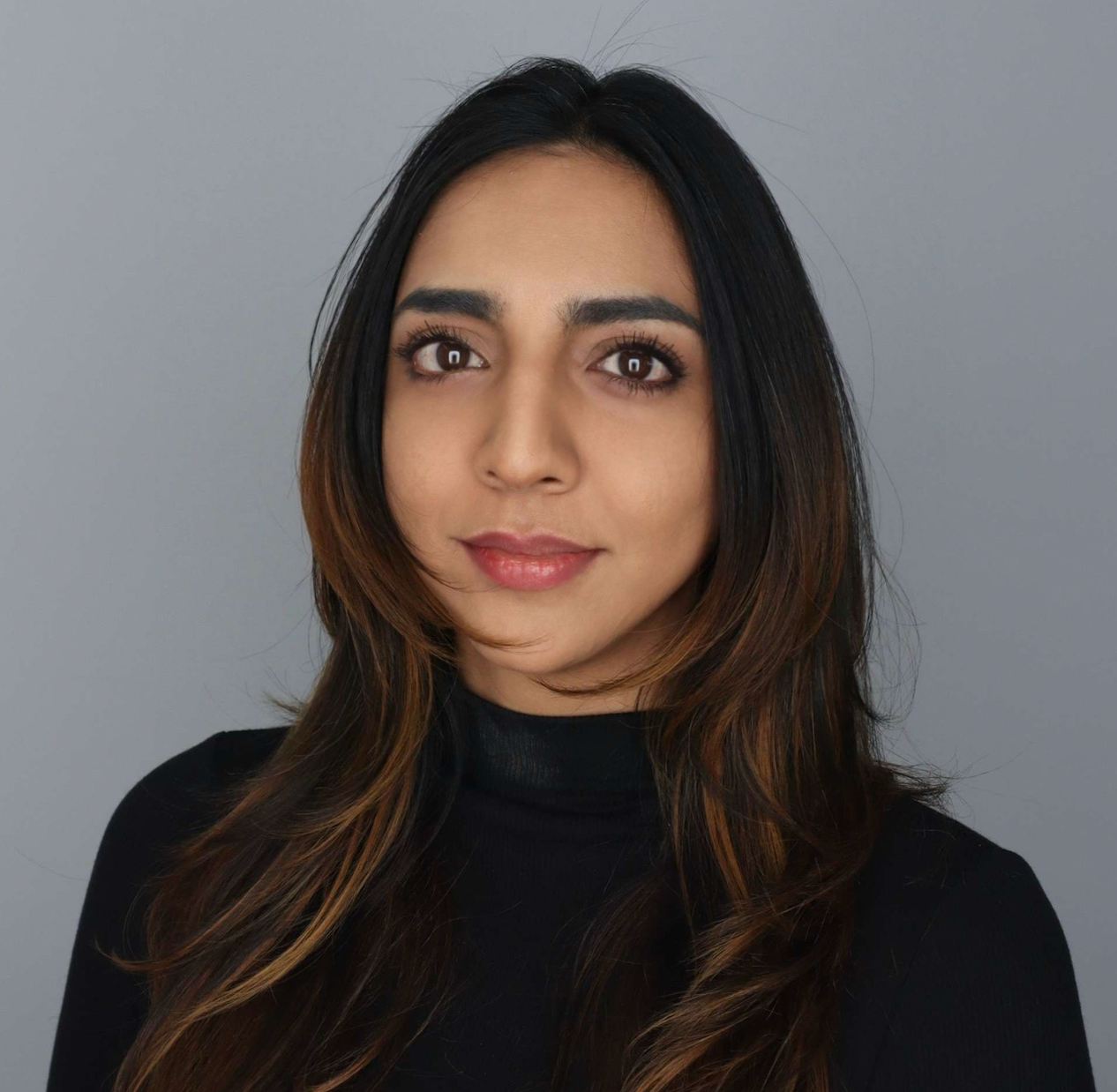
Junita Henry is a doctoral student in the Department of Global Health and Population, with research interests centered on maternal and child health. Originally from South Africa, she focuses on the Sub-Saharan African region, aiming to improve early childhood development outcomes. Her work is driven by a commitment to ensuring that young children thrive during the crucial early years of life.
This exploratory project investigates whether and how religion and spirituality shape caregiving practices in Khayelitsha, where religion and spirituality is central to daily life but largely under-explored. By building on trusted community partnerships and feeding findings back into local systems, this project seeks to inform more respectful, culturally grounded approaches to early childhood development—and to give back to a community that has long given to research.
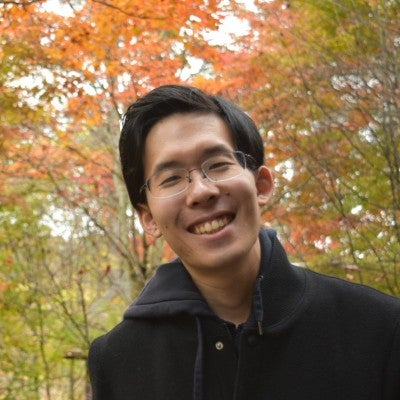
Renny Honda is a healthcare innovation expert from Japan with over ten years of experience spanning market research, product management, and partnerships. He began his career as a market researcher in Japan, conducting qualitative and quantitative analyses for the pharmaceutical industry, and later leading cross-sector collaborations to bridge technology, policy, and patient care. In Japan, he directed the development and dissemination of the country’s first AI-based software for the early detection of pulmonary fibrosis and osteoporosis. Most recently, at an international philanthropic organization, he conducted landscape analyses of health information systems in low-resource settings to advance equitable cancer care delivery. He holds a Bachelor of Laws from the University of Tokyo and is pursuing an MPH in health and social behavior at Harvard Chan, focusing on implementation science and health system strengthening.
This project establishes the operational foundation for breast and cervical cancer services in Laikipia County, Kenya, where women face year-long diagnostic delays and preventable cancer deaths. Integrating evidence-based landscape analysis with participatory co-design involving patients, health workers, clinicians, and the county epidemiologist, the initiative identifies gaps and develops early detection pathways, referral systems, and monitoring and evaluation infrastructure to enable The Leo Project’s 2026 service launch for underserved women.
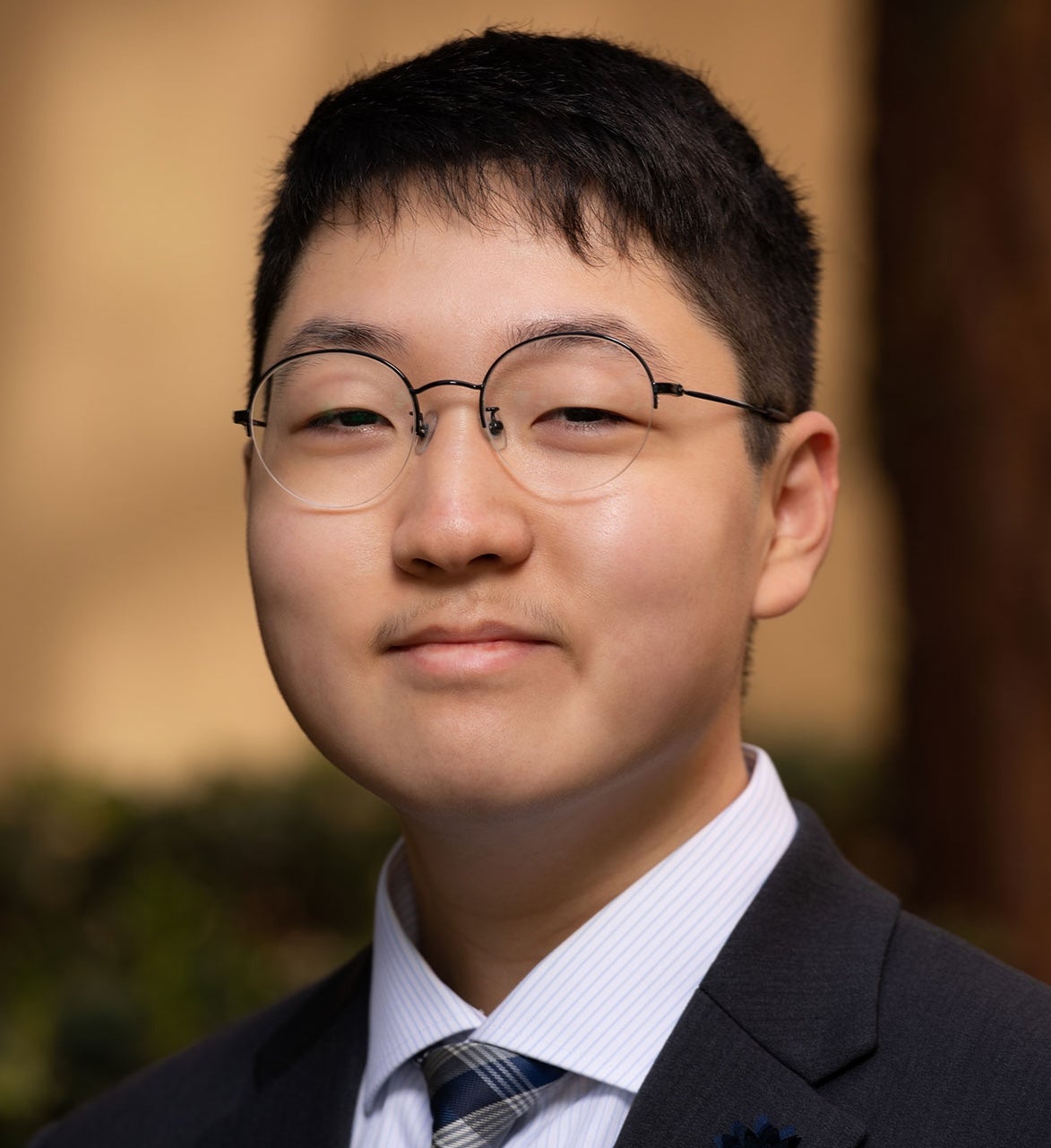
Yoon Sik is a master’s student in the Department of Environmental Health with a concentration in epidemiology. He is interested in how climate conditions, air quality, and environmental exposures affect population health, and in developing practical, community-centered responses to those risks. His broader goal is to work at the intersection of environmental science and public health practice, focusing on heat, housing, and exposure reduction.
Yoon Sik’s project focuses on improving heat resilience in Phoenix, Arizona neighborhoods that face high exposure and limited cooling resources. He will work with local partners to distribute Community Cool Kits to residents and run a Heat-Safe Playgrounds Design Challenge. The project combines field engagement, practical interventions, and simple temperature monitoring to support safer indoor and outdoor environments.
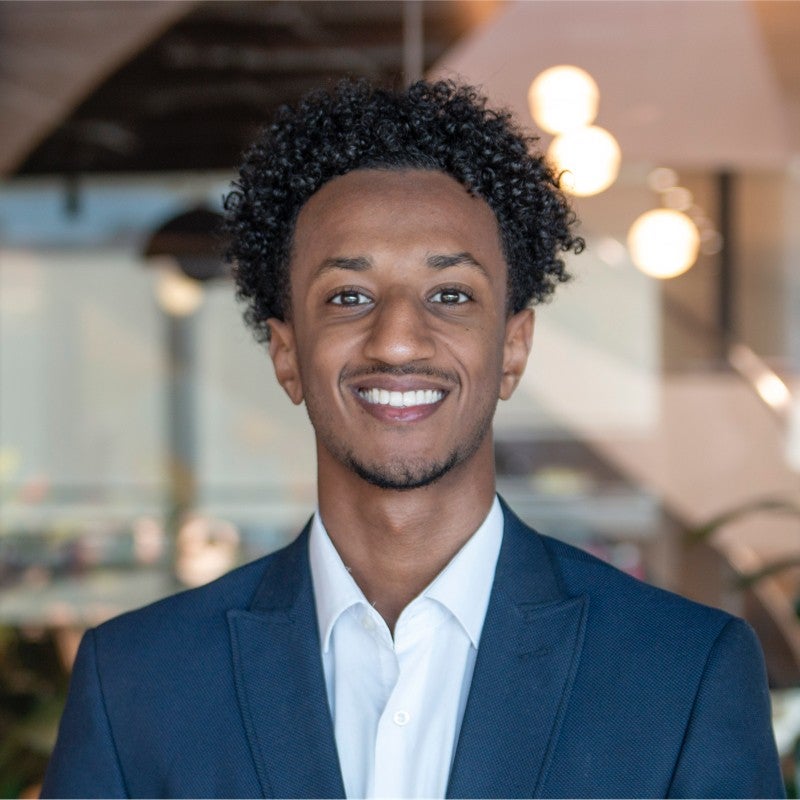
Zakaria Mohammed is a UK-trained physician and MPH student at Harvard whose work centers community-led healing and wellbeing in post-conflict settings. Rooted in his Eritrean heritage and his family’s displacement story, he approaches global health through humility, partnership, and reflexivity. He aims to contribute to long-term systems that support community health workers and hopes to adapt insights from Rwanda to future work in the Horn of Africa.
Zakaria’s project partners with the Ubuntu Center for Peace in Rwanda to explore burnout and resilience among community healing assistants who facilitate trauma-healing in post-conflict communities. Through qualitative interviews and participatory workshops, he will document their lived experiences and coping strategies to inform Ubuntu’s future wellbeing program design. The project centers community voice and cultural context in shaping sustainable support for frontline healers.
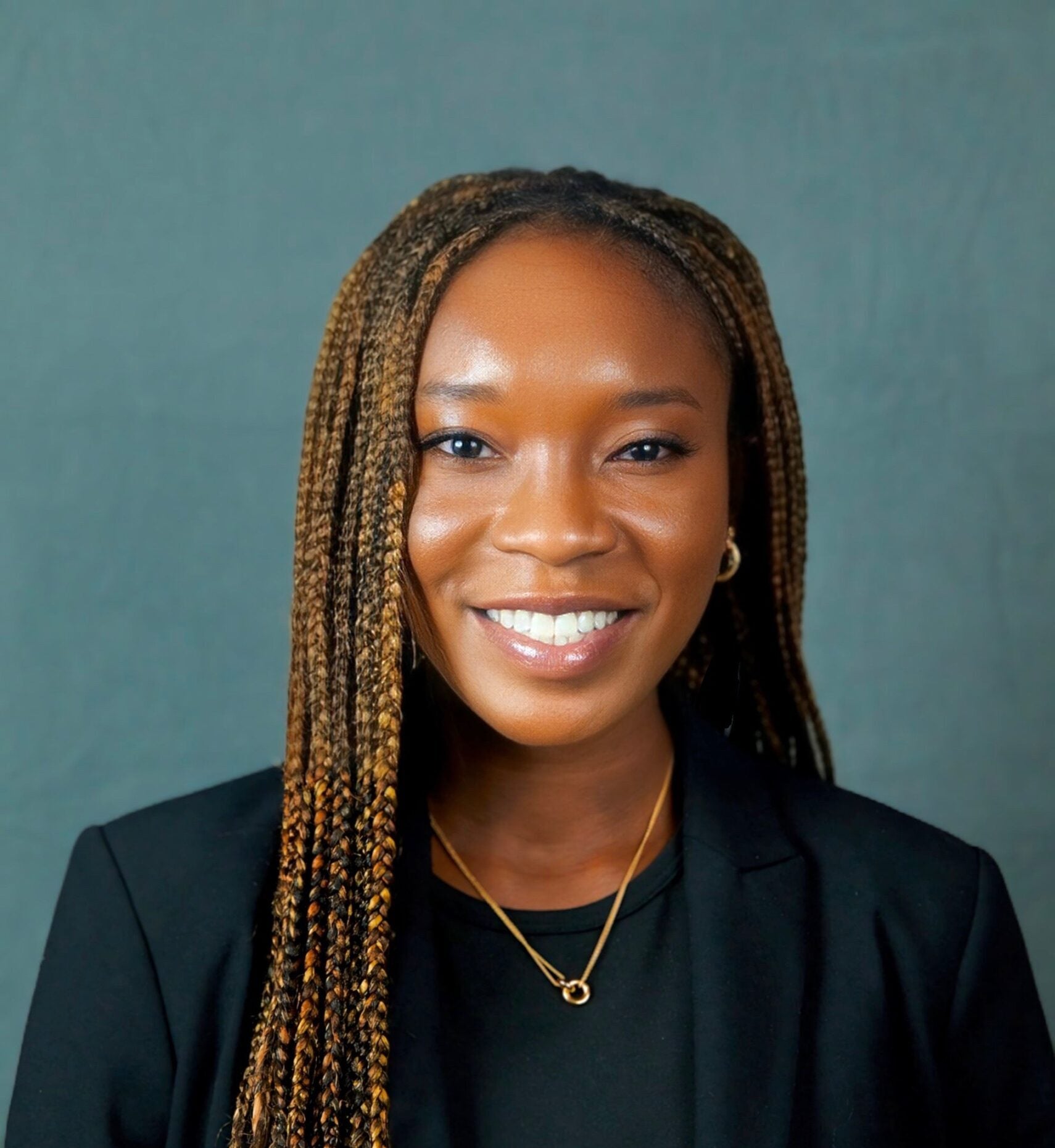
Afua Ofori-Darko is an MD/MPH student interested in how clinical medicine, public health, and health innovation can work together to improve care for underserved communities. She has contributed to projects in medical AI, community health programming, and health literacy, using interdisciplinary approaches to strengthen access and quality. Afua hopes to apply these interests to develop forward-thinking, patient-centered solutions in clinical practice. Outside of her academic work, she enjoys playing and watching tennis, traveling, and reading.
Afua’s project focuses on expanding her previous work with Advantage Cleveland Tennis & Education’s literacy program into a mobile, youth-led health advocacy model serving K–5 students across Cleveland, Ohio. Through rotating Read, Learn, Serve events, children participate in health-themed reading circles, tennis-based movement activities, and a creative action station where they author simple health messages for peers and families. The project builds youth voice, strengthens community health literacy, and equips Advantage Cleveland Tennis & Education with sustainable materials and volunteer training to continue the work beyond the fellowship period.
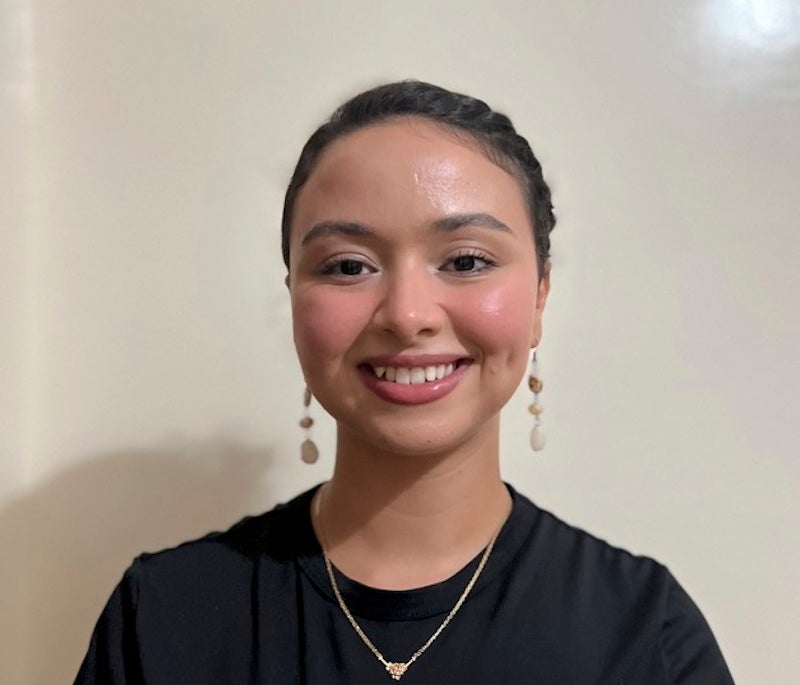
Imane Oubtrou is a Master of Science student in epidemiology at the Harvard T.H. Chan School of Public Health. Her work focuses on advancing health equity and improving mental health outcomes among immigrant and underserved populations. Having grown up in Morocco, her lived experiences inform her commitment to culturally responsive and community-centered approaches. For the past four years, she has worked at Boston Children’s Hospital, supporting clinical research on pediatric endocrine disorders and long-term patient outcomes. In addition to her research experience, she serves as a course administrator at Harvard Chan and mentors first-generation graduate students. Imane’s work reflects a deep dedication to bridging research and community engagement to inform more inclusive and effective health programs.
Imane’s project looks at ways to better understand and support the mental health needs of young people in Morocco. She will assess adolescent mental health priorities and co-develop training materials that build mental health literacy and basic psychological support skills. Her goal is to create youth-centered tools that address gaps in existing resources and strengthen programs that meet young people where they are and reflect their lived experiences. Her work is informed by her experience as a first-generation Moroccan immigrant and her commitment to expanding culturally grounded mental health support for youth.
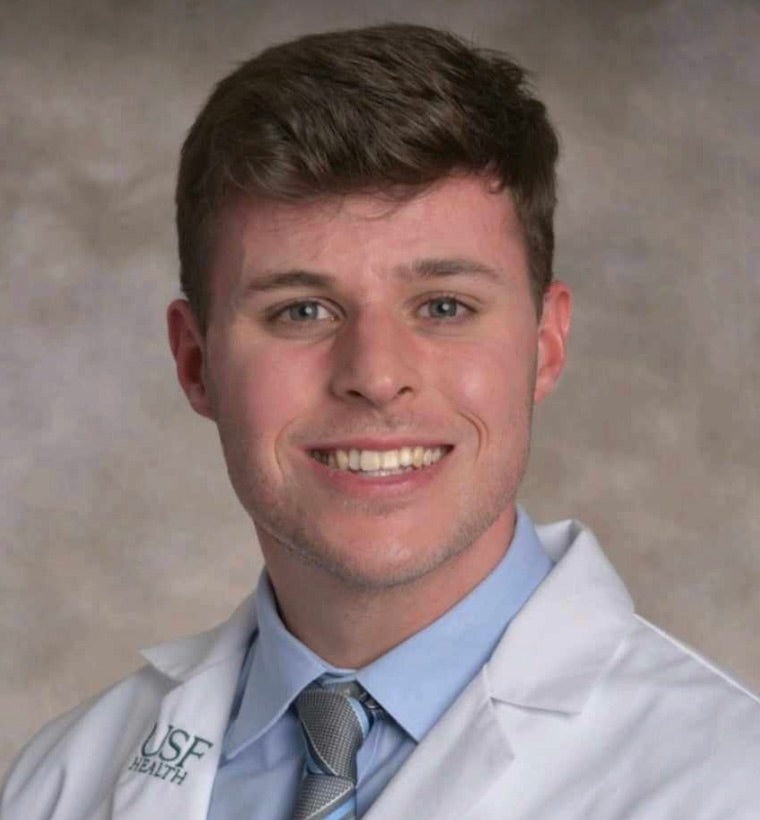
William Sayre is a Master of Public Health student at the Harvard T.H. Chan School of Public Health, concentrating in health policy. He holds a bachelor’s in sports medicine and exercise physiology from Rice University and is an MD candidate at the USF Health Morsani College of Medicine. His work bridges clinical medicine, public health, and nutrition. Prior to Harvard, he dedicated himself to service-learning through AmeriCorps and research spanning nutrition interventions, healthcare access, and pediatric well-being. His current focus is on how government policy can advance equitable access to care and nutrition.
Will’s project focuses on strengthening the Massachusetts Healthy Incentives Program (HIP) by collecting community-informed feedback from SNAP (Supplemental Nutrition Assistance Program) and HIP clients. Working with the Massachusetts Department of Transitional Assistance, local farmers, food pantries, and other community partners, he will co-design and administer multilingual surveys to assess clients’ experiences with HIP’s messaging, programming, and barriers to participation. The findings will inform program and policy improvements that better align HIP with client and community needs.
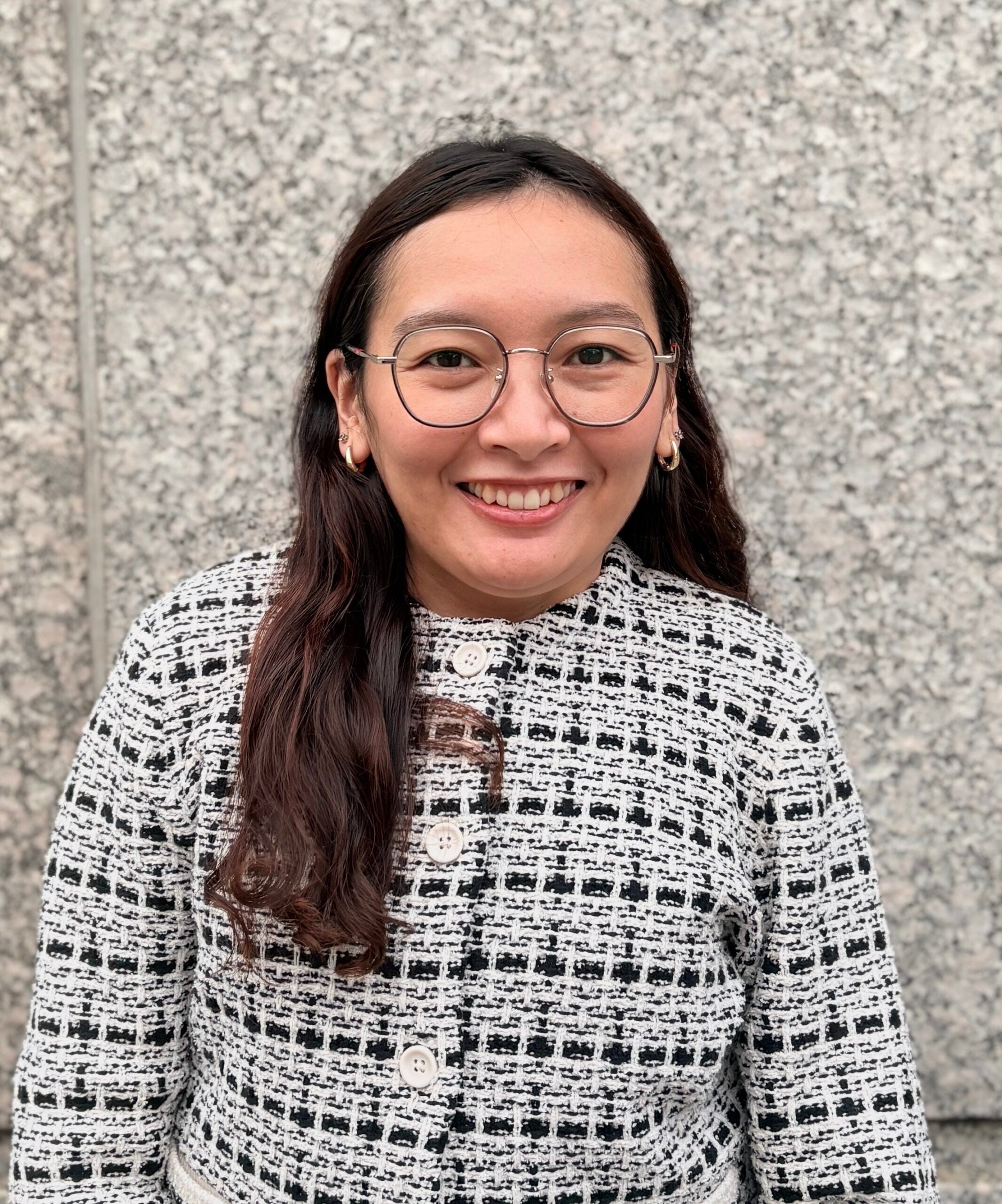
Leni Agnes Siagian is a medical doctor and MPH-45 health management student with extensive experience serving rural and underserved communities in Indonesia. She previously worked in HKBP Hospital, where she led medical services, strengthened HIV care access, and collaborated closely with HKBP AIDS Ministry. Her work spans clinical care, community health programs, and health-systems management, with a focus on reducing disparities for vulnerable populations. Leni is passionate about integrating compassionate, community-driven support, including mental health and HIV care, into resource-limited health systems to ensure that underserved communities receive dignified, continuous, and people-centered services.
Leni’s project uses a community-engaged approach to support the emotional well-being of HIV-affected youth in North Sumatra. Partnering with HKBP AIDS Ministry, she will co-design expressive-writing workshops and peer-support groups with the young people themselves, conduct depression and anxiety screenings, and establish a culturally grounded referral system for mental-health care.
Sonali Verma’s experience as a cancer survivor revealed systemic gaps in care, inspiring her life-long commitment to designing human-centered systems, services, and technologies that address unmet needs in today’s healthcare systems. For seven years, she led user research projects at Google Health AI and Verily across six countries, guiding the design and deployment of AI-powered innovations in breast cancer, dermatology, pathology, maternal health, and ophthalmology. She collaborates with last-mile communities to co-design and scale AI and telemedicine tools that improve early detection. Trained at UC Berkeley and Harvard, Sonali’s mission is to advance global cancer care by ensuring health system innovations are built with, not just for, communities.
Sonali is partnering with The Leo Project to establish the rural county’s first oncology center, bringing cancer treatment to a region of over half a million people who currently lack access to cancer care. Her work focuses on mapping the new breast cancer care pathway, addressing lethal diagnosis-to-treatment delays and fragmented referral systems. She aims to use community-based participatory research and co-design to uncover service gaps and build a patient-centered oncology care model tailored to local needs.
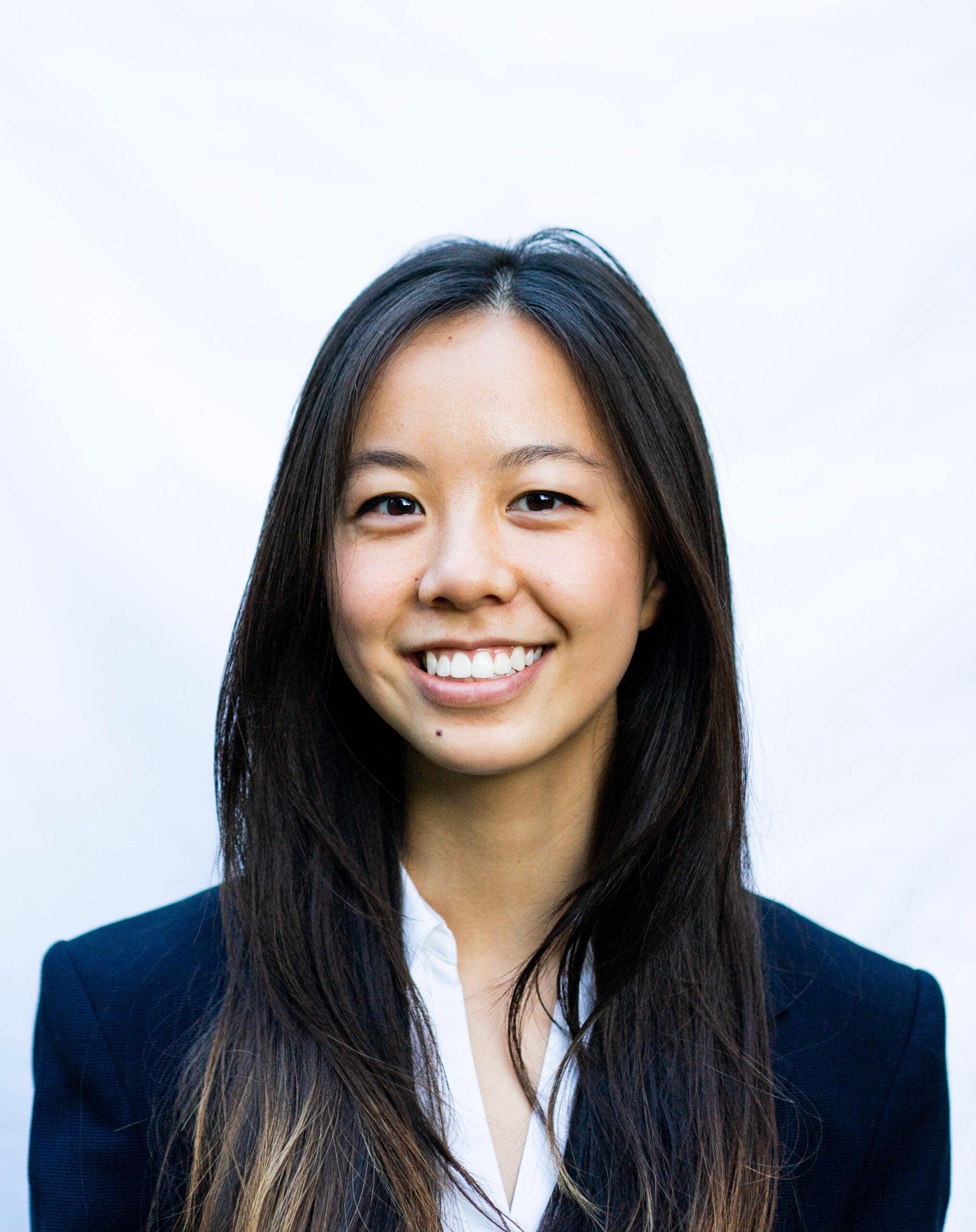
Angelina (Angie) Wei is guided by the principle of accompaniment and shaped by her formative experience as a care navigator and interpreter for her grandparents, witnessing how insurmountable costs, language barriers, and mistrust create barriers to care. This foundational “why” led Angie to the Mobile Clinic Project in 2018. Starting as a caseworker, she grew into a companion and later a medical student coordinator. Through the profound generosity and pedagogical expertise of clients experiencing homelessness, she learned invaluable lessons: true care requires deep listening and consistent presence. In a fragmented healthcare system, ensuring that individuals felt seen, safe, and prioritized required trust and a continuous practice of vulnerability, reflexivity, and humility. Fueled by a commitment to reimagining a more just model of care, Angie is pursuing an MPH at the Harvard Chan School.
This project partners with the Mobile Clinic Project (MCP) in Los Angeles, California to address a core gap in service-learning: volunteers are rarely trained by clients themselves. We will build a program in which clients experiencing homelessness use storytelling tools such as photography and journaling to create their own curriculum. This permanent, client-controlled archive will train future volunteers, grounding their service in the dignity and humanity of the community they serve.