Too much light at night may harm health
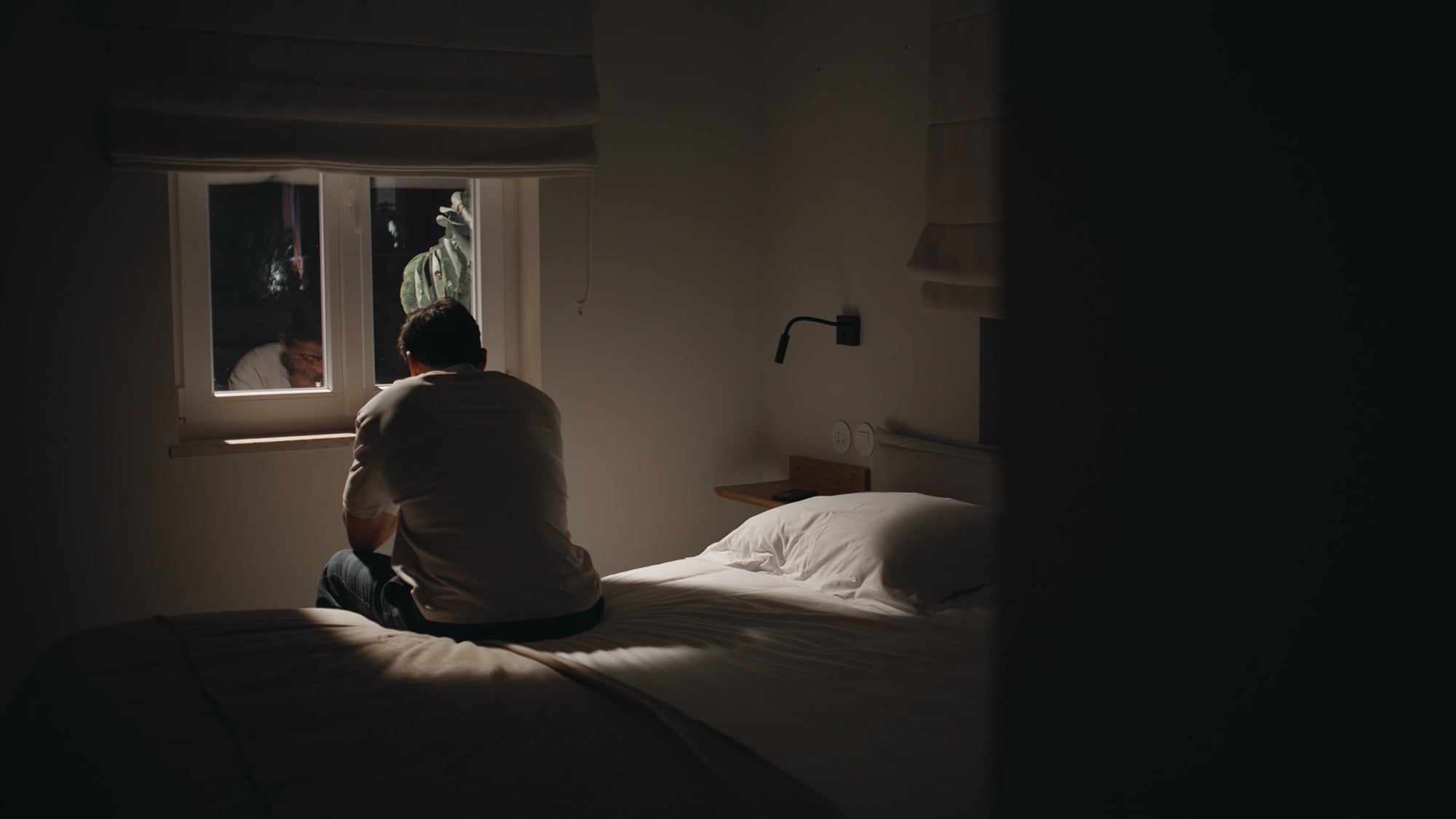
A lot of light at night—for example, from screens or streetlights—can lead to health harms, according to experts.
In an April 14 article in Prevention, researchers noted that the human body has evolved to respond to bright light during the day and complete darkness at night, but in today’s world, people can be exposed to light at all hours. This additional exposure has been linked with sleep problems as well as serious issues such as diabetes, cancer, and stroke, the experts said.
One of those quoted was Eva Schernhammer, adjunct professor of epidemiology at Harvard T.H. Chan School of Public Health. Schernhammer noted that the hormone melatonin plays a large role in our bodies’ response to light and dark. The darker it gets, the more melatonin our bodies produce. The hormone helps us fall asleep but also performs other functions in the body, she said: “Melatonin attaches to receptors on every cell in the body, influencing numerous aspects of health.”
The article cited a number of studies that have found links between excessive light exposure and cancer—including a study co-authored by Schernhammer that found that, among thousands of nurses, those with lower levels of melatonin (meaning that they spent less time in darkness) had higher rates of breast cancer.
The article noted several steps people can take to protect themselves from too much light exposure, such as blocking outside light from entering bedrooms, turning off the TV, and covering LED indicator lights on electronic devices.
Read the Prevention article: Too Much Light at Night? Here’s What It’s Doing to Your Body