Health Coverage Fellowship for journalists marks 25th anniversary
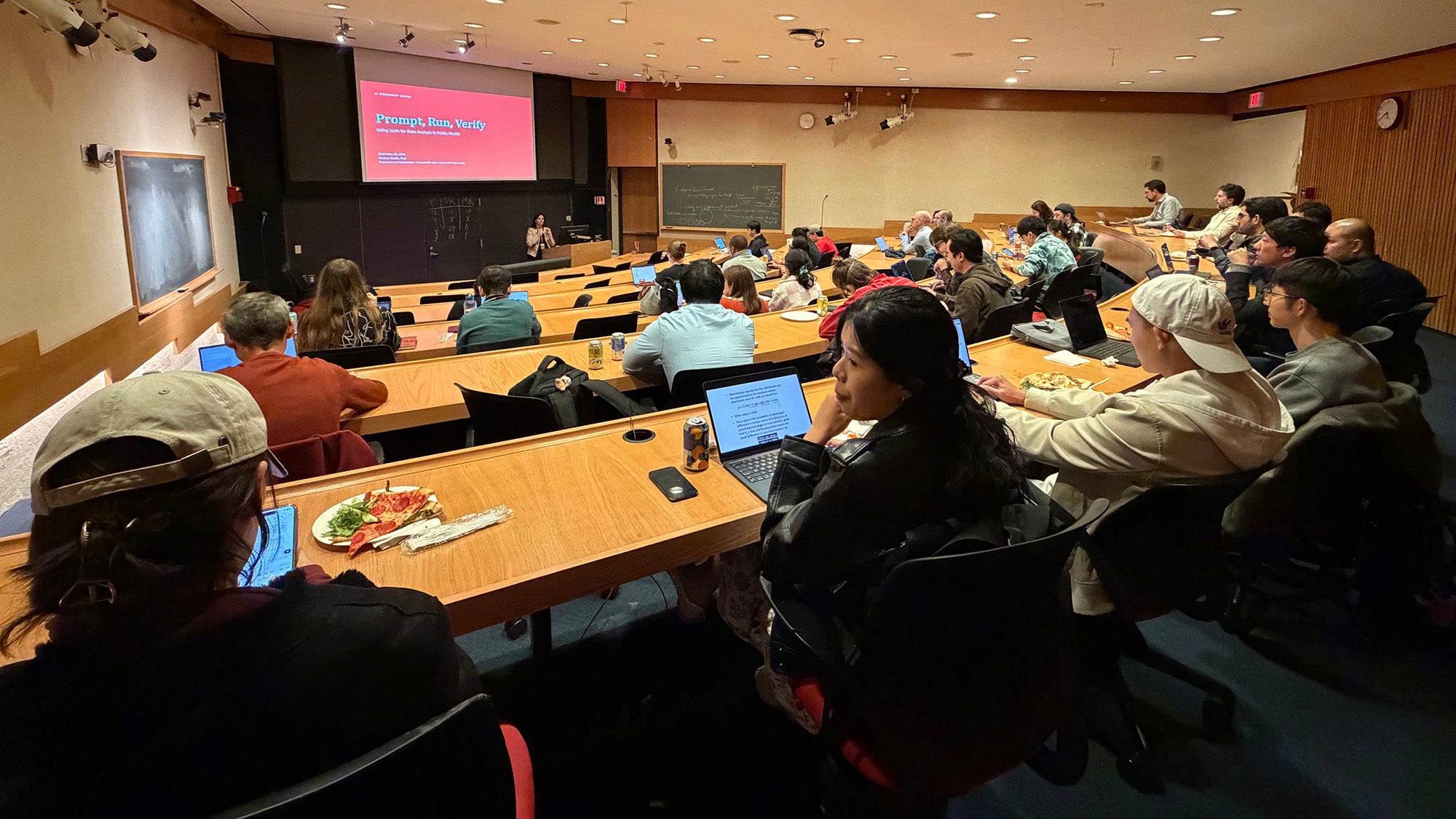
As political intimidation, economic contraction, and technological disruption reshape the news business, 13 reporters and editors from around the world gathered recently outside Boston for the 25th year of the Health Coverage Fellowship, an initiative of Harvard T.H. Chan School of Public Health’s Center for Health Communication.
The fellowship, which ran from Sept. 11-19, has a simple aim: helping print, online, and broadcast journalists beef up their coverage of health issues.
More than 75 speakers took part this year, including the top editors at the New York Times, NPR and Reuters; the presidents of Harvard, the University of Michigan, and Johns Hopkins; and the heads of the National Institutes of Health (NIH), World Health Organization, and Centers for Medicare & Medicaid Services. The fellows, some new to the profession and others long-time scribes, also learn from one another.
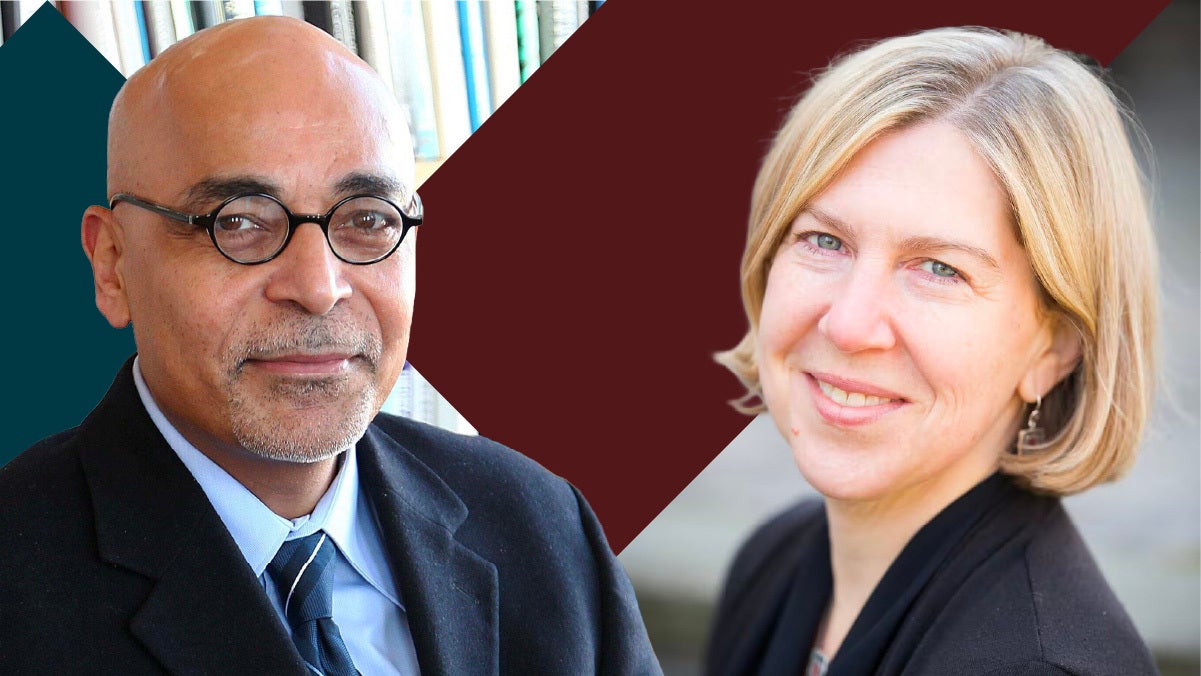
“In these days of overstretched budgets and understaffed newsrooms, journalists almost never have time to break away and reflect on how to improve their coverage,” said former Boston Globe medical reporter Larry Tye, the fellowship’s director since its inception in 2002. “After nine days and nights with us, they return to their newsrooms with a long ledger of stories they’re eager to cover and confident they can make a difference.”
“People have access to more health information than ever, but it has become harder to know what—and whom—to trust,” said Amanda Yarnell, a former science newsroom executive and senior director of the Center for Health Communication. “Journalists help the public navigate this uncertain terrain—they help people make sense of evolving evidence, genuine uncertainty, and competing claims. The fellowship is designed to support them to do this even better.”
The opening keynote speaker for this year’s fellowship was Joe Kahn, the New York Times’ executive editor. He emphasized that health is the area of coverage that his readers care about most—and that he does, too—especially at a time when basic truths are being called into question.
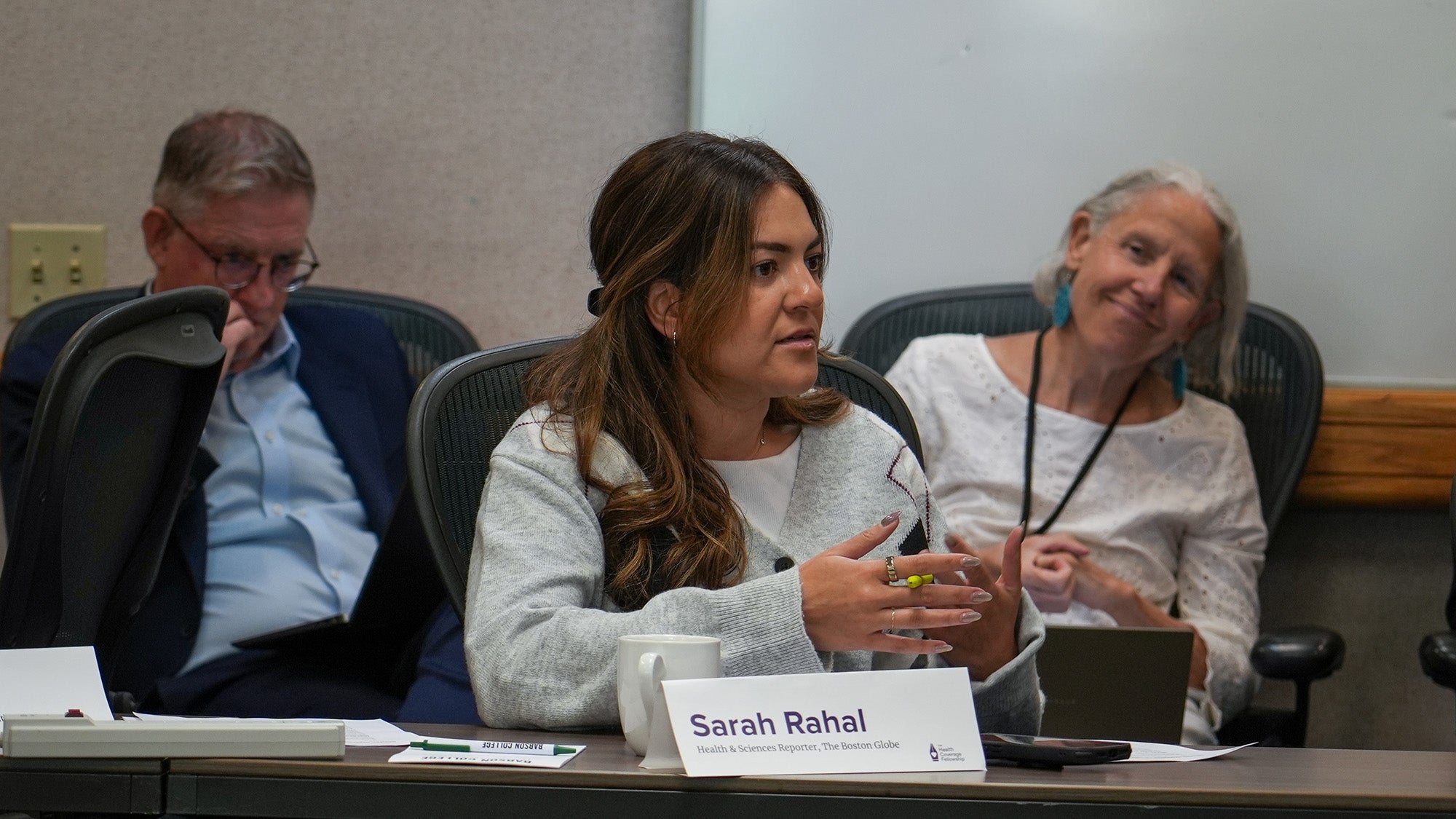
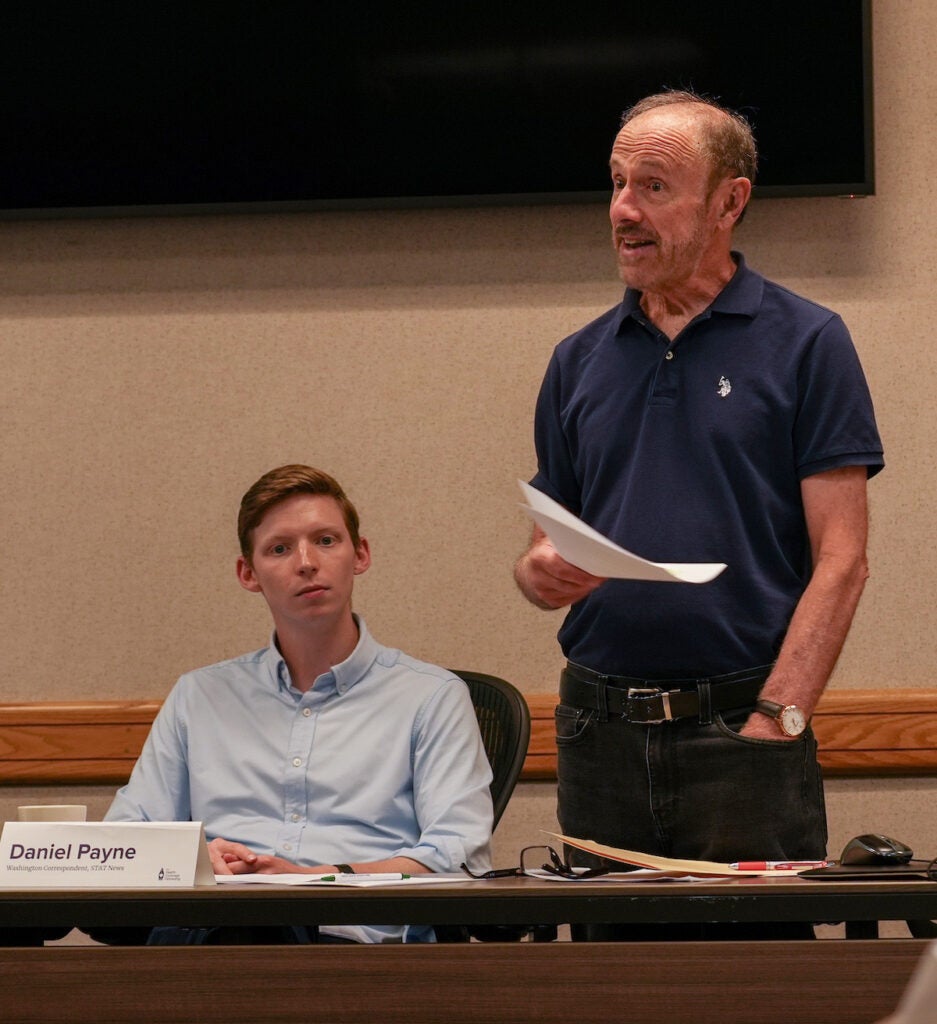
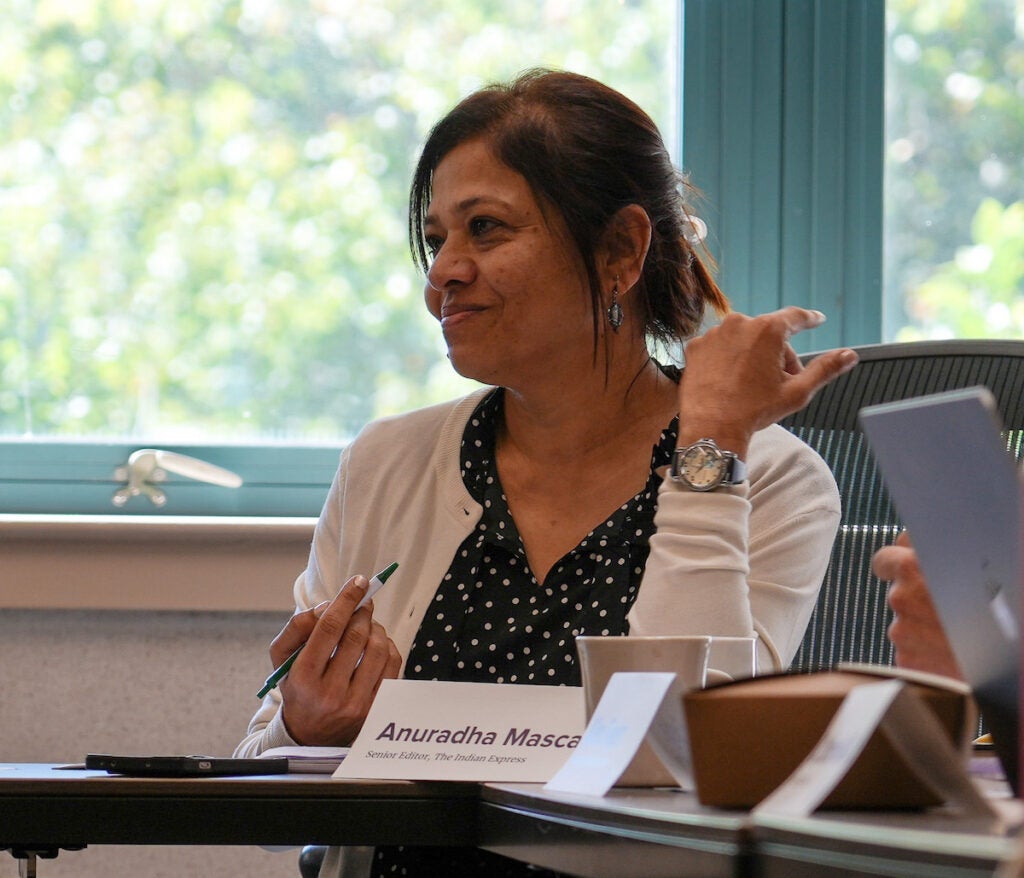
This year’s fellows were Scott Hensley from NPR, Hannah Kaufman of the Kennebec Journal & Morning Sentinel in Maine, Anuradha Mascarenhas from Indian Express, Sarah Neville of the Financial Times, Sarah Owermohle from CNN, Daniel Payne of STAT, Maggie Penman from the Washington Post, Sarah Rahal of the Boston Globe, Amanda Seitz from KFF Health News, Allen Siegler of Mississippi Today, Sheryl Gay Stolberg from the New York Times, Cris Villalonga-Vivoni of Hearst Media/CT Insider, and Nicole Villalpando from the Austin American-Statesman.
Fresh ideas, new sources
When NPR reporter Rhitu Chatterjee participated in the fellowship in 2019, she had recently begun covering mental health after many years covering science, the environment, and global health. She wanted to learn more about health in the U.S. “The fellowship was an immersive introduction to the American health care system and its problems,” Chatterjee said. “What I learned over the course of the fellowship might have taken me a year or two to learn on the job. I came away with fresh ideas, insights, and new sources.”
Chatterjee also forged enduring friendships with those she met during the fellowship. “Larry himself has had a lasting impact on so many of the fellows, including me,” she said. “He has been a mentor, a friend, and a cheerleader.”
An annual tradition of the fellowship is to invite the previous year’s cohort back for the first weekend, for a refresher course of sorts—an opportunity to meet a new set of experts, share ideas with the current year’s fellows, and support continuity across fellowship years.
Another tradition brings fellows to the streets of Boston with leaders of Healthcare for the Homeless and other organizations, to see first-hand the challenges faced by the unhoused. Participants also break into small groups throughout the week to learn about specific topics such as how AI is transforming health care, new solutions to serious mental illnesses, breakthroughs in cancer treatment, and other innovations.
Sparking inspiration
Back at work, fellows typically produce an average of a hundred stories a year that they say were a direct outgrowth of their participation in the fellowship. In the program’s first year, Ellen Barry, now the mental health reporter at the New York Times and then working for the Boston Globe, wrote about a homeless man living in a tree, a story that made her a Pulitzer finalist. Many awards, including a Pulitzer, have flowed in since to the fellowship’s 300 alumni.
“One topic I have covered over the years that was inspired by the fellowship is the health risks of cannabis,” NPR’s Chatterjee said. “A key source for those stories is Dr. Nora Volkow, the director of the National Institute on Drug Abuse, who spoke at the fellowship. I also learned about the challenges families face in getting insurance coverage for mental health care, and that’s been an ongoing thread in my coverage.” She added, “The fellowship was the best possible return on investment for 10 days out of the newsroom.”
The fellowship recently began year-round programming, hosting virtual meetings with speakers including former NIH Director Francis Collins, health care entrepreneur Mark Cuban, leaders Richard Besser from RWJF and John Palfrey from the MacArthur Foundation, and futurist Eric Topol.
The fellowship was founded by Blue Cross Blue Shield of Massachusetts Foundation, which remains a funder along with a dozen other charities.
Photos: Sellers Hill