‘Mimicking’ fasting for longevity and disease prevention
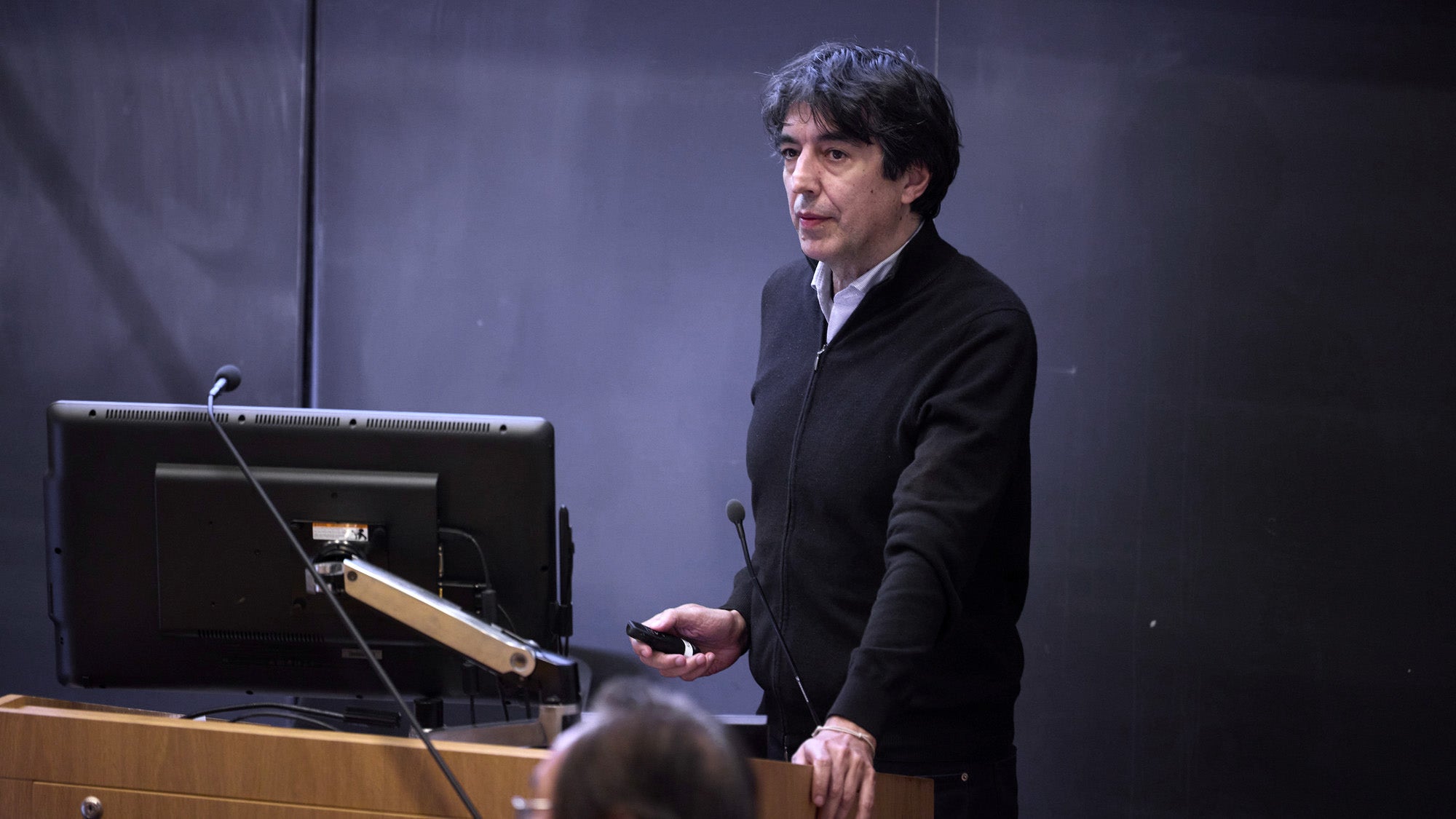
Eating a five-day Fasting-Mimicking Diet (FMD) several times a year may help extend longevity and reverse signs of disease, Valter Longo recently told an audience at Harvard T.H. Chan School of Public Health. This low-calorie plant-based nutritional program designed by Longo and colleagues tricks the body into believing it is fasting—providing the health benefits without the potential health problems fasting can cause for some.
Longo, Edna Jones Professor in Biological Sciences and Gerontology at the University of Southern California Leonard Davis School of Gerontology, delivered the 21st annual Stare-Hegsted Lecture on Nov. 9 in Kresge G3 and on Zoom. Sponsored by the Department of Nutrition, the annual event honors department founders Fredrick Stare and D. Mark Hegsted.
The FMD—which is low-sugar, low-protein, and high in healthy fats—came out of the Longo lab’s discoveries about nutrient-sensing pathways and how those pathways influence aging and age-related diseases. It’s now available in commercial kits which include pre-portioned soups, drinks, supplements, and snacks. (Longo consults for the company that makes them but donates his fees to charity.) The diet has been carefully formulated based on extensive research and would be difficult for individuals to safely replicate on their own, according to the company. Longo also wrote a book on his longevity diet aimed at the general public.
During his lecture, Longo explained that the FMD triggers stem cell activation, cellular reprogramming, and autophagy (a sort of cellular recycling system). In over 40 clinical trials, his team has investigated the potential beneficial effects of five-day FMD cycles on cardiovascular health, biological aging, and a range of age-related diseases.
The findings Longo shared included:
- Reduced body weight and abdominal fat without affecting lean muscle mass
- Restored normal glucose levels in pre-diabetic patients
- Reduced biological age by around 2.5 years based on blood markers
- Enhanced chemotherapy and hormone therapy effectiveness in cancer patients
- Reduced Crohn’s disease markers and chronic kidney disease damage markers
Longo stressed that FMD is a complement to existing therapies, not a replacement. He is continuing to explore its potential as a preventive intervention, for example in people with a genetically high risk of Alzheimer’s disease and hopes to see it become more integrated in clinical practice as part of doctors’ therapeutic toolkits.