Microplastics and women’s health: what we’re learning from new research
Microplastics are turning up all over our bodies, from our lungs and brains to even the placenta during pregnancy. In a recent research summary for JAMA, scientists in the Mahalingaiah Lab and other colleagues within the Department of Environmental Health at the Harvard T.H. Chan School of Public Health make a clear case that we need to take microplastics seriously, both as individuals and as a global community1.
What are microplastics?
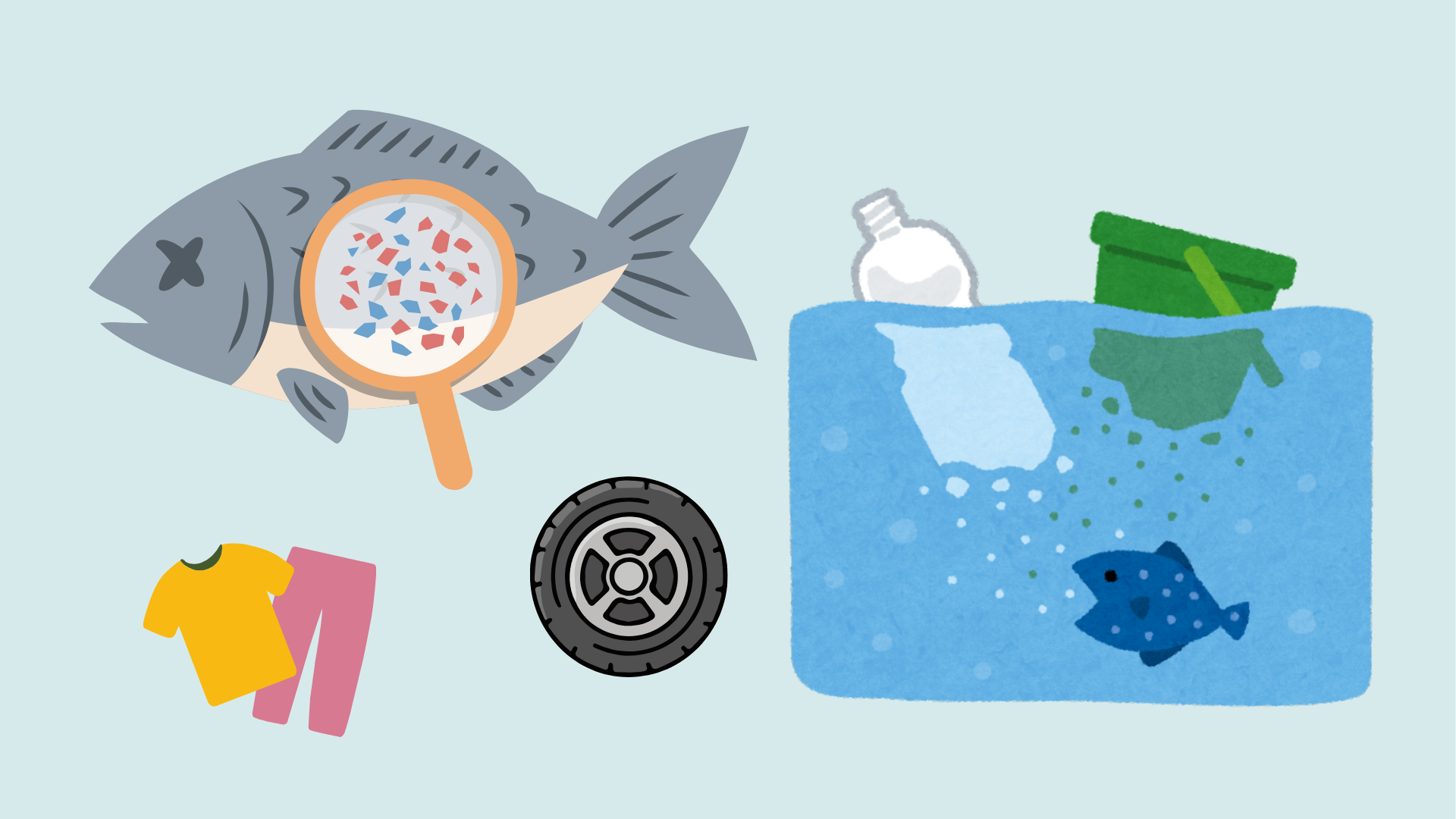
Microplastics are tiny pieces of plastic less than 5 millimeters in size (smaller than a grain of rice in diameter). They can be:
- Primary microplastics: manufactured at a small size (for example, certain cosmetic beads or industrial pellets), or2;
- Secondary microplastics: created when larger plastic items (bags, bottles, clothing fibers) break down into smaller fragments over time.
Plastic production has nearly doubled in just the last 20 years, and it’s expected to increase by another 70% by 20403, authors Dr. Shruthi Mahalingaiah, Kari C. Nadeau, and David C. Christiani explain. With the increase in plastic use comes an increase in the tiny fragments that shed, break off, and disperse into the air, water, and food we rely on for daily life.
A number of chemicals linked with plastic production or just plastic materials themselves can cause concern for our health. Some of these chemicals are known or suspected endocrine disruptors, affecting hormones that are central to reproduction, metabolism, and development.
How do microplastics get into our bodies?
You don’t have to intentionally eat plastic for it to end up inside your body. Microplastics mostly enter the body in two ways:
1. Inhalation (breathing them in)
Tiny airborne particles can be released from:
- Synthetic clothing and textiles (for example, fleece, polyester, or many common materials found in activewear);
- Household dust;
- Car tires and road dust;
- Industrial emissions and waste;
- And other sources.
Very small particles can travel deep into the lungs and may then move into the bloodstream, where they can circulate and then build up over time in different parts of the body.
2. Ingestion (swallowing them)
Microplastics have been found in:
- Food and drinks, such as bottled water, tap water, soft drinks, beer, and other beverages;
- Seafood and other animal products that can ingest plastics from the environment4;
- And everyday food packaging or contamination from food-processing equipment.
Cosmetic and personal care products (like some face scrubs and other items that once contained microbeads) can also be sources of ingestion or inhalation when they rinse off into water or become airborne.
Once inside the body, these particles don’t just disappear quickly. They can persist in tissues and may also “carry” other chemicals and pollutants on their surfaces, potentially acting as tiny delivery vehicles for substances we don’t want to be exposed to.
Where are microplastics being found in the body?
Researchers have detected microplastics in:
- The lungs;
- The brain;
- The liver and other organs;
- Ovaries;
- Placentas;
- And even meconium (a baby’s first poop) – confirming that some people are exposed to microplastics before they are even born.
As highlighted by the team of scientists in the JAMA article, there is evidence that levels of microplastics in tissues like the brain and liver have increased when comparing people who died in 2016 to those who died in 2024.
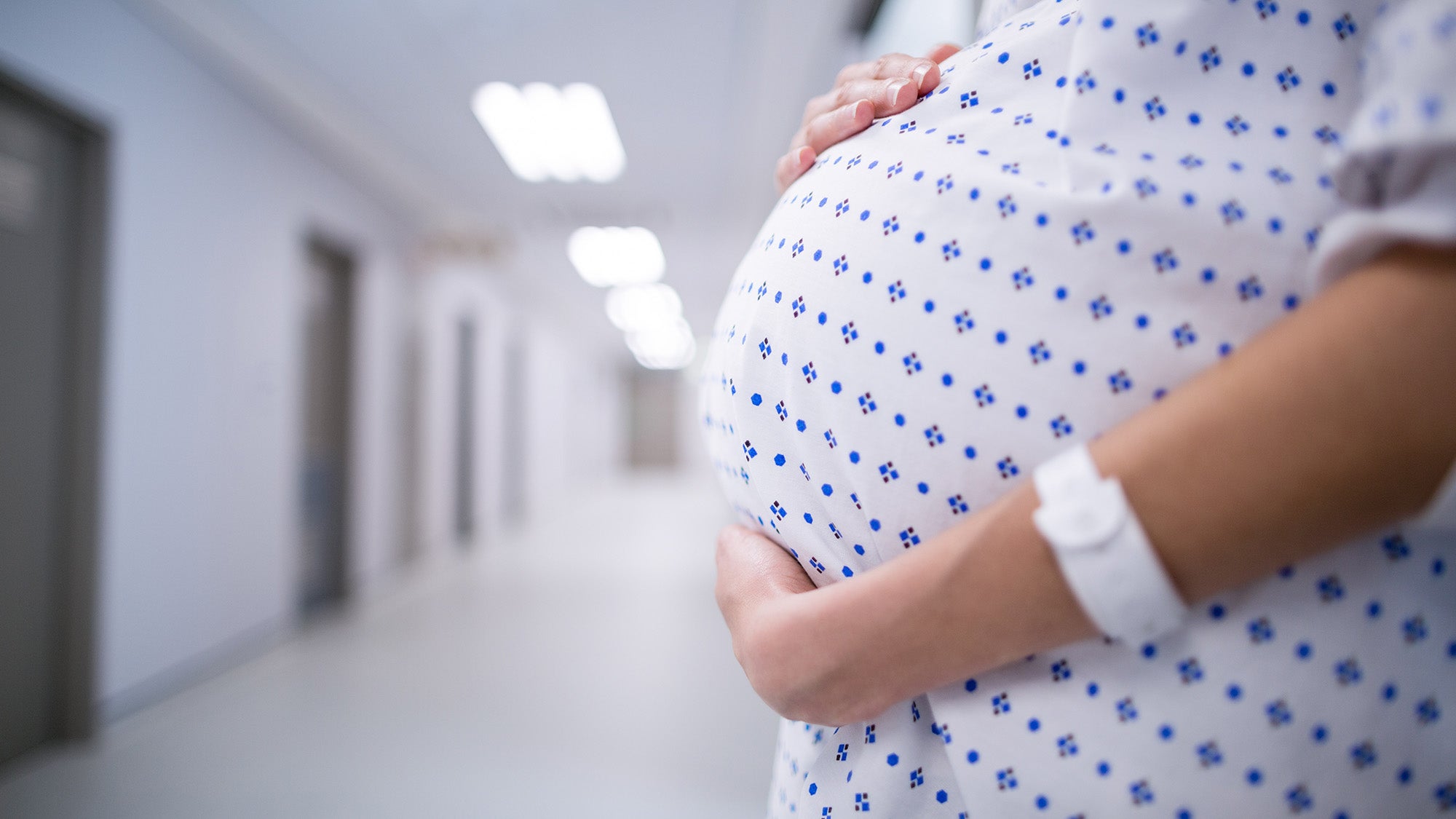
Similarly, studies of placentas over time have found more microplastic particles in more recent years. Microplastic particles were detected in 60% of placenta samples in 2006, 90% in 2013, and most recently, fully 100% of participants studied in 2021 in a study of pregnancies in Hawai‘i5. Not only were microplastics more commonly found, but the number of particles per 50 grams of placental tissue roughly tripled over that time. This suggests that as plastic production and pollution have increased, so has the amount of plastic making its way into our reproductive organs.
Why microplastic exposure matters for women’s and reproductive health
For people who are pregnant, or may want to become pregnant, this research raises important questions.
The placenta is like a lifeline for a baby. Microplastics and associated chemicals that are accumulating in the placenta could potentially affect:
- Nutrient and oxygen exchange between the pregnant person and fetus;
- Hormone signaling that helps regulate pregnancy;
- And immune function within the placenta and fetal environment.
We don’t yet have all the answers, as further research is needed, but the trend is clear: more microplastics are being found in placentas, and scientists are concerned that this could have implications for pregnancy outcomes and long-term health in children.
The JAMA authors also point out that observational studies have linked microplastics with cardiovascular issues, inflammation, and other health problems. These studies don’t prove cause and effect, but they strengthen the case that microplastics are more than just a cosmetic or environmental issue; they are a human health issue.
What the new research is calling for
The scientists behind the JAMA article are calling for specific action:
- Better ways to detect and measure microplastics in air, water, food, and our bodies; right now, methods are inconsistent, which makes it hard to compare studies or set safety standards.
- International cooperation to reduce plastic production and pollution, especially in ways that protect vulnerable communities and future generations.
- Development of safer alternatives to conventional plastics, including materials that don’t shed harmful fragments or chemicals throughout their lifecycle.
- More research focused on reproductive health, fertility, pregnancy, and early life exposures, where the stakes are particularly high.
What you can do right now
While systemic changes require policy and industry shifts, there are small, practical steps you can take to reduce your personal exposure and to support broader change:
1. Be mindful of plastics in food and drink
- Use reusable glass or stainless-steel bottles and containers when possible.
- Avoid microwaving food in plastic containers; transfer leftovers to glass or ceramic instead.
2. Pay attention to what you put on your skin
- Check labels on cosmetics and personal care products, and choose brands that avoid added microplastics where possible.
3. Think about fabrics and laundry
- Wash synthetic clothing less frequently (when practical), and at cooler temperatures.
- When possible, choose natural fibers (like cotton, linen, or wool) over fully synthetic materials.
4. Support policies and companies that reduce plastic use
- Use your voice and your vote to support policies that limit single-use plastics, improve waste management, and encourage safer alternatives.
- Support brands that are transparent about their materials and are actively reducing plastic in their products and packaging.
None of these steps are perfect or all-encompassing, but they can help lower your exposure and signal that there is demand for safer, healthier options.
The Bottom Line
Microplastics matter, especially for women and future generations. New research summarized in JAMA shows that microplastics are:
- Widespread in the environment;
- Increasingly found in human tissues, including the placenta;
- And linked to a range of potential health concerns.
At the same time, scientists are still working to understand the full extent of the risks and to develop better tools to measure and regulate these exposures. This is a rapidly evolving field, and staying informed is one of the most powerful things you can do.
References
1: S. Mahalingaiah, K. C. Nadeau and D. C. Christiani, “Microplastics and Human Health,” JAMA Insights, vol. 334, no. 21, 2025.
2: Marine Debris Program Office of Response and Restoration National Oceanic and Atmospheric Administration, “Microplastics,” 07 February 2023. [Online]. Available: https://marinedebris.noaa.gov/what-marine-debris/microplastics.
3: Organisation for Economic Co-operation and Development, “Policy Scenarios for Eliminating Plastic Pollution by 2040,” 2 October 2024. [Online]. Available: https://www.oecd.org/en/publications/policy-scenarios-for-eliminating-plastic-pollution-by-2040_76400890-en/full-report.html.
4: J. O. Unuofin and A. Igwaran, “Microplastics in seafood: Implications for food security, safety, and human health,” Journal of Sea Research, vol. 194, 2023.
5: R. B. Weingrill, M.-J. Lee, P. Benny, J. Riel, K. Saiki, J. Garcia, L. F. A. d. M. Oliveira, E. J. d. S. Fonseca, S. T. d. Souza and F. d. O. Sil, “Temporal trends in microplastic accumulation in placentas from pregnancies in Hawaiʻi,” Environment International, vol. 180, 2023.