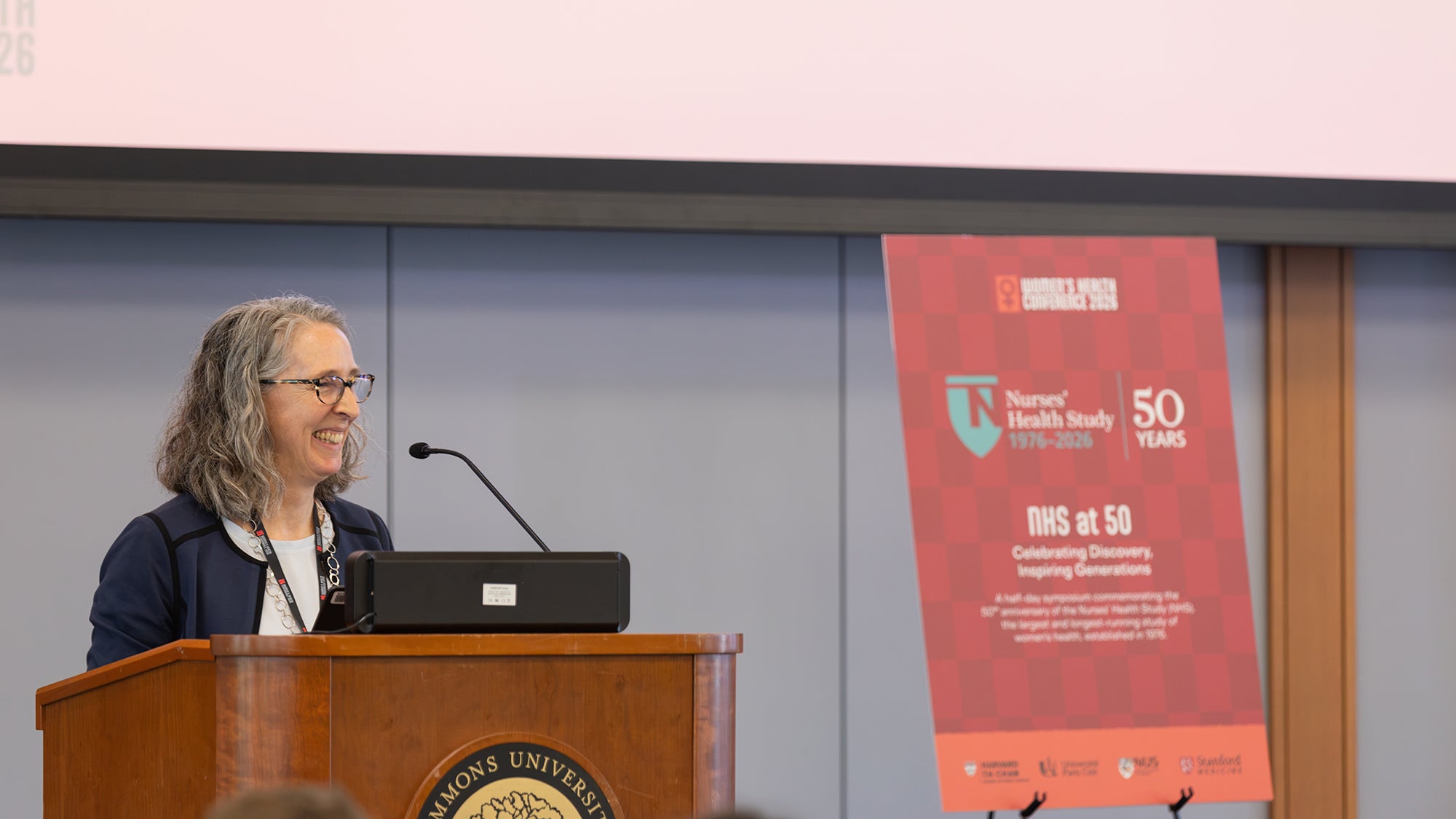
I’m a Harvard-trained OBGYN. I still didn’t recognize my own perimenopause.
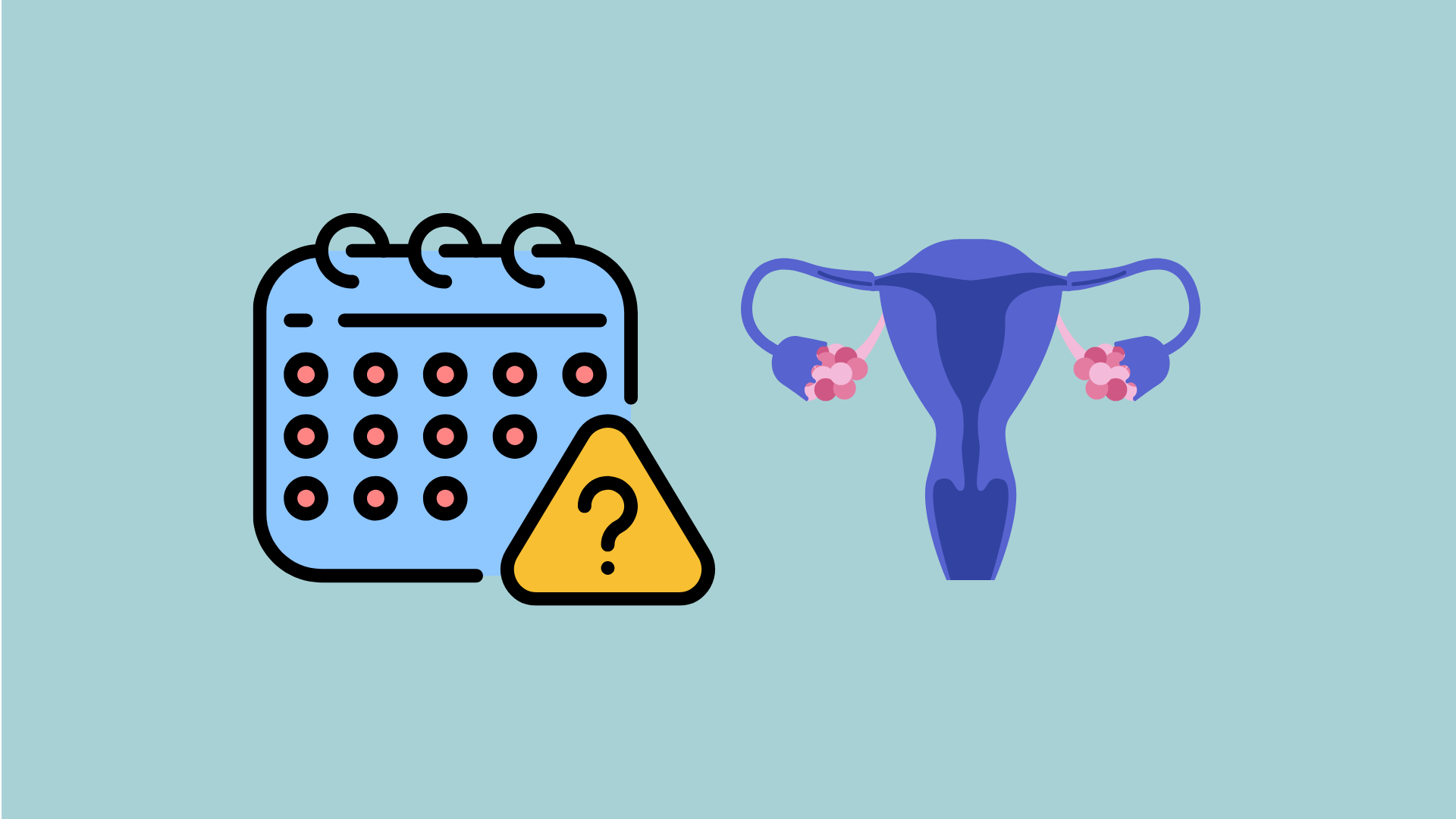
The first signs of perimenopause were so small that I initially ignored them. I was still having regular menstrual bleeding. My labs were fine, and as someone who has prioritized exercise my whole life, I was still in great shape.
I barely noticed when my body started to feel the tiniest bit different. However, eventually some things became so apparent that I couldn’t ignore them anymore. I developed a number of strange new allergies, like coffee. My runs didn’t feel the same, and I wasn’t recovering the way I used to. I was sleeping poorly, too.
Determined to figure out if this was all in my head, I started with a VO₂ max test on a treadmill. The results put me in the highest category for my age; objectively, I was “very fit.” I still felt like I was running through sand.
As a physician scientist, I spend my career thinking about hormones and women’s health. I graduated from Harvard Medical School, and my work has been cited by other researchers over 3,000 times. Even so, it took me a while to connect the dots…this was perimenopause.
When you’re the expert, but you still have unanswered questions
As a researcher, my first response was to simply gather more information.
I did what I tell so many of my patients to do: I worked on my lifestyle, I tried to optimize my fitness and sleep, and I even trialed supplements. I tracked my body composition in depth – fat, water, skeletal muscle and more – trying to see if anything obvious was shifting. I turned to wearable devices and poured over my own data.
The changes kept coming. After some initial pause, I decided to talk with my most trusted OB/GYN colleagues and friends about what starting hormone therapy could look like.
And yet, I couldn’t stop thinking: if I, with all my training and expertise, had to work this hard to understand what was going on with my own body, what must it be like for everyone else?
Perimenopause starts earlier than people realize
When women come into clinic and say, “I just don’t feel like myself,” but their cycles are still regular and their labs are “normal,” it is very easy to chalk their experiences up to stress, lifestyle choices, or even normal aging. The issue is often that perimenopause starts much earlier than we collectively realize.
Menopause is defined as when 12 months pass after your final menstrual period. However, the body doesn’t wait until that exact moment to start changing. Perimenopause, which is the transition leading up to menopause, can start up to ten years before this. You can be cycling regularly and still be experiencing hormonal shifts that affect sleep, mood, cognition, metabolism, and athletic performance. Training on this transition is often limited in medical school, which can ultimately impact the ability of clinicians to recognize and categorize these changes down the line.
In research (such as from the Apple Women’s Health Study) that follows women’s cycles over time, you can see the transition long before the periods stop: greater variability in cycle length1, changes in ovulation patterns, and more. If all you look at is a calendar, you can very easily miss the underlying biological changes that are clearly occurring.
Your personal symptoms and patterns are the richest data you have
One of the most useful things anyone can do in this phase of life is pay attention and to know their own bodies.
Technology can certainly help. Wearables can show changes in sleep patterns2, resting heart rate, and temperature. Scales and other tools can reveal subtle changes in body composition. However, numbers don’t reveal all. As a reproductive endocrinologist, some questions I often ask patients can look like:
- Has your usual workout started to feel harder, with no real change in routine or intensity?
- Do you feel less rested, even when your sleep seems “good” on paper?
- Do your energy, mood, or focus feel less predictable across the month, even if your cycle length looks “normal”?
These are not small complaints, and they are not always just “getting older.” As clinicians, we need to take patients seriously when they say “something is different,” even when the labs look fine. Subclinical changes in ovarian function often come first. They don’t always show up in a straightforward way on a single lab test, especially one interpreted by a non-specialist, but they can show up in a patient’s lived experience. If a patient approaching midlife says, “I don’t feel right,” I’d like the default question to be “what exactly feels different, and how has that changed over time?”
Everyone experiences perimenopause differently
Perimenopause and menopause happen everywhere, but it’s important that we remember not everyone has the same experience.
For example: the average age at menopause is not identical across the globe. In parts of India, for example, menopause tends to occur earlier3, and environmental exposures like air pollution4, heavy metals5, and endocrine-disrupting chemicals6 are often part of that story. At the same time, many Indian women have very little space to talk openly about what they’re going through. Menstruation itself can be stigmatized, and the end of menstruation even more so.
In the United States, the context is different. We are saturated with “anti-aging” messages (especially regarding our appearance), but we receive very little straightforward education about this stage of life. We’ve individualized the experience so much.
What’s missing is a broader social understanding that this is a common, predictable transition that deserves real support culturally, clinically, and at the policy level.
Words of wisdom from a mentor
One of my mentors, Dr. Jerilynn Prior, once said something that has stayed with me: “Your body goes through menopause so that you don’t menstruate when you are 90.”
It takes extraordinary biological effort to become and remain reproductive, and for our species to survive, there also has to be an off-ramp.
There is a logic to this transition. We shift from prioritizing reproduction to other forms of contribution and care: for children, grandchildren, aging parents, and our communities. Many women do describe a different kind of stability later in menopause, once the initial transition ends.
I think we do people a disservice when we talk only about loss. There is loss of fertility, and of a familiar version of one’s body. There is also oftentimes adaptation and relief afterwards. That middle gap in the transition is the space we need to focus so much more attention on.
We have options, but not enough of them
There are many ways to manage symptoms and protect long-term health in perimenopause and menopause. I’m a big proponent of lifestyle medicine. Movement, nutrition, stress reduction, and getting high-quality sleep are powerful. However, they are not always enough, and they are not always accessible.
Pharmaceuticals, including hormone therapy, can help a great deal when used appropriately. We have learned a lot since the early interpretation of the Women’s Health Initiative results. Policy work and advocacy, including efforts by leaders like Claire Gill at the Bone Health & Osteoporosis Foundation, have successfully made some therapies more accessible.
Still, access is uneven. Things like insurance coverage, geography, and more all play a role in who gets information and care.
Rethinking perimenopause
Perimenopause can be messy, prolonged, and highly individual. We give preteens and teenagers a framework for puberty; we talk about what’s happening in their bodies and brains. We offer some tools, some language, and some understanding.
We have not done the same for midlife.
Half the human population moves through this transition. Our science, training, and systems should reflect that reality. We can do much better. And we should.
References
1: “Variability of menstrual cycles by age, polycystic ovary syndrome, and early-life cycle irregularity in the Apple Women’s Health Study,” Am J Obstet Gynecol, vol. 234, no. 4, pp. 1042-1069, 2026.
2: Apple Women’s Health Study, “A Transition of Seasons: Sleep Patterns and Changes in Perimenopause,” June 2026. [Online]. Available: https://hsph.harvard.edu/research/apple-womens-health-study/study-updates/sleep-patterns-and-changes-in-perimenopause/.
3: “Natural menopause among women below 50 years in India: A population-based study,” Indian J Med Res, vol. 144, no. 3, p. 366–377, 2016.
4: H. Li, J. E. Hart, S. Mahalingaiah, R. C. Nethery, E. Bertone-Johnson and F. Laden, ” Long-term exposure to particulate matter and roadway proximity with age at natural menopause in the Nurses’ Health Study II Cohort,” Environ Pollut, vol. 269, 2021.
5: X. Fang, S. Mahalingaiah and J. Schwartz, “Heavy metals and age at natural menopause: a multi-method mixture study with machine learning validation from NHANES 2003–2018,” Environmental Advances, vol. 24, 2026.
6: N. M. Grindler, J. E. Allsworth, G. A. Macones, K. Kannan, K. A. Roehl and A. R. Cooper, “Persistent Organic Pollutants and Early Menopause in U.S. Women,” PLoS One, vol. 10, no. 1, 2015.