Faculty Spotlight: Dr. Amruta Nori-Sarma

Dr. Amruta Nori-Sarma is Assistant Professor of Environmental Health at the Harvard T.H. Chan School of Public Health and Deputy Director of the Harvard Chan Center for Climate, Health, and the Global Environment (C-CHANGE). Her research examines how extreme heat, air pollution, and other climate-related hazards affect health, with a focus on health inequities. In India, she has studied heat wave mortality in Ahmedabad and northwestern India, air pollution exposure in Mysuru and Chennai, and nationwide heat and PM2.5 effects through the CHAIR-India consortium.
She currently leads household air pollution measurement in rural Karnataka within the HeLTI India EINSTEIN trial. She leads the NORI Lab (Natural hazards, Outcomes Research, and health Inequities), is an MPI of the CAFE Research Coordinating Center for the NIH Health and Extreme Weather program, and studies the effects of heat and other climate stressors on vulnerable populations across the US. Dr. Nori-Sarma holds a PhD from Yale University, an MPH from Columbia University, and a BSE from Princeton University.
Vulnerable communities across India are already living the environmental conditions that much of the world will face in the future as the climate continues to change globally. Communities here are already adapting to extreme heat and poor air quality every day. The evidence we build together with Indian partners on the adverse health effects of these exposures can protect the most vulnerable population in India today and provide valuable lessons that will benefit others who face similar environmental and climate stressors in future.
Dr. Amruta Nori-Sarma
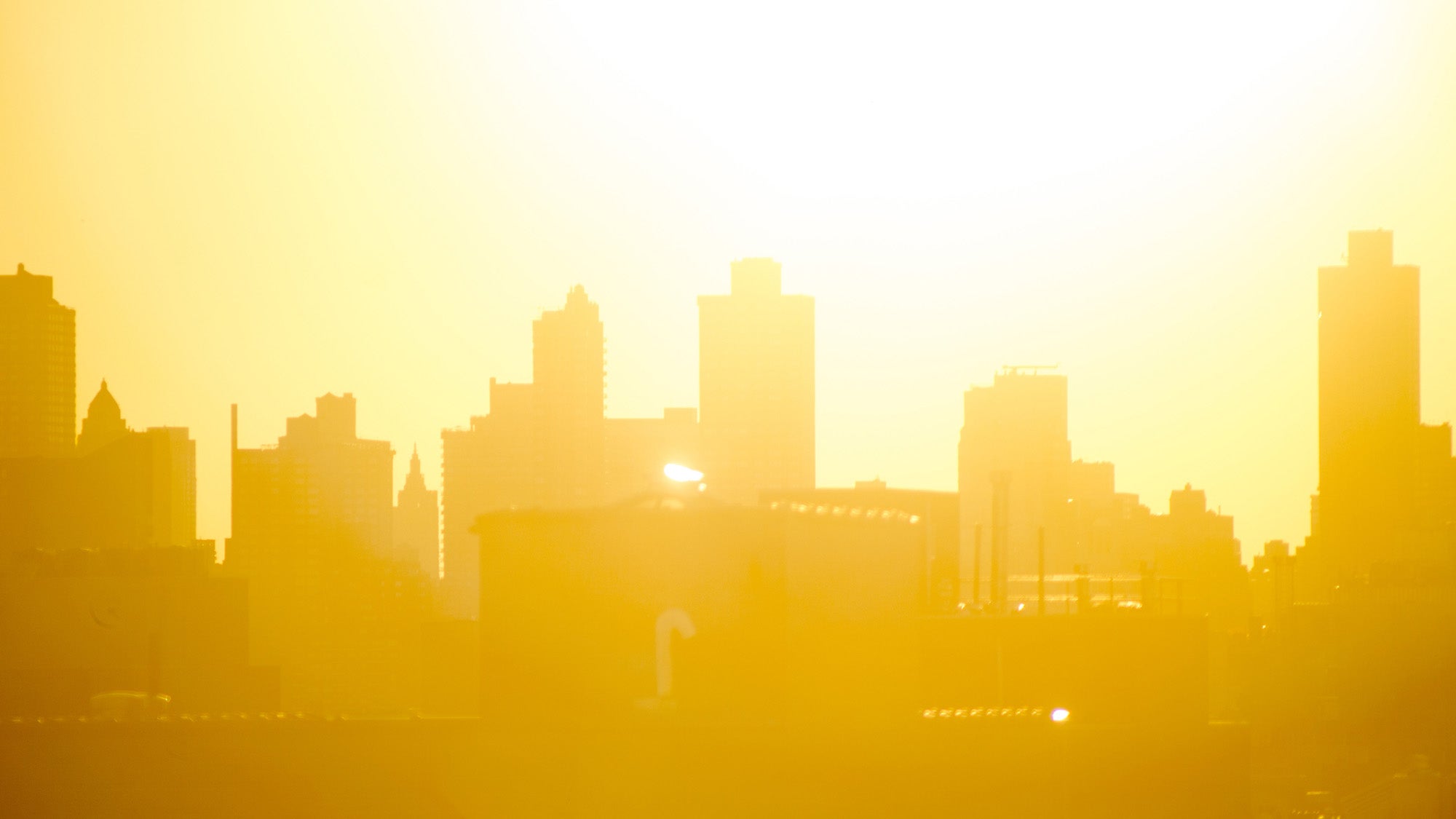
Documenting the toll of extreme heat
- Co-authored an analysis of the May 2010 Ahmedabad heat wave (peak 46.8°C) with the Indian Institute of Public Health Gandhinagar and the Ahmedabad HeatClimate Study Group. The heat wave was associated with about 1,344 excess deaths, a 43% increase over comparable periods (PLOS ONE, 2014).
- This collaboration informed Ahmedabad’s Heat Action Plan, the first in South Asia (IJERPH, 2014).
- Collected and translated municipal death registry data for cities in Gujarat, Maharashtra, and Rajasthan. Heat waves raised mortality even where baseline temperatures are very high, with the largest increase (about 30%) in Jaipur (Environmental Research, 2019).
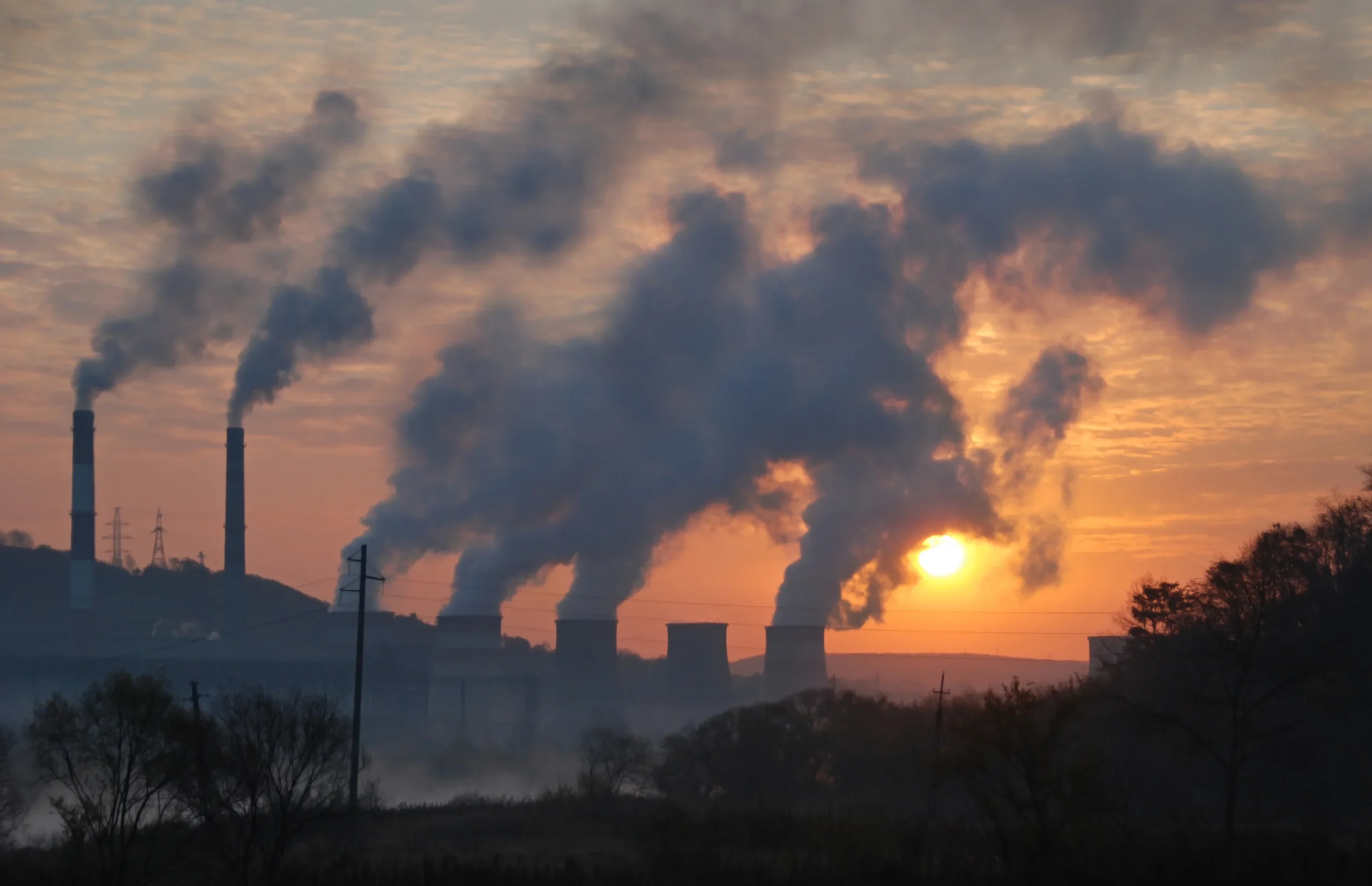
Mapping air pollution, from one city to the whole country
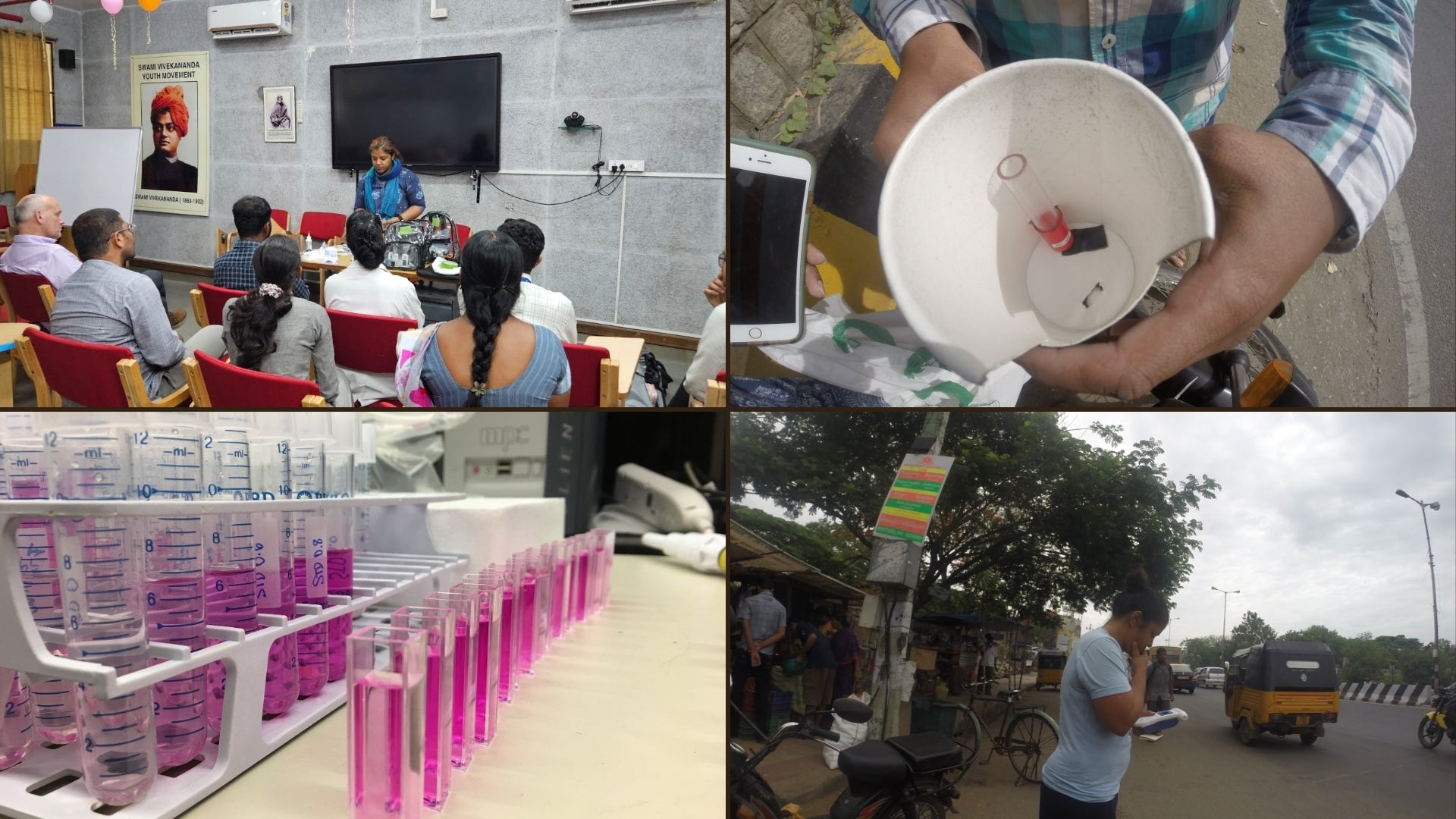
- Doctoral fieldwork (Yale) deployed passive nitrogen dioxide samplers at 150 sites across Mysuru, with additional work in Chennai, to build land use regression models of urban air pollution. Partners included the University of Mysore, JSS University, and Sri Ramachandra Medical College. (Atmospheric Environment, 2020)
- Through the Burden of Obstructive Lung Diseases (BOLD) cohort in Mysuru, surveyed 650 residents of low-income neighborhoods about their perceptions of air pollution and their ability to protect themselves. (ERC, 2021)
- Since 2019, member of the CHAIR-India consortium (Harvard, Boston University, Karolinska Institutet, Ben-Gurion University, Public Health Foundation of India), which estimated daily PM2.5 and temperature on a 1 km grid across India.
- CHAIR-India findings: across about 3.6 million deaths in ten cities, extreme heatwaves were associated with a 14.7% increase in daily mortality. Related studies estimated the mortality effect of long-term PM2.5 nationwide, mapped persistent pollution hotspots, and found that heat and air pollution together are more harmful than either alone.

Current fieldwork: homes, women, and children in rural Karnataka
- Leads household air pollution measurement within the HeLTI India EINSTEIN trial, a cluster randomized trial in rural Mysuru district testing an intervention that begins before conception. In this work, Dr. Nori-Sarma is responsible for deploying air pollution sampling in homes within the cohort, in partnership with the Swami Vivekananda Youth Movement (PIs of the EINSEIN study), University of Toronto (PIs of the HELTI study), and others.
- Personal and indoor monitors are deployed in homes across 10 villages. Even where families cook mainly with LPG, the team is characterizing other everyday sources, including incense, biomass used to heat bathwater, and outdoor pollution.
- Motivating gap: women’s reproductive health, including preconception and menstrual health, is underrepresented in global environmental health research, especially for combined heat and air pollution exposure.
- Also contributes to respiratory research in Mysuru and to the multicentric APEAL cohort on air pollution and adolescent lung health in urban India.
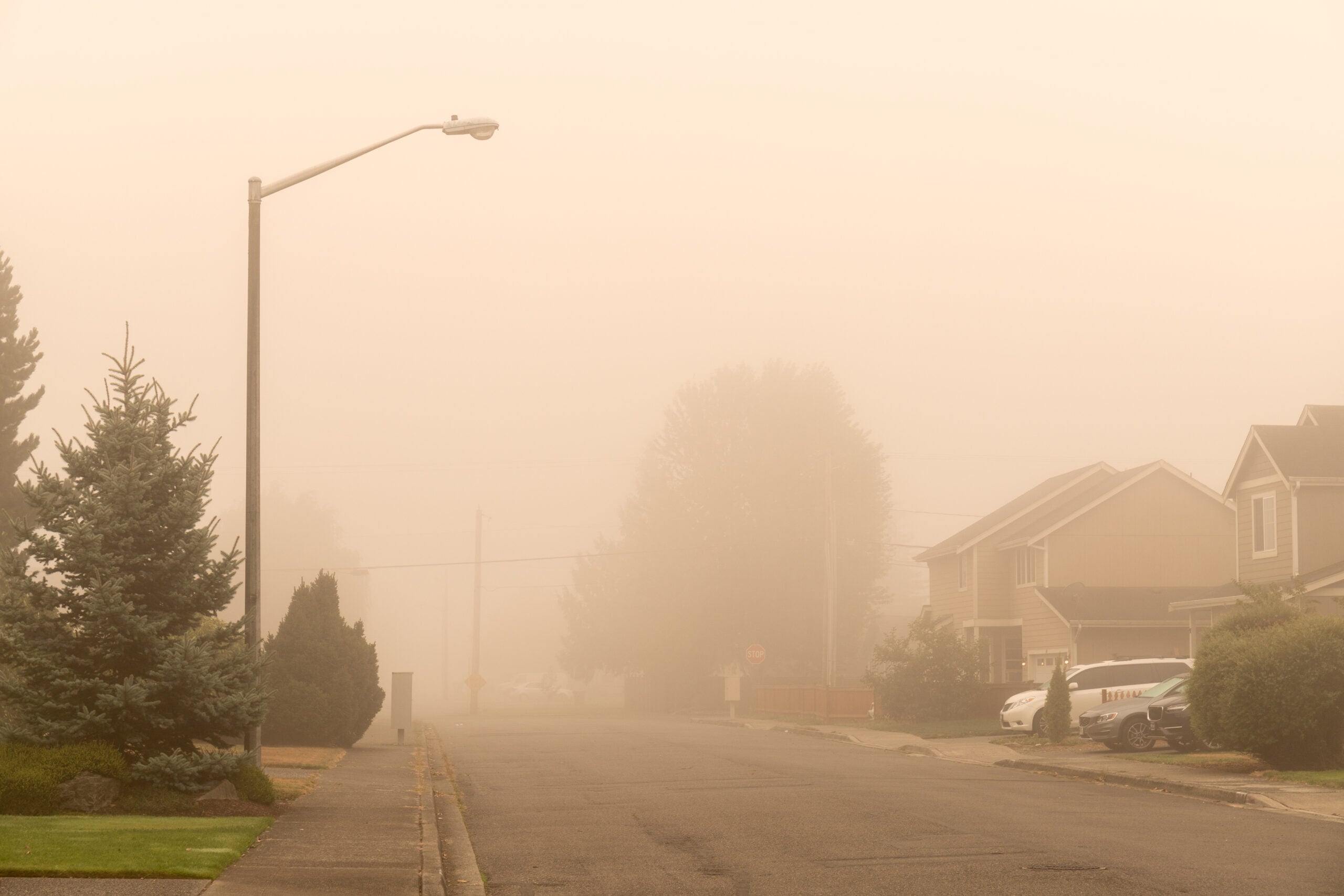
Climate and children’s health in the Sundarbans
- With Dr. Gaurab Basu (Brigham and Women’s Hospital) and partners at the Child in Need Institute, IIT Delhi, and the Centre for Chronic Disease Control, we are developing research linking satellite-based heat and flood mapping to children’s respiratory health in the Sundarbans of West Bengal. This work is supported by a Wellcome Trust climate action grant, starting in January 2027.
India-based research publications
- Mahesh PA, Kaleem Ullah M, Greeshma MV, et al. “Prevalence of asymptomatic bronchial hyperresponsiveness in Indian adolescents: Insights from the APEAL study.” Clin Exp Allergy. 2025;55(9):795-807. http://dx.doi.org/10.1111/cea.70110.
- de Bont J, Rajiva A, Mandal S, et al. “Synergistic associations of ambient air pollution and heat on daily mortality in India.” Environ Int. 2025 May 1;199(109426):109426. http://dx.doi.org/10.1016/j.envint.2025.109426.
- Jaganathan S, Rajiva A, Amini H, de Bont J, Dixit S, Dutta A, Kloog I, Lane KJ, Menon JS, Nori-Sarma A, Prabhakaran D, Schwartz J, Sharma P, Stafoggia M, Walia GK, Wellenius GA, Prabhakaran P, Llungman P, Mandal S. “Nationwide analysis of air pollution hotspots across india: A spatiotemporal PM2.5 trend analysis (2008–2019).” Environmental Research. 2025; 264:120276. https://doi.org/10.1016/j.envres.2024.120276.
- Agrawal T, Phuleria HC, Mohan A, et al. “Rationale and methodology of a multicentric prospective cohort study on “Longitudinal Effects of Air Pollution Exposure on Adolescent Lungs (APEAL)” in urban India: APEAL protocol.” BMJ Open. 2025;15(8):e106329.
- Jaganathan S, Stafoggia M, Rajiva A, et al. “Estimating the effect of annual PM2.5 exposure on mortality in India: a difference-in-differences approach.” Lancet Planet Health. 2024;8(12):e987-e996.
- de Bont J, Krishna B, Stafoggia M, Banerjee T, Dholakia H, Garg A, Ingole V, Jaganathan S, Kloog I, Lane K, Mall RK, Mandal S, Nori-Sarma A, Prabhakaran D, Rajiva A, Tiwari AS, Wei Y, Wellenius GA, Schwartz J, Prabhakaran P, Ljungman P. Ambient air pollution and daily mortality in ten cities of India: a causal modelling study. Lancet Planet Health. 2024 Jul;8(7):e433-e440. doi: 10.1016/S2542-5196(24)00114-1. PMID: 38969471.
- Mandal S, Rajiva A, Kloog I, Menon JS, Lane KJ, et al. “Nationwide Estimation of Daily Ambient PM2.5 from 2008 to 2020 at 1 km2 in India Using an Ensemble Approach.” PNAS Nexus 3, 3 (2024). https://doi.org/10.1093/pnasnexus/pgae088.
- Bont JD, Nori-Sarma A (co-first authors), Stafoggia M, Banerjee T, Ingole V, Jaganathan S, Mandal S, et al. “Impact of Heatwaves on All-Cause Mortality in India: A Comprehensive Multi-City Study.” Environment International, 184 (2024): 108461. https://doi.org/10.1016/j.envint.2024.108461.
- Nori-Sarma A, Thimmulappa RK, Venkataramana GV, Warren JL, Berman JD, Whittaker SD, Kulick ER, et al. “NO2 exposure and lung function decline in a cohort of adults in Mysore, India.” Environmental Research Communications, 2021. 3(5). doi: https://doi.org/10.1088/2515-7620/abf2dd.
- Prabhakaran P, Jaganathan S, Walia GK, Wellenius GA, Mandal S, Kumar K, Kloog I, Lane K, Nori-Sarma A, Rosenqvist M, Dahlquist M, Reddy KS, Schwartz J, Prabhakaran D, Ljungman PLS. “Building capacity for air pollution epidemiology in India.” Environmental Epidemiology. 2020 Oct;4(5):e117. doi: 10.1097/EE9.0000000000000117.
- Nori-Sarma A, Thimmulappa RK, Venkataramana GV, Fauzie AK, Dey SK, Venkareddy LK, et al. “Low-cost NO2 monitoring and predictions of urban exposure using universal kriging and land-use regression modelling in Mysore, India.” Atmospheric Environment, 2020. 226:117395. doi:10.1016/j.atmosenv.2020.117395.
- Benmarhnia T, Schwarz L, Nori-Sarma A, Bell ML. “Quantifying the impact of changing the threshold of New York City Heat Emergency Plan in reducing heat-related illness.” Environmental Research Letters, 2019. 14(11). doi: 10.1088/1748-9326/ab402e.
- Nori-Sarma A, Anderson GB, Rajiva A, Azhar GS, Gupta P, Padnekar M, et al. “The impact of heat waves on mortality in Northwest India.” Environmental Research, 2019. 176. doi: 10.1016/j.envres.2019.108546.
- Nori-Sarma A, Benmarhnia T, Rajiva A, Azhar GS, Gupta P, Padnekar M, Bell ML. “Advancing our understanding of heat wave criteria and associated health impacts to improve heat wave alerts in developing country settings.” International Journal of Environmental Research and Public Health, 2019. 16(12), 2089. doi: 10.3390/ijerph16122089.
- Nori-Sarma A, Gurung A, Azhar GS, Rajiva A, Mavalankar D, Sheffield P, Bell ML. “Opportunities and challenges in public health data collection in Southern Asia: examples from Western India and Kathmandu Valley, Nepal.” Sustainability, 2017. 9(7):1106. doi:10.3390/su9071106.
- Knowlton K, Kulkarni SP, Azhar GS, Mavalankar D, Jaiswal A, Connolly M, Nori-Sarma A, et al. “Development and implementation of South Asia’s first heat health action plan in Ahmedabad (Gujarat, India).” International Journal of Environmental Research and Public Health, 2014. 11(4):3473-3492. doi: 10.3390/ijerph110403473.
- Azhar GS, Mavalankar D, Nori-Sarma A, Rajiva A, Dutta P, et al. “Heat-related mortality in India: excess all-cause mortality associated with the 2010 Ahmedabad heat wave.” PloS ONE, 2014. 9(3), e91831. doi:10.1371/journal.pone.0091831