The Readiness You Can’t Measure: What Communities in Southwestern Nigeria Taught Me About Strengthening Healthcare Systems
Olakunle Ajayi is a Rose Service Learning Fellow and MPH candidate.
I came to this fellowship as both a Nigerian and a health systems strategist who has spent years working in public health across sub-Saharan Africa and the Americas, often in communities not unlike the ones I would soon be visiting. That familiarity helped me enter the field with some understanding of the context, but it also carried a risk: assuming that technical experience, or being Nigerian, meant I already knew what communities needed. I expected to assess healthcare facility readiness. I did not expect the field to reshape how I understood readiness itself.
My Rose Service Learning Fellowship examined whether selected healthcare facilities in hard-to-reach and semi-urban communities in southwestern Nigeria had the people, medicines, equipment, infrastructure, services, governance, and information systems needed to deliver care consistently and effectively. Readiness assessments can help facility teams and health-system decision-makers identify practical strengths and gaps and determine where support or resources, such as trained staff, medicines, or equipment, may be most useful. For the families who rely on these facilities, that translates into more consistent care closer to home. Structured assessments naturally focus attention on what can be observed and measured inside a facility, and, left on their own, they can tilt toward a deficit lens by cataloguing what a facility lacks rather than what a community already has. My fieldwork reminded me to look beyond those walls.
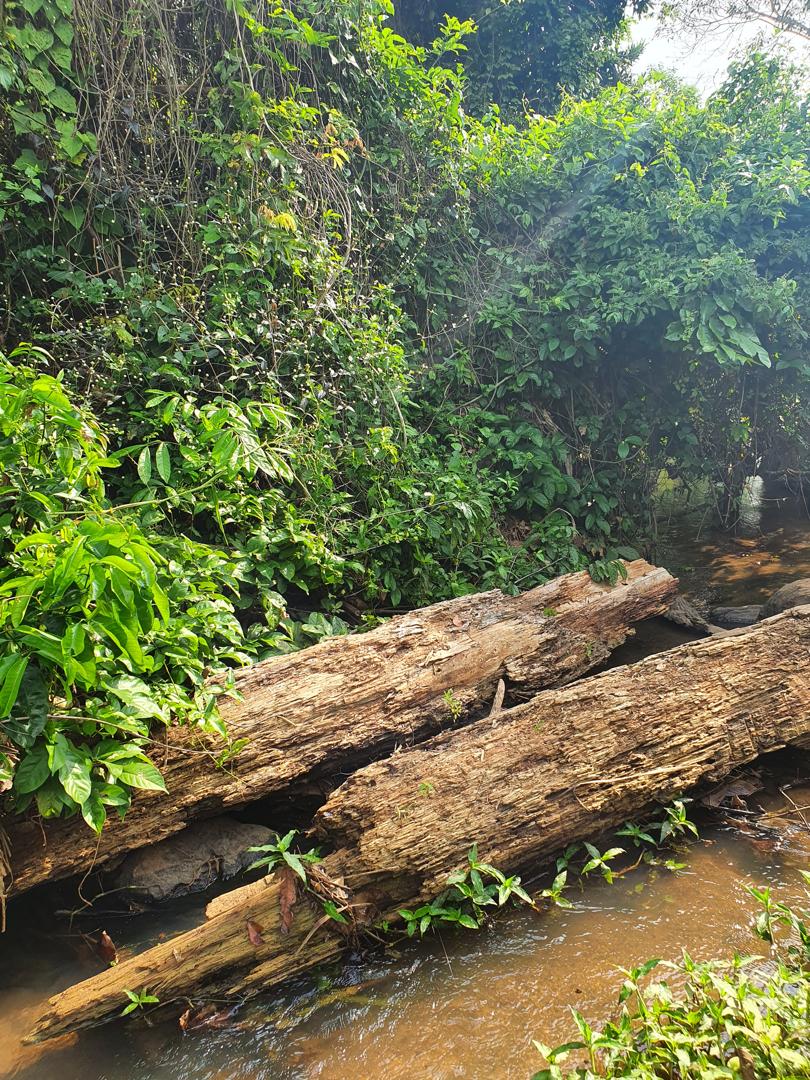
In several hard-to-reach communities, streams formed part of everyday household life and served as a source of water. Women collected water for cooking, washing, and other needs. The stream sat in the background of my formal assessment, yet it made visible something important: maternal, newborn and child health is shaped not only by what happens when someone reaches a healthcare facility, but also by the conditions in which families live, work, care for children, and decide when and how to seek care.
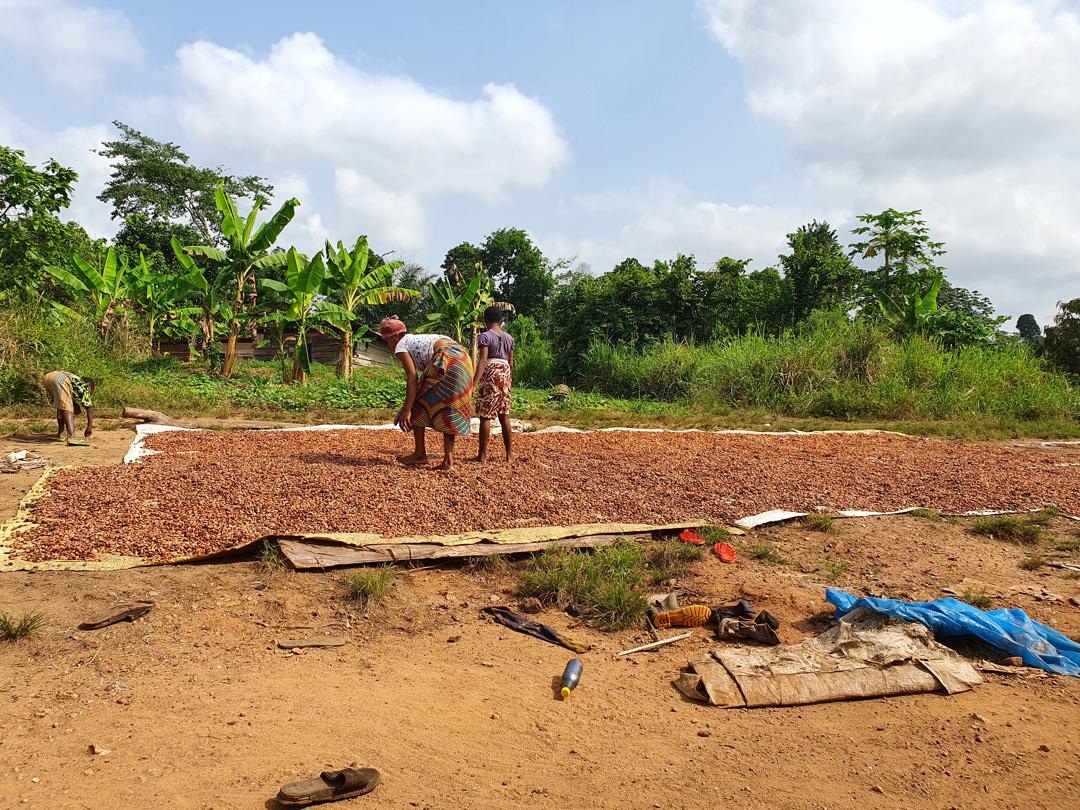
Each day, my team and I assessed healthcare facilities by verifying equipment, reviewing registers, observing service conditions, and documenting medicines and health personnel. The work was systematic and evidence-driven. Between facilities, however, we also saw cocoa being processed and dried, families pursuing their livelihoods, water sources supporting household life, and communities organizing around shared priorities. Rather than viewing these scenes through the deficit lens I described earlier, I began to see them as evidence of community assets: knowledge, relationships, livelihoods, and resilience already in place, and part of the social and economic context in which healthcare is used.
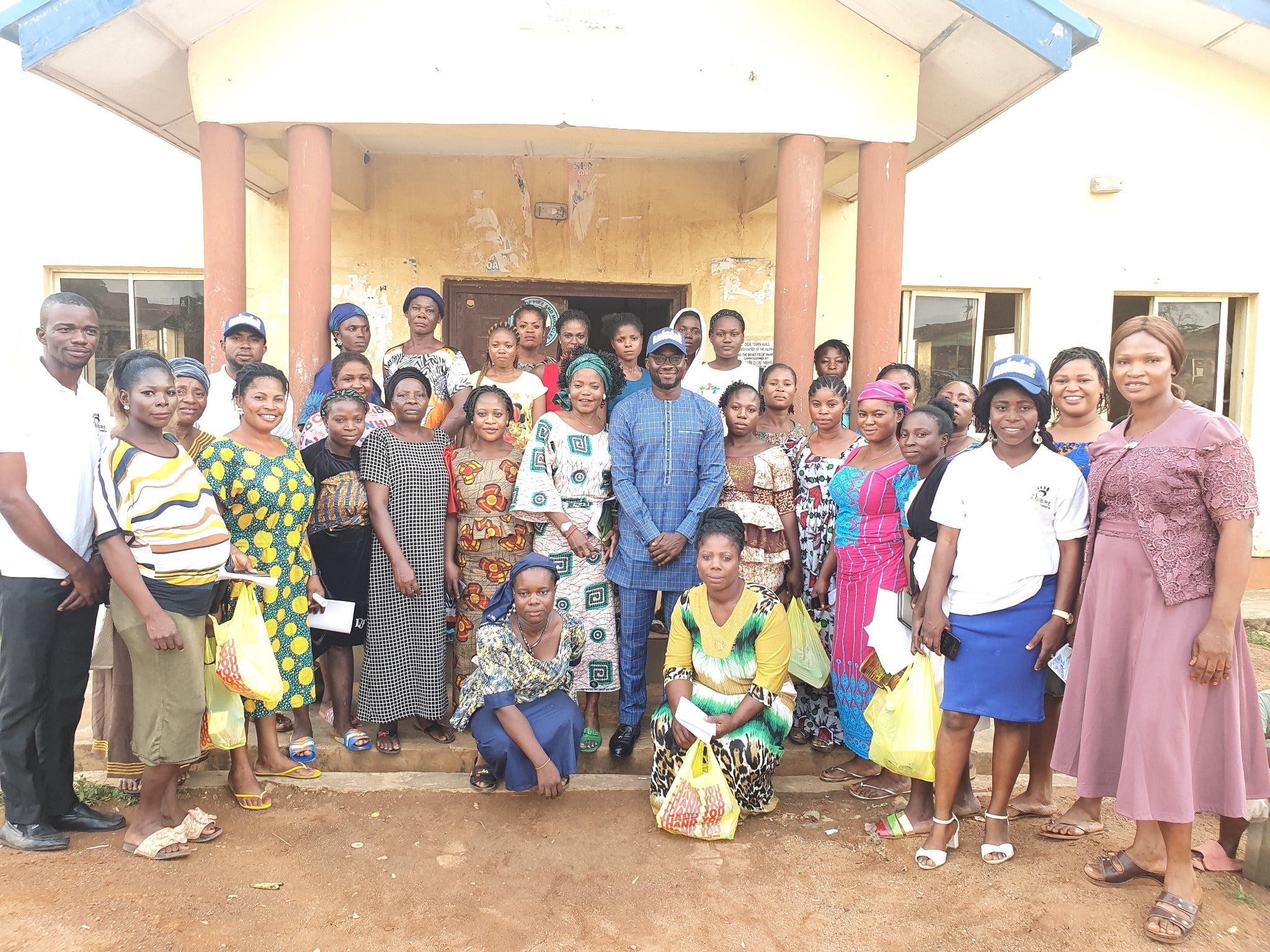
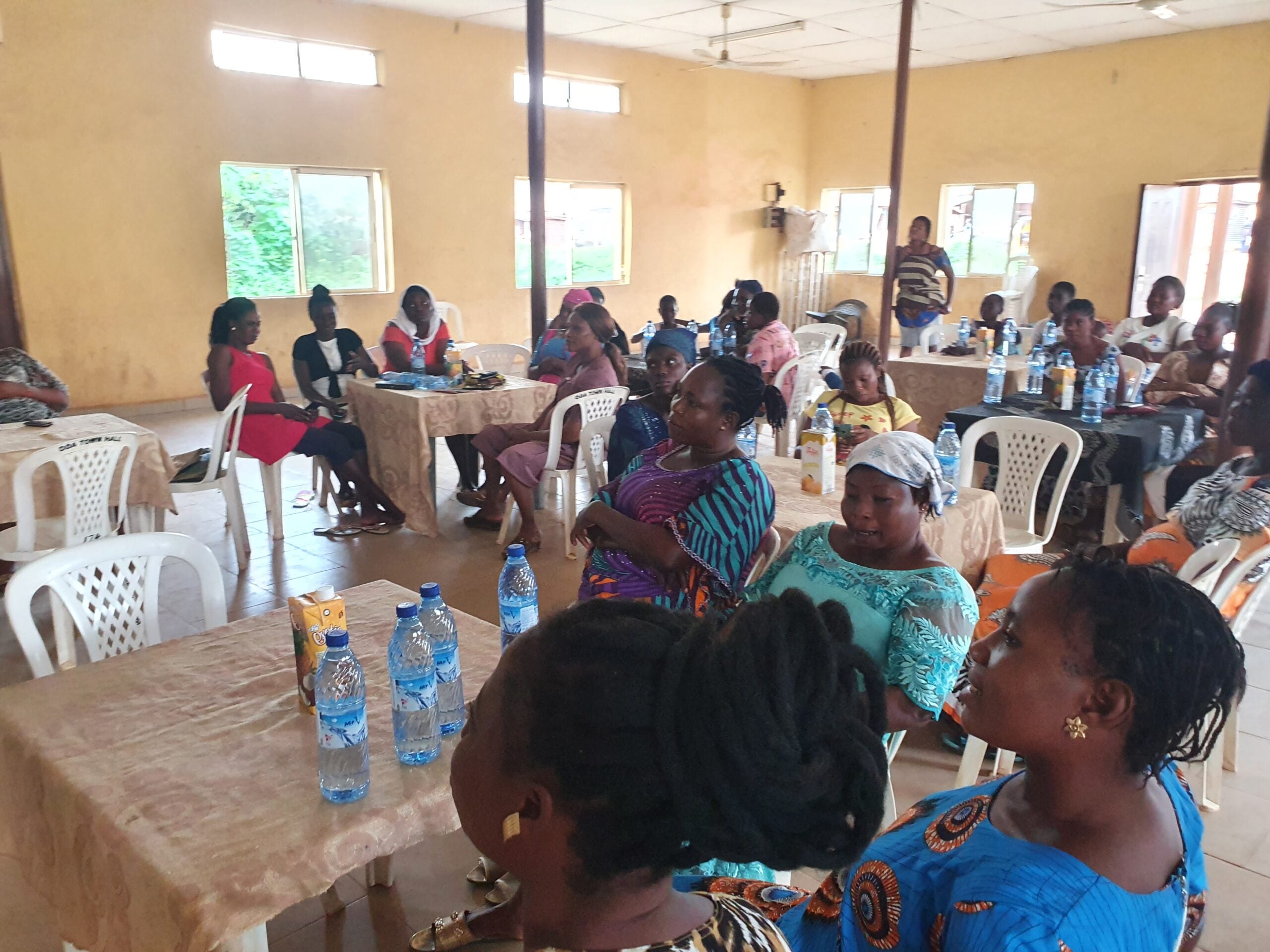
Some of my most important learning came in women-led community spaces that I happened to encounter during the fieldwork. At a Maternal, Newborn and Child Health (MNCH) Women’s Cluster meeting, the discussion moved across maternal health, childhood illness, nutrition, immunization, and experiences with healthcare services. One discussion that stayed with me was how women shared practical advice about recognizing changes in a pregnant woman or young child that should prompt a family to seek care quickly, while also discussing whom they would contact and how they would mobilize support when help was needed. What struck me was not simply the advice itself, but how this knowledge circulated through relationships, experience, and collective problem-solving forms of knowledge that may never appear in a facility register or readiness indicator, yet can profoundly shape whether and when families seek care. I was entering a space where knowledge-sharing and leadership were already happening.
The Rose Service Learning Fellowship asks us to approach communities with the posture of a learner. I understood that idea during orientation; I understood it differently in the field. The women I met were not merely beneficiaries of healthcare services. They were knowledgeable actors within the health system, navigating services, supporting families, sharing information, and contributing to community wellbeing. Their expertise did not make measurement less important. It made my interpretation of measurement more complete.
This experience has changed how I want to practice. As a health systems strategist, I will continue to value rigorous indicators, standardized assessments, and quantitative evidence. I will also be more deliberate about pairing them with proximity and listening by asking what an indicator cannot explain, whose knowledge is missing from the dataset, and whether communities recognize themselves in the conclusions we draw.
I arrived ready to assess healthcare facilities. I left more aware that I, too, needed to be ready. Ready to question my assumptions, to listen before recommending, and to treat lived experience as evidence alongside the numbers. For me, that is the readiness you can’t measure and the lesson I will carry into the work ahead.