Getting Lost to Find the Way
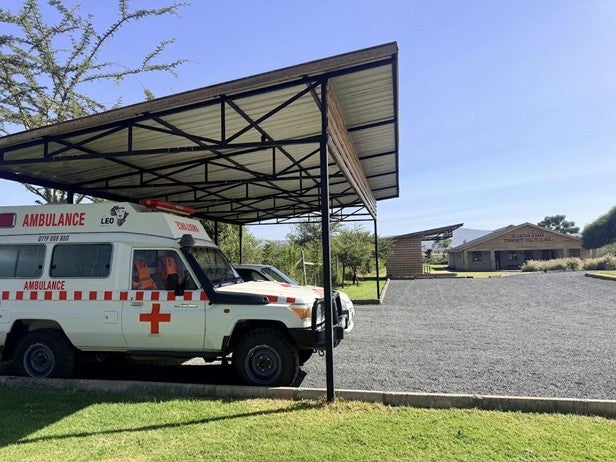
Renny Honda is a Rose Service Learning Fellow and a Master of Public Health candidate in the Health and Social Behavior field of study.
I believe no one should be left alone when their world is turned upside down by a diagnosis. I learned this not from data, but from a woman I couldn’t help while I was working on an AI screening project in Japan. My job was to find early signs efficiently. One day, the woman received a letter recommending follow-up. She called back. The message that came to me was simple: “I don’t know what to do next.” What came next was beyond my job and I had nowhere to turn. Yet that moment never left me.
I met Sonali Verma at a virtual admitted students event in March 2025. We both came from the healthtech industry and shared our passion for equitable cancer care. After a few online conversations, we decided to pursue a practicum project together. When we came across the opportunity with The Leo Project to improve access to community-based cancer care in rural Kenya, and spoke with founder, Jess Danforth, we knew this was exactly the opportunity we had been looking for.
When I had the chance to work with the Leo Project as a Rose Service Learning fellow, I came with one question: “How might we ensure no one is left alone after diagnosis?” On our first day in Kenya, Sonali and I were scheduled to visit an oncologist at Kenyatta National Hospital in Nairobi to learn what cancer care patients can access, and took an Uber from our accommodation. The grounds were vast. We asked passersby for directions, but no one could point us to where we needed to be. We stood there, lost on an unnamed road, with no idea where to go next.
Then Sonali called Njeri, a team member from The Leo Project. “Your appointment isn’t here,” she said. “It’s at Kenyatta University Teaching, Referral and Research Hospital.” Thirty minutes away. We arrived late. But we made it. On the way back, I kept thinking: we had smartphones, another Uber fare, and Njeri to call. And still, we almost didn’t make it. What struck me was that this wasn’t just a travel mishap. It was a small preview of what the health system feels like when you don’t know where to go and have no one to guide you. When I shared this story in Laikipia, people laughed. They said it was a familiar story for the local people. But the more I heard it, the less funny it seemed. What if they couldn’t afford another Uber? What if there was no one to call? Would they have turned back? I think they might have.
Let me share a story I heard from Paul, The Leo Project’s psychiatrist. A teenage girl was suspected of having breast cancer. When her family learned of it, they pulled away, believing cancer could spread from person to person. In a community where stigma around cancer remains deeply entrenched, this kind of isolation is not uncommon, and its reach extends well beyond the medical diagnosis. With no one to accompany her, she walked alone to the nearest primary care clinic for further testing. On her way, she was hurt in ways that went far beyond her diagnosis. For women in rural Kenya, a cancer suspicion alone can unravel everything, not just health. I had spent years building tools to detect disease earlier. But no tool could have helped her. Later, during our co-design workshop, Paul offered a clear direction: mental health counseling should begin before diagnosis, not after.
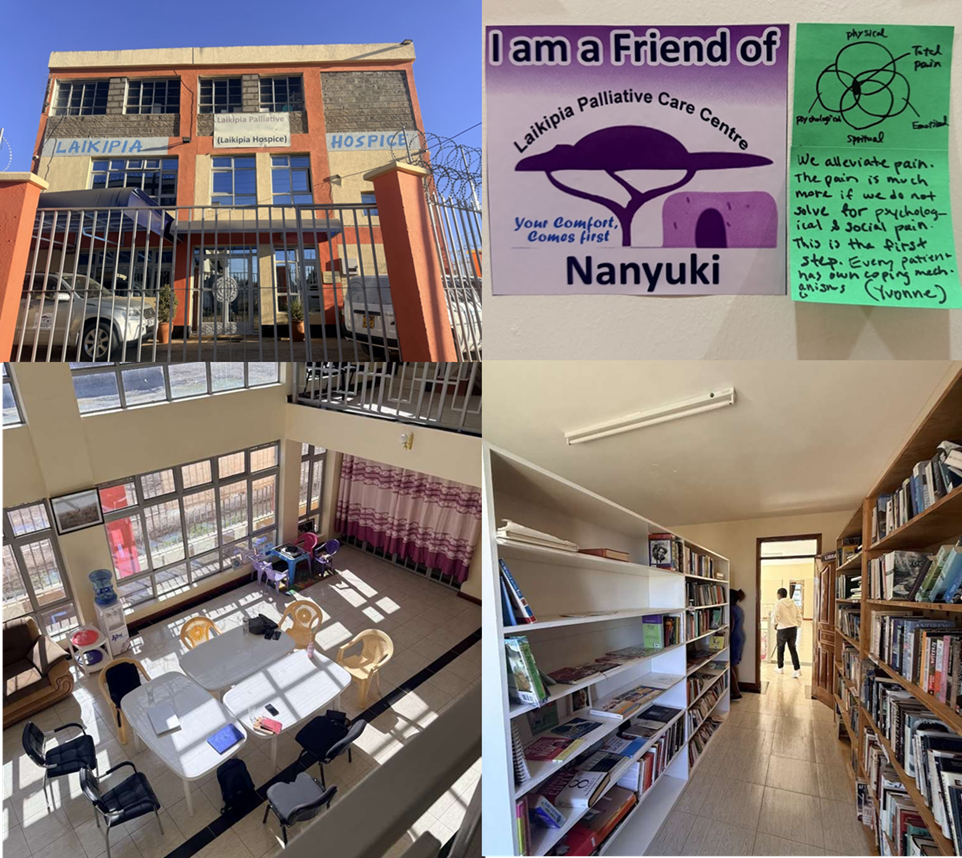
Edwin and Yvonne from Laikipia Palliative Care Center showed me a different way of thinking about cancer. “What annoys cancer patients is not even about physical pain,” Edwin told me. “It’s about psychological pain and social pain. So, you need to start sorting out as soon as possible.” They address pain in all its forms, including spiritual pain, working alongside a chaplain. And they do all of this free of charge. No one is turned away.
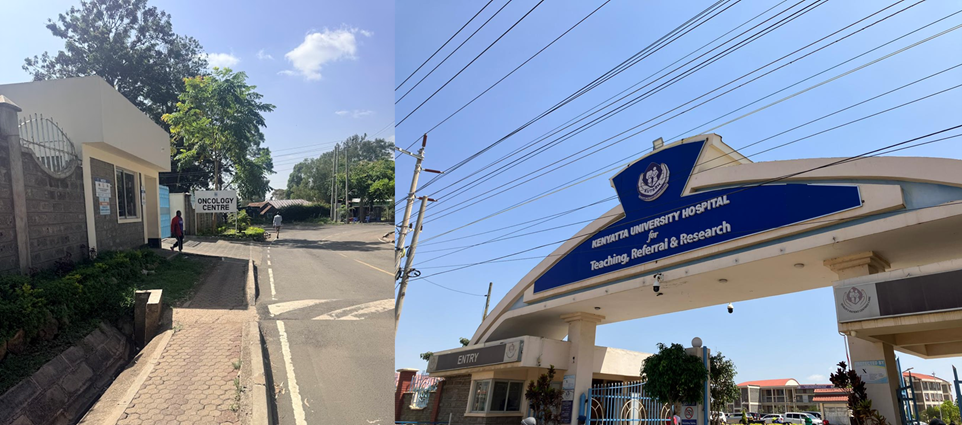
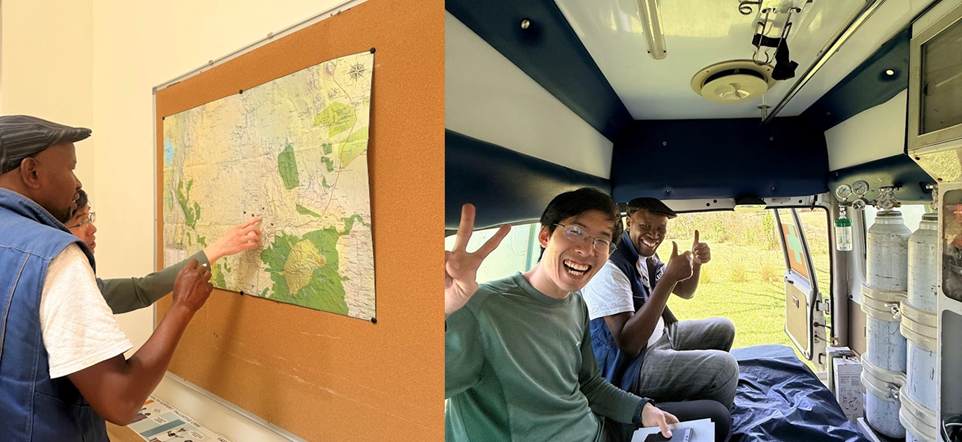
I also had the chance to interview Anthony, The Leo Project’s ambulance driver. He hadn’t always done this work. He used to be a tour bus driver. One day, he witnessed an accident caused by another vehicle. He watched, helpless, as people needed care he couldn’t provide. That moment stayed with him. Slowly, he trained to become an ambulance driver. What struck me most was how he described his role: “An ambulance has no boundaries. It can go anywhere to at least assist someone who needs help.” He wasn’t waiting for patients to find their way to care. He was going to them. That, I realized, is what an unsung public health hero actually looks like.
Sonali wrote that scale without local context fuels pilotitis. What I saw in Laikipia confirmed this, but from a different angle. Everyone in Laikipia is not waiting for a scaled solution. They are already building what care looks like, one person at a time.
I am deeply grateful for the Rose Service Learning Fellowship and The Leo Project for giving me the chance to work with such remarkable colleagues. They helped me find my direction, so that when someone says “I don’t know what to do next,” I will know what to do.