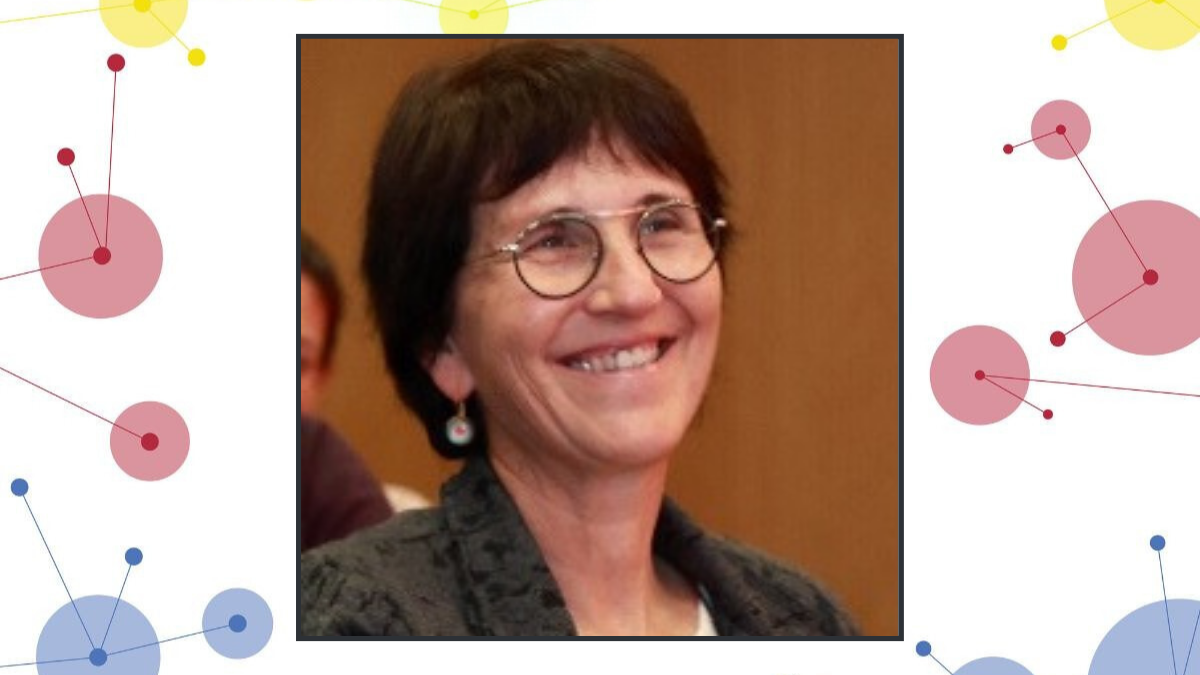
ID Epi Seminar Series – Gili Regev-Yochay
Feb 27, 2025 | 1-2pm ET | Kresge G3
The Sheba Pandemic Preparedness Research Institute (SPRI) – From Pandemic Preparedness to a West Nile Virus mAb
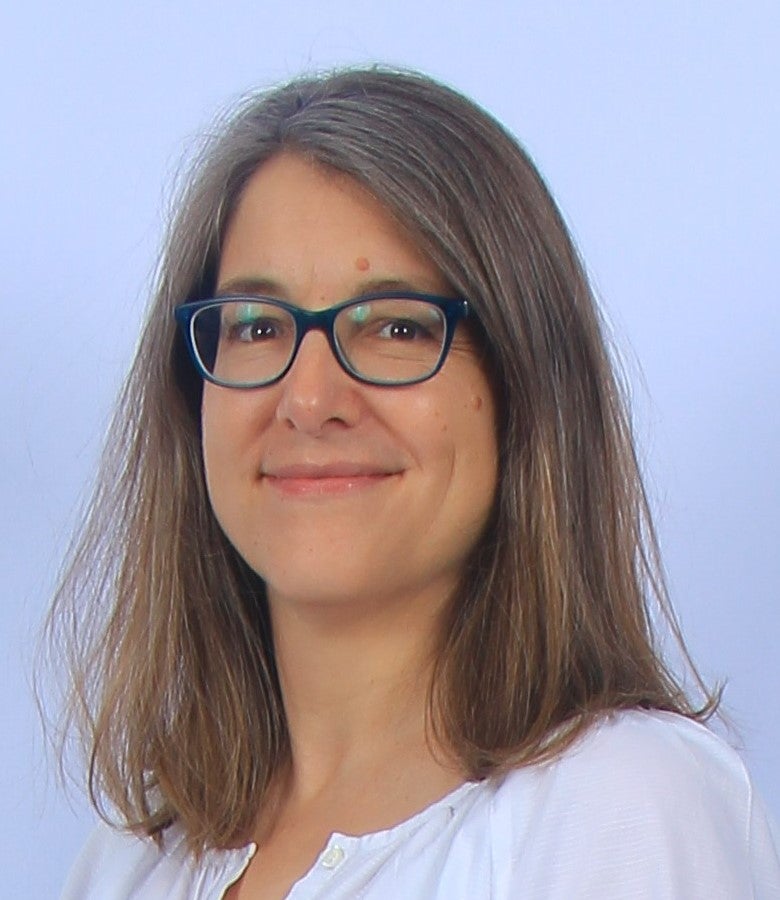
Presented by Gili Regev-Yochay, Professor, Director of the Sheba Pandemic Preparedness Research Institute, School of Medicine, Tel Aviv University
Gili Regev-Yochay, is a full Professor at the Tel-Aviv University, Faculty of Medicine. She is the Director of the Sheba Pandemic preparedness Research Institute (SPRI) and the Head of the Infection Prevention & Control Unit at the Sheba Medical Center, Tel Hashomer, Israel. During the COVID-19 pandemic she was a local, national and global opinion leader in the field. Her research on COVID-19 vaccine effectiveness, correlates of protection and the immune response has led to major policy decisions and to the establishment of SPRI.


Presented jointly with Zhu Family Center for Global Cancer Prevention
Cancer is one of the most searched topics online. But the information those searches yield can be difficult to decipher. What’s true? What’s not? What’s promising? What’s debunked? This expert panel will bust myths and discuss misconceptions about cancer.
Register for free to submit your questions.
An on-demand video will be posted after the event.
Speakers
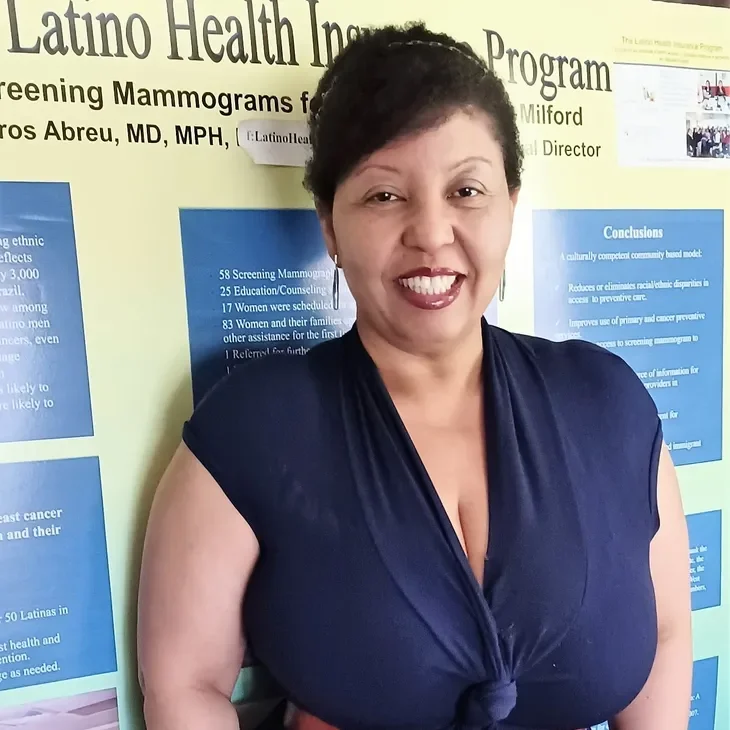
Milagros Abreu
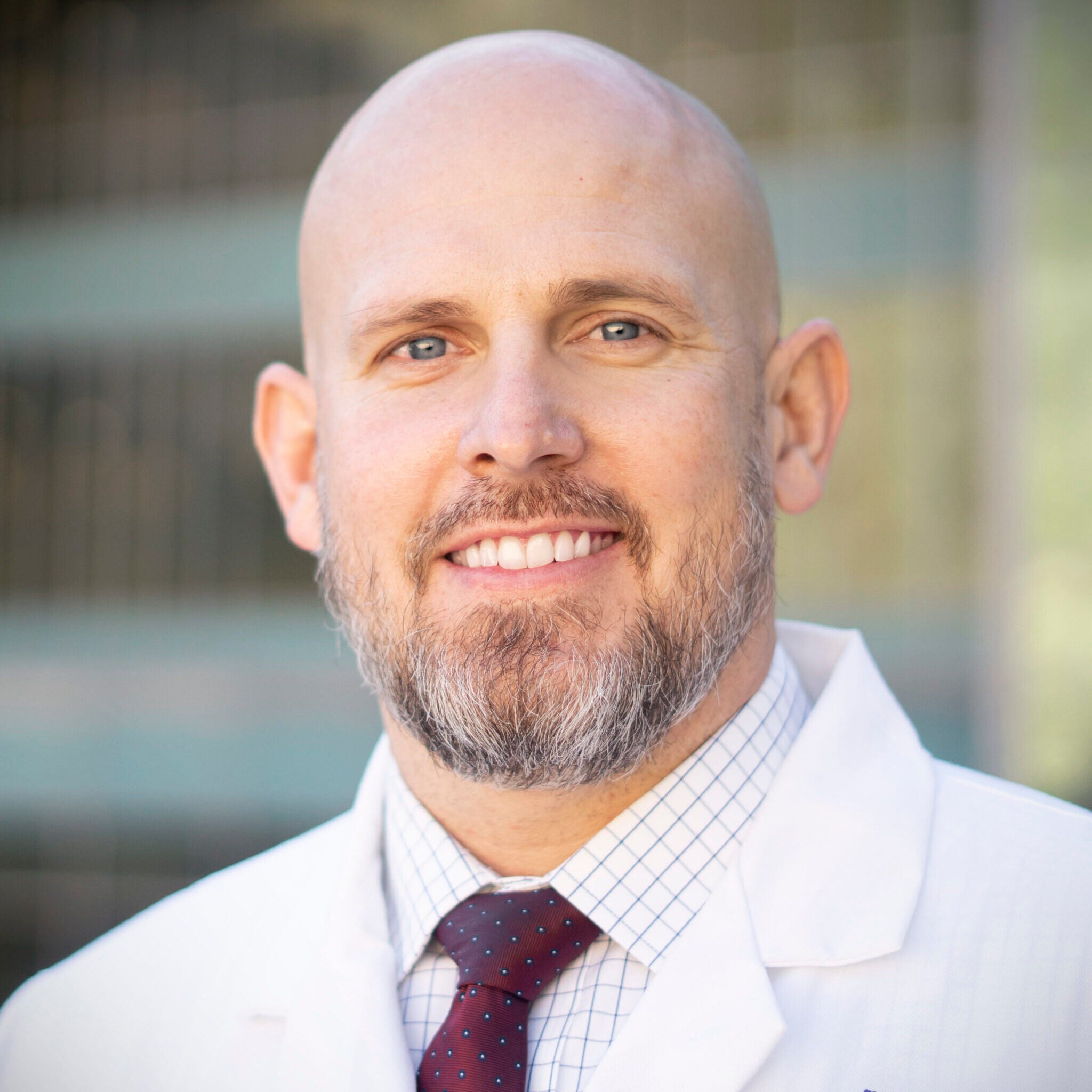
Skyler Johnson
Stacy Loeb

Moderator

About The Studio
Center Member Research Presentation: Ronnie Levin, MA and Maitreyi Mazumdar, MD, MPH
Join us for a Center Member Research Presentation by Ronnie Levin, MA and Maitreyi Mazumdar, MD, MPH. Levin will present on Don’t undervalue the goods: Monetizing health endpoints and Mazumdar will present on Arsenic, spina bifida, and folic acid in Bangladesh: Translation from animal models to humans to public health policy.
Ronnie Levin, MA is an instructor in the Department of Environmental Health at the Harvard T.H. Chan School of Public Health. She has been studying the exposures and health effects of lead for more than 40 years. Prior to her time at the Chan School, she worked at the Environmental Protection Agency (EPA) for over 37 years, writing regulations for lead in gasoline and drinking water. Her work on these regulations, including the methods and analyses developed, and other water quality studies has had a major impact on reducing lead exposures for all Americans. Recently, her research on lead with Center member Joel Schwartz, PhD, showed the cost-savings of reducing lead in drinking water, providing evidence for the EPA’s proposed requirement to replace all lead pipes within 10 years. Earlier this year, she was named by Time as one of the 100 individuals who most influenced global health in 2024.
Maitreyi Mazumdar, MD, MPH is a pediatric neurologist at Boston Children’s Hospital. Her research program focuses on the role of environmental hazards play in the neurological development of children. Dr. Mazumdar’s studies take place in Bangladesh where arsenic contamination of groundwater has affected over 100 million people.
This event will be held in person in HSPH Bldg. 1, 1302 and via Zoom. Register here.
Speaker Information


Organizers
Combating the Health Effects of Extreme Heat in Urban India

*Please note this event has been canceled*.
Join the Department of Global Health and Population for our weekly Thursday Brown Bag Series! On March 27, Amruta Nori-Sarma, PhD,will present “Combating the Health Effects of Extreme Heat in Urban India.” Dr. Nori-Sarma is Assistant Professor of Environmental Health and Population Science in the Department of Environmental Health at Harvard T.H. Chan School of Public Health. This seminar will be held in Building 1, Room 1208. Online participation will be available via Zoom.
The Thursday Brown Bag Series is a weekly seminar series featuring current research of faculty, affiliates, and guests of the department. Any questions regarding the series can be directed to the department at GHP@hsph.harvard.edu.
Speakers will share their own perspectives; they do not speak for Harvard
Speaker Information
Organizers
Population Research Exchange: “Revisiting the relationship between marriage and childbearing in low-fertility East Asia: Evidence from Japan”
Speaker Information
Fumiya Uchikoshi, PhD
Organizers
Harvard Pop Center Social Demography Seminar: “Impacts of pandemic-era food assistance policies on health and health equity”

Speaker Information
Rita Hamad, MD, PhD
Organizers
The Silent Killer: Radon Exposure and Your Health
The next installment of the Department of Environmental Health’s Youtube “Your Health” Series:
The Silent Killer: Radon Exposure and Your Health
Monday, February 3, 2025 at 1pm EST
Watch live on YouTube: https://www.youtube.com/@HarvardChanEnvHealth/streams
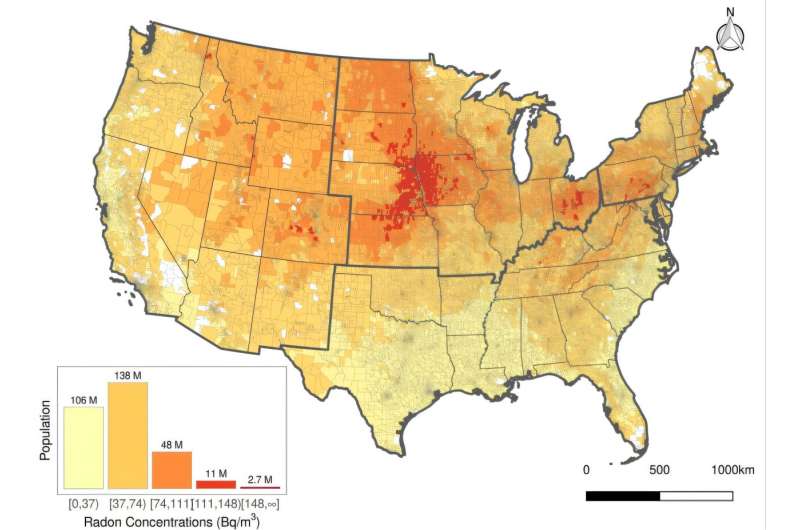
Radon, a common radioactive indoor air pollutant, is the second leading cause of lung cancer in the United States. A recent study by researchers in the Department of Environmental Health at Harvard T.H. Chan School of Public Health found that over 83 million people are living in residences with radon concentrations at levels over 148 Bq/m3 (the level at which the U.S. EPA recommends homes be fixed). Join us for this expert Q&A to learn about the impacts of radon exposure to your family’s health, and how to reduce your risks.
- Moderated by Petros Koutrakis, PhD, Professor of Environmental Sciences, Harvard T.H. Chan School of Public Health
Featured Panelists:
- Longxiang Li, PhD, Assistant Professor of Environmental Health, Rollins School of Public Health, Emory University
- Ernani F. Choma, PhD, Research Scientist, Environmental Health, Harvard T.H. Chan School of Public Health
- Tina M. Banzon, MD, Assistant Professor of Pediatrics, Boston Children’s Hospital
- Jane Malone, National Policy Director, Indoor Environments Association
- Stacy R. Stanifer, PhD, APRN, AOCNS, Assistant Professor, University of Kentucky College of Nursing; Radon Policy Program Director, BREATHE
- Shawn Price, Director of Laboratory Operations, RadonAway
- Matthew Bozigar, PhD, Assistant Professor of Epidemiology, Oregon State University
If you have questions for the experts in advance of the event, you tweet your questions to: @harvardenvhlth using the hashtag #radonQs.
Speaker Information
Organizers
Wildfires in LA: Smoke, Exposures, and Your Health
A Live Panel Discussion Hosted by the Department of Environmental Health, Harvard T.H. Chan School of Public Health
Friday, January 24, 11am EST / 8am PST
Watch live on YouTube: https://www.youtube.com/@HarvardChanEnvHealth/streams
Wildfires continue to affect people on both coasts of the United States this week, as fires in LA prompted a new wave of evacuations, and firefighters are still fighting fires after weeks of intense battles with the blazes. Smoky, hazy air has impacted people in and around LA in recent weeks, leading to health concerns for all ages and all people. To talk about these concerns, and how to mitigate them, we have gathered public health experts to answer frequently asked questions about wildfire smoke and its impact to your health.
Moderated by: Vanessa Kerry, MD, MSc
- Speakers speak from their own experiences and research and not on behalf of Harvard University.
Speaker Information

Organizers
ID Epi Seminar Series – Gesine Meyer-Rath
Mar 13, 2025 | 1-2pm ET | Kresge 502
The economic impact of the HIV response: How do we know if it’s been worth it?
Presented by Gesine Meyer-Rath, Research Associate Professor at Boston University School of Public Health and HE2RO, University of the Witwatersrand
Prof. Gesine Meyer-Rath is a medical doctor and health economist working on the economics of infectious disease interventions in low- and middle-income settings. She is a Research Associate Professor at Boston University School of Public Health and a Principal Researcher at the Health Economics and Epidemiology Research Office (HE2RO) at the University of the Witwatersrand. She focusses on modeling methods for economic evaluation and translating research into recommendations for public policy, in particular for HIV and TB in South Africa.
Each spring, the Center for Communicable Disease Dynamics hosts an annual seminar series, featuring talks from experts on the latest research in infectious disease epidemiology and modeling.
Speakers will share their own perspectives and do not speak for Harvard.
ID Epi Seminar Series – Elizabeth Rogawski McQuade

Mar 6, 2025 | 1-2pm ET | Kresge G3
Optimizing antibiotic treatment for children with diarrhea in low-resource settings: promoting access and limiting excess
Presented by Elizabeth Rogawski McQuade, Associate Professor in the Department of Epidemiology, Rollins School of Public Health, Emory University
Dr. Rogawski McQuade is an Associate Professor in the Department of Epidemiology, Rollins School of Public Health. Her training is in infectious disease epidemiology and her research interests are in pediatric enteric disease in low-resource settings. Specifically, she focuses on the complex interactions between early childhood diarrhea, enteric infections, environmental enteropathy, antibiotic use, and their effects on child health and development. She also studies the impact of enteric vaccines and strategies to optimize antibiotic treatment for diarrhea.

Each spring, the Center for Communicable Disease Dynamics hosts an annual seminar series, featuring talks from experts on the latest research in infectious disease epidemiology and modeling.
Speakers will share their own perspectives and do not speak for Harvard.